REVIEW · REYKJAVIK
Reykjavik: World War II Walking tour around the city centre
Book on GetYourGuide →Operated by The War Tour · Bookable on GetYourGuide
Reykjavik gets a second life on this walk. This WWII-themed city-center tour pulls you into May 1940 with period photos and videos, right as you stand where the British invasion landed. I love how the guide connects big military moves to real daily changes, including what people ate and the music they danced to.
My other favorite part is the way you track the soldiers’ route into Reykjavik Old Town, using stop-by-stop context instead of a dry lecture. Even better, the tour is built to keep the story from getting one-sided, with a distinct look at the German Residence too.
One consideration: you’ll be outside in almost all weather, and while the route is mostly flat, there’s a small hill and benches aren’t everywhere. Bring good rain gear and wear shoes that won’t hate you after 2 hours.
In This Review
- Key highlights you’ll care about
- Start at Hotel Borg: the tour’s best opening move
- The Old Harbour and May 1940: where the British landed
- Reykjavik Old Town: following the route into the city
- German Residence stop: balancing the wartime story
- British invasion meets the American presence: culture changes you can name
- Period photos and videos in the streets: why this method works
- Price and value: is $40 worth it for 2 hours?
- What to bring for Iceland weather (and why it matters here)
- Who this tour suits best (and who might want a different option)
- Should you book this Reykjavik WWII walking tour?
- FAQ
- Where do I meet for the tour?
- What time does the tour start?
- How much does the tour cost?
- How long is the walking tour?
- What language is the guide?
- What are the main places you visit?
- Is the tour wheelchair accessible?
- What should I bring?
- Is there food or drinks included?
- Is it suitable for children?
Key highlights you’ll care about
- The Old Harbour landing point where the British invasion hit in May 1940
- Reykjavik Old Town route following how soldiers pushed into the city
- German Residence stop that helps balance the wartime story
- British and American presence explained through social and cultural changes
- Period photos and videos used on the street, not in a classroom
- Side-street time to see center Reykjavik beyond the main drag
Start at Hotel Borg: the tour’s best opening move
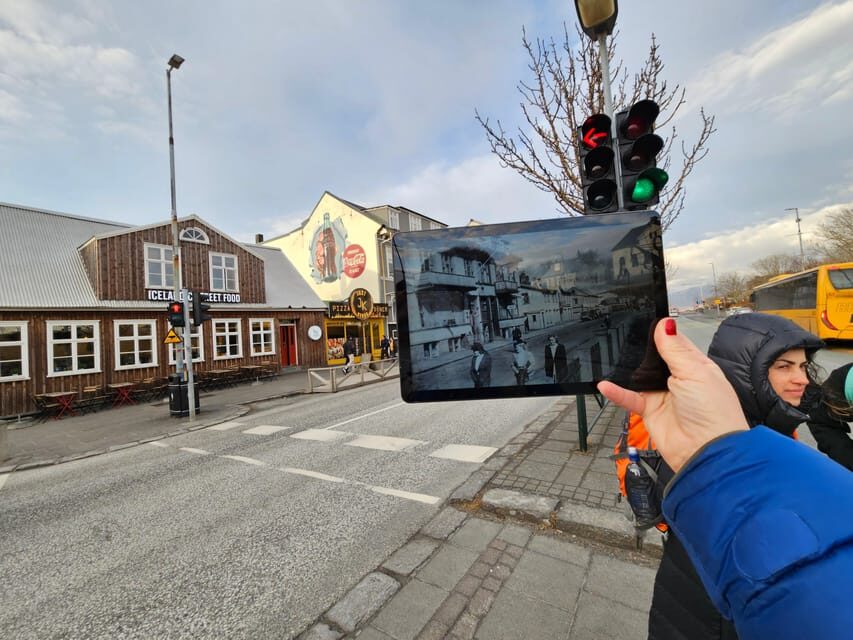
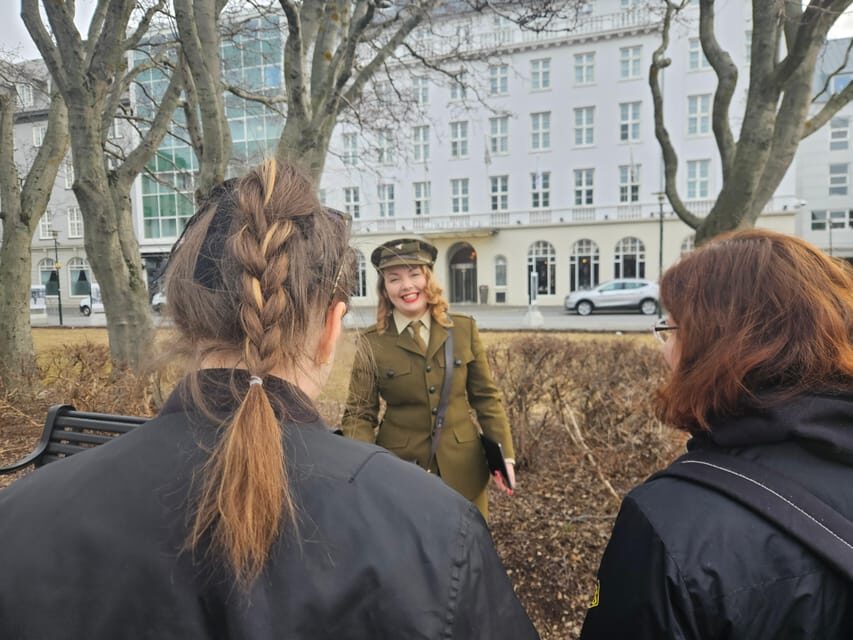
Meeting outside Hotel Borg keeps things simple: you wait in front of the hotel rather than searching inside, and that puts you in the right mood fast. From there, you head toward the harbor area and into the core streets, with the guide using the city itself as the timeline.
What I like about this setup is that it avoids the usual museum feeling where everything is explained after the fact. Instead, you’re learning in place. You’re looking at buildings and streets while the guide gives you the context of what was happening there during the war years. The result is that Reykjavik stops being just a pretty Nordic city and starts feeling like a map of choices, pressure, and sudden change.
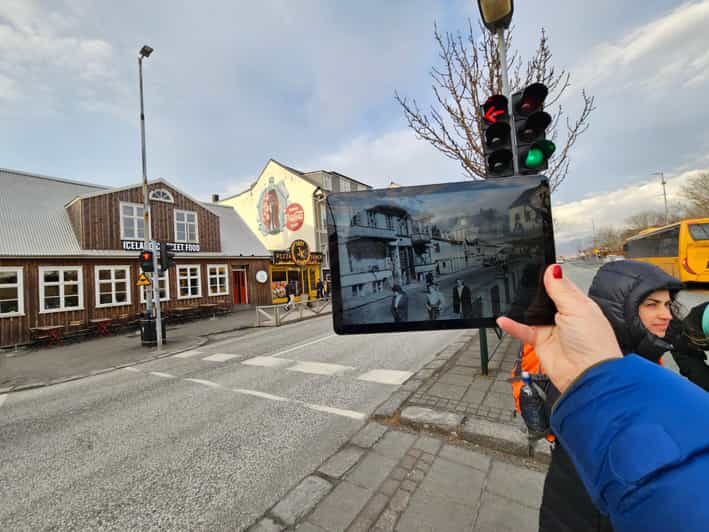
It also helps that the guide speaks English and runs a live, history-focused walk rather than relying only on printed handouts. The small touches matter: period photos and videos get used as you go, so you get that “wait, this is the same spot?” effect without needing to be a WWII expert first.
You can also read our reviews of more walking tours in Reykjavik

The Old Harbour and May 1940: where the British landed
The Old Harbour is the anchor of the whole experience. This is where the tour points you to the exact landing place tied to the British invasion in May 1940. Standing by the water, the guide frames what you’re seeing with period media, so you can connect the present-day harbor lines with what those landings meant in real terms.
This stop is more than “then they arrived.” The guide uses the images and clips to show how an invasion is not just a headline. It’s logistics, timing, movement into town, and fast decisions. You’ll also get a sense of why Reykjavik’s location and routes mattered so much during WWII. Iceland wasn’t a distant side note. It was a strategic piece of the puzzle.
A practical tip: bring your camera, because this is the part where the visuals feel most “before-and-after.” Even if you’re not into military history, I think you’ll enjoy how the guide turns the harbor into a scene you can picture, not just a fact you memorize.
Drawback to plan for: harbor areas can be windy, and the tour goes in almost all weather. If your rain gear is mediocre, you’ll feel it here first.
Reykjavik Old Town: following the route into the city
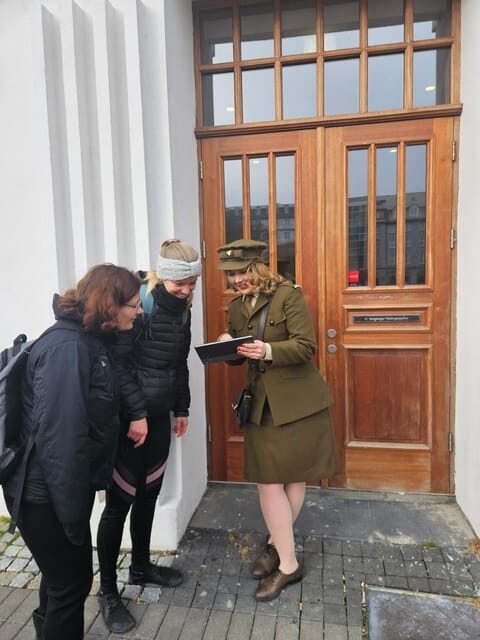
After the harbor, the tour moves into Reykjavik Old Town, and the focus shifts from landing to takeover and movement. You follow the route the soldiers took into the heart of the city, passing key areas along the way. The guide explains how they took over important buildings as they went, which helps you understand why certain streets suddenly mattered.
This section is where the walk turns into something more personal. I like that the guide doesn’t treat the war like a sealed-off chapter. Instead, you’re shown how control and presence changed daily life. The guide talks about what people saw, what changed around them, and how quickly society can pivot when outside forces are involved.
You’ll also get period context about what that presence did to culture. The tour isn’t only about uniforms and ships; it’s about the human side of sudden contact. The guide connects the British presence to social and cultural changes, including things like food and music.
One small realism note: this is still a walking tour. You’ll be outside and moving between stops, and while the route is mostly flat, you should expect a little up-and-down. If you know you fatigue fast on short hills, plan to slow your pace slightly and take breaks when the guide pauses for photos.
German Residence stop: balancing the wartime story
One of the smartest choices on this tour is that it doesn’t only stick to one side. The stop at the German Residence helps you widen the lens and understand that WWII in Iceland wasn’t just a single invasion narrative.
I found this part especially valuable because it keeps the story from feeling like a straight line. You get a sense that wartime pressure came from multiple directions, and that Iceland’s situation was complicated. The guide uses the stop to broaden your understanding of what the German presence meant in the region and how it fit into the overall conflict.
Even if your main interest is the British Invasion, this balancing stop makes your knowledge feel more complete. It also helps you connect the dots between occupation, influence, and the reality that everyday life in Reykjavik was shaped by forces competing over control.
A good way to get the most from this stop: listen for how the guide links the place to the social impact. The German Residence segment works best when you’re paying attention to what changed for people living nearby, not just the geopolitical timeline.
British invasion meets the American presence: culture changes you can name
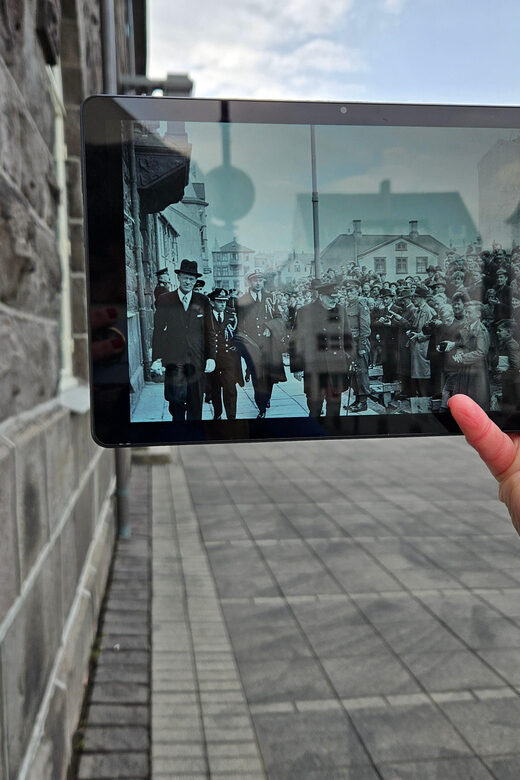
The tour’s standout feature for me is how it treats WWII as a cultural turning point, not only a military event. After covering the British landing and the soldiers’ movement through town, the guide expands the story to include the American presence.
This is where you’ll likely come away with ideas you can repeat to friends back home. The guide explains how the American presence reshaped society, including visible day-to-day changes like food choices and music you might imagine dancing to. It’s the kind of explanation that makes history feel usable, because it gives you concrete anchors rather than vague “things changed” statements.
I also like that the tour frames these shifts as a social process. You can see how outside influence affects habits, tastes, and even entertainment. When you walk through the city center as the guide talks, those cultural shifts start to feel grounded.
This also means the tour fits well if you enjoy the human side of travel. You’re in Reykjavik, not a battlefield museum. You’re learning how a small city adjusted to a huge global conflict, and how those adjustments lingered.
You can also read our reviews of more city tours in Reykjavik


Period photos and videos in the streets: why this method works
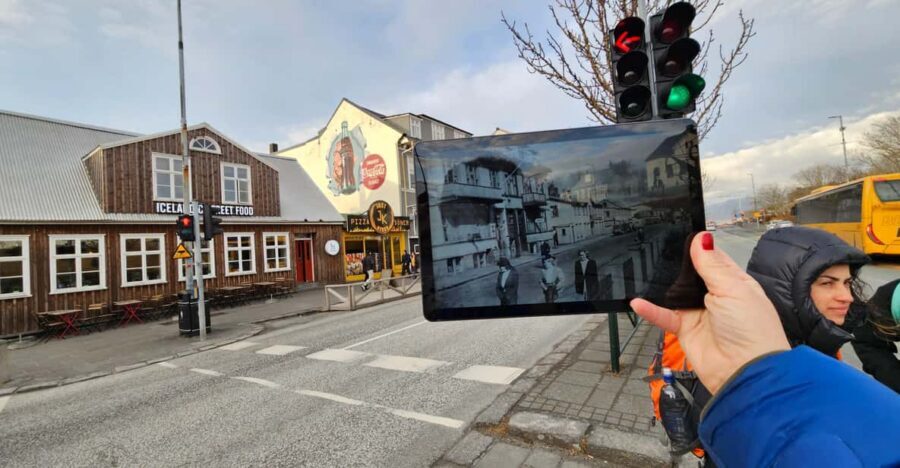
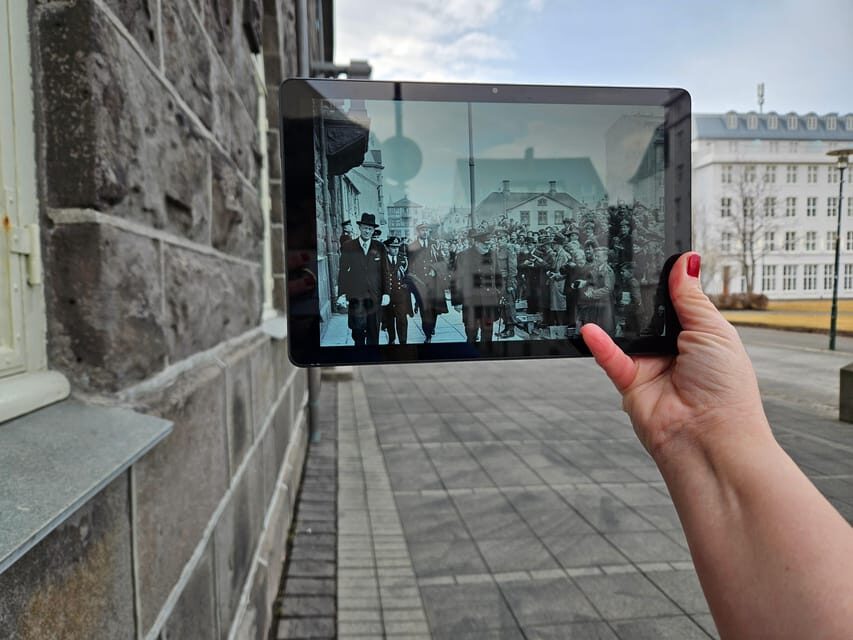
Most walking tours talk at you while you stare ahead. This one uses period photographs and videos as part of the route. That changes the experience in a big way. Instead of trying to imagine what May 1940 looked like from scratch, you’re shown evidence in context.
It helps you learn faster, too. When you see historical imagery next to the modern street view, the information sticks. You don’t have to work hard to picture it. The guide effectively gives your brain a shortcut.
The best part is that it also reduces the risk of the walk turning into a long storytelling session where you lose track. With visual prompts at key points, you get small “resets” as the tour moves from harbor to old town to other central sites.
What to do before you go, if you want to maximize your learning: don’t over-research beforehand. Go in with a curious mindset. The guide’s job is to connect the dots live, and you’ll get more out of it if you let the tour shape your understanding instead of trying to build your own timeline first.
Price and value: is $40 worth it for 2 hours?
At $40 per person for a 2-hour English walking tour, you’re paying for three things: a guided route through the city center, history explained live, and use of period media while you’re on-site. For most people, the value comes from the fact that the guide does the hard part—turning street corners into meaningful context.
If you’re visiting Reykjavik for a short stay, this is also a good use of time. Two hours is enough to cover key WWII-related stops without needing a full day. You leave with a clearer mental map of central Reykjavik and why those spots mattered during the war.
The tour also includes side-street time, which matters for value because it gives you a different perspective than just walking the main boulevard. You’re not only moving between famous points; you’re guided into the kind of streets you’d probably skip unless you had local directions and a reason to care.
One more value point: the guide’s personality matters. The tour has earned strong praise for friendly, humorous delivery, and that matters because you’ll be listening for the whole two hours. A dry script can’t carry a winter-windy walk. This one, in practice, seems built for attention.
Only note: drinks and snacks are not included, so plan to grab something before or after. If you’re the type who needs a mid-walk caffeine fix, you’ll want to handle it on your schedule.
What to bring for Iceland weather (and why it matters here)
This tour is outdoors in almost all weather, and Iceland can feel colder than you expect even in summer. Bring rain gear and outdoor clothing you can layer. Comfortable shoes are not optional. You’re walking in the center and making multiple stops, and slick pavement plus wind can make the small hill feel bigger.
I’d also pack a camera, because the Old Harbour and the period visuals are the moments where photos make the story click. If you like rainy-day photography, this is the kind of walk where the atmosphere can actually help you picture what it was like.
If you tend to get cold quickly: keep your hands and ears covered. You’ll thank yourself around the harbor and on open stretches.
Who this tour suits best (and who might want a different option)
This tour is a strong fit if you like history that has a visible footprint in modern streets. If you’re the type who enjoys walking with a purpose—learning as you go—you’ll get a lot out of it.
It’s also a good match if you care about the social side of WWII, not only the military details. The emphasis on cultural and social changes, plus the inclusion of American presence, gives you a broader view than many WWII tours.
It is wheelchair accessible, and the route is described as suitable for wheelchair users. There are some benches at several stops, but not at all of them. The walk includes a small hill, and there are no stairs, which helps overall mobility planning.
Not suitable for children under 10 due to the subject matter. If you’re traveling with younger kids, you’d need a private tour where the material can be adjusted. That option is worth asking about if family travel is your priority.
Should you book this Reykjavik WWII walking tour?
I think you should book if you want a city walk that explains why Reykjavik looks the way it does in the WWII context. The combination of the Old Harbour landing point, the route through Old Town, and the German Residence stop gives you a tight, meaningful loop. Add in period photos and videos on the street, and the learning feels more real than reading plaques ever will.
Skip it if you want a purely scenic walk with minimal history. This is history-focused, and the subject matter may be heavy even when told in a friendly way. Also, if you hate walking in wind and rain, be prepared for that tradeoff.
If you’re on the fence, here’s the simplest decision rule: if you like your travel with stories you can physically stand inside, this is a great use of time in Reykjavik.
FAQ
Where do I meet for the tour?
You’ll meet outside Hotel Borg and wait outside; you should not go inside. The start point is tied to Austurvollur (Parliament Sq) outside the hotel.
What time does the tour start?
The duration is listed as 2 hours, and starting times vary, so you’ll need to check availability for the specific time slot.
How much does the tour cost?
It’s $40 per person.
How long is the walking tour?
Plan for about 2 hours.
What language is the guide?
The tour is in English with a live guide.
What are the main places you visit?
Key stops include the Old Harbour (the landing place tied to the British Invasion in May 1940), Reykjavik Old Town, and the German Residence.
Is the tour wheelchair accessible?
Yes. The tour is described as wheelchair accessible and suitable for wheelchair users, with no stairs on the route. There are benches at several stops, but not at all of them.
What should I bring?
Bring comfortable shoes, a camera, rain gear, and outdoor clothing.
Is there food or drinks included?
No. Any drinks or snacks you want are not included.
Is it suitable for children?
It isn’t suitable for children under 10 because of the subject matter. For younger children, a private tour can be arranged where the material is adjusted.