REVIEW · REYKJAVIK
City Sightseeing Reykjavik Hop-On Hop-Off Bus Tour: 24 or 48-Hour
Book on Viator →Operated by City Sightseeing Ltd - Europe · Bookable on Viator
Reykjavik gets best fast, and this bus helps. It’s a double-decker hop-on hop-off ride that turns a short visit into a self-guided city tour, with onboard audio commentary and 16 convenient stops.
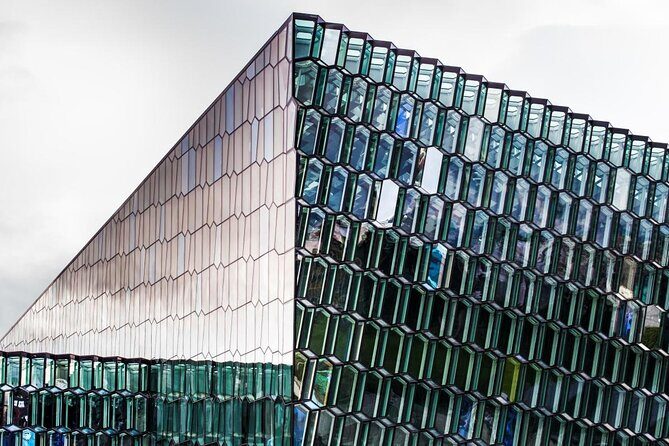
I like that you can build your own plan: stay on for the full loop, or jump off for key sights like Harpa Concert Hall and Hallgrímskirkja. I also like the practical side—there’s free Wi‑Fi on board and the stops are spread in a way that helps you avoid constant walking.
One thing to watch is timing: the winter and summer schedules differ, and the bus only runs during operating windows (so you’ll want to plan your last hop-off around the final departure times).
In This Review
- Key takeaways before you ride
- Why Reykjavik’s hop-on bus feels like a smart first move
- Price and value: what $48.16 buys you (and what it doesn’t)
- The loop in real life: 16 stops, and how to use them
- Timing and bus frequency: your day plan lives or dies here
- Audio commentary and headphones: expect convenience, plan for hiccups
- Where the bus shines: the best way to stitch Reykjavik together
- Comfort, crowds, and practical expectations
- A simple 24-hour plan that actually works
- Should you book this Reykjavik hop-on hop-off bus?
- FAQ
- How long is the City Sightseeing Reykjavik hop-on hop-off loop?
- How many stops are on the route?
- What’s included with the ticket?
- Which attractions cost extra?
- Where do you redeem your voucher to start?
- What times does the bus run in winter and summer?
- Are there dates when the tour does not operate?
- Is Stop 10 available?
- Can I use a 48-hour ticket for two full days?
Key takeaways before you ride
- 16 stops let you match the route to your interests, from museums to the main church viewpoint.
- 24 or 48 hours start when you use the voucher first, so you can spread sightseeing across your stay.
- 80-minute loop (winter/summer schedules vary) means you can get a strong overview without committing all day.
- Audio commentary quality can be inconsistent, so bring backup listening (like your phone audio offline) just in case.
- Stop 10 is closed, and you’ll need to catch the bus at the nearby alternative stop.
- Frequencies slow down later, especially in the afternoon, so build buffer time between hops.
Why Reykjavik’s hop-on bus feels like a smart first move
Reykjavik is compact in places, but it also has steep hills and wind that can make a “just walk everywhere” plan feel like a punishment. This tour helps you do the opposite: let the bus do the heavy lifting while you decide what’s worth your time.
The route focuses on the sights that most people want early—iconic architecture, standout museums, and central areas you can return to later. If you’re arriving after a long travel day, it’s also a relaxed way to get your bearings without committing to specific tour times.
You’re not paying for a guided lecture. You’re paying for flexibility: ride the loop, hop out for a stop that sparks your interest, then hop back later within your 24- or 48-hour window.
You can also read our reviews of more city tours in Reykjavik



Price and value: what $48.16 buys you (and what it doesn’t)
At $48.16 per person, this isn’t the kind of “cheap add-on” you’d see in a low-cost country. Iceland prices can sting, and a bus ticket can feel like another line item. Here’s how I’d judge the value.
You get unlimited hop-on hop-off for either 24 or 48 hours (from the moment you first use your voucher). That means the ticket can pay off if you actually use it to reach multiple stops—especially places that would be annoying to connect by foot or short local rides.
What you don’t get is entrance tickets. Museums and attractions along the way usually cost extra, and the bus just drops you close. If you plan to do only one stop, you may feel like you could have used a simpler approach (like public buses or walking). If you plan to do several stops over a day or two, this becomes a practical “transport + overview” deal.
The loop in real life: 16 stops, and how to use them
Think of the route as a sideways tour of Reykjavik. You’re not just seeing famous buildings—you’re also moving through neighborhoods and the city’s “main corridors,” so when you walk later, you understand where you are.
Below is how I’d use the stops, plus the trade-offs that matter for planning.
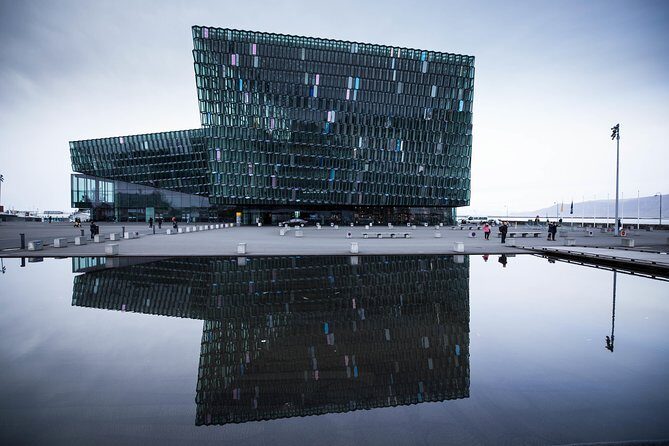
Stop 1: Harpa Concert Hall and Conference Centre
This is the best place to start. Harpa is a wow-factor building, and it sets the tone for the rest of the city. It’s also the first hop-on location tied to voucher redemption, so it’s where you’ll be most oriented from the start.
Stops 2–3: Old Harbour Souvenirs + Reykjavík Maritime Museum
This area gives you a waterfront vibe and a good “tourist-friendly” base. Maritime history is a natural fit for a coastal city, and the museum stop is useful if you want context beyond the modern architecture.
Stop 4: Whales of Iceland
If you’re traveling with kids, or you just like ocean stories, this stop makes sense. It’s the kind of place that can turn a quick glimpse of Reykjavik’s whale-watching obsession into something more structured.
Stop 5: National Museum of Iceland
This is your “history anchor.” If you’re into Icelandic culture and how people lived here, this stop gives you a deeper foundation than the city’s visual highlights alone.
Stop 6: Lækjargata
This is more of a practical middle stop than a single marquee attraction. Use it like a transfer point: hop off to connect with nearby streets, or keep going if you’d rather reserve time for bigger sites.
Stop 7: Laugavegur
Laugavegur is one of the city’s main shopping streets. Even if you’re not buying much, it’s a helpful stop for cafés and for getting a feel for everyday Reykjavik.
Stop 8: Reykjavík Art Museum Kjarvalsstaðir
A good pick if you want a culture stop that’s not just “one building photo.” Art museum time can also break up a day so you’re not only outside in the wind.
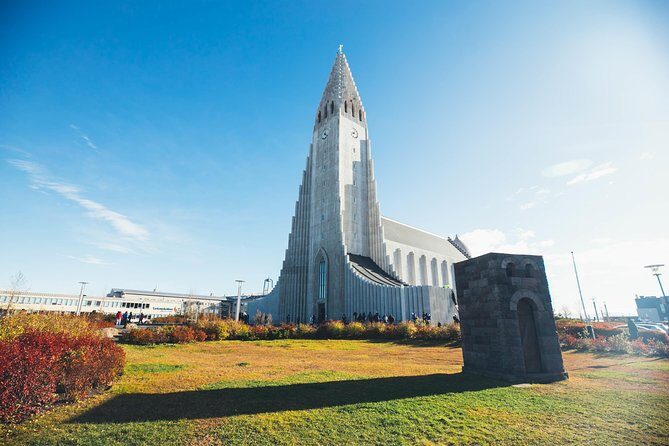
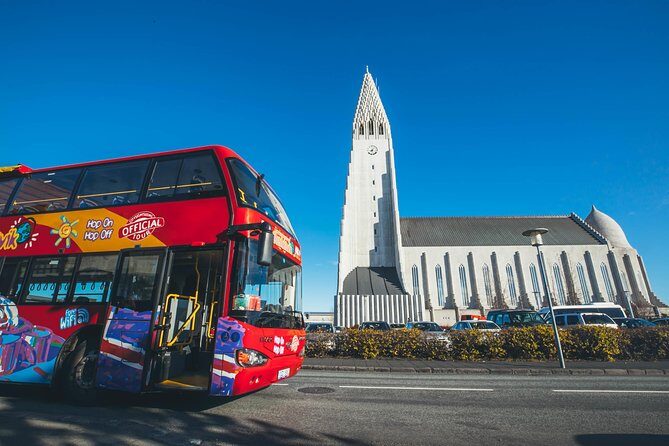
Stop 9: Hallgrimskirkja
This is the iconic church stop. The big advantage here is simple: even if you only do quick time inside or around the exterior, it’s a Reykjavik marker you’ll recognize from photos and signage.
Stop 10: BSÍ (note: closed)
Stop 10 is listed as closed, so don’t count on boarding there. You’ll need to catch the bus at the nearby alternative location (a short distance from Stop 9). Plan for this by choosing Stop 9 for your easy boarding.
Stop 11: Perlan
Perlan is one of those “from a distance you can spot it” landmarks, and it often works well as a later-day stop. If you’re deciding your second round of sightseeing, this is a solid candidate.
Stop 12: Marc O’Polo
This is another utilitarian stop. It can help you connect with the route if you’re combining shopping breaks with sightseeing breaks.
Stop 13: Hilton Reykjavik Nordica
Similar idea: a central reference stop. It’s useful if you’re staying around that zone and want a quick ride back instead of a longer walk.
Stop 14: Laugardalur
This is your chance to head toward the more recreational side of town. If you’re interested in thermal pools and spa time, this stop is the one to use for that goal.
Stop 15: Skarfabakki Harbour
Another good “waterfront and industrial edges” stop. Harbour views are part of Reykjavik’s character, and it can feel different from the downtown cores.
Stop 16: Félagstún 1
This closes the loop. Use it if you want a final repositioning to match where you plan to walk next, eat, or return to your base.
Timing and bus frequency: your day plan lives or dies here
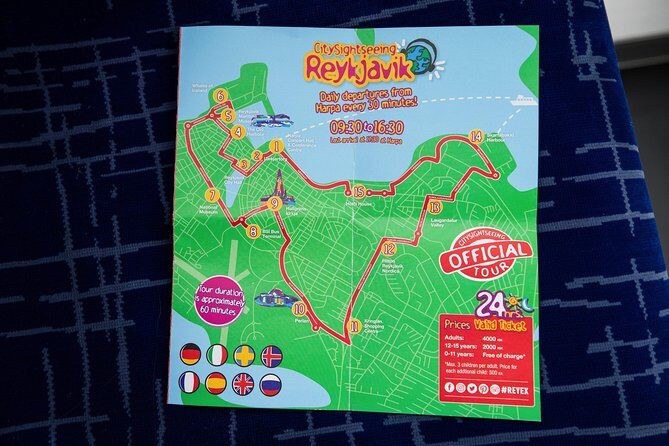
The loop ride itself is about 1 hour 20 minutes. The winter and summer schedules still place it at around 80 minutes, and that matters because it tells you how long it takes to go end-to-end.
Key operating windows differ by season:
- Winter (Oct 1–Apr 30): First departure at 9:30am, last departure at 4:15pm, about every 45 minutes
- Summer (May 1–Sep 30): First departure at 8:30am, last departure at 5:30pm, about every 30 minutes
This is where you should be a bit strategic. If you only have one day and you want to hop a lot, start earlier rather than “waiting for the perfect moment.” Several real-world experiences point to slower service in the afternoon, so late-day hops can mean longer waits.
Also keep this in mind: your ticket window is valid for 24 or 48 hours from the first time you use it, not from the day you board the first loop. So if you can, make that first use count.
Audio commentary and headphones: expect convenience, plan for hiccups
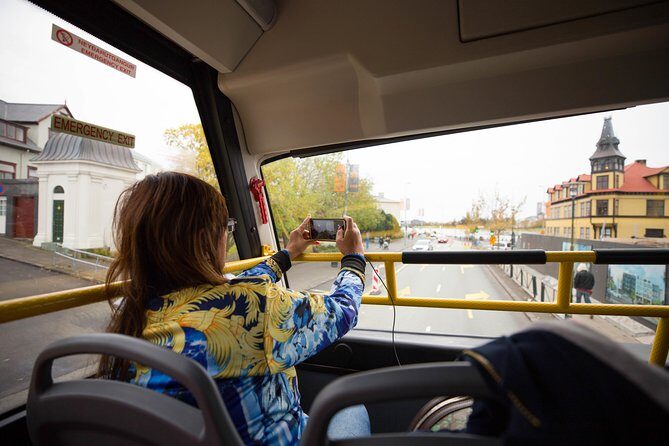
In theory, you’re set up with multilingual audio in 8 languages plus headphones. In practice, audio can be hit or miss: some people report recordings that are too brief, crackly, or not clearly playable at certain times of day.
Here’s how to stay in control:
- If audio is your main way of learning, be ready to switch to your phone for quick reading about each stop while you’re waiting.
- If you notice one set of headphones isn’t working, ask or try again—small hardware issues can derail the value of a commentary-based tour.
- Don’t treat the audio as your only source. Reykjavik’s stops are visually strong, so you’ll still get value even if the narration is quieter than you expected.
The upside is that when the system works, it’s genuinely useful for learning the “why” behind landmarks like Harpa and Hallgrímskirkja without needing to pre-book anything.






Where the bus shines: the best way to stitch Reykjavik together
This tour works especially well for:
- First-time visitors who want a fast city overview and a short list of places to return to.
- People with limited time who still want a variety: church, harbour, museums, and a thermal/pool-oriented stop.
- Travelers who don’t want to micromanage transport and transfers.
It also helps you travel like a local in one key way: you use the bus to “touch” multiple neighborhoods, then you walk only where you want to linger. That’s a big deal in Reykjavik, where weather can change quickly and wind can make detours exhausting.
Comfort, crowds, and practical expectations
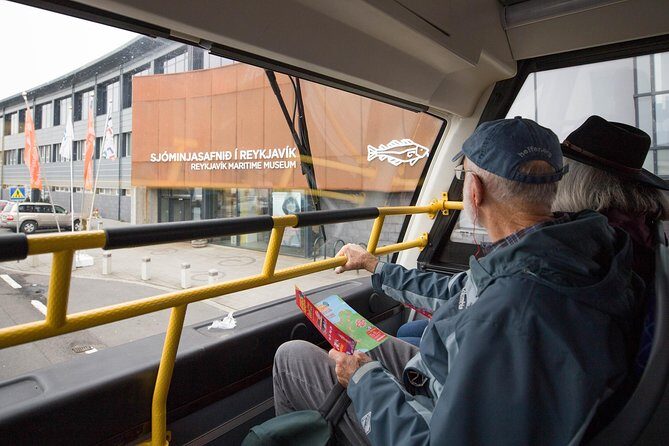
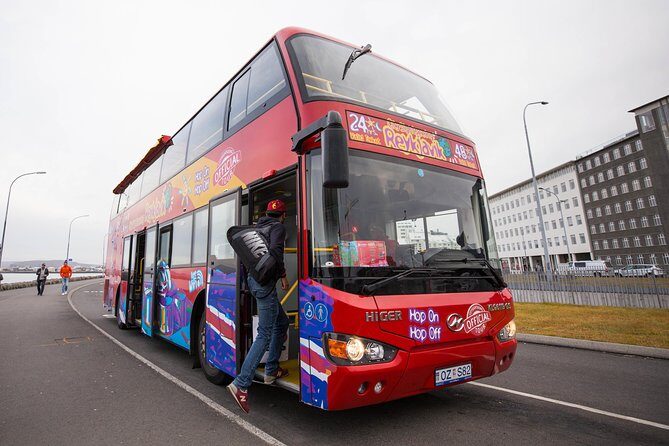
Most of the experience is about practical movement: you’re riding around on a red double-decker bus, and you’re choosing when to hop off.
A few real-world considerations:
- The bus can run busy, and the top deck can fill quickly around popular stops like Hallgrimskirkja. If you want a seat, earlier boarding helps.
- Heating and overall comfort can vary. If you’re sensitive to temperature, it’s smarter to bring layers you can adjust.
- Some stops can be straightforward, but not every stop is clearly marked. Use the onboard info system and your map to avoid missing where you want to get out.
The good news: when everything lines up, the ride is smooth, and it’s a clean way to cover a lot without fighting logistics.
A simple 24-hour plan that actually works

If you choose the 24-hour option, I’d treat it like a “find your favorites” day.
Morning: Start at Harpa and keep your first loop mostly intact. That gives you context for every stop before you commit to walking time.
Midday: Hop off for a longer museum or indoor stop (Maritime Museum, National Museum, or Art Museum).
Afternoon: Use the later loop to reach Hallgrimskirkja and Perlan, then finish with a waterfront stop if you want photos and fresh air.
Evening: If you’re still energized, you can ride the loop again just to reposition, but you’ll get more value by hopping off where you’ll actually spend time.
If your schedule includes an early whale-watching trip, you’ll likely want to do the bus afterward to catch the landmarks you missed earlier in the day.
Should you book this Reykjavik hop-on hop-off bus?
I’d book it if you want an easy overview and you plan to use multiple stops over 24–48 hours. At this price, it’s most worth it when you treat it as transport plus a sightseeing framework, not as a replacement for museum tickets.
I’d think twice if:
- You only want one or two stops and you’re comfortable walking between them.
- You rely on audio as your main learning tool and you’re easily frustrated by technical issues.
- Your day ends early due to your own plans, because last departures come at 4:15pm in winter and 5:30pm in summer.
If your goal is simple—see the big Reykjavik sights, then decide what to dig into—this is a solid way to do it with less stress and more freedom.
FAQ
How long is the City Sightseeing Reykjavik hop-on hop-off loop?
The tour duration is about 1 hour 20 minutes (around 80 minutes).
How many stops are on the route?
There are 16 stops around Reykjavik.
What’s included with the ticket?
You get unlimited hop-on hop-off for 24 or 48 hours, plus multilingual audio commentary in 8 languages with headphones and free Wi‑Fi.
Which attractions cost extra?
Entrance fees to attractions are not included, so you pay those separately if you go in.
Where do you redeem your voucher to start?
Mobile and paper vouchers can be redeemed at any tour stop, with the first hop-on hop-off bus stop at Harpa Concert Hall.
What times does the bus run in winter and summer?
Winter (Oct 1–Apr 30): first departure 9:30am, last departure 4:15pm, every 45 minutes.
Summer (May 1–Sep 30): first departure 8:30am, last departure 5:30pm, every 30 minutes.
Are there dates when the tour does not operate?
It runs all year round except 17th June, 6th & 20th August, and 24th & 31st December.
Is Stop 10 available?
No. Stop 10 is closed, and you should catch the bus at Stop 9, a short distance away.
Can I use a 48-hour ticket for two full days?
Yes. Your voucher is valid for 48 hours from the time of first use, and you can hop on and off as often as you like within that window.