REVIEW · REYKJAVIK
Iceland: Northern Lights Bus Tour from Reykjavik
Book on GetYourGuide →Operated by Northern Lights Bus · Bookable on GetYourGuide
Dark skies and green magic start in Reykjavik. On this 4-hour Northern Lights bus tour, you leave the city lights behind and hunt the aurora with help from a guide and a sky-plan that changes with the weather.
I love that you’re not just sitting in one place hoping. The tour focuses on escaping artificial light and building in time for you to stand outside and look for the lights (and take photos). I also like the fact that your guide explains what’s happening in the sky, not just the result.
One thing to think about: seeing the aurora is never guaranteed. Even with good planning, clouds and timing can win, and you’ll be outdoors in cold conditions for a while.
In This Review
- Key Takeaways Before You Go
- Why This Reykjavik Bus “Aurora Hunt” Makes Sense
- What the 4-Hour Night Search Really Feels Like
- From Reykjavik Brightness to Dark Skies: How Stops Help
- What Your Guide Teaches You Under the Stars
- The Northern Lights Moment: What You’re Looking For
- When the Aurora Doesn’t Show: The Free Retry Plan
- Practical Tips to Stay Warm and See More
- Who This Tour Suits Best (And Who Might Want Another Option)
- Price vs. Value: Is $73 a Good Deal?
- Should You Book This Northern Lights Bus Tour?
Key Takeaways Before You Go
- Weather-driven searching means the spots and direction can shift as conditions change
- Photo-friendly stops give you real time outside to frame the sky
- Learn the science fast so the aurora feels less like luck and more like physics
- Free retry takes the pressure off if your first attempt misses
- Real Reykjavik convenience with optional hotel pickup and transportation included
Why This Reykjavik Bus “Aurora Hunt” Makes Sense
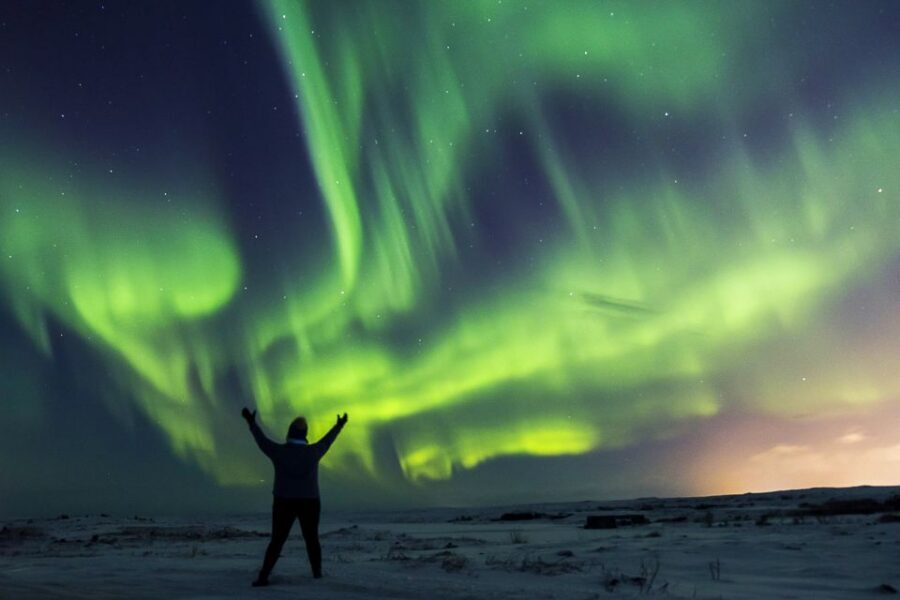
The Northern Lights are the headline show in winter Iceland. The part most people underestimate is the logistics of actually seeing them. Reykjavik is bright at night, and the aurora isn’t the kind of thing you can reliably spot from your hotel window.
That’s why this bus tour model works. You’re paying for transportation, guidance, and targeted night-sky searching in one go. Instead of you driving around in the dark (and stressing about where to park and whether the clouds are moving), you get a professional team handling the hunt and talking you through what matters.
At $73 per person for about 4 hours, it’s also priced like an organized activity, not like a private expedition. The value jumps if you think about what’s included: the guide-led search, photo stops, and a free follow-up tour if you don’t see the aurora the first time. That “try again” feature turns a risky evening into something more fair.
You can also read our reviews of more tours and experiences in Reykjavik.
What the 4-Hour Night Search Really Feels Like
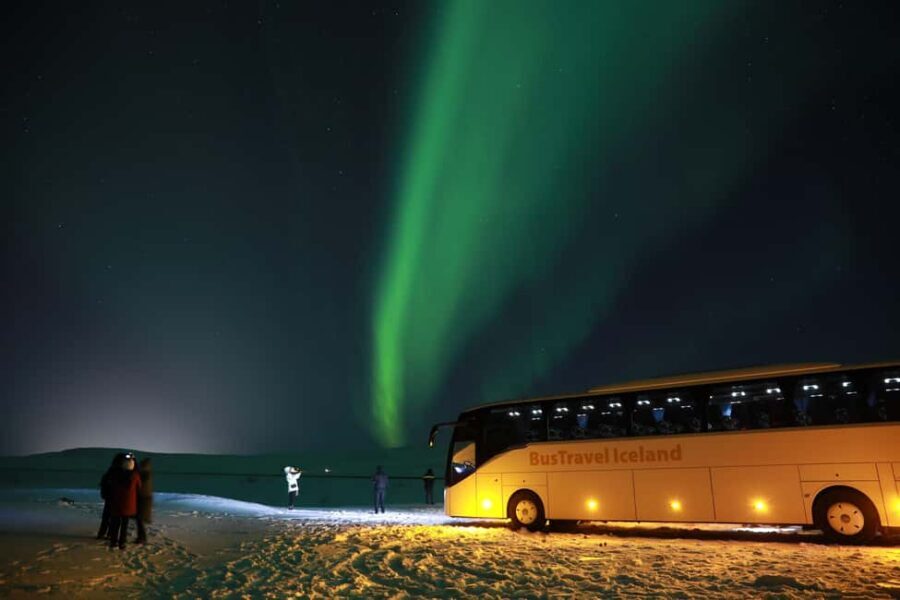
This is an evening outing built around one goal: maximize your chance of seeing the aurora. The timeline is straightforward. You leave the bright lights of central Reykjavik, ride toward darker conditions, then spend time stopped at locations where the sky has a better shot.
The tour is weather-dependent, and your route can vary day to day. That matters because aurora viewing is a moving target. Cloud cover, haze, and timing can ruin otherwise good plans. Your guide is actively aiming for places with no artificial light, since that contrast helps your eyes pick up the lights even when they start faint.
Once you arrive at a good spot, expect a “stand still and watch” rhythm. You’ll get time outside for photos and for your eyes to adjust to the dark. The guides also point out what you’re looking for so you’re not just waiting with cold hands and no idea what counts as the aurora versus random sky glow.
From Reykjavik Brightness to Dark Skies: How Stops Help
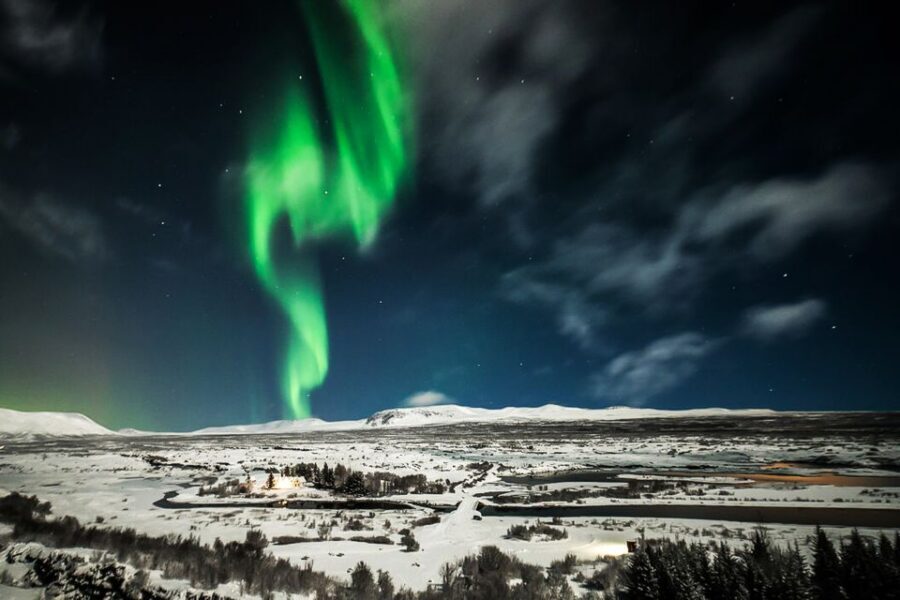
The tour’s strategy is simple: get you away from city glow and to areas where the sky can be seen clearly. Instead of a single static viewpoint, the plan moves in the direction predicted to have the best chance.
In practice, that means you might start looking while the sky is still shifting from sunset into proper night. One of the more interesting details is that some guides have you track the sky’s changes as darkness builds. That helps because the aurora can appear gradually. You might not notice the first faint glow right away, and then suddenly the sky looks alive.
You’ll also get stop-and-look breaks designed for photography. Even if you’re not trying to create professional shots, those stops help you:
- pick a good direction for pictures
- find where the lights are moving
- avoid constantly reshuffling your gear and posture while the aurora is already happening
And if the sky starts acting up (heavy clouds, for example), the best tours adjust on the fly. In real experiences with guides like Geri and Zack, the team has changed the viewing location when conditions weren’t cooperative. That kind of flexibility is exactly what you want from an aurora search.
What Your Guide Teaches You Under the Stars
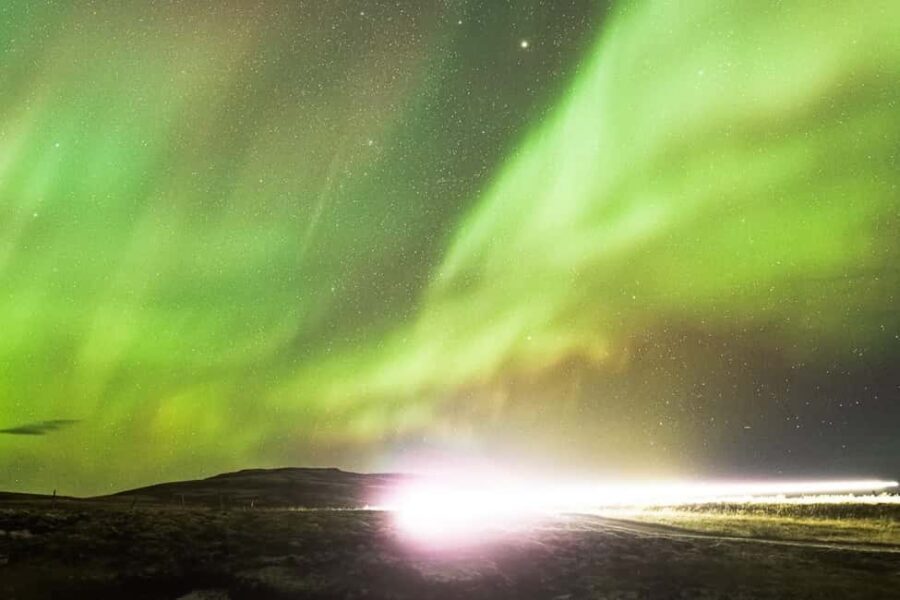
This tour isn’t just about seeing the lights. It’s also about understanding why they happen, which makes a big difference when the sky is subtle at first.
You’ll hear how the aurora is caused when charged particles released from the sun collide with gaseous particles in Earth’s atmosphere. That explanation turns the aurora from a random miracle into something you can track mentally while you watch.
Your guide also tends to connect the science to the human side—myth and old stories come up often, and guides use those to keep the night engaging while you wait. For example, guides including Jessica and David have been described as giving scientific explanations and adding cultural context so the night doesn’t become one long cold pause.
If you’re hoping to make better photos, you’ll appreciate hands-on tips too. In multiple experiences, guides such as Daniel have helped people set up phone cameras so they can actually capture what they’re seeing. That’s huge. Many people try once, get an empty screen, and assume they missed the lights. Getting camera guidance means you stand a better chance of matching your eyes with your images.
The Northern Lights Moment: What You’re Looking For
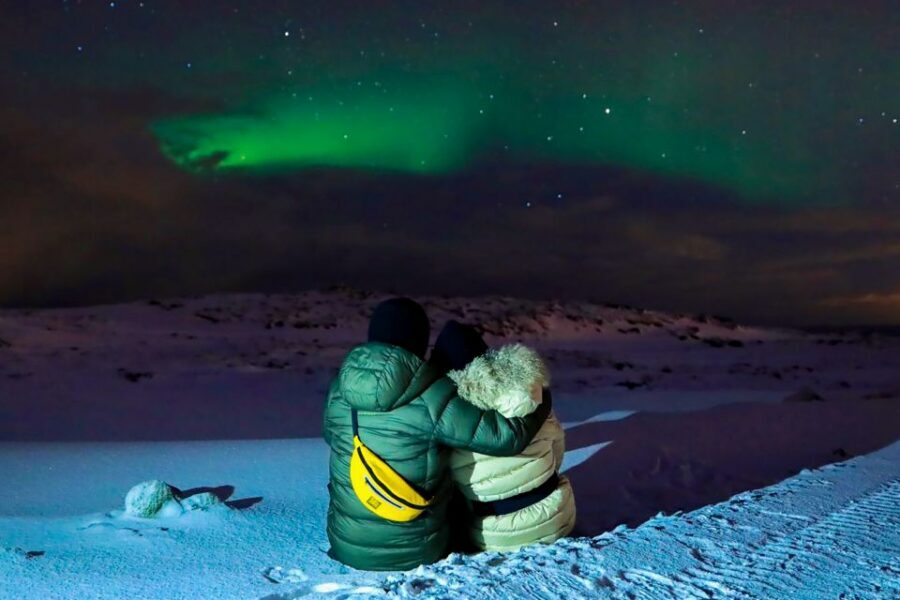
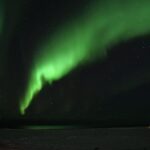
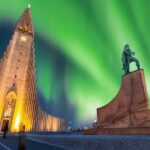
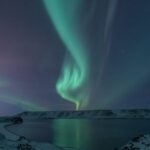
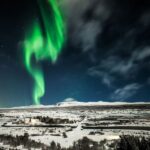
When the aurora shows up, it usually starts as a faint glow or a shifting ribbon in the sky. Then it can develop into curtains, arcs, or flickering movement—something your eyes might miss until your brain stops trying to interpret the sky as “just night.”
The guides help you identify the right area of sky and keep you focused on what the aurora actually looks like. People mention seeing displays that lasted long enough to feel like a real event, not a two-second cameo. In some outings, the lights have appeared even before the sky fully turned dark, which is a reminder to stay observant and patient through the transition.
Also, don’t treat your first sighting like a final verdict. The aurora can return or strengthen later. More than one guide-led night ends with a delayed payoff after a long quiet period. The tour’s structure reflects that reality: search, stop, adjust, and keep watching.

When the Aurora Doesn’t Show: The Free Retry Plan
Here’s the emotional part: you might go out one night and get nothing. Weather can win. Even good forecasts can fail when clouds slide in.
The good news is this tour builds in a safety net. If you don’t see the aurora on your first attempt, you’re invited to join another Northern Lights bus tour free of charge.
A couple key details to understand before you rely on it:
- The tour provider doesn’t offer refunds specifically for joining and not seeing the aurora; instead, they reschedule you for a free retry.
- If you’re leaving Iceland before the next scheduled tour, you may be offered an open ticket for up to three years for when you return.
That policy turns this from a pure gamble into something more like a “we’ll try until we can” experience. It also changes how you should plan your trip: if your Iceland schedule allows it, give yourself at least one extra evening buffer. Even one free retry can take the pressure off if your first night is clouded out.
Practical Tips to Stay Warm and See More
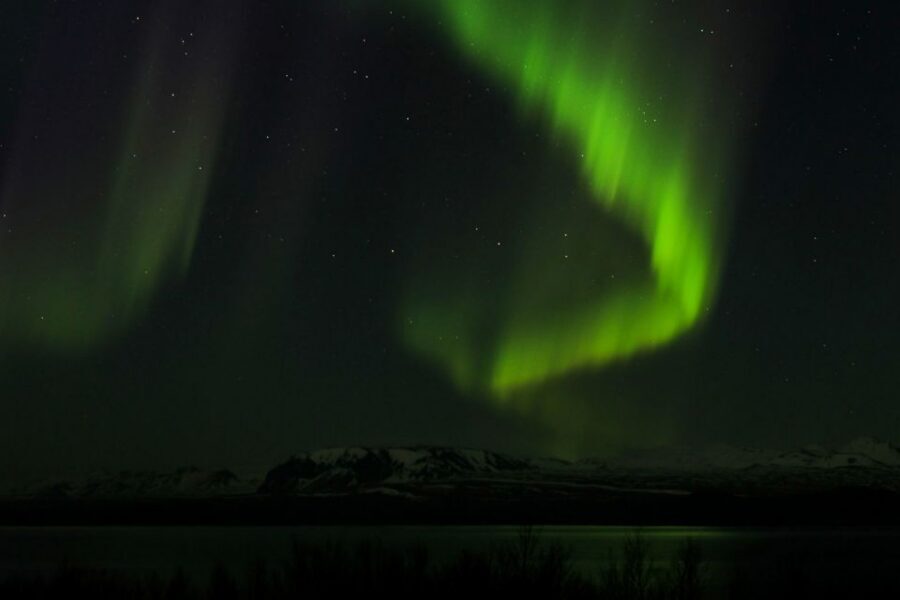
Northern Lights tours look easy on paper: ride, stop, watch. The real challenge is comfort. You’re outdoors at night in winter conditions, sometimes for long stretches.
Here’s what I’d do (and what the tour info strongly points you toward):
- wear multiple layers
- bring comfortable shoes (you may stand for photos and watching)
- dress for wind as much as cold, not just temperature
In real guide-led nights, extras like warm drinks show up in some experiences. People mention hot chocolate provided during stops while waiting for the lights. You shouldn’t assume it’s guaranteed every time, but it’s common enough that you can treat it as part of the tour vibe: you’re out there, and your guide is trying to keep everyone comfortable while you wait for the sky to perform.
Finally, for photography, remember this: your phone’s ability depends on settings and steady handling. If your guide offers quick help (like Daniel has done for visitors), take it. The difference between a shaky dark frame and a usable aurora shot often comes down to small adjustments and knowing where to point your camera.
Who This Tour Suits Best (And Who Might Want Another Option)
This is a great fit if you want a guided, stress-light aurora plan. You get transportation, someone else managing the night route, and an expert explaining what you’re seeing. It’s especially good if:
- you’re short on time in Reykjavik
- you don’t want to drive at night in winter
- you want structured photo opportunities
- you value learning while you watch
It may be less ideal if you’re extremely sensitive to cold and don’t tolerate waiting outdoors. Also, it’s not suitable for children under 6 years, so families with younger kids need to look at other options.
If you’re the type who likes to explore on your own and you’re confident making your own weather calls, you might skip a bus tour. But if you’re trying to maximize the odds without adding driving stress, this one is built for that.
Price vs. Value: Is $73 a Good Deal?
At $73 per person for roughly 4 hours, you’re paying for more than a ride. You’re paying for:
- transportation out of city light
- a professional guide
- planned outdoor viewing stops
- photo-friendly time
- and a free follow-up if the aurora doesn’t appear on your first try
If you were doing this independently, you’d still need dark-sky location hunting, winter driving (or expensive taxis), and the know-how to understand where to look and how to photograph it. Most people don’t want to spend their whole night solving logistics. That’s what you’re buying with this tour.
The best value usually comes when you treat it as part of a multi-evening plan. If your first night is cloudy, the free retry can effectively double the chance that you’ll actually see something worth the trip.
Should You Book This Northern Lights Bus Tour?
I think you should book this tour if you want a well-run, realistic shot at the aurora without turning your evening into a driving contest. It’s built for the way auroras actually work—unpredictable, weather-dependent, and sometimes delayed—and the free retry is the kind of feature that makes the experience feel fair.
Book it with confidence if:
- you can be outdoors and you’ll dress warmly
- you want guidance and explanations, not just a scenic ride
- you’re okay with the idea that nature controls the outcome
Skip it (or consider a different approach) if you’re unwilling to stand outside for long stretches, or if your trip schedule is so tight that you can’t realistically use the retry opportunity if the first night goes dark.