REVIEW · REYKJAVIK
Reykjavik City Card 48 hours
Book on Viator →Operated by Visit Reykjavik · Bookable on Viator
One card, a whole city’s worth. The Reykjavík City Card turns 48 hours into a mix of paid-entry museums, hot-spring pools, and simple public transport.
I love that it includes real “do it now” access, not just promises of discounts. It’s also a good fit for a quick itinerary because it bundles multiple stops into one ticket.
I especially like two things. First, free public bus transport saves you from recalculating how far you can go each time. Second, I like the breadth of included culture: you can hit major art and history sites without buying separate admissions every time.
The catch is planning. If your top choices are outside the card’s included list, you might only get partial discounts, and the card pickup process can be a speed bump if you want to start early.
In This Review
- Key highlights worth knowing before you buy
- Price and the break-even idea on a 48-hour pass
- Free buses and the Viðey ferry: the easiest way to avoid wasting time
- Day 1 museums route: history, masterpieces, and contemporary art
- National Museum of Iceland (free, about 2 hours)
- National Gallery of Iceland, Listasafn Íslands (included, about 2 hours)
- Reykjavik Art Museum Hafnarhús (included, about 2 hours)
- Ásmundarsafn (Reykjavik Art Museum) (included, about 40 minutes)
- Kjarvalsstaðir (Reykjavik Art Museum) (included, about 1 hour)
- Reykjavik Maritime Museum (included, about 1 hour)
- Day 2: settlement archaeology, a living farm, and photography
- The Settlement Exhibition (included, about 40 minutes)
- Árbær Open Air Museum (included, about 2 hours)
- Reykjavik Museum of Photography (included, about 40 minutes)
- Culture House (included, about 2 hours)
- Aðalstræti 10 (included, about 30 minutes)
- Sigurjón Ólafsson Museum (included, about 50 minutes)
- Viðey Island by ferry: birds plus modern art in a quiet setting
- Kópavogur add-ons: Gerðarsafn and natural history in one day
- Gerðarsafn Kopavogur Art Museum (included, about 1 hour)
- Natural History Museum of Kopavogur (included, about 1 hour)
- Family park and zoo: a break from museum rooms
- Reykjavik’s public thermal pools: pick one, plan two visits
- Laugardalslaug, Sundhollin, Vesturbæjarlaug, and Árbæjarlaug
- Klébergslaug: smaller, outdoor, and near Mount Esja
- Breiðholtslaug, Dalslaug, and Grafarvogslaug: bigger facilities with slides
- A simple 48-hour plan that actually works
- Should you book the Reykjavík City Card (48 hours)?
- FAQ
- What is included with the Reykjavík City Card (48 hours)?
- How much does the Reykjavík City Card cost?
- How long is the card valid?
- Do I need to swap a voucher for the physical card?
- Is the ferry to Viðey included?
- Which types of attractions are included?
- Are any thermal pools included?
- Are there any discounts included too?
- Can I cancel for free?
- Are service animals allowed?
Key highlights worth knowing before you buy
- Free city bus rides: ideal when Reykjavik is gray and you just want to move fast
- Ferry included to Viðey: a nature stop plus modern art on the island
- Major museums covered: from Icelandic history to contemporary art at Hafnarhús
- Geothermal pools are part of the deal: steam baths, saunas, hot tubs, and more
- You’ll need to swap your voucher for the physical card: build time for redemption
Price and the break-even idea on a 48-hour pass
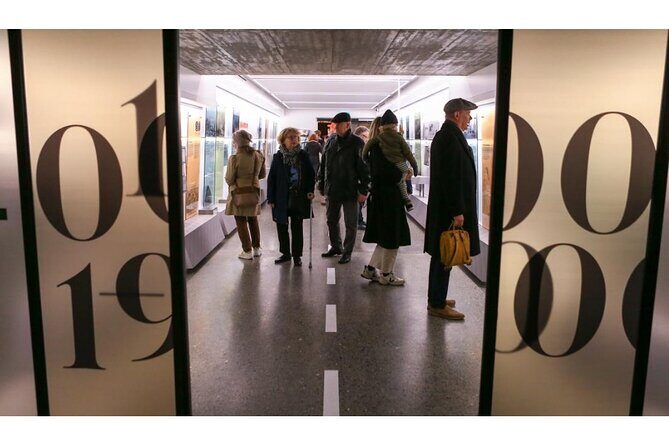
At $58.63 per person for 48 hours, this card only “wins” if you actually use the included admissions and ride the buses enough to make it worth it.
Here’s the practical math I use when deciding on a city pass: this is a package aimed at two costs that stack up quickly in Reykjavik—transport and entry fees. If you’ll do multiple included museums plus at least one pool visit, you usually stop thinking about each individual ticket and start thinking about pacing. One or two stops isn’t always the problem; it’s when your day gets filled with paid tickets the card doesn’t cover.
You can also read our reviews of more city tours in Reykjavik



Free buses and the Viðey ferry: the easiest way to avoid wasting time
Reykjavik is walkable in places, but the whole point of this card is that you can stop counting bus fares. You get free use of the public bus during the card period, and you also get a ferry ride to Viðey.
Two smart ways to keep this from becoming a stress case:
- Use the transit planning tools that show route options and live timing (people have found online bus planning straightforward, and many stops show countdown info).
- Give yourself flexibility for Viðey. The ferry can be canceled on windy days, so I recommend treating it like a planned highlight—not a hard requirement on a specific hour.
Also, don’t assume every bus route will connect perfectly from your doorstep. A couple of people found it tricky to get from certain areas directly to the early part of their museum plans. When that happens, you’re not stuck—just be ready to adjust your order of stops.
Day 1 museums route: history, masterpieces, and contemporary art
This is the kind of first day that works well with a 48-hour pass: you start central, you focus on indoor stops, and you group museums close enough that the card’s transport benefit really shows.
National Museum of Iceland (free, about 2 hours)
Start with the National Museum of Iceland. It’s built around Icelandic cultural history, with exhibitions designed to connect the past, present, and future. Because it’s an “included” stop, you can spend time here without worrying about adding another ticket.
If you like context before art or folklore sites, this one helps your later visits make more sense.
National Gallery of Iceland, Listasafn Íslands (included, about 2 hours)
Next is the National Gallery of Iceland, centered on 19th- and 20th-century Icelandic art, with some international artists in the mix. The museum holds a major collection by Icelandic artists, and it includes works by names like Pablo Picasso and Edvard Munch.
This is a good choice if you want Icelandic art with international connections, rather than only local perspectives.






Reykjavik Art Museum Hafnarhús (included, about 2 hours)
From there, head to Reykjavik Art Museum Hafnarhus, housed in an older harbor warehouse in Reykjavik’s oldest district. The setting matters: you’re not just looking at art, you’re surrounded by the older bones of the city.
This stop is also where you can run into Erró, a major figure in international pop art. If you like modern and contemporary work, this is one of the stronger “included” art options.
Ásmundarsafn (Reykjavik Art Museum) (included, about 40 minutes)
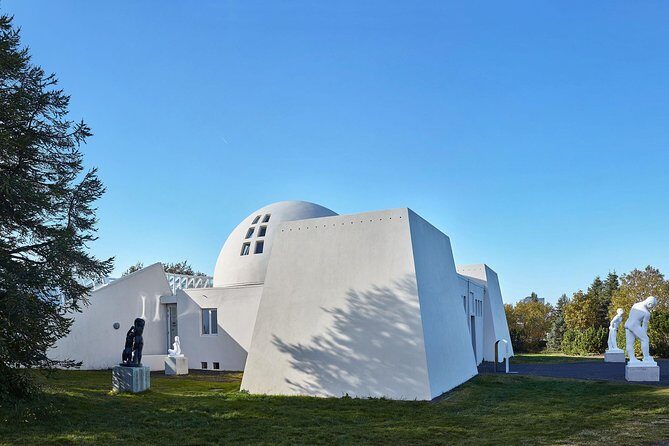
Asmundarsafn is the short, satisfying break from big-gallery time. The building has a clean white dome and is set up around sculptures by Ásmundur Sveinsson, including works in the garden and pieces inside that reflect his design ideas.
Because it’s only about 40 minutes, it’s ideal if you want variety without burning half a day.
Kjarvalsstaðir (Reykjavik Art Museum) (included, about 1 hour)
Then go to Reykjavik Art Museum Kjarvalsstaðir for the work of Jóhannes S. Kjarval. The museum focuses on paintings and sculptures by modern masters.
I like this stop for two reasons: the exhibitions are central to Kjarval’s influence, and the building’s Nordic modernism includes floor-to-ceiling windows looking toward Klambratún Park.
Reykjavik Maritime Museum (included, about 1 hour)
Finish your first day with Reykjavik Maritime Museum. The exhibition Fish & folk covers the history of Icelandic fisheries—from rowing boats shifting toward larger vessels through the 21st century. It’s framed from Reykjavík’s biggest fishing-port perspective, which makes it more personal than a generic “maritime” display.
The building also fits the theme; it used to be connected to a fish factory. That kind of setting helps you feel why the story matters.
Day 2: settlement archaeology, a living farm, and photography
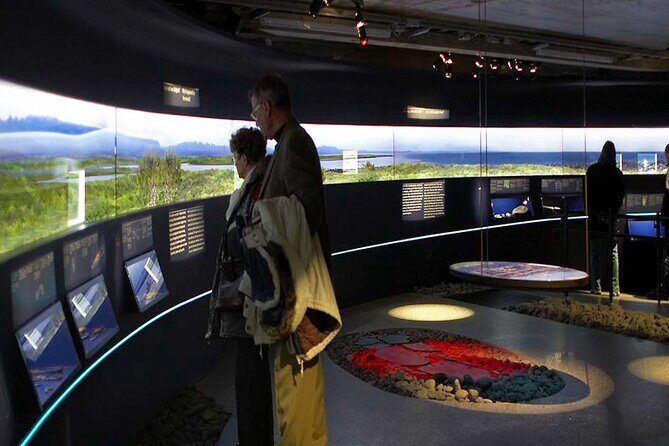
Day 2 is your “place-based” day. You’ll trade the big art rooms for older ground, outdoor reconstructions, and a more human scale.
The Settlement Exhibition (included, about 40 minutes)
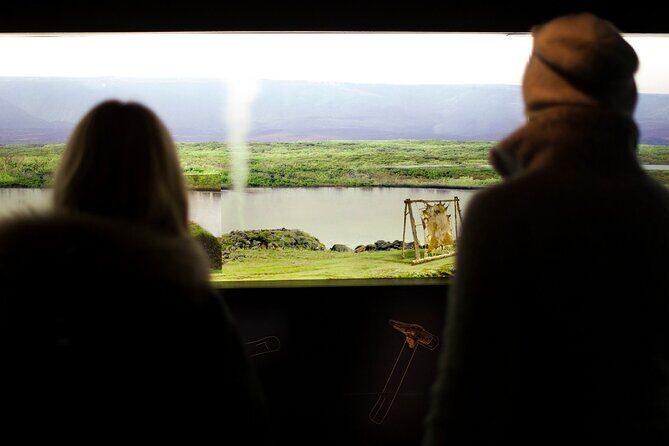
The Settlement Exhibition – Reykjavik 871±2 is short, but it’s a serious one. This exhibition focuses on the settlement age in central Reykjavík and is built around evidence from an excavated hall dating to 930–1000.
It’s also anchored by older turf remnants and wall traces built shortly before 871. If you like understanding what’s under modern city streets, this is the stop that makes you look around differently.
Árbær Open Air Museum (included, about 2 hours)
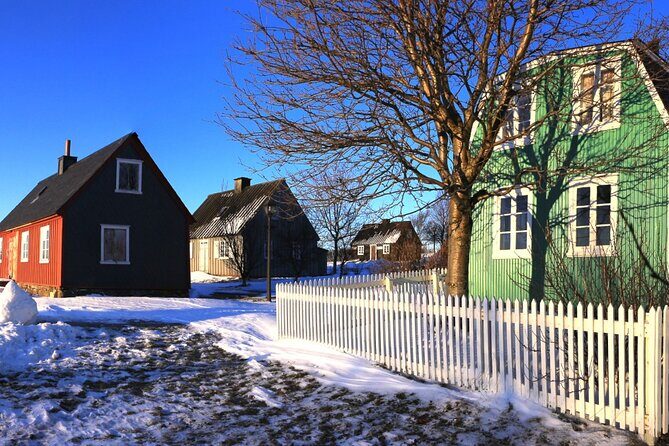
Next is Árbær Open Air Museum, an open-air farm turned into a museum in 1957. The site now has more than 20 buildings that form a village square and farm area, and many were moved from central Reykjavik.
I like using this stop as your “slow walk” moment. You can take your time inside buildings and wander outdoors without needing a strict pace.
Reykjavik Museum of Photography (included, about 40 minutes)
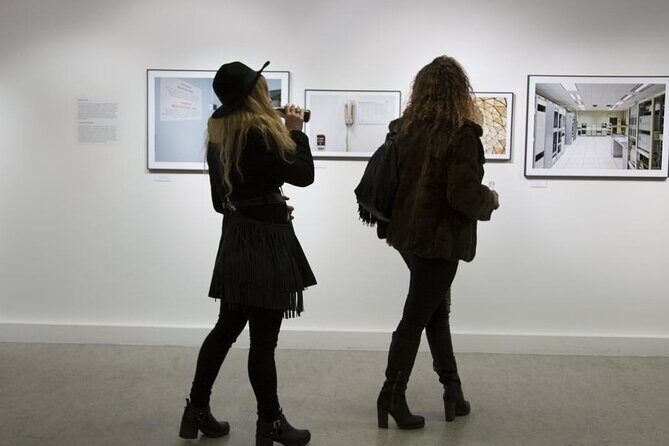
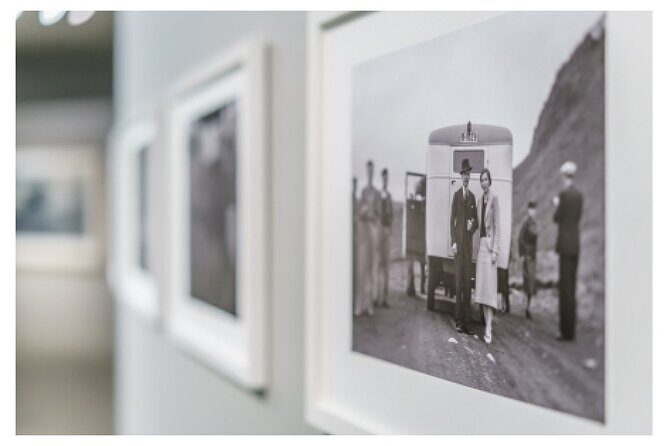
Then hit Reykjavik Museum of Photography. The museum shows Icelandic photography alongside foreign photographers, and it includes both historical and contemporary work, placed in cultural and social context.
Because it’s about 40 minutes, it’s easy to slot in even if your energy level dips.
Culture House (included, about 2 hours)
For a longer indoor stop, the Culture House holds the permanent exhibit Points of View, a journey through the visual world of Iceland. It pulls together collections from six major Icelandic cultural institutions and mixes artworks with objects like books and maps.
This is a solid option if you want a “theme museum” feel rather than one artist or one era.
Aðalstræti 10 (included, about 30 minutes)
Aðalstræti 10 is a short museum and exhibition space connected to Reykjavík City Museum as one of five locations. Plan about 30 minutes. It’s ideal if you want a little extra culture without getting stuck in a full-length visit.
Sigurjón Ólafsson Museum (included, about 50 minutes)
Wrap your indoor day with Sigurjón Ólafsson Museum, focused entirely on the Icelandic sculptor. It was founded in 1984 by his widow, and it’s built around converting his studio at Laugarnes into an exhibition space.
This is the kind of museum you enjoy if sculpture is your thing, and if you like seeing how an artist’s space can shape how you understand their work.
Viðey Island by ferry: birds plus modern art in a quiet setting
Viðey is where this card adds a different kind of value. Your ferry ride is included, and Viðey Island offers unspoiled nature with lots of birdlife. There are also outstanding works of modern art on the island.
Practical tip: treat the island as a half-day anchor. Even when conditions are fine, you’ll want time to slow down, walk, and take in the island feel—not just “arrive and leave.”
Kópavogur add-ons: Gerðarsafn and natural history in one day
If you’ve still got energy after central museums, you can extend your pass into Kópavogur.
Gerðarsafn Kopavogur Art Museum (included, about 1 hour)
Gerðarsafn is a progressive contemporary art museum with temporary exhibitions plus a collection. It’s noted as the only Icelandic museum built in honor of a female artist, which makes the institution itself part of the story.
This is a good stop when you want more current art without the “only one gallery” feeling.
Natural History Museum of Kopavogur (included, about 1 hour)
Next is the Natural History Museum of Kopavogur, split into geological and zoological sections. The geology side focuses on Iceland’s formation and major rocks and minerals. The zoology side focuses mostly on Icelandic birds, mammals, fish, and invertebrates.
One detail I like for practical planning: staff guidance is free if you request it, and it can be adapted to your interests and language.
Family park and zoo: a break from museum rooms
Reykjavik Family Park and Zoo is included, and it’s not just farm animals. The zoo includes Icelandic farm animals, wildlife mammals from the country, plus a small exhibition of reptiles, amphibians, and insects.
If you’re traveling with kids, this can be a nice “change of pace” day. If you’re an adult, it still works as a low-pressure stop: stroll time, outdoor movement, and fewer walls than the museum circuit.
Reykjavik’s public thermal pools: pick one, plan two visits
This is the part of the city card that I’d bet you’ll repeat. The pass includes admission to Reykjavík’s geothermal thermal pools (sundlaugar), and the pool complex descriptions all point to the same core experience: steam baths, saunas, hot tubs, and jacuzzis.
It’s also connected to a city policy of encouraging public sports and healthy lifestyle, and safety is handled with staff training.
Laugardalslaug, Sundhollin, Vesturbæjarlaug, and Árbæjarlaug
These pools are part of Reykjavík’s included thermal options. When you choose among them, pick based on where you’ll be that day. Even short museum hops can add up, and at least one person found a thermal pool location a bit too far once they tried to fit it into their schedule.
Klébergslaug: smaller, outdoor, and near Mount Esja
Klébergslaug is an outdoor pool with a small feel, an outdoor setting near Mount Esja, a kiddie water slide, and a steam bath. It also includes a gym and two hot tubs.
This is a good “wind-down” option if you want outdoors without committing to a major trip across town.
Breiðholtslaug, Dalslaug, and Grafarvogslaug: bigger facilities with slides
- Breiðholtslaug is a larger indoor/outdoor facility with slides and sauna plus hot tubs.
- Dalslaug opened in December 2021.
- Grafarvogslaug has both outdoor and indoor pools, children’s areas, two water slides, three hot tubs, and a steam bath.
If you want the most “activity per visit,” these bigger places can be easier because there’s more to do in one session.
A simple 48-hour plan that actually works
Here’s how I’d structure your time so you use what the card covers, without racing.
Day 1 (central): start with National Museum of Iceland, then work through National Gallery, Hafnarhús, and finish with Maritime Museum. If you have time, add Asmundarsafn or Kjarvalsstaðir, since they’re different styles of art stops and help break up museum intensity.
Day 2 (history + outdoors): go to Settlement Exhibition, then spend your late morning or afternoon at Árbær Open Air Museum. Follow with Reykjavik Museum of Photography and keep Viðey Island flexible for when the ferry is running.
Every night: plan at least one thermal pool visit. If you feel ambitious, add a second visit the next day at a pool that’s located more conveniently to your other stops.
Should you book the Reykjavík City Card (48 hours)?
If you’re trying to do a lot of Reykjavik without calculating bus tickets and entry fees one by one, this card is a strong pick. It’s best when you’ll actually use the included museums, include the thermal pools, and ride buses to connect central stops with areas like Viðey and Kópavogur.
Don’t buy it if your schedule is too tight for multiple included sites, or if your must-see attractions aren’t part of the included list. One risk with any city pass is getting locked into “included” stops when you really want something else. Also consider that card pickup and activation can slow your first day if you’re arriving with a tight morning plan.
FAQ
What is included with the Reykjavík City Card (48 hours)?
It includes the ferry ride, free use of the public bus transport, admission to several museums, admission to several thermal pools, and admission to the family park and zoo.
How much does the Reykjavík City Card cost?
The price listed is $58.63 per person.
How long is the card valid?
This is the Reykjavik City Card for 48 hours.
Do I need to swap a voucher for the physical card?
Yes. The information says you will need to swap your digital voucher for the City Card.
Is the ferry to Viðey included?
Yes. The card includes a free ferry ride to Viðey.
Which types of attractions are included?
You get included museum admissions, thermal pool admissions, plus family park and zoo admission, and the card includes bus and ferry access.
Are any thermal pools included?
Yes. Several Reykjavík public thermal pools are included, including Laugardalslaug and other listed sundlaugar.
Are there any discounts included too?
Yes. The card offers discounts on restaurants, entertainment, and more.
Can I cancel for free?
Yes. Free cancellation is available if you cancel at least 24 hours in advance for a full refund.
Are service animals allowed?
Yes. Service animals are allowed.