REVIEW · REYKJAVIK
Iceland: 3-Day Golden Circle, South Coast, & Glacier Tour
Book on GetYourGuide →Operated by Nicetravel · Bookable on GetYourGuide
Thingvellir to Jökulsárlón in three days. It is a fast, focused loop of Iceland’s big hitters, built around the Golden Circle and ending at Jökulsárlón Glacier Lagoon.
I like that the tour doesn’t just throw stops at you. You get guided time at the rift valley at Thingvellir, the big falls like Gullfoss and Skógafoss, and then the “how is this real” feeling of icebergs at the lagoon. I also like the hands-on geothermal day in Hveragerði, where you can see how hot-ground baking and mud-bathing work in everyday Iceland life.
One thing to consider: this is a packed schedule across long road days, with real walking and changing weather. If you’re sensitive to wind or steep-ish terrain, plan your footwear carefully and be ready to swap an optional hike for something easier when safety calls for it.
In This Review
- Key things to know before you go
- First morning to Thingvellir’s fault line: the tour’s smartest kickoff
- Golden Circle: Gullfoss and Geysir, plus Kerið’s Mars-in-a-bowl look
- Gullfoss: powerful cascades, built for standing close
- Strokkur: eruptions you can plan around
- Kerið crater lake: brilliant blue-green and red soil contrast
- Hveragerði overnight: the geothermal town day that feels like Iceland in real life
- Waterfall day on the south coast: Seljalandsfoss, Gljúfrafoss, Skógafoss
- Seljalandsfoss: the classic, with a route to see it from different angles
- Gljúfrafoss (Glufrabui): the easier-to-miss waterfall that still steals the day
- Skógafoss: big water, big presence
- Reynisfjara’s black sand and basalt columns: Diamond Beach’s dramatic sibling
- Optional Mýrdalsjökull glacier hike: trade time for traction and awe
- Jökulsárlón Glacier Lagoon: blue ice day, optional amphibious boat, and the Fjáðsárgljúfur finish
- Morning at Jökulsárlón
- Optional amphibious boat tour: your closest-possible iceberg encounter
- Fjádrárgljúfur River Canyon: where the tour slows down slightly
- Return to Reykjavik
- Timing, group size, and why the guide matters more than you think
- Price and value: what $935 buys you in Iceland reality
- What to pack for Iceland wind, wet spray, and glacier cold
- Should you book it? My honest yes-or-no guidance
- FAQ
- What does the tour include each day?
- Are meals included besides breakfast?
- Are any key admissions included?
- What optional activities can you add?
- What time is pickup in Reykjavik?
- Is the tour wheelchair accessible?
Key things to know before you go
- A guided route that stitches together the Golden Circle with the far south instead of doing them separately
- Five waterfall stops with a mix of famous and a lesser-known one (Seljalandsfoss and Gljúfrafoss)
- Geothermal day in Hveragerði with hot-ground bread, egg boiling, and mud baths (admission not included)
- Reynisfjara and Diamond Beach timing matters for views, photos, and staying comfortable in the wind
- Optional glacier hike plus optional amphibious boat at Jökulsárlón lets you shape the day to your energy level
- Mostly small-group pacing with enough time at each stop, and guides who actively manage the weather
First morning to Thingvellir’s fault line: the tour’s smartest kickoff
You start with pickup in Reykjavik between 8:30 AM and 9:00 AM. Because buses can’t drive everywhere in the center, you might be routed to the closest safe pickup point, and you’ll be told the exact spot. If you prefer to meet directly, there’s a meeting address in Reykjavik at Fiskislóð 45M, 101 Reykjavik, with check-in before 8:20 AM.
From there, the tour heads to Thingvellir National Park, and this is where the whole trip gets its “why Iceland looks like this” foundation. You’ll walk around the rift valley—the boundary between the North American and Eurasian tectonic plates—so the dramatic scenery starts making geological sense, not just looking pretty.
What I like here for you: the guide isn’t treating Thingvellir as a photo stop only. It’s the setup for everything that comes next: volcanism, geothermal heat, and how water and ice keep rewriting the land.
Practical note: plan for walking on uneven ground. Nothing is extreme, but Iceland is Iceland. The wind and damp can turn “easy paths” into “grab your footing” paths.
A few more Reykjavik tours and experiences worth a look
Golden Circle: Gullfoss and Geysir, plus Kerið’s Mars-in-a-bowl look
After Thingvellir, the itinerary focuses on classic Golden Circle anchors, and it’s paced so you’re not rushing through the big names.
Gullfoss: powerful cascades, built for standing close
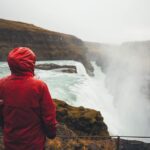
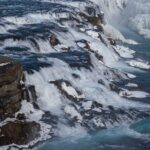
Gullfoss is the waterfall day’s headline. You’ll be able to experience the scale—this is one of those falls where you feel the spray before you really register what you’re seeing. The tour keeps the visit structured so you can get photos, step away, and still take in the thunder.
A small drawback: weather at Iceland falls is real. If it’s wet, your clothes will get testy. Pack layers and expect mist.
Strokkur: eruptions you can plan around
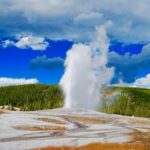
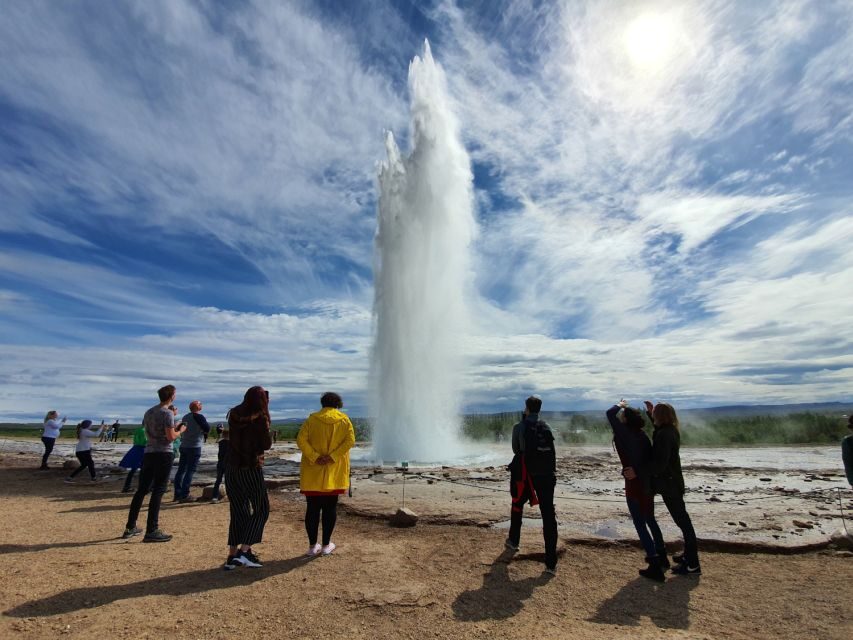
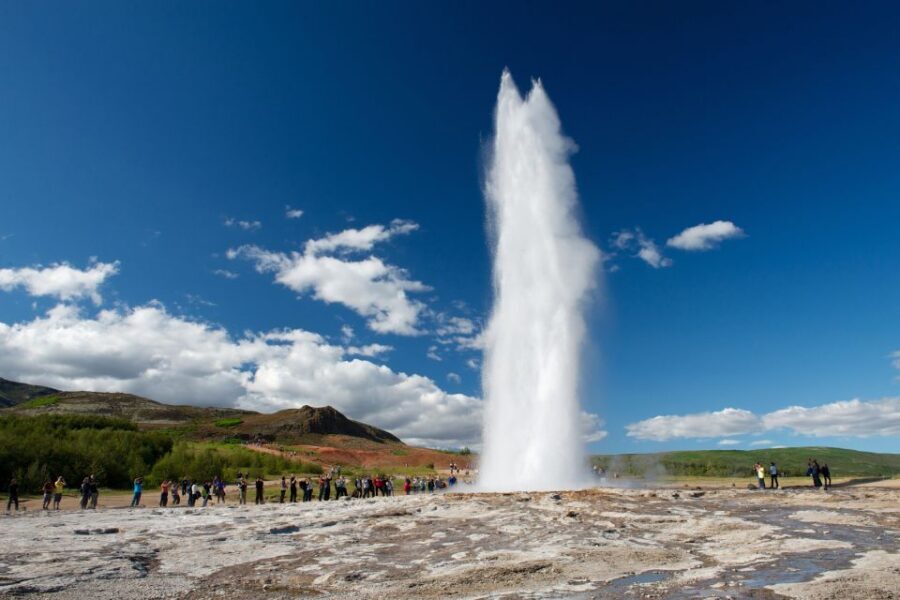
Next you’ll visit Geysir Geothermal Area, including Strokkur, which erupts in a steady rhythm about every 5–10 minutes. That eruption pattern is a gift: you can position yourself, watch, and time bathroom breaks without panicking.
One of the best tour details here is the guide’s storytelling style. Several guides on these departures (like Mika and David in the wider fleet you might meet) are praised for explaining what you’re seeing as you ride between sites, not just reading facts at the stops. It helps you connect the hot springs and boiling-ground visuals to the bigger geology of the island.
Kerið crater lake: brilliant blue-green and red soil contrast
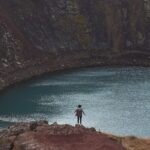
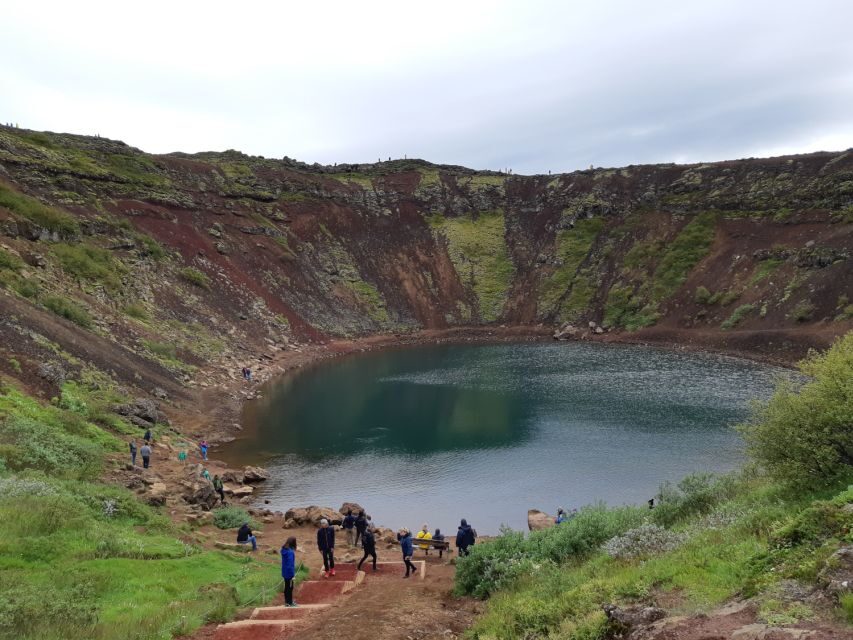
Then you’ll stop at Kerið Crater Lake. This is not just another viewpoint; the visual contrast is the point. The water can look blue-green, sitting inside a crater ringed with bright red soil—the kind of colors that look like someone tuned the saturation slider.
Entry to Kerið is included, so you’re not juggling tickets while your hands are already full of windproof everything.


Hveragerði overnight: the geothermal town day that feels like Iceland in real life
The first overnight is in the village of Hveragerði, and this is where the tour turns from “sights” into “how people live here.” The itinerary includes a geothermal park visit, though the park admission itself is not included—so you’ll likely pay a small additional fee once you’re there.
The geothermal ideas are the fun part: you can see bread baked in the hot ground, boil eggs using geothermal heat, and try mud baths. Even if you do only one of these, it’s a memorable kind of hands-on tourism that goes beyond watching steam.
Accommodation for the two nights is described as double or twin rooms with a private bathroom, and in practice you may stay in well-reviewed properties around Hveragerði and later in a more remote farm-style area in the south (names like Green House, Hotel Orca, and Hotel Smyrlabjörg come up in actual stays). The value point: you’re not stuck in a bare-bones room after long travel days. You get proper private-bath comfort plus breakfasts.
Waterfall day on the south coast: Seljalandsfoss, Gljúfrafoss, Skógafoss
The next day is all about the south coast’s waterfall run, and this is a section you’ll feel in your bones.
Seljalandsfoss: the classic, with a route to see it from different angles
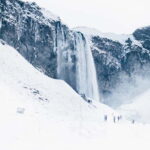
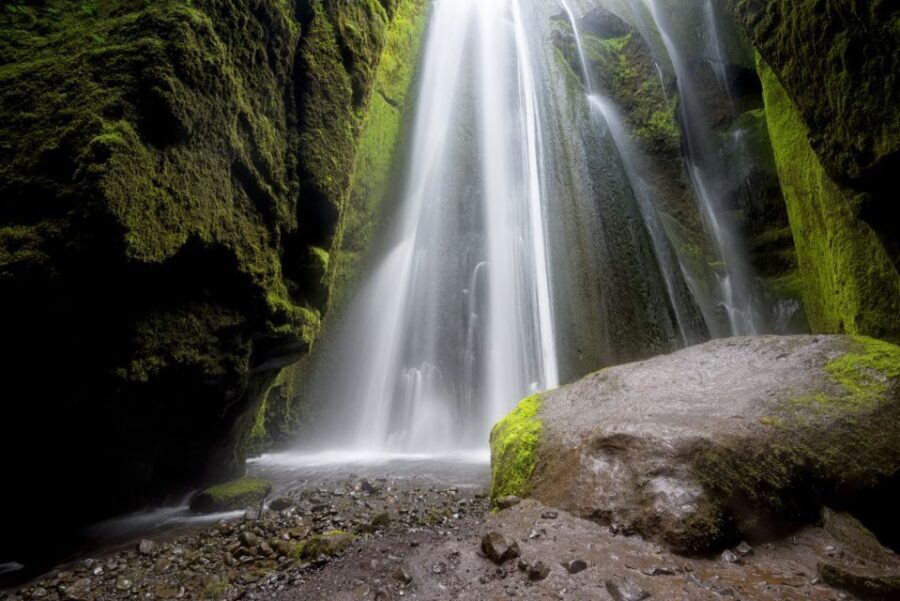
You’ll visit Seljalandsfoss, one of Iceland’s most famous waterfalls. The reason it’s famous is simple: it gives you a different viewing experience than most falls because of how you can walk near it (when conditions allow).
The drawback: spray and slippery footing are common. Bring shoes with actual grip.
Gljúfrafoss (Glufrabui): the easier-to-miss waterfall that still steals the day
Then comes Gljúfrafoss, the nearby lesser-known waterfall. This is the kind of stop that can be a highlight because it feels less crowded and more intimate, without sacrificing that “wow” feeling.
Skógafoss: big water, big presence
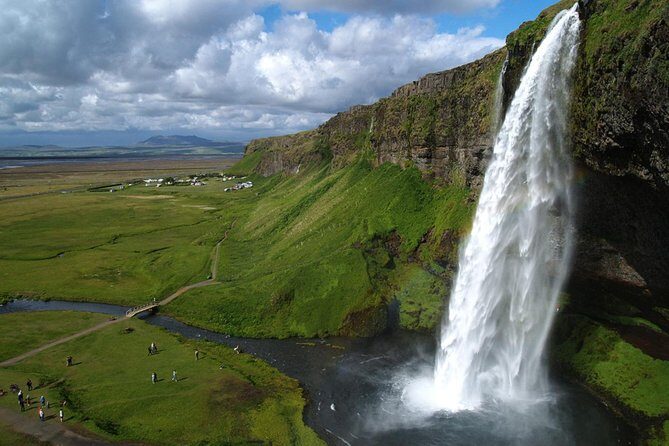
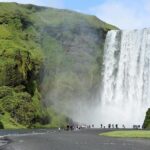
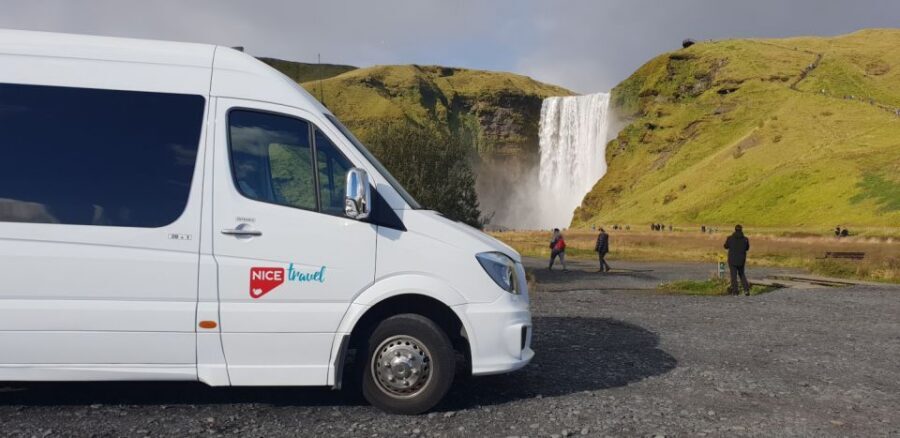
Finally you’ll see Skógafoss. This is one of those waterfalls where the sound starts before you arrive. If you want one “final boss” waterfall moment in this tour, it’s often Skógafoss.
Timing matters. If the day is windy, water can blow in unexpected directions. Guides often adjust in real time—so if you’re thinking you’ll always get the perfect photo angle, keep expectations flexible.
Reynisfjara’s black sand and basalt columns: Diamond Beach’s dramatic sibling
After the waterfall stretch, you head to Reynisfjara Black Sand Beach. This is the part of the trip where Iceland stops being “pretty postcards” and starts being “geology and ocean power in the same scene.”
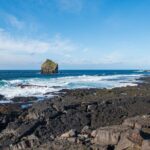
You’ll walk the black sands and see hexagonal basalt columns and black rock sea stacks. Then later, you’ll connect this coastal energy to Diamond Beach at Jökulsárlón, where light hits icebergs in a way that looks almost staged.
Important reality check: black sand beaches are windy and can be dangerous. The tour data doesn’t list safety rules in detail, but the practical approach is simple—follow guide instructions closely, stay off risky edges, and don’t assume you can outsmart surf.
Optional Mýrdalsjökull glacier hike: trade time for traction and awe
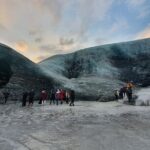
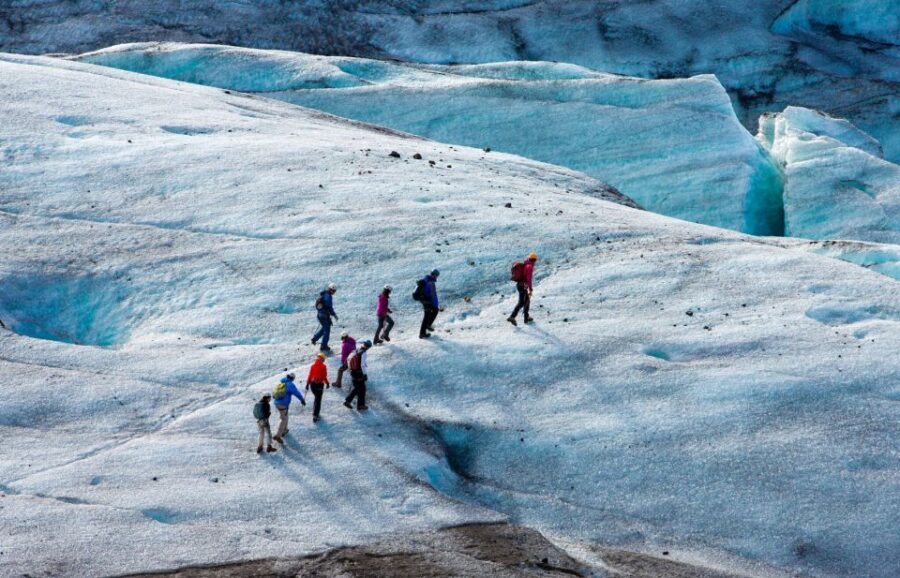
On day two, you may have an optional stop for a glacier hike near Eyjafjallajökull and up toward Mýrdalsjökull (the glacier cap). This option includes safety equipment, and it’s a good example of how the tour gives you choices without turning the whole day upside down.
Here’s how to think about it:
- If you love active, you’ll like the chance to walk on glacier ice.
- If you’d rather save energy for waterfalls and lagoon walking, the tour still gives you other ways to enjoy the day.
One review note: when someone chose not to do the glacier walking, the guide effort focused on making the time work with alternative locations. That’s the tone you want: flexibility that respects safety and comfort, not pressure.
Bring warm layers even if it looks mild at Reykjavik. Iceland weather can flip quickly.
Jökulsárlón Glacier Lagoon: blue ice day, optional amphibious boat, and the Fjáðsárgljúfur finish
This is the centerpiece portion of the south-coast portion, and it’s the reason people pay for a multi-day tour instead of trying to wing it all by yourself.
Morning at Jökulsárlón
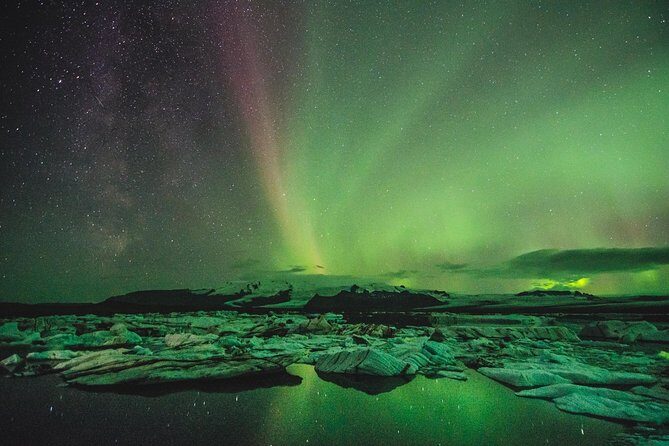
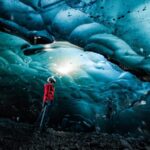
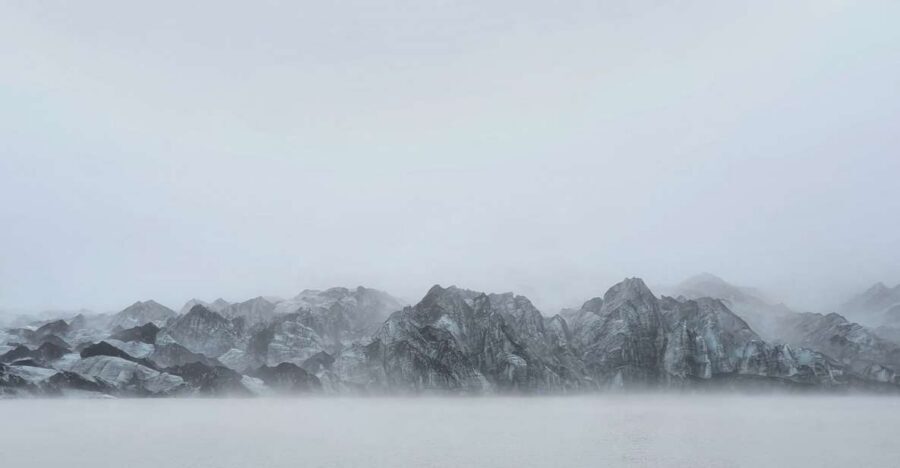
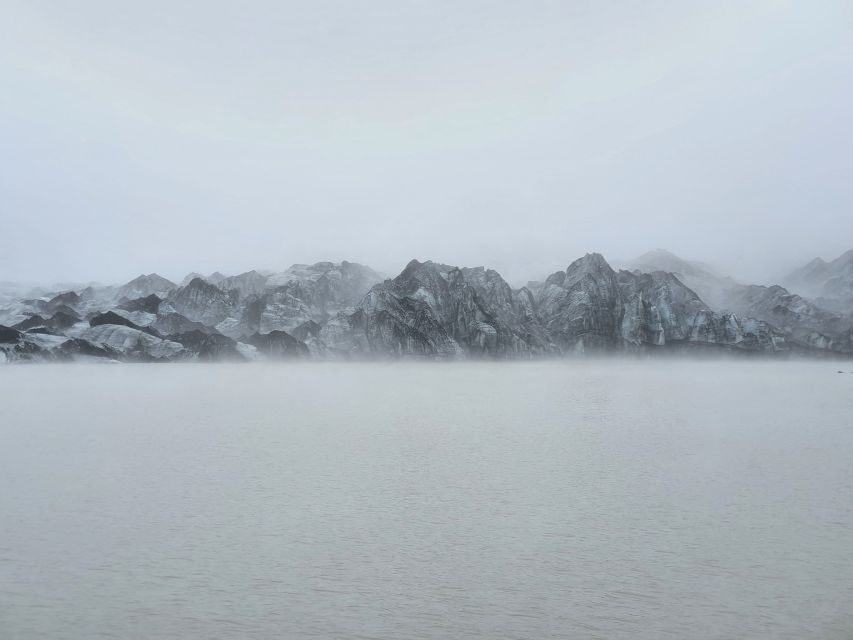
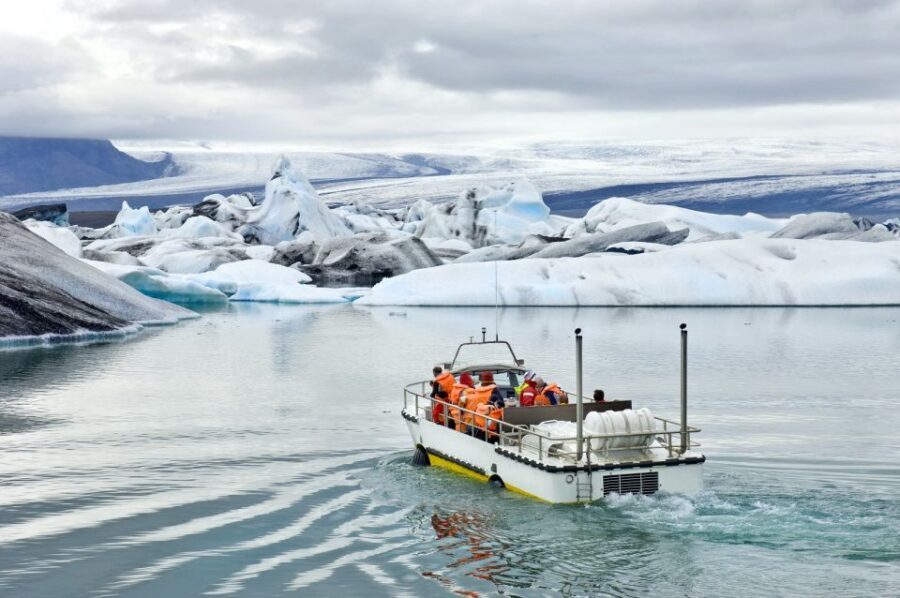
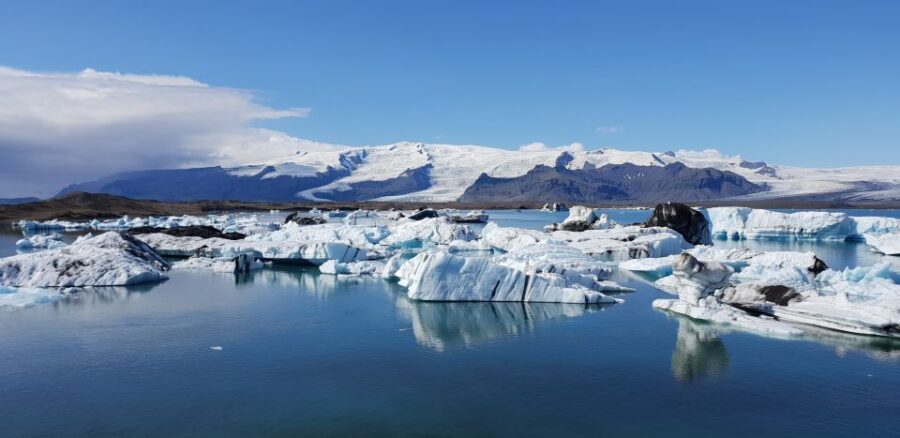
After breakfast, you head to Jökulsárlón Glacier Lagoon, where icebergs sit in a cold, slow-moving theater. You’ll get time to look closely and see the way ice color changes from pale white to bluish tones depending on angle and light.
Optional amphibious boat tour: your closest-possible iceberg encounter
If you book the optional extra, you’ll join an amphibious boat tour at the lagoon. This is a major value add if you want scale and proximity, and it’s repeatedly described as a top memory: icebergs close enough to feel real, plus the chance to spot seals swimming.
If you don’t do the boat: you can still enjoy Diamond Beach and lagoon views, but you’ll miss the “up-close” perspective.
Fjádrárgljúfur River Canyon: where the tour slows down slightly
After the lagoon time, the itinerary includes Fjáðrárgljúfur River Canyon. This stop is less famous than the glacier lagoon, but it gives your eyes a break from pure ice and ocean scenes. It also adds contrast: water carving the land, not just water falling over cliffs.
Return to Reykjavik
You’ll return to Reykjavik with an estimated arrival time around 9:15 PM. That’s late, but it’s also part of the deal. You’re getting the far-south scenery without needing to drive yourself in the dark.
Timing, group size, and why the guide matters more than you think
This kind of tour can be either stressful or smooth, and the difference is usually pacing.
Based on the actual experience people shared, group size tends to be in the small-to-mid range (often around the 18–20 person feel). That size is big enough for the bus to feel comfortable, but small enough that you’re not lost in a crowd at every stop.
Guides are repeatedly praised for staying on schedule and giving clear explanations. You might meet guides such as Lori and Siddi, Mika (Michael), David, Anastasia, Maria, Jonas, Vlad, Bjarki, Thoray, Addy, Sammi, Oli, and more. The common thread in their reviews is not just facts, but timing and story flow—turning travel time into something you actually learn from.
Also, weather is part of the itinerary. Several departures mention changing conditions and wind, and that guides adjust stops to make the best of it. If you’re someone who gets cranky when plans shift, that flexibility is one of the tour’s strengths.
Price and value: what $935 buys you in Iceland reality
At $935 per person for three days, this tour sits in the higher range. The value question is: are you buying convenience, guidance, and reduced driving stress—or just paying for buses?
In this case, you are buying a lot more than transport:
- Two nights of private-bath accommodation are included.
- Breakfasts are included.
- Kerið entrance is included.
- You get free wifi on the bus and USB chargers, which is genuinely useful when your phone battery runs out right when you want it.
- The itinerary strings together the Golden Circle and south-coast highlights in a way that’s hard to DIY without committing to long days behind the wheel.
Then there are the big optional upgrades:
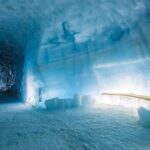
- Blue ice glacier hike (optional) includes safety gear.
- Amphibious boat tour at Jökulsárlón (optional) changes your proximity to the ice and adds seal spotting.
So my practical take: if you want the main sights covered with reduced logistics, this price can feel reasonable. If you already love driving long distances yourself, or if you’re skipping most optional activities and you’re traveling very budget-first, you might find cheaper approaches.
But for many people, paying for the structure is exactly what turns Iceland into a trip you enjoy instead of one you survive.
What to pack for Iceland wind, wet spray, and glacier cold
Iceland tours punish bad shoe choices. Don’t.
Plan on:
- Comfortable shoes with traction
- Warm clothing and layers
- Hiking shoes if you expect the optional glacier walk
- A waterproof jacket and something you can keep on even in mist
Also bring a swim layer if you want to try geothermal mud baths, and pack a change of socks. Your feet are your comfort system on a trip like this.
The tour notes it’s not designed for wheelchair users, and given the walking surfaces, that makes sense.
Should you book it? My honest yes-or-no guidance
You should book this tour if you want:
- A guided, structured way to see the Golden Circle plus the south-coast highlights in just three days
- The big moments in one package: Gullfoss, multiple waterfalls, Reynisfjara, Jökulsárlón, and optional boat time
- A mix of driving plus real explanation from guides (including story-rich narrations)
You might skip or modify if:
- You dislike long road days and late returns
- You have mobility limits that make outdoor walking hard
- You’re allergic to weather uncertainty (because wind and rain can change how comfy stops feel)
If you book, my best tip is this: decide early whether you want the optional glacier hike and the boat tour. Those two are the biggest “spend energy, get payoff” moments on this route.
FAQ
What does the tour include each day?
The trip covers Thingvellir National Park, Gullfoss, Geysir Strokkur, Kerið Crater Lake, geothermal time in Hveragerði, several south-coast waterfalls (Seljalandsfoss, Gljúfrafoss, Skógafoss), Reynisfjara Black Sand Beach, then Jökulsárlón Glacier Lagoon with optional boat time, plus Fjáðrárgljúfur River Canyon before returning to Reykjavik.
Are meals included besides breakfast?
Breakfasts are included. Lunches and dinners are not included, and there are scheduled stops where you can buy food.
Are any key admissions included?
Yes. Entry to Kerið Volcano Crater is included. Admission to the geothermal park in Hveragerði is not included.
What optional activities can you add?
You can choose an optional guided blue ice hiking tour with all necessary safety equipment, and you can also choose an optional amphibious boat tour at Jökulsárlón Glacier Lagoon.
What time is pickup in Reykjavik?
Pickup is included from 8:30 AM to 9:00 AM. You should be ready from 8:30 AM, and pickup may be at the nearest bus stop depending on where the bus can go.
Is the tour wheelchair accessible?
No. It is not suitable for wheelchair users.