REVIEW · REYKJAVIK
Iceland 3-Day Tour Golden Circle, Glacier Lagoon, & Ice Cave
Book on GetYourGuide →Operated by Arctic Adventures · Bookable on GetYourGuide
The south feels built for wow moments. You’ll stack Golden Circle classics with glacier country in just three days.
I especially like the mix of big-ticket stops with real geology: Thingvellir’s tectonic story, then the black sand and basalt drama of Reynisfjara. I also appreciate the small-group size (limited to 18), which helps the guide keep an eye on timing and safety.
One thing to consider: ice cave plans are weather- and safety-dependent. The cave you visit can change, and the day can run a bit tighter when conditions force a switch.
In This Review
- Key things I’d watch for
- Golden Circle day: Thingvellir, Geysir, Gullfoss, plus Skogafoss and Seljalandsfoss
- South Coast day: black sand at Reynisfjara, Jokulsarlon icebergs, Diamond Beach, and a natural ice cave
- Ice cave time: one cave, chosen by conditions
- Staying in Skaftafell area for night
- Glacier hiking day: an outlet glacier hike with a certified guide on Vatnajokull
- What small-group guidance really changes (and what to expect from the guide)
- Ice caves are not a fixed product: how to plan around unpredictability
- Packing and comfort: the difference between enjoying it and rushing through it
- Price and value: is $991 per person worth it?
- Who this Iceland tour fits best (and who should rethink it)
- Should you book this 3-day Golden Circle, glacier lagoon, and ice cave tour?
- FAQ
- What’s included in the tour price?
- What’s the group size?
- What language is the tour guide?
- What meals are included?
- Where do I stay overnight during the trip?
- How does the ice cave visit work?
- Can the itinerary order change?
- What should I bring for this trip?
- When will I return to Reykjavik on the final day?
- What luggage limits apply?
Key things I’d watch for
- Small group (up to 18): calmer pacing and easier questions at each stop
- Big geology across two regions: rifts and waterfalls one day, black sand, ice, and basalt the next
- Natural ice cave variability: the exact cave is chosen based on conditions
- Jokulsarlon + Diamond Beach: glacier ice meets the shore for photos you’ll remember
- Certified glacier guide: you learn how outlet glaciers move and break
- Fitting Northern Lights into winter travel: Skaftafell is a strong base when skies cooperate
Golden Circle day: Thingvellir, Geysir, Gullfoss, plus Skogafoss and Seljalandsfoss
Day one is the famous Iceland starter pack, but it’s more than a checklist if you pay attention to what you’re seeing. You’ll start with pickup in Reykjavik, then ride south on a guided mini-bus along the Golden Circle route with free Wi‑Fi on board—handy for checking weather and mapping short photo routes while you’re between stops.
Thingvellir National Park (UNESCO) is where Iceland’s drama becomes visible in real time. You’ll see the place where tectonic plates pull apart, and you’ll also hear the story of Alþingi, the world’s oldest continuously operating parliament. That combination—geology you can walk through and history you can connect to—makes Thingvellir feel like a living classroom. It’s also a good stop for stretching your legs after the morning ride.
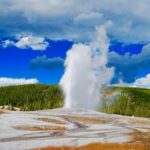
From there you’ll head to the Geysir geothermal area, where Strokkur is the show you came for. Expect water shoots up to around 25 meters. The timing is great for photography because eruptions are frequent enough that you usually don’t feel like you’re waiting forever, but you should still be ready—stand where the guide tells you, and keep your camera secure in the wind.
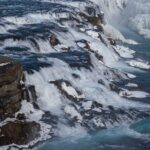
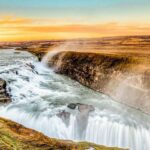
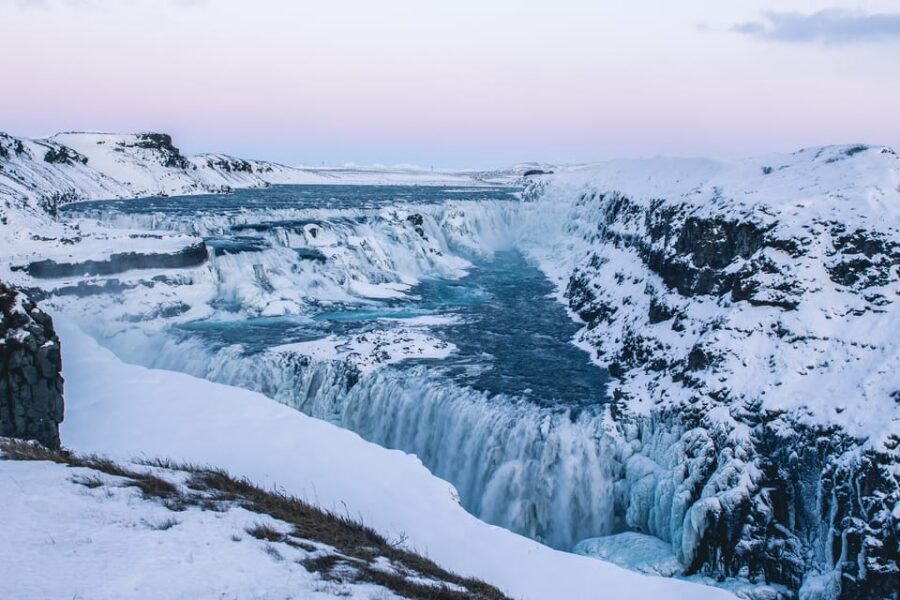
Then comes Gullfoss, the waterfall that hits with power. The water drops about 32 meters into a rugged canyon, so even if you’ve seen waterfalls before, this one feels loud and physical. If you’re the type who likes to understand what creates a view, watch the spray and the rock layers. It’s a simple reminder that Iceland is made by heat and time, not special effects.
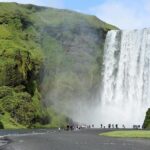
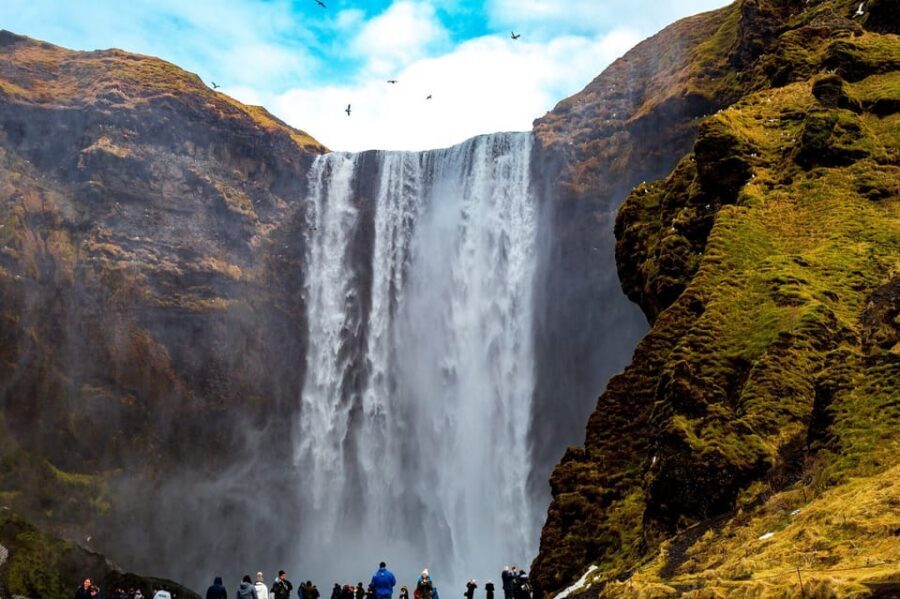
After Gullfoss, the day continues with two scenic detours: Skogafoss and Seljalandsfoss. Both are classic because they’re easy to love from multiple angles. Skogafoss gives you a broad, dramatic fall that’s often great for quick photos. Seljalandsfoss is famous because you can get close enough that the waterfall becomes part of your personal space. The tradeoff is you’ll want to plan for wet ground and slick steps—wear shoes with real grip, not smooth soles.
Practical note: day one is packed. It’s not rushed like a speed-run, but you’ll feel the “move, park, walk, shoot, go” rhythm. If you hate that style, you’ll still have an amazing time, but you’ll want to focus on comfort—layer up and keep your rain gear accessible.
A few more Reykjavik tours and experiences worth a look
South Coast day: black sand at Reynisfjara, Jokulsarlon icebergs, Diamond Beach, and a natural ice cave
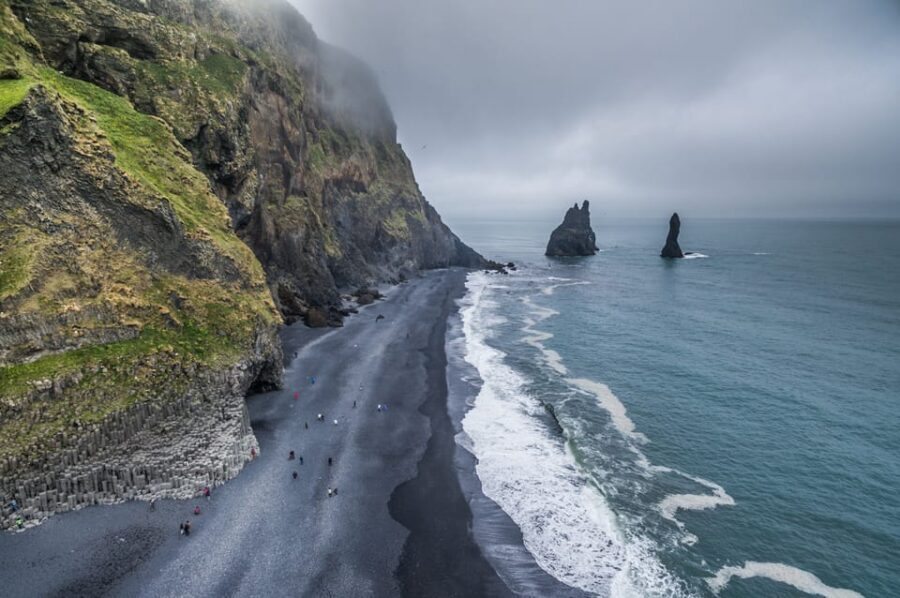
Day two is where the tour shifts from waterfalls and geothermal signs to the frozen, cinematic side of Iceland. After breakfast, you’ll drive toward Reynisfjara, the black sand beach known for its basalt columns and dramatic coastal shapes.
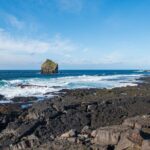
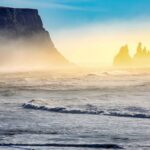
The core attraction here is the geology. You’ll see basalt column features along the shoreline area and the sea stacks called Reynisdrangar rising from the ocean. This is also one of those places where it’s worth listening to safety instructions. Coastal weather and tides can make the environment unpredictable, and the guide will point out what to avoid.
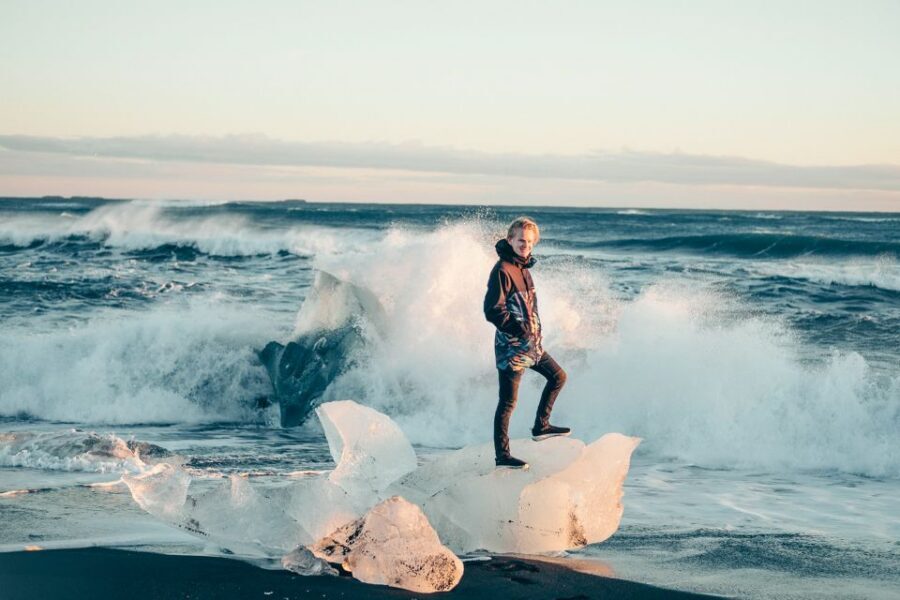
From Reynisfjara, you’ll continue toward Vik as the route bends east into Vatnajokull National Park country. The drive is long enough that you’ll be glad the tour includes guided commentary, because otherwise you’re just watching miles go by. The payoff arrives at Jokulsarlon Glacier Lagoon, where icebergs drift in a slow, surreal procession. You’ll get time to take photos before heading to nearby Diamond Beach, where pieces of ice wash up near the shore.
This pairing works well because Jokulsarlon gives you the wide, floating look, while Diamond Beach gives you the close-to-the-ground sparkle. If you care about photos, the best results come from patience: shoot a wide first, then take a few minutes for detail shots once you see how the ice sits against the sand and surf.
Ice cave time: one cave, chosen by conditions
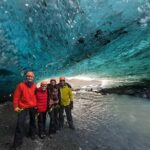
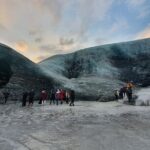
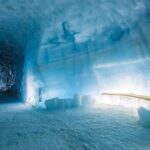
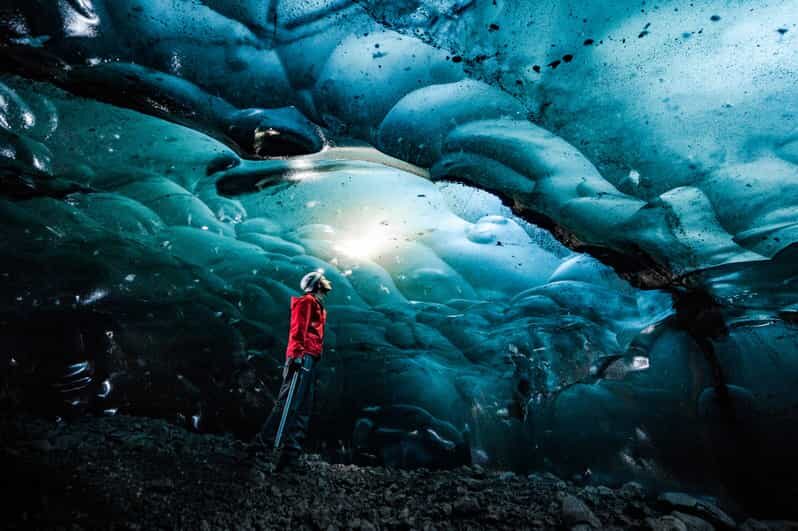
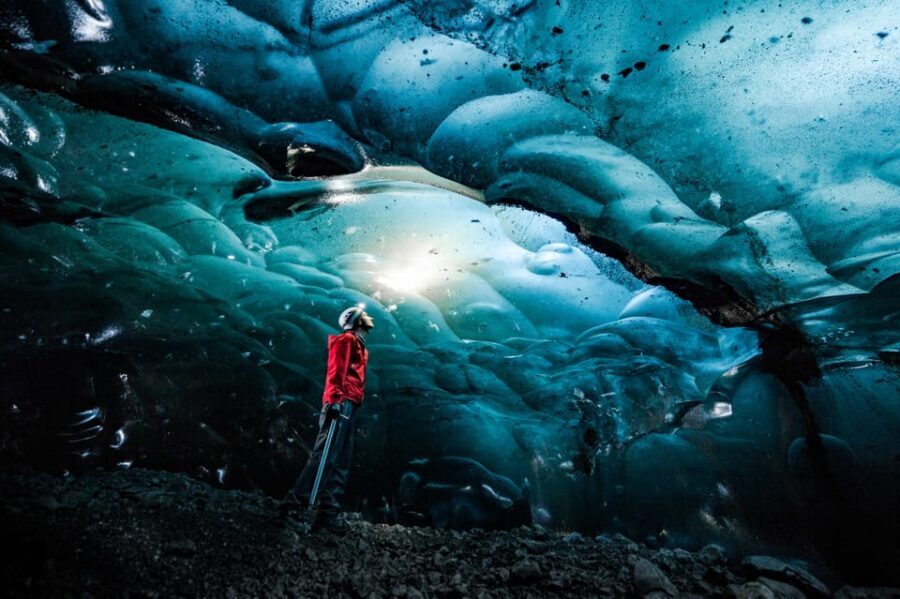
The day ends with an ice cave exploration. Here’s the honest part: ice caves in Iceland change quickly. The cave you’ll visit is based on current conditions and a safety assessment. Translation for your planning brain: don’t assume the cave is guaranteed to look exactly like any photo you’ve seen online.
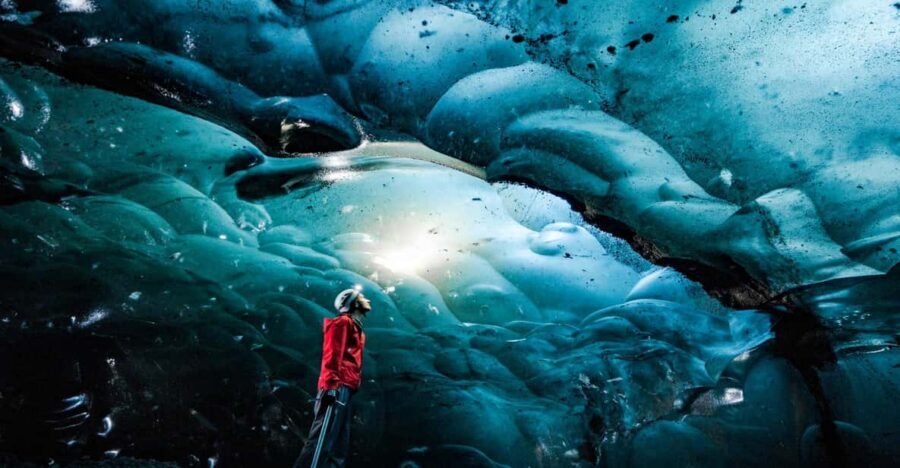
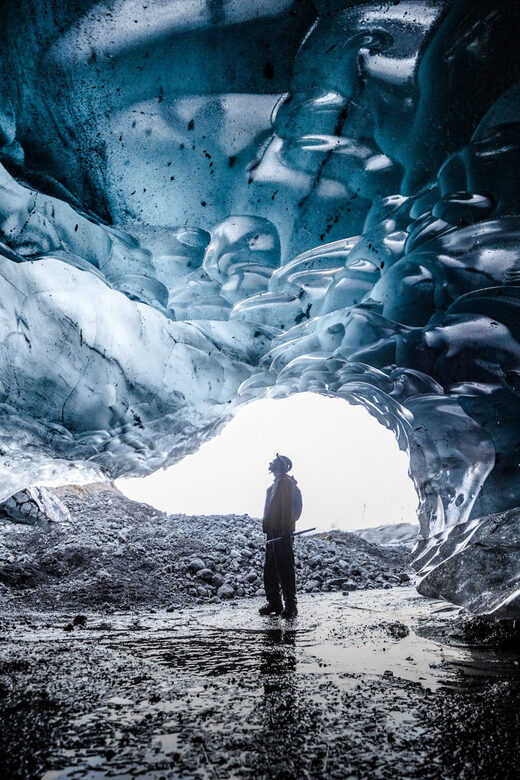
When conditions are right, this is the part that makes the whole trip feel special. You’ll walk into a natural icy dome and see how light behaves inside glacier ice—cool, bluish tones that don’t look like anything else on Earth. Even if you’re not an ice photographer, the feel of walking through a real natural space is hard to replace.
Staying in Skaftafell area for night
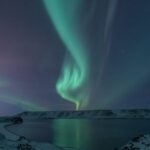
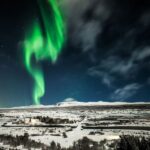
Overnight is in the Skaftafell area, which is one of the better bases for winter travel. During winter months, when conditions align, you can hunt for the Northern Lights. Even if the sky doesn’t cooperate, Skaftafell keeps the vibe grounded: you’re sleeping close to glacier country, not commuting back and forth all day.
Glacier hiking day: an outlet glacier hike with a certified guide on Vatnajokull
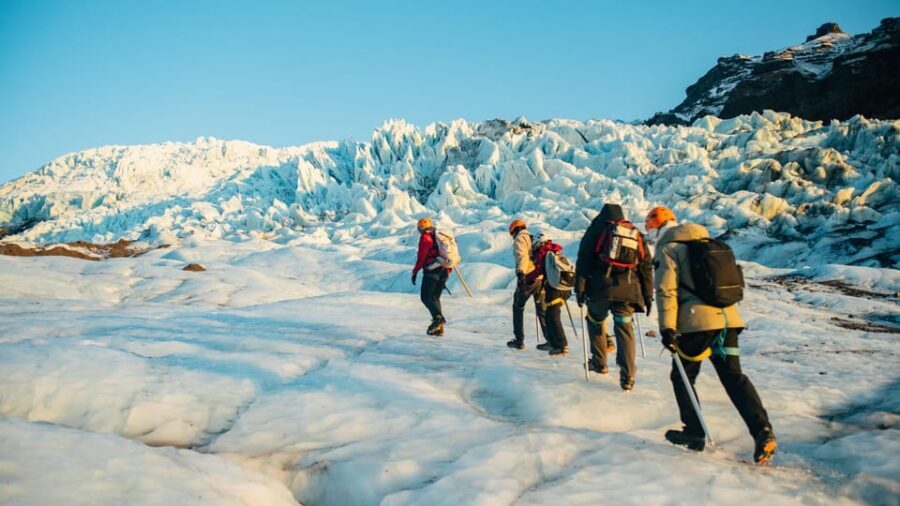
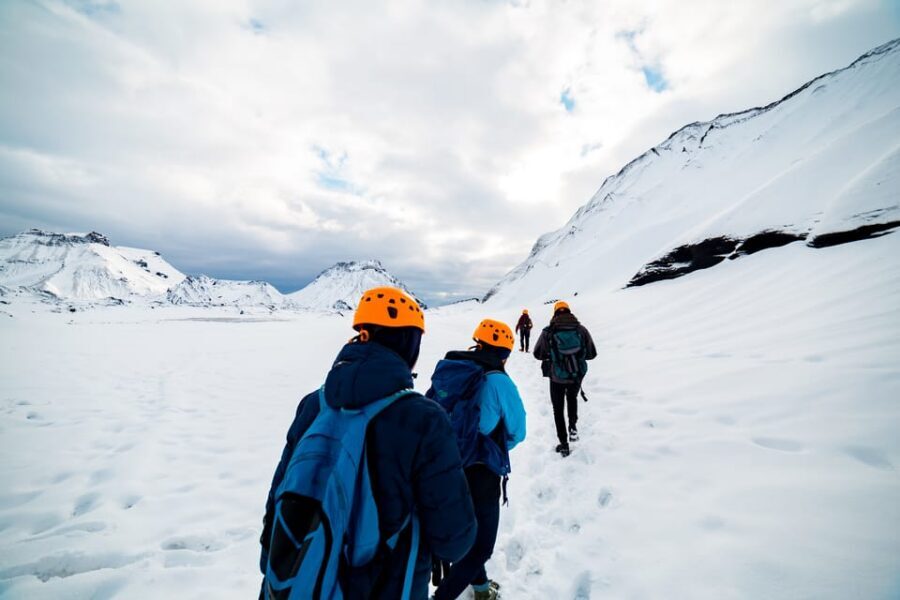
Day three focuses on glaciers in a way that’s actually useful. You’re not just standing near ice—you’re learning how it works. You’ll meet up for a glacier hiking adventure with a certified glacier guide, then explore one of Vatnajokull’s outlet glaciers.
Outlet glaciers are the ones that move outward from the main ice cap, and you’ll get a chance to see the results of constant motion. Expect crevasses and ice falls, and you’ll hear how these formations develop as the glacier shifts and breaks. That matters because it turns the scenery into understanding. You’ll look at cracks and changes and know they aren’t random—they’re part of the glacier’s movement.
This is also the most physical day. One traveler summed it up as an aerobic workout, and that matches what most people feel on glacier hikes: it’s a hike, not a stroll. If you’re active and comfortable with uneven surfaces, you’ll feel good doing it. If not, pack patience for slower steps and follow the guide’s instructions closely.
Once the hike wraps, you’ll head back by bus to Reykjavik and typically arrive between 16:00 and 19:00. That timing leaves you with an actual evening in the capital instead of disappearing back at midnight.


What small-group guidance really changes (and what to expect from the guide)
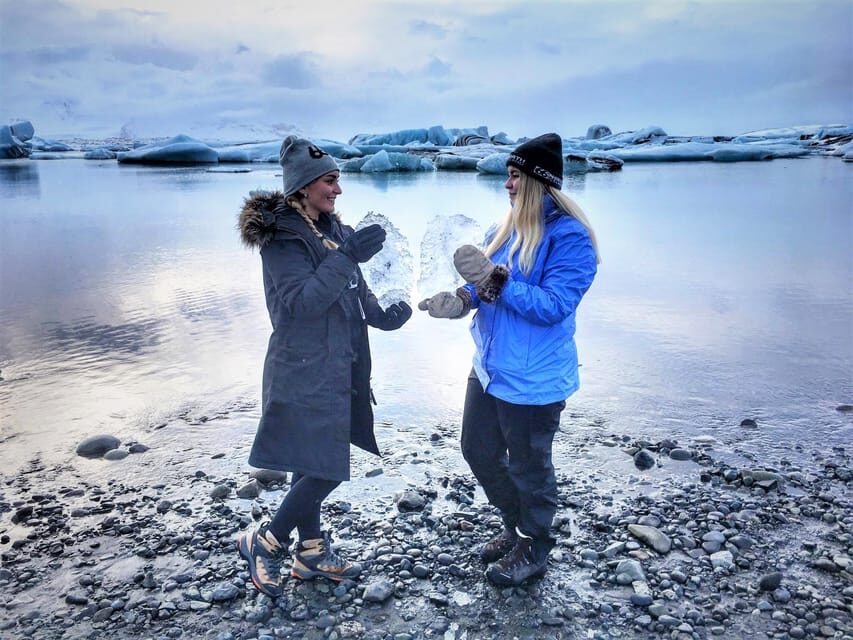
This tour runs as a small group capped at 18, and that affects your experience more than you might think. In Iceland, conditions shift fast—weather, visibility, and road safety rules. With a smaller group, there’s more flexibility to adjust plans and more time to ask questions without feeling like your guide is busy herding a crowd.
The guiding style also seems to matter a lot. In past trips, guide names like Soli, Kacper (Gasper), Didi, Sindri, and Margaret show up with people praising storytelling and humor while still keeping safety front and center. That mix is exactly what you want on a three-day sprint: clear direction, plus context that makes each stop more than a photo opportunity.
A detail worth noting: the tour uses a guided mini-bus for the long travel days. That keeps you from doing route math all day. Still, you’re not getting dropped off and left on your own at every stop. The guide helps you time walks, viewpoints, and photo moments.
Ice caves are not a fixed product: how to plan around unpredictability
Ice caves are one of those Iceland experiences that look like a guarantee until you’re there. The important rule here is that the ice cave is an ever-changing natural phenomenon, so it’s unpredictable. The guide chooses the cave based on conditions and safety.
So how do you plan like a pro?
- Keep your expectations flexible. Think of it as an ice cave experience, not one specific ice cave look.
- Build time for weather. If the day shifts to protect safety, it won’t be because the operator forgot—conditions change.
- Dress for cold exposure even if the cave part is brief. It can stay chilly inside, and you don’t want your gloves or hat sitting unused.
If you’re someone who loves photos, you’ll still get great images. Just don’t anchor your whole trip on a single visual expectation.
Packing and comfort: the difference between enjoying it and rushing through it
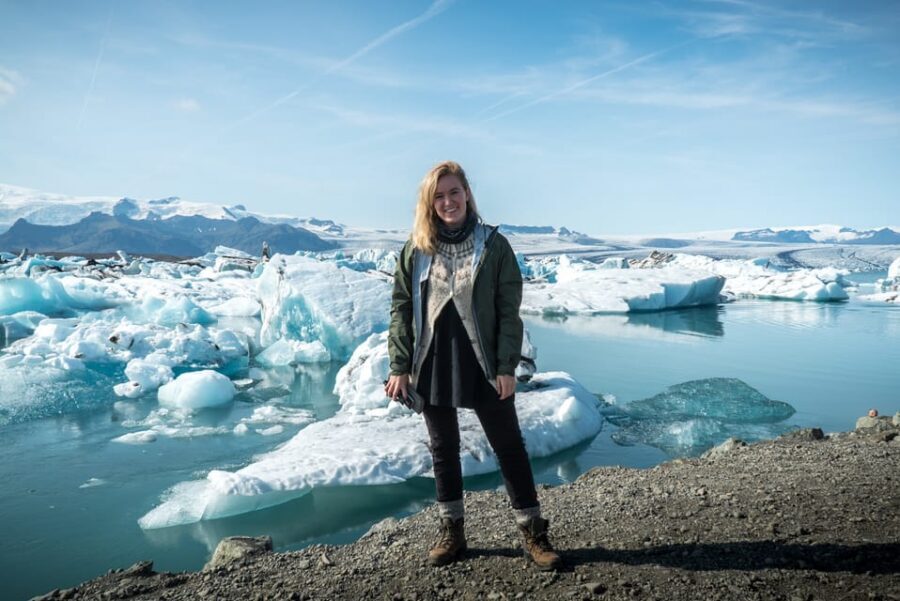
This is a cold-weather, walking-heavy program. Bring the right layers and you’ll enjoy the stops instead of battling discomfort.
You’ll want:
- Warm clothing (layering helps)
- Thermal clothing
- Gloves
- A head covering or kippah
- Hiking shoes with grip
- A day bag, plus luggage capped at 20 kg (44 lbs) per piece
One practical tip: treat footwear like part of your safety plan. Water, black sand, and glacier surfaces are not forgiving if your shoes are worn smooth or you’re in shoes that slip. In a tour setting, the guide will help, but physics wins.
Also, pack a sense of patience. Iceland rewards people who slow down for short moments. If you’re chasing every single photo angle, you’ll feel rushed. If you take a couple of good frames, then look around with your own eyes, you’ll get more out of each stop.
Price and value: is $991 per person worth it?
At $991 per person for a three-day trip, the value comes down to what’s included versus what you’d pay if you tried to DIY it.
Here’s what you’re getting for that price:
- Pickup and drop-off in Reykjavik
- Two nights of accommodation for two nights in a double or twin room with private bathroom and breakfast
- Guided transport by mini-bus for the Golden Circle and South Coast
- An ice cave visit and the guided glacier hiking tour with a certified guide
What’s not included: lunch or dinner.
So what’s the math vibe?
- You’re paying for guide time, transport, and the specialist glacier experience. Those aren’t cheap to run, and they’re also the parts that are hardest to replicate safely on your own.
- You’re not paying separately for a glacier guide and equipment training. That’s the real value lever on trips like this.
- The included hotel with breakfast reduces daily planning. You arrive, you eat, you go. After a few days in Iceland, that ease matters.
If you’re traveling solo, note that the rooms are shared double or twin with private bathroom. If you don’t want to share, you can contact the operator to upgrade to a single room.
Who this Iceland tour fits best (and who should rethink it)
This tour is a strong match if you:
- Want a guided, efficient route without rental car stress
- Care about geology and scenery you can actually learn from
- Are okay with a full schedule and some cold-weather walking
- Want a serious glacier experience, not just a viewpoint
It may be less ideal if you:
- Hate long travel days between stops
- Want total control over every itinerary hour
- Have limited mobility or aren’t comfortable with hiking on challenging terrain (glacier hiking requires following guide instructions and moving carefully)
Should you book this 3-day Golden Circle, glacier lagoon, and ice cave tour?
I’d book it if you want an Iceland trip that balances classic highlights with the kind of glacier experience that changes your perspective. Day one makes the country legible—rift valley, hot water, and waterfalls. Day two shifts you into a colder world—black sand, icebergs, and a natural cave. Day three turns the glacier from a picture into a lesson you can feel in your legs.
Book this when you’re ready to accept one reality of Iceland: weather and ice conditions can adjust details. If you can handle that, the payoff is huge.
If your goal is maximum flexibility and you don’t want any unpredictability, then a more custom approach might suit you better. But if you want a guided plan that hits the right places with the right people, this is an easy yes.
FAQ
What’s included in the tour price?
Pickup and drop-off in Reykjavik, two nights of accommodation with private bathroom and breakfast, guided mini-bus touring along the Golden Circle and South Coast (with free Wi‑Fi on board), and a guided glacier hiking tour.
What’s the group size?
It’s a small group limited to 18 participants.
What language is the tour guide?
The live tour guide is English.
What meals are included?
Lunch and dinner are not included. Breakfast is included with your accommodation.
Where do I stay overnight during the trip?
You’ll stay two nights: the first night on the way south (after the first day’s sightseeing) and the second night in the Skaftafell area.
How does the ice cave visit work?
Ice caves are unpredictable and change over time. The specific ice cave you visit is based on conditions and a safety assessment.
Can the itinerary order change?
Yes. The order of the itinerary may change due to weather and other related factors.
What should I bring for this trip?
Bring warm clothing, thermal clothing, gloves, a head covering or kippah, and hiking shoes.
When will I return to Reykjavik on the final day?
You can expect to be back in Reykjavik between 16:00 and 19:00.
What luggage limits apply?
Each participant can bring one piece of luggage up to 20 kilograms (44 pounds), plus a day bag.