REVIEW · REYKJAVIK
3-Day Ice Cave, South Coast, Golden Circle and Northern Lights
Book on Viator →Operated by Troll Expeditions · Bookable on Viator
Golden Circle plus ice caves in three days.
This is one of the fastest ways to see the best of Iceland without renting a car. I like how the route stitches together Pingvellir, Gullfoss, and Geysir on Day 1, then pivots into South Coast power stops like Seljalandsfoss and Skógafoss before you strap into safety gear for glacier ice. I also like that the tour handles the heavy lifting: pickup, transit between sights, and two nights with breakfast so you can focus on getting outside and taking it all in.
The main thing to consider is that this tour stays very active. You’re trading comfort for time on the clock, and some of the ice and ice-cave access walks can feel tougher than you expect, especially in winter conditions—plus lunch and dinner are on your own.
In This Review
- Key points to know before you go
- Why this 3-day Iceland route works when you have limited time
- Day 1 Golden Circle: Pingvellir, Gullfoss, and Geysir with real variety
- Day 2 South Coast: waterfalls first, then crampons and ice axes
- Blue ice cave day: safety gear is the point, not the paperwork
- Day 3 Jökulsárlón glacier lagoon and the black sand that steals the show
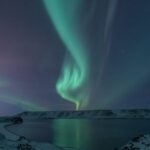
- Northern Lights: how this tour gives you a real shot
- Price and value: what you’re paying for in real life
- Hotels and meals: two breakfasts, but dinners vary
- Getting there and moving around: the bus isn’t the hard part, timing is
- What to pack and what to rent for glacier walks and ice caves
- Which guides make the difference on this route
- Who should book this tour, and who might want a different plan
- Should you book this 3-Day Ice Cave, South Coast, Golden Circle and Northern Lights tour?
- FAQ
- How long is the tour?
- What’s included in the price?
- Are lunch and dinner included?
- Does the tour include the Northern Lights?
- What does the glacier hike include?
- When are ice caves accessible?
- What should I wear for the glacier and ice cave parts?
- Where do you pick me up?
- How big is the group?
- What happens if weather cancels the tour?
Key points to know before you go
- Golden Circle Day 1: Pingvellir tectonic views, Gullfoss canyon falls, Strokkur eruptions
- South Coast hits Day 2: Seljalandsfoss behind-the-waterfall walking and Skógafoss steps to a viewpoint
- Glacier hike safety setup: helmets, harness, crampons, and an ice axe, with trained guide support
- Blue ice cave add-on: winter-only access, via certified glacier guides (and sometimes a super jeep for reach)
- Northern Lights planning: not guaranteed, but the hotels aim for better viewing conditions
- Group size stays small: capped at 19 travelers, which helps with timing and noise
Why this 3-day Iceland route works when you have limited time
If you only have a short Iceland trip, planning can feel like a second job. This tour is built for people who want big sights, fast, with the driving taken off your plate. You get a structured sweep across three heavy-hitter regions: the Golden Circle area, the South Coast waterfalls, and the glacier lagoon and black-sand beaches.
The value is in the mix of effort and organization. You’re not just hopping between viewpoints. You’re doing an actual glacier hike, plus a winter ice cave experience that requires equipment and certified guiding. That makes it much more than a sightseeing bus loop.
A few more Reykjavik tours and experiences worth a look
Day 1 Golden Circle: Pingvellir, Gullfoss, and Geysir with real variety
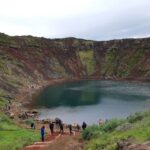
Day 1 is designed like a sampler platter that still feels meaningful. You start at Pingvellir National Park, where you’re standing in a place shaped by tectonic plates pulling apart. You also get the historical layer: Icelanders founded their parliament here in 930 AD, and the name Thingvellir translates to Parliament Plains. Even if you’re not a geology nerd, the scale is hard to fake.
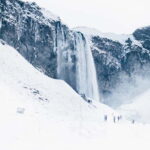
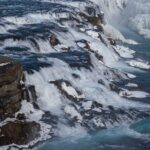
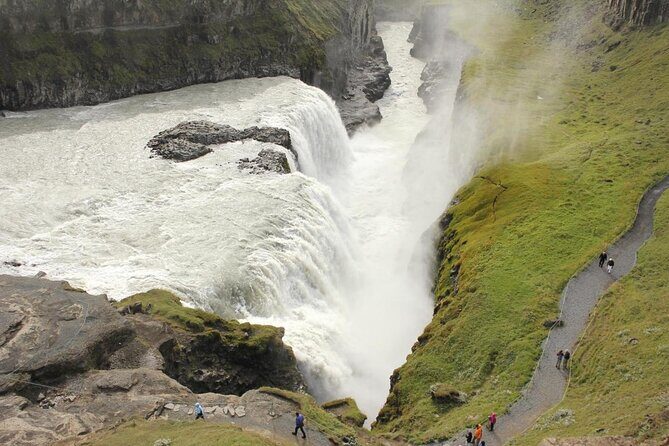
Next up is Gullfoss, Iceland’s Golden Falls. Meltwater from Langjökull feeds a deep canyon where the falls drop hard. On clear days, you can catch a rainbow in the mist. It’s one of those stops where you immediately understand why people build photos around waterfalls.
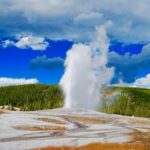
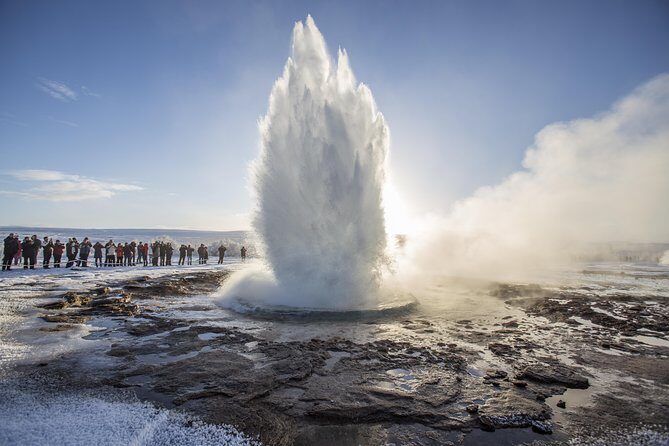
Then you hit Geysir geothermal area. This is where your schedule gets rewarded: you may not see frequent eruptions from Geysir today, but Strokkur erupts regularly, up to about every 5 minutes. That steady rhythm is great because it helps you time your pictures without stress.
Timing reality check: each stop is given enough time to see the main views, but not so long that you start daydreaming on a bench. If you like to linger, you’ll want to take photos efficiently and keep moving.
Day 2 South Coast: waterfalls first, then crampons and ice axes
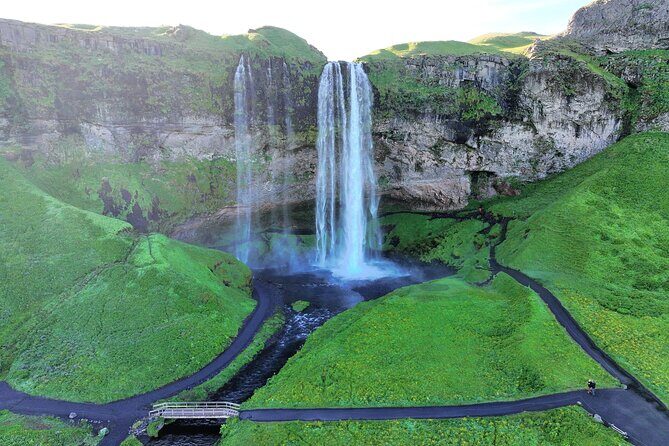
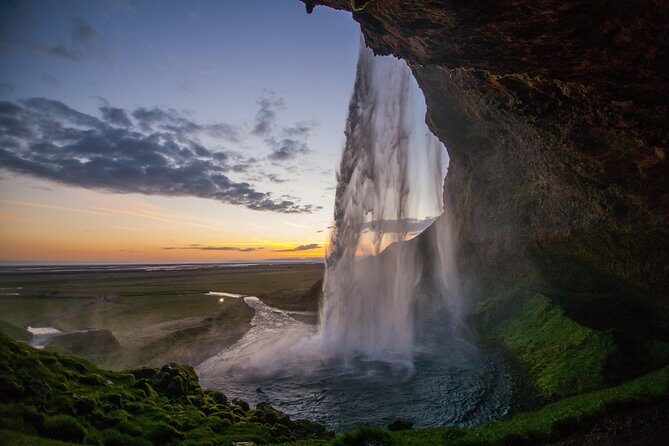
Day 2 is the power day for most people. You begin at Seljalandsfoss, one of Iceland’s most famous waterfalls because you can walk behind it. This is where weather really matters. Bring a raincoat if you have one, because the mist is part of the experience—and it can soak you faster than you expect.
You then roll to Skógafoss, another big fall with a different feel. It drops about 60 meters from a gorge, and there’s a staircase up to a shelf above the waterfall for wide views. The staircase is also your built-in workout. Go at your pace. On icy days, you’ll feel the ground underfoot.
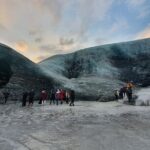
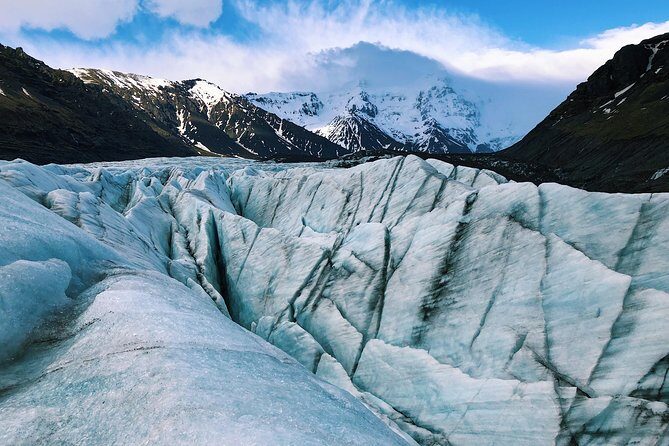
After that, the tour switches gears to Skaftafell National Park for the glacier part. You meet trained glacier guides and get the full safety setup: helmets, harnesses, crampons, and an ice axe. Then you hike on the ice with guide support. One useful point from past experience on this kind of tour: the glacier walk can be longer than you expect before the main activity begins, so don’t plan tight timing for anything after you get on the bus that day.
Skaftafell is also known as a filming location for movies and shows such as Game of Thrones and Interstellar. That matters less for the actual hike, but it’s a fun context when you’re staring at the ice and thinking, this could be a set.
Blue ice cave day: safety gear is the point, not the paperwork
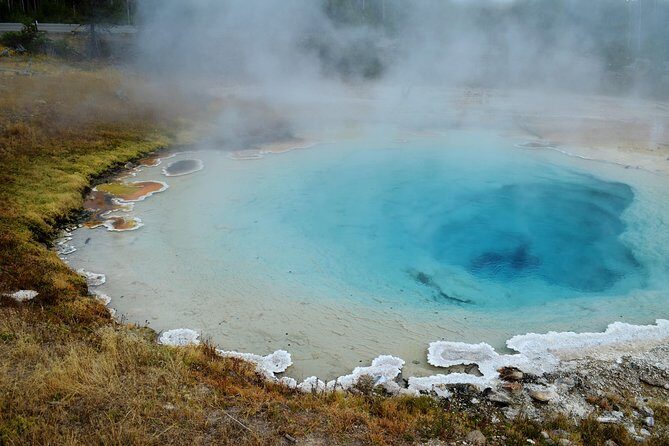
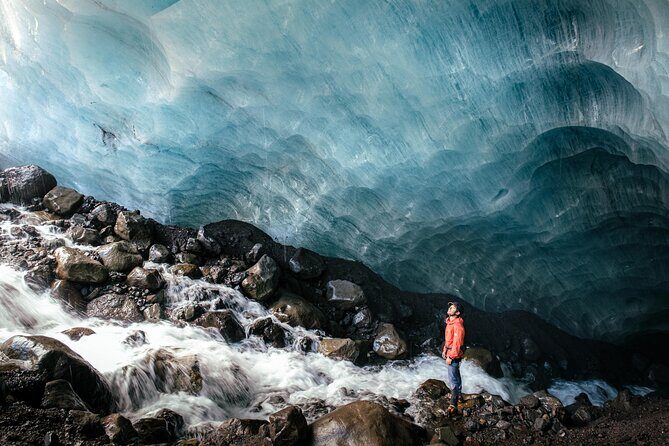
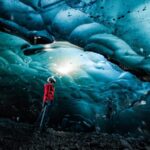
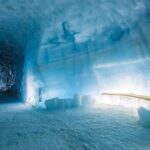
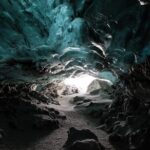
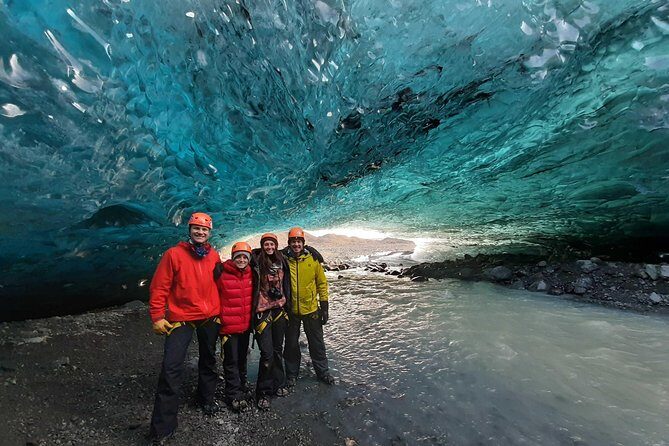
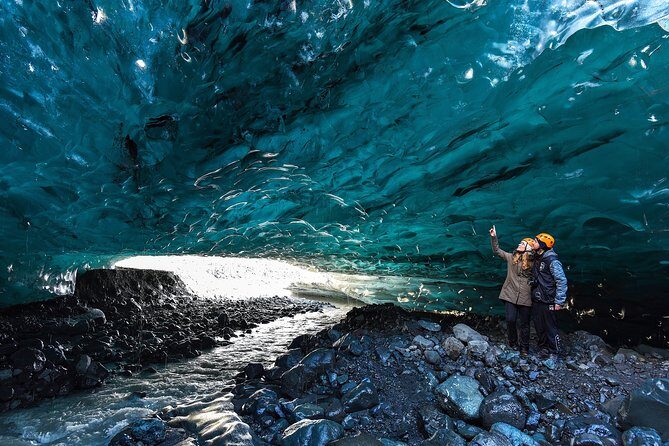
This tour’s headline for many people is the blue ice cave. The key detail: ice caves are dynamic and winter-only. Each year caves form in different places, and conditions change. So even if the photos look like a perfect scene, what you see on your date will be the current version of that cave system.
The walking to reach the cave is short, but it can be rough. Past groups have flagged that the path can be steep, rocky, uneven, and stone-strewn. If you’re someone who hates slipping around on uneven ground, treat this as a real hike portion, not a casual stroll.
What about cold? It can be seriously cold on the glacier. One very chilly outing reported around -25°C on the ice, and even colder when wind chill was factored in. The good news is that you’re guided with safety gear, and you’ll have a reason to stay moving.
Also note a practical curveball: ice caves can sometimes have water inside, which can limit how far you go. Even then, the look is still the point—blue ice, textures, and an eerie quiet that feels unlike most travel days.
Day 3 Jökulsárlón glacier lagoon and the black sand that steals the show
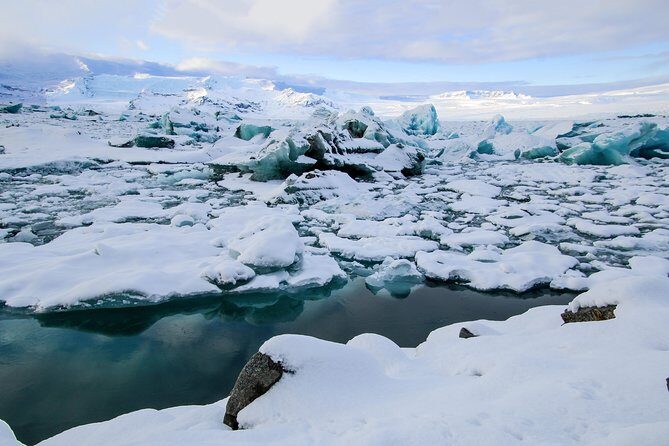
Day 3 starts at Jökulsárlón Glacier Lagoon, a deep glacial lagoon fed by Breiðamerkurjökull. You’ll see icebergs drifting in a huge, calm space that can feel almost silent. The area is deep enough and wide enough that you don’t just get one angle—you can walk along and spot ice shapes shifting in the water.
You also get a super jeep transfer before the second blue ice cave experience. That combination helps you reach the ice cave without adding too much extra road time.
From there, you head to Fellsfjara, a black sand beach where the icebergs drift ashore and then break up. The beach is full of smaller ice fragments in white and blue shades, with the black sand providing high contrast. It’s one of the best “easy to photograph” places on the itinerary.
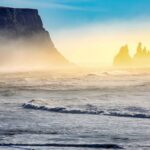
Finally, Reynisfjara Beach brings the basalt columns and the Atlantic surf hitting the cliffs. The rock pillars in the water and the distant views toward Dýrhólaey make this stop feel dramatic even when the weather is gloomy. If you’re traveling in summer months, puffins nest on the cliffs from about June to August, which adds wildlife value.

Northern Lights: how this tour gives you a real shot
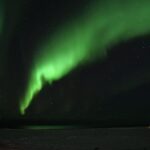
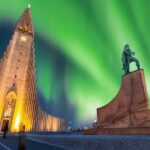
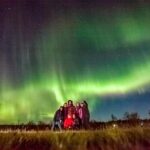
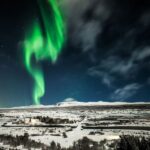
The Northern Lights part is the most emotional piece of Iceland travel, because you can do everything right and still get clouds. Here, the tour can’t guarantee sightings. What it does do is set up your odds by staying in locations meant to improve viewing conditions and by actively checking during the right night window.
From prior experiences on this exact format, guides have checked often and kept people positioned outside. One solo traveler shared that the guide checked around every half hour while they slept. That’s the kind of effort that can matter when you’re hunting a moving sky show.
If you want extra help, I recommend you use a lights-tracking app like Hello Aurora to help you decide when to run outside and when to wait. And bring a jacket you trust. The lights are worth the chill, but you still need comfort.
Price and value: what you’re paying for in real life
At $1,058.14 per person, this is not a budget tour. The value comes from what’s included. You’re getting:
- Pickup and drop-off from designated stops
- 2 nights accommodation plus breakfast
- WiFi on board
- English-speaking guide
- Entrance tickets to key sites on Day 1 and stops on the South Coast
- Glacier hike with safety equipment
- Ice cave tour via super jeep with safety equipment
What you are not getting is lunch and dinner. You’ll also sometimes need rentals for winter gear like waterproof jacket, pants, and boots depending on what you pack yourself. The tour does offer rentals in ISK, and it lists costs for things like hiking boots and waterproof gear combos.
So here’s the plain math: if you were driving yourself, you’d pay for a rental car, insurance, fuel, parking, and you’d still need certified glacier guiding for the ice cave and glacier hike safety rules. This tour bundles those costs and removes decision stress.
Also, group size is capped at 19, and that matters. Smaller groups tend to move more smoothly when timing windows are tight and winter weather can shift plans.
Hotels and meals: two breakfasts, but dinners vary
Breakfast is included both mornings. Past guests have described breakfasts as solid, and they’re a good start because the days begin early.
Dinners are not included. In practice, that means you may end up eating where the group is directed, especially when you return late after glacier and ice cave timing. Some people have found the first night meal more pleasant and the second night a bit more expensive or less flexible. The good side is that you’re not trying to find a place after a long travel day. The trade-off is choice.
If you know you hate surprises with food, plan your day so you’re hungry for dinner when you’re dropped. And carry a snack when you can.
Getting there and moving around: the bus isn’t the hard part, timing is
Pickup starts at 8:00 am, and it can take up to about 30 minutes. You’ll be collected from a designated bus stop, and the operator notes they can’t stop at all downtown hotel entrances due to traffic rules. So check where your pickup point is ahead of time.
On the road, expect lots of scenic driving and frequent stops. Past experiences describe the minibus as comfortable, and the best guides also build in quick breaks for toilets and for resetting your focus.
The one rule that keeps everyone happy: be back on time. This kind of itinerary works only if you don’t stretch every stop to the limit.
What to pack and what to rent for glacier walks and ice caves
Winter gear is not optional here. If you’re visiting in colder months, pack slip-resistant hiking boots. The tour also notes that boots are available at booking, but you should still plan for cold and wet conditions.
For ice cave and glacier hikes, the essentials you should assume are needed:
- sturdy boots with traction
- gloves and a warm layer (the tour lists rentals if you need them)
- a waterproof outer layer if you don’t already have one
If you’re relying on rentals, check what’s included versus what costs extra. The tour lists rental prices for waterproof jackets, waterproof pants, hats and gloves combos, and neck warmers, plus a luggage storage fee if you exceed limits.
One more practical note: luggage has a limit of 24 inches per person, and you can’t bring multiple pieces. If the vehicle has limited space, they may ask you to use luggage storage.
Which guides make the difference on this route
This tour lives or dies by the people steering it, especially with winter road conditions. From guide names you might encounter, you’ll see patterns:
- Bran has been praised for safe driving and clear explanation of timing.
- Paul has been praised for warmth and local stories.
- Kasper has been singled out for professionalism in extreme weather.
- Oskar has been praised for punctuality and making the days feel smooth.
- Thor and Dugar have been praised for chasing the lights and keeping energy up when weather changes.
Even if you don’t get one of those specific names, you can use this as a guideline: pick departures when you can trust your guide to manage winter roads and adjust plans.
Who should book this tour, and who might want a different plan
This tour suits you best if:
- you want a high-activity highlights tour with glacier and ice cave experiences
- you don’t want to rent a car or manage routes in winter
- you’re okay with lunch and dinner not being included
- you can handle some hiking on uneven, icy ground
You might choose something else if:
- you want lots of free time to slow down at each stop
- you hate being on a schedule and returning to the bus on time
- you know you’re not comfortable in cold, wet, or physically demanding conditions
A useful middle ground: if you love waterfalls and want glacier access, this is one of the cleanest ways to get it without complicated planning.
Should you book this 3-Day Ice Cave, South Coast, Golden Circle and Northern Lights tour?
I’d book it if your top priority is getting real glacier ice and real ice cave time in a short Iceland visit, while still covering the Golden Circle and the South Coast’s biggest waterfall stops. The included safety equipment, guide support, and transit make it feel efficient in a country where “efficient” can be hard.
I’d hesitate if you’re counting on flexible meals, long scenic free time, or extremely easy walking. This is an active winter itinerary. Pack for the cold, wear the right traction boots, and treat the bus timing like part of the adventure.
If that sounds like your style, you’ll likely feel like you checked a lot of Iceland off your list in three days.
FAQ
How long is the tour?
It’s about 3 days.
What’s included in the price?
Pickup and drop-off from designated stops, two nights of accommodation, breakfast, WiFi on board, an English-speaking guide, admission tickets, plus glacier hike and ice cave experiences with safety equipment.
Are lunch and dinner included?
No. Lunch and dinner are not included.
Does the tour include the Northern Lights?
The tour can’t guarantee the Northern Lights because it depends on weather and sky conditions, but the hotels are in locations meant to maximize your chances.
What does the glacier hike include?
You’ll hike with trained glacier guides and use safety equipment such as a helmet, harness, crampons, and an ice axe.
When are ice caves accessible?
Ice caves are only accessible during winter when temperatures drop enough for them to form and be reached safely.
What should I wear for the glacier and ice cave parts?
Plan on waterproof, warm layers and slip-resistant hiking boots. Waterproof gear rentals may be available if you don’t have your own.
Where do you pick me up?
Pickup is from selected bus stops. The operator notes they can’t stop at every downtown hotel entrance due to traffic rules.
How big is the group?
The tour has a maximum of 19 travelers.
What happens if weather cancels the tour?
If the experience is canceled due to poor weather, you’ll be offered a different date or a full refund.