REVIEW · REYKJAVIK
Dive the Divide: Silfra Fissure Scuba Tour | Reykjavik Pickup
Book on Viator →Operated by Arctic Adventures · Bookable on Viator
Silfra is where two continents meet under ice-clear water. This small-group trip pairs a UNESCO stop at Þingvellir National Park with a guided underwater route through Silfra’s Deep Crack, Hall, Cathedral, and Lagoon. I love that the experience is built for people who already know dry suits, so the focus stays on the scenery instead of basics.
Two things I really like: first, the water visibility can be almost unreal (people describe seeing 100m+), so the rocks and fissure walls look crisp and photo-friendly. Second, the guides I’ve heard about—like Maciek, Arturo, and Julian—tend to be calm and attentive, which matters when you’re managing gear in cold conditions. One possible drawback: the fit and effort requirements are real, and busy times can mean some waiting before you get on the entry platform.
In This Review
- Key things worth knowing before you go
- Reykjavik pickup plus Þingvellir time: the day starts above the water
- Gear and cold reality: dry suit rules that affect comfort
- The underwater route at Silfra: Deep Crack to Cathedral to Lagoon
- After the water: the ramps, the walk, and how to make it easier
- Small group dynamics: why max 3 people can be a big deal
- Guide quality in real-world terms: names you might hear
- Equipment condition and your comfort checklist
- Why the price can make sense (and where it doesn’t)
- Who this outing is best for (and who should skip it)
- FAQ
- FAQ
- Where does pickup happen for this Silfra trip?
- How long is the full experience?
- What’s included in the price?
- What food is included?
- Do I need previous dry suit experience?
- How cold is the water?
- How deep does the underwater route go?
- Is this suitable for beginners?
- What vision gear rules apply under the mask?
- What if weather cancels the activity or I need to cancel?
- Should you book this Silfra Fissure experience?
Key things worth knowing before you go
- Max 3 people: small-group attention, less crowding in your experience rhythm
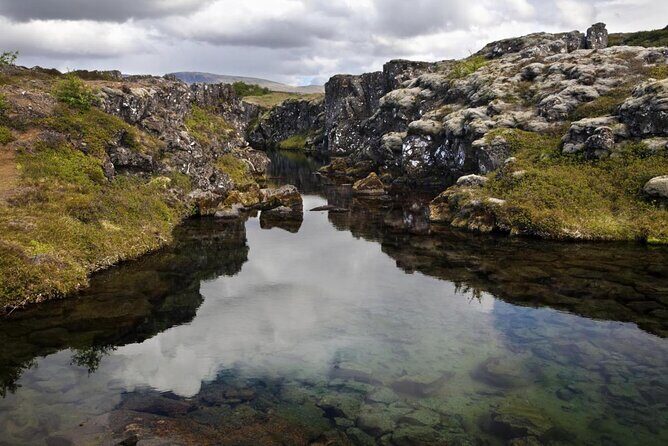
- Four Silfra sections: Deep Crack, Hall, Cathedral (to 22m), then Lagoon
- Dry suit experience required: you’ll be asked for certification card or proof of at least 10 dry-suit sessions
- Cold water, huge visibility: plan around roughly 2–3°C, often reported at 100m+ visibility
- You carry gear up a ramped walk: expect a tough return walk with extra weight unless you remove items
Reykjavik pickup plus Þingvellir time: the day starts above the water
This outing is set up with round-trip transport from select Reykjavik hotels. You meet your guide, then you drive out toward Þingvellir National Park. The whole thing is timed for you to have enough daylight for the park portion and still make it to Silfra for the underwater sections.
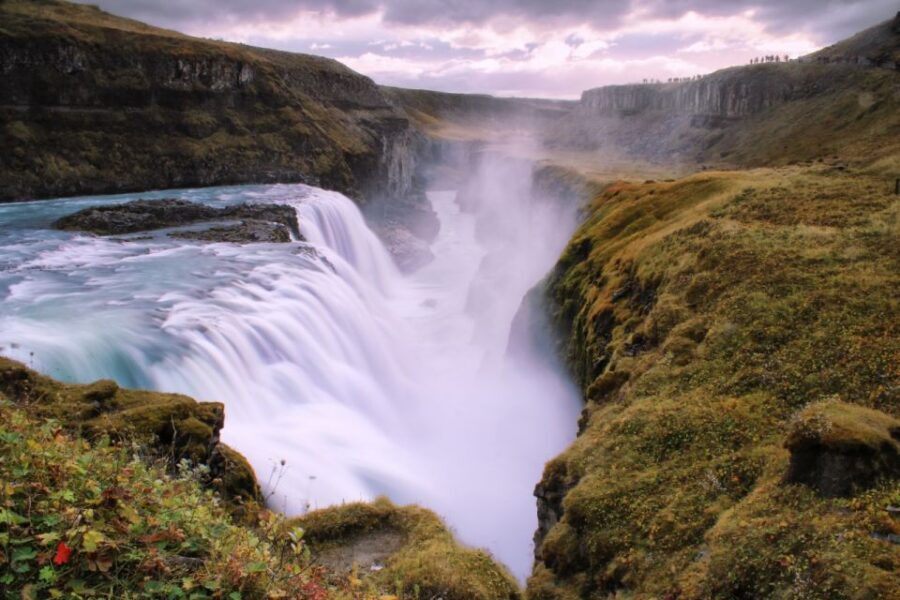
The Þingvellir stop is included with park admission, and it’s not just a quick photo stop. You’ll spend about four hours in the park area with time to get oriented before gearing up. Þingvellir is special for the obvious reason: the North American and Eurasian tectonic plates pull apart here, and you can literally stand in a place shaped by that action. You’ll also be around reminders of Iceland’s early governance, including the Alþingi (set up in 930 AD), which adds context to the big geological story you’ll see underwater later.
A practical note: pickup can take up to 30 minutes because vans sometimes need to collect multiple people. If you’re trying to line up dinner or another activity afterward, give yourself a buffer.
You can also read our reviews of more scuba diving tours in Reykjavik

Gear and cold reality: dry suit rules that affect comfort
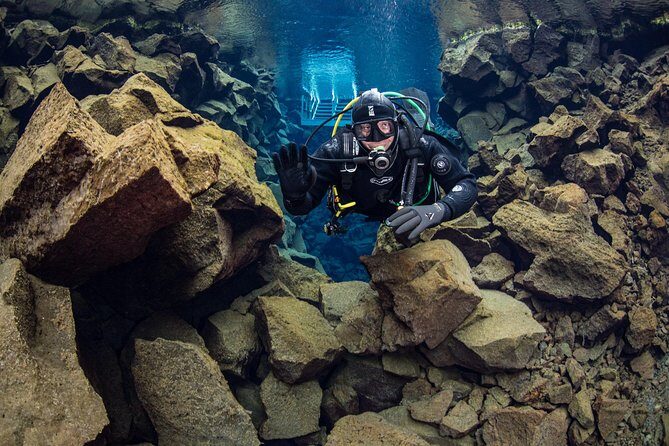
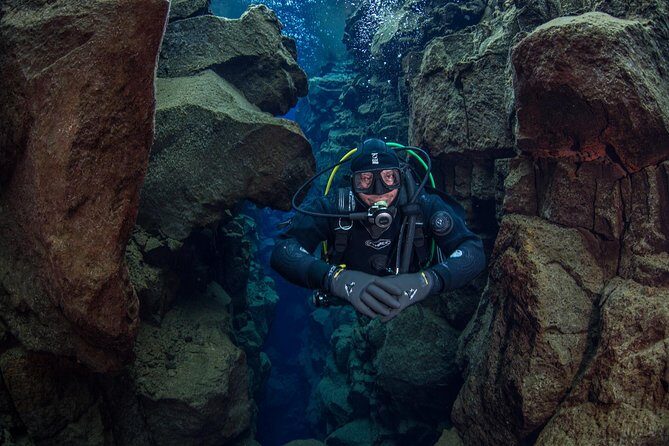
Silfra is cold, and the trip’s expectations reflect that. You’ll gear up with a thermal undersuit plus a full dry suit setup, including BCD, regulator, weight system, tanks, hood and gloves, plus mask and fins. The idea is that you show up with the right skills and they provide the rest.
Here’s the catch: you must already have dry suit experience. Your guide will check your dry suit certification card or a logbook showing you’ve completed at least 10 dry-suit sessions. They also ask you for your suit size when booking, so the dry suit fits properly before you hit the water.
Cold is more than comfort—it’s buoyancy and effort. One review mentioned that if you’re used to trilaminate suits, neoprene can feel more buoyant and require extra weight. Translation for you: don’t assume your usual weight setup from other places will transfer perfectly. This is where dry suit experience becomes a safety factor, not a bureaucratic checkbox.
Also plan your eyesight setup. Because you wear a mask underwater, you can’t have anything that prevents the mask from sealing and filling with water—specifically, you can’t wear glasses under the mask. In practice, that means contacts, or bringing prescription goggles if you need them.
The underwater route at Silfra: Deep Crack to Cathedral to Lagoon
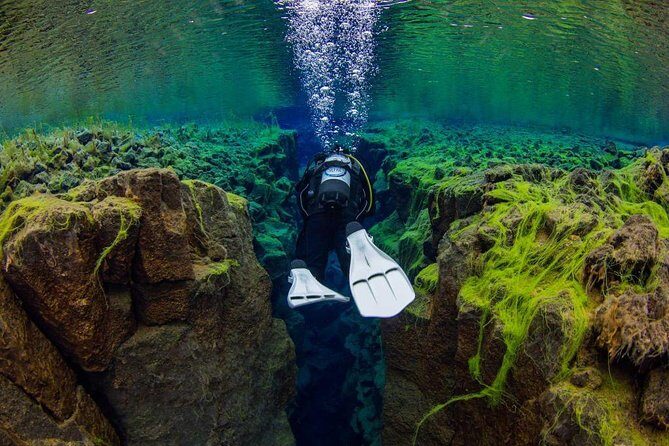
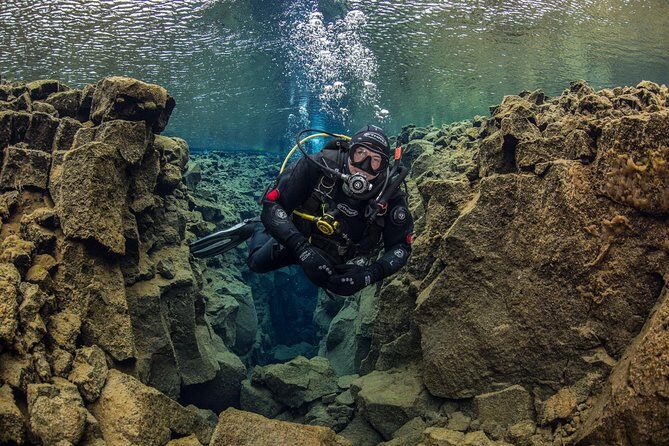
At Silfra, the scenery isn’t just pretty—it’s the whole point. You’re exploring a glacial fissure filled with famously clear water. The tour is structured to take you through all four sections of Silfra, with the route starting narrow and getting more open as you progress.
You begin near the entrance in the Silfra Deep Crack. It’s described as a narrow, winding passage, which tends to make early underwater moments feel like you’re threading through something ancient. Then the crack opens into Silfra Hall, where the rock walls spread out enough to make visibility and shape stand out more.
After that comes Silfra Cathedral, the deepest point on the route. Depth reaches about 22 meters (72 feet). Even if the actual depth varies during your session, it’s important to understand the trip is not just a shallow sightseeing float. You’re in open water with real depth potential, so buoyancy control matters.
Next is Silfra Lagoon, the final section. The whole route is designed so that the underwater experience changes as you move along: tight passage feel first, then a wider hall sensation, then the deeper cathedral zone, and finally the lagoon exit sequence.
One of the most repeated positives is visibility. People talk about seeing extremely far—often measured as 100m+—and that makes Silfra’s rock formations look almost unreal. Without much marine life to compete for your attention, the geology does the entertaining.
After the water: the ramps, the walk, and how to make it easier
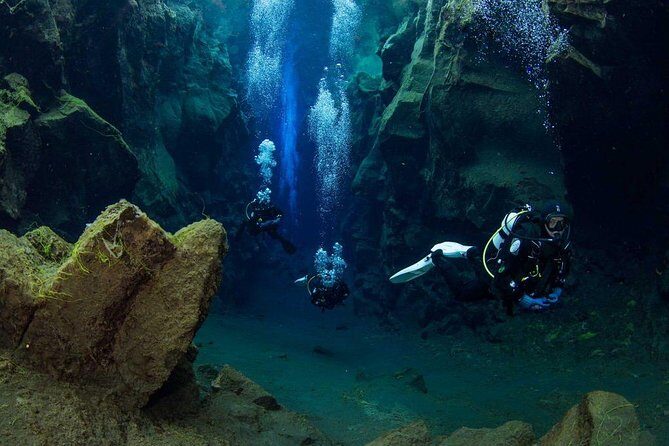
Getting out matters as much as getting in. When you surface, you’ll dry off, talk about the experience, and head back toward the parking area and your car. You’ll also do a short walk—about 300 meters (984 feet)—from the exit platform back to the car park.
This part is where the day can feel harder. Cold plus gear means everything weighs more than you remember. The good news is that the guide can help with steps like removing weights or gear to make the walk easier. If you know you’ll struggle with the extra carry, tell the guide right away before you start moving.
The trip also states it’s a challenging outing in the sense that you must be capable of carrying heavy equipment up to about 1300 ft (400 m). If you’re unsure, think honestly about your ability to handle weight in cold air while wearing thick equipment.
Small group dynamics: why max 3 people can be a big deal
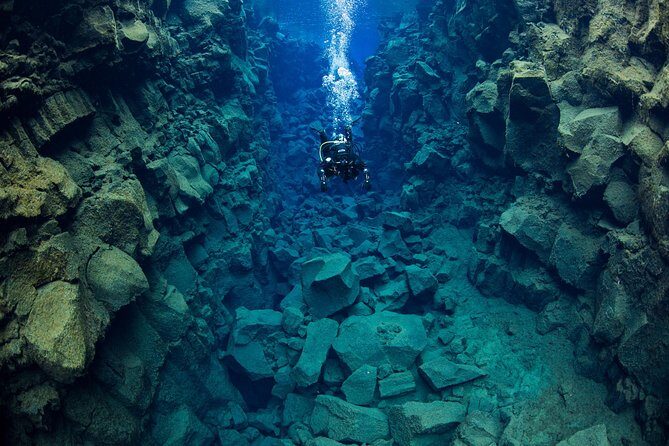
This is capped at 3 travelers, and that number shapes the experience in a positive way. With fewer people, the guide can manage spacing and help more precisely with buoyancy, mask fit, and timing. It also tends to reduce how often you’re waiting around while someone catches up.
That said, Silfra can get busy. One review specifically called out delays during busy periods. Translation: even if your group is small, you might still hit bottlenecks at entry points when there’s a schedule jam. If you’re prone to getting impatient, bring a calm mindset. Once you’re underwater, it usually becomes worth the wait.
Also keep expectations realistic about pacing. One person noted that crowd pressure pushed a faster start and reduced the chance for iconic photo stops. If photos are important to you, it helps to mention it to your guide early and ask where they can safely pause for the “both sides” style pictures.





Guide quality in real-world terms: names you might hear
The biggest difference between a good day and a frustrating one is often the guide’s attention level. From the experiences shared, the guides range from extremely patient to noticeably hands-off, so your experience will depend on who leads your particular group.
People mentioned Maciek as very attentive and helpful. Another review credited Arturo for being great. Julian was praised for arriving on time and making the dry suit introduction feel easier, plus keeping a flexible, eventful day moving along. Katja also came up as a guide who helped ensure people felt taken care of.
What you should take from this: don’t go quiet if something feels off—especially weights, buoyancy, or the feel of descending. If you’re having trouble, you need to communicate quickly so the guide can respond. In one less-great experience, a guide reportedly swam ahead and didn’t notice weight problems, and the diver’s plan didn’t match what they wanted from the trip.
Equipment condition and your comfort checklist
Most of the setup is provided: thermal layer, dry suit, BCD, regulator, tanks, hood and gloves, mask, and fins. In the positive reports, the kit was described as warm and in good shape. Some people even mentioned two dry suit outings in one day when schedules allowed.
But equipment isn’t perfect, and it’s fair to flag that. One review complained about gear problems that interfered with descending and balance, including issues with a velcro connection on a hose and a weight belt releasing. Another person said gear needed replacing.
So how do you protect yourself? Do a proper check at the start. Test your hose routing, confirm the weight system stays secure, and make sure you know how your valves and releases work in your suit. If anything feels unreliable, speak up immediately before water entry. That small step can prevent the kind of stress that steals time from what you came for.
Why the price can make sense (and where it doesn’t)
At $344.67 per person for about six hours, the value comes from what’s included. You get pickup and transport, park admission, the equipment list, and the guided support with a PADI-certified scuba leader. You also get hot chocolate and cookies, which is a small but welcome touch in cold weather.
Food isn’t included, so you’ll want to plan a proper meal either before you leave Reykjavik or after you’re back. Since you’re doing a physically demanding cold-water activity, skipping dinner plans can turn into an avoidable grumpy moment.
Is it expensive compared to a regular tour? Yes. But in Iceland, transporting gear, running safety protocols, and providing full dry-suit systems isn’t cheap. If you already have dry suit experience and want Silfra’s “between continents” setting, this price starts to look more reasonable.
Who this outing is best for (and who should skip it)
This is aimed at people with dry suit know-how. You need dry suit certification and a good handle on the heavy equipment carry and cold-water buoyancy.
It also helps if you’re comfortable with the idea that the route includes a deeper segment reaching 22 meters and involves managing your gear while following the guide. If you’re hoping to treat it like a casual sightseeing swim, this is not that.
You’ll likely enjoy it most if:
- you’re already trained for dry suits and can handle weight adjustments
- you want dramatic geology without needing a marine-life-focused itinerary
- you appreciate small-group attention
You should think twice if:
- you’re new to dry suits and don’t meet the certification proof requirement
- you have difficulty carrying heavy equipment for the walk back
- you rely on glasses under a mask and aren’t able to use contacts or prescription goggles
FAQ
FAQ
Where does pickup happen for this Silfra trip?
You’re picked up only from specific locations in Reykjavík listed for the tour. Pickup can take up to 30 minutes.
How long is the full experience?
It runs about 6 hours total, with roughly four hours at Þingvellir National Park and about 1 hour 30 minutes at Silfra.
What’s included in the price?
Gear (thermal undersuit, dry suit, BCD, regulator, weight, tanks, hood & gloves, mask, fins), a PADI-certified scuba leader, round-trip transport, Þingvellir admission, and hot chocolate and cookies are included.
What food is included?
Hot chocolate and cookies are included, but food and other drinks are not included.
Do I need previous dry suit experience?
Yes. You must show a dry suit certification card or a logbook proving at least 10 dry suit sessions.
How cold is the water?
The water temperature is reported around 2–3°C in participant feedback.
How deep does the underwater route go?
The deepest point reaches 22 meters (72 feet).
Is this suitable for beginners?
The trip is described as requiring dry suit experience and is considered challenging, so it’s not positioned for people learning fundamentals.
What vision gear rules apply under the mask?
You can’t wear glasses underneath the mask. You’ll need contacts or your own prescription goggles.
What if weather cancels the activity or I need to cancel?
The activity requires good weather. If canceled due to poor weather, you’ll be offered another date or a full refund. Free cancellation is available up to 24 hours in advance for a full refund.
Should you book this Silfra Fissure experience?
If you’re dry suit trained, comfortable with cold water, and excited by geology-first scenery, I think this is a smart booking. The combination of a Þingvellir UNESCO stop, a small group of up to 3, full gear provided, and an underwater route that hits Deep Crack, Hall, Cathedral, and Lagoon is exactly the kind of itinerary that makes Silfra worth the effort.
If you’re not fully confident about carrying equipment, buoyancy in a dry suit, or managing weight systems, this is where people run into trouble. In that case, I’d either sharpen your dry suit practice first or consider a different learning-focused option. Silfra gives you stunning visibility—but it rewards preparation.