REVIEW · REYKJAVIK
Small-Group Premium Northern Lights Tour from Reykjavik
Book on GetYourGuide →Operated by Northern Lights Bus · Bookable on GetYourGuide
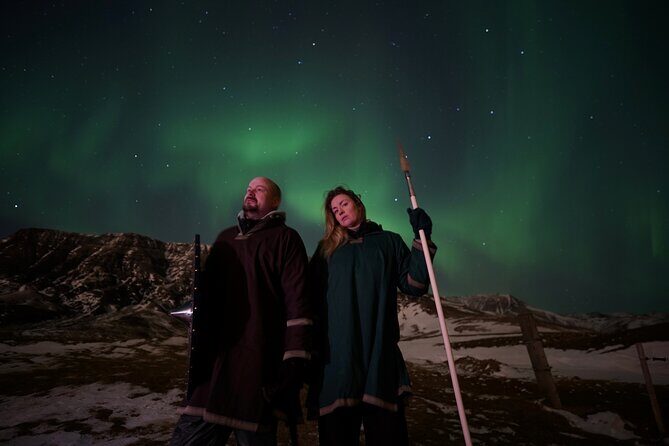
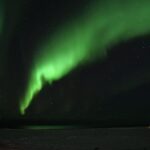
Auroras rarely show up on schedule. This 4-hour small-group chase from Reykjavík mixes dark-sky searching with guide-led sky talk, so you’re ready when the colors start moving across the night.
I love two things most: you get carried in a smaller minibus (around 20 people), which helps you reach quieter, low-light spots fast. And I really like how the guides build the moment around understanding and photos—JP and Ody, for example, explain the science (charged particles meeting Earth’s atmosphere) and then help you point your camera the right way.
One big thing to keep in mind: seeing the lights is never guaranteed. If clouds roll in, the plan can change in minutes, and your night may end without aurora—though you do have a safety net with the free retry option.
In This Review
- Key highlights that matter in real life
- Aurora Hunting From Reykjavík: the small-group advantage
- How the hunt works: forecasts, darkness, and quick changes
- Your guide’s role: science, myths, and real photo help
- Stops and timing: outside time you can actually feel
- Hot chocolate breaks: the warm reset that keeps you in the game
- When clouds win: the 3-year free retry that removes the biggest risk
- Price and value: is $107 a fair deal for 4 hours?
- What to pack for a cold, dark 4-hour aurora hunt
- Who should book this tour, and who might want a different plan
- Should you book this Northern Lights hunt?
Key highlights that matter in real life
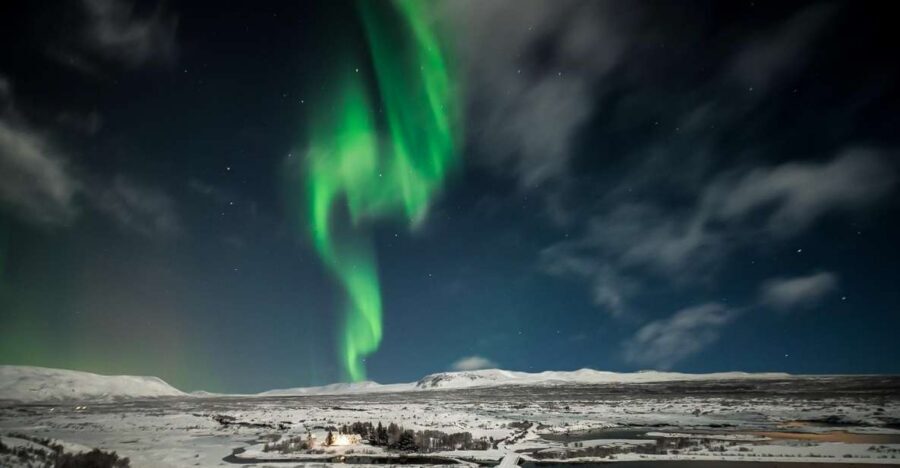
- Small minibus, easier access to darker spots: fewer people means more flexibility when the sky shifts.
- Guide-led photo moments: you’ll get chances to step outside and shoot, not just watch from the bus.
- Warm drinks to keep you comfortable: hot chocolate and refreshments help you last longer outside.
- Science + stories while you wait: you’ll learn what causes the aurora and hear myths and constellation tips.
- 3-year open retry if the sky won’t cooperate: miss it once, try again later with the same included deal.
Aurora Hunting From Reykjavík: the small-group advantage
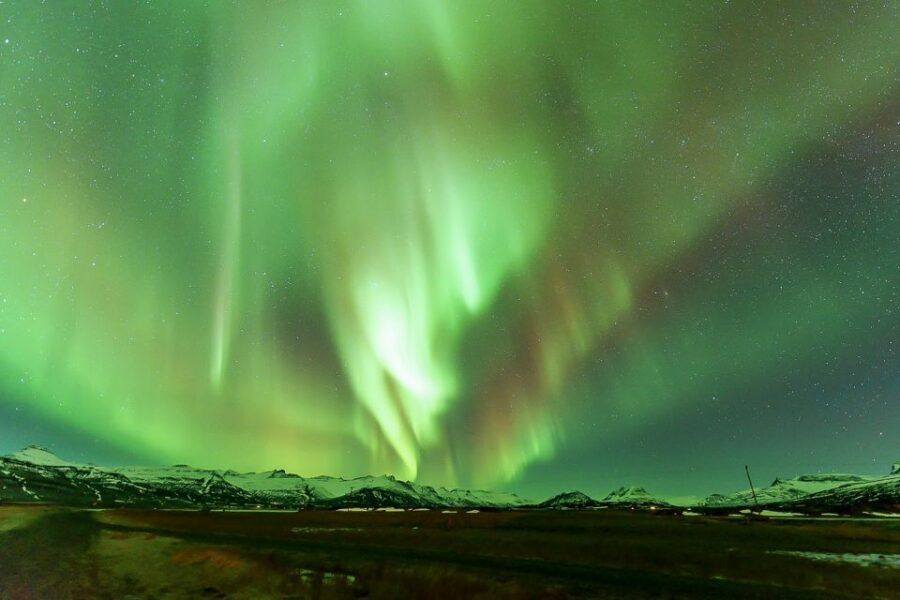
This is a Northern Lights tour designed for people who want the real hunt—not a slow roll past a few lit viewpoints. You start from selected pickup points in Reykjavík, then switch from city glow to darker country roads as the night settles. The trip is only about 4 hours, but that time is used for searching and pausing outside, not for sightseeing “filler.”
The premium part shows up in the vehicle and pacing. Multiple reviews describe a minibus with a capacity around 20 people, and that changes the experience. A smaller group is easier to park, easier to move quickly, and easier for the guide to read the crowd and adapt when they spot a promising patch of sky.
You’ll also feel the difference in how the guides work. Names that come up in the reviews include JP, Ody, Sammy, Axel, Michael, Roman, Jonas, and JP (yes, more than one JP appears across the entries). Common thread: they talk to everyone, keep the mood up, and keep searching when conditions aren’t cooperating yet.
You can also read our reviews of more tours and experiences in Reykjavik.
How the hunt works: forecasts, darkness, and quick changes
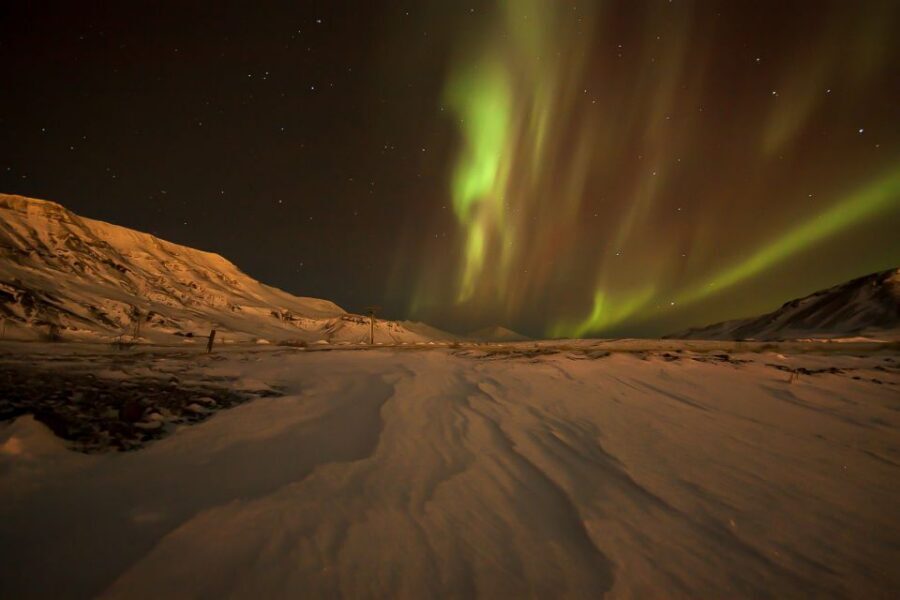
Northern Lights tours are weather math in real time. The plan starts with meteorologists predicting where aurora might be best, and then your guide drives in that direction. The target is straightforward: reduce light pollution and increase your odds of seeing a clear sky.
Once you’re out of Reykjavík, you’re not doing one single “aurora viewpoint forever.” The tour runs on a loop of: stop, scan, step outside, take photos, then move if the sky doesn’t deliver. Reviews include moments like driving around 45 minutes, stopping briefly, then shifting again when the lights weren’t yet showing. The tour style is meant to keep you from wasting your cold time.
At several points, you’ll likely hear practical direction: where to look in the sky, how to keep your eyes adjusted in the dark, and what the guide is watching for. Some nights start slow and then brighten; other nights pop right away and then fade as clouds drift in. Either way, you’re chasing conditions, not a guarantee.
Your guide’s role: science, myths, and real photo help
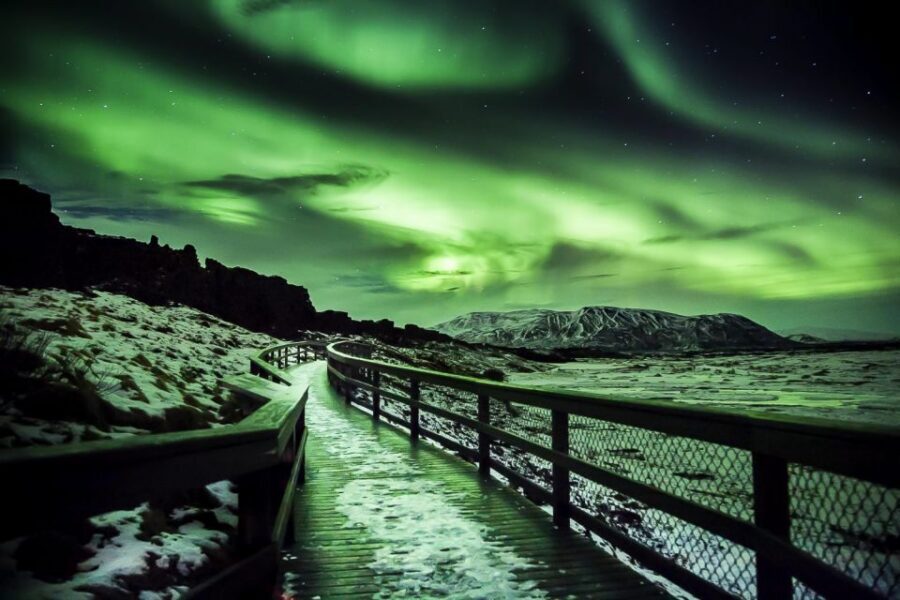
Here’s what I think makes this tour feel premium even before you see the colors: the guide doesn’t just point out aurora. They explain what you’re seeing, and they help you photograph it.
The included Aurora hunting guide shares facts about what causes the lights—charged particles released from the sun colliding with gaseous particles high in Earth’s atmosphere. That explanation matters because it turns the aurora from a magic trick into something you can track. You’ll also get context that includes myths and stories, plus tips about stars and constellations so the night feels like it has depth, not just a single moment.
On the photo side, reviews repeatedly mention guidance with capturing the display. People describe stops at multiple locations and the guide stepping in to help with photos. That kind of hands-on support is especially useful if you’re going with a phone camera or you’ve never shot long night exposures before.
I also like the honesty in the way guides manage expectations. One review notes the guide was realistic about forecast uncertainty, but still optimistic and determined. That tone keeps the experience feeling genuine. You’re not being sold a perfect sky—you’re being taken on a real hunt.
Stops and timing: outside time you can actually feel
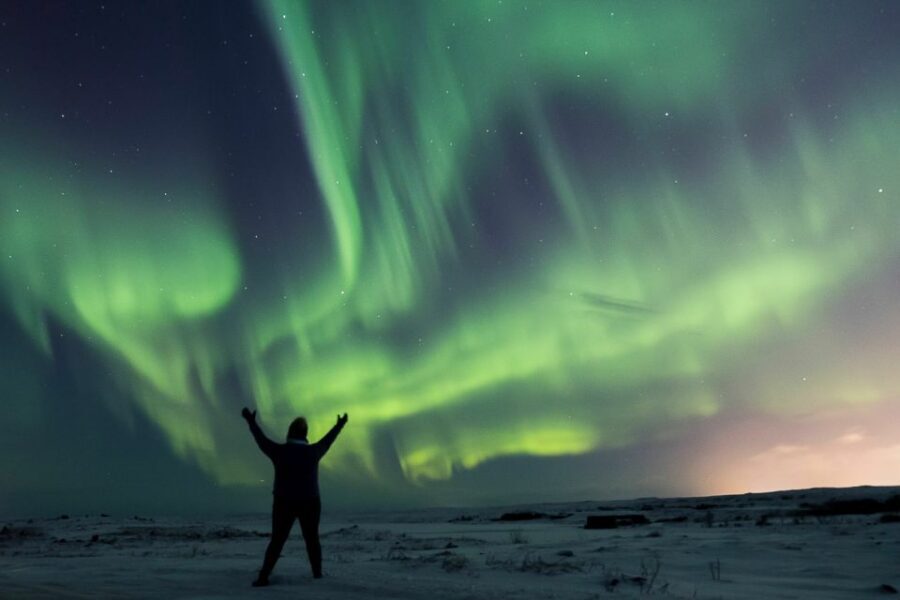
The tour includes stops so you can get outside for viewing and photography. Locations differ from night to night because the sky and cloud cover call the shots, not a fixed script. But across the reviews, you can see the pattern:
- You’re moved to different viewpoints when needed.
- You’re given time outdoors long enough to settle, look up, and try a few shots.
- You may stop where you can also enjoy the landscape around you in near-total darkness—sometimes even near a beach setting, in other cases out by areas with Icelandic horses.
That outdoor time is the heart of the deal. But it also means you should dress for waiting, not just for walking. Some people felt a specific stop ran long when the aurora wasn’t visible yet. That’s the tradeoff of chasing nature: you might linger in a place that turns out to be the wrong pocket of cloud.
Still, when aurora shows up, the payoff tends to arrive fast. Multiple reviews describe seeing the lights within minutes or within the first part of the evening, then returning to other stops for stronger activity. The best nights feel like a slow build into a full sky show.
Hot chocolate breaks: the warm reset that keeps you in the game
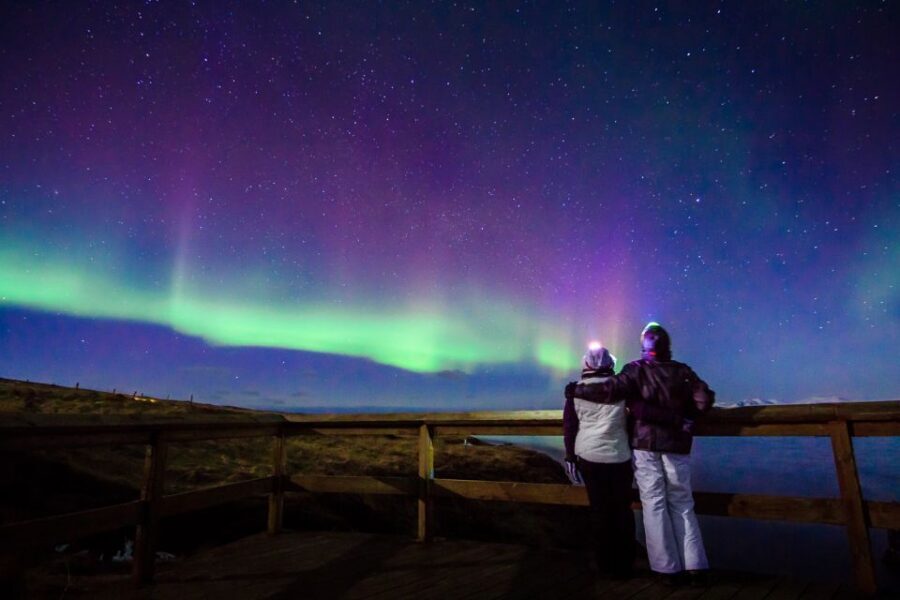
Yes, you’ll be cold. Northern Lights hunting happens in winter dark, with wind and temperatures that can bite hard. This is why the included hot chocolate and refreshments matter more than you might think on day one.
People consistently mention the hot chocolate as a welcome treat during the hunt—exactly what you want when you’ve been outside looking up and your hands are starting to complain. One review also points out the timing: the guide kept things moving so the experience didn’t drag on endlessly, while still giving enough outside time to make shots and enjoy the display.
One practical note from a review: bring things that help you stay functional—like a bottle of water. Another review mentions no toilet stops along the way. You might not need that reminder, but in sub-zero conditions it’s better to plan early than to improvise.
And if balaclavas and face coverings are part of your winter kit, even better. One review calls out wind around roughly -8°C, which is the kind of cold where uncovered skin feels like it’s getting punished.

When clouds win: the 3-year free retry that removes the biggest risk
Northern Lights tours are famous for one truth: no guarantees. You can have clear weather in Reykjavík and still land in a patch of cloud outside the city. Or the forecast can be off.
This tour addresses that risk with an open retry deal. The included offer gives you a 3-year open ticket for a free retry if you don’t see the Northern Lights on your scheduled tour. Some nights you’ll also be invited to join a Northern Lights bus tour free of charge if aurora doesn’t appear.
That safety net changes how I’d plan the rest of your Reykjavík trip. Instead of thinking of the aurora as a one-shot “hope and pray” moment, you can treat it like a weather-dependent experience you have a second chance to catch. It’s not magic, but it’s smart risk management for Iceland winter.
There’s also a weather cancellation path: if the tour is canceled due to unfortunate weather conditions for all days of your stay, you get a full refund. So the deal isn’t just “cross fingers.”
Price and value: is $107 a fair deal for 4 hours?
At about $107 per person for a 4-hour tour, you’re paying for three things: transportation out of Reykjavík, a guide who hunts actively, and time outdoors in dark-sky zones.
What makes the price feel more reasonable is what’s included:
- Bus fare
- An Aurora hunting guide and guided tour
- Hot chocolate and refreshments
- The 3-year free retry open ticket if you miss aurora
If you’ve booked other aurora options, you’ve probably seen the difference between passive watching and active searching. This tour leans into the active side—multiple stops, moving when conditions change, and photo-friendly pauses. In other words, you’re not just paying to look; you’re paying to chase.
Is it “cheap”? No. But it also isn’t priced like a private helicopter fantasy. For most people doing Reykjavík in winter, it’s one of the more practical ways to give yourself a real shot at aurora while still keeping the time commitment manageable.
What to pack for a cold, dark 4-hour aurora hunt
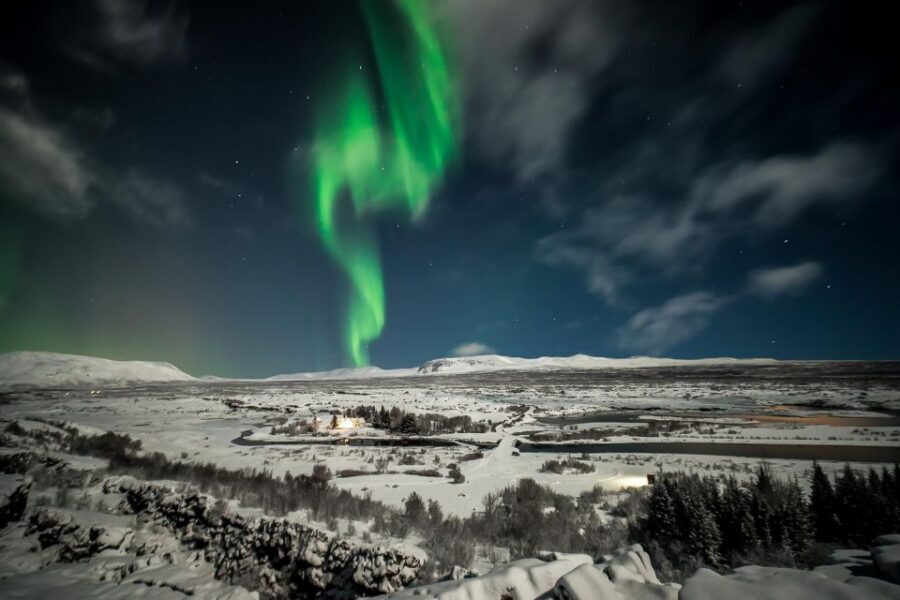
This is winter Iceland. Your success won’t depend on luck alone; it’ll depend on how well you tolerate the cold while you wait for the sky to deliver.
Pack for cold and wind:
- Warm, weatherproof layers
- Gloves that work for standing outside and handling a phone or camera
- A hat or balaclava for wind around your face
- Warm socks and boots you trust on uneven ground
- Weather-appropriate outerwear (the kind that blocks wind)
Bring comfort extras if you have them. One review suggests a torch could help, which makes sense for walking back to the vehicle safely in darkness. Also consider bringing water—small comfort, big difference when you’re bundled up and waiting a long time.
And plan for limited facilities. At least one review notes there may be no toilet stops. That doesn’t mean you’ll be stuck forever, but it does mean you should start the evening prepared.
Who should book this tour, and who might want a different plan
This small-group style is a strong match for:
- Couples and friends who want more focused spotting without a massive crowd
- Solo travelers who want an active guide and easy pickup/dropoff
- People who care about photos and want help aiming and timing shots
- Anyone who likes learning—science, myths, and constellations are part of the experience
There’s one clear limitation: no children under 8 years old. The tour can run tiring for young kids, especially in cold weather after a long day.
Also, if you’re the type who gets restless when plans shift, keep in mind the hunt is weather-dependent. You might spend more time waiting outdoors on a night that starts dim. The free retry reduces the downside, but it doesn’t eliminate the reality that aurora is a natural phenomenon, not a show you control.
Should you book this Northern Lights hunt?
If you’re coming to Reykjavík in winter and you want the best blend of comfort, active searching, and real odds, I’d book it. The combination of a small-group setup (around 20 in the minibus), guide-led spotting and photo help, warm drinks, and that 3-year free retry is the kind of value that turns a scary “what if I miss?” moment into something you can actually plan around.
Book this especially if:
- You have at least one night with flexible time
- You’re serious about seeing the lights more than once, just in case
- You want your guide to explain the aurora while you wait
Don’t book it if:
- Cold and standing outdoors for stretches sounds miserable
- You need a fixed itinerary with no movement at all (this hunt will adapt)
If your goal is simple—chase the sky, learn what you’re seeing, and stay warm while you try—this one fits the bill.