REVIEW · VIK
Private Extreme Encounter w/ ropes on Sólheimajökull Glacier
Book on Viator →Operated by The Odyssey · Bookable on Viator
Ropes on ice make everything real fast. On Sólheimajökull near Vik, this private 4–5 hour glacier outing turns you from spectator into participant with certified instruction for climbing, abseiling, and crevasse exploration. It’s memorable, but do plan for Icelandic wind and precipitation, since the day depends on the weather.
What I really like is the way the guide shapes the route to your level. If your background is limited, you won’t be thrown to the deep end; your guide will match the pace and technique to your fitness and comfort. In one trip described by guests, the guide Lucas reportedly built trust quickly by assessing ice-climbing experience and then teaching the basics before moving toward more technical moves.
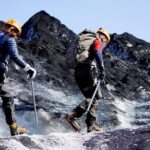
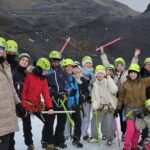
Another big plus is the safety setup. You get the technical gear—crampons, harness, helmet, ice axe, and hiking poles—and you learn how to use it rather than guessing. The main consideration is simple: worn-in traction, gloves, and waterproof warm layers help a lot, because the glacier can feel cold and unforgiving.
In This Review
- Key things that make this glacier tour worth it
- Why Sólheimajökull turns into your whole playground
- The private pacing: how the guide matches you on the ice
- Gear and safety: what’s included and why it matters
- Ropes on Sólheimajökull: what abseiling and fixed lines feel like
- Crevasses, ice caves, and the kind of photos you’ll actually remember
- What your glacier day actually looks like (from start to finish)
- Price and value: what $325 buys on an Iceland glacier
- Weather realities: the one variable you can’t control
- Who should book this private extreme glacier encounter
- Should you book it? My practical take
- FAQ
- How long is the private extreme encounter on Sólheimajökull?
- What gear is included?
- Can the tour be made easier or more challenging?
- Is this a private tour?
- What should I bring?
- What if the weather is poor or I need to cancel?
Key things that make this glacier tour worth it
- Certified glacier guiding with skills geared to where you are, not where the glacier thinks you should be
- Rope-based techniques like abseiling and traversing fixed lines, taught step-by-step
- Easy-to-extreme adjustment so the outing can fit beginners through confident climbers
- All the safety gear included, so you can focus on learning instead of packing gear roulette
- Crevasses and icy features like caves and ice tunnels may be part of the experience, depending on your route
Why Sólheimajökull turns into your whole playground
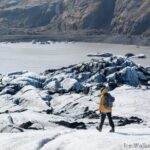
Sólheimajökull has a way of looking unreal. Even if you’ve seen glacier photos before, being on the ice is different—sound changes, the air feels sharper, and every step on snow and ice comes with a new set of rules. This tour is built for that moment. It’s not a quick walk-and-take-pictures thing. You’re on the ice for about half a day learning how to move safely and confidently.
Because it’s private, you’re not squeezed into a one-size-fits-all rhythm. The guide can slow down when you need to understand a move, and speed up when you’re ready for more. That matters on glacier terrain, where small mistakes get big fast.
Also, the tour’s “extreme encounter” style isn’t just marketing. Your guide will introduce real glacier tools and rope methods—things like harnessing up, learning how crampons work underfoot, and using ice axes for control. In other words, you’re not just getting a thrill; you’re gaining a skill set.
You can also read our reviews of more private tours in Vik
The private pacing: how the guide matches you on the ice
A lot of outdoor tours claim they’ll adapt. This one is explicit about it: the difficulty can run from challenging to easy, based on your level, and the pace is matched to your fitness and abilities.
In practical terms, you’ll get a progression, not a lecture. The guide starts with basics—how to fit and use the gear, how to walk on traction, and what to do with ropes during technical sections. If you’re newer to ice, your first goal is comfort and safety: learning how to place your feet, how to keep balance, and how to follow instructions on uneven ice.
If you’re more confident, the tour can add complexity—like rope work and more demanding climbing-style movement. The nice part is that your guide isn’t likely to treat everyone the same, because this is only you and your close ones.
Guests also describe a strong trust-building approach from the guide, especially for families and people who were nervous about trying something new. That’s exactly what you want on glacier terrain: clear guidance, steady pacing, and the feeling that the guide has the situation under control.
Gear and safety: what’s included and why it matters
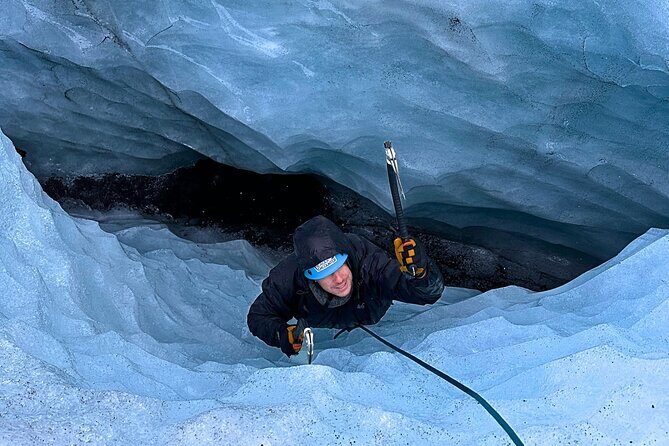
One of the most valuable parts of this experience is what you don’t have to figure out yourself. The tour provides the core gear:
- Crampons for traction
- Harnesses and helmets for rope and fall protection
- Ice axes and hiking poles for balance and technique
On a glacier, gear isn’t “extra.” It’s the difference between confident movement and constant worry. And because the tour includes a guide teaching you how to use the equipment, you’re not stuck with unfamiliar hardware while the ground is moving out from under you.
Even better, since the tour is private, your guide can spend time making sure the setup is right—harness fit, crampon positioning, and basic handling of the ice tools. That’s the kind of small detail that changes the entire day from stressful to fun.
What you should bring is also important. You’re encouraged to wear worn-in hiking boots and bring gloves, plus insulating and waterproof layers. That combination helps with traction, warmth, and staying comfortable while you’re on the ice longer than you’d expect.
Ropes on Sólheimajökull: what abseiling and fixed lines feel like
This tour includes rope-based techniques, and the theme is education plus hands-on practice. Depending on your difficulty level and what your guide decides during the day, you might try:
- Abseiling down sections of the ice
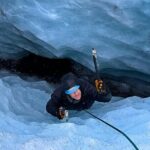
- Ice climbing using proper technique
- Traversing through fixed lines for guided stability
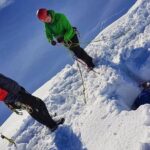
Here’s the key thing for your brain: abseiling on a glacier isn’t the same as a wall climb. Your footing, your balance, and your understanding of how the rope system works all matter at once. That’s why the guide teaches the ropes and the technical gear. You’re guided through the sequence rather than being handed a rope and told to figure it out.
The same goes for fixed-line sections. When ropes are anchored in place, you still need to understand how to move safely—how to position yourself, when to lean into the system, and how to keep your steps controlled. This is where a private format shines, because it reduces crowd pressure and gives you time to ask questions.
The experience can feel intense, especially the first time your eyes focus on the drop and your feet are on traction that grips differently than normal hiking shoes. But if the guide is adjusting difficulty, you’ll be able to work within your comfort zone—and build up from there.
Crevasses, ice caves, and the kind of photos you’ll actually remember
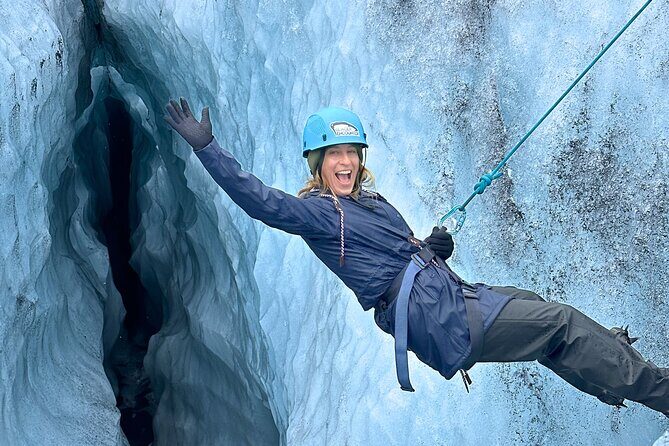
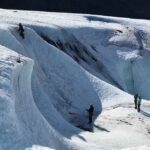
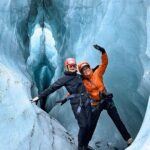
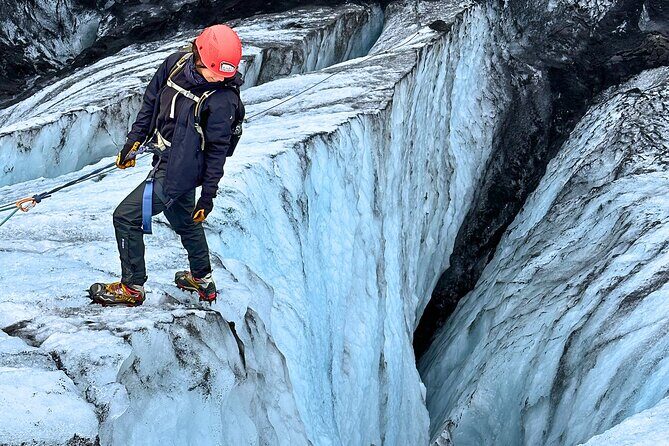
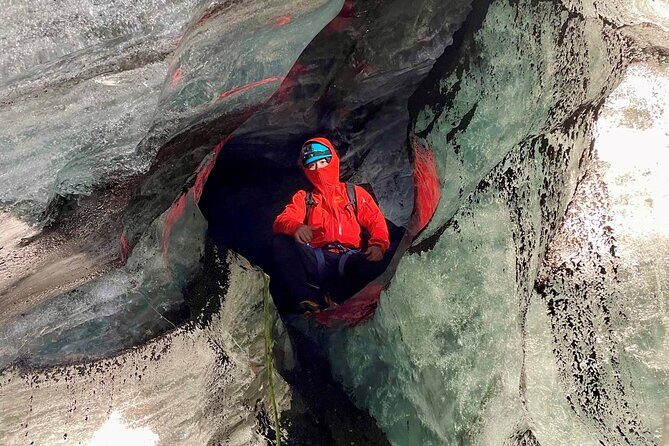
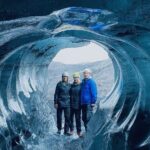
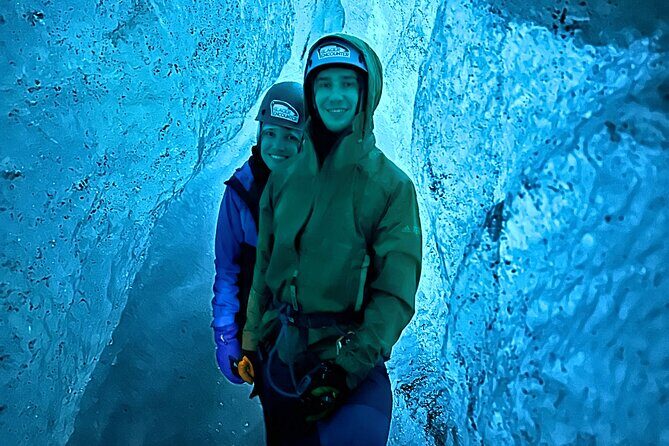
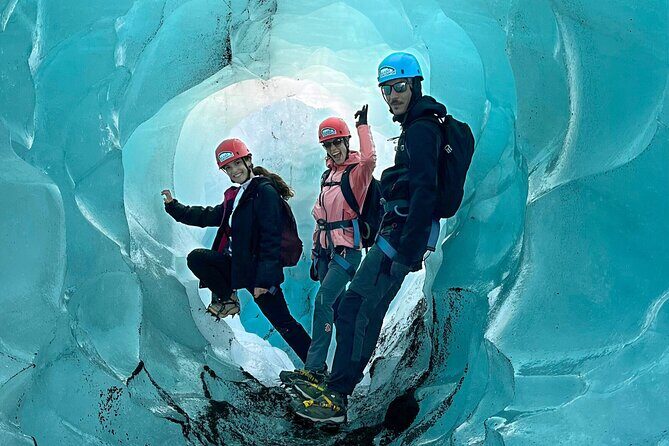
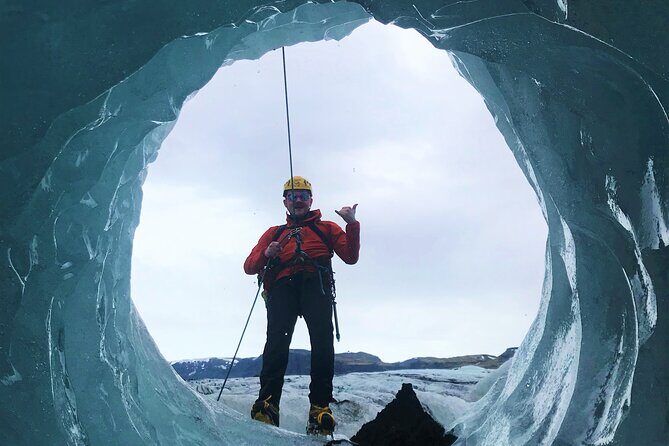
This is where the tour delivers its headline moments. You’re exploring deep crevasses and moving across the glacier in a controlled way. In the descriptions of a trip like this, guests also saw more dramatic ice features, including an ice cave and a tunnel of ice.
What to know before you go:
- Crevasse areas are chosen and navigated for safety, not for thrill-chasing
- Your guide will decide what’s possible based on conditions
- Even when you’re standing still, the environment can feel active and changing, because ice is never just “flat ground”
So the moment you reach a crevasse, it’s not just a view. It’s part of a larger learning process: you’re seeing how the glacier world is organized and why rope systems exist. If you’re lucky enough to reach an ice cave or tunnel, those moments become less about the novelty and more about how the glacier shapes space—light, shadows, textures, and the sound of movement around you.
Also, the tour format supports pictures. In the guest feedback, guides took time to stop and get as many photos as you wanted. That tells me the goal isn’t to rush you off the ice; it’s to make sure you enjoy what you’re seeing and not just survive the technical parts.


What your glacier day actually looks like (from start to finish)
You meet at the Sólheimajökull glacier parking lot (221, 871, Iceland). From there, you’ll gear up and get the safety briefing your day needs. In a private setting, the guide can do a lot of this efficiently: harness fitting, helmet placement, crampon checks, and a quick lesson on what you’ll do during the walk and any technical sections.
Then you move onto the glacier. At the start, it’s usually about control—how to place feet, how to manage balance on uneven ice, and how to stay aware of where you are in relation to your guide and rope systems.
As you progress, the tour can include:
- Ice climbing basics (or more if you’re advanced)
- Rope practice and abseil steps
- Crevasse exploration using guided routes and safety systems
- Possibly sections featuring ice caves or tunnels
Finally, you return to the meeting point, with time used based on your level and how conditions look. The tour is listed as about 4–5 hours, and that’s about right for a half-day that includes real gear work.
Price and value: what $325 buys on an Iceland glacier
At $325 for about 5 hours, this isn’t a budget activity. But the value is in the cost drivers that many cheaper tours quietly skip.
Here’s what you’re paying for:
- A private format, meaning only you and your close ones
- Certified glacier guiding and instruction
- Technical rope experience (not just hiking)
- All major safety gear included—crampons, harness, helmet, ice axe, hiking poles
- The ability to adjust difficulty, which reduces the chances of an outing that feels wrong for your level
When you look at it that way, the price starts to feel more “skills + safety + gear + private time” than “just a glacier visit.” If you want a glacier encounter where you learn how to move on ice safely (and try ropes and climbing techniques), this is the kind of day that can genuinely feel like a once-in-a-lifetime experience without wasting hours on things you won’t remember.
Weather realities: the one variable you can’t control
This tour depends on good weather, period. Iceland wind and precipitation can change plans. The practical result for you is simple: be mentally ready for the day to be revised if conditions aren’t safe.
The tour is also “extreme,” which usually means you should expect cold and wind to be part of the package, even if you have layers. That’s why worn-in boots and waterproof insulation matter. Gloves help you keep feeling in your hands, which matters more than people think when you’re handling equipment and dealing with rope or ice tools.
If you’re the type who gets impatient with conditions outdoors, this may test your patience. But if you treat it like an expedition with a guide making smart calls, it feels less like waiting and more like being in good hands.
Who should book this private extreme glacier encounter
This tour is a strong fit if you want more than a view from the sidelines. You should book it if you:
- Want hands-on rope and ice technique, not just a walk
- Like a guide-led pace and instruction, especially if you’re new
- Are traveling with family or a small group and value private time
- Enjoy an adventure that can be adjusted from easy to challenging
It also suits people who are excited about learning something technical in a safe environment. The fact that the difficulty can be shaped to your level makes it more flexible than many “extreme” outings that assume everyone arrives as a climber.
Should you book it? My practical take
If your goal is to experience Sólheimajökull with real training—crampons, harness, ice axes, and rope techniques—then yes, you should book this. The private format plus the included gear and instruction is the core reason it’s worth your money.
If you’re looking for an easy stroll where you never use technical equipment, this likely won’t match your vibe. The glacier is active and demanding, and the tour is built around learning controlled movement on ice.
My advice: bring the right clothing and boots, go in with a teachable mindset, and let your guide set the pace. When it clicks, it turns a cold glacier into something you remember with warm confidence.
FAQ
How long is the private extreme encounter on Sólheimajökull?
It runs about 4–5 hours.
What gear is included?
The tour provides crampons, harnesses, helmets, ice axes, and hiking poles. The guide also uses ropes for the technical parts.
Can the tour be made easier or more challenging?
Yes. The difficulty can be adjusted from challenging to easy based on your level, and the pace is matched to your fitness and abilities.
Is this a private tour?
Yes. It’s private, so only your group participates.
What should I bring?
You’re encouraged to bring worn-in hiking boots, gloves, and insulating and waterproof layers.
What if the weather is poor or I need to cancel?
The experience requires good weather. If it’s canceled due to poor weather, you’ll be offered a different date or a full refund. You can cancel up to 24 hours in advance for a full refund; if you cancel less than 24 hours before the start time, it isn’t refunded.