REVIEW · VIK
From Vik: Katla Ice Cave and Super Jeep Tour
Book on GetYourGuide →Operated by TrollExpeditions · Bookable on GetYourGuide
Katla Ice Cave feels like stepping into another planet. This South Iceland tour pairs a rugged Super Jeep ride with a real glacier walk under Katla, then sends you into a naturally carved ice space with dramatic colors. I love how the safety gear is handled for you, so your focus stays on the sights instead of figuring things out.
I also like that your guide explains what you’re seeing, from how the Kötlujökull glacier relates to the Katla ice cave to what shapes those blue-gray-black tones. One consideration: the cave can feel dark and tight, so it’s not a great choice if you get anxious in enclosed spaces or you’re uneasy in low light.
In This Review
- Key highlights worth knowing
- Katla Ice Cave and Mýrdalsjökull: what you’re really signing up for
- Starting point in Vík and the drive out: Iceland in motion
- What to watch for on the drive
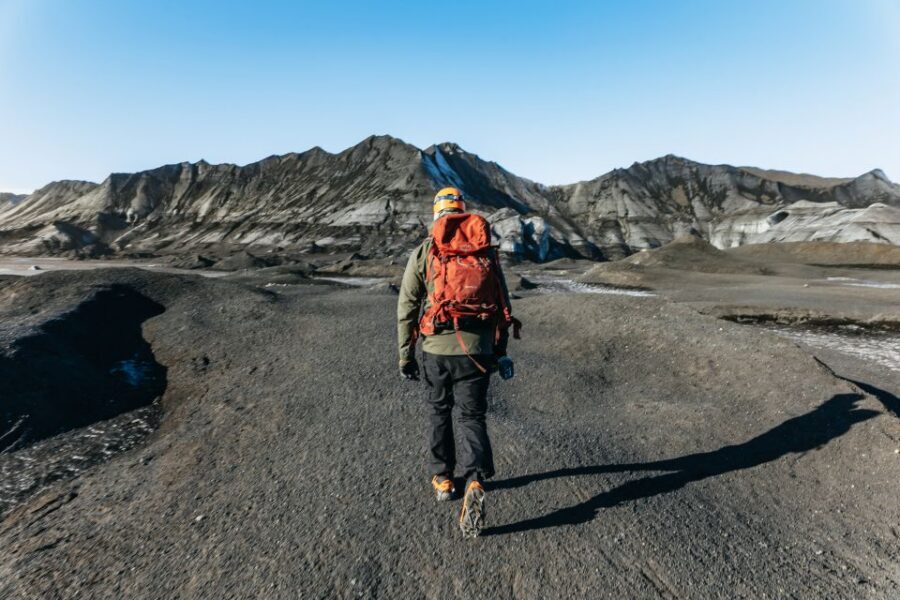
- Gear up for the glacier walk: crampons, helmets, and your best footwear
- My practical wear checklist
- The walk to the cave: steady steps, changing snow, and real effort
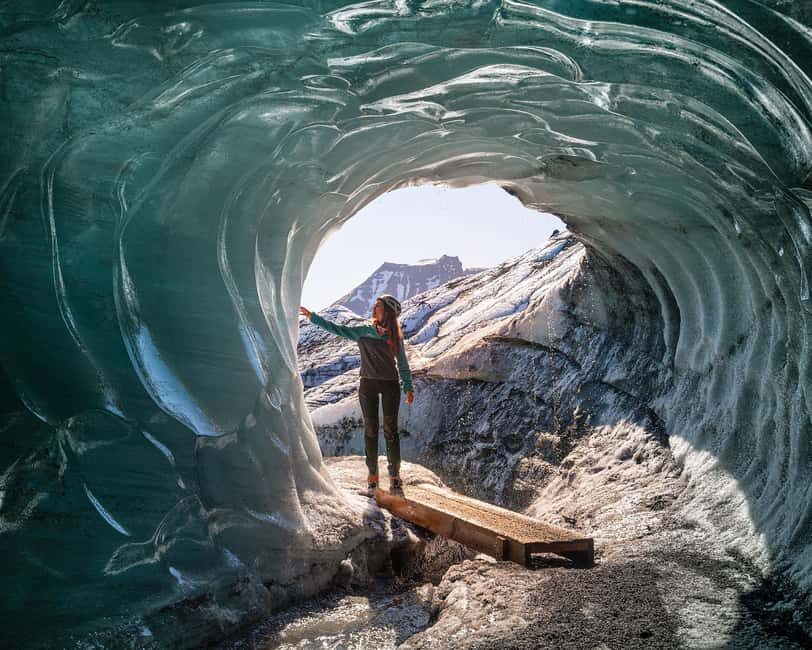
- Entering the Katla Ice Cave: the light show plus the geology story
- Inside the cave, you’ll likely notice
- On ice in South Iceland: why the guide’s style matters
- Timing and effort: how the 3 hours actually feels
- Weather and cave access: what to expect if conditions change
- Price and value: is $230 per person worth it?
- Who should book this tour, and who should skip it
- Final verdict: should you book Katla Ice Cave and Super Jeep Tour?
- FAQ
- How long is the Katla Ice Cave and Super Jeep Tour?
- Where do I meet the guide?
- What equipment is included for the ice cave and glacier walk?
- Is the tour guided, and what language is it in?
- What should I wear or bring?
- Who is this tour not suitable for?
Key highlights worth knowing
- Super Jeep access from Vík: off-road driving gets you out toward the glacier without turning it into a long slog
- Helmets and crampons provided: you walk on ice with the right traction and protection
- A guided cave visit (about an hour): photo stops plus a slow, careful tour of the ice formations
- Geology storytelling: guides connect Katla, Kötlujökull, and the cave formation so it feels more than sightseeing
- Weather-proof reality: if conditions change, your guide may pivot to an alternate ice experience
Katla Ice Cave and Mýrdalsjökull: what you’re really signing up for
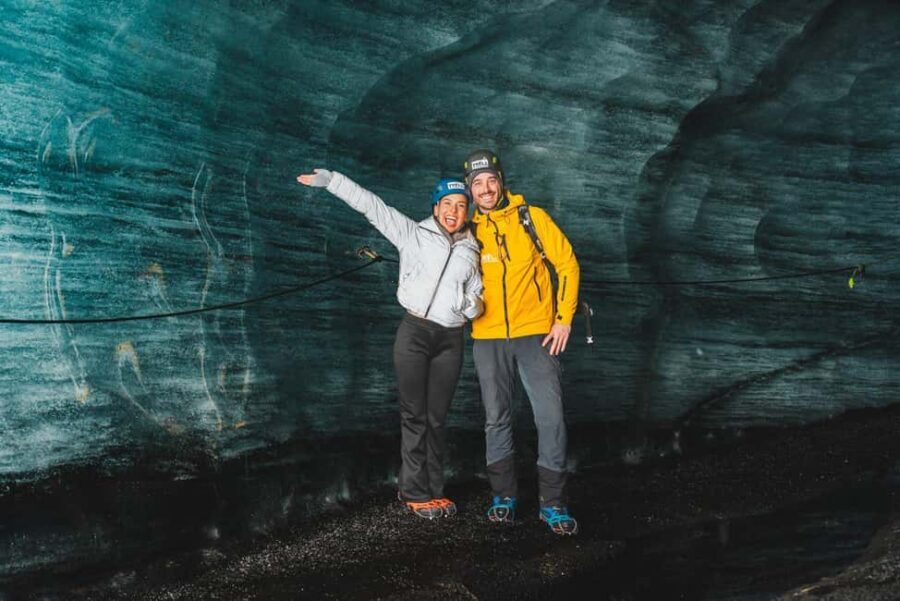
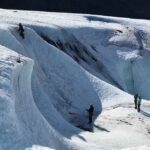
This isn’t a quick look-and-go stop. You’re going from Vík into the Mýrdalsjökull area and walking across glacier ice before you ever step into the Katla Ice Cave. That sequence matters. Seeing the glacier from above is one thing. Walking on it is when the scale and textures click, and the cave visit feels earned.
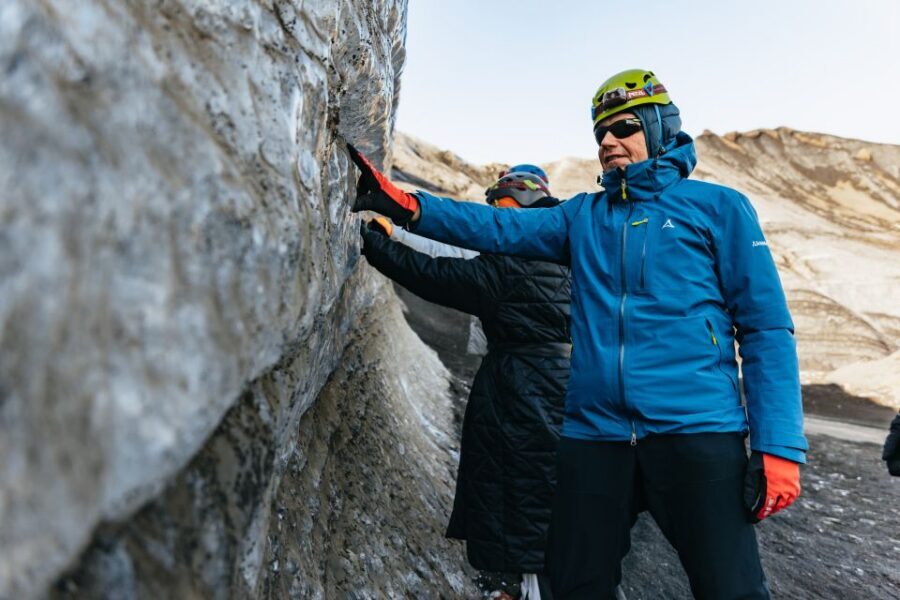
The cave itself is known for that shifting light show inside the ice. In the right conditions, you get blues, grays, and darker tones that make the walls look layered. And even when the cave is smaller than you imagined, the formations can still be striking because ice doesn’t look like rock. It looks like time.
You can also read our reviews of more tours and experiences in Vik.
Starting point in Vík and the drive out: Iceland in motion
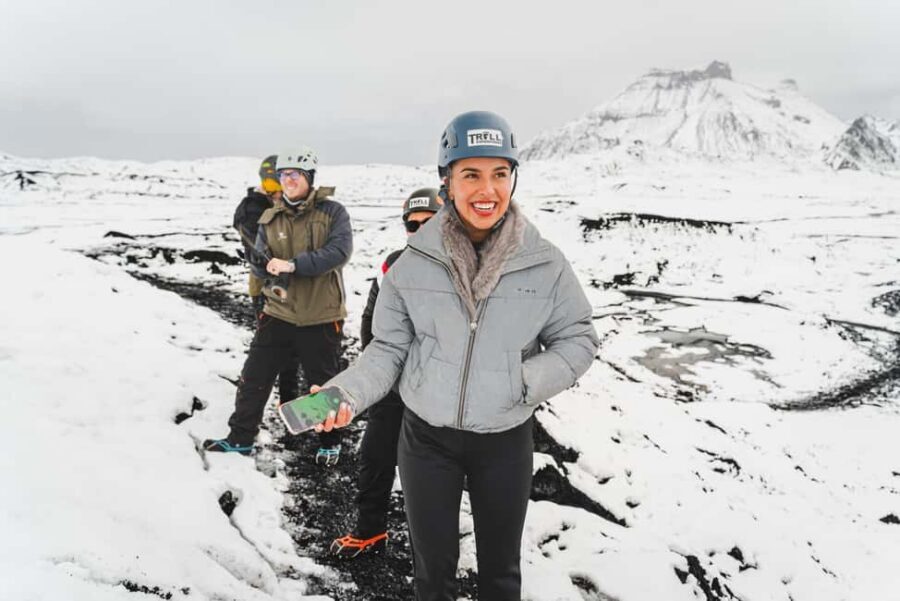
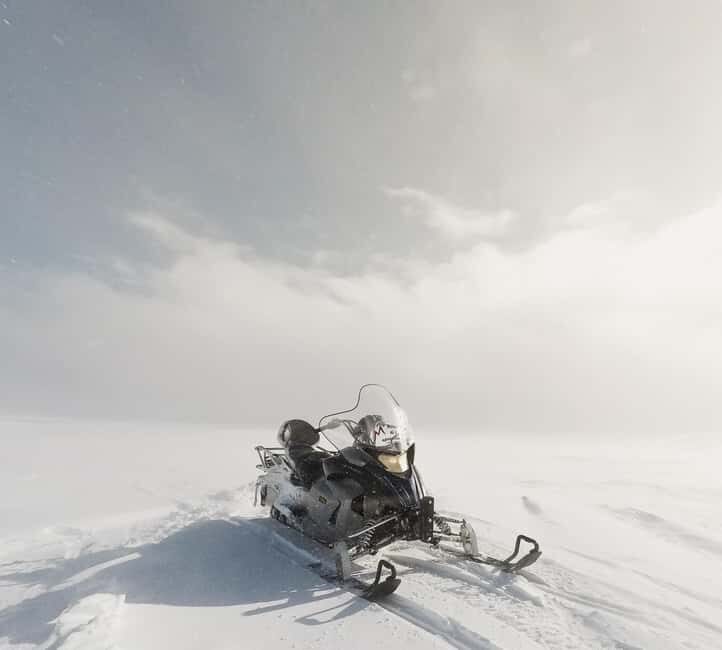
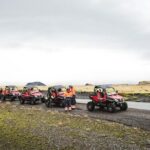
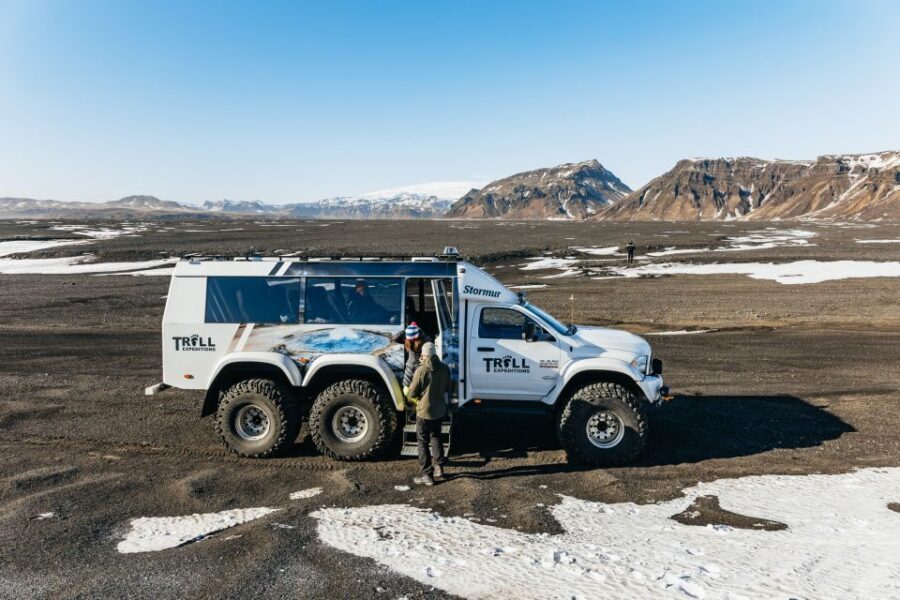
You meet your guide at the Icelandic Lava Show area in Vík, then get into a lifted Jeep/SUV-style vehicle for the ride toward the glacier. Expect a more adventurous drive than a typical road tour. Reviews highlight vehicles designed for rough ground, including systems that adjust tire pressure for different surfaces.
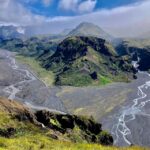
That means the trip out feels like part of the experience. You’re not just transported; you’re actively moving through the region’s volcanic terrain. You’ll also get little pauses along the way for the view—enough time to take photos without turning the schedule into a race.
What to watch for on the drive
- Bumpy ground is normal. Hold onto your rail if you’ve got one.
- If rain or wind hits, the drive can feel colder than the town—dress like weather will change.
Gear up for the glacier walk: crampons, helmets, and your best footwear
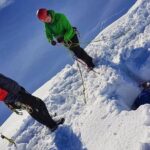
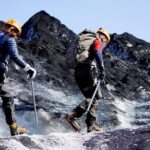
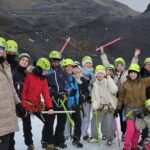
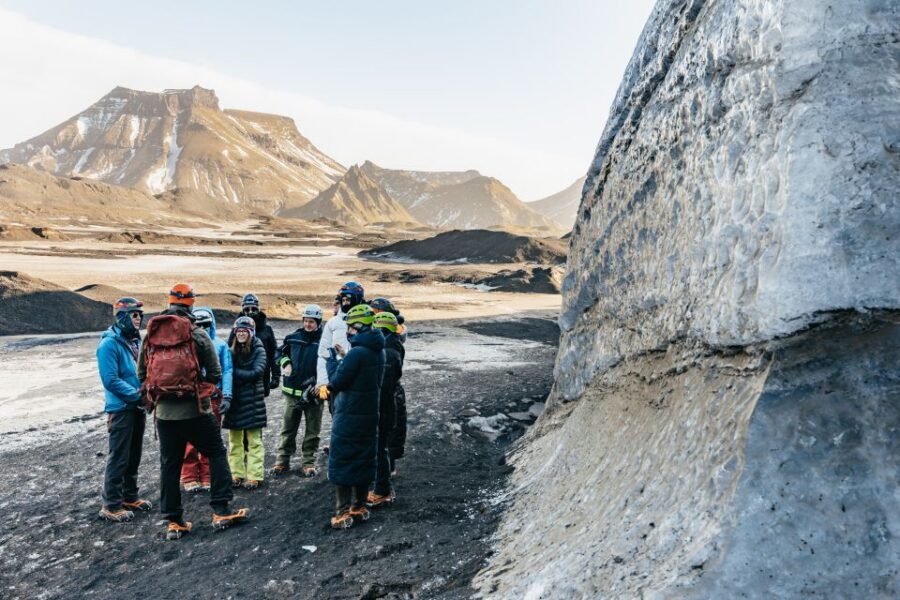
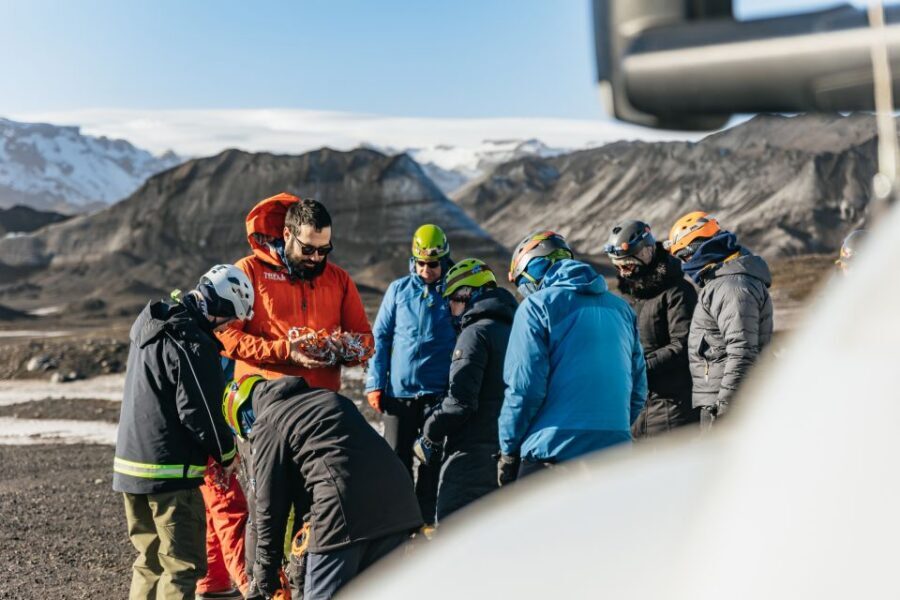
Before you go near the ice, you’ll get geared up with the essentials. That includes ice cave equipment like crampons (spikes for traction) and a helmet. Your guide will help you get set right, which is a big deal on glacier tours where the wrong fit can make things stressful.
What you bring is your part of the deal. Wear warm layers and plan for damp wind. Hiking shoes matter more than you might think. One review called out that someone using running shoes was fine once the team provided spikes, but you’ll still be happier with boots or shoes that keep your feet stable.
Bring rain gear too. Ice walks don’t pause because your jacket is wet.
My practical wear checklist
- Warm base layer (not just a T-shirt)
- Insulated mid-layer
- Waterproof outer layer
- Gloves you can move in
- Hiking shoes with good grip and ankle support


The walk to the cave: steady steps, changing snow, and real effort
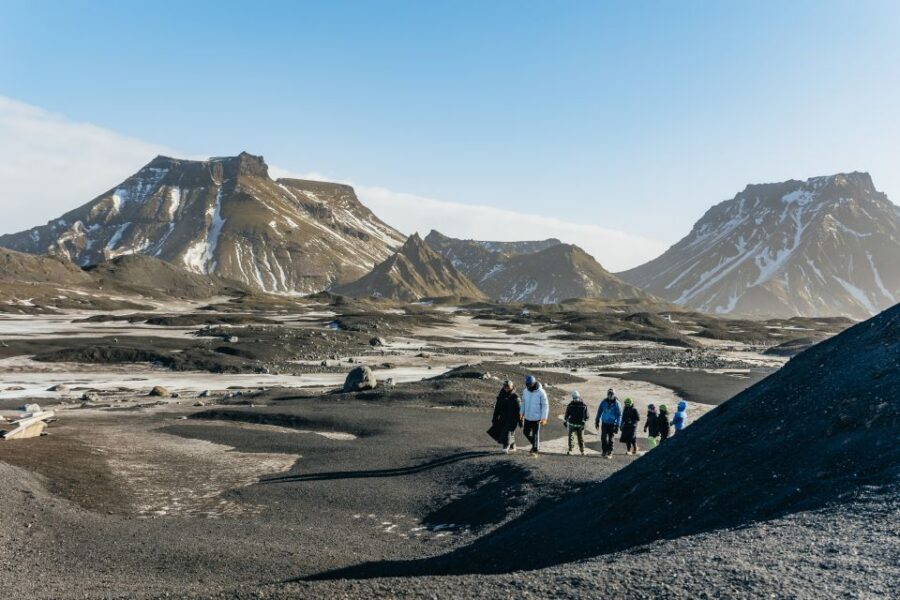
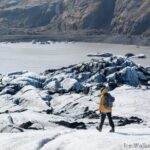
You’ll head on foot toward the cave area with a guide. The walk is timed in short blocks, with time set aside for the ice visit itself. What’s important is the feel of the effort, not the stopwatch.
Snow conditions can vary. Reviews note deeper snow on some days, making the hike a bit harder. It wasn’t described as dangerous for fit adults, but it is something to consider if you’re not comfortable walking on uneven ice-and-snow terrain.
If you’re early, some guides add a viewpoint detour on the way in. That’s a small bonus, but also a clue: your guide may adjust the route depending on conditions and timing.
Entering the Katla Ice Cave: the light show plus the geology story
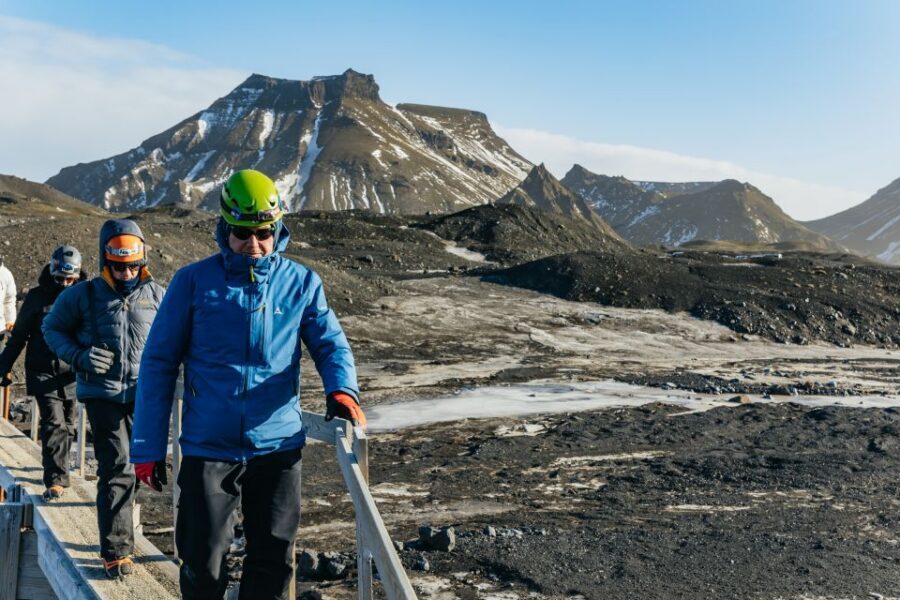
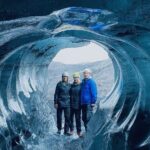
The cave visit includes a safety briefing, then a guided exploration with time to take photos. In many setups, you’ll spend around an hour inside, which is long enough to really notice details: ice steps, the way the ceiling and walls change thickness, and how colors shift as you move.
What makes this cave special is the combination of visuals and explanation. Guides connect the Kötlujökull glacier and the Katla ice cave’s formation, so you understand why the ice looks the way it does. That turns the visit from scenery into a science lesson that still feels fun, not classroom-y.
Inside the cave, you’ll likely notice
- Ice stairs and surfaces that require careful foot placement
- Color bands that look more dramatic after you’ve walked on the glacier first
- A tighter sense of space once you’re underground
This is also where your mental comfort matters. If you’re afraid of the dark or you struggle in enclosed places, this tour is not recommended.
On ice in South Iceland: why the guide’s style matters
A lot of tours promise geology. Fewer guide it with practical calm. Feedback calls out guides like Stefan, Siggi, and Sara for clear explanations and a steady pace. You’ll want that tone because your brain is doing two jobs at once: staying safe on ice and watching for the interesting stuff.
Guides also help in small, real ways when conditions are rough. One account described a guide repairing or adjusting ice steps so people could walk more easily. That’s the kind of hands-on problem solving that makes you feel like the tour is run by people who’ve been doing this for a while.
Timing and effort: how the 3 hours actually feels
The tour runs about 3 hours, starting in Vík and returning you to the same meeting area. Even without knowing your group size or exact pacing, you can plan around a pattern:
- Jeep/SUV ride out to the glacier area
- On-foot walking segment to reach the cave area
- Cave exploration plus safety time
- A return walk and then the drive back
That structure is why it works for people with limited time. It’s long enough to feel adventurous and educational, but not so long that you’re exhausted before the cave.
If you’re the type who gets cold quickly, budget time for that chill factor. Glacier air has a way of sneaking into your jacket, even when the day is sunny.
Weather and cave access: what to expect if conditions change
Ice caves are living systems. They can change, and access can be blocked by natural events. One review mentioned an avalanche blocking the cave entrance on the day of the tour. The group didn’t get left with nothing; they saw an ice tunnel and the glacier in extraordinary weather instead.
Another account described route changes when the cave situation wasn’t available. That tells you something useful: the operator plans for contingencies, and your guide will adapt so the experience stays worth your time.
In late season, the cave may also be smaller due to melting, but it can still be visually impressive. The light and formations can be enough to make it feel unique even if you’re picturing a bigger space.
Price and value: is $230 per person worth it?
At about $230 per person, this is not a budget stop. You’re paying for a few things that are hard to replicate on your own:
- A specialized Jeep/SUV ride that gets you out of town and across rough ground
- A guided glacier walk with traction help
- A guided ice cave entry with equipment provided
- Time in the cave (not a rushed peek)
- A guide who ties the scenery to what shaped it
If you compare it to doing a glacier tour without cave access, the cave visit is the premium piece. But since you also get the glacier hike, the value isn’t just the cave door. It’s the full sequence: drive, gear, walk, cave, and then return.
Where the cost can feel steep is if you’re traveling as a family. One review called it pricey for a whole family, and that’s a fair reaction. If you’re deciding, I’d treat this as a priority activity. If the weather and cave access line up, it’s exactly the kind of South Iceland moment that becomes a highlight.
Who should book this tour, and who should skip it
This tour suits you best if you want a guided, equipment-supported ice experience and you’re okay with darkness inside a cave. It’s also a good match if you like your travel with context. The best part here isn’t only that the ice looks cool—it’s that the guide helps you understand why it’s happening.
You should skip it if:
- You’re afraid of the dark
- You have claustrophobia
- You’re bringing kids under 8 (the tour isn’t suitable for them)
If you’re generally comfortable outdoors, can walk on uneven ground, and can handle being dressed for cold, you’ll likely do fine.
Final verdict: should you book Katla Ice Cave and Super Jeep Tour?
Yes, I think you should book it if you want a real glacier-and-cave experience and you value being guided through both safety and geology. The combination of traction gear, a structured time on the ice, and the cave’s light-and-ice visuals makes this one of those tours where the effort pays off fast.
Book with a weather-minded attitude. Ice caves can be access-dependent, and conditions can change. But when that happens, guides appear to find workable alternatives rather than canceling the whole idea.
If your main goal is just a quick photo stop and you dislike enclosed spaces, look elsewhere. Otherwise, this is a strong use of your time in the Southern Region—especially if Katla and Mýrdalsjökull are on your Iceland must-see list.
FAQ
How long is the Katla Ice Cave and Super Jeep Tour?
The tour lasts about 3 hours (you’ll see exact starting times when you check availability).
Where do I meet the guide?
You meet your guide at the Icelandic Lava Show in Vík.
What equipment is included for the ice cave and glacier walk?
All necessary ice cave equipment is included, along with safety gear such as crampons/spikes and a helmet.
Is the tour guided, and what language is it in?
Yes, you get a live guide, and the tour is in English.
What should I wear or bring?
Bring warm clothing, hiking shoes, and rain gear.
Who is this tour not suitable for?
It’s not recommended for people with claustrophobia or those afraid of the dark, and it’s not suitable for children under 8.