REVIEW · VIK
Glacier Exploration Hike and Climb
Book on Viator →Operated by Explorer's Edge · Bookable on Viator
Glacier boots on, minds blown fast. I like how this Sólheimajökull outing from Vik turns a glacier walk into real glacier travel skills, with rope-and-ice tools and an option to push farther. It’s also run with an emphasis on social and environmental responsibility, so the day feels grounded, not extractive.
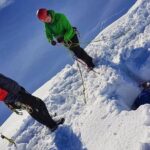
Two things I really like: small-group time (maximum 6 travelers) and the fact that you’re issued real climbing equipment, not just a “good luck” lecture. You’ll be set up with crampons, helmet, harness, rope, and an ice axe, so you can focus on balance and movement instead of renting a pile of stuff.
One possible drawback: the meeting setup at the parking lot isn’t as formal-looking as some bigger companies. One practical tip from how this operator works—plan extra time to spot the correct car rather than assuming there’s a dedicated booth area.
In This Review
- Key Highlights at a Glance
- Glacier Day on Sólheimajökull: What the 3.5 Hours Feels Like
- Gear Included: Why This Tour Is Easier Than It Sounds
- Choosing Your Exploration Level on the Ice
- Optional Crevasse Descent and Ice Climbing: When to Say Yes
- The Safety Flow You Should Expect (and What to Pay Attention To)
- Meeting at Sólheimajökull Parking Lot: Don’t Lose Time
- Price and Value: What $177.44 Really Buys You
- Who This Glacier Hike and Climb Suits Best
- What to Pack: The Clothing That Keeps You From Being Miserable
- Sustainable Approach: Why It Matters on a Glacier
- Quick Booking Checklist Before You Go
- Should You Book This Glacier Exploration Hike and Climb?
- FAQ
- Where does the glacier hike start and end?
- What time does the tour begin?
- How long is the experience?
- What does the tour cost?
- Is glacier gear included?
- What should I bring if the clothing is not included?
- Can I choose how much I explore on the glacier?
- Are there optional climbing activities?
- What happens if the weather is bad or I need to cancel?
Key Highlights at a Glance
- Max 6 travelers for a calmer pace on the ice
- All glacier gear included: rope, harness, crampons, helmet, ice axe
- Choose your exploration level so it’s not one-size-fits-all
- Optional crevasse descent and ice climbing basics if you want more challenge
- A guide-led, safety-first approach that aims to teach while you explore
Glacier Day on Sólheimajökull: What the 3.5 Hours Feels Like
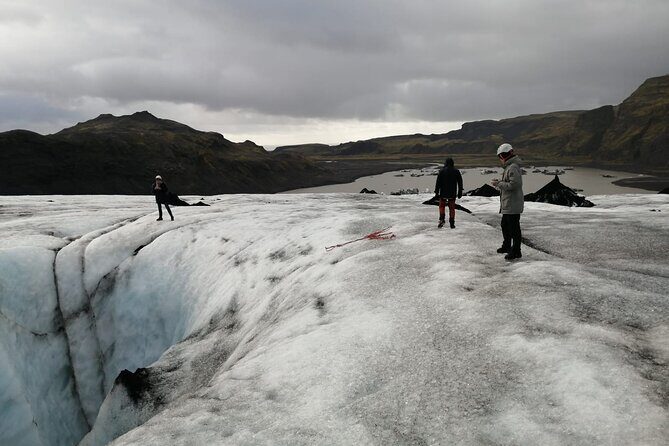
This is a focused glacier experience, scheduled for about 3 hours 30 minutes with a 10:30 am start. The timing matters because Iceland’s weather can swing hard; you’ll want daylight and good conditions, and this tour is designed for that.
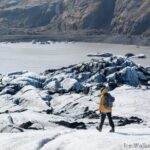
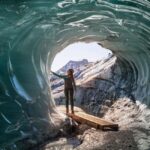
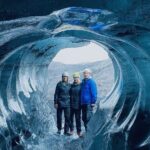
On the day, the vibe is part hike and part skills session. Even if you pick the “just explore” option, you’re still learning what you’re standing on: how glaciers move, how they form, and why climate change shows up in ice. That makes the walk feel more meaningful than a photo stop.
If you’re the type who likes structure—briefing, gear check, then moving as a team—you’ll probably appreciate the guidance style here. And if you want to go farther, there’s room for that too, without forcing you into the hardest option.
You can also read our reviews of more hiking tours in Vik
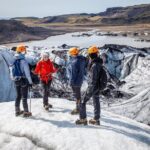
Gear Included: Why This Tour Is Easier Than It Sounds
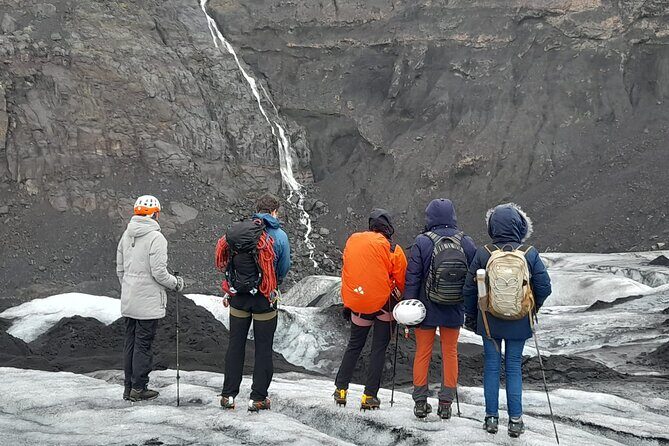
A lot of Iceland glacier tours hit you with gear costs and then still ask you to bring the right clothing. Here, the essential cold-ice tools are included, which is a big part of the value.
You’re provided with:
- rope
- harness
- crampons
- helmet
- ice axe
- glacier gear (as listed)
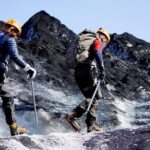
That’s not just convenience. It changes what you can do. With crampons and an ice axe, you can move on ice with confidence and practice basic techniques (at the right level for your group). With a harness and rope, the optional, more technical sections—like descending into glacier terrain—become possible in a guided and safety-managed way.
What’s not included is the stuff that keeps you warm and functional on your body: sturdy waterproof and stiff hiking shoes, waterproof jacket and pants, warm layers, hat and gloves, a comfortable day backpack, and sunglasses. So, you’re traveling “lighter” on gear rentals, but you still need to dress like you’re going to spend time on ice in windy weather.
Choosing Your Exploration Level on the Ice
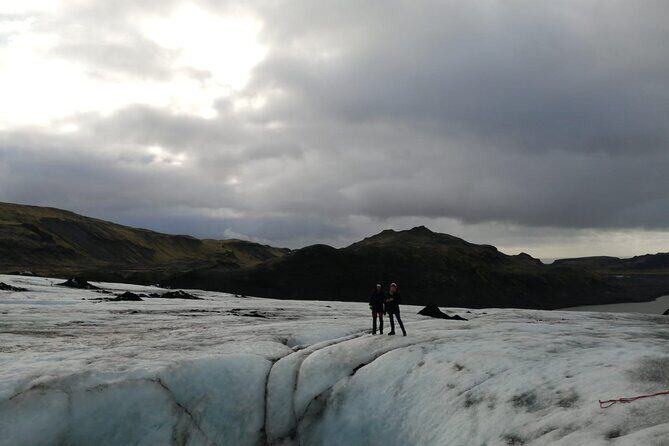
The tour is built for all experience levels, and that usually means the guide adjusts the route, pace, and intensity. What’s important here is that you’re not locked into one plan. Instead, you pick how deep you want to go.
On the simpler side, you can do an on-glacier hike where you focus on walking technique and learning. On the more adventurous side, the tour offers options that go beyond surface exploration.
Either way, the guide’s job is to help you feel safe while you move. You’re not expected to be a trained mountaineer to do the basics. But you will be asked to listen, keep your footing, and follow directions—glaciers don’t care how brave you feel in the moment.
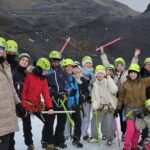
A small-group size helps this. With fewer people, your guide can manage spacing and adjust the plan without turning the day into a traffic jam.
Optional Crevasse Descent and Ice Climbing: When to Say Yes
The “push your boundaries” options are clearly optional, and that’s the best part. You can treat them like a bonus challenge rather than a trap.
What’s offered:
- Descend into the glacier with expert guidance into crevasses
- Ice climbing basics with support from your guides
Here’s how to think about it. If you want more than walking—if you want to feel the difference between standing on ice and actively moving in it—these options make the day feel like a true glacier adventure. You’re not just looking at the ice; you’re learning how people move on it safely.
If you’re nervous about heights, tight spaces, or technical movement, you can still have a great day by choosing the exploration level that matches your comfort. The tour’s structure is meant to accommodate that, and the equipment is already there so you’re not scrambling to “be ready” at the last second.
My practical advice: if you’re on the fence, decide based on how you handle cold and footing. If you can stay calm when you’re concentrating on your steps, you’ll likely enjoy the technical pieces more than you expect.
The Safety Flow You Should Expect (and What to Pay Attention To)
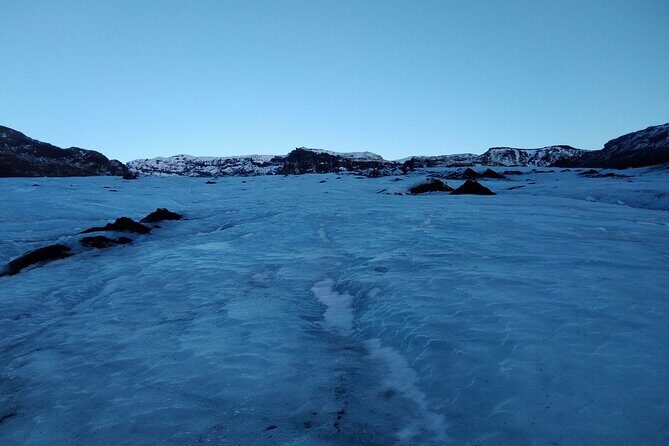
Even without a detailed minute-by-minute itinerary, you can plan around a typical glacier flow because the equipment list and safety focus are explicit. Expect a gear setup and safety briefing before you start moving on the ice.
Pay attention to:
- how you’re fitted for harness and helmet (it should feel secure, not restrictive)
- the way you learn to walk with crampons
- instructions about spacing and where to step
- how the guide explains the glacier features you’re seeing
This is also where a small group can matter more than you think. If you’re in a group of six, you can hear instructions, keep your own footing, and still get time for questions. In busier conditions, those things get harder, and learning suffers.
The sustainable-company angle in the description isn’t just marketing fluff. When a company cares about responsibility and training, you tend to see more focus on responsible travel practices—staying within safe zones, following guide rules, and minimizing chaos on the ice.


Meeting at Sólheimajökull Parking Lot: Don’t Lose Time
You’ll meet at the Sólheimajökull glacier parking lot 221 (Vik area). The good news: it’s the same place you return to, so you’re not dealing with a complicated end point.
The practical caution is about how you spot your guide. This isn’t a massive branded operation with a built-in waiting area. If you’re driving yourself or arriving from Vik, give yourself a little buffer and don’t assume there will be a big visible sign.
From what I’ve gathered about this operator’s setup, the meeting can be less “front desk” and more “find the right car.” Plan to take one extra loop through the lot rather than rushing and stressing.
Pro tip: when you arrive, do a quick scan, then look at your confirmation details before you start walking around guessing. A calm start makes the whole day better—especially when the wind is already doing its thing.
Price and Value: What $177.44 Really Buys You
At $177.44 per person, this isn’t the cheapest glacier option. But it can be good value depending on what you’d otherwise pay for equipment and instruction.
Here’s what you’re getting that many cheaper tours don’t fully cover:
- core climbing/safety equipment (crampons, helmet, harness, rope, ice axe)
- guide-led safety management
- glacier education: formation, movement, and climate change impacts
- the chance to choose how far you want to go (and pay the effort only if you want it)
The biggest value boost is the maximum 6 travelers cap. In a small group, you spend more time learning and moving, and less time waiting behind someone slow with crampons.
Also, the tour is offered in English, which makes a difference for safety and learning. If you’re traveling with kids or a mixed-experience group, clarity matters.
If you’re comparing options, don’t just compare the sticker price. Compare what you’ll need to rent or buy locally, plus how much actual instruction you’ll get when you’re standing on uneven ice.
Who This Glacier Hike and Climb Suits Best
This tour is a strong fit for:
- couples and small groups who want a calmer day on the ice
- people curious about glacier science but also want hands-on skills
- travelers who want a guided option where you can choose a comfort level
- anyone who doesn’t want to manage multiple gear rentals
It also works for a wide range of abilities—service animals are allowed, and the tour says most travelers can participate. Still, “most travelers” doesn’t mean “anyone in any shoes.” If you show up underdressed for cold and waterproofing, you’ll feel it fast.
If you’re traveling with family, small groups help keep the day from feeling frantic. And if you’re the adventurous one in the group, the optional crevasse descent and ice climbing basics give you a way to add excitement without dragging everyone into the hardest version.
What to Pack: The Clothing That Keeps You From Being Miserable
You’re issued glacier gear, but you still need your own base layers and waterproof protection. Here’s what to bring based on what the tour lists as not included.
You want:
- waterproof jacket and waterproof pants
- warm clothes (you’ll be on ice, so heat loss is real)
- hat and gloves
- waterproof and somewhat stiff hiking shoes
- a comfortable day backpack
- sunglasses
Two practical notes. First, stiff soles help with crampon stability and comfort. Soft shoes can feel awkward fast. Second, think in layers, not in one thick outfit. Iceland weather can shift between calm and windy, and layers let you adjust.
Also, bring sunglasses even if the forecast looks mild. Ice glare can be intense, and squinting while walking on a glacier is a bad plan.
Sustainable Approach: Why It Matters on a Glacier
The tour description frames the company as committed to social and environmental responsibility. You’ll see the practical side of that in a tour that emphasizes safety, learning, and controlled group movement.
A glacier isn’t a theme park. It’s a working natural system, and the impact of climate change is part of what the guides explain. When an operator takes that seriously, it usually shows up as better instructions, cleaner pacing, and more respect for the ice you’re standing on.
In other words: you’re not just chasing adrenaline. You’re learning why the ice matters, and how changes in climate are shaping what you see.
Quick Booking Checklist Before You Go
Here’s your quick sanity check so the day feels smooth:
- Wear waterproof layers and bring gloves and a hat
- Choose the exploration level that matches your comfort with ice footing
- Plan a little extra time to locate your guide at the parking lot
- Keep your phone charged for the mobile ticket experience setup
Weather rules matter here. The tour requires good weather, and if conditions are poor, you’ll be offered a different date or a full refund. That’s the right approach for glacier travel, even if it’s annoying when Iceland is being Iceland.
Should You Book This Glacier Exploration Hike and Climb?
Book it if you want a real glacier experience from Vik that includes core safety gear and gives you choices. The small group size, the included equipment, and the option for optional technical challenges make it more than a standard walk.
Skip it or pick a gentler option if you don’t like cold, wet conditions or you’re uncomfortable with the idea of crampons and guided technical movement. You can still enjoy a glacier day, but the fit will be better with someone who can listen, move carefully, and dress for the weather.
Overall, this is a strong value when you factor in the equipment, instruction, and the chance to scale the adventure to your comfort—especially if you’d rather spend real time on the ice than wait around for a bigger group.
FAQ
Where does the glacier hike start and end?
It starts at the Sólheimajökull glacier parking lot 221, 871, Iceland, and it ends back at the same meeting point.
What time does the tour begin?
The start time is 10:30 am.
How long is the experience?
The duration is about 3 hours 30 minutes.
What does the tour cost?
The price is $177.44 per person.
Is glacier gear included?
Yes. Gear is included, including rope, harness, crampons, helmet, and an ice axe.
What should I bring if the clothing is not included?
Bring waterproof and stiff hiking shoes, waterproof jacket and pants, warm clothes, hat and gloves, a comfortable day backpack, and sunglasses.
Can I choose how much I explore on the glacier?
Yes. You choose your exploration level, and the activity is described as suitable for all experience levels.
Are there optional climbing activities?
Yes. Optional experiences include descending into the glacier crevasses and ice climbing basics with guide support.
What happens if the weather is bad or I need to cancel?
The tour requires good weather. If it’s canceled due to poor weather, you’ll be offered a different date or a full refund. You can cancel for free up to 24 hours in advance for a full refund.