REVIEW · REYKJAVIK
Whale Watching & Dolphin Yacht Cruise
Book on Viator →Operated by Harpa Yachts · Bookable on Viator
Reykjavik looks different from a deck. This whale and dolphin yacht cruise in Faxafloi Bay is built around real-time searching, calm viewing, and a guide who helps you understand what you’re actually seeing—plus you get uninterrupted observation-deck views for tracking blows and tail dives. The trade-off: it’s cold and often windy at sea, so you’ll want serious layers or you’ll feel it fast.
Onboard, I like the practical touches that make a 3-hour trip easier on your body and your phone. Warm blankets, multiple viewing levels (including indoor spots for warming up), and even sea-sickness tablets on board are a big deal when waves pick up. One possible drawback to plan for: the quality of whale commentary can vary by guide and day, so if you’re hoping for super-detailed science the whole time, you may want to set your expectations.
There’s also a nice “risk-reducer” feature. If you don’t get wildlife sightings, you receive a second free tour, which takes some of the sting out of booking an ocean tour in Iceland. With a max group size of 95, you’ll still find plenty of space to look, but you should also expect some crowding at the rail when a blow pops up.
In This Review
- Key things to know before you go
- Old Harbor Departure: What to Do Before You Even Leave the Dock
- Faxafloi Bay Cruise: How the Coast and Mountains Fit Into the Tour
- Whale and Dolphin Spotting: Guides, Tracking, and the Ethical Approach
- What you might see
- How the crew handles close encounters
- A fair warning about commentary
- Onboard Comfort on Harpa and Amelia Rose: Warmth, Deck Space, and Wi‑Fi
- Warm blankets and heated options
- Observation decks that actually work
- Live photos and onboard Wi‑Fi
- Value and Price: Is $108.61 Worth It for a 3-Hour Bay Cruise?
- Who Should Book This Yacht Cruise, and Who Might Want Alternatives?
- Should You Book Whale Watching & Dolphin Yacht Cruise from Reykjavik?
- FAQ
- Where is the meeting point?
- How long is the cruise?
- What does it cost?
- Is the tour offered in English?
- What wildlife can I expect to see?
- What happens if we don’t see wildlife?
- Is Wi‑Fi available onboard?
- Do they provide help for sea-sickness?
- What should I wear for the trip?
- What if the weather is poor or I need to change plans?
Key things to know before you go
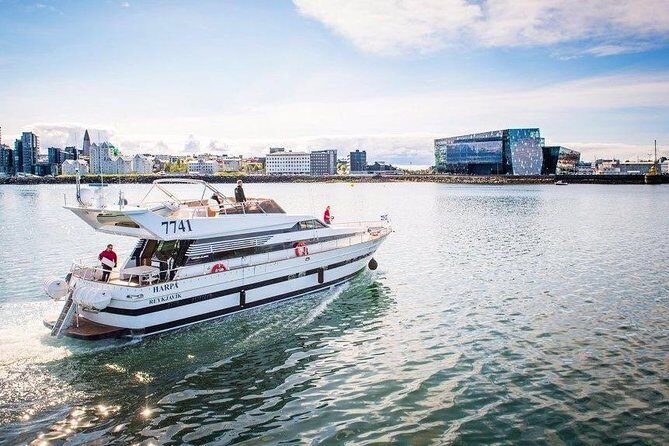
- Old Harbor House meeting point: Start at Ægisgarður 2, then sail from Reykjavik’s Old Harbor area.
- Faxafloi Bay wildlife searching: You’re out there specifically for whales and dolphins (and puffins in summer).
- Observation decks + indoors: Multiple spots for viewing, with warm areas if the weather turns nasty.
- Onboard Wi‑Fi and live photo sharing: You can send photos in near real time instead of waiting until you’re off the boat.
- Comfort basics for rougher seas: Warm blankets plus sea-sickness tablets available on board help a lot.
Old Harbor Departure: What to Do Before You Even Leave the Dock
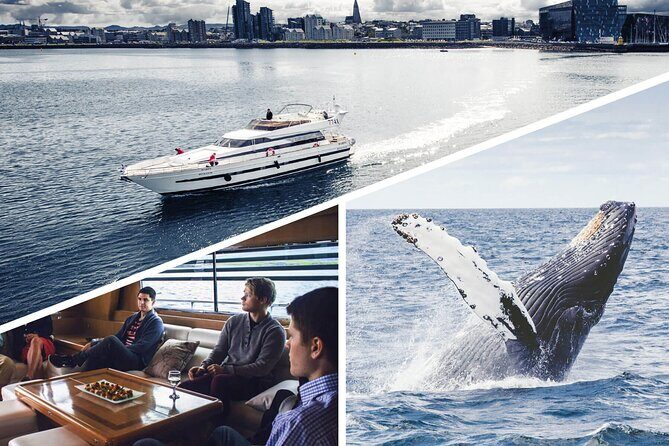
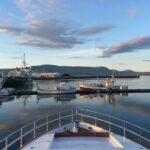
The whole experience starts in Reykjavik’s Old Harbor area, at Old Harbour House (Ægisgarður 2, 101 Reykjavík). This matters more than it sounds. Iceland whale tours can feel chaotic if you show up late or underdressed, and you don’t want to burn the first part of the trip getting organized.
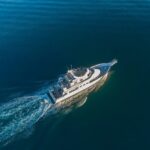
Your boat leaves on routes around Faxafloi Bay, with departures aboard yachts like Harpa or Amelia Rose. You’ll have a solid 3 hours on the water, so it’s not a quick hop-you-out-and-back run. That means your first job is simple: get ready for a wet-cold wind experience.
So here’s what I’d do (and what I’d tell you to do, too):
- Wear a windbreaker and gloves. Reviews repeatedly mention gloves as the difference between tolerable and miserable.
- Bring sunglasses. Even when it’s cloudy, sea spray + glare can make the top deck tiring.
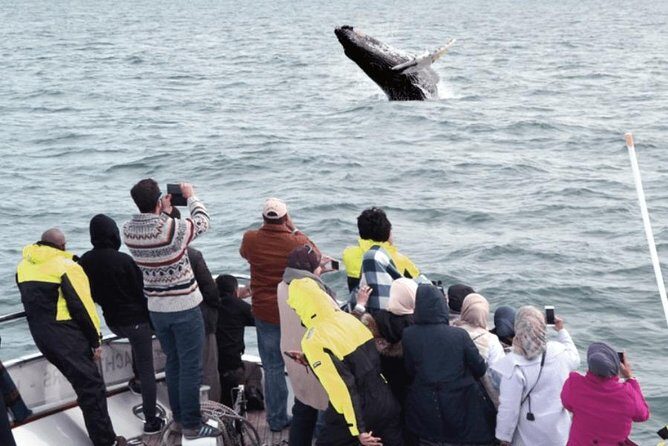
- Expect other people to rush toward the best sightlines once animals appear. Move with the herd, but stay aware of your neighbors’ view.
Because the cruise is designed for observation, the viewing setup is part of the “schedule.” When whales surface, you’ll want to be in the right place immediately.
You can also read our reviews of more boat tours in Reykjavik


Faxafloi Bay Cruise: How the Coast and Mountains Fit Into the Tour
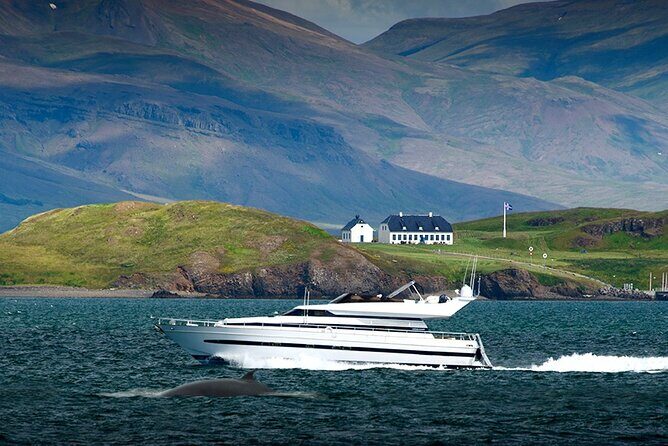
The cruise runs along Faxafloi Bay, where Reykjavik’s coastline and landmarks sit close enough to see clearly from the water. That’s a big part of the value, even if wildlife is slow that day. You’re not just staring into open ocean for three hours. You’re cruising past mountain-backed scenery and island views that keep the ride interesting.
In practice, this means you’ll get a mix of:
- steady “sit and watch” scenery early on
- then faster navigation when the captain and crew find sightings
- and a few longer stretches where you’ll slowly track movement on the water surface
If the sea gets a bit bumpy, don’t panic. Some riders report the yacht can feel rocky, and a few people mention sea-sickness at the tail end of the trip. On the other hand, the same tour setup gets praise for keeping sea-sickness less frequent than on other whale boats—so it’s not a guaranteed drama. Still, plan for motion.
Also, you’ll likely find it easier to ride the waves if you don’t spend all your time at the rail. Rotate: outside for spotting, inside for warmth and breath.
Whale and Dolphin Spotting: Guides, Tracking, and the Ethical Approach
This is the core of the experience, and the tour’s strength is how much attention goes into finding wildlife in Faxafloi Bay. You’ll have onboard interpretation from a guide, and the best part is when the guide turns sightings into something you can follow: where to look, what behavior to expect, and how to read a surface event.
One guide name that shows up in standout feedback is Lucky. People specifically called out Lucky for being informative about whales and their environment. That’s exactly what you want from a whale guide: less generic narration, more of the why-behavior-how-to-see-it style that helps you connect the dots quickly.
What you might see
Based on what the tour describes and what people report seeing:
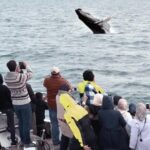
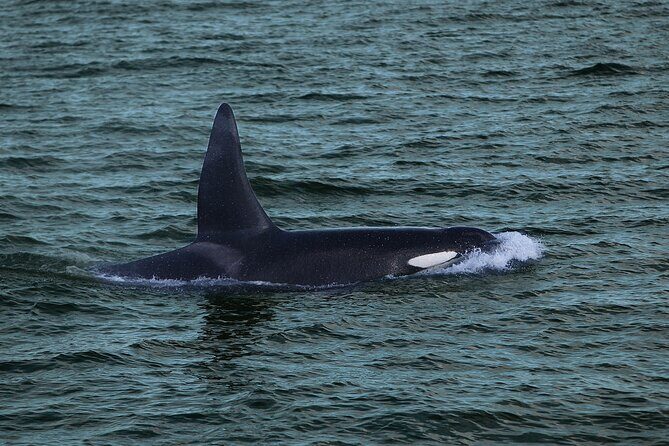
- whales such as humpback and minke are mentioned often
- dolphins, including dolphin pods
- porpoises (also mentioned)
- puffins during summer months
Sightings can be fast. More than one review highlights that the crew tracks animals and communicates clearly about where to look relative to the boat (the common format people mention is location like around the 10 o’clock direction and distances when whales surface).
How the crew handles close encounters
A theme in positive feedback: the boat doesn’t treat whales like a theme-park ride. On one trip, reviewers noted they didn’t chase whales and that when other boats got too close, their yacht backed away to give animals space. That’s the kind of “respect the wildlife first” behavior you want, and it also makes for a calmer viewing experience.
You can also read our reviews of more sailing experiences in Reykjavik


A fair warning about commentary
Not every day is perfect. One review criticized minimal commentary and suggested a different boat offered more information. So I’d treat the guide as a plus, not as a guaranteed lecture-style class session. You’ll still get help spotting and learning enough to make the trip feel meaningful, but deep scientific explanations aren’t always consistent.
Onboard Comfort on Harpa and Amelia Rose: Warmth, Deck Space, and Wi‑Fi
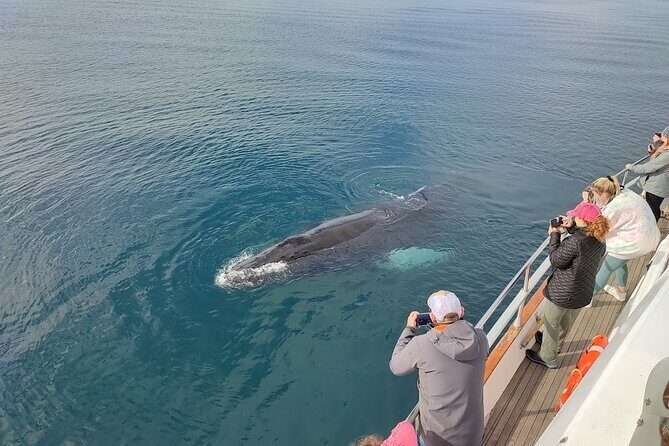
This tour isn’t just about spotting. It’s also about staying comfortable enough to enjoy spotting.
Warm blankets and heated options
Warm blankets are provided, and many riders liked having indoor decks and a bar for warming up. Another review mentions warm cabins with hot chocolate and snacks, which tells you the goal is not just survival—it’s comfort.
If it’s windy (it often is), the cold hits your face and hands first. Gloves and layers aren’t optional on a top deck. Sunglasses help you see when brightness bounces off the water.
Observation decks that actually work
Multiple levels of viewing show up as a big win in feedback. People liked being able to choose:
- outside deck rail for best sightlines
- indoor seating when conditions get harsh
- bar area for warmth and a break
This matters because whale surfaces are unpredictable. If you’re stuck in one spot with no escape to warm up, you’ll start missing the best moments.
Live photos and onboard Wi‑Fi
One of the more modern features here is onboard Wi‑Fi for sharing live photos. That’s a simple quality-of-life upgrade. You can send your sighting to friends while you’re still out at sea instead of waiting until you’re back on shore.
Value and Price: Is $108.61 Worth It for a 3-Hour Bay Cruise?
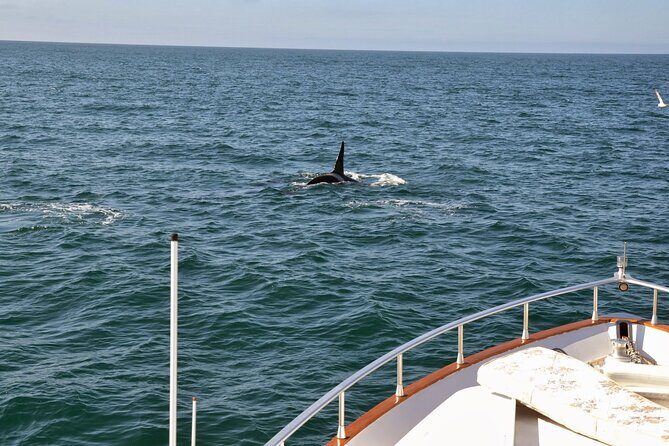
At $108.61 per person for about 3 hours, this isn’t a bargain-bin tour. But it can feel like good value when the pieces line up: quality viewing time, helpful guide support, comfort upgrades, and a “do it again” safety net if wildlife doesn’t show.
Here’s what you’re paying for beyond the basic boat ride:
- a real focus on whales and dolphins in Faxafloi Bay
- a guide onboard to interpret what you’re seeing
- warm blankets and the ability to move between outside and indoor viewing
- sea-sickness tablets available on board
- Wi‑Fi for live photo sharing
- and importantly, a second free tour if you don’t get wildlife sightings
That last one changes the math for many people. With whale watching, the main risk is simple: the ocean doesn’t care about your schedule. A free return if wildlife sightings don’t happen means you can book with less regret.
One more value point: space. The tour caps at a maximum of 95 travelers. Reviews also mention the boats can feel large, and one person felt the boat was bigger than expected. Still, multiple decks usually help prevent the worst railing-style crush.
Who Should Book This Yacht Cruise, and Who Might Want Alternatives?
This is a strong fit if you want:
- a guided whale watching experience with real-time spotting help
- lots of deck viewing opportunities and indoor warm-up options
- a comfort-forward yacht style cruise (rather than a bare-bones small boat)
It also works well for families. Several reviews mention multi-generational trips, including families with children, with praise for crew friendliness and the ability to see whales close enough to make the whole thing feel like more than a distant dot.
You might consider a different plan if you:
- are extremely sensitive to motion and bumpy seas. Some riders felt seasick toward the end, even with tablets available.
- need constant, detailed narration for the entire trip. Commentary quality can vary, and one review suggested not much information was shared on one of the boats/days.
If your top priority is wildlife learning in a classroom-like way, then treat this as a spotting-first tour where learning is included, not the main event every minute.
Should You Book Whale Watching & Dolphin Yacht Cruise from Reykjavik?
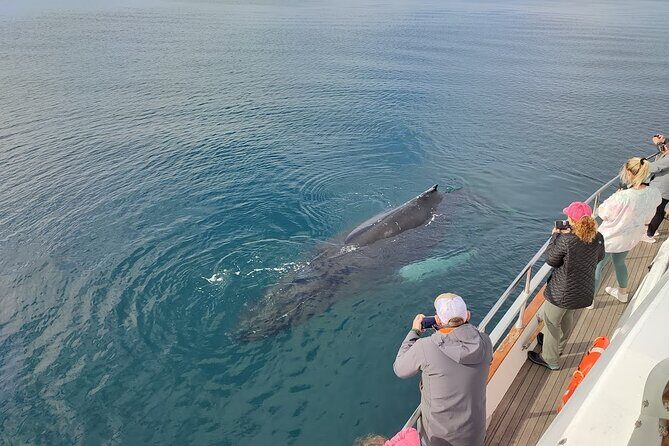
I’d book it if you want a classic Reykjavik whale watching session with practical comfort, guided spotting, and multiple viewing levels. The second free tour for lack of wildlife sightings is a big reason to feel confident in your decision.
Book it with clear expectations:
- Dress for wind and cold. You’ll enjoy it more.
- Be ready to move quickly when animals surface.
- Know that wildlife behavior controls the experience, not the schedule.
If you’re flexible, this cruise can turn into one of those Iceland memories that sticks: whales feeding, dolphins in pods, and the shock of seeing real marine life from so close—while the crew keeps the focus on calm, respectful viewing.
FAQ
Where is the meeting point?
You meet at Old Harbour House, Ægisgarður 2, 101 Reykjavík, Iceland.
How long is the cruise?
The duration is about 3 hours (approx.).
What does it cost?
The price is $108.61 per person.
Is the tour offered in English?
Yes, the tour is offered in English.
What wildlife can I expect to see?
The tour focuses on whales and dolphins, with puffins also mentioned for summer months.
What happens if we don’t see wildlife?
If there are no wildlife sightings, you receive a second free tour.
Is Wi‑Fi available onboard?
Yes. The tour notes onboard Wi‑Fi so you can share live photos.
Do they provide help for sea-sickness?
Sea-sickness tablets are available on board, and several reviews mention they’re provided.
What should I wear for the trip?
Plan for cold and wind at sea. Reviews specifically suggest a windbreaker and gloves, and sunglasses can help for visibility.
What if the weather is poor or I need to change plans?
The experience requires good weather. If it’s canceled due to poor weather, you’ll be offered a different date or a full refund. You can cancel for a full refund up to 24 hours in advance.