REVIEW · REYKJAVIK
Whale Watching Cruise on a Yacht in Reykjavik
Book on Viator →Operated by Iceland Discover · Bookable on Viator
Reykjavik’s whale watch is mostly about patience. On this yacht cruise from Old Harbour, you scan Faxafloi Bay and the nearby coast for Icelandic wildlife, while a guide explains what you’re seeing and why whales show up where they do. You also get a different angle on town, sailing past Reykjavík’s harbors and the famous glass facade of Harpa.
Two things I really like: the boat setup is made for winter comfort, with warm places to sit when the wind cuts hard, and the crew focuses on finding whales without turning it into a chaotic race. Another big plus is the free return cruise if you don’t see whales on your outing, which takes some of the sting out of a wildlife-trip gamble.
One possible drawback is that sightings are never guaranteed. Weather, sea conditions, and where the animals are cruising can mean a slow search or limited time once you finally get activity.
In This Review
- Key things to know before you go
- From Old Harbour to Faxafloi Bay: how this trip plays in real time
- Reykjavík landmarks from the sea: Harpa and the city coastline
- The island loop: Engey, Lundey, and Viðey as wildlife checkpoints
- What you’re likely to see: minke, humpbacks, dolphins, porpoises (and orcas)
- The boat and deck setup: staying comfortable while you stare at the water
- Your guide on wildlife behavior: why the narration changes the experience
- The real math on price: $102 for 3 hours plus a free return safety net
- Timing, waiting, and the moment the whales show up
- Who this whale watching cruise suits best
- Should you book this Reykjavik yacht whale watch?
- FAQ
- What’s the duration of the whale watching cruise?
- Where does the tour start in Reykjavík?
- What language is the tour offered in?
- What animals might you see during the cruise?
- What happens if you don’t see whales?
- How big are the groups?
- Does the cruise run in any weather?
- How does the cancellation refund work?
- Is the cruise suitable for service animals?
Key things to know before you go

Yacht-style comfort in cold air: you’ll want real layers, but you’re not stuck freezing the whole time.
Serious effort from the crew: the onboard team works hard to locate whales and keep the group viewing together.
Faxafloi Bay island route: you pass key spots like Engey, Lundey, and Viðey as you look for wildlife.
Wildlife variety beyond whales: dolphins and porpoises are common targets too, so the trip isn’t whale-only.
Free return if you miss out: a practical safety net if whales don’t show that day.
Time can shift with conditions: you may spend longer searching, and the ride back can feel faster once they’re confident the viewing window is done.
From Old Harbour to Faxafloi Bay: how this trip plays in real time
The experience starts at Old Harbour House near Reykjavík’s Old Harbour area, and you’ll head out into Faxafloi Bay from there. Right away, you get the benefit of being on the water while Reykjavík is still in your peripheral vision—harbor activity on one side, open bay on the other.
As you sail among smaller islands and along the Reykjavík coastline, the crew keeps you moving through a route that’s built for spotting. The common expectation is minke and humpback whales, along with dolphins and porpoises—with orca possible but not promised. In other words, you’re not just buying a scenic boat ride; you’re joining a guided search.
The overall runtime is about 3 hours, but the exact flow can change depending on where whales are that day. If the whales are active nearby, you’ll likely spend your best viewing time close to the center of the action. If they’re far off, plan for a longer “scan and wait” rhythm while the crew checks the water carefully.
You can also read our reviews of more boat tours in Reykjavik


Reykjavík landmarks from the sea: Harpa and the city coastline
One underrated value here is how the cruise reframes Reykjavík. You’re on the water looking back at the city, so you get a clean, moving view rather than waiting for a photo angle on land.
Harpa comes into play as one of the headline sights from the shoreline. It’s the concert hall and conference center with that distinctive colored glass facade inspired by Iceland’s basalt landscapes. Seeing it from the water gives it a totally different look—especially when the sky is bright and the glass catches the light.
This is one of those small “yes, that’s nice” details that adds up. Even if whale activity is slow at first, you’re still getting a satisfying sense of place while you scan the bay.
The island loop: Engey, Lundey, and Viðey as wildlife checkpoints
Part of the route centers on islands close to Reykjavík that act like natural waypoints for wildlife viewing. You’ll sail in the broader area of Kollafjörður Bay, which is where islands like these show up in the cruising pattern.
Engey is the second largest island in the Kollafjörður area. It’s a strong reference point on the route because it’s close enough to view clearly from the boat, yet far enough offshore to feel like you’re really out in the bay rather than just hugging the harbor.
Lundey, which literally means Puffin Island, is an uninhabited island off Reykjavík’s western coast. Even if you don’t time it for birds, the name alone hints at the kind of marine ecosystem that can be active there. For whale watching, that matters because predators and prey often show up together or in overlapping areas.
Viðey is the largest island in Kollafjörður Bay near Reykjavík. Like Engey and Lundey, it gives you another “chunk” of coastline to work through as the crew searches the water. Practically, islands make spotting easier: your boat isn’t drifting aimlessly; it’s moving through a known corridor.
The real point of this loop is that it creates multiple chances to intersect wildlife movement during your 3-hour window. That’s also why this kind of cruise can feel better than “one fixed spot and hope.”
What you’re likely to see: minke, humpbacks, dolphins, porpoises (and orcas)
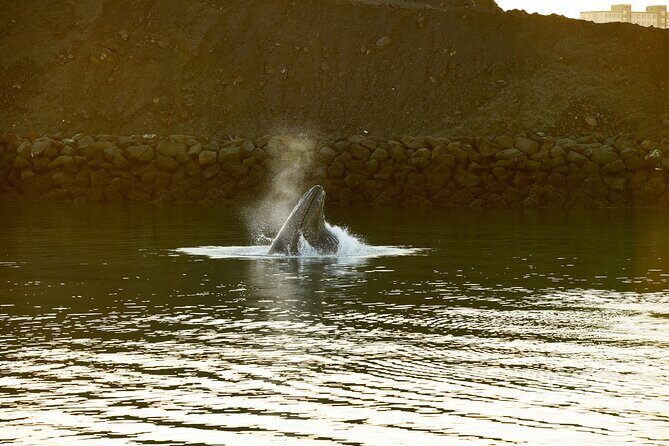
The most common whale sightings are minke and humpback whales, and you may also see dolphins and porpoises. The key word is “may.” You’re in the North Atlantic, not a theme park, so animals decide when they want to show.
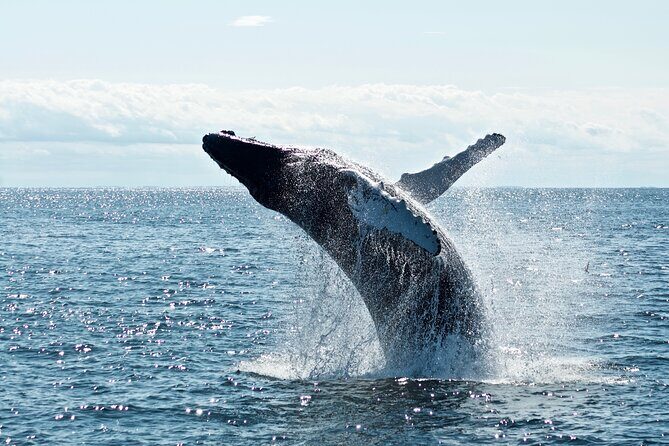
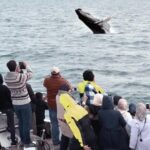
That said, the pattern that stands out is that the crew isn’t just scanning for five minutes and moving on. Many accounts emphasize the effort to stay with sightings and keep searching when activity isn’t immediate. When humpbacks are active, you might spot visible surfacing and breathing behavior, and the guide will help you read the signs you’re seeing.
One reason I think this tour works well for first-timers is that you get more than the sighting itself. Your onboard guide explains whale behavior—so when a whale surfaces, moves, or changes direction, you’re not just watching random motions. You’re learning what those motions mean in plain language.
Orcas are a bonus possibility. They’re never guaranteed, but knowing they’re in the mix helps you treat every “quiet” stretch as part of the search, not a sign the day is over.
The boat and deck setup: staying comfortable while you stare at the water
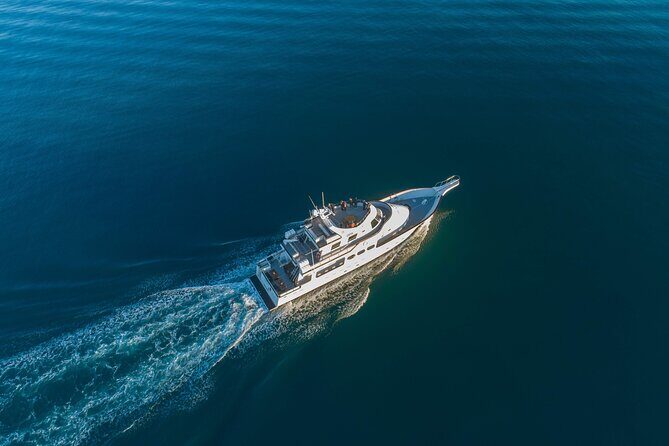
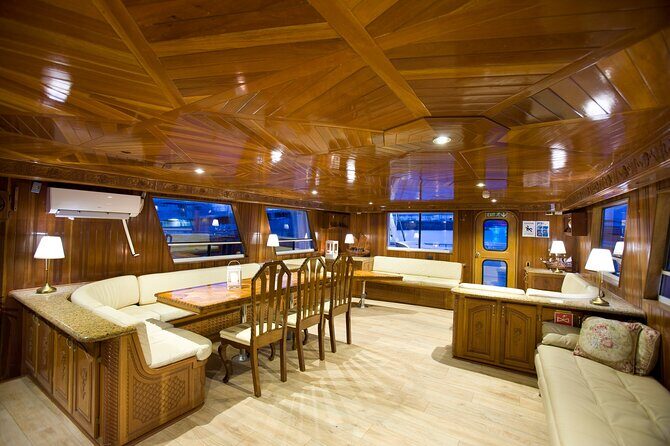
This cruise is on a yacht-style vessel designed for winter viewing. That matters because whale watching in Iceland can flip from calm to biting wind fast, and your comfort affects how long you’ll enjoy standing outside to spot activity.
People consistently highlight that there are places to sit and watch, including shelter from the elements. Even when you spend a lot of time on deck, you’re not stuck there the whole time; you can duck into warmer interior areas between scans. There’s also a bar onboard, with both alcoholic and non-alcoholic warm beverages reported, which is a practical lifesaver when the wind chill is serious.
Not every day is smooth, though. If you’re unlucky with sea conditions—especially in colder months—the smaller yacht style can feel bouncier than larger boats. Some guests noted rougher water and getting splashed, particularly if you hang out on the front area.
My take: if you want max comfort and dryness, dress for cold wind and stay ready to move inside when things get choppy. Bring gloves. Layer up. And don’t count on the trip being a gentle pond. Iceland waters have their own opinions.
You can also read our reviews of more sailing experiences in Reykjavik




Your guide on wildlife behavior: why the narration changes the experience
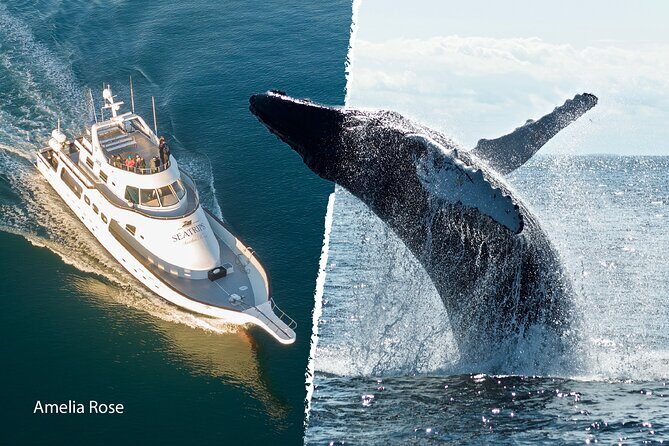
The guide experience is a big reason this isn’t just a transportation service. You’re not only cruising; you’re actively learning during the search.
The guide shares info about whale behavior and what to look for as the ship scans the bay. That turns the whole experience into a kind of live lesson: you learn what might be happening underwater even when you can’t see the whale yet, and you understand why the crew chooses certain viewing areas.
You’ll also get contextual storytelling that ties sightings to Iceland’s marine world. That context makes a humpback sighting feel more meaningful because you know what it’s likely doing—feeding, moving between areas, or traveling along a route—rather than just seeing a whale pass by.
If you like nature tours where you learn something real, this kind of guide-led spotting is the value that lasts past the photos.
The real math on price: $102 for 3 hours plus a free return safety net
At $102 per person for roughly 3 hours, this tour is priced like a guided whale watch with winter-ready comforts. What you’re paying for isn’t only access to water—it’s the onboard crew effort, the guide’s interpretation, and the boat setup that helps you stay out longer without freezing.
The biggest value add is the free return cruise if you don’t see whales. That changes how you should think about the risk. You’re still dealing with nature, but you’re not stuck paying full price for a “maybe” day with no second chance.
That said, there’s a practical consideration: using the free return depends on timing, weather, and how your travel schedule fits. If you’re leaving Reykjavik soon, you’ll want to plan ahead so you can realistically take the extra outing if needed.
Overall, the price makes sense if you want the guidance and comfort, and if you can be flexible enough to use the free return if whales don’t show that day.
Timing, waiting, and the moment the whales show up
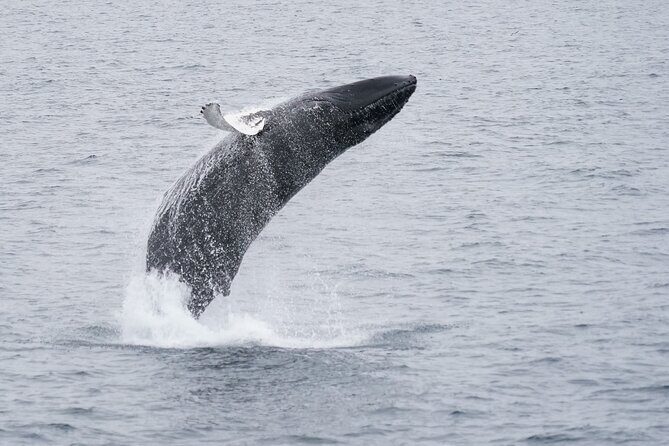
A whale watch trip has two moods. The first mood is waiting: you scan water, you listen, and you learn how the crew hunts. The second mood kicks in when activity starts: everyone shifts attention to the surface, the guide focuses your eyes, and the boat slows down or adjusts so you all share the same viewing moment.
Some days are fast and exciting. You might see humpbacks multiple times, and dolphins can add extra action even when whales are behaving more quietly. On those outings, it can feel like you’re checking off wildlife highlights in a short window.
Other days take longer. Accounts describe longer searches where sightings were brief or minimal, especially in certain seasons and in rougher conditions. That doesn’t automatically mean the tour isn’t doing its job—it means you’re dealing with whale movement patterns and ocean conditions.
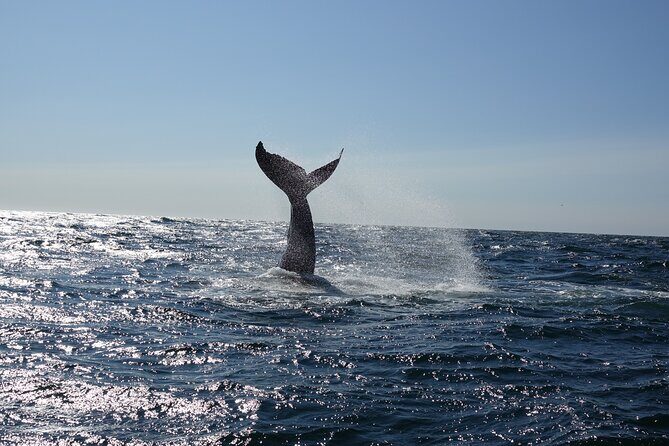
The best mindset: treat the first hour as the search phase. Once you find activity, you’ll usually get a stronger payoff. And if you see tails or quick surfacing, don’t assume it’s the end—sometimes whales reappear after a short pause.
Who this whale watching cruise suits best
This is a great fit if you want three things at once:
- Guided whale spotting with behavior explained, not just “look out there”
- Winter-friendly comfort so you can actually enjoy hours on the water
- A route that includes Reykjavík landmarks and nearby islands rather than a one-spot stop
It’s also a reasonable choice for families, since reported experiences include kids enjoying the trip and feeling engaged with wildlife explanations. If you’re traveling in colder months, you’ll do best if you’re comfortable dressing in layers and standing on deck when the wind is sharp.
If you’re highly sensitive to choppy water, consider that yacht-style boats can feel less steady than larger vessels during rough sea days. You can still go—it’s just smart to manage expectations and choose warm, sheltered viewing areas when needed.
Should you book this Reykjavik yacht whale watch?
I’d book it if you want a classic Reykjavík whale watching experience done in a guided, comfort-first way. The free return cruise helps your odds, the boat setup supports winter viewing, and the guide narration makes the whole search feel productive instead of random.
Skip or reconsider if whale sightings would be the only acceptable outcome and you can’t handle a day that’s mostly scanning—because nature can be unpredictable. Also think about sea conditions and your tolerance for being a bit wet if you spend time near the front on choppy water.
If you’re flexible, dressed for cold, and excited to learn while you look, this one has a lot going for it.
FAQ
What’s the duration of the whale watching cruise?
It runs for about 3 hours.
Where does the tour start in Reykjavík?
Meet at Old Harbour House (Ægisgarður 2, 101 Reykjavík).
What language is the tour offered in?
The tour is offered in English.
What animals might you see during the cruise?
The most common sights are minke and humpback whales, plus dolphins and porpoises. Orcas are also possible.
What happens if you don’t see whales?
You’re offered a free return cruise if you don’t see whales.
How big are the groups?
This activity has a maximum of 125 travelers.
Does the cruise run in any weather?
It requires good weather. If canceled due to poor weather, you’ll be offered another date or a full refund.
How does the cancellation refund work?
You can cancel up to 24 hours in advance for a full refund. Canceling later than that is not refunded.
Is the cruise suitable for service animals?
Service animals are allowed.
If you want, tell me what month you’re going and whether you prefer staying mostly inside or on deck. I can help you plan what to wear and when to aim for better visibility.