REVIEW · SKAFTAFELL
Skaftafell: Extra-Small Group Glacier Hike
Book on GetYourGuide →Operated by Melrakki Adventures · Bookable on GetYourGuide
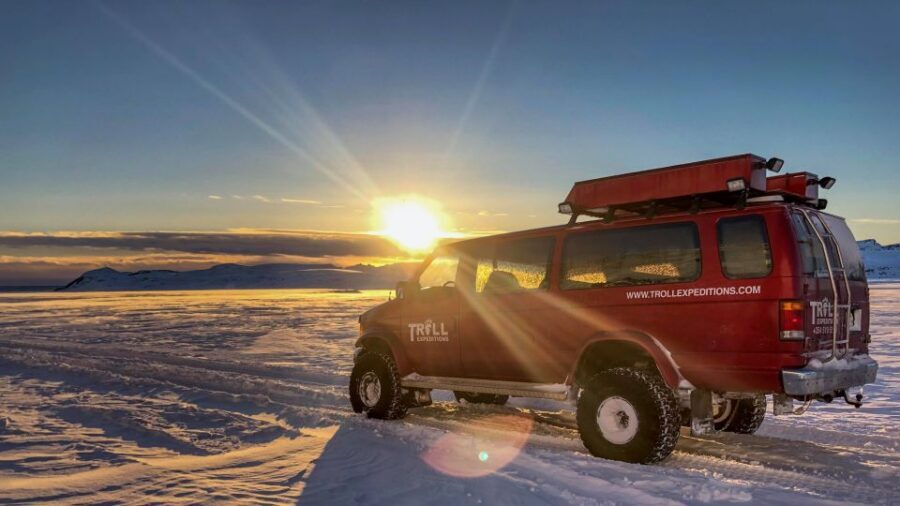
Skaftafell glaciers are otherworldly—this one’s up close. You’re on Vatnajökull’s Falljökull outlet, but the real trick is how you get there: a modified 4×4 ride cuts down the walk-in so you spend more time on ice.
Two things I really like: the extra-small group (up to 8) keeps the pace calm and personal, and the guide time on safety and technique feels practical, not scary. I’ve heard guides like Kay and Javi run this with the same focus—clear crampon instructions and lots of hands-on help.
One consideration: you’ll want proper footwear. The tour includes equipment, but hiking boots aren’t included (rentals are available on location), and crampons have a minimum shoe size requirement (34 EUR).
In This Review
- Key things to know before you go
- Skaftafell’s Falljökull: the glacier hike you can actually plan around
- Why the max-8 group makes the tour feel personal
- Meeting at Melrakki Adventures and getting geared up fast
- The 4×4 drive: more time on ice, less time in the car
- Stepping onto the glacier: crampons, spacing, and safety rhythm
- On-ice highlights: blue pools, moulins, crevasses, and photo stops
- How hard is it, really? Pace and who this suits
- Price and value: what you’re paying for in this 3-hour experience
- Weather and cancellations: a reality check for glacier days
- Should you book this Skaftafell glacier hike?
- FAQ
- How long is the glacier hike, and how much time is on the glacier?
- What’s the maximum group size for the hike?
- Is glacier equipment included?
- Do I need to bring hiking boots?
- Where do I meet, and how do you get to the glacier?
- Is this tour suitable for kids or people with mobility issues?
- What happens if the tour is canceled due to weather?
Key things to know before you go
- Max 8 people means less waiting and more time listening, watching, and asking questions.
- 4×4 access to the base reduces the hike-in so you get up to 120 minutes on glacier.
- Crampon briefing first: you’ll learn how to wear them and how to walk safely before stepping onto ice.
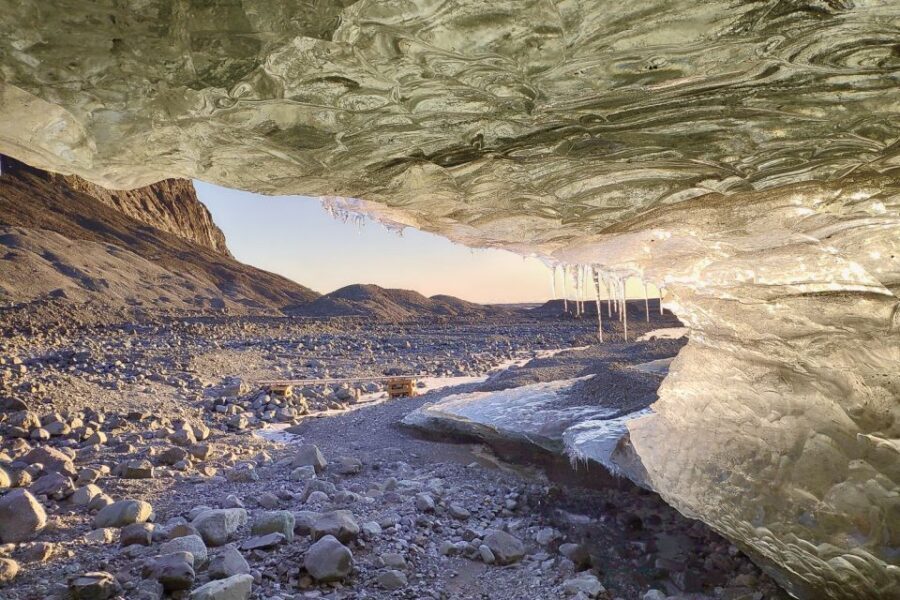
- Long-enough glacier time to notice details like crevasses, blue pools, and ice features.
- Small-photo moment built in: your guide will take photos of you on the glacier.
- Not for limited mobility: this is glacier travel, on uneven ice.
Skaftafell’s Falljökull: the glacier hike you can actually plan around
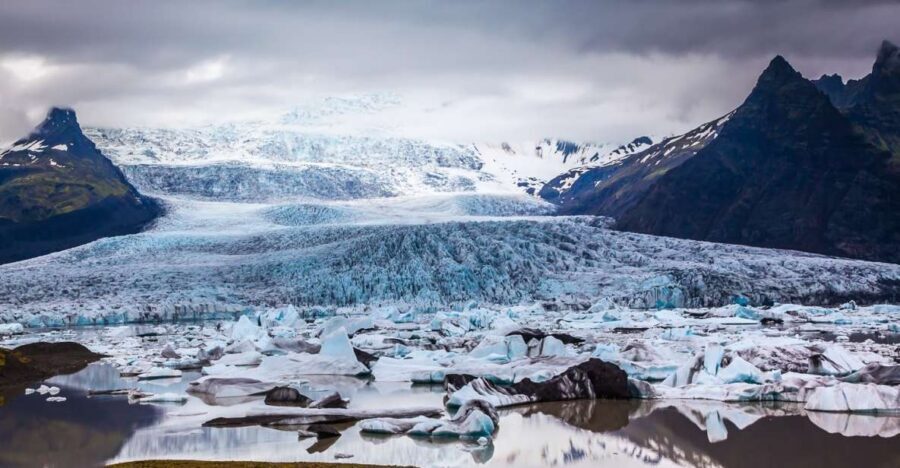
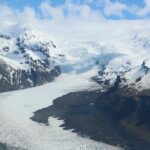
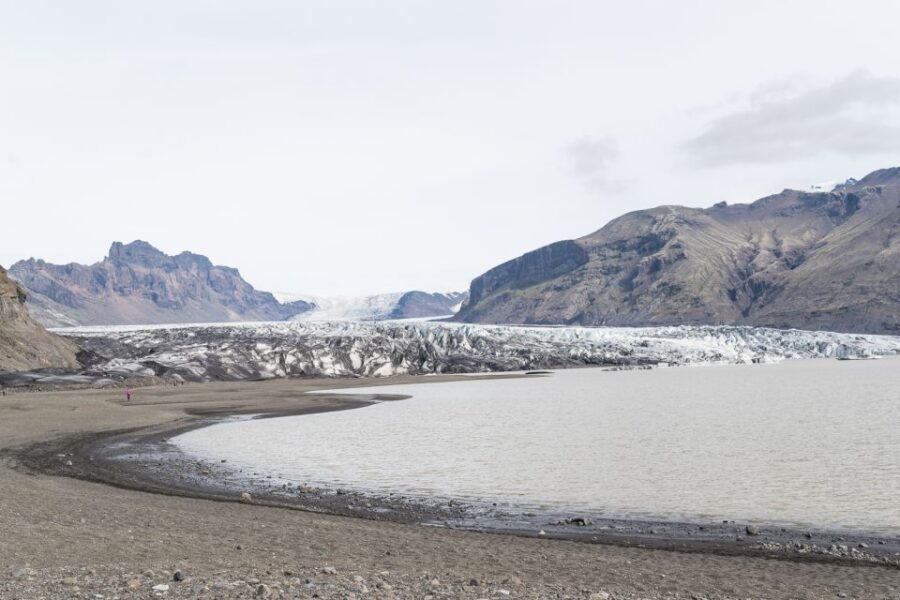
Skaftafell is Iceland’s “glacier gateway,” and this hike is built to help you see a real outlet of Vatnajökull without turning your day into a long slog. You’re not just standing on a viewpoint. You’re walking on the Falljökull outlet glacier itself, with a guide who manages the group and points out the ice features as you go.
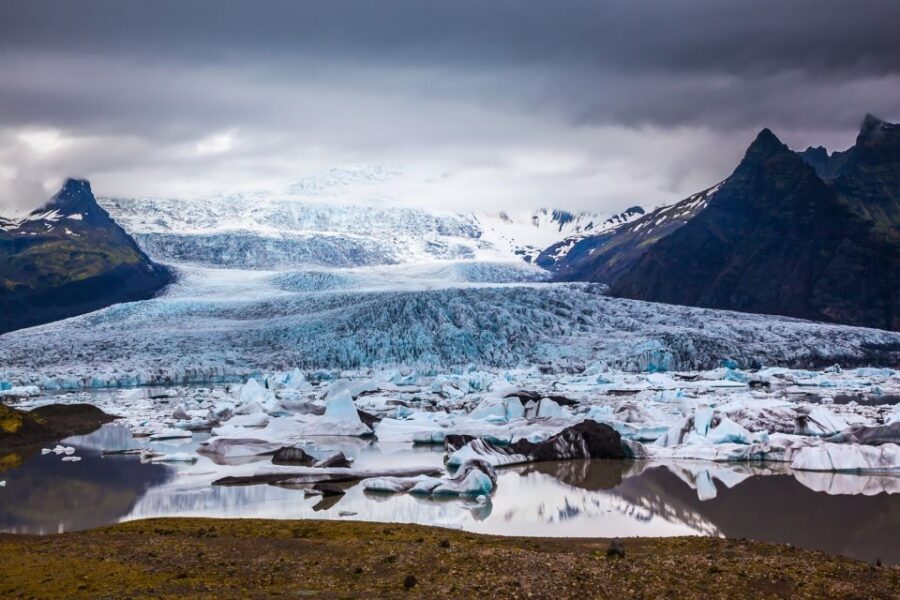
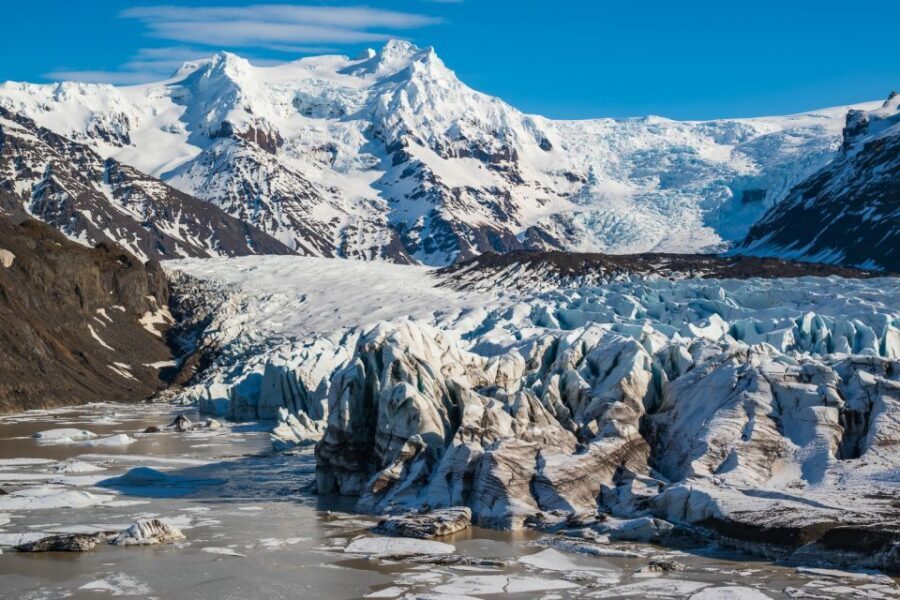
This is also one of those glacier experiences where the setting does half the work for you. Vatnajökull is Europe’s largest glacier, but what you’re hiking on is the dramatic, changing edge—where ice meets outlets, meltwater carves, and colors shift from gray to intense blue in the right light. The tour is designed so you don’t waste your time getting there.
If you care about photos, try to choose an early start time when available. Many people specifically praise going first on site for easier pictures and a calmer feeling on the ice—because you’re not immediately surrounded by bigger groups. Even if the light is gray, the ice textures still read well once you’re standing on them.
You can also read our reviews of more hiking tours in Skaftafell
Why the max-8 group makes the tour feel personal
A glacier hike can go one of two ways: either you’re part of a big moving line, or you get real time with the guide. Here, the max group size of 8 changes the vibe fast.
In a smaller group, you get better attention when you’re learning crampons—how to step, how to keep your balance, and how not to turn your brain off when the ground looks like it’s all one smooth sheet. It also means the guide can adjust the pace. Some hikers are brand-new to this. Others are returning and want more explanation. Either way, small groups make it easier to match what you need.
It also helps with comfort. With fewer people, you’re more likely to spend time at the standout ice features instead of rushing through them. People often mention that the relaxed pace makes the experience enjoyable even when it’s your first time walking on ice.
Meeting at Melrakki Adventures and getting geared up fast
You meet at Melrakki Adventures (look for their staff marked as MELRAKKI ADVENTURES). Expect a quick setup phase right before the drive. That time matters. Glacier tours depend on everyone being prepared at the same pace—right down to crampons and how you’ll hold your weight.
The tour includes all required glacier equipment, so you’re not showing up to juggle gear decisions. What you still need is the right clothing. Bring warm layers and sunglasses. Iceland’s sky can be changeable, but the bright ice glare is real even when it doesn’t feel like a beach day.
If you’re renting boots, plan for fitting time. Crampons must work over your shoes, and the tour states a minimum shoe size of 34 EUR. If your shoe size is smaller, you’ll want to confirm what rental options are available before you commit.
The 4×4 drive: more time on ice, less time in the car
This tour is timed well. After gear-up, you get a short 15-minute 4×4 drive to the base near the Falljökull outlet. Then you’re on the glacier. When you finish, there’s another 15-minute ride back.
Why I love this format: you’re not trudging across a valley just to earn the right to step onto ice. The 4×4 access is the difference between a hike that feels mostly like transportation and one that actually delivers glacier time. The tour aims for up to 120 minutes exploring the glacier.
Also, many people enjoy the vehicle itself. One review notes riding an older Land Rover Defender, which adds a fun Iceland-meets-adventure feel. Just remember: the main value is getting close to the action so you don’t burn energy before you even start walking on the glacier.
Stepping onto the glacier: crampons, spacing, and safety rhythm
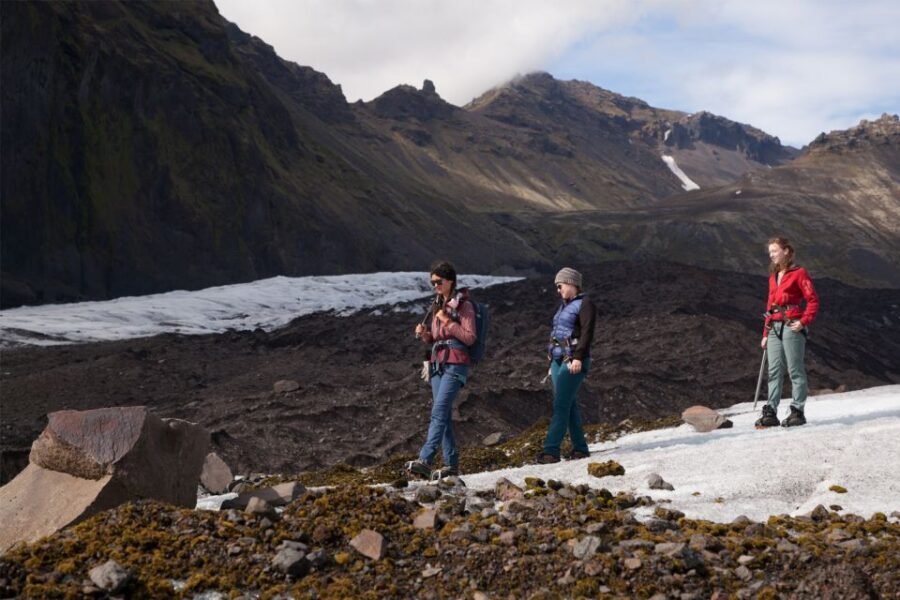
Once you reach the glacier base, the guide gives a quick briefing on crampons—how they attach and, more important, how you’ll move afterward. This is where a good guide earns their pay. Crampons aren’t magic. They’re traction. Your body still needs a safe rhythm.
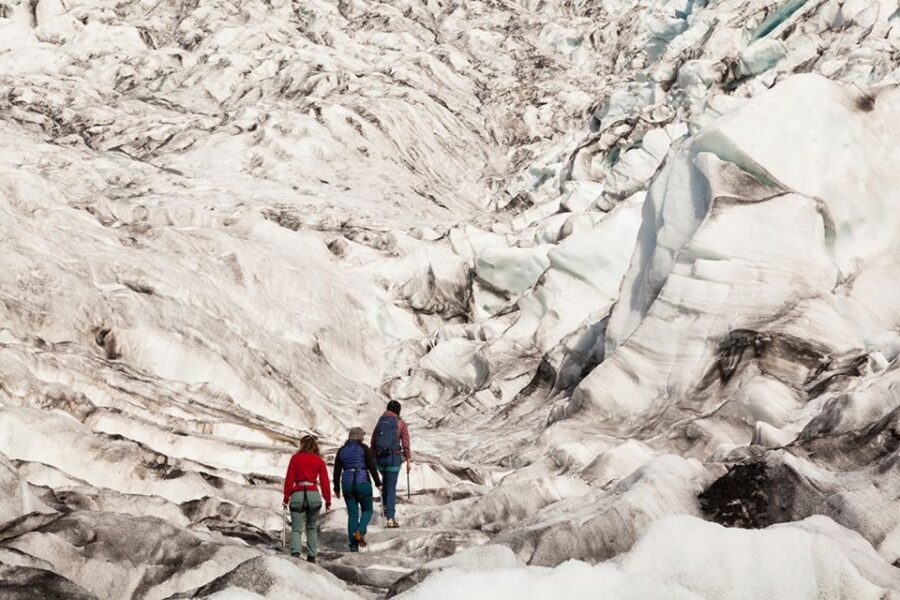
You’ll be shown how to wear them and then you follow the guide along the ice. The tour is not described as an extreme technical climb, but it does involve walking on glacier terrain with features like crevasses and uneven ice formations nearby. The guide’s job is to keep everyone together, point out what you’re looking at, and manage where you stand.
Safety isn’t just a talk at the start. Many participants praise guides for being safety-conscious while still keeping the mood upbeat. People also mention help with crampons before and after the walk, which matters if you’re fumbling with straps in cold air.
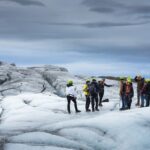
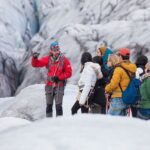
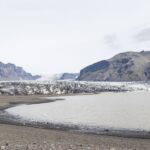
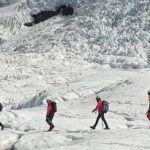
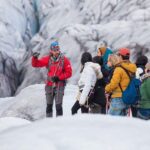
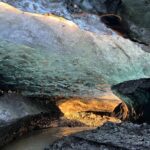
On-ice highlights: blue pools, moulins, crevasses, and photo stops
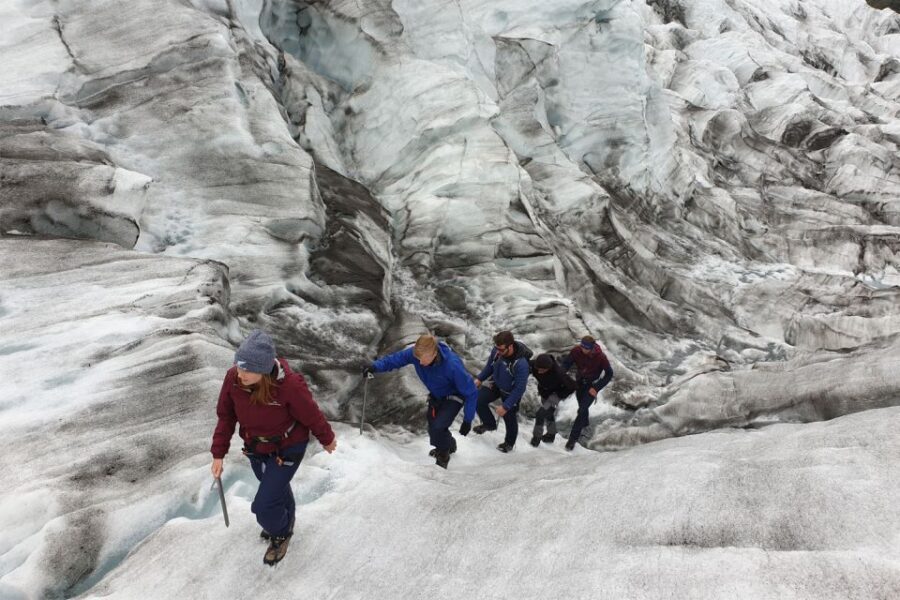
This is the heart of the tour. You’ll follow your guide through glacier features that are hard to understand from pictures alone.
Expect to see:
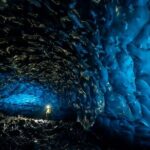
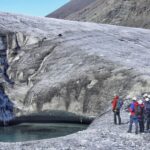
- Crystal-clear blue pools, where meltwater collects and changes the color of the ice
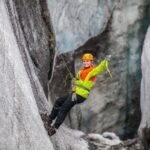
- Crevasses, which look like cracks until the guide explains how they form and why they matter
- Moulins, vertical openings where water travels down through the glacier (some guides specifically highlight this)
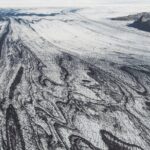
- Stunning ice formations, including spots that look smooth until you notice how fractured and layered the ice is
The guide also shares local anecdotes and context. People repeatedly praise guides like Àsta, Jose, and Ásta for making explanations easy to follow and enjoyable, not like a lecture you’re forced to sit through. You’ll get just enough science to feel like you understand what you’re seeing, while still having time to react like a human and just stare at the ice.
There’s also a built-in photo moment. Your guide takes pictures of you against the glacier backdrop. That’s a small detail, but it helps. Getting a sharp shot on a glacier is harder than you think, especially when you’re wearing crampons and trying not to slide.
How hard is it, really? Pace and who this suits
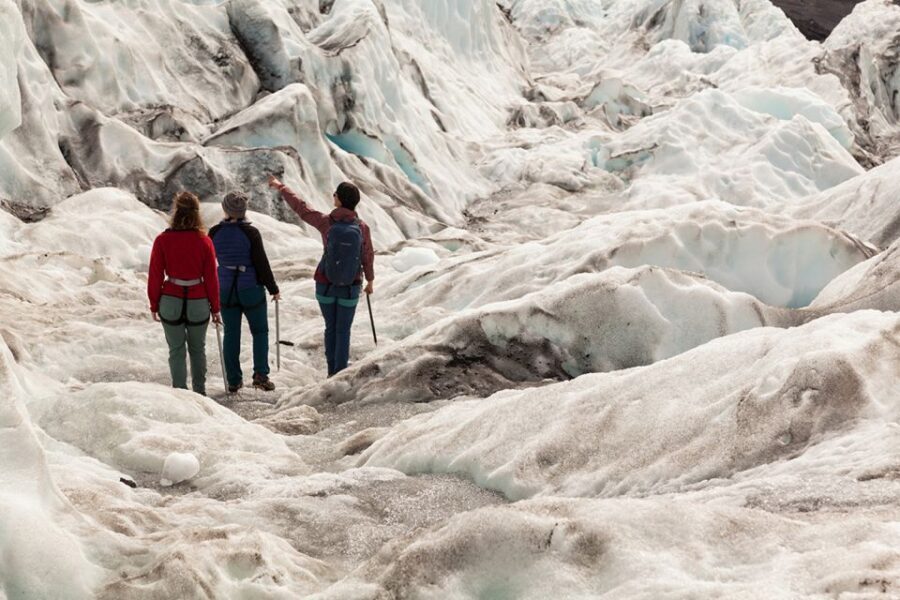
This tour is often chosen because it’s not described as physically intense. At the same time, it’s still glacier walking, on traction gear, on uneven ice. In plain terms: you should expect some effort and a little balance work.
From the information you’re given, it’s also not recommended for people with limited mobility. That’s common-sense for ice travel. Even if you’re steady on hiking trails, glacier terrain can be unpredictable underfoot.
Who’s a strong match:
- You’re generally comfortable walking for a couple of hours (with breaks)
- You want the adventure of glacier travel but not a technical climbing course
- You value instruction and want help learning crampons
Who might prefer a different option:
- Anyone who needs walking assistance or has trouble with stairs/uneven ground
- Kids under 8 years (the tour specifies this age limit)
- Anyone without the right footwear plan, since crampons have a minimum shoe size and boots aren’t included
Price and value: what you’re paying for in this 3-hour experience
At $162 per person for about 3 hours, this hike isn’t the cheapest activity in Iceland. But the value is tied to what you get: time on a living glacier and expert handling of a hazardous environment.
Here’s what you’re really buying:
- Up to 120 minutes on ice, made possible by driving close with a 4×4
- Certified English-speaking glacier guides, which you want for both safety and the “wow, I get it now” factor
- All required glacier equipment (so you’re not stuck sourcing crampons in advance)
- A small group cap of 8, which is rare for popular glacier access points
If you’re comparing glacier options, think less about the headline number and more about how much of the day is actually spent on glacier. This tour is structured so most of your time goes toward what you came for: walking on Falljökull outlet ice.
Weather and cancellations: a reality check for glacier days
Glaciers are weather-driven. This tour may be canceled due to dangerous weather conditions, and you’ll be offered a full refund if that happens. That’s not a small footnote—ice can change fast, and safety comes first.
Your best move is to keep your schedule flexible and pick a day when you have some buffer. Glacier tours often depend on conditions like wind, visibility, and surface safety. If the day turns rough, you don’t want to be locked into a plan where you’d have to force a different activity.
Should you book this Skaftafell glacier hike?
If you want a classic Iceland glacier experience with maximum time on the ice, this is an easy yes. The small group cap, the up-front crampon briefing, and the 4×4 approach all point to a tour built for real glacier time—not just a transfer with a short walk.
Book it if:
- You’re a first-timer (or close) and want guidance that keeps the experience calm and safe
- You care about photos and prefer going earlier when possible
- You’d like an English-speaking guide who explains what you’re seeing while keeping the pace manageable
Skip it (or choose another format) if:
- You have limited mobility or need accommodations for uneven terrain
- You can’t meet the crampon shoe size requirement and don’t have a solid boot rental plan
- You’re looking for a full-on technical climb rather than a guided walking experience on accessible glacier features
FAQ
How long is the glacier hike, and how much time is on the glacier?
The total duration is 3 hours, and you spend up to 120 minutes exploring the glacier on foot.
What’s the maximum group size for the hike?
It’s an extra-small group with a maximum of 8 participants.
Is glacier equipment included?
Yes. The tour includes all required glacier equipment, and you also get a certified English-speaking glacier guide.
Do I need to bring hiking boots?
Hiking boots are not included, but you can rent them on location. The tour also states a minimum shoe size of 34 EUR to fit the crampons.
Where do I meet, and how do you get to the glacier?
You meet at Melrakki Adventures (look for staff working for MELRAKKI ADVENTURES). Then you drive by modified 4×4 for about 15 minutes to the base of the Falljökull outlet.
Is this tour suitable for kids or people with mobility issues?
No. It is not suitable for children under 8, and it’s not recommended for people with limited mobility.
What happens if the tour is canceled due to weather?
If the tour is canceled because of dangerous weather conditions, you’ll be offered a full refund.