REVIEW · SKAFTAFELL
Jökulsárlón: Visit a Natural Blue Ice Cave
Book on Viator →Operated by icewalkers.tours · Bookable on Viator
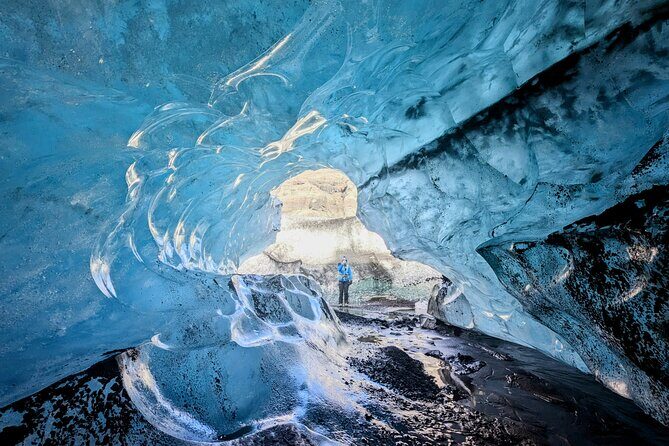
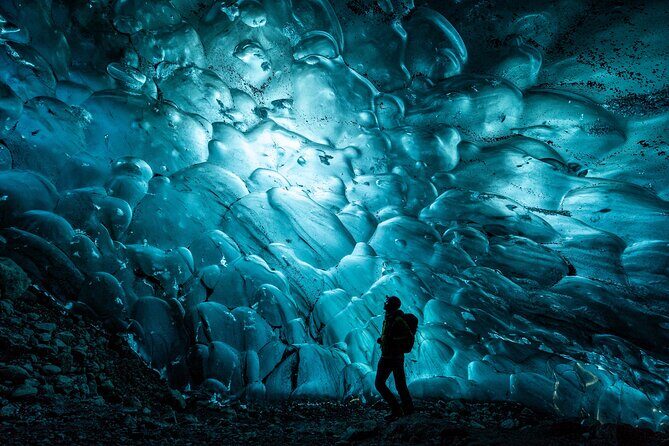
Blue ice looks unreal, even in Iceland. This winter-only tour takes you into a Blue Ice Cave under Vatnajökull, Europe’s largest glacier, where the walls glow in icy shades that feel like another planet. You also get a practical 4×4 ride plan that connects the cave experience with Jökulsárlón Glacier Lagoon.
I especially like two things: first, the tour is built around the best cave option available at the time, which means your visit aims for maximum wow (Sparkle Ice Cave / sometimes Crystal Ice Cave—same thing as of November 2024). Second, the guide experience matters: you’re led with all necessary ice caving gear and a fully certified glacier guide who shares plenty of context, including how the ice forms and what you’re looking at. The main consideration is that conditions can change fast in winter—if entering a specific cave becomes too risky, you may switch to an alternative option that can involve more glacier hiking.
In This Review
- Key Points I’d Plan Around
- Blue Ice Cave Reality Check: Sparkle vs Crystal, and Why Winter Matters
- What this means for your expectations
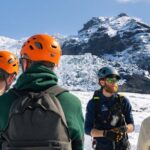
- Gear and Glacier Guidance: What Included Means for You
- The guide’s role is more than safety
- The Ice Cave Stop: Timing, Walking, and the “Maybe We Switch” Factor
- A drawback you can plan around
- Jökulsárlón Glacier Lagoon Transfers: Two Drives, One Big Purpose
- What you should expect at this stage
- How the Whole 3 Hours Actually Works
- My practical advice for timing
- Price and Value: Is $169 Reasonable for Ice Caves?
- What to Wear for a Winter Blue Ice Cave
- Who This Tour Suits (and Who Might Hesitate)
- Should You Book This Blue Ice Cave Tour?
- FAQ
- Where does the tour start?
- What time does the experience begin?
- How long is the tour?
- What is included in the price?
- What should I wear?
- What if the chosen ice cave is too hazardous to enter?
- Is lunch included?
Key Points I’d Plan Around
- Best-available cave selection can shift in winter. The name you might hear (Sparkle Ice Cave or Crystal Ice Cave) can stay the same, but the exact choice can change with conditions.
- You get full ice-caving gear. That takes a big unknown out of your packing.
- Small groups max at 12 people. More time for questions, less chaos in tight spaces.
- Round-trip 4×4 transport is included. You’re not doing this as a DIY mission on bad roads.
- Language support can be a plus. One review highlighted a guide who communicated in English and also Polish for part of the group.
- Weather can change the plan. If entry is unsafe or conditions are poor, you’ll be offered a different date or refund.
Blue Ice Cave Reality Check: Sparkle vs Crystal, and Why Winter Matters
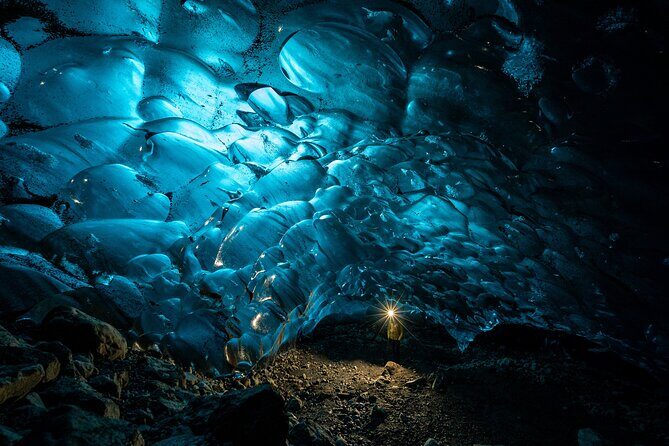
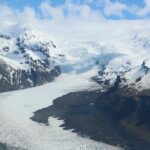
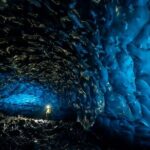
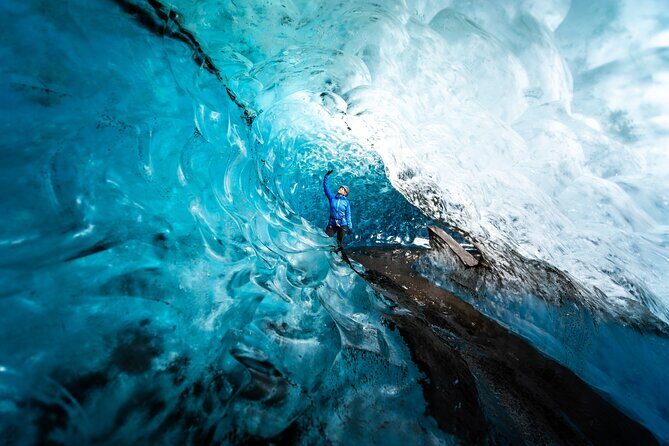
The big draw here is simple: you’re going into a glacier cave where the ice looks like polished glass and the color runs from pale to deep blue. That only happens in winter, when conditions allow the cave experience to be created and accessed. It’s not just pretty. It’s a reminder that Iceland’s glaciers are alive—moving, reshaping, and changing their accessibility month to month.
At the time of November 2024, the tour notes that the most beautiful option is called Sparkle Ice Cave, and you may also hear the older name Crystal Ice Cave. The key point for you is that these names are tied to the same cave concept in current practice, but your guide will still adapt if safety conditions shift. In other words: you’re not locked into one exact entrance every day.
You can also read our reviews of more tours and experiences in Skaftafell.

What this means for your expectations
Go in ready to be flexible. Your plan is to see blue ice up close. The method for how you reach the best available cave can change. That’s not a bait-and-switch. It’s how glacier travel stays responsible.
Gear and Glacier Guidance: What Included Means for You
This tour includes the things that usually make glacier trips feel intimidating: all necessary ice caving gear and a fully certified glacier guide. That combination matters. Cold and slick surfaces don’t forgive guesswork, and this setup is designed to reduce that risk.
It also shapes the way you move inside the cave. When you’re properly equipped and guided, you spend more time looking at the ice and less time worrying about footing. You’re still on uneven, winter surfaces, but the tour is clearly built to be walked-with-support rather than explored solo.
The guide’s role is more than safety
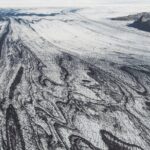
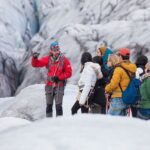
You’ll also get geological facts as you go. The ice isn’t random. It’s shaped by glacier processes, melt patterns, and winter conditions. The guide uses that context to point out what you’re seeing—so the blue doesn’t just look cool. It has reasons behind it.
One review stood out for communication: the guide shared in English fluently, and also used Polish for the rest of the group. That’s a reminder to you that group tours can be more enjoyable when the guide can actually explain the story, not just recite it.
The Ice Cave Stop: Timing, Walking, and the “Maybe We Switch” Factor
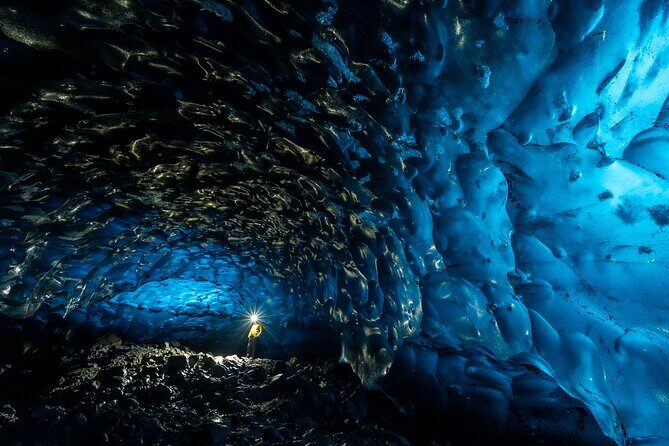
The ice cave portion is scheduled as the main event—about one hour at the cave with admission included. Practically, that means you should treat it like a compact highlight rather than a long guided hike.
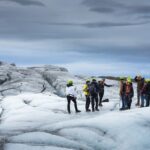
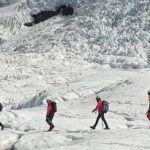
And yes, you should take the tour’s cave-switch warning seriously. The organizers say that they always try to visit the best ice cave available at the time, but winter hazards can force a change. When that happens, your guide may offer an alternative option that could require some hiking on the glacier. So your plan should include the possibility that you’ll do more walking than you imagined.
A drawback you can plan around
If you’re hoping for the most effortless version of “stand, snap photos, and leave,” this might not be that day if conditions require the alternate route. The best approach is to show up prepared for winter hiking in general—then you’ll be happy if you get the easiest option instead of disappointed if you don’t.
Jökulsárlón Glacier Lagoon Transfers: Two Drives, One Big Purpose
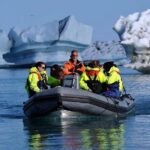
After the cave, the tour connects you to the Jökulsárlón area. Here’s how the timing works on paper: you meet at a carpark listed as the alternative carpark to Jökulsárlón (781, Iceland), and your guide waits there 15 minutes before the start time. You then head for a 45-minute ride toward the glacier, and later you return with another roughly 45-minute drive.
It might sound like “just driving,” but those transfers serve a real purpose. In Iceland, the distance between viewpoints and safe access points often isn’t a straight line you can casually walk. The 4×4 transport is included specifically because the route and surface conditions in winter can require it.
What you should expect at this stage
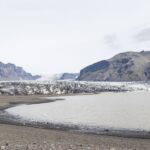
The schedule presents the lagoon portion as a structured add-on rather than a standalone sightseeing day. That’s helpful if you have limited time in Skaftafell/Vatnajökull area. You’re getting the ice cave experience plus the chance to connect it with the glacier lagoon setting—without having to coordinate separate transport.
How the Whole 3 Hours Actually Works
You’re looking at about 3 hours total, starting at 11:00 am. That’s the kind of time window that works well if you want a big “Iceland moment” without burning a full day.
The rhythm is also clear:
- You start at the carpark meet-up point and allow time for your guide to organize the group.
- You spend the majority of your on-foot time in the cave area (about an hour).
- You then do the lagoon-connected transfer segments (each around 45 minutes).
My practical advice for timing
Because the day is tight, the best way to enjoy it is to show up dressed and ready. Winter gear takes time to put on. If you arrive early and don’t rush, you’ll start moving with less stress.
Price and Value: Is $169 Reasonable for Ice Caves?
At $169, you’re not paying just for a view. You’re paying for a bundle: ice caving gear, transportation by 4×4, and a fully certified glacier guide. In glacier country, those three parts usually cost real money even when you try to piece things together yourself.
Here’s how I’d judge value:
- Included gear removes a big uncertainty. You don’t have to worry about renting the right equipment for an ice environment.
- Certified guidance isn’t optional overhead. It’s the core reason glacier experiences are safer and more informative.
- Transport matters in winter. This tour isn’t pretending the roads are easy or that you can reach the glacier area on your own schedule.
Lunch is not included, so you’ll want to plan food either before or after. That’s the one clear extra cost to keep in mind. But overall, for a short, high-impact experience with gear and certified guidance, the price feels aligned with what you’re getting.
What to Wear for a Winter Blue Ice Cave
The tour recommends warm and waterproof clothing plus warm winter hiking shoes. That’s the baseline, and it’s honestly the best advice you can get without overcomplicating it.
Also remember: you’ll be in a winter environment where surfaces can be slippery and conditions cold. Your comfort affects your photos and your attention span. If you’re cold, you’ll spend less time enjoying the ice color and more time counting minutes.
Good footwear also helps. Even though the tour includes gear, your shoes still matter because you’ll be moving over glacier terrain and in cave surroundings.
Who This Tour Suits (and Who Might Hesitate)
This seems aimed at a wide range of people: the tour notes that most travelers can participate. That’s promising if you’re not a hard-core outdoors person but still want a glacier moment that feels real.
This tour is especially a good fit if:
- You want a short experience (about 3 hours) with a major payoff.
- You care about seeing blue ice with a guide who explains what you’re looking at.
- You prefer a small group setting with a max of 12 travelers.
- You want bundled logistics (gear + 4×4 + guidance).
You might hesitate if:
- You hate the idea of winter conditions changing the exact cave entry plan.
- You’re not comfortable with possible extra glacier hiking if the cave access becomes too hazardous.
Should You Book This Blue Ice Cave Tour?
If you’re traveling for one standout glacier experience, I’d say this is a strong choice. The reasons are practical: you get the gear, you get the certified guidance, and you get built-in transport so you’re not fighting winter logistics. The small group size also makes it feel more personal than a cattle-car photo line.
Just be honest with yourself about conditions. This is winter. Plans can shift. If the best cave isn’t safe that day, you’ll get an alternative approach, potentially with more glacier hiking. As long as you show up ready for winter hiking and you’re flexible about the exact cave name and entrance, you’ll likely walk away feeling like you did something rare.
FAQ
Where does the tour start?
You meet at the alternative carpark to Jökulsárlón 781, Iceland. Your guide waits there 15 minutes before the start time.
What time does the experience begin?
The start time listed is 11:00 am.
How long is the tour?
The duration is approximately 3 hours.
What is included in the price?
The tour includes all necessary ice caving gear, transportation to and from the glacier in a 4×4 vehicle, and a fully certified glacier guide.
What should I wear?
The tour recommends warm and waterproof clothing and warm winter hiking shoes.
What if the chosen ice cave is too hazardous to enter?
The tour explains that if conditions make the current cave entry too dangerous, they will offer an alternative option, which might require some hiking on the glacier. You’ll receive up-to-date information if conditions change.
Is lunch included?
No, lunch is not included.