REVIEW · SKAFTAFELL
Jökulsárlón: Vatnajökull Glacier Guided Hiking Tour
Book on GetYourGuide →Operated by Ice Explorers · Bookable on GetYourGuide
One step on Vatnajökull changes your pace. This guided glacier hike takes you from Jökulsárlón glacier lagoon onto Breiðamerkurjökull for an up-close walk across Iceland’s giant ice world, with crevasses and eye-catching formations that look unreal until you’re actually standing on them. I love how the guide helps you read the glacier as a living system, not just a photo backdrop, and you get to feel that texture under your boots on Vatnajökull.
What seals it for me is the safety-first setup: you’re fitted with crampons, a helmet, and a harness before you move, and the pace stays human even when conditions are wild. The main drawback is also the honest one: you must comfortably walk about 4–6 km on uneven glacier terrain in changing weather. If long time on your feet in wind or rain sounds like a bad trade, this won’t be your kind of day.
In This Review
- Key highlights worth planning for
- From Jökulsárlón to the glacier: what the first hour really feels like
- Super jeep ride plus glacier lagoon: the value of doing both
- On-ice gear-up: crampons, helmet, and harness in plain language
- Breiðamerkurjökull hiking: what you’re actually doing for two hours
- Why the glacier features look different (and how to enjoy what you see)
- Weather and your body: the medium difficulty test
- Who should book this Vatnajökull hike, and who should skip it
- Price and value: does $150 buy you something real?
- Should you book the Jökulsárlón Vatnajökull guided hiking tour?
- FAQ
- What is the duration of the Jökulsárlón Vatnajökull guided hiking tour?
- How long do you spend hiking on the glacier?
- Where do you meet, and how do you get to the glacier?
- What equipment is included?
- Is the tour in English?
- What should I wear and bring?
- Is there an age requirement?
Key highlights worth planning for
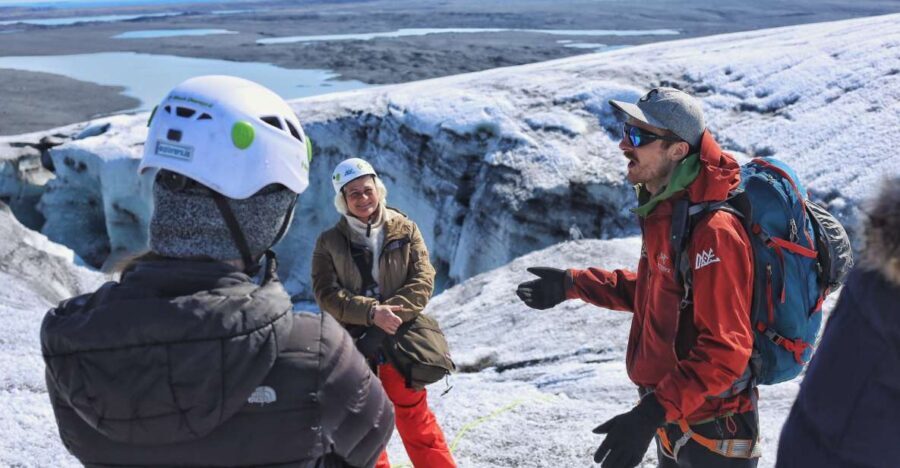
- Crampons + helmet + harness make your first glacier walk feel structured and secure
- About 2 hours on the ice (4–6 km total hiking) turns Jökulsárlón into more than a viewpoint day
- Breiðamerkurjökull is an accessible outlet glacier of Vatnajökull, so you get scale without extreme hardship
- Your route adapts to the day, with time sometimes focused on crevasses or small moulins
- Blue ice and unusual ice features can be possible depending on conditions
- Super jeeps are part of the fun, turning the transfer into a bumpy little adventure
From Jökulsárlón to the glacier: what the first hour really feels like
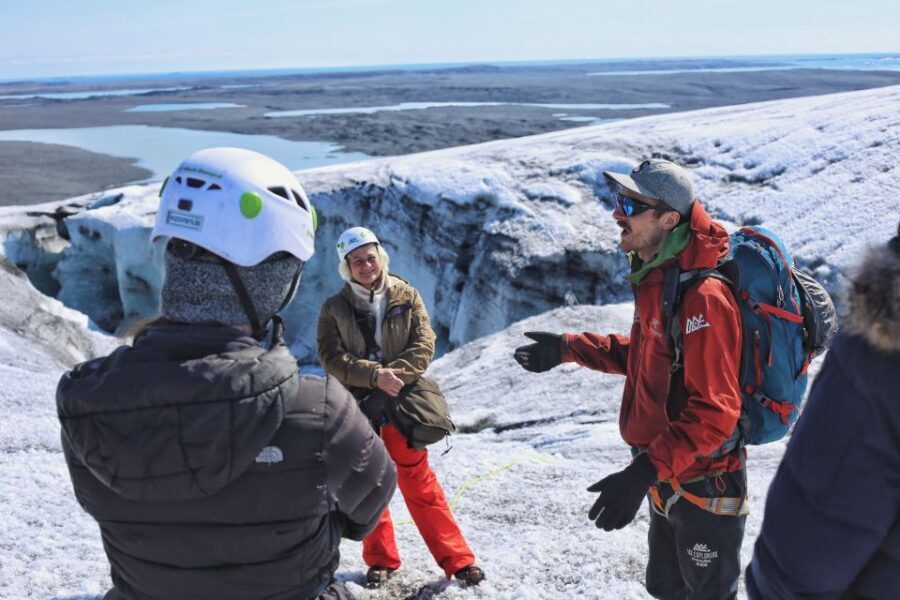
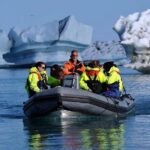
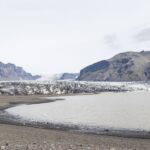
This tour is built around a simple idea: don’t just look at the ice—walk on it. You’ll meet at Jökulsárlón Main Parking, where the super jeeps are parked next to the cafeteria and restrooms. Arrive a little early if you can. Even before you strap on gear, the glacier lagoon is a show: icebergs drift in the water, and you’ll hear the same fact repeated for a reason—some of those chunks are around a thousand years old.
Then the day starts moving. After pickup at the parking area, you’ll spend about 30 minutes gearing up. That’s not wasted time. It’s the “get your footing in your head” period, where you learn how to wear the crampons properly and how your harness fits before you ever step onto the snow crust.
Next comes the 40-minute drive in the super jeep. Expect a rugged ride. Several guides have a talent for keeping the mood light while getting everyone to the glacier safely, and the vehicle experience is part of why this feels like an expedition instead of a bus-and-boardwalk day.
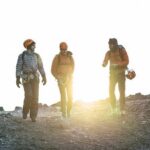
A short walk of about 15 minutes brings you from where the jeep can park to the hiking starting area. You’ll feel the temperature shift fast. Even if Jökulsárlón looks bright and calm, you can still get hit with wind on the glacier. That’s why this is not a day for lightweight optimism.
You can also read our reviews of more guided tours in Skaftafell
Super jeep ride plus glacier lagoon: the value of doing both
One of the smartest things about this tour is pairing two kinds of ice experience. The lagoon gives you wide views—ice floating, reflections, and the surreal scale of the ice breaking off. The glacier walk gives you close-up structure: textures, cracks, and the way ice changes color and depth as you move.
I like that the tour doesn’t pretend your day is only “the hike.” The lagoon is your warm-up act. If you’re the type who loves photos, you’ll get them. But more importantly, you’ll get a sense of direction and scale. When you’re then standing on Breiðamerkurjökull, you’ll understand what you were seeing earlier.
And yes, the super jeeps are fun. People often underestimate how much that changes the day’s energy. A bumpy, powerful transfer gets you in the right mindset: you’re going somewhere remote, you’re moving with a plan, and you’re going to earn the ice time.
On-ice gear-up: crampons, helmet, and harness in plain language
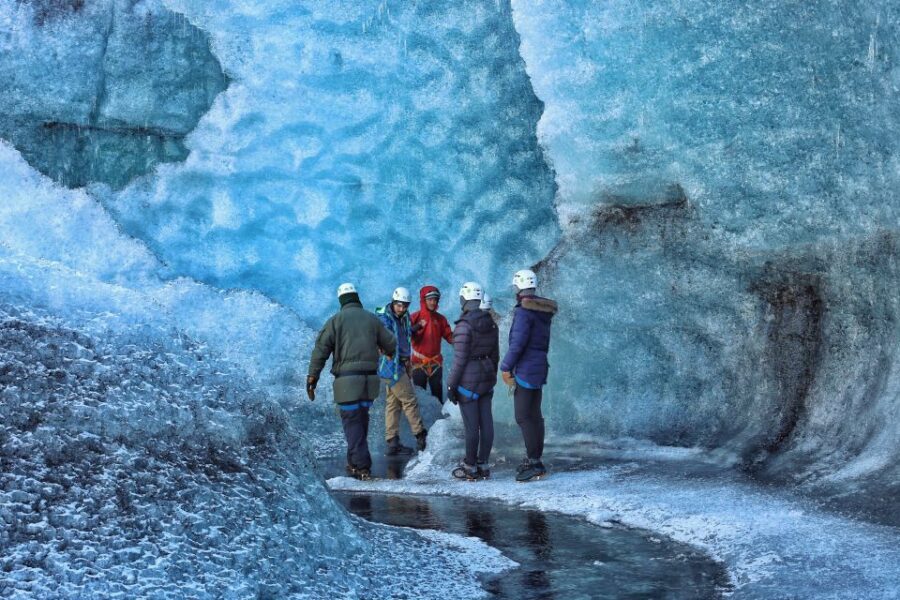
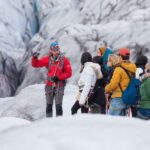
Your confidence on a glacier depends on two things: the gear and the training for using it. This tour handles both. Everyone gets crampons, a helmet, and a safety harness. Before you go, the guide explains how the equipment works and checks that you’re ready.
Here’s what I find helpful about this approach: they don’t just hand you metal and hope for the best. The guide time on safety procedures gives you a clear mental checklist. You know what to do with your feet, how to move, and what kind of spacing you should keep when you’re on steep or uneven sections.
You’ll also notice how the guide talks to the group. Guides on past hikes like Suzie, Javier, Guillermo, Iga, Avi, and Thomas are mentioned for a mix of clear safety guidance and a little personality—humor helps when the wind is doing its own comedy routine. The key point: the tone stays practical. You’ll be reminded of what matters so you can focus on the ice instead of worrying about your footing every second.
If you’ve never hiked on glacier terrain before, this is where the tour earns its reputation. There’s a big difference between knowing you’re safe and feeling safe. The gear-up process is designed to get you from one to the other.
Breiðamerkurjökull hiking: what you’re actually doing for two hours
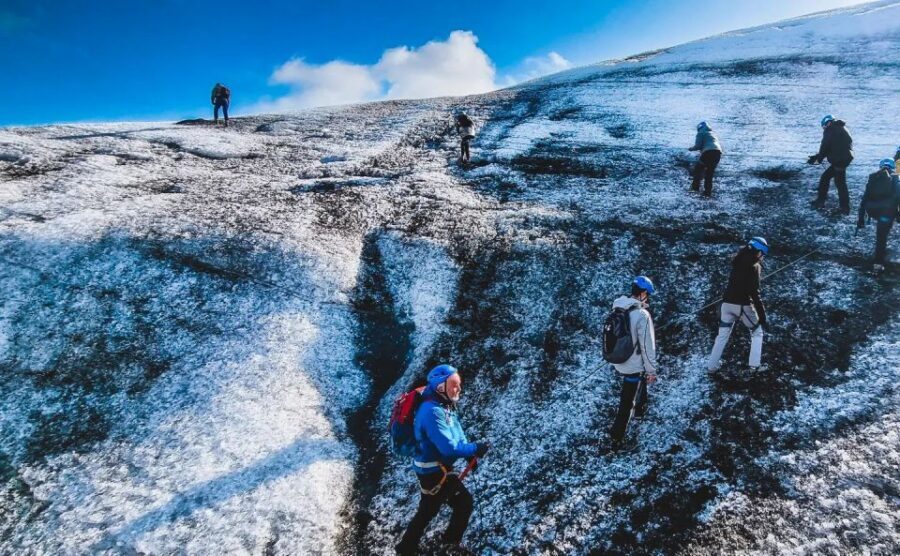
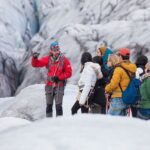
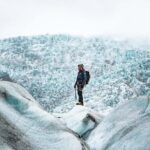
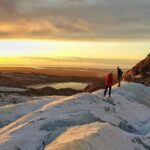
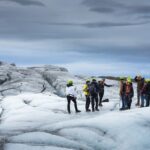
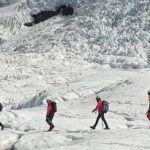
The core of the experience is about 2 hours on the glacier, with a total hiking distance usually around 4–6 km. This is why the tour is rated medium difficulty. It’s not an endurance race. But it’s real walking on a real surface that can be slippery, uneven, and constantly shaped by weather.
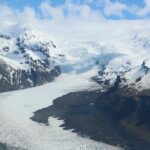
What makes Breiðamerkurjökull interesting is that it’s an outlet glacier of Vatnajökull—close enough to feel accessible, yet big enough that you get that “this is not a hillside, it’s a world” feeling.
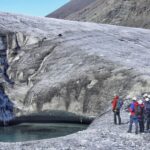
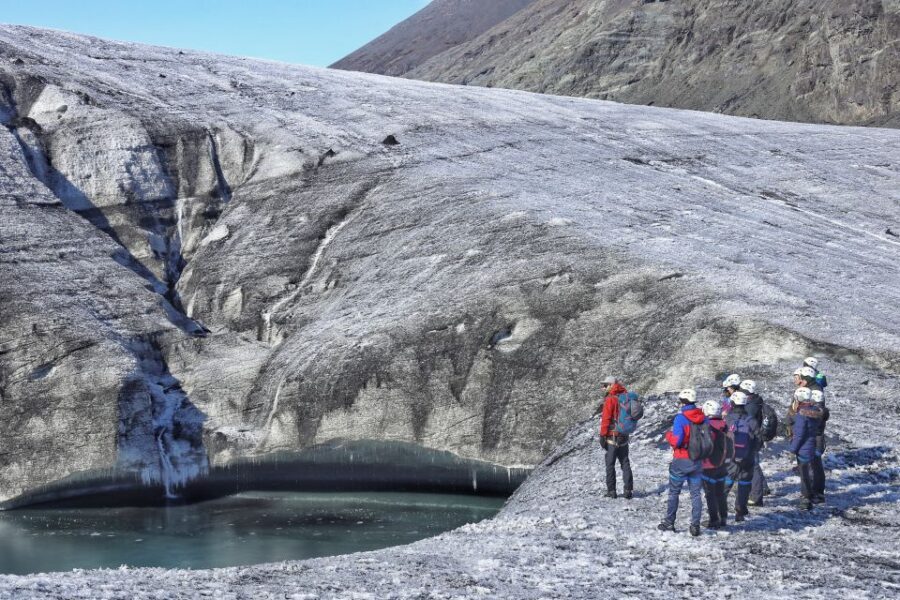
During your walk, you’ll usually move across different kinds of glacier terrain. You might see:
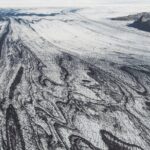
- areas with more ashy or darker ice (common when surface material changes)
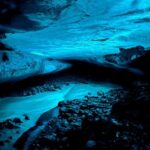
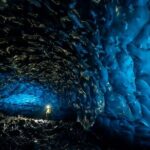
- spots where the ice color turns blue if the conditions line up
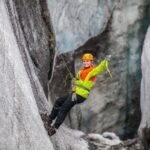
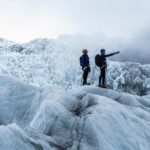
- natural features like crevasses—cracks and openings that show how the glacier flexes
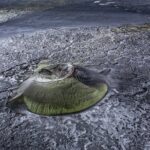
- sometimes small spaces linked to melting patterns, like moulins, where water routes through the ice
The route is not rigid. The guide adjusts based on:
- day conditions (wind, visibility, ice surface stability)
- group energy and ability
- what’s safest and best to see at that moment
That adaptability matters. Glacier walks are about reading conditions. A guide who can shift your plan calmly is worth their weight in ice gear.
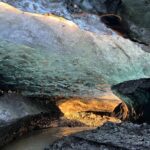
Also: the tour can include extra explorations into ice features when conditions allow. Some experiences have included a recently discovered ice cave or corridor, and others have included going into a small ice feature like a moulin or crevasse area. You should think of these as conditional bonuses, not guaranteed stops.
Why the glacier features look different (and how to enjoy what you see)
Glacier photography teaches a bad habit: we expect the bright, perfect ice colors and the clean blue caves from posters. Reality is messier—in a good way. On some days, ice can look more like dirty-white rock ice. On other days, the glacier reveals sharper blues and clearer formations.
You’ll enjoy the tour more if you go in expecting variety, not just a single Instagram look. A dark ice surface still tells you something: it shows how the glacier surface collects debris and how melt and weather reshape what’s visible from above. And when the guide spots the brighter ice patches or promising features, it feels earned.
One of the most practical gifts your guide provides is context. They explain how glaciers form and how they keep changing. That makes the cracks and color shifts feel less random. You start seeing the glacier as a conveyor belt of slow movement and melting, constantly rerouted by water and temperature.
And if you’re lucky with conditions, you may catch that magical moment when the ice looks almost lit from within—especially near features where the ice structure is exposed.
You can also read our reviews of more hiking tours in Skaftafell
Weather and your body: the medium difficulty test
The tour runs in any weather—rain, wind, cold. That’s not marketing language; it’s the reality of being on ice in Iceland. The good news: you don’t need to be an athlete. The requirement is ability: you must be in good general health and comfortable walking about 4–6 km on mixed terrain.
What matters most is how you dress and how you handle discomfort. Even in summer, winds can cut fast on a glacier. If you’re thinking, I can do this in jeans and a hoodie, adjust that plan right now. You’ll want warm layers that breathe, plus a rain-resistant outer layer.
Boots are not optional. The tour requires hiking boots that cover your ankles and give good support. Open-toed shoes, sandals, and flip-flops are not allowed. If you don’t have proper gear, the tour offers boot and rain jacket rentals at the meeting point. They may deny participation if you’re not dressed for safety, so treat the gear check seriously.
Also consider that the group may move at a steady glacier-walk rhythm. Most people do fine once they’re on the ice and using their crampons correctly. Still, plan for time on your feet, cold fingers, and occasional stop-and-go instruction.
Who should book this Vatnajökull hike, and who should skip it
This is ideal if you want a guided “first time on a glacier” experience and you like learning while you move. It’s also great for people who want more than a lagoon viewpoint but don’t want a super technical, hardcore glacier expedition.
You may especially enjoy it if you like:
- hands-on outdoor experiences
- science-meets-nature explanations
- a guided plan that adapts to conditions
But it’s not for everyone. It’s not suitable for:
- children under 10
- pregnant women
- people with heart problems
- wheelchair users
- visually impaired people
- people with recent surgeries
- people with low level of fitness
There’s also a practical age/footwear detail: crampons are designed for EU shoe sizes 35–48 (about 22.5–31 cm). Kids need to fall in that range to participate.
If you’re the type who hates getting cold outdoors or you truly can’t handle 4–6 km of walking even with breaks, pick a different Iceland ice activity.
Price and value: does $150 buy you something real?
At $150 per person for about 4.5 hours, this tour sits in the “not cheap, but not random” category. The value comes from what’s included and what you gain.
You get:
- a guided walk on a glacier surface you can’t replicate safely on your own
- full safety equipment: crampons, helmet, harness
- transportation by super jeep from the glacier lagoon area to the hiking zone
- a guide who teaches you how glaciers change and what you’re seeing on the ice
That last part matters more than people think. A glacier is easy to photograph and hard to interpret. With a good guide—people have specifically praised guides like Javier and Suzie for clear safety instruction, and Iga and Avi for strong glacier-focused explanations—you’re not just walking. You’re learning to understand the landscape you’re standing on.
So the question isn’t just whether the price is fair. It’s whether you want the kind of experience where your feet are on the ice. If the answer is yes, the cost starts to make sense quickly.
Should you book the Jökulsárlón Vatnajökull guided hiking tour?
Book it if you want:
- a first-time glacier experience with serious safety gear
- a guided route that adapts to conditions
- a day that combines Jökulsárlón views with genuine time walking on Breiðamerkurjökull
- the chance to see features like crevasses, moulins, and possibly blue ice
Skip it if:
- the idea of walking 4–6 km on uneven terrain in wind or rain makes you anxious
- you can’t reliably handle cold outdoor conditions
- you fall into one of the listed non-suitable health or access categories (heart problems, pregnancy, recent surgery, wheelchair use, and so on)
- you’re hoping for a super light, quick stroll
FAQ
What is the duration of the Jökulsárlón Vatnajökull guided hiking tour?
The tour lasts about 4.5 hours from start to finish.
How long do you spend hiking on the glacier?
You spend approximately 2 hours on the glacier, usually hiking about 4–6 km total.
Where do you meet, and how do you get to the glacier?
You meet at Jökulsárlón Main Parking, next to the cafeteria and restrooms. You then drive by super jeep for about 40 minutes to reach the glacier area.
What equipment is included?
The tour provides crampons, a helmet, and a safety harness.
Is the tour in English?
Yes, the tour guide provides the experience in English.
What should I wear and bring?
Wear warm, breathable layers and hiking boots that cover your ankles with good support. You’ll also want warm clothing appropriate for changing weather. Boot and rain jacket rentals are available at the meeting point if needed.
Is there an age requirement?
Yes. The minimum age is 10 years old, and crampons are designed to fit EU shoe sizes 35–48 (about 22.5–31 cm).