REVIEW · REYKJAVIK
Silfra Wetsuit Snorkeling – Meet on Location | Free Photos
Book on Viator →Operated by Adventure Vikings · Bookable on Viator
Silfra feels like swimming inside a clear ice lab. I love that this trip turns Iceland’s geology into something you can actually see up close, from a UNESCO rift valley to the famous Silfra crack of cold meltwater.
I love the over-100-meter visibility and the sense of scale it gives you underwater. I also love that you get underwater photos taken by your guide as you go, typically 40–100 shots, without paying extra.
My only real caution is the cold and the suit fit. Even with wetsuits or drysuits, you’ll feel chill in your hands and face, and some people find the tight seals at the neck and wrists a bit uncomfortable.
In This Review
- Key Things I’d Focus On Before You Book
- Silfra Snorkeling in Thingvellir: The UNESCO Spot You Float Through
- Before You Go: Cold-Water Reality, Suits, and What People Get Wrong
- The Meeting Point and What Happens After Parking in P5
- Stop 1: Thingvellir National Park and the Rift-Valley Context
- Suit-Up Time: Gear Prep That Makes or Breaks Your Comfort
- Stop 2: Silfra Fissure Snorkeling, 30–40 Minutes of Clarity
- Guides and the Included Photo Service: Why This Feels Premium
- Wetsuit vs Drysuit: Choosing Warmth and Movement
- Price and Value: Is $140 Really Fair for Silfra?
- Who Should Book This Tour (and Who Should Think Twice)
- Should You Book Silfra Wetsuit Snorkeling with This Company?
- FAQ
- What’s the approximate tour duration for Silfra snorkeling?
- How long will I be in the water?
- What equipment is included?
- Do I need to know how to swim?
- Are photos included?
- What should I bring?
- What are the age and size requirements?
- What if the tour is affected by weather?
Key Things I’d Focus On Before You Book
- Group size tops out at six, so you’re not rushed or lost in the crowd
- Glacial meltwater drives the insane clarity, with visibility often reported over 100 meters
- You snorkel with an instructor/guide watching you closely, plus a safety briefing before entry
- Hot chocolate warms you back up after roughly 30–40 minutes in the water
- Included photo service: guides take shots throughout, with 40–100 images downloadable a few days later
- Real cold-water practicality: bring thick socks and eat breakfast so you start out strong
Silfra Snorkeling in Thingvellir: The UNESCO Spot You Float Through
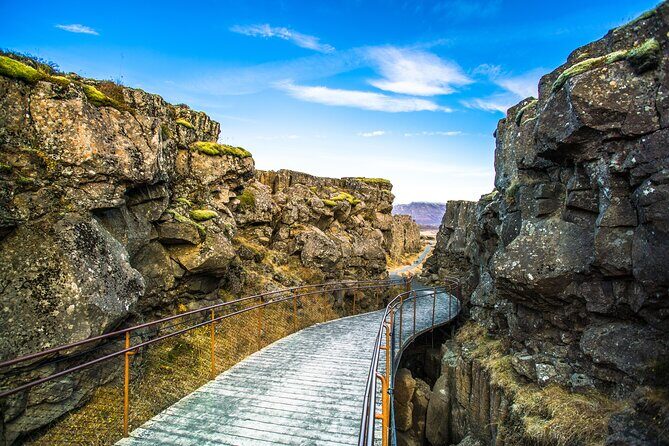
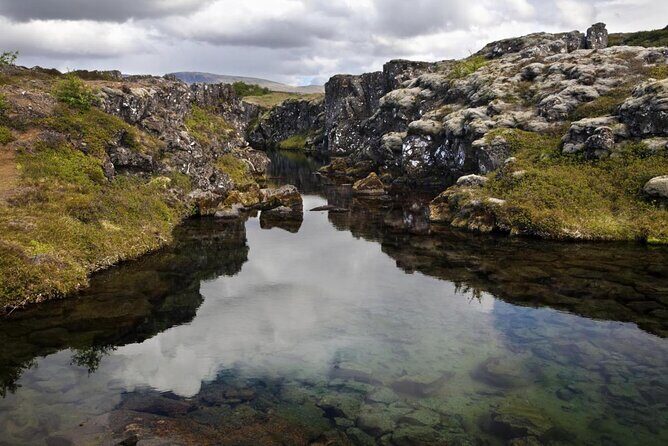
Thingvellir National Park is a UNESCO World Heritage Site for a reason: it’s where Earth’s tectonic plates are pulling apart. The whole setting feels like a living science class, but the best part is that Silfra makes that science personal.
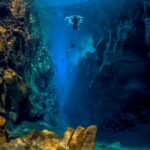
Here, you snorkel in glacial meltwater that feeds an underwater crack filled with visibility so high it can go past 100 meters. In plain terms, you can look down and feel like the water isn’t there at all.
The other big “why this is worth it” factor is structure. You don’t just show up and get cold; you suit up, get a briefing, then enter with a guide guiding your timing and safety.
You can also read our reviews of more snorkeling tours in Reykjavik
Before You Go: Cold-Water Reality, Suits, and What People Get Wrong
Silfra water is famously cold (around 2°C / 35°F), and this matters more than any marketing photo. Even if the water feels clear and magical, your body has to handle temperature shock.
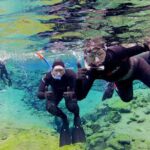
You’ll be in a wetsuit or drysuit depending on your option and what’s available for your fit. The wetsuit route means you wear a swimsuit underneath, while the drysuit route is designed to keep you warm in cold-water conditions—but it can feel tight at the neck and wrists because of the seals.
Bring thick socks. Your guides strongly recommend them, and reviews back that up with the recurring theme of cold toes. Also bring a swimsuit and towel, and plan for at least a little dampness when changing out afterward. One small practical tip that’s worth its weight in wool: pack a change of clothes since there’s a very small chance of a leak.
The Meeting Point and What Happens After Parking in P5
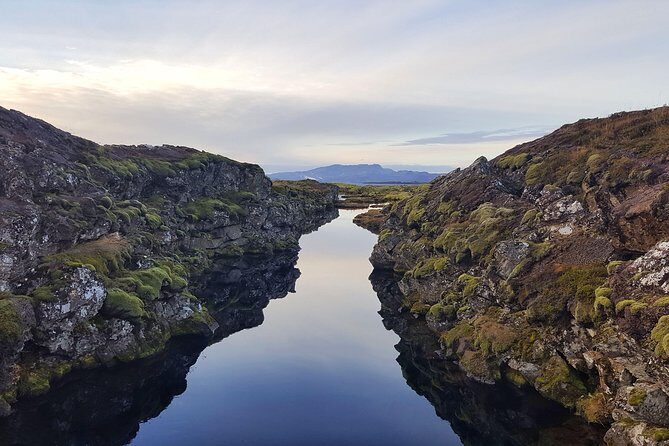
You’ll park your car in P5, then meet your guide where the snorkel vans are. Once you’re checked in, your guide runs you through how the day will flow and what to expect from the water entry and gear handling.
This is where the tour earns points for being organized. You’re not left guessing how tight is too tight, how to manage the suit, or what the safety process looks like.
Then comes the safety briefing right before you enter Silfra. You’ll hear what to do in the water, how the group stays together, and how to handle discomfort. It’s also a good moment to ask simple questions like how you’ll manage your breathing while suited up.
Stop 1: Thingvellir National Park and the Rift-Valley Context
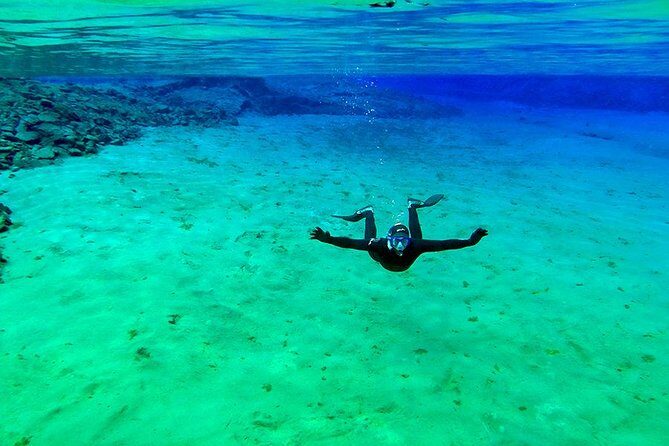
Thingvellir isn’t just a backdrop here. You stop in the national park area first, where the guides help you connect what you’re seeing on land to what you’ll see underwater.
This matters because Silfra looks unreal, and most people feel that “wait, is this real?” moment when they step in. Having the rift-valley context first makes the underwater portion click. You’re not only staring at clear water; you’re seeing a system where the North American and European plates are gradually drifting apart.
One thing to keep in mind: this first stop is mostly about orientation and understanding the area. Don’t plan on it being a long hiking detour. You’re gearing up for the water experience.
Suit-Up Time: Gear Prep That Makes or Breaks Your Comfort
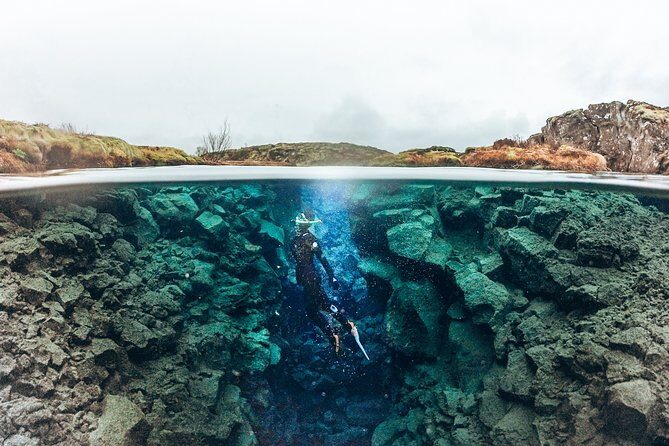
Silfra tours put a lot of emphasis on being comfortable enough to move and float correctly, since you’ll be snorkeling for about 30–40 minutes. You’ll get snorkeling equipment and wear the provided wetsuit or drysuit.
If you’re doing this for the first time, I’d take the suit-up seriously. A few reviews highlight that a big chunk of the “experience” can feel like learning to function in the gear—especially with the seal fit. That’s not a reason to avoid it. It’s a reason to arrive ready to spend time getting comfortable with the kit.
Gloves and buoyancy matter too. With drysuits, many people stay warm enough that they mainly feel the cold in hands and a small part of the face. Some people also mention needing to flip occasionally to manage buoyancy, especially if the suit fit isn’t perfect.
If you wear glasses, don’t plan to rely on them underwater. The tour notes that you should not wear glasses and instead bring contact lenses or your own prescription mask.
You can also read our reviews of more photography tours in Reykjavik



Stop 2: Silfra Fissure Snorkeling, 30–40 Minutes of Clarity
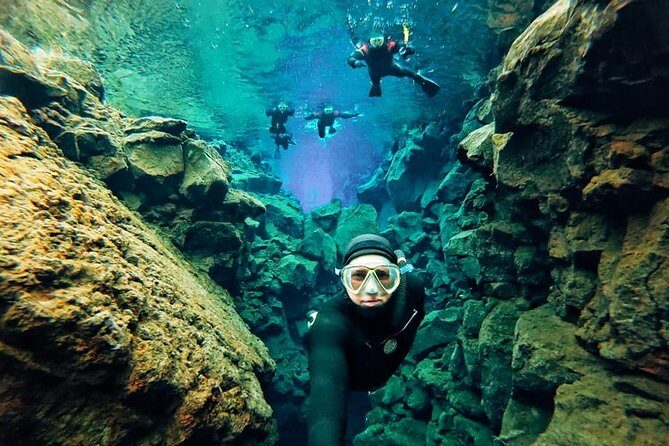
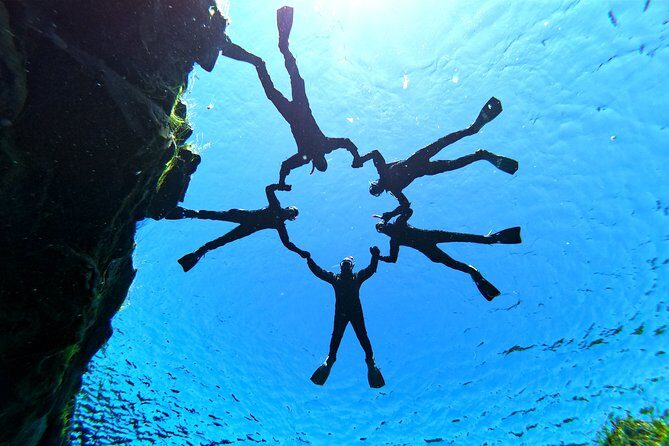
This is the moment you came for: snorkeling in the Silfra fissure, where glacier-fed water fills the crack and carries visibility that can top 100 meters. You’ll enter with your guide watching your progress, and you’ll spend roughly 30–40 minutes in the water.
What you’ll notice first is the scale. Even without going super deep, you can look down and see rocks and detail far below. One review mentions seeing down to about 42 meters, and that kind of view makes your brain recalibrate what clear water means.
Second, you’ll notice how the cold changes your focus. Most people describe the water as cold, but the best guides help you handle it step by step so you don’t panic or rush. Ines handled nervous participants with calm teaching, and Alex was praised for attentiveness and helping both teens and adults feel ready.
Finally, you’ll notice how quiet everything is once you’re settled. It can feel oddly humbling because you’re floating in a place shaped by plates and ice—yet it’s still a “snorkel” moment, not a technical workout.
After you finish your time in the fissure, you warm up with hot chocolate. It’s simple, but it hits right when you need it.
Guides and the Included Photo Service: Why This Feels Premium
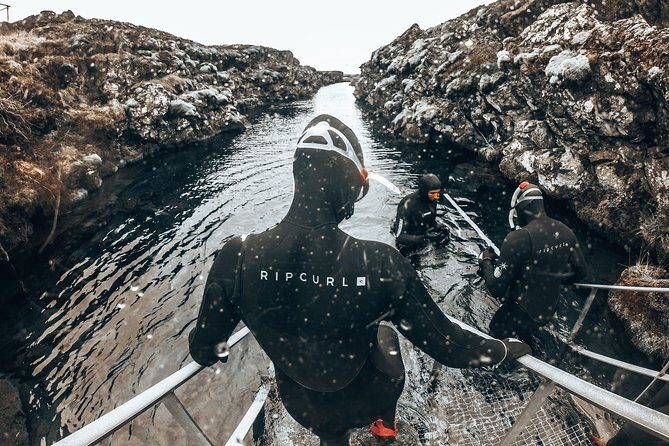
This tour caps at six participants, which is a huge deal for a water activity. Smaller groups mean the guide can keep closer watch, check on how you’re doing, and spend time helping you stay comfortable.
Guides are also part of the value. You’ll hear guide names like Kaja, Dory, Ines, Alex, Inigo, and Fernando in reviews, and the common thread is how they explain the area and equipment while also managing different comfort levels. Jane is mentioned for calming reassurance, which is exactly what you want if you’re nervous about cold water or gear.
Then there are the photos. Your guide takes photos throughout the tour, with typically 40–100 images included. You don’t pay extra commission for that. You get downloads a few days later, which is a great way to avoid the hassle of trying to shoot your own underwater photos in a suit you’re still learning to control.
Wetsuit vs Drysuit: Choosing Warmth and Movement
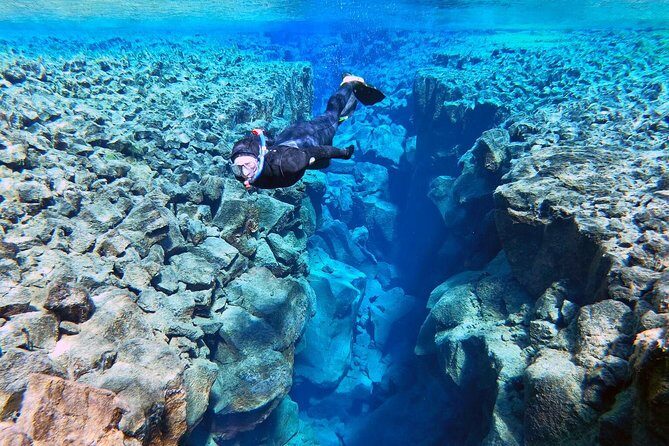
Your tour is branded as a wetsuit snorkeling option, but the operator provides wetsuits and drysuits. In practice, the choice affects how you feel in the water.
Many people report drysuits keep them warm enough that they mainly feel cold in hands and a small part of the face. Others find drysuits a bit tight around the neck and wrists and describe feeling strapped in. If you’re prone to claustrophobia, the drysuit fit is a consideration, since you’ll be sealed in for warmth.
Wetsuits are often seen as offering more freedom of movement. One tip from a review suggests wetsuits may allow more natural positioning in the water because drysuits can add more buoyancy. If your priority is feeling less constricted, wetsuit might fit that goal better.
My advice: pick the option you can comfortably wear for the full process, not just the warmest one. If your goal is maximum warmth, drysuit wins. If your goal is easier mobility and you tolerate cold well, wetsuit can feel more natural.
Price and Value: Is $140 Really Fair for Silfra?
At about $140 per person for roughly three hours, this isn’t a bargain—but it’s also not trying to be one. You’re paying for cold-water specialist guidance, provided gear, and the logistics of running a guided Silfra visit safely.
Look at what’s included: snorkeling equipment, wetsuit or drysuit, hot chocolate, and underwater photos taken by your guide. The photo service alone can save you from needing specialized equipment or dealing with shaky results.
Also, the small group size (six max) adds value. You feel it in the attention you get during suit-up, safety briefing, and water time. In a situation like Silfra, attention is safety and comfort, not just “nice to have.”
Who Should Book This Tour (and Who Should Think Twice)
Most travelers can participate, but the tour is specific about requirements. You must know how to swim and feel comfortable in water. Communication in English is required, and you’ll need to fill out a medical form before joining.
There are also age and size boundaries: minimum age is 12, and there are height and weight limits (150 cm to 200 cm / 4’9 to 6’7, and 50 kg to 120 kg / 99 lbs to 264 lbs). Participants over 65 need physician approval, and the tour notes you shouldn’t wear glasses.
If you’re a first-time snorkeler, this can still work because the guide support is a big part of the experience. If you’re someone who can handle cold water and you follow instructions calmly, you’ll likely have a great time.
If you’re sensitive to tight clothing or you expect to struggle with seals at the neck and wrists, think carefully about suit comfort. One negative experience notes that a drysuit fit decision can change whether you continue, which is a reminder that comfort and mobility matter.
Should You Book Silfra Wetsuit Snorkeling with This Company?
I think you should book if you want a guided Silfra experience built around small-group attention, provided gear, and photos you don’t have to earn with a waterproof camera. The included hot chocolate after 30–40 minutes in 2°C water is a nice reward, and the high visibility is the kind of “this is real” moment you remember long after Iceland photos blur together.
Book it if you’re willing to dress correctly and treat the cold as part of the plan. I’d also book if you like clear structure: parking at P5, meet your guide at the vans, safety briefing, then careful water time. That flow is what keeps this from feeling like a risky stunt.
Skip it only if cold water or suit fit sounds like it will stress you out. If you’re worried about claustrophobic feelings in sealed gear, you’ll want to consider that before committing.
FAQ
What’s the approximate tour duration for Silfra snorkeling?
The tour lasts about 3 hours in total.
How long will I be in the water?
You spend about 30–40 minutes snorkeling in Silfra.
What equipment is included?
You get snorkeling equipment and either a wetsuit or drysuit, depending on the option you choose and what’s provided for your fit.
Do I need to know how to swim?
Yes. All participants must know how to swim and be comfortable in the water.
Are photos included?
Yes. Your guide takes underwater photos, typically 40–100 photos, which you can download a few days later.
What should I bring?
Bring a swimsuit and towel. It’s also recommended to bring thick socks and a change of clothes. If you wear glasses, bring contact lenses or your own prescription mask.
What are the age and size requirements?
Minimum age is 12. There are height and weight limits (150 cm to 200 cm and 50 kg to 120 kg). You must also be able to communicate in English.
What if the tour is affected by weather?
This experience requires good weather. If it’s canceled due to poor weather, you’ll be offered a different date or a full refund.