REVIEW · REYKJAVIK
Silfra: Snorkeling Between Tectonic Plates – Meet on Location
Book on Viator →Operated by DIVE.IS - The Sport Diving School of Iceland · Bookable on Viator
Swim between continents without leaving Iceland. This Silfra snorkeling trip is one of the rare ways to experience the tectonic plates up close, right inside the rift.
I like that you are not doing it on your own either. You get gear help, a safety focus, and an underwater route that takes you through Silfra Hall, Silfra Cathedral, and Silfra Lagoon.
My other big win is how the tour team sets you up to feel steady in the water. With a PADI-instructor guide and a full briefing plus drysuit fitting, you spend less time guessing and more time looking at the rock fissures. Even the warm-up at the end is built in: hot cocoa and cookies.
The main drawback to plan for is the cold. Yes, the drysuit helps a lot, but it can still feel chilly at first, and the suit can feel tight or constricting for some people.
In This Review
- Key highlights worth anchoring on
- Why Silfra snorkeling feels so different from normal snorkeling
- Price and what the $154 really covers in practice
- Meeting point and the flow before you hit the water
- The gearing-up briefing: what makes it feel safe, not scary
- Silfra Hall, Cathedral, Lagoon: the route you’re actually snorkeling
- Thingvellir after the swim: connecting underwater geology to above-ground history
- Cold-water reality checks (and what to do about them)
- Guides and group size: the biggest quality lever
- Booking timing and weather: when to expect changes
- Who should book (and who should skip)
- What I’d do with this in my Iceland plan
- Should you book Silfra snorkeling between tectonic plates?
- FAQ
- How long is the Silfra snorkeling tour?
- Where do I meet for the tour?
- What’s included in the price?
- Do I need to be able to swim?
- What should I wear under the drysuit?
- Is there a minimum age or size requirement?
- Is it suitable for pregnant travelers?
Key highlights worth anchoring on
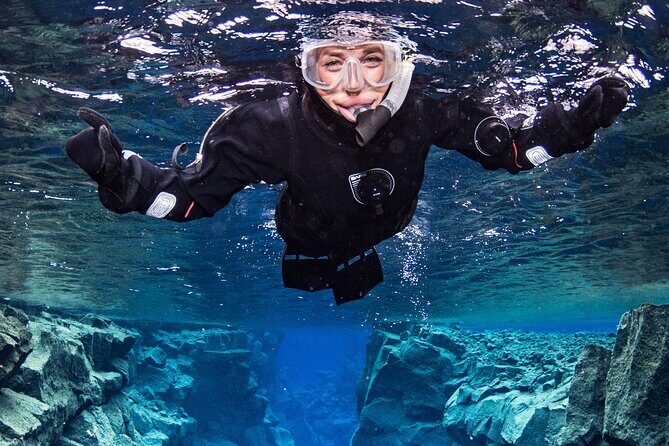
- Swim between tectonic plates in Silfra’s rift, not in a fish-filled reef
- Heated changing van plus drysuit and warm undersuit for glacial-meltwater conditions
- Small group size (max 6), which makes the gearing-up and safety pacing calmer
- A guided underwater route through Silfra Hall, Silfra Cathedral, and Silfra Lagoon
- Hot cocoa and cookies right after snorkeling so you can warm up and chat
- Entrance fee to Silfra included in the tour price
Why Silfra snorkeling feels so different from normal snorkeling
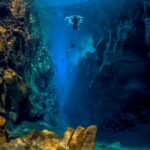
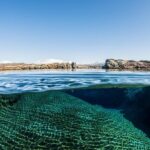
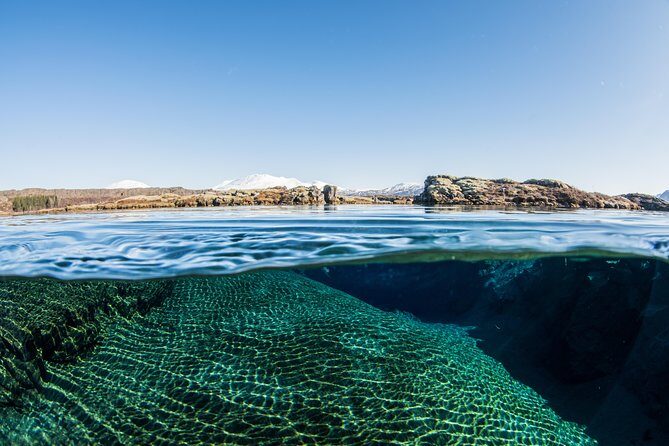
Most snorkeling stops are about fish, coral, and color. Silfra is about geology and clarity. You’re in glacial meltwater in a rift where the North American and Eurasian tectonic plates pull apart. The result is water that’s so clear you can study the walls like they’re a museum display.
What you’ll actually see is deep blue water, strange rock edges, and the fissures that create those famous shapes people talk about. You won’t come here expecting snorkeling “with fish.” Instead, you’ll come for the sensation of being in the middle of a boundary zone that still moves over time.
Also, your guide doesn’t treat this like a thrill-only activity. The best tours use the underwater view to teach. You get a briefing on Silfra and safety, plus the tectonic and Thingvellir context so the rocks make sense when you’re standing on them above water later.
You can also read our reviews of more snorkeling tours in Reykjavik
Price and what the $154 really covers in practice
At $154 per person, the first thing you should like is what’s rolled in. This isn’t just a ticket and a mask. You get:
- guided snorkeling
- drysuit and warm undersuit
- snorkeling equipment
- hot chocolate and cookies
- a heated changing van
- the Silfra entrance fee (ISK 1,500)
That matters because Iceland pricing can jump quickly once you start adding gear rentals and park fees. Here, the “hard parts” are handled for you. You also benefit from the fact that the staff sizes groups to a max of 6, so the coaching time tends to be more usable than in crowded setups.
One extra cost you should remember: souvenir photos from the tour are available for purchase. If you want clean underwater shots, budget for that possibility.
If you’re deciding between doing this and spending that money on another activity the same day, think about what you can’t replicate anywhere else. Silfra is hard to beat for sheer wow-per-mile.
Meeting point and the flow before you hit the water
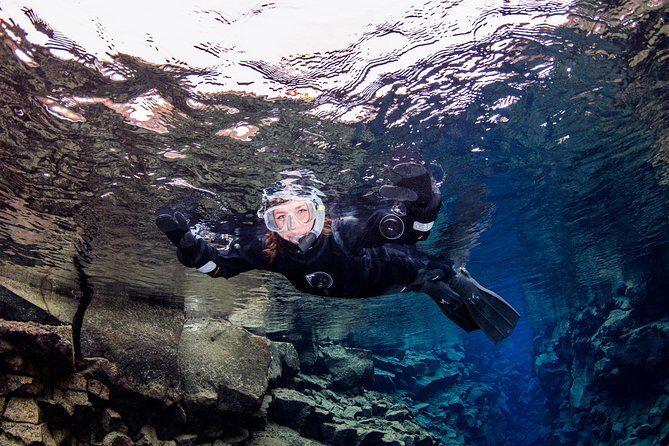
You’ll meet at the Silfra snorkeling and diving location at 806 Thingvellir. Aim to arrive about 15 minutes early. That early window is not wasted. It’s how the tour keeps things smooth when you’re getting gear on quickly and safely.
Once your group (up to 6 people) forms, the guide gives you your drysuit, warm undersuit, and snorkeling equipment. Then you get help fitting everything, plus tips on how to stay comfortable in cold water conditions.
If you’re worried about coordination, this is where small-group logistics pay off. Several guides are known for walking people through the gear step by step and staying calm if something doesn’t fit right. I like that the process is treated like a system, not a scramble.
You’ll also change in a heated changing van. That’s not glamorous, but it’s smart. Going from cold air into cold water is survivable when you’re warmed up first, even briefly.
The gearing-up briefing: what makes it feel safe, not scary
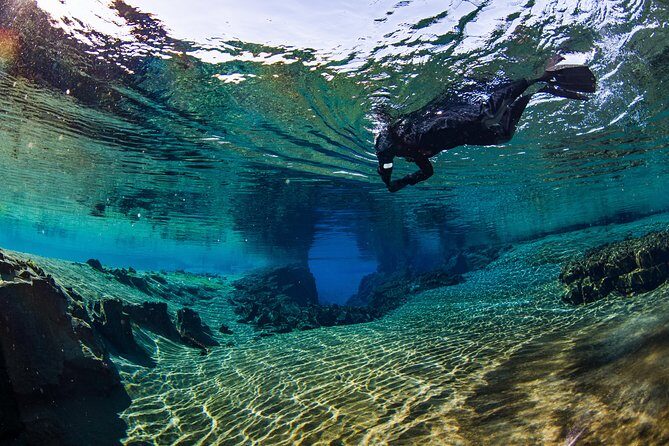
The gearing-up and briefing takes about 1 hour. That’s a gift. In a normal “tour” you get a short explanation and then you go. Here, you get a structured start:
- Dry suit and underlayer setup
- How to move and breathe with the snorkeling gear
- Safety briefing for the water
- Context on Silfra, the rift, and Thingvellir National Park
The drysuit goes over your clothing. Your best base layer choice is long thermal underwear plus thick wool socks, since they reduce heat loss before the suit locks you in. If you hate bulky clothing, you may want to mentally prepare: the suit can feel tight.
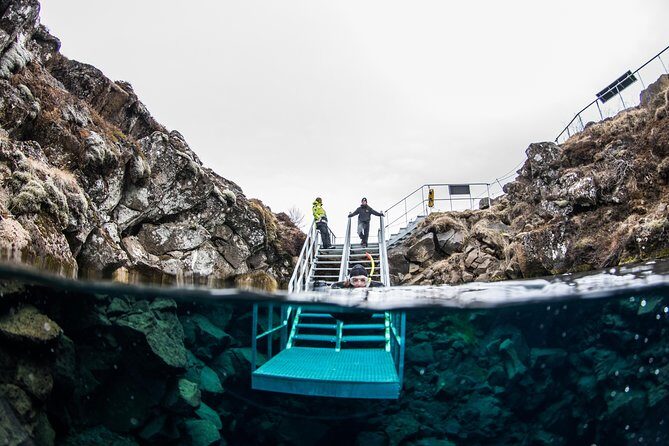
At the end of briefing, it’s a short walk to Silfra (about 5 minutes). Then you start snorkeling for about 30 to 45 minutes. That timing gives you enough water time to enjoy the sights without turning the trip into a long cold endurance event.
Silfra Hall, Cathedral, Lagoon: the route you’re actually snorkeling
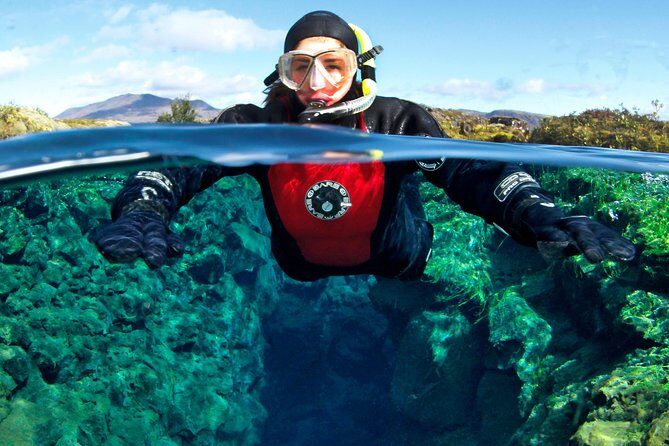
The snorkeling portion is split into three themed stops:
- Silfra Hall
- Silfra Cathedral
- Silfra Lagoon
Even without fish to chase, these names matter. They cue you to pay attention to how the rift geometry changes as you move. Expect rock formations and fissure walls that feel cathedral-like in shape and scale, because the water clarity shows the structure in high definition.
Here’s the key thing to know before you go: you’re not really meant to reach out and touch the tectonic plates themselves. One common misconception is that you can press your hands against the two moving plates. The truth is more subtle. The walls you swim along are part of the reef zone within the rift, so your experience is between the plates even though the exact plate surface isn’t something you’ll be poking with your fingertips.
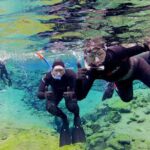
Also, plan for what your body experiences. Many people report that the suit keeps you very warm, and that only your face and hands end up exposed. That helps your expectations. You’ll still feel cold at the edges, but you’ll be far more comfortable than you’d guess from the air temperature.
Your guide stays with you and coaches how to float and move. If you’re nervous, this matters. Guides often swim next to you the whole time to help you feel secure and steady.



Thingvellir after the swim: connecting underwater geology to above-ground history
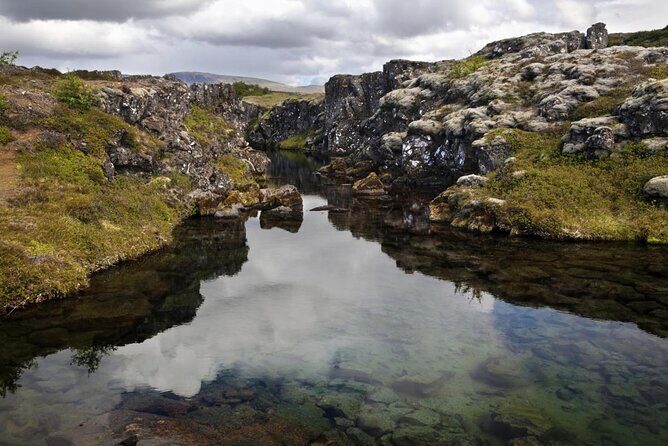
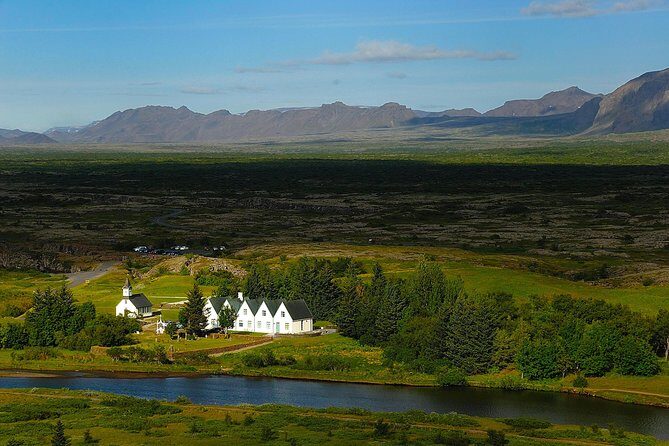
Thingvellir National Park is not just a backdrop here. It’s where the tectonic drama plays out above the water, and it’s where the tour’s story clicks.
Your itinerary includes Thingvellir National Park and Thingvellir as stops after the Silfra snorkeling time. Practically, that means you’ll get to connect what you saw in the rift with what you can observe on land—cracks, alignments, and the sense that the ground is actively reshaping itself.
You’ll also hear background that ties to the area’s human history. Some guides explain how Thingvellir relates to old parliamentary grounds and settlement life, which gives you more than just geology trivia. It turns the day into a full “place” experience, not only a water event.
One nice bonus: because you’re in a guided group, you can ask questions right then, while things are fresh. That’s when you’ll get clear explanations about the continents and why the water is so clear.
Cold-water reality checks (and what to do about them)
Cold is the topic everyone brings up. The good news is that the tour is built around managing it. The gear and the process aim to control the main problem: heat loss.
What you should do before you come:
- Wear long thermal underwear
- Bring thick wool socks
- Don’t show up in thin athletic socks and expect magic
- Be ready for the first minutes to feel chilly while you transition into the drysuit
What you should expect during the swim:
- The water is glacial meltwater, so it’s truly cold
- Once you’re sealed and moving, the experience tends to feel more manageable
- You warm up fast after you exit, especially with hot cocoa and cookies
And what you should accept upfront:
- Your drysuit might feel tight or constricting when you first put it on
- If you’re extremely heat-sensitive, plan for that factor
I’d also note a practical gear hint if you wear glasses: your face is exposed, so you’ll want a plan for fit. One reviewer recommended contacts or proper prescription goggles with the nose covering. The tour’s snorkeling equipment may handle the basics, but your comfort depends on your face fit.
Guides and group size: the biggest quality lever
You’re not just paying for access to Silfra. You’re paying for how the experience is taught and managed.
This tour runs with a maximum of 6 travelers, and that changes everything. Smaller groups mean:
- easier gearing-up for everyone
- less waiting and less chaos at equipment
- more attention if you’re nervous or you need a fit tweak
Guides are live instructors. One review experience credited a guide named Boris for making the tectonic and history explanations feel patient and interesting. Another credited Hugo for walking people through gear and helping them stay comfortable in colder months. Other named guides included Diogo, Kim, Wilfred, and Nickos, with consistent praise for friendliness, safety focus, and keeping the pace comfortable.
You’ll also have a chance to talk after snorkeling while you warm up, and you can look at the photos taken during the tour (purchase available).
Booking timing and weather: when to expect changes
Silfra depends on conditions. The tour requires good weather, and if conditions aren’t right, you’ll be offered a different date or a full refund. That’s important because Iceland’s weather can shift fast.
One more practical point: this tour is popular. The average booking window is about 51 days in advance. If you’re traveling in peak season or around school breaks, you’ll want to lock it in early so you’re not stuck with fewer options.
Also, this activity needs you to be comfortable in water and able to swim. It’s not designed as a “stand there and look” option.
How does Reykjavik compare? insidereykjavik.com.
Who should book (and who should skip)
This is one of those rare “do it if you fit it” tours.
You’ll likely be a great match if you:
- are at least 12 years old
- can swim and feel comfortable in cold water environments
- want a geology-focused adventure instead of fish hunting
- like having a guide coach you through equipment and safety
You should think twice if:
- you are pregnant (listed as not suitable)
- you can’t communicate in English (communication is required)
- you don’t want to wear a drysuit over your clothing
- you’re dealing with medical limitations that require extra screening
There are also clear physical requirements:
- minimum height 150 cm (4 ft 11 in)
- minimum weight 45 kg (100 lbs)
- maximum height 200 cm (6 ft 7 in)
- maximum weight 120 kg (264 lbs)
If you’re 60+, you must have your doctor sign the approval form to participate. Everyone needs to fill out a medical form online before going.
What I’d do with this in my Iceland plan
If you’re building a day around Thingvellir, this tour is a strong centerpiece. It’s unique, it has clear timing (around 2 hours 30 minutes total), and it gives you a reason to care about the park, not just pass through it.
Pair it with other Golden Circle-style stops if your schedule allows, since your guide can help you understand what you just saw and how to connect it to the rest of your day. Just remember: you’ll be cold and tired afterward, so keep your next activity from being overly strenuous.
Should you book Silfra snorkeling between tectonic plates?
Book it if you want an Iceland experience you can’t copy at home. The combination of glacial clarity, tectonic-plate storytelling, and a well-run drysuit setup makes this worth it even if you’re not a hardcore snorkeler.
Skip it if cold water, drysuit fit, or swimming basics are deal-breakers for you. If you’re expecting an easy, warm, beach-style swim, you’ll be disappointed. This is more like a guided, gear-supported exploration of a living geological boundary.
If you do book, do two things and you’ll enjoy it more: wear the right base layers (thermal underwear and thick wool socks), and show up early so the gearing-up time stays stress-free.
FAQ
How long is the Silfra snorkeling tour?
The experience runs about 2 hours 30 minutes in total, including the briefing and gearing-up time plus walking to Silfra and snorkeling.
Where do I meet for the tour?
You meet at the Silfra snorkeling and diving meeting point at 806 Thingvellir, Iceland. The tour ends back at the same meeting point.
What’s included in the price?
Included are the guided snorkeling tour, hot chocolate and cookies, all necessary snorkeling equipment, the drysuit and warm undersuit, a heated changing van, and the entrance fee to Silfra.
Do I need to be able to swim?
Yes. The tour notes that participants must be comfortable in water and able to swim.
What should I wear under the drysuit?
The tour recommends long thermal underwear and thick wool socks as a base layer under the drysuit.
Is there a minimum age or size requirement?
Yes. Participants must be at least 12 years old, with a minimum height of 150 cm and minimum weight of 45 kg. There are also maximum height and weight limits.
Is it suitable for pregnant travelers?
No. The tour states it is not suitable for pregnant women.