REVIEW · REYKJAVIK
Reykjavík: Volcano Eruption Site and Reykjanes Hiking Tour
Book on GetYourGuide →Operated by BusTravel Iceland · Bookable on GetYourGuide
Iceland wakes up beneath your boots. This day trip takes you on a volcano hike toward the Litli-Hrutur area near Geldingadalur, then sends you to major Reykjanes Peninsula sights, including the Bridge Between Continents. I love the up-close feel of walking on fresh and cooling lava terrain, and I love how the tectonic-plates stop turns geology into a simple, walkable photo moment. One thing to know: the hike is moderate to hard (about two hours each way), and weather can make footing slick.
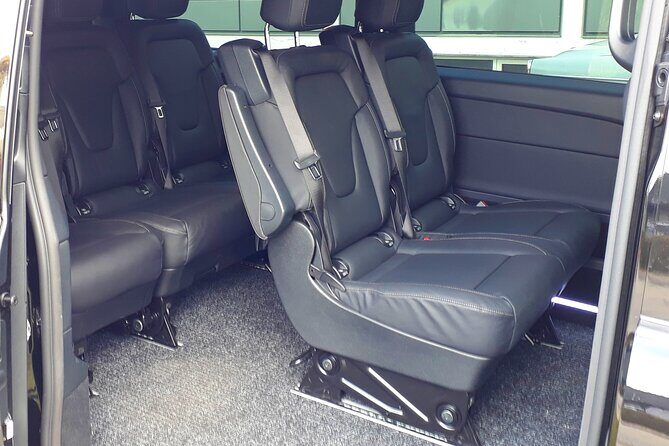
This tour works well if you want a full geology day without driving stress. You get pickup, a scenic bus ride with rest stops built into the day, short but meaningful photo stops, and the guide keeps the plan flexible for safety. Still, bring a packed lunch and expect no food stops are included, because your best time is spent outside, moving, and taking in steam, salt air, and dark volcanic shorelines.
In This Review
- Key Things I’d Pencil In First
- Why Reykjanes Peninsula Feels Different From Other Iceland Day Trips
- The Geldingadalur Volcano Hike to Litli-Hrutur: What You’re Really Signing Up For
- Kleifarvatn and Seltún Geothermal: Short Stops That Set the Tone
- Gunnuhver Hot Springs: Mud Pots and Hissing Steam Moments
- Reykjanes Lighthouse and Atlantic Sea Stacks: When the Weather Turns Scenic
- The Bridge Between Continents: Walking Across Tectonic Plates
- Guide Style and Day Flow: Why the Tour Feels Worth It
- Price and Value: Is $126 Fair for What You Get?
- What to Bring (and What to Wear) for Wind, Steam, and Slippery Ground
- Who This Tour Fits Best (and Who Might Want a Different Plan)
- Should You Book This Reykjanes Volcano Day Trip?
- FAQ
- How long is the Reykjavík Volcano Eruption Site and Reykjanes hiking tour?
- How long is the volcano hike?
- How hard is the hike?
- Will you always be able to visit the eruption sites?
- What stops are included besides the volcano hike?
- Is food included?
- What should I bring for the day?
- Is pickup and drop-off included?
- Is onboard WiFi available?
- Is this tour suitable for children or mobility impairments?
Key Things I’d Pencil In First
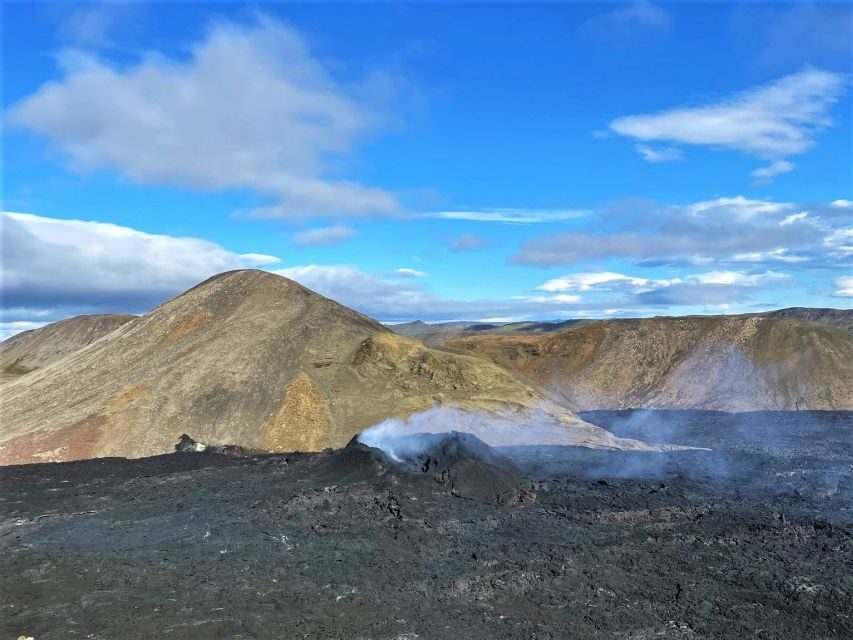
- Litli-Hrutur updates: even when the lava flow stops, you can still see smoldering volcanic ground and the evidence of recent activity
- Kleifarvatn black beach: a dramatic shoreline with black sand and a viewpoint tied to underwater hot springs
- Gunnuhver steam vents: bubbling mud pots and hissing geothermal features that smell unmistakably Iceland
- Reykjanes Lighthouse cliffs: sea stacks and Atlantic cliff scenery near one of Iceland’s older lighthouses
- Bridge Between Continents: a 15-meter footbridge where you can cross the gap between the Eurasian and American tectonic plates
- Safety-first hiking choices: the walking route can change depending on conditions so you reach the safest viewing point
Why Reykjanes Peninsula Feels Different From Other Iceland Day Trips
Most Iceland day trips focus on one famous headline. This one gives you a whole chain of volcanic and tectonic “proof points” in a single long day. You start on calmer geothermal edges, move into the active-world feel of Geldingadalur, then finish with the very literal geology lesson at the bridge.
The best part is pacing. You get a long hiking chunk where the ground feels new and unstable, and then you balance it with shorter stops that are easy to photograph even if you’re tired. If you like your Iceland with a sense of place and cause-and-effect, Reykjanes delivers.
You can also read our reviews of more hiking tours in Reykjavik
The Geldingadalur Volcano Hike to Litli-Hrutur: What You’re Really Signing Up For
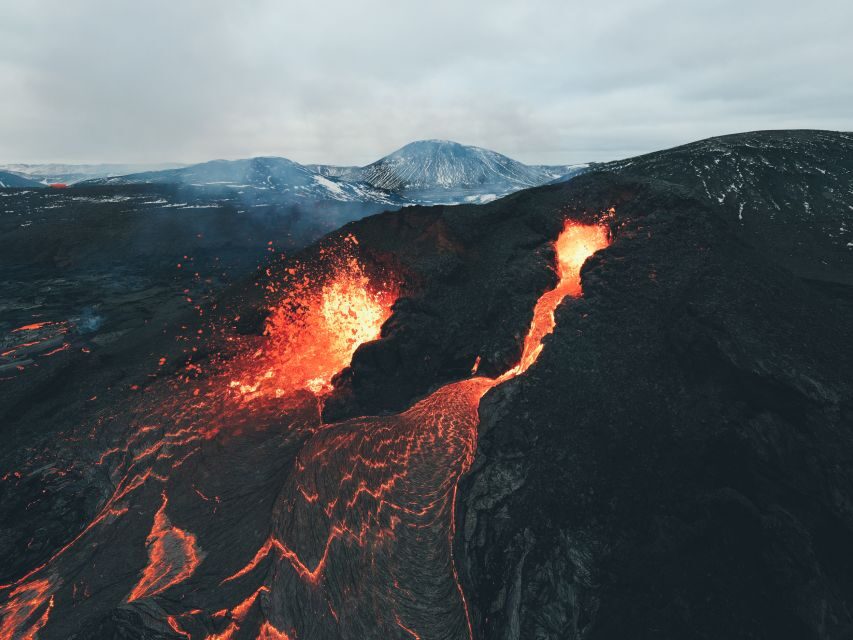
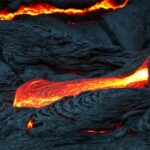
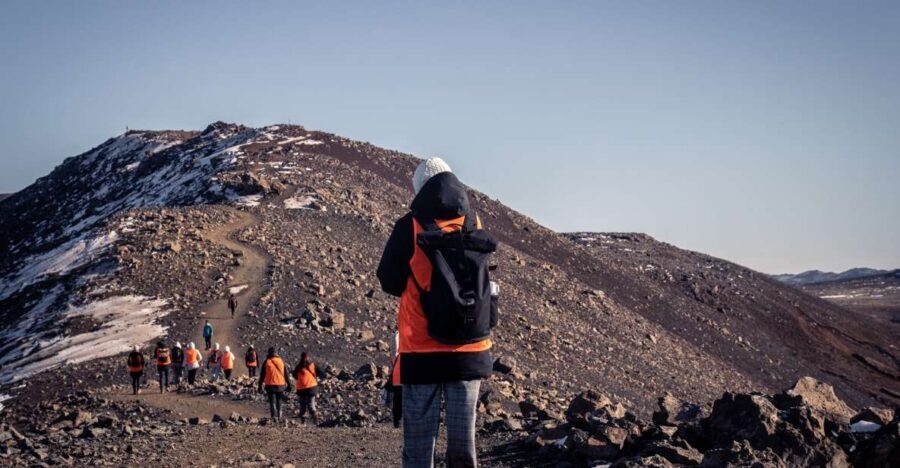
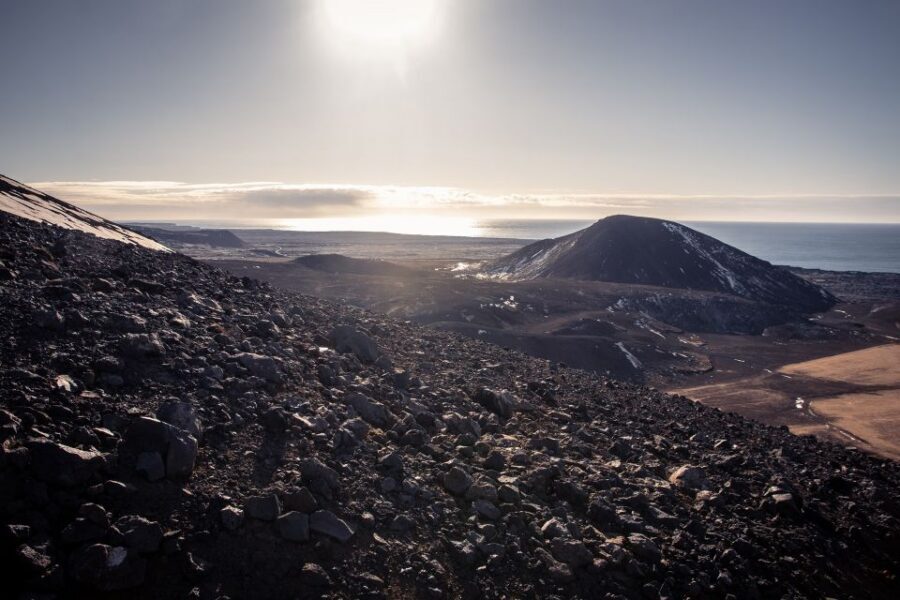
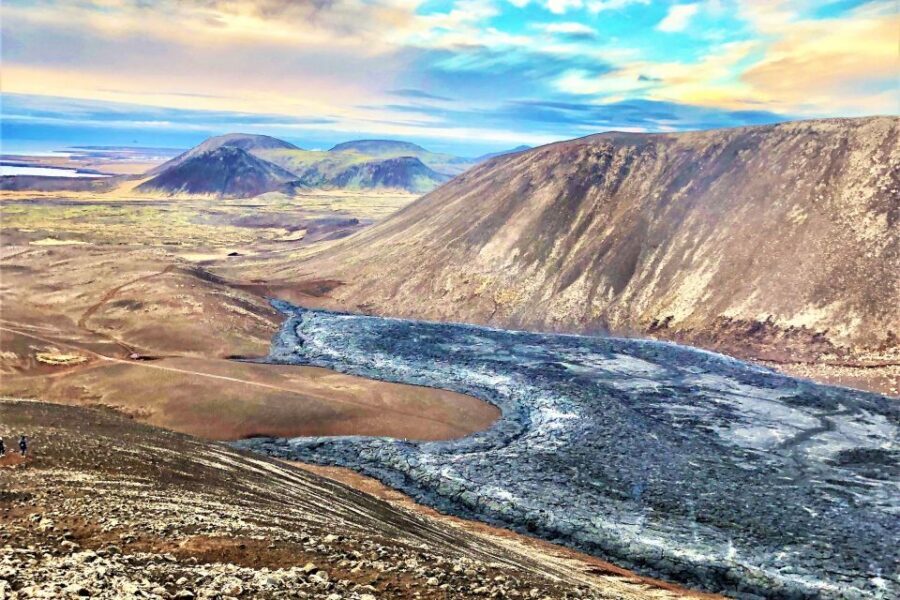
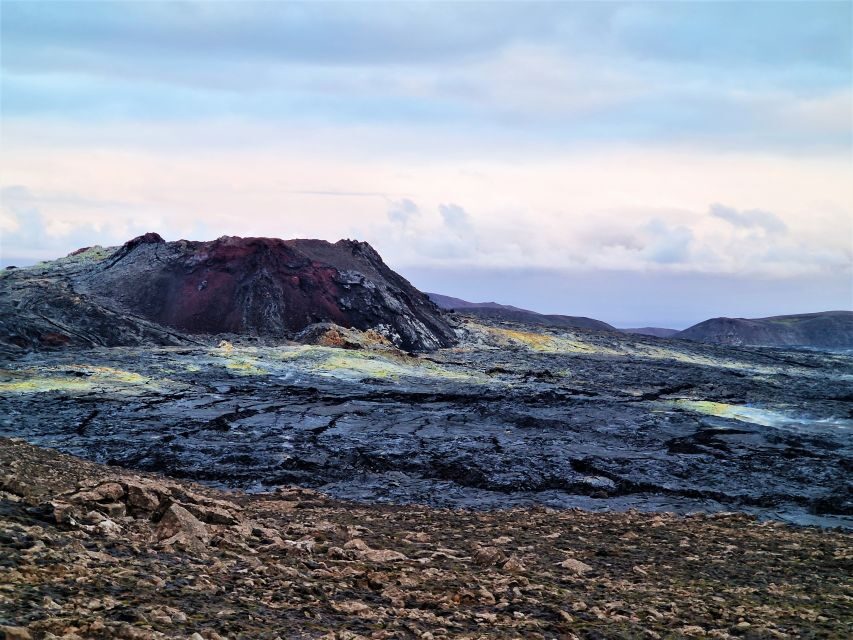
The core of this tour is the hike to the recent eruption area near Meradalir and Fagradalsfjall, heading toward Litli-Hrutur in the wider Geldingadalur zone. There’s an important update: the lava flow at Litli-Hrutur has stopped at least for the time being, but the area can still smolder. That still makes it fascinating, because the terrain reads like a fresh cut in the earth, not just a distant viewpoint.
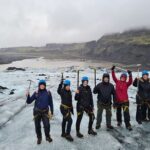
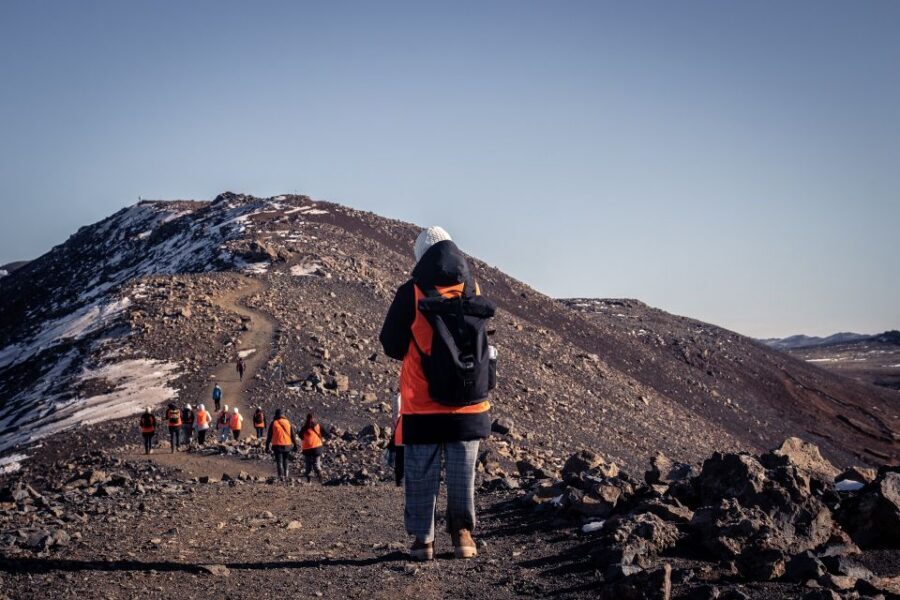
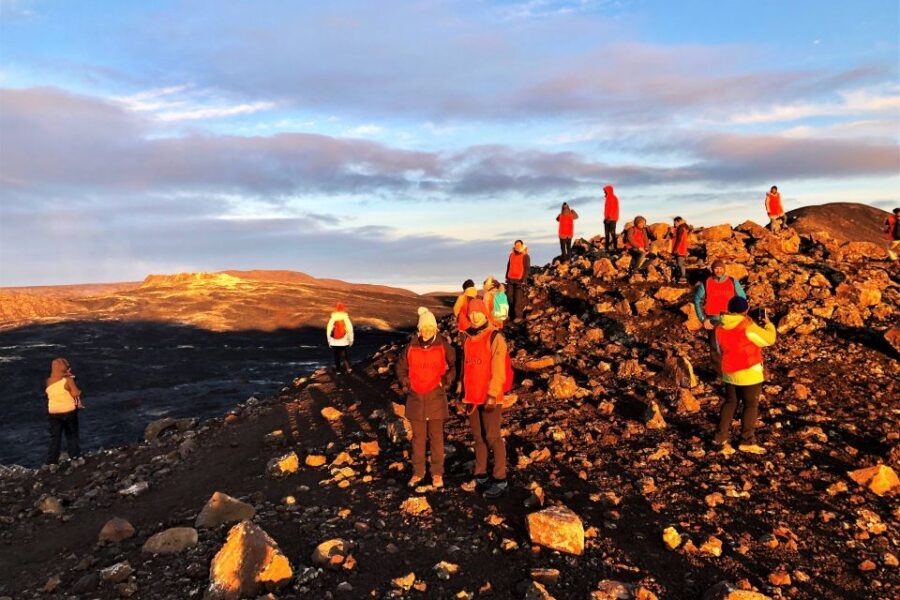
The hike is the main consideration. Expect moderate to hard effort and about two hours walking each way. The route isn’t fixed no matter what; it can vary depending on conditions. The guide’s job here is choosing the safest viewing point, which matters because Reykjanes weather can switch from fine to icy and windy quickly.
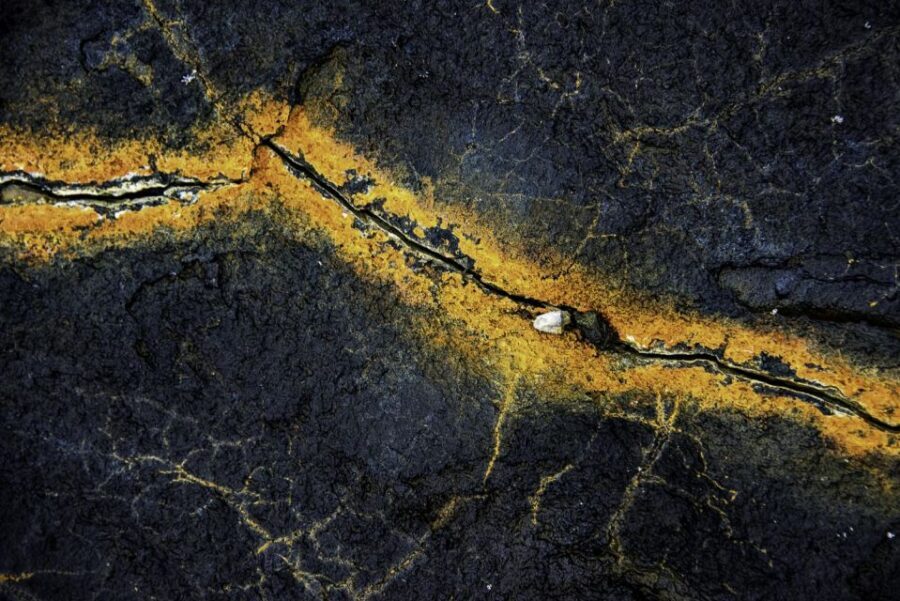
What I like about the hike is that it’s not only about standing still. You’re walking through a place shaped by eruptions, with solidified lava textures and steamier geothermal pockets nearby. It also helps that the tour often includes an early moment to eat your packed lunch before the hike starts—smart move, because once you’re out there, the day runs on weather and momentum.
If you’re the type who reads facts fast but needs a real body-in-the-world experience, this is the kind of hike that turns geology into something you can feel underfoot.
Kleifarvatn and Seltún Geothermal: Short Stops That Set the Tone
Before you get into the heavier hiking, you’ll hit a couple of classic Reykjanes Peninsula stops that help you understand what you’re about to see.
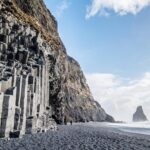
Lake Kleifarvatn is where you’ll find the black beach with underwater hot springs and a viewpoint. Even if you only get a short photo window, the color contrast does a lot of work: dark sand, cold water, and surrounding mountain shapes that frame the scene. This stop is a good reset too—great for stretching your legs and spotting what the ground and air are doing before you commit to the longer walk.
Next is the Seltún Geothermal Area, with photo time plus a short walk. This is where steam, ground warmth, and the “busy” geothermal look start to make sense. The good part: it’s time-efficient. You get the look without exhausting yourself before the main hike.
Practical tip: in cold or windy conditions, plan to move carefully and keep your layers ready. Steam areas can feel mild one minute and sharp the next, especially along exposed ground.
Gunnuhver Hot Springs: Mud Pots and Hissing Steam Moments
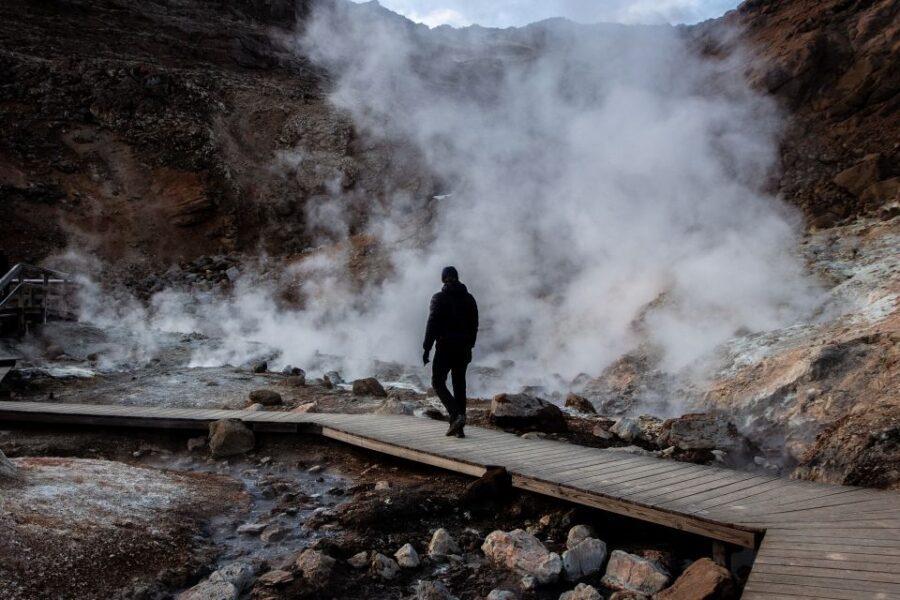
Gunnuhver Hot Springs is the stop that feels most alive. You’re there for photo time and sightseeing, and the focus is on the boiling-water atmosphere: bubbling mud pots and hissing steam vents.
This is the kind of place where your camera can’t capture the smell of geothermal activity. The air has that unmistakable sulfuric edge, and the ground looks like it’s working under the surface. It’s not just a pretty stop; it’s a reminder that this peninsula is still active, not a museum.
Because you’re stopping briefly, don’t waste your time rummaging for the best shot. Look first for steam patterns and the strongest vents, then position your feet so you’re stable. If it’s windy, hold your hat down and keep your balance. You’ll get the best results if you treat it like a standing outdoor science lab, not a leisurely stroll.
Reykjanes Lighthouse and Atlantic Sea Stacks: When the Weather Turns Scenic
After the geothermal intensity, the Reykjanes Lighthouse stop gives you a different kind of awe: wind, cliff edges, and Atlantic-scale scenery. This lighthouse is described as the oldest lighthouse in Iceland, and the surroundings are built by pounding waves, with sea stacks and dramatic cliffs near the Valhnúkamöl Boulder Ridge.
This stop works because it’s visual variety. You’ve been dealing with heat and steam. Now you get cold ocean air and hard rock forms. It’s also a nice “breather” after the hike, since you’ll mainly be walking short distances and taking photos at the viewpoint level.
If you’re sensitive to wind, bring something that cuts it—your face will thank you. Also, hold your lens steady; cliff areas exaggerate gusts.


The Bridge Between Continents: Walking Across Tectonic Plates
The Bridge Between Continents is the kind of stop you’ll remember even if you’re not a geology person. The footbridge is 15 meters long, and you can walk across a rift between the Eurasian and North American tectonic plates. It’s a simple crossing, but it hits hard because it turns something abstract into a clear body-and-camera moment.
What I like most is the practicality: you don’t need special equipment or time-consuming permits. You just walk, take your photo, and look down and out. It also pairs well with the rest of the day because you’ve already seen the evidence of volcanic forces. Now you get the tectonic map in physical form.
Expect photo time plus a short walk. Keep an eye on ground conditions—exposed bridges can be slippery if the weather is icy.
Guide Style and Day Flow: Why the Tour Feels Worth It
A big part of why this kind of day trip works is the guide. On this route, guides such as Roman, HBO, Ottar, and Omar come up in the experience set, and the common thread is clear explanations plus safety attention when conditions change.
You’ll see this most during the hike. The guide aims to get everyone to the safest viewing point, which often means adjusting plans based on wind, ice, or ground safety. That approach matters because Reykjanes terrain can be unforgiving. When the guide’s attention is strong, you stop worrying about the basics and start noticing the details.
The tour also helps you keep energy without rushing. It’s built as a long day—about nine hours total—with frequent enough breaks to reset between major segments. Onboard WiFi is included, which can help if you want to check maps or share photos later.
If you’re going in expecting a relaxed pace, aim for the right mindset: this is a hike-and-sights day, not a sit-by-the-window day.
Price and Value: Is $126 Fair for What You Get?
At $126 per person for a nine-hour outing, this tour is priced like a focused “geology sampler,” not a single-viewpoint drive. You’re paying for a guide, pickup and drop-off, and a day built around multiple Reykjanes Peninsula anchors: Kleifarvatn, geothermal areas, the eruption-hike effort, Gunnuhver Hot Springs, Reykjanes Lighthouse, and the Bridge Between Continents.
Value is strongest if you don’t want to self-drive through changing conditions on a remote peninsula. You also avoid the headache of trying to time multiple stops around daylight and weather. Add that you get onboard WiFi, and that headlamp support may be provided if required, and the package starts to make sense.
The trade-off is obvious: you bring your own food. There’s no lunch included, and you’ll burn energy outside. If you show up prepared with water, rain gear, and a packed lunch, you’ll feel the value. If you don’t, the day can feel more demanding than the price suggests.
What to Bring (and What to Wear) for Wind, Steam, and Slippery Ground
This is Iceland in full working mode, so plan like weather is the real boss.
Bring:
- Comfortable shoes, plus hiking shoes if you have them
- Water
- Rain gear
- A packed lunch
- Layers you can adjust quickly
Avoid jeans if you can. The tour guidance specifically says they’re not recommended, likely because jeans lose comfort and grip in wet, windy, or icy conditions. Pack like you’ll step on uneven ground and walk in wind chill.
Also, bring a practical attitude about the hike. You’re told it’s doable for people of reasonable fitness, but it’s not an easy stroll. If you’re comfortable walking for long stretches, you’ll get the best day.
Who This Tour Fits Best (and Who Might Want a Different Plan)
This experience is a great match if you want:
- a guided volcano hike that goes beyond viewpoints
- active geothermal stops with steam and mud-pot energy
- a tectonic “walk across” moment you can’t easily replicate
It’s not suitable for children under 12, and it isn’t meant for people with mobility impairments. If you’re unsure, focus on the hiking requirement. With about two hours walking each way at moderate to hard difficulty, the day demands stamina and careful footing.
Should You Book This Reykjanes Volcano Day Trip?
If your Iceland trip has room for one long, active day and you want to see how volcanic and tectonic forces show up in real ground—this is a strong pick. The eruption-hike portion, combined with geothermal stops and the Bridge Between Continents, gives you a full story from heat and steam to plates pulling apart.
Book it if you can do a two-hour-each-way hike and you pack for rain and wind. Skip it if you want mostly easy walking, or if you can’t handle slippery, uneven terrain.
If you’re chasing the feeling of recent volcanic change, this tour is one of the more direct ways to get it from Reykjavik.
FAQ
How long is the Reykjavík Volcano Eruption Site and Reykjanes hiking tour?
The tour duration is 9 hours.
How long is the volcano hike?
The hike to the volcanic area is about 2 hours each way.
How hard is the hike?
It’s described as moderate to hard difficulty. It’s doable for people of reasonable fitness, but it isn’t an easy walk.
Will you always be able to visit the eruption sites?
The walking route can vary depending on conditions, and the guide will take you to the safest viewing point.
What stops are included besides the volcano hike?
You’ll have stops/photo time at Lake Kleifarvatn’s black beach, the Seltún Geothermal Area, Gunnuhver Hot Springs, Reykjanes Lighthouse, and the Bridge Between Continents.
Is food included?
No. Food and drinks are not included, so you should bring a packed lunch.
What should I bring for the day?
Bring comfortable or hiking shoes, water, rain gear, and a packed lunch.
Is pickup and drop-off included?
Yes. Pickup and drop-off are included, and pickup is available from selected hotels, official bus stops in central Reykjavik, and the cruise port.
Is onboard WiFi available?
Yes. Onboard WiFi is included.
Is this tour suitable for children or mobility impairments?
Children under 12 are not suitable, and it is not suitable for people with mobility impairments.