REVIEW · REYKJAVIK
From Reykjavík: Fagradalsfjall Volcano Hike with Geologist
Book on GetYourGuide →Operated by Geoadventures ehf · Bookable on GetYourGuide
A volcano hike explained like science class.
This Fagradalsfjall trip pairs a guided walk on Reykjanes Peninsula with real volcanology talk, plus the chance to understand what you’re seeing in the lava fields. I like how the day starts in Reykjavík and uses the drive to set context, then turns the hike into a guided lesson with stops for views and questions.
Two things I really like: the small group format (limited to 6) makes pacing feel human on rough ground, and the guide is there to translate the rock story for you, not just point at it. You’ll learn how the Reykjanes peninsula formed, how recent eruptions shape the ground, and how lava chemistry affects what the rocks look like.
One drawback to plan for: this is a difficult hike through rough terrain, and the area can have gas pollution. It also can’t promise dramatic glowing lava or a perfect “active volcano” view every day, since bad weather, gas levels, or road closures can change plans fast.
In This Review
- Key highlights (the stuff that matters)
- Fagradalsfjall: why this hike feels different
- Reykjavík pickup to the volcanic edge: what the drive adds
- Your geologist guide: what you’ll learn on the walk
- The climb itself: time, terrain, and how “difficult” feels
- Crater viewpoints and active eruption odds (what’s guaranteed vs not)
- Safety on a living volcano: the part you’ll thank them for
- Packing list that won’t let you down
- Price and value: is $163 worth it?
- Who this tour fits best (and who should skip it)
- Should you book this Fagradalsfjall hike with a geologist?
- FAQ
- How long is the tour from start to finish?
- How long do I hike each way?
- How big is the group?
- What language is the tour guide?
- What’s included in the price?
- Is food or drink included?
- Do I get hiking equipment?
- What should I bring?
- Is it safe for kids or people with breathing problems?
- Will I definitely see glowing lava or the eruption close up?
- Where do pickups happen in Reykjavík?
Key highlights (the stuff that matters)
- Geologist/volcanologist-led hike focused on how the eruption and lava actually form land
- Small group (max 6) for safer navigation and better time to ask questions
- Craterview time at Fagradalfjall with big panoramic volcanic views
- Stops to read older vs newer lava fields as you travel toward the eruption area
- Safety-first approach around toxic gas and venting areas
- Warm-layer practicals like headlamp and crampons if needed for rough or slippery conditions
Fagradalsfjall: why this hike feels different
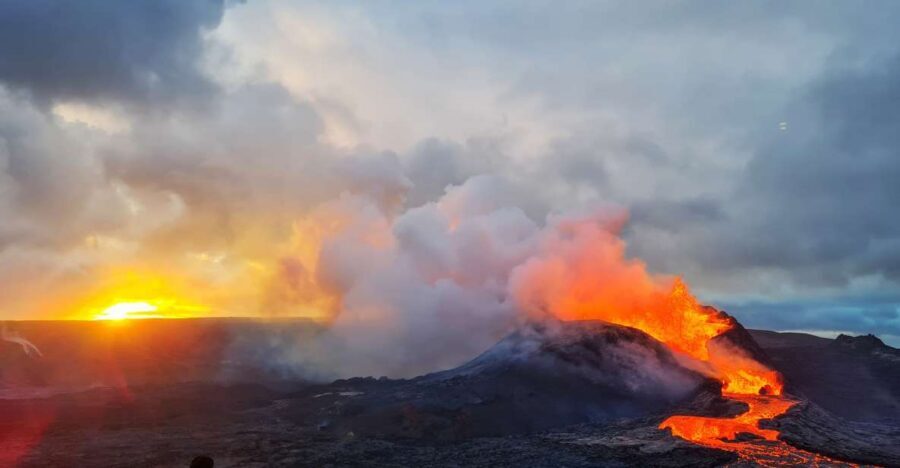
Fagradalfjall sits on the Reykjanes Peninsula, where Iceland’s volcanic activity is not just something you watch from a distance. This tour helps you understand the why behind the drama: the peninsula is shaped by repeated episodes of volcanism, and new lava keeps building fresh ground.
What makes the experience worth it is that you’re not only “seeing a volcano.” You’re learning how to read it. A geologist guide helps you connect textures, colors, and rock shapes to eruption behavior and lava cooling patterns. Instead of a vague wow, you get a clear picture of how hot lava forms land while continuously changing as it cools.
And if you’re in Iceland for only a few days, this is one of the most focused ways to use that time. It’s not a long, generic sightseeing loop. It’s built around one volcanic system, with expert interpretation and a hike that’s demanding enough to feel real.
You can also read our reviews of more hiking tours in Reykjavik
Reykjavík pickup to the volcanic edge: what the drive adds
Most volcano tours start late and sprint straight to the viewpoint. This one uses the drive as part of the learning. You’ll get pickup from Reykjavík (with options like Bus stop #8 near Hallgrimskirkja or Geldingadalir Parking P1, depending on what you book), then head into the older lava regions first.
That matters because Reykjanes is a patchwork of volcanic ages. On the way, you get context for what you’ll later see up close: older lava fields versus the eruption-side terrain, and why the ground looks different depending on when it formed. The drive also includes scenic passages past features like hot springs, lakes, and mountains on the peninsula, so the “science day” doesn’t feel trapped in one location.
Some hikes also include a stop-by-feeling of the impact of eruptions, and you may notice how quickly the built world disappears once the volcanic story moves on. Even if you’ve seen photos online, the scale feels different when you’re traveling through it.
Your geologist guide: what you’ll learn on the walk
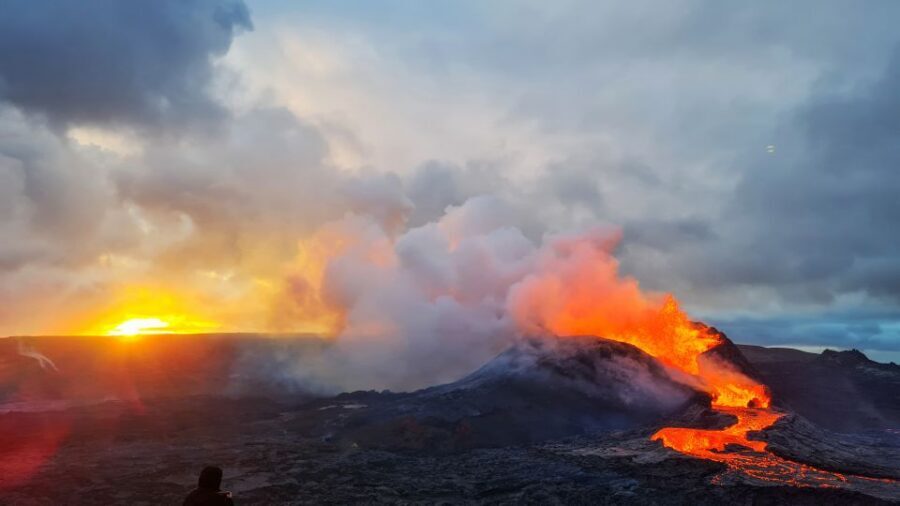
The heart of this tour is the guide: a geologist/volcanologist leading the hike in English. The best part is how the explanations are built around what’s in front of you. You’re not just hearing facts about Iceland in general. You’re getting help noticing details—layers, rock surfaces, and the way lava cooled.
Based on past guide styles, you should expect:
- Clear explanations of the eruption mechanics behind what you see
- Descriptions of lava composition and how it influences the look of rock formations
- Shared visuals like diagrams and maps that make the geology stick
- Q&A built into the route so you’re not stuck waiting until the end
Names you might run into include guides such as France, Giuseppe, and Jasmin/Jasmine, and many of the standout comments were about how approachable and passionate they were while still keeping safety tight. You’ll also hear practical warnings tied to what’s actually happening on-site, like how venting can be hazardous even when it looks cool.
If you’re the type who likes to understand the why behind the wow, this is the tour format that rewards you. If you just want photos, you’ll still get them—but the guide turns the day into something deeper than a viewpoint stamp.
The climb itself: time, terrain, and how “difficult” feels
The hike is the main physical commitment. You’ll spend about 1–1.5 hours each way (so roughly 2–3 hours of hiking time total) and the full tour runs 4–6 hours depending on the departure and conditions. Plan for uphill sections and rough ground.
The operator is clear that this is not a casual stroll. “Difficult and through rough terrain” is the right mindset. You’ll want actual hiking shoes with grip, not soft sneakers, because the ground can be uneven and weather can make it slick.
You’ll likely appreciate the pacing and breaks. A key part of a good science hike is not rushing past the learning moments. In small groups, the guide can slow down for questions and keep everyone together without making you feel stranded.
If you have bad knees or you’re not used to climbing uneven ground, you should take this seriously. The tour is built for people with decent hiking fitness and good gear.
Crater viewpoints and active eruption odds (what’s guaranteed vs not)
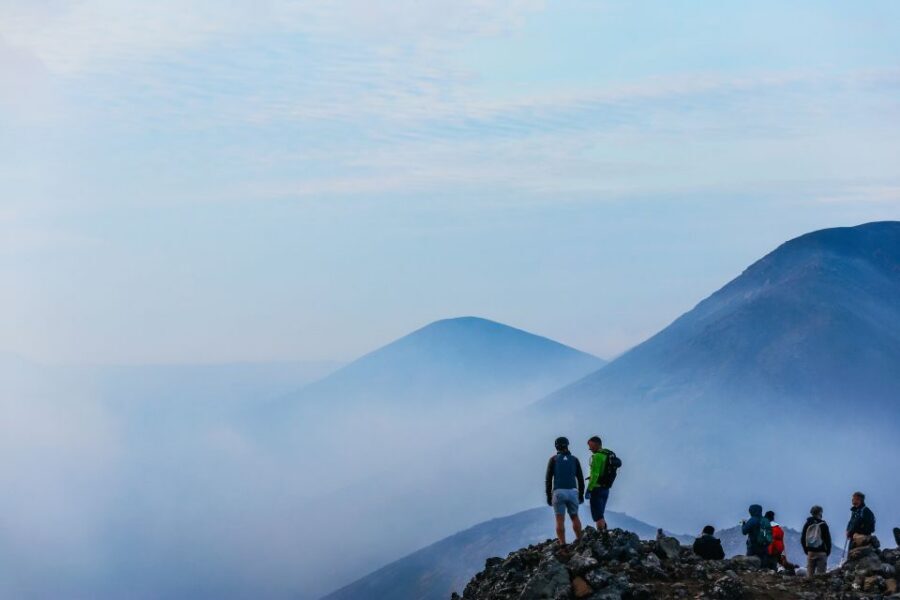
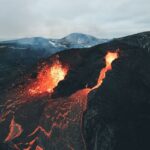
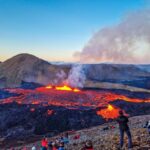
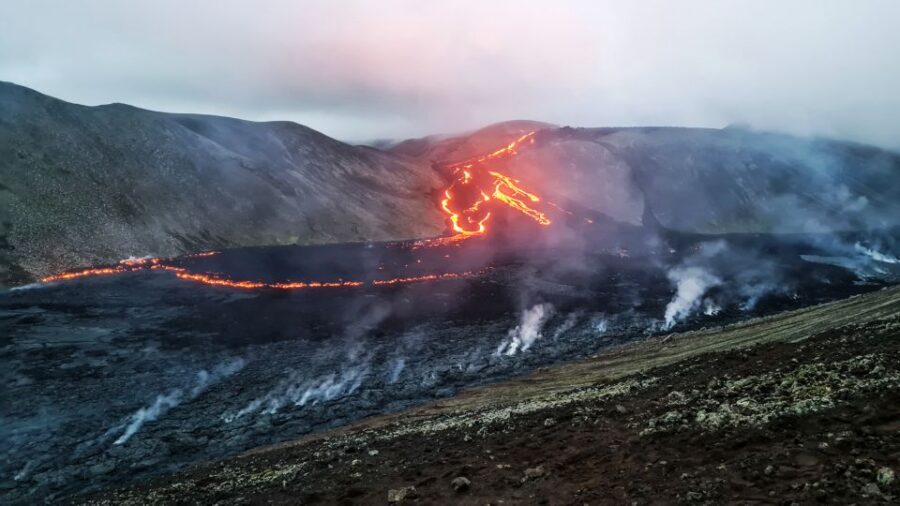
You hike up to a crater viewpoint, where you get panoramic views of volcanic terrain below. This is where the science stops being “classroom” and becomes “oh wow, that’s still forming.”
Now the important part: the activity can change quickly. The tour notes that the sight of hot glowing lava can’t be guaranteed, and the view of active eruption depends on what’s happening at the time. So you should treat active lava as a bonus, not a promise.
What you can count on is the interpretation. Even when activity is subdued, a geologist guide can help you understand:
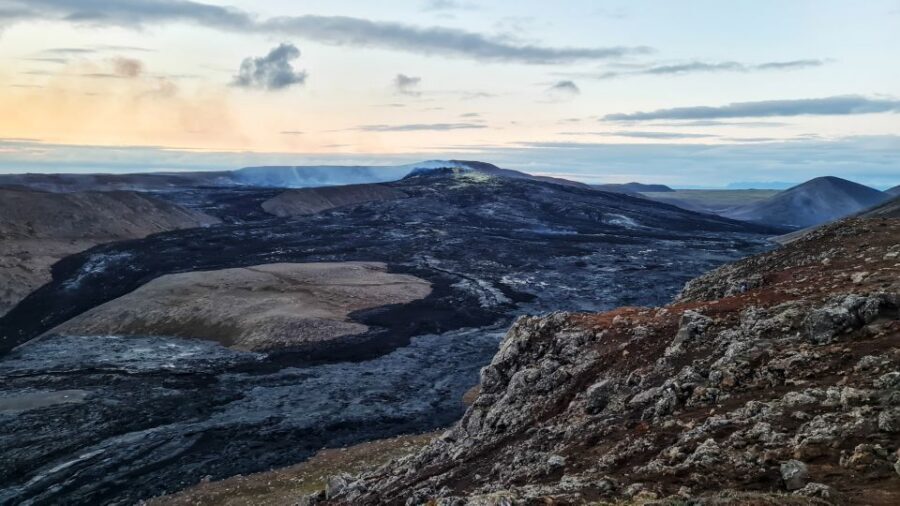
- How lava fields develop over time
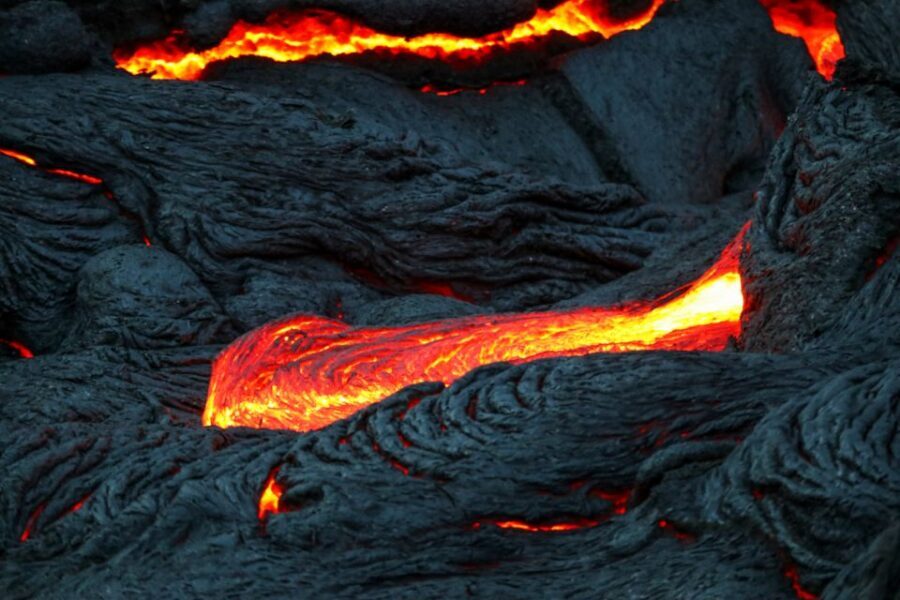
- Why some surfaces look fractured or glassy while others look more solid
- How the eruption shapes the ground you’re standing on
In some cases, guides may also take advantage of current conditions to show you the safest good viewing areas. If there’s steam venting from fissures or visible heat effects, you may get close enough to feel the reality of it, while still being kept at safe distances.


Safety on a living volcano: the part you’ll thank them for
Volcano hiking can tempt people into getting too close. This tour is designed to prevent that mistake.
The big safety themes are:
- Gas pollution is a real risk, and the route avoids exposing you unnecessarily
- The guide is trained to keep the group away from venting areas that look dramatic but can be unsafe
- Small group size (max 6) supports better control on uneven terrain
The tour also includes headlamp and crampons if needed, which signals that conditions can get rough and cold. Even in shoulder seasons, you may want your layers ready. And in wind, a “light windbreaker” doesn’t cut it. Bring something you can actually trust to block gusts.
Also read the health-fit rules carefully. This isn’t just about stamina. The tour is not recommended for children under 12, pregnant women, or people with lung diseases or respiratory issues due to gas pollution.
If you’re someone who wants to be close to a volcano but not reckless, this is one of the better ways to do it.
Packing list that won’t let you down
Food and drinks are not included, and hiking equipment is also not included. So you’ll be responsible for your basic comfort.
Here’s what to bring for a smoother day:
- Warm clothing (layers beat one thick coat)
- Rain gear (weather flips fast in Iceland)
- Sturdy hiking shoes with grip
- Food and drinks for your hike breaks and energy
- Anything you need for wind protection (the area can be exposed)
What not to bring matters too. Avoid sandals or flip-flops, and don’t show up in high-heeled shoes. You also shouldn’t bring pets, weapons/sharp objects, luggage/large bags, baby carriages, or join as a party group.
One more practical note: bring sunglasses if you have them. Volcanic terrain and bright daylight on snow-free lava can be harsh on the eyes, especially with wind-driven glare.
Price and value: is $163 worth it?
At about $163 per person, this isn’t the cheapest way to “see a volcano.” But it’s also not just a ticket to a viewpoint.
The value comes from three places:
- You’re paying for a geologist/volcanologist to translate what you’re seeing
- You get transportation from Reykjavík depending on the booking option
- You get safety support and gear like crampons/headlamp if needed
Could you hike Fagradalsfjall on your own? Many people could technically do it. The difference is that solo hiking doesn’t automatically give you the eruption context, the rock-reading ability, or the risk-management mindset that keeps you on the right side of “amazing” and “dangerous.”
If you’re the type who likes learning, the guide often makes the day feel worth every dollar. If you only care about a quick photo, you may find the price hard to justify compared to a simpler self-guided plan.
Who this tour fits best (and who should skip it)
This is best for:
- People with hiking experience or solid comfort on rough terrain
- Anyone interested in volcanoes and geology, not just sightseeing
- Small-group travelers who want questions answered along the way
It’s not suitable for:
- Children under 12
- Pregnant women
- People with mobility impairments
- People with respiratory issues
Even if you’re healthy, treat gas and wind conditions seriously. Iceland can look friendly in calm weather and still be risky up close.
Should you book this Fagradalsfjall hike with a geologist?
I’d book it if you want your Iceland days to have meaning, not just mileage. The combo of small group + real volcanology + safety-forward hiking is the sweet spot. It’s also one of the best ways to turn a volcano from a postcard into a story you can explain later.
Skip it (or look for a gentler alternative) if:
- You’re not comfortable with a difficult, rough uphill hike
- You or a travel companion can’t safely handle gas pollution
- You only want a light walk and no deeper learning component
If you’re deciding last minute, ask yourself one question: do you want to understand the land while you walk it? If the answer is yes, this tour is one of the most direct ways to get that in one day.
FAQ
How long is the tour from start to finish?
The duration is listed as 4 to 6 hours total, including the guided hike.
How long do I hike each way?
The hike takes about 1 to 1.5 hours in each direction, for around 2 to 3 hours of hiking time total.
How big is the group?
It’s a small group limited to 6 participants.
What language is the tour guide?
The live tour guide speaks English.
What’s included in the price?
Included items are the geologist guide, transportation from Reykjavík depending on the booking option, and headlamp and crampons if needed.
Is food or drink included?
No. Food and drinks are not included.
Do I get hiking equipment?
No. Hiking equipment isn’t included, so you’ll need to bring what you need for walking on rough terrain.
What should I bring?
Bring warm clothing, food and drinks, hiking shoes, and rain gear.
Is it safe for kids or people with breathing problems?
The tour is not recommended for children under 12, pregnant women, or people with lung diseases/respiratory issues due to gas pollution.
Will I definitely see glowing lava or the eruption close up?
No. The tour notes that a view of hot glowing lava can’t be guaranteed, since the activity and conditions can change quickly.
Where do pickups happen in Reykjavík?
Pickup can be from Bus stop #8 at Hallgrimskirkja or from Geldingadalir Parking P1, depending on the option you book.