REVIEW · REYKJAVIK
Reykjavik: Guided Folklore Walking Tour
Book on GetYourGuide →Operated by Your Friend In Reykjavik · Bookable on GetYourGuide
Reykjavik has creatures hiding in plain sight. This guided folklore walk turns ordinary city blocks into story-land: elves, trolls, ghosts, aquatic monsters, and Icelandic magic, all woven around real places like graveyards, a cathedral, and Lake Tjörnin. You’ll also hear how runes and old beliefs still shape the way Icelanders tell tales today, even in modern Reykjavik.
Two things I especially like are the route through old Reykjavík sites and the guide-style storytelling. The walk builds in mood as you go, starting with the city center and moving toward the darker-feeling corners like the graveyard areas, then balancing it out with more playful folklore. And the guides bring more than facts; you can expect performance touches like acting out a ghost scene, physical comedy, and songs, depending on who leads your group.
One consideration: the stories can get a bit scary for younger kids. If you’re traveling with little ones, ask about dialing down the spook factor, because this tour leans into the creepy parts of Icelandic folklore.
In This Review
- Key takeaways
- A 1.5-hour folklore route that actually feels like a story
- Ingólfstorg Square and Ingólfur Square: where the city-center myths begin
- Kirkjugarðurinn Suðurgötu and the oldest graveyard atmosphere
- Cathedral of Christ the King: pagan legends meet Catholic architecture
- Lake Tjörnin: aquatic monsters and the 13 Santas twist
- Austurvöllur ending: elfstone sightings, trolls, and a little rune-world logic
- What the guides do that makes the tour feel better than a lecture
- Value at $51: what you’re really paying for
- Who should book this tour, and who should consider private
- Should you book this Reykjavik folklore walking tour?
- FAQ
- How long is the Reykjavik guided folklore walking tour?
- Where does the tour start?
- Where does the tour end?
- What kinds of stories will the guide tell?
- What stops are included on the walk?
- Is the tour family-friendly?
- What languages are offered?
- Is the tour wheelchair accessible?
- How much does it cost?
- What’s the cancellation policy?
Key takeaways
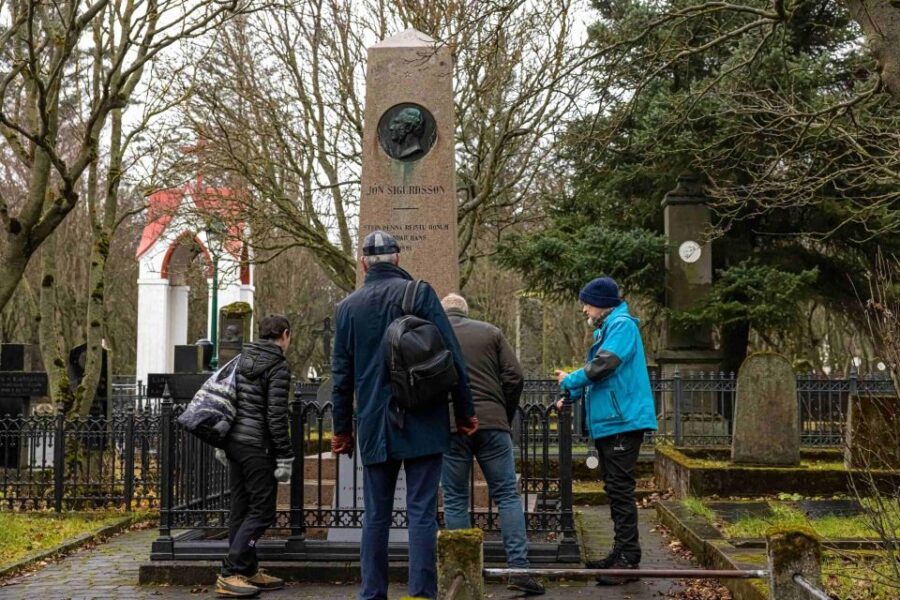
- Historic graveyards set the tone fast, with ghost and haunting tales tied to real locations.
- You’ll see the Catholic Cathedral (Cathedral of Christ the King) and feel the contrast with the older pagan-style folklore.
- Expect a mix of elves, trolls, and Icelandic magic, including runes and spell-like storytelling.
- Lake Tjörnin is used for monster lore, including mostly aquatic creatures.
- Guides often add a performer’s touch (singing, acting, comedy), not just lecture-style history.
- The pace fits a short 1.5-hour outing, ideal as one of your first Reykjavik introductions.
A 1.5-hour folklore route that actually feels like a story
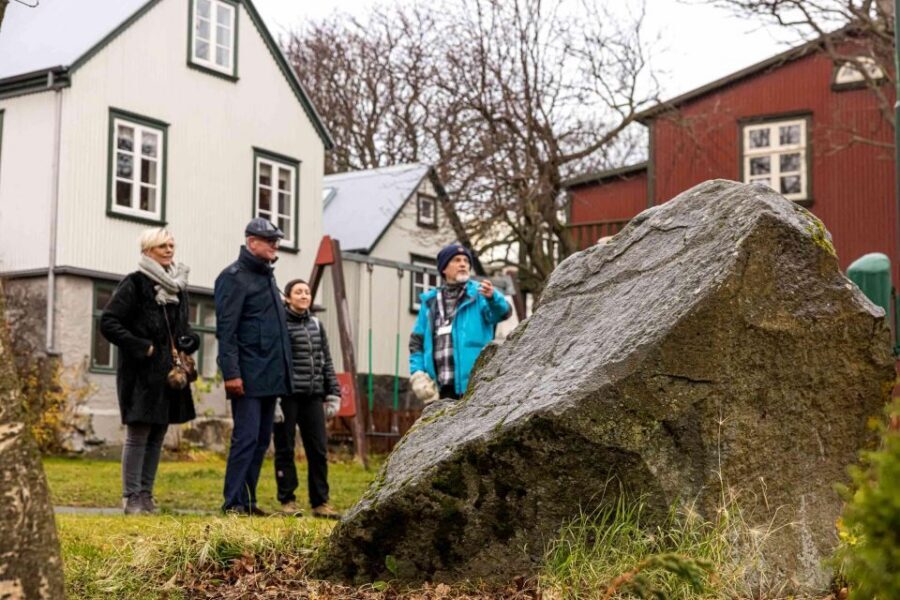
This isn’t a long, fact-heavy tour. It’s built like a short tale you can feel start to finish. The timing matters: 1.5 hours is long enough to get a real mood shift across multiple stops, but short enough that you’re still fresh for the rest of your day in Reykjavik.
The best part is how the guide connects the mythology to the places you’re standing on. Icelandic folklore works because it’s personal and local, not just generic fantasy. Even if you mostly know elves and trolls as pop-culture creatures, you’ll get the Icelandic version, with the stories grounded in the city.
And yes, the humor shows up. The tour description leans playfully into the absurdities too, like the idea of multiple Santas and the infamous child-eating troll Grýla. That balance keeps it entertaining, even when the subject matter gets dark.
You can also read our reviews of more walking tours in Reykjavik


Ingólfstorg Square and Ingólfur Square: where the city-center myths begin
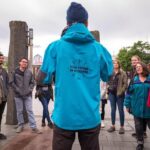
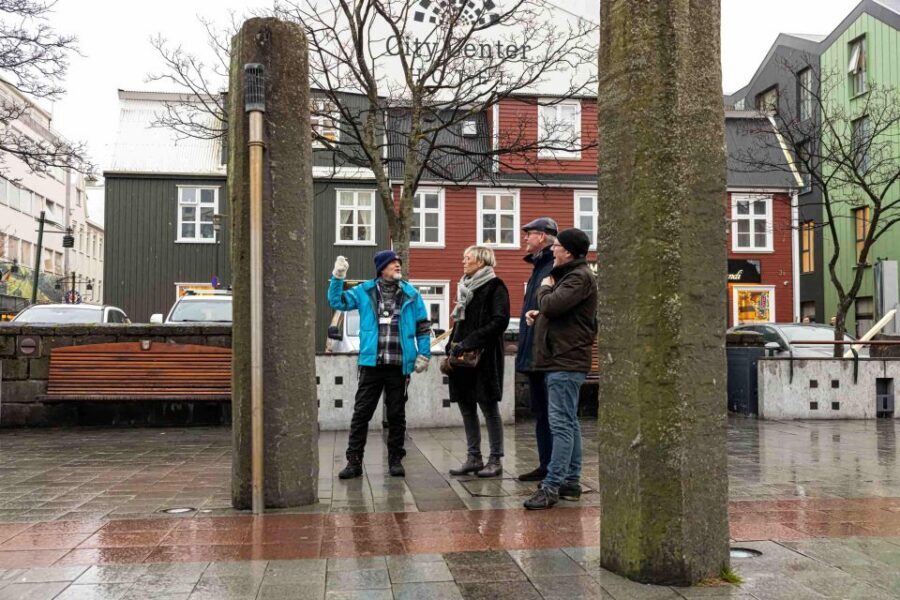
You meet at Ingolfstorg Square in the heart of downtown, specifically by the two stone high seat pillars. It’s a practical starting point because you can easily find it before you begin your walk, and it puts you right where most first-time wandering starts anyway.
From there, the tour moves toward Ingólfur Square, with a guided stop that gives you context. This is where the guide sets expectations: Iceland is often called the land of the sagas, and storytelling is treated like an everyday cultural skill. The tour description even points to the country’s high literacy and the way books and written stories matter, which helps explain why folklore survives so well.
This early part is also about getting you tuned to the tour’s theme. You’ll hear about hidden people and creatures and what Icelanders used to believe about them. If you’re the type who likes to see how legends map onto real streets, you’ll appreciate this stage most.
Kirkjugarðurinn Suðurgötu and the oldest graveyard atmosphere
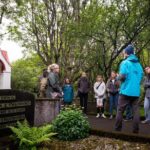
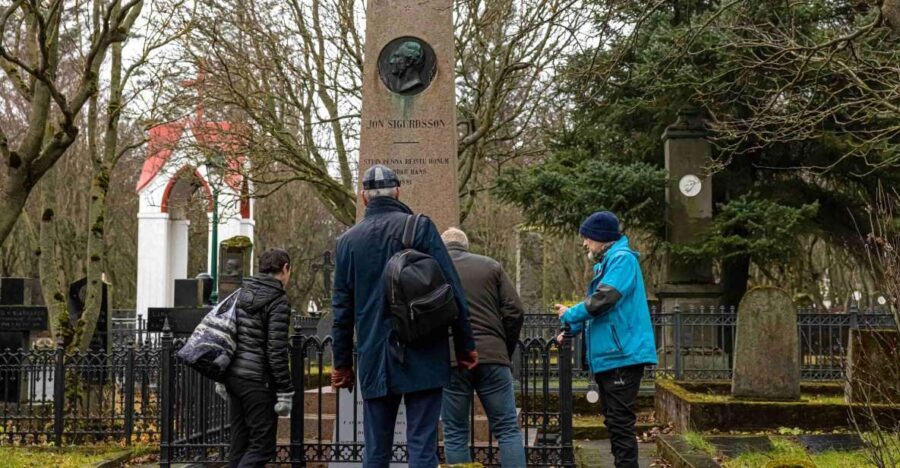
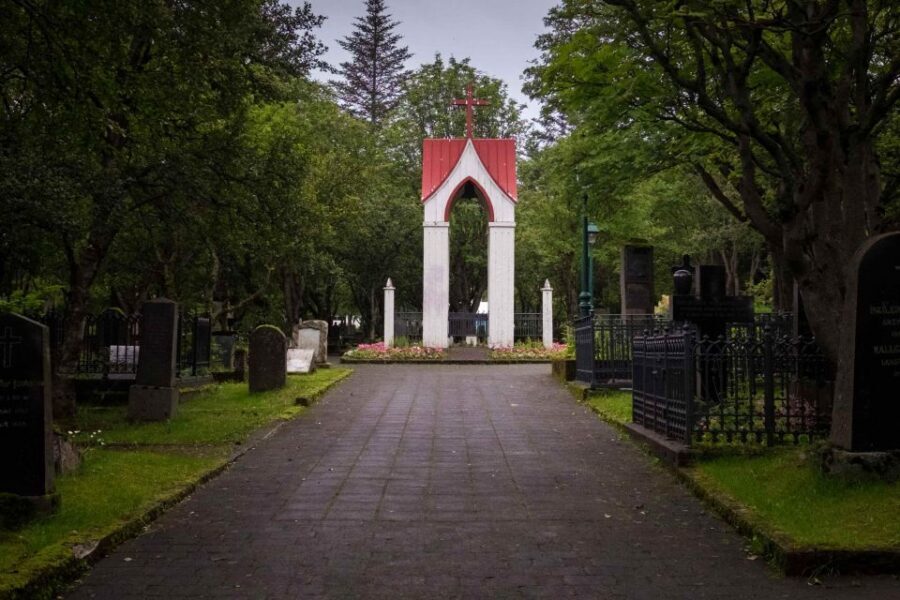
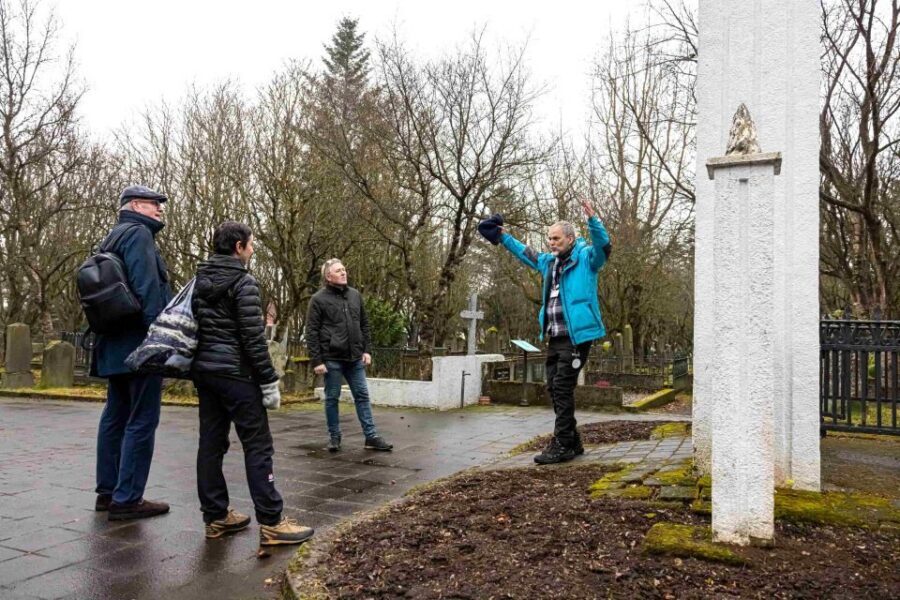
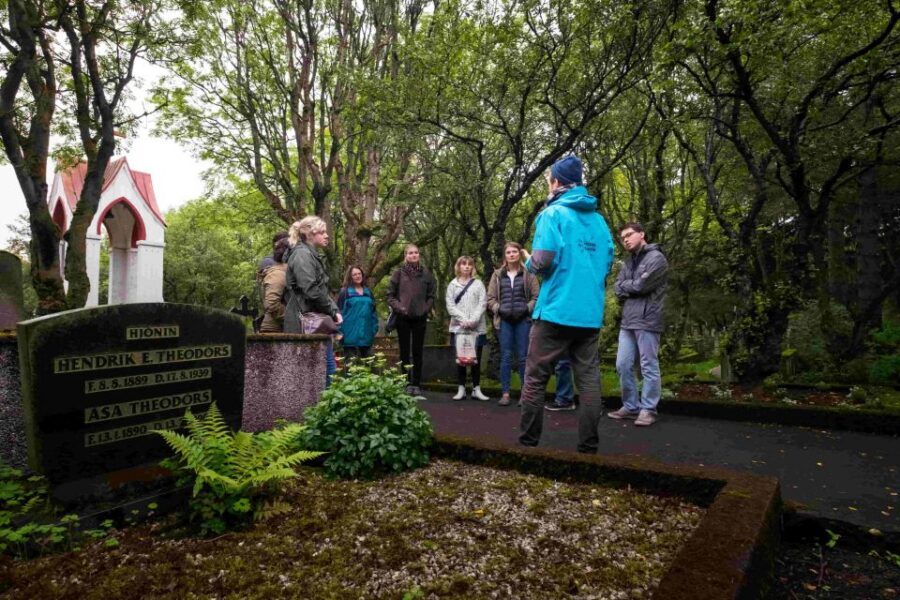
Then the mood turns. Kirkjugarðurinn Suðurgötu is one of the main graveyard stops, with guided time to look and listen. If you’re expecting the tour to feel like a casual walk, this is where it stops being casual and starts being theatrical.
The highlight here is ghost lore mixed with Icelandic traditions. You’ll hear about haunting characters like the Deacon of the dark river, plus other ghost and monster elements that fit naturally with a graveyard setting. Even when the folklore is spooky, the guide typically keeps it readable and story-shaped, not just grim and heavy.
The tour also includes visits to two of the oldest graveyards in Reykjavik, so you’ll get more than one “this place has been here forever” moment. That matters because older graveyard locations tend to feel different: the air of history is real, and you’ll feel why Icelanders built stories around places that hold memory.
Practical note: you’ll want warm layers. Graveyards can be windswept, and you’ll be outside while the guide talks.
Cathedral of Christ the King: pagan legends meet Catholic architecture
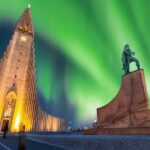
Next comes a change of scene: the Cathedral of Christ the King. This is the Catholic cathedral stop, and it adds a useful contrast to the tour’s themes of elves, trolls, and runes.
On this segment, the guide’s goal isn’t to turn the cathedral into a spooky prop. It’s to show how different belief systems can coexist in the same place and how folklore adapts over time. That contrast makes the magic feel more grounded, not less. In other words, you’ll hear runes and older belief ideas, then look at the cathedral with the understanding that human faith systems shift but stories keep walking.
This stop is also where you’re more likely to get the tour’s “Icelandic magic” angle explained. The description mentions runes of old and an introduction to Icelandic magic, and this is the kind of stop where that theme clicks. Standing near prominent religious architecture while hearing about older magical practices is part of what makes this walk feel distinctly Icelandic.
Lake Tjörnin: aquatic monsters and the 13 Santas twist
Lake Tjörnin is one of the most atmospheric places on the walk. Water changes everything for monster lore, and the tour leans into that by focusing on mostly aquatic monsters.
This segment is where the stories can feel extra strange in the best way. You’ll hear about creatures that don’t belong to the dry, land-based fantasy shelf. The tour also includes the “13 Santas” idea, which you can treat like a mythic seasonal twist: more characters, more chaos, and more reason for Icelandic storytelling to stay playful even when it’s weird.
If you like mythology that feels like it has local rules, this is a strong stop. Icelandic folklore doesn’t always operate like clean modern fantasy. Often it feels like a mix of humor, warning, and tradition all at once, and the water setting helps the guide keep that tone.
You can also read our reviews of more guided tours in Reykjavik



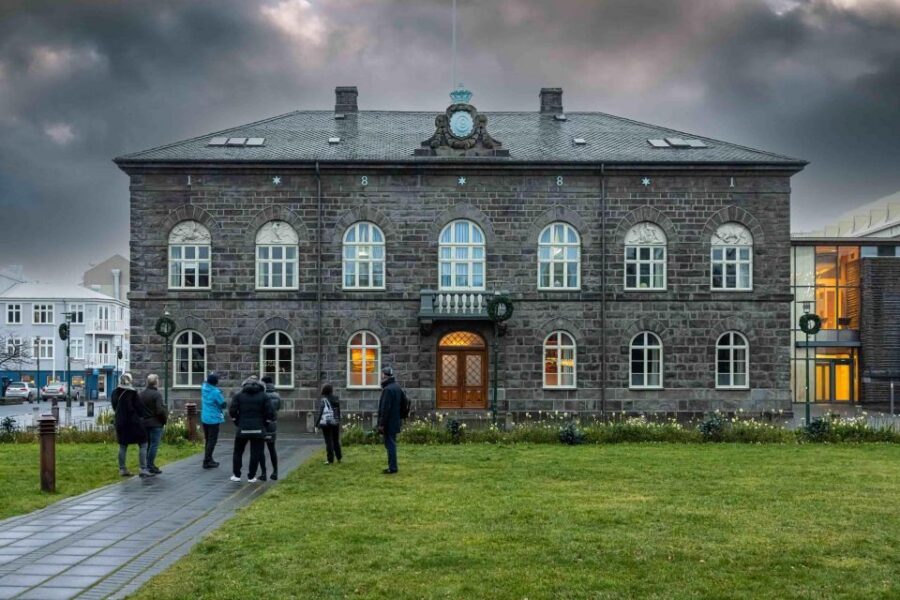
Austurvöllur ending: elfstone sightings, trolls, and a little rune-world logic
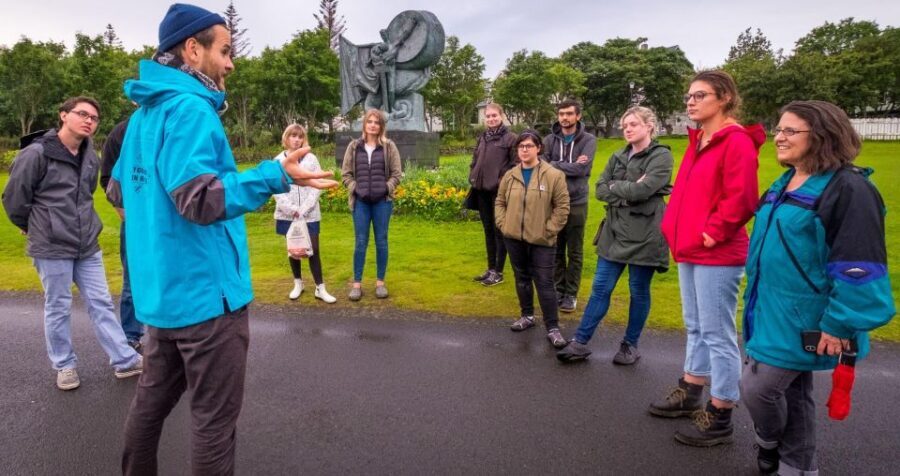
The walk finishes back around Austurvöllur, keeping you in central Reykjavik. This is where the tour ties the loose ends together and pushes the “hidden creature” theme into its final form.
One highlight is seeing an elfstone in the city center. Even if you’ve heard of elfstones generally, seeing one in a real urban setting makes the folklore feel less like a distant tradition. It becomes a visible piece of the myth landscape, right where people live their daily lives.
Troll stories also tend to land well here because the guide can connect them to how Icelanders used to explain natural features and dangers. Grýla gets a mention in the overall tour themes too, and while that story is dark, it’s usually handled in a way that keeps the overall walk from turning into pure gloom.
The “magic and runes” part can feel like the tour’s secret sauce. You don’t just hear that Icelanders had magic beliefs; you hear how they organized those beliefs into stories and symbols. By the end, the guide’s explanations help you see why Tolkien-like fantasy overlaps with Norse myth in spirit, even when the worlds are different.
If you’re lucky with timing and weather, the last stretch gives you nice city photos without needing a full separate sightseeing stop.
What the guides do that makes the tour feel better than a lecture
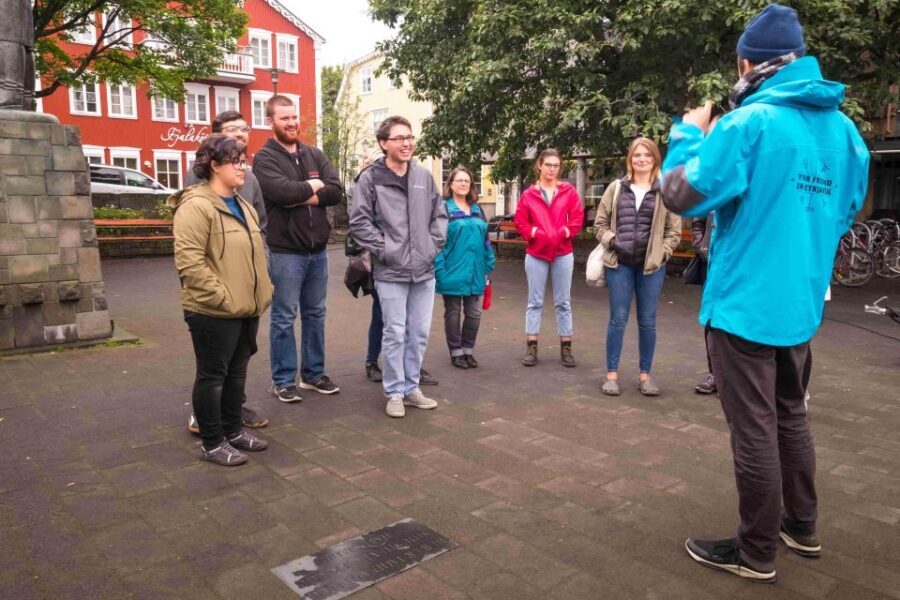
The tour’s rating is high for a reason: the guides act like storytellers, not walking brochures. Many guides add performance touches, and that can make a big difference on a folklore tour.
From examples like Einar, you might get the kind of storytelling that includes acting out a ghost story. Another guide like Beau is described as teaching spells and even showing a convincing video about Iceland’s version of the Loch Ness monster. Guides such as Magnus and Stefan are mentioned as being funny and full of energy, which matters because folklore can become repetitive if it’s delivered flat.
And the vibe stays friendly. Even when the content gets creepy, it’s delivered as a shared myth experience. That’s also why families sometimes like it, with the caveat that younger kids might need a private version.
Value at $51: what you’re really paying for
At about $51 per person for a 1.5-hour walk, you’re not just buying sightseeing. You’re buying a guided story experience tied to multiple landmarks you might not choose on your own.
Here’s the value logic I see:
- You get a guided interpretation of sites like the cathedral and graveyard areas, not just their names.
- You pack multiple themes into one outing: elves, trolls, ghosts, aquatic monsters, and Icelandic magic.
- You save time. Instead of building your own self-guided mythology route, the guide does the stitching for you.
Is it expensive compared to a self-walk? Yes. Is it expensive compared to other guided experiences in Reykjavik? It feels competitive, especially if you’re the kind of person who enjoys hearing stories with atmosphere.
Who should book this tour, and who should consider private
I’d book this if you like folklore, old myths, and stories that connect to real places. It’s a great early activity in Reykjavik because it gives you a cultural lens. Afterward, when you see statues, church architecture, and memorial spaces, you’ll understand the stories people attach to them.
It’s also a good fit for:
- couples who like a shared story experience
- solo travelers who want conversation and character-driven narration
- families who have kids that handle scary stories fairly well
But you should consider private (or at least ask about adjustments) if you’re traveling with very young children. The tour description clearly warns that some stories may be scary, and a private walk can dial down the scariness.
Should you book this Reykjavik folklore walking tour?
Book it if you want Reykjavik to feel more magical than merely scenic. The combination of historic graveyard atmosphere, the Catholic cathedral contrast, and the closing stop near Austurvöllur with elfstone sightings is a rare mix of real city sightseeing and myth storytelling.
Skip it if you strongly prefer straightforward history only, with no spooky tales and no rune-and-magic style explanations. This tour is built for the imagination, even when it uses real places.
If you’re deciding between doing a quick self-walk or hiring a guide, I’d choose this one. For roughly an hour and a half, you’ll leave with stories you’ll remember, and a better sense of why Reykjavik still talks to the legends hiding in the cracks.
FAQ
How long is the Reykjavik guided folklore walking tour?
The tour lasts 1.5 hours.
Where does the tour start?
You meet on Ingolfstorg Square in Reykjavik city center, by the two stone high seat pillars.
Where does the tour end?
The activity finishes at Austurvöllur (in the central area).
What kinds of stories will the guide tell?
Expect tales about Icelandic elves, trolls, ghosts, monsters (including mostly aquatic monsters), Icelandic magic, and runes of old.
What stops are included on the walk?
The walk includes Ingólfur Square, Kirkjugarðurinn Suðurgötu, the Cathedral of Christ the King, Lake Tjörnin, and Austurvöllur.
Is the tour family-friendly?
Some stories can be scary for younger children. You can contact the provider about a private walk where the scariness can be dialed down.
What languages are offered?
The live tour guide is available in English, Spanish, and French.
Is the tour wheelchair accessible?
Yes, it is wheelchair accessible.
How much does it cost?
The price is listed as $51 per person.
What’s the cancellation policy?
Free cancellation is available up to 24 hours in advance for a full refund.