REVIEW · REYKJAVIK
Northern Lights Guided Bus Tour from Reykjavik
Book on Viator →Operated by Reykjavik Excursions · Bookable on Viator
Northern lights are easier when you skip the driving. This Reykjavik bus tour pairs aurora science with dark-sky sightseeing, so you spend the night learning and watching instead of stressing behind the wheel.
I love the combo of guided explanations (the atmosphere, the solar particles, why colors shift) and the practical comfort of a bus with free Wi‑Fi for staying oriented and checking conditions as you go.
One big consideration: sightings are never guaranteed, and the tour runs only in the winter dark window. You’re going to need patience, warm layers, and a camera ready.
In This Review
- Key things I’d circle before you go
- Why this Reykjavik northern lights bus setup works
- The weather-dependent nature (the part you should plan for)
- Getting ready: warmth, timing, and why your camera matters
- Duration: plan a flexible evening
- From BSÍ bus terminal to your viewing start point
- One practical heads-up: it’s a large-group bus style
- The aurora science lesson your guide brings with them
- Why this education boosts the experience
- How the stops work: weather-driven locations, not chasing guarantees
- A reality check about crowding
- Bus comfort details that matter at night
- Bathroom and amenities: don’t assume
- Food and drinks: not included, but you may get a warm stop
- Price and value: is $73 worth it?
- Why the “try again” policy changes the math
- What to do if you don’t see the northern lights
- If the tour is cancelled due to weather
- Who this tour suits best (and who might want a different style)
- My best advice for choosing the right kind of tour for you
- Should you book this northern lights bus tour from Reykjavik?
- FAQ
- What if the northern lights aren’t visible during the tour?
- Does the tour include pickup in Reykjavik?
- How long does the northern lights bus tour take?
- What’s included in the ticket price?
- When does this tour run?
- Can I cancel and get a full refund?
Key things I’d circle before you go
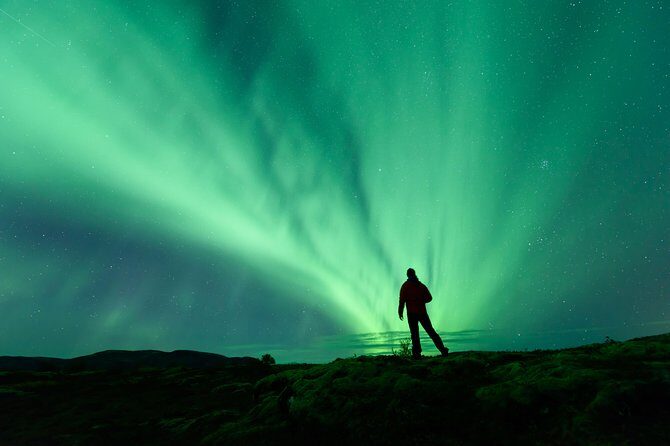
- Pickup plus city-to-country change of scenery: you leave central Reykjavik as the lights fade fast.
- Aurora science explained on the move: you learn what causes the glow, not just when to look up.
- Viewing spots change with forecast and weather: you’re taken to the best available locations that night.
- Wi‑Fi onboard: handy during a long evening where weather updates matter.
- Max group size of 99: still big, but managed, especially with a guide controlling the flow.
- Rebooking if the lights don’t show: the tour offers a free chance to try again on another night.
Why this Reykjavik northern lights bus setup works
If you’ve never seen the aurora before, the first challenge is simple: getting away from city light without turning your trip into a navigation problem. A guided bus solves that. You get picked up around central Reykjavik, then you ride out while your guide talks you through what you’re actually looking for.
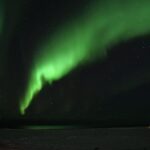
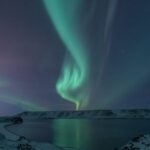
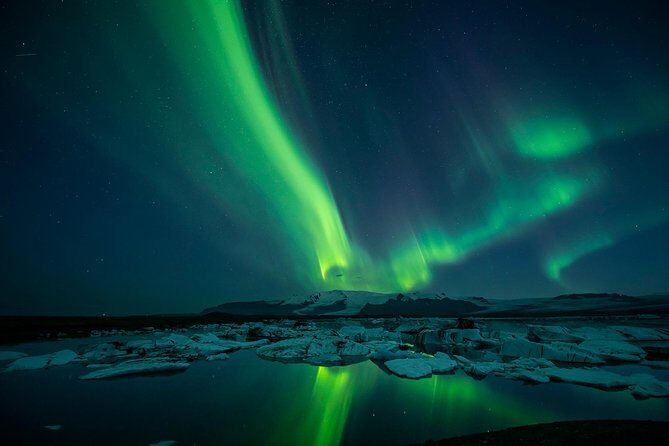
The second big win is that the experience isn’t just stand-there-and-hope. The guide explains how the northern lights happen: charged particles from the sun interact with the upper atmosphere near the poles, and collisions between particles create the light you see. Understanding that doesn’t make the aurora more predictable, but it makes your watching sharper. You start noticing brightness changes, color shifts, and the way the sky can go quiet before something moves.
You can also read our reviews of more guided tours in Reykjavik
The weather-dependent nature (the part you should plan for)
Here’s the honest reality. The tour depends on weather and an aurora forecast, and Iceland’s winter clouds can erase your chances. The tour also only runs during the darker months, from September to April, and sightings are not guaranteed. That means you should treat the night as a guided aurora outing, not a guaranteed light show.
Getting ready: warmth, timing, and why your camera matters
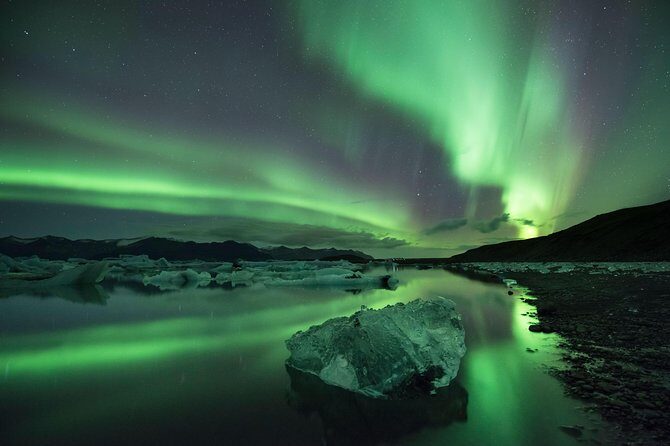
This tour is built around nighttime viewing, so dress like you’re volunteering for a winter photo shoot. The guidance in the info is direct: remember to dress warmly, and have your camera ready. That matches what you’ll feel on the ground. Even if the air doesn’t feel extreme during the ride, you’ll be outside longer than you expect when the group stops.
Also, don’t assume the colors will look exactly like phone screens or long-exposure photos. The tour team is focused on locations and timing, but what you see with the naked eye may be less intense than what cameras can capture. If you’re bringing a phone, make sure it’s ready before you step outside: power, camera mode, and basic settings.
Duration: plan a flexible evening
The tour runs about 3 to 5 hours. Return times can vary, especially because the night depends on weather and forecasts. If you have a tight schedule afterward, I’d avoid booking something that needs you perfectly back on time.
From BSÍ bus terminal to your viewing start point
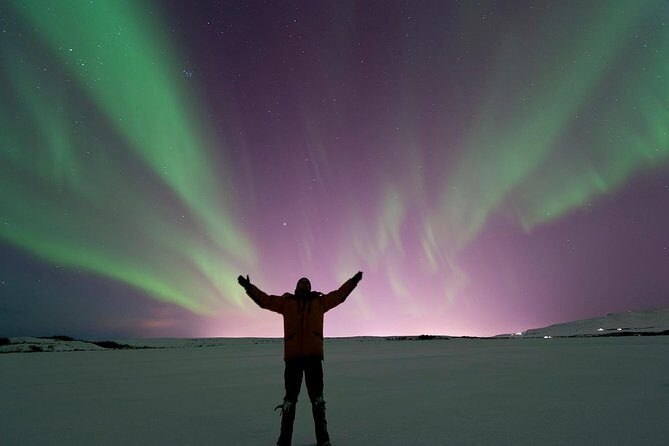
Your evening kicks off at BSÍ Bus Terminal Reykjavik (Vatnsmýrarvegur 10, 101 Reykjavík). If you opted for pickup, you’re told to be at your designated pickup location 30 minutes prior to departure, and the pickup vehicles are well marked with the Reykjavik Excursions logo.
The start matters more than it sounds. A northern lights tour is an operations game: miss a pickup and you miss the timing window. If you’re staying near the city center, pickup is one of the best value parts of this trip because it removes the stress of finding the best bus access point after dark.
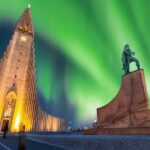
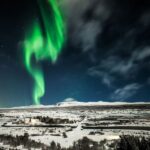
Then the real shift begins. As you leave central Reykjavík, you’ll ride past illuminated landmarks that slowly turn into darkness as the city disappears. That transition is part of why the tour feels satisfying even when the lights are faint. The night sky gets darker and your eyes adapt.

One practical heads-up: it’s a large-group bus style
With a maximum of 99 travelers, you should expect a big-tour pace. Some people love that social energy. Others find it less intimate. Either way, you’ll be moving with the group rhythm: listen on the bus, then bundle up outside when you stop.
The aurora science lesson your guide brings with them
This tour includes professional local guidance in English. And the best thing your guide does is translate the science into something you can actually use while you’re standing in the dark.
You’ll learn the basic mechanism: the aurora comes from the interaction between charged particles released from the sun’s atmosphere and gases in Earth’s atmosphere. The colors and brightness aren’t random. They depend on what’s happening in the atmosphere and which particles are involved at that moment.
Guides such as Sólvi and Nico have been highlighted as especially kind and effective at explaining the phenomenon. That’s the kind of difference that matters. When the explanation is clear, you stop treating the sky like a lottery and start treating it like a changing event.
Why this education boosts the experience
You can’t control whether the aurora shows up, but you can control what you pay attention to. The science lesson makes you notice:
- whether the sky is just dimly active or actually shifting
- whether your view is better after your eyes adjust
- how clouds can cut the display into pieces
That turns an uncertain night into an intentional one.
How the stops work: weather-driven locations, not chasing guarantees
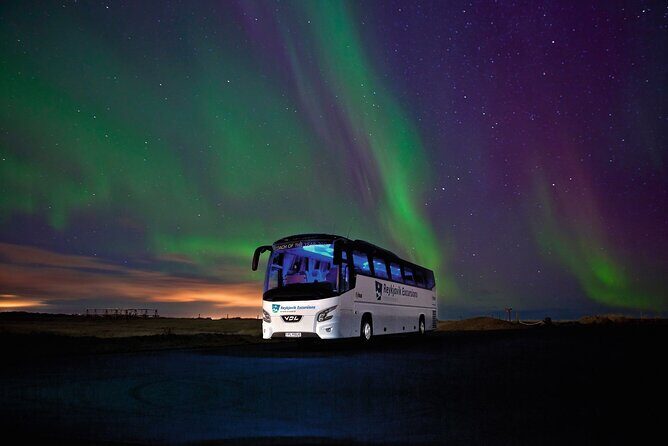
The viewing locations vary day to day depending on weather conditions. The guide uses the aurora forecast and checks skies before deciding where to go. This is crucial: in Iceland, cloud cover can change quickly, and being in the wrong place can ruin your chances even if the aurora is active elsewhere.
When the group arrives at a viewing spot, the pattern is usually straightforward. You step outside, find your place, and watch while the sky evolves. Some nights you might get more than one viewing window. Other nights you might get a longer sit in one location. Either way, the goal is the same: give you the best shot at clear skies.
A reality check about crowding
This is where you should calibrate expectations. Some nights can mean you’re not the only tour bus on site. If you end up in an area where lots of buses park together, it can limit your ability to enjoy the sky quietly. The big benefit is optics and logistics: you’re still grouped with a guide who knows the system and can manage the timing.
If you’re the type who values solitude and space, consider this a factor. You might still see great aurora, but you’ll be sharing the dark-sky moment.
Bus comfort details that matter at night
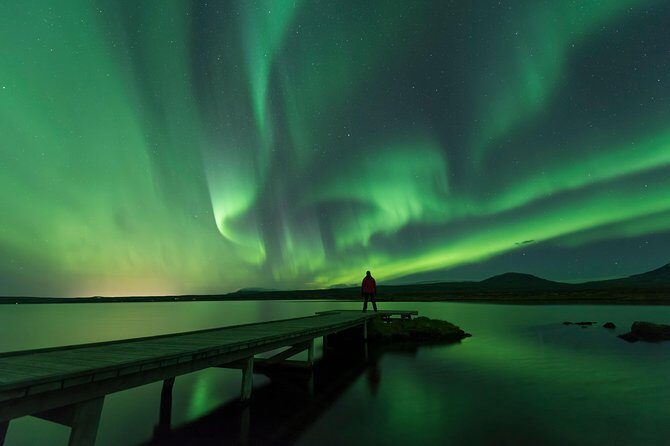
The tour includes bus fare and professional local guidance, plus free Wi‑Fi. I like this because winter evenings can turn into a waiting game. Wi‑Fi gives you a way to stay connected while you wait for the group decisions—useful if you want to communicate travel updates or quickly check what you’re seeing.
Comfort also matters because time outside can be brutal if you’re underdressed. The bus is the warm buffer between viewing windows.
Bathroom and amenities: don’t assume
A couple of guests noted there was no bathroom on the bus. That’s not a reason to skip the tour, but it is a planning point. If nature breaks are important to you on long winter outings, go in prepared and don’t count on onboard amenities.
Food and drinks: not included, but you may get a warm stop
The tour info says food and drinks are not included. One guest described a stop at a filling station where hot chocolate and cinnamon buns were provided, which suggests that some nights may include warming breaks along the way. Treat that as a possible bonus, not a guaranteed part of your ticket.
Price and value: is $73 worth it?
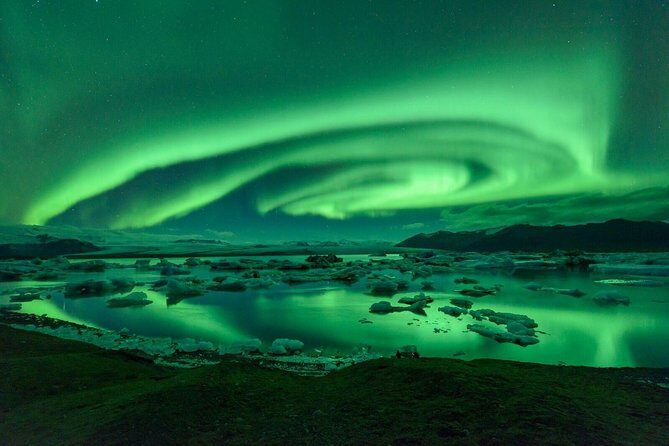
At $73 per person (roughly 3 to 5 hours), the value is less about luxury and more about risk reduction.
Here’s what you’re paying for:
- Pickup from central Reykjavik, so you don’t have to rent a car or fight winter roads
- a local guide who explains what’s happening in the sky
- transport to forecast-driven viewing locations
- free Wi‑Fi, which is genuinely useful during weather-dependent planning
- and the chance to see the lights without spending your night in transit
If you’ve never seen the aurora and you want the full “how it works” experience, the guided format is a strong match. If you’re comfortable self-driving and you already know the viewing basics, you could probably hunt the lights independently for less money. But you’d still be gambling on weather and timing, just without a guide’s help.
Why the “try again” policy changes the math
This is a key value detail: if you don’t see Northern Lights during the tour, you’re welcome to join again free of charge on another night. That matters because luck plays a huge role.
It’s also why I recommend booking earlier in your trip. The tour’s chances improve when you have backup nights.
What to do if you don’t see the northern lights
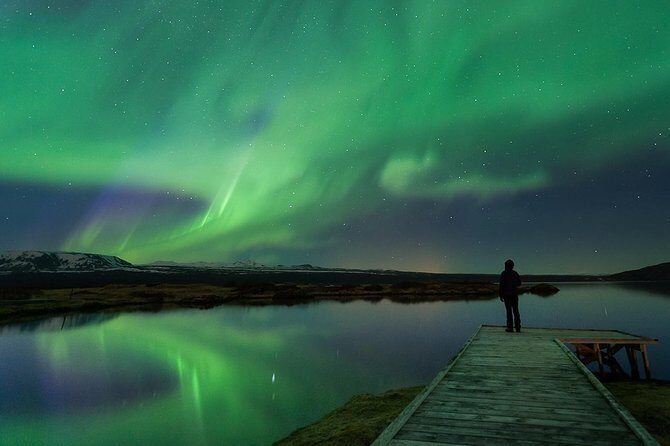
The tour makes the uncertainty clear. Northern lights are visible only during winter months, from September to April, and sightings aren’t guaranteed. If clouds or poor conditions swallow your chance, you’re not necessarily stuck with a single attempt.
If the lights don’t happen on your night, you can rejoin another night for free. That turns the tour from a one-shot gamble into a plan with redundancy.
If the tour is cancelled due to weather
If the weather is poor, the tour may be cancelled on the day. In that case, you’ll be offered a different date or a full refund, depending on what’s available and what you choose.
If you’re traveling for a short window, that’s why I’d book with flexibility. If you only have one night in Reykjavík, you’re taking on more risk than someone who has three or four nights available.
Who this tour suits best (and who might want a different style)
This is a great fit if:
- you’re in Reykjavík and want a guided aurora experience without a car
- you like learning while you watch (science explanations included)
- you’re okay with waiting outside in winter cold
- you want Wi‑Fi and pickup to reduce friction
It may be less ideal if:
- you hate large group settings and want quiet, private viewing
- you’re very sensitive to delays and changing plans driven by weather
- you need consistent onboard amenities like bathrooms
My best advice for choosing the right kind of tour for you
If you’re new to the northern lights, a guided bus tour is usually the best first step. If you’re experienced and you prefer to optimize for solitude or customized stops, you may want a smaller group or a more flexible format.
Also, note the tour carries a minimum age of 6 years old, which can affect the group vibe depending on school-holiday timing.
Should you book this northern lights bus tour from Reykjavik?
I’d book it if you want a guided, low-stress way to chase the aurora and you’re traveling earlier enough in your Iceland trip to take advantage of the free rebooking option if your first night is cloudy.
I wouldn’t book it expecting certainty. Even with the best forecast planning, Iceland’s weather can win. But if you dress warmly, keep your expectations realistic, and treat it as a science-and-sky night rather than a guaranteed light show, the format is strong—especially for first-timers.
FAQ
What if the northern lights aren’t visible during the tour?
The tour depends on weather and sightings aren’t guaranteed. If you don’t see Northern Lights during the tour, you can join the tour again free of charge on another night.
Does the tour include pickup in Reykjavik?
Pickup is offered. You should be at your designated pickup location 30 minutes prior to departure, and the pickup vehicles are marked with the Reykjavik Excursions logo.
How long does the northern lights bus tour take?
It runs approximately 3 to 5 hours, and return times can vary.
What’s included in the ticket price?
Included are bus fare, professional local guidance, and free Wi‑Fi. Food and drinks are not included.
When does this tour run?
Northern Lights are visible in Iceland only during winter months, from September to April.
Can I cancel and get a full refund?
Yes. You can cancel up to 24 hours in advance for a full refund. If you cancel less than 24 hours before the experience start time, the amount paid isn’t refunded.