REVIEW · REYKJAVIK
Icelandic Horse Riding and Whale Watching Tour from Reykjavik
Book on Viator →Operated by Special Tours Iceland · Bookable on Viator
Two icons of Iceland in one smooth day. You start with a small-group horseback ride that’s surprisingly easy thanks to the Icelandic horse’s tölt gait, then you switch gears to a fast, comfortable whale-watching cruise from Reykjavik’s Old Harbor. Local guidance helps you read the terrain and scan the water with more focus than you’ll get on bigger, busier trips.
I love that the whole plan is built around comfort and options: helmet, boots, rain gear, and warm overalls are included so you’re not juggling layers all day. One drawback to plan for: wildlife sightings aren’t guaranteed, and weather and visibility can affect what you see on the boat.
In This Review
- Key points worth knowing before you go
- Icelandic horses and whales in one tight schedule
- The ride start: Ishestar stables outside Reykjavik
- Icelandic horses and the tölt gait: why this ride feels different
- How the trail works: moorland, photo stops, and pacing
- Returning to the stables and switching gears to lunch
- Old Harbor and the hi-tech boat ride into Faxaflói Bay
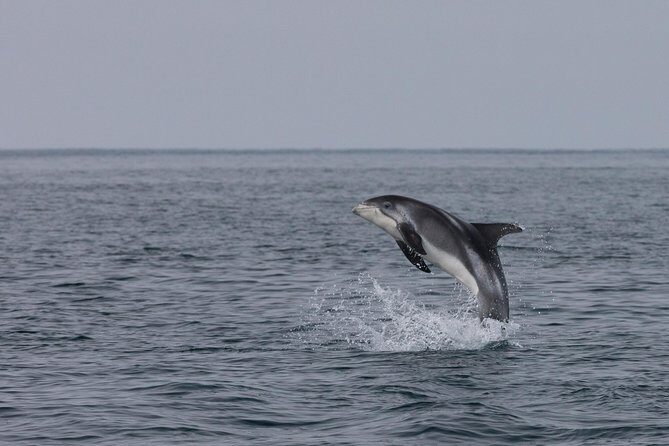
- What you might see: minke whales, humpbacks, porpoises, dolphins
- If you don’t spot whales: how the try-again plan works
- Gear and clothing: what to wear so you stay warm and happy
- Price and value: what you’re really paying for
- Who this combo suits best (and who should consider a different plan)
- Final verdict: should you book this Reykjavik horses-and-whales tour?
- FAQ
- What’s the meeting point for the tour?
- Is hotel pickup included?
- How big is the group?
- What’s included for the horse riding part?
- What whale species are most commonly seen?
- What are the age and weight limits for riding?
Key points worth knowing before you go
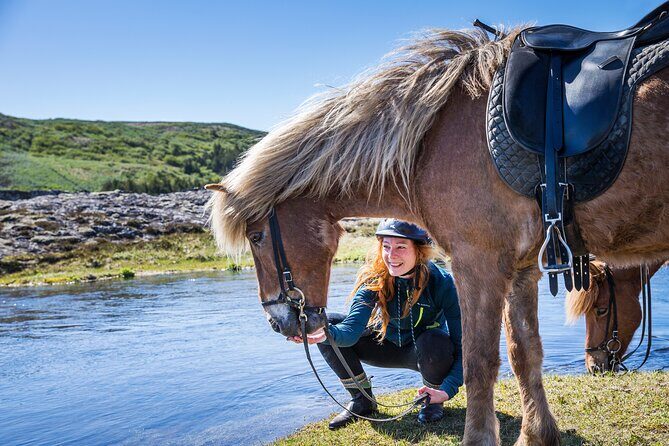
- Max 5 travelers: a quieter pace and more personal help on the horse ride
- Tölt makes the ride feel smoother: four-beat movement can be less jarring than you might expect
- Helmets, rubber boots, and rainwear are provided: you ride safer with less packing stress
- High-speed boat to Faxaflói Bay: typically about 20–30 minutes to reach feeding grounds
- Warm overalls plus onboard Wi-Fi: easier comfort if the wind or drizzle shows up
- Try again if you don’t spot wildlife: a complimentary ticket helps when conditions aren’t ideal
Icelandic horses and whales in one tight schedule
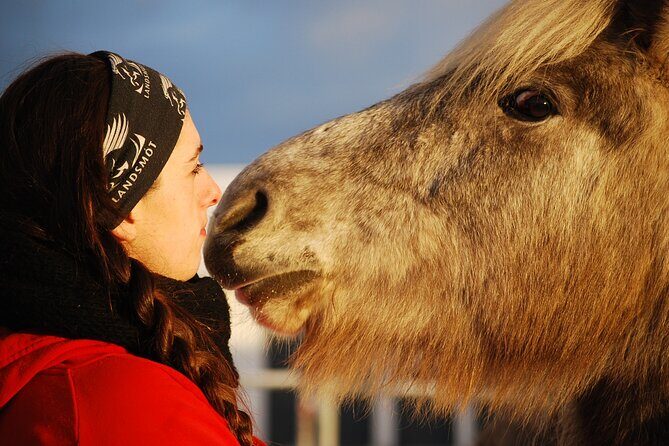
This is one of those Iceland combos that works because it’s well paced. You’re not spending your day on long, slow connections. Instead, you get the full horse experience first—out past Reykjavik, among lava and moorland—then you head straight to Old Harbor for the whale cruise.
The best part is that it’s designed for real-life visitors, not just adrenaline chasers. You get safety gear for the ride, warm clothing for the water portion, and clear time blocks: ride, return, lunch break on your own, then the boat. The total time is about 5 hours 30 minutes, so it fits neatly into a visit that also includes city stops, museums, or a Northern Lights night.
And because it’s a small group (up to 5), you’re less likely to feel like you’re stuck behind a crowd. On a horse, that matters. On a boat, it matters too.
You can also read our reviews of more whale watching tours in Reykjavik
The ride start: Ishestar stables outside Reykjavik
The day begins at Íshestar Horse Riding Centre at Sörlaskeið 26, 220 Hafnarfjörður. Many departures include hotel pickup from Reykjavik, but the tour data also notes hotel transfers can be arranged for an additional fee—so if pickup is important to you, confirm details with the operator when you book.
Either way, you’ll travel from Reykjavik toward the stables, which are just outside the city. That short drive is more than logistics. It’s time to shift from “Reykjavik mode” to “Iceland mode,” with a chance to learn about the horses and the riding style before you even mount.
Once you arrive, you’ll get set up: helmet, rubber boots, and rainwear/warm clothing for the ride. If you’re the type who hates arriving and immediately feeling underprepared, this is a big win. It also means you can pack light and still stay safe.
Icelandic horses and the tölt gait: why this ride feels different
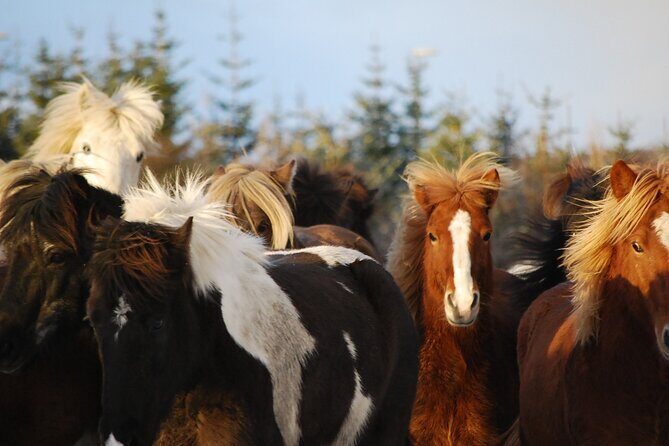
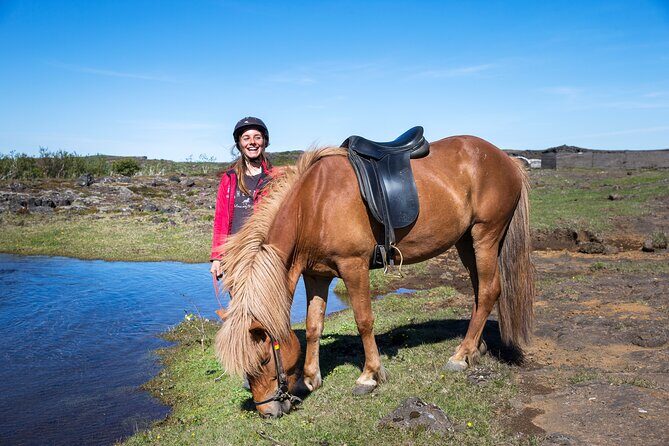
Here’s what makes Icelandic horses special for visitors: their tölt, described as a four-beat gait. If you’ve only ridden “typical” horse movements before, tölt is one of those details that sounds technical until you feel it. Riders often like it because it can be smooth across rough ground.
On this trip, you start with guidance and a safety briefing. Then you’ll head out led by your experienced guide. Expect photo stops along the way too—lava-covered areas are part of the scenery, and the route is built around views you’ll actually want to capture.
One rider specifically called out Sarah as a guide and said she made things feel relaxing and approachable, especially for beginners. That matches what this tour is trying to deliver: confidence first, speed later.
How the trail works: moorland, photo stops, and pacing
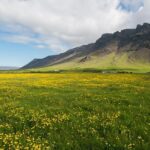
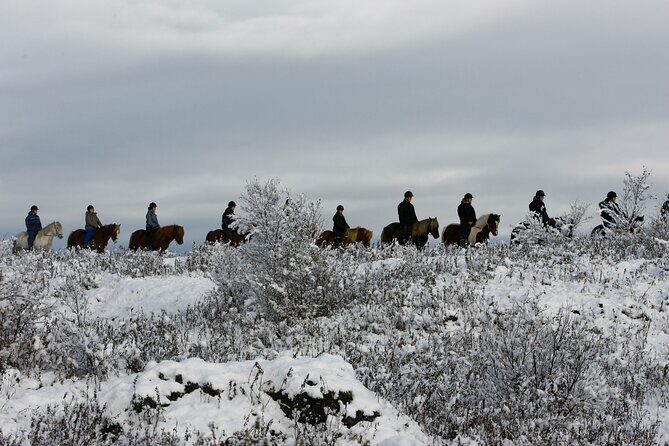
The ride itself is about 2.5 hours on the trail. You’ll move through remote-feeling areas, including moorland and fields, and you’ll pass through sections where the ground looks very Iceland—dark lava, open terrain, and wide skies.
A practical detail that matters: your group may split by riding experience and comfort level. That means you’re less likely to feel “held back” if you’re confident, or “rushed” if you’re nervous. One review described two groups—one steadier and one faster—after the initial setup. Even if you’re a first-timer, you can still enjoy the ride without the experience gap ruining the fun.
One more thing you should know: your pace can feel different from what you expect if you’re used to other horses. Icelandic horses can show their personality—some want to sniff and investigate more than you’d planned. If you’re a horse person, you’ll likely enjoy that. If you’re not, keep your expectations simple: listen to your guide, keep a steady seat, and let the route unfold.
Returning to the stables and switching gears to lunch
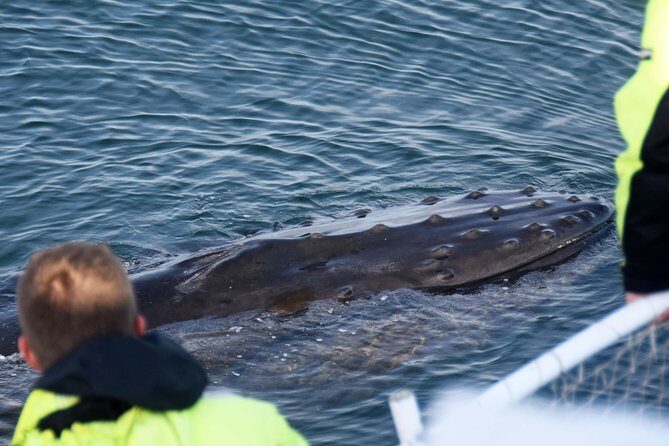
After the ride (around 2.5 hours), you return to the stables. Then you transfer back to Reykjavik’s Old Harbor for the whale watching.
Lunch is your own expense with free time. This is a smart break in the schedule. It also means you can choose what matches your day: something quick near the harbor, or you can swing back toward central Reykjavik if you’re hungry for a specific kind of meal. Just don’t over-plan, because you need to be back for boarding.
If you hate rushing, this segment is your chance to slow down. Use it to warm up, grab a snack, and check the weather conditions. Even on days that look fine on land, sea fog or wind can change the whale-watching experience.
A few more Reykjavik tours and experiences worth a look

Old Harbor and the hi-tech boat ride into Faxaflói Bay
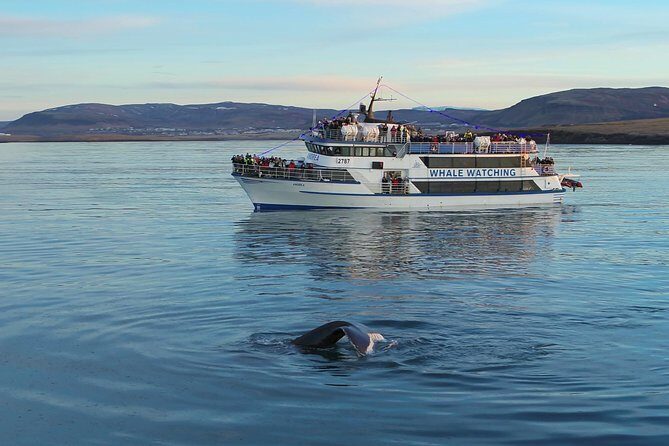
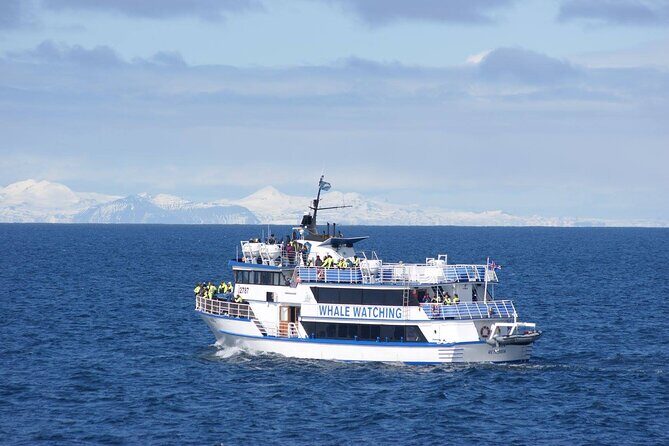
At Old Harbor, you’ll board a high-speed boat that’s designed for whale watching. You’ll put on warm overalls for the cruise, which is a lifesaver when the wind hits at sea.
Then you’ll move quickly into Faxaflói Bay, typically reaching the feeding grounds in about 20–30 minutes. This isn’t just speed for fun. It’s time saved that gives you more actual scanning time once you’re in the right area.
The boat is described as fast and comfortable, and it includes onboard Wi-Fi. There’s also an onboard cafe where you can grab refreshments if you want them.
As you head out, you’ll get views across the bay and commentary as you cruise. That commentary is there for a reason: when you’re trying to spot whales and dolphins, you need help knowing what you’re looking for and where to focus your eyes.
What you might see: minke whales, humpbacks, porpoises, dolphins
In Faxaflói Bay, the four most common species listed for sightings are:
- minke whales
- humpback whales
- harbour porpoises
- white-beaked dolphins
You’ll want your camera ready. The tour is built around the idea that you’ll be looking for movement—blow patterns, flukes breaking the surface, and the quick rise-and-disappear rhythm that marine life can do without warning.
Some riders have had standout luck. One described humpbacks very close to the boat, even with breaching. Another described dolphins and porpoises, plus birds like puffins. These aren’t promises, but they show the range of what the bay can deliver when conditions line up.
Keep in mind that whale watching depends on factors outside anyone’s control: water conditions, whale behavior, and visibility. If you’re the type who gets anxious about “what if we don’t see anything,” the tour does help here with a safety net.
If you don’t spot whales: how the try-again plan works
The whale portion includes a free ticket to try again if you don’t spot wildlife on your tour. That’s a meaningful value add, because it acknowledges the reality of marine sightings.
In practical terms, this means you’re not stuck thinking you paid for a “maybe.” You have a built-in second chance. It’s still weather- and season-dependent, but you’re getting more protection than most day cruises.
There’s also a general note: this experience runs in a variety of weather conditions, but whale watching can be affected by poor visibility. If weather forces cancellation, you’ll be offered a different date or a refund, depending on the situation.
Gear and clothing: what to wear so you stay warm and happy
This tour takes the guesswork out of packing. For the horse ride, you get helmet, rubber boots, and rainwear/warm clothing. You also receive coffee, tea, and hot chocolate after your riding portion, which makes the cold ride-out feel less brutal.
On the whale cruise, you get warm overalls again. Still, you’ll be on deck or in an indoor cabin. Dress for cold wind exposure. In Iceland, you can feel cold quickly even when you thought you were overdressed earlier.
If you’re deciding what to wear, keep it simple:
- Wear warm layers you can move in
- Bring gloves you’re comfortable using with a camera
- Wear shoes compatible with the provided boots (you’re not wearing your fragile fashion footwear into wet terrain)
Warm clothing provided doesn’t mean you’ll be comfortable in light summer clothes. It means you’ll be comfortable if you meet the tour halfway.
Price and value: what you’re really paying for
At $233.08 per person for about 5.5 hours, you’re paying for a true combo day: two guides, two different skill environments, and gear provided on both halves.
Doing these separately in Iceland often costs more once you factor in transportation, equipment, and guide time. Here, the tour bundle includes:
- a professional guide for both tours
- riding safety gear (helmet, rubber boots, rainwear/warm clothing)
- warm overalls for the boat
- hot drinks (coffee, tea, hot chocolate) after the horse ride
- onboard Wi-Fi during the cruise
- a complimentary try-again ticket if you don’t see wildlife
In value terms, the biggest wins for your wallet and your time are the gear and the built-in whale-watching safety net. The small-group setup also matters. It reduces waiting, improves attention from guides, and makes it easier to handle questions without feeling like a number.
Who this combo suits best (and who should consider a different plan)
This is a great fit if you want a day with both land and sea highlights without committing to a full-day whale-only excursion. It also works well for people who want hands-on guidance, especially with horses.
You’ll likely love it if you:
- are a beginner or intermediate rider who wants help and structure
- like photo opportunities and want the route to include lava field views
- care about comfort (warm gear, a comfortable boat, indoor space if needed)
- want a second chance if whales don’t show
You might want to rethink it if:
- your schedule is extremely tight and you can’t adjust if the try-again ticket has timing limits
- fog or bad weather would derail your entire itinerary and you’d have no flexibility
- you’re strongly water-averse and don’t want to be on deck at all (though indoor space exists)
It’s also a fit for mixed groups, including families, but the horse riding portion has limits: the minimum age is 7, and children 14 and older need written parental permission to ride alone. There’s also a weight limit of 110 kg / 240 lbs.
Final verdict: should you book this Reykjavik horses-and-whales tour?
If you want one organized day that covers Icelandic horses through lava-and-moorland terrain, then sends you out on a speedy whale boat into Faxaflói Bay, this is a smart booking. The small-group format and included gear reduce friction, and the try-again whale policy gives you more peace of mind than a standard cruise.
Book it if you’re comfortable with the reality of wildlife: you’re going to do a serious search, not guarantee a show. If your plan is flexible, this combo is a high-value way to start your Iceland trip with something genuinely different.
If you want the short version: this is a well-run day tour for people who like guided experiences, warm gear, and the thrill of spotting wildlife when it’s ready to show itself.
FAQ
What’s the meeting point for the tour?
The tour starts at Íshestar Horse Riding Centre, Sörlaskeið 26, 220 Hafnarfjörður, Iceland. The activity ends back at the meeting point, though hotel drop-off may be offered if you select that option.
Is hotel pickup included?
Hotel pickup is mentioned, but the info also states that hotel transfers are available for an additional fee. If you want pickup, you should confirm the details directly with the supplier when booking.
How big is the group?
This experience has a maximum of 5 travelers, which keeps the riding and whale-watching portions calmer than larger group tours.
What’s included for the horse riding part?
You’ll get a professional guide, plus helmet, rubber boots, and rainwear/warm clothing for the ride. You also receive coffee, tea, and hot chocolate after the horse riding portion.
What whale species are most commonly seen?
The most common species listed for Faxaflói Bay sightings are minke whales, humpback whales, harbour porpoises, and white-beaked dolphins.
What are the age and weight limits for riding?
The riding age limit is 7 years old. There’s also a weight limit of 110 kg / 240 lbs. If a child is 14 or older, they need written parental permission to ride alone.