REVIEW · REYKJAVIK
Reykjavik: the Original 3-Hour Whale Watching Tour
Book on GetYourGuide →Operated by Elding Adventure at Sea · Bookable on GetYourGuide
A whalewatching trip in Iceland can feel like a coin toss. This one runs on Faxaflói Bay’s strong year-round conditions and pairs it with a marine biologist guide and responsible viewing, so you know what you’re seeing and why it matters. I also like that you’re not left guessing: there’s an onboard Whale Centre pre-show vibe, an online Whale Diary to track sightings, and even a try-again-style guarantee if the day doesn’t deliver.
The tour also gives you real comfort for the cold. You get warm overalls, WiFi onboard, and crew support that keeps the boat focused on whale behavior rather than chasing thrills. One possible drawback: if you choose the best outside view (like the front/top deck), it can get very cold fast—and in low winter temps you may struggle to hear the guide.
In This Review
- Key things I’d zero in on before you book
- Faxaflói Bay: why Reykjavik makes this feel doable
- Getting oriented at the Old Harbour and the Whale Watching Centre
- Boat comfort plan: warm overalls, WiFi, and where to stand
- The 3-hour cruise in Faxaflói Bay: what happens during the hunt
- Marine biologist commentary: it turns sightings into understanding
- Responsible whale watching: why the code of conduct matters
- The Whale Diary and real-time spotting support
- Photo link and the little extras that add up
- Price vs value: is $108 reasonable for a 3-hour Iceland whale cruise?
- Who this tour suits best (and who might want a different option)
- Should you book the Elding-style 3-hour whale tour from Reykjavik?
- FAQ
- How long is the Reykjavik whale watching tour?
- What animals can you see on this cruise?
- Where do you check in?
- Are warm clothes provided?
- Is there a guarantee if you do not see whales?
- Is the tour guide English-language?
Key things I’d zero in on before you book
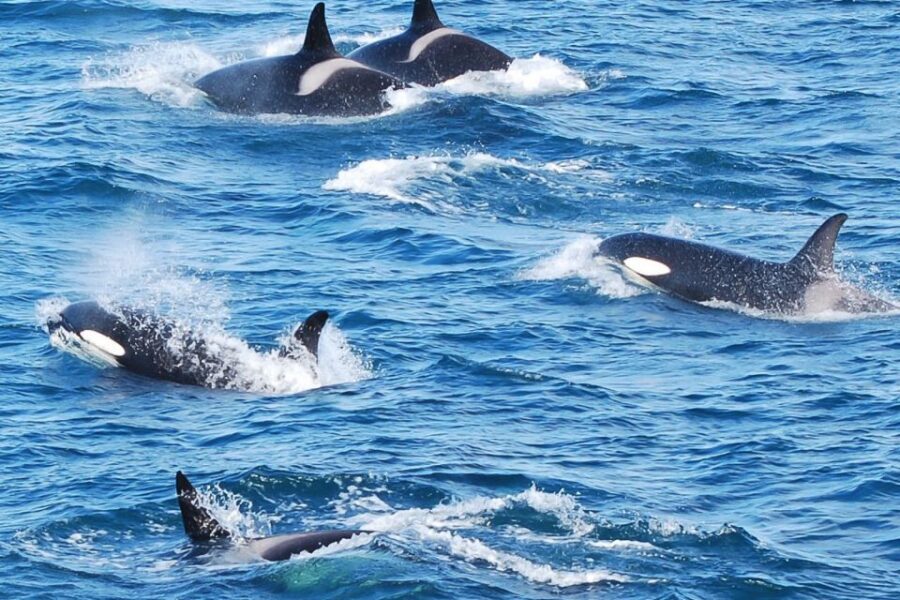
- High sighting rate: whales are reported on 90%+ of tours year-round
- Real marine science voice: live commentary from a trained marine biologist guide
- Responsible distance rules: a code of conduct designed to avoid disturbing animals
- Warmth built in: use of warm overalls plus an indoor space for breaks
- You can track luck: an online Whale Diary helps you watch local sightings
- Try-again safety net: sighting guarantee, or try another day for free
Faxaflói Bay: why Reykjavik makes this feel doable
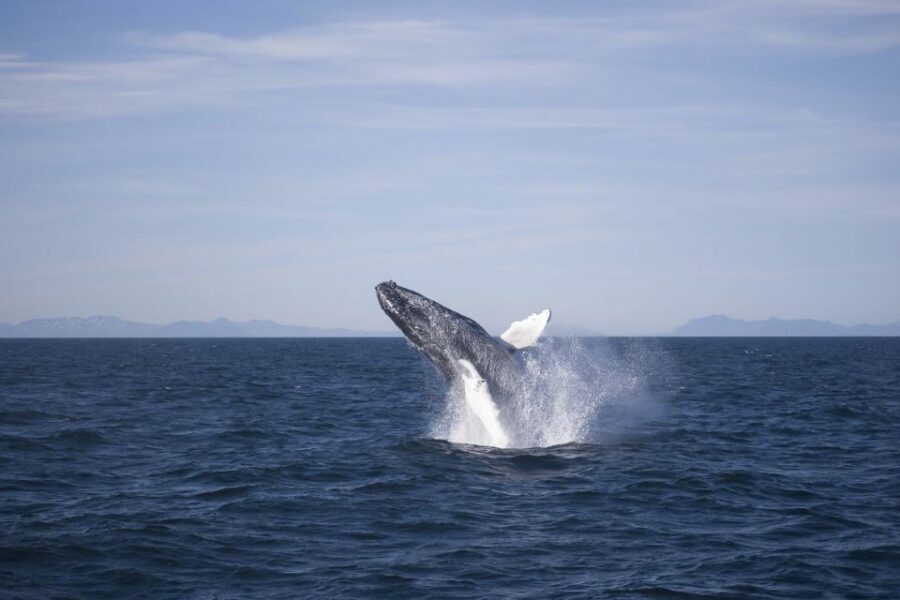
Reykjavik might be small, but the water right offshore is the reason this tour works. Faxaflói Bay sits where ocean currents bring food and stir marine life into consistent patterns, and the operator leans into that with day trips that run across seasons.
What you get here is not just hope. It’s a structured hunt guided by marine experts who know where to look and how to behave when you find animals. The tour’s stated success rate is high—whales on more than 90% of tours—which matters because it lowers the emotional cost of going.
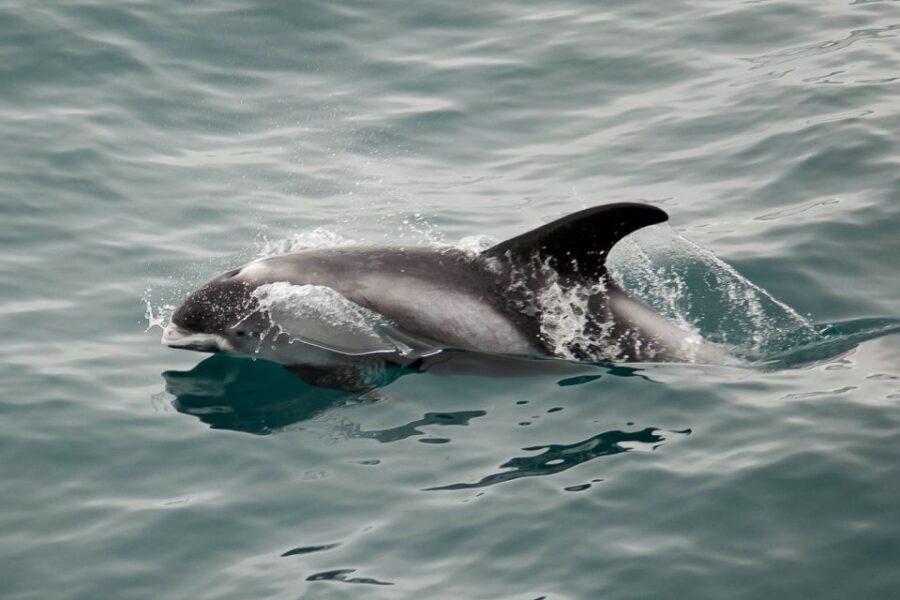
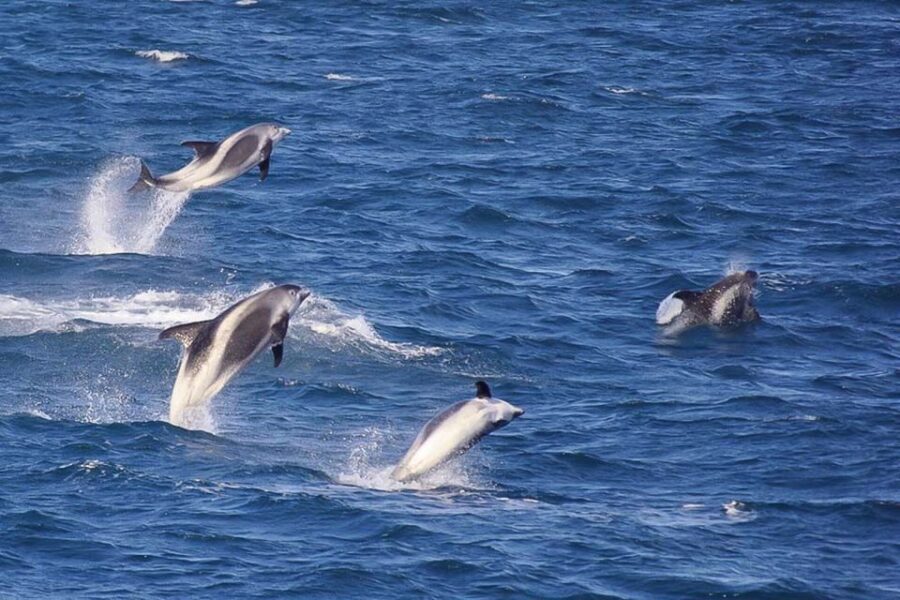
And yes, you can see more than whales. Expect the mix too: humpback whales, minke whales, white-beaked dolphins, harbour porpoises, and seabirds. Iceland trips often reward people who are open to the whole food chain, not only the “main character.”
You can also read our reviews of more whale watching tours in Reykjavik


Getting oriented at the Old Harbour and the Whale Watching Centre
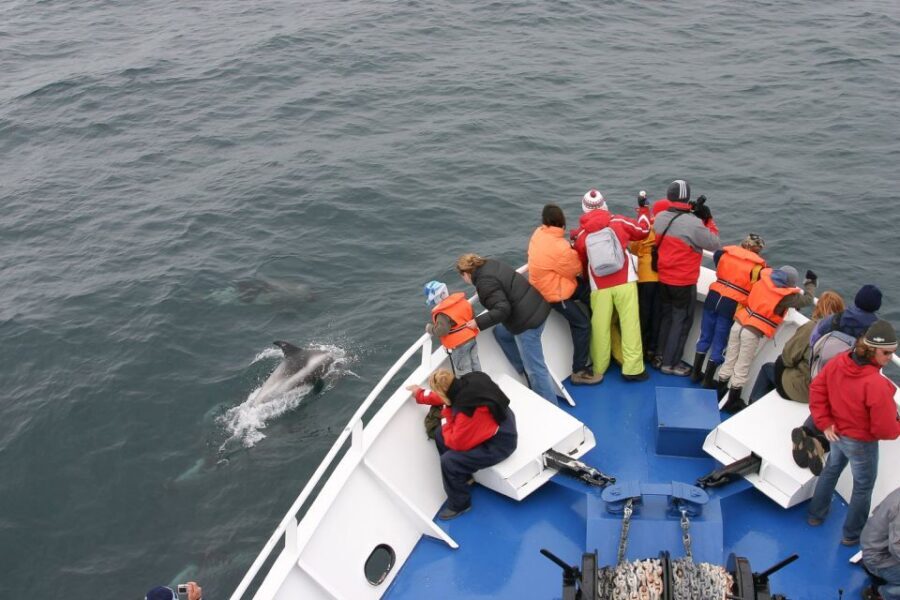
Your day starts at Reykjavik’s Old Harbour. Once you arrive, you check in at the red Elding ticket office, then you can settle in before boarding.
The Whale Watching Centre is part of the experience. You can walk through the space, watch videos, and look at skeletons and information boards, plus there are gifts for sale. This is a nice bonus if you’re early, jet-lagged, or just want to understand what you’re about to spot so the sightings land faster.
Here’s a practical tip: use the Whale Centre time to get your bearings on what whale behavior looks like. Then when you’re out at sea, you’re not just scanning for a blow—you’re watching feeding, surfacing timing, and movement patterns that guides are actively interpreting for you.
Boat comfort plan: warm overalls, WiFi, and where to stand
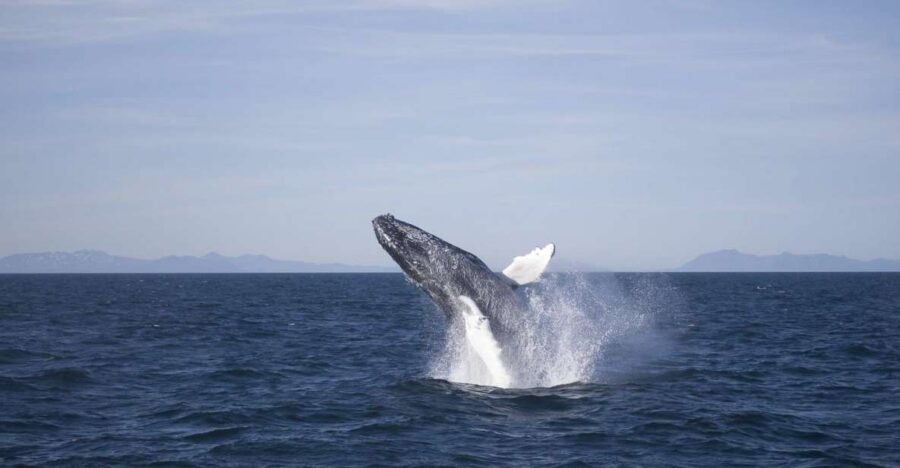
This is a deck-and-surge kind of tour. You’ll spend real time outside, but the boat includes an indoor area to warm up, and the operator provides warm overalls so your body can keep working through cold minutes.
The boat also has WiFi, which sounds small until you’re sitting in Reykjavik winter weather and want to update a friend or pull up the Whale Diary. The crew also hands out sea-sickness tablets for many departures, and multiple visitors mention having them available when needed.
Now the deck reality. The best view often means the cold view—especially on the front/top deck. One review notes top-front was the best sightline but very cold, and that the guide was hard to hear up there. My advice is simple: if you’re going for maximum sighting angle, accept that you might also rotate between outside and inside so you stay alert and can hear the live commentary.
Also consider crowd behavior. Some sightings will be close and on one side for stretches of time. If the boat angles for animal location, not every passenger gets equal sightlines, so showing up early and positioning yourself well can pay off.
The 3-hour cruise in Faxaflói Bay: what happens during the hunt
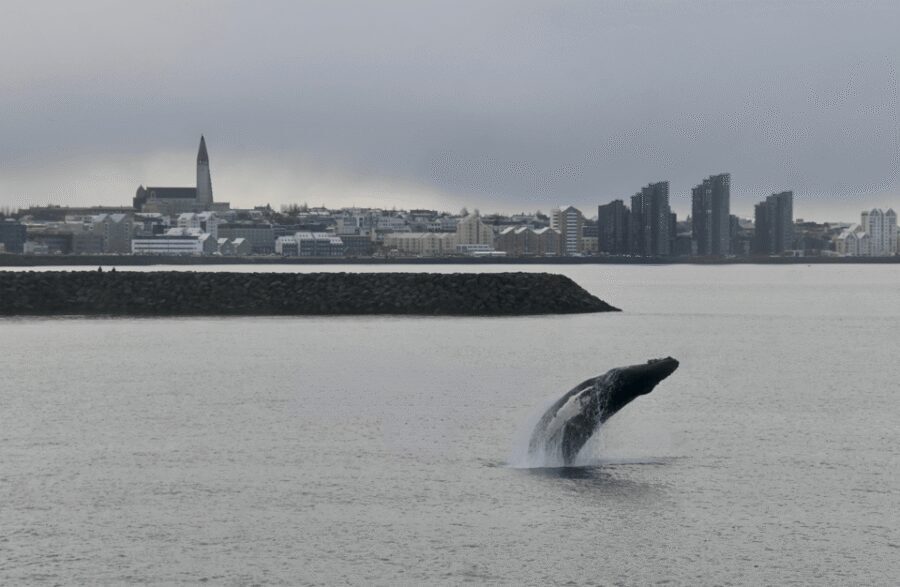
You’ll set sail from Reykjavik’s Old Harbour into Faxaflói Bay. The tour then spends time in the southern portion of the bay looking for whales, dolphins, harbour porpoises, and seabirds, with all the viewing based on animal behavior—not a fixed checklist of locations.
Because whales surface unpredictably, the tour’s structure is about searching and then staying present once contact happens. Many people report whales surfacing close to the boat, sometimes within only a few meters, and the boat pauses long enough for you to actually see what’s going on rather than just race past.
You can also get surprise additions. Some outings include seals and dolphins even if whales are slower to appear. A few reviews mention rare moments like early sightings within minutes of departure, while others describe longer periods at sea that still end with multiple whale encounters once the team locks into the right water.
Seas feel different by day. Several visitors say the ride was comfortable or not too choppy, while others imply you should treat winter cold and wind as part of the package. If you’re sensitive to motion, plan to use the sea-sickness option provided and don’t wait until you feel bad.
Marine biologist commentary: it turns sightings into understanding
A lot of whale tours give you facts on a loop. This one aims for something more useful: live commentary from a specially trained marine biologist guide.
The difference is not just that the guide knows names. It’s that you get context while you’re watching. Guides explain what whales are likely doing, why the bay conditions matter, and what to pay attention to next—often including which side of the boat to move toward when whales appear.
You’ll hear this in real examples. Reviews mention guides like Emily giving excellent guidance, Sam delivering strong whale-focused updates, and Pedro keeping the onboard experience lively and informative. Other names come up too: Mila, and Lasse with ongoing marine-life chatter throughout the trip. Even when people were lucky with multiple humpbacks, the common thread was that the guide helped them see more than just spouts.
One small caution: in very cold conditions, audio clarity can drop outside. If you can’t hear well on a top deck, warm up inside for a stretch, then go back out when you see the crew reacting to sightings.
A few more Reykjavik tours and experiences worth a look




Responsible whale watching: why the code of conduct matters
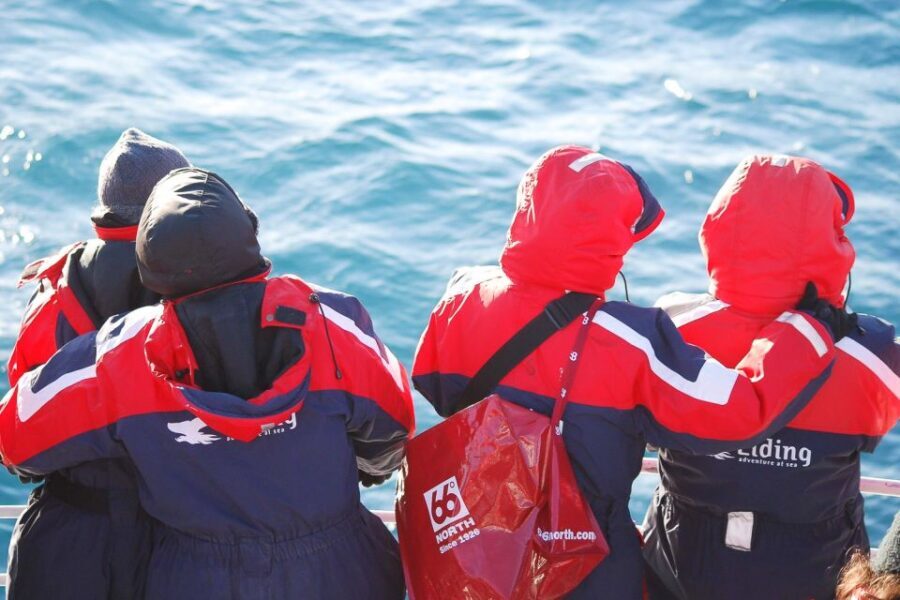
This tour is built around a responsible-whale framework. The operator states it follows a code of conduct for responsible whale watching that prioritizes not disturbing animals. Visitors also specifically mention behavior around not using sonar, which is exactly the kind of operational detail that reassures you that safety and wildlife respect come first.
This is one of the most praised aspects, and for good reason. When a boat chases, animals change behavior and you get worse sightings over time. When the crew follows animals calmly, you get the chance to watch natural surfacing, feeding, and diving patterns without turning whale watching into marine-life stress tourism.
In practice, you’ll notice it when the boat pauses just long enough, then moves on if it helps the next opportunity. Some reviews praise the balance: staying long enough for real viewing, but not stalling so long that it becomes a distraction for the animals.
The Whale Diary and real-time spotting support
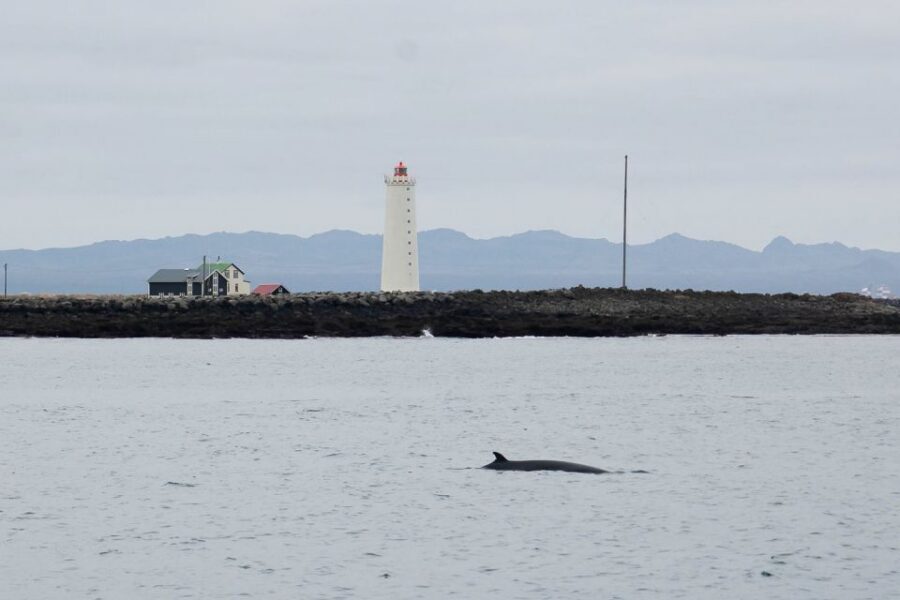
One of the smarter features here is that the experience doesn’t rely only on your own “let’s hope” mindset. You can monitor local sightings through the operator’s online Whale Diary and keep your expectations grounded in what the team is seeing in the area.
On the water, crew and guides coordinate with passengers too. Multiple reviews mention that the crew communicates clearly about where whales are spotted and helps people reposition without chaos. That kind of teamwork turns the boat from a random crowd into a shared viewing platform.
There’s also a practical, confidence-boosting detail: the tour includes a sighting guarantee (or try again for free). In plain terms, you’re buying into a company that expects whales to show up often enough to make the fallback fair.
Photo link and the little extras that add up
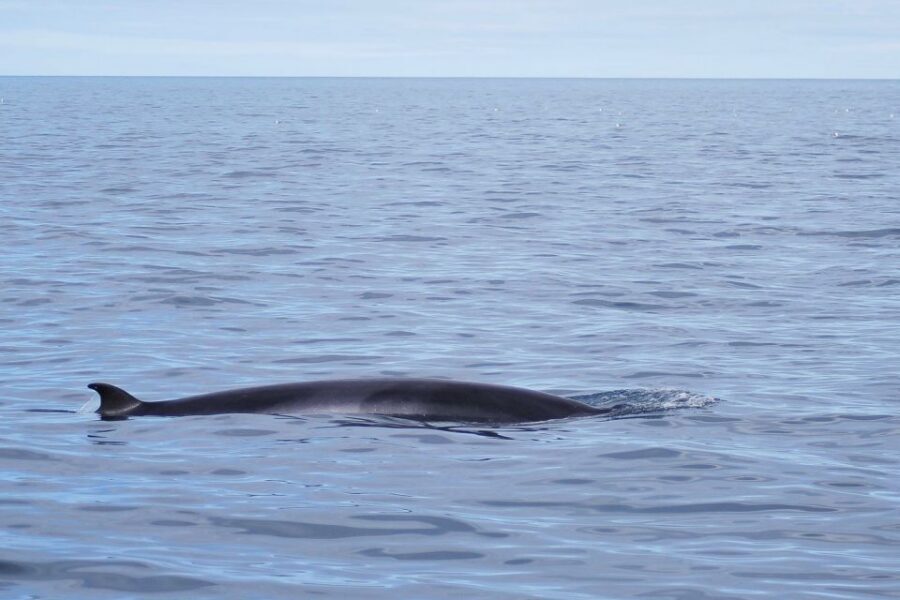
Whale watching is visual, and cold weather can make holding a camera awkward. A standout perk from the reviews: you often get a link to professional-quality photos after the trip, plus a summary report. That’s not required for the science side of the day, but it’s a real quality-of-life upgrade when your own shots aren’t perfect.
Food and drink are available for purchase onboard, and several visitors mention hot chocolate. There’s also mention of blankets and warm drinks, and that matches the overall comfort-first setup.
These extras matter because they protect the experience. If you’re spending time outside in Iceland, you want heat, and you want to feel taken care of while you’re waiting for an animal to surface.
Price vs value: is $108 reasonable for a 3-hour Iceland whale cruise?
At $108 per person for about 3 hours, you’re paying for more than a boat ride. You’re paying for a trained team, an environmentally certified operation, and the operational flexibility that comes with a high success rate.
Here’s how I’d think about value in your shoes. If whales show up quickly, you’ll feel like you got a bargain. If weather is rough, you still get warmth, indoor breaks, live expert interpretation, and the sighting guarantee safety net. In other words, you’re not paying only for the chance to see whales; you’re paying for the system that tries to make whale sightings likely and meaningful.
You’re also not locked into a long day. Three hours is a manageable chunk of your Reykjavik schedule, and it’s easier to pair with other activities without turning your trip into one giant weather gamble.
The most common “hidden cost” isn’t money. It’s cold-body patience and deck positioning. That’s why buying in with the right gear mindset matters. Wear the provided overalls, plan for wind, and accept that the best viewpoint might be a tradeoff.
Who this tour suits best (and who might want a different option)
This is a great fit if:
- you want a responsible, science-based whale experience rather than a pure thrill chase
- you’re visiting Reykjavik and want a short, high-likelihood outing
- you care about comfort and want warm overalls plus indoor breaks
- you like getting context while you watch wildlife
It might be less ideal if you:
- hate standing outside for long stretches (you’ll often be shifting positions for sightings)
- have extremely low tolerance for cold wind in winter, since the best sightlines can be exposed
- want a guaranteed, always-perfect view from one fixed seat (boat positioning for animal location can change what you see)
If you’re flexible and willing to layer up, the tour’s structure gives you multiple chances to spot whales without feeling like you’re stuck in one boring grid.
Should you book the Elding-style 3-hour whale tour from Reykjavik?
I’d book this if your top goal is a high-success whale-and-dolphin cruise with trained marine biologist commentary and a clear responsibility-first approach. The warmth kit (overalls plus onboard ability to get inside), the Whale Diary tracking, and the sighting guarantee make it feel like a confident purchase rather than a roll of the dice.
If you’re picky about sound or freezing conditions, treat the outside deck as a rotating experience, not a one-seat commitment. Show up early, pick a viewing spot that matches your comfort, and accept that the boat’s job is to follow whales, not keep you perfectly framed.
If whales are your main mission and you want Reykjavik to deliver without a long travel day, this is one of the most practical ways to do it.
FAQ
How long is the Reykjavik whale watching tour?
It lasts 3 hours.
What animals can you see on this cruise?
You can look for humpback whales, minke whales, white-beaked dolphins, and harbour porpoises, plus seabirds.
Where do you check in?
Once you’re at Reykjavik Old Harbour, check in at the red Elding ticket office.
Are warm clothes provided?
Yes. You use warm overalls on board, and you’ll have access to warm areas during the tour.
Is there a guarantee if you do not see whales?
Yes. There’s a sighting guarantee, or you can try again for free.
Is the tour guide English-language?
Yes. The live tour guide provides commentary in English.