REVIEW · REYKJAVIK
Experience Countryside of Iceland by Horseback Riding
Book on Viator →Operated by Alhestar Horse Rental and Tours · Bookable on Viator
Tölt on Icelandic horses feels different. I love the tölt gait and the personal pace in a small group of up to 12, plus you get to explore the South Coast around Þorlákshöfn. The one thing to keep in mind: the exact route depends on weather and season, so the mix of beaches, lava fields, and pasture can shift.
This tour is a smart way to see Iceland from the saddle without needing to be a pro rider. You’ll get round-trip transfers from central Reykjavik hotels, helmets and riding gear, and a snack to keep your energy steady while you’re out. Dress for Iceland’s moods too, because your feet and legs will feel the difference if you show up in the wrong shoes or not-warm layers.
In This Review
- Key Points You’ll Care About
- Icelandic Horses and the Tölt Moment You’re Booking For
- Þorlákshöfn: Why This Ride Area Works So Well
- How the 3-Hour Experience Feels in Real Time
- The “All Levels” Promise: What It Actually Means On Horseback
- Getting Comfortable Fast: Helmets, Gear, and Coaching
- What You’ll See: Beaches, Lava Fields, and Pastures (Depending on Weather)
- Small-Group Energy: Up to 12 Riders Changes the Whole Ride
- Snacks and the Practical Side of Feeling Good
- Who This Tour Suits Best (And Who Might Want to Rethink It)
- Value Check: Is $207 Worth It?
- Getting the Most From Your Ride: What to Bring and How to Prepare
- After the Ride: The Human Side of the Farm
- Should You Book Countryside of Iceland by Horseback Riding?
- FAQ
- Where does the horseback tour start and end?
- Is pickup from Reykjavík included?
- How long is the tour?
- How many people are in the group?
- Is the tour suitable for beginners?
- What is the most unique experience on this tour?
- What should I wear or bring?
- What’s included in the price?
- Is the tour affected by weather?
Key Points You’ll Care About
- Up to 12 riders for a calmer, more hands-on feel
- All levels welcome, with guides adjusting speed to the slowest rider
- Icelandic horse tölt as a signature experience
- South Coast scenery near Þorlákshöfn, with beaches, lava fields, and mountain views depending on conditions
- Reykjavik hotel pickup and drop-off plus helmets, equipment, and snacks included
- Maggi and Sigrún are repeatedly praised for patient teaching and safety focus
Icelandic Horses and the Tölt Moment You’re Booking For
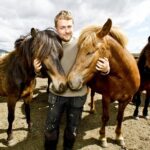
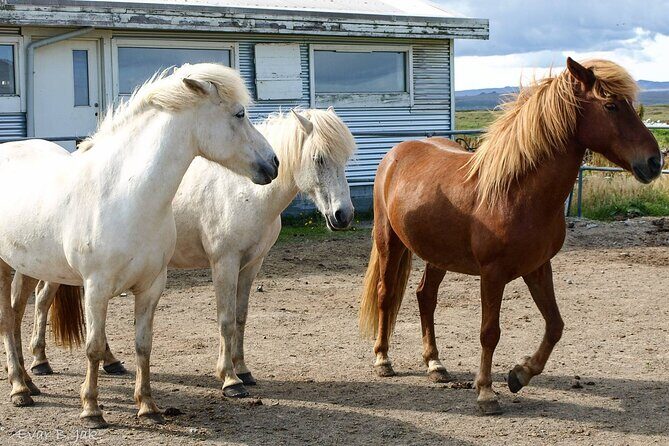
Horseback riding in Iceland can sound like a postcard fantasy. What makes this tour practical is that it’s built around Icelandic horses and the way they move, so you’re not wrestling the ride the whole time—you’re learning how to get comfortable and in sync.
The big draw is the tölt gait, the signature movement you’re there to experience. That single detail changes the feel of the ride compared with many places where you mostly stick to walk-and-trot. Here, your guide is working with your comfort and the group’s ability, not trying to turn your ride into an endurance test.
A few more Reykjavik tours and experiences worth a look
Þorlákshöfn: Why This Ride Area Works So Well
You’re riding near Þorlákshöfn, a small fishing village on Iceland’s South Coast. It’s about 30 km from Reykjavík (around a 45-minute drive), which matters because it keeps the day from feeling like one long bus ride.
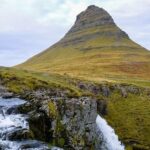
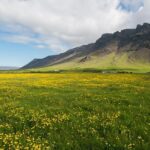
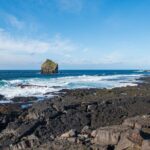
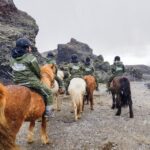
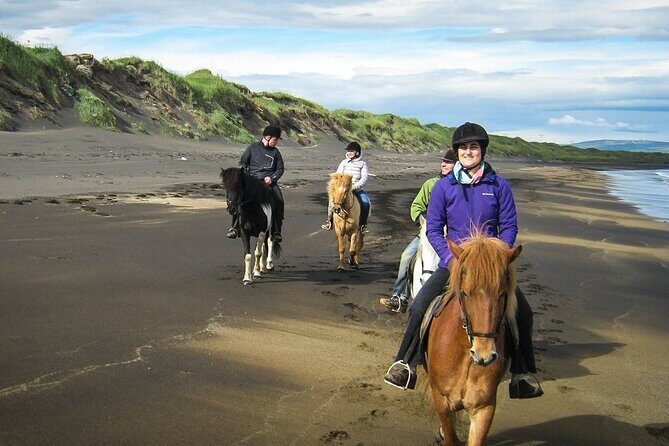
The scenery around Þorlákshöfn is part of the appeal. Depending on the conditions, you can pass things like beach views, tall green grass banks, lava fields, and mountain backdrops. If you’re hoping for a very specific kind of terrain—like a coastal section—just know the route is weather-dependent. That’s not a deal-breaker; it’s Iceland being Iceland, and the guides will choose what’s workable and safe that day.
How the 3-Hour Experience Feels in Real Time
This is an approximately 3-hour activity, with pickup from central Reykjavík hotels and drop-off back at the start point. The time window is long enough to make the journey feel like a real outing, but short enough that you still have energy for the rest of your Iceland day.
A typical flow looks like this:
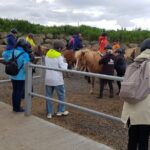
You get collected from your Reykjavík hotel area, then you drive to the Þorlákshöfn property. You’ll get fitted with helmets and riding equipment, and the guides will go over what you need to know before you mount.
Then comes the ride itself. Your route can vary by season and weather, but it stays focused on that South Coast mix of open ground, lava areas, and whatever coastal angles the day allows. The guides also keep the pace controlled so nobody gets left behind.
The “All Levels” Promise: What It Actually Means On Horseback
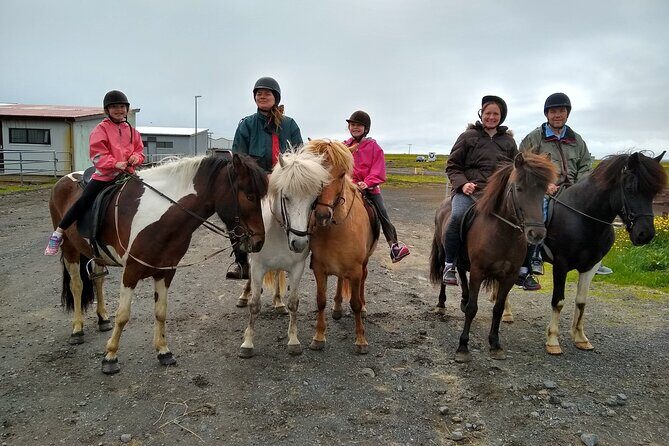
“I can’t ride” or “I’ve ridden before” are both common concerns. Here, the setup is explicitly designed for beginner through experienced riders, and the guides adjust the ride to match the group.
In practice, this matters most when you’re learning. You’re not just thrown on a horse and told good luck. Guides like Maggi and Sigrún are repeatedly described as calm and instructional, with a safety-first mindset.
One important detail: the group pace is managed so you won’t be forced into something faster than your comfort level. That doesn’t mean it’s slow and boring—it means you get time to learn control and balance without a pressure-cooker environment.
Getting Comfortable Fast: Helmets, Gear, and Coaching
A lot of tours include equipment. Fewer tours make you feel like the equipment is part of a real plan for your safety and confidence.
You’ll get helmets and riding equipment included, which immediately lowers the guesswork for what to pack. You’ll also receive guidance on how to control the horse and how to ride in a way that keeps things steady for your body and for the animal.
Language can be a variable in Iceland, and at least one guide is described as not speaking fluent English. The good news is that teaching often comes through hands-on demonstration and simple communication. If English is your only tool, bring a flexible attitude and don’t overthink it—horse riding is visual and physical, and the guides do the work of closing the communication gap.
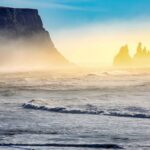
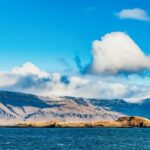

What You’ll See: Beaches, Lava Fields, and Pastures (Depending on Weather)
This ride is designed around the natural mix around Þorlákshöfn. The exact scenes depend on what the day gives you, but the core possibilities are consistent.
You might see:
- beach views and coastal angles
- tall grass banks and open pastures
- lava fields and rugged ground
- mountain backdrops
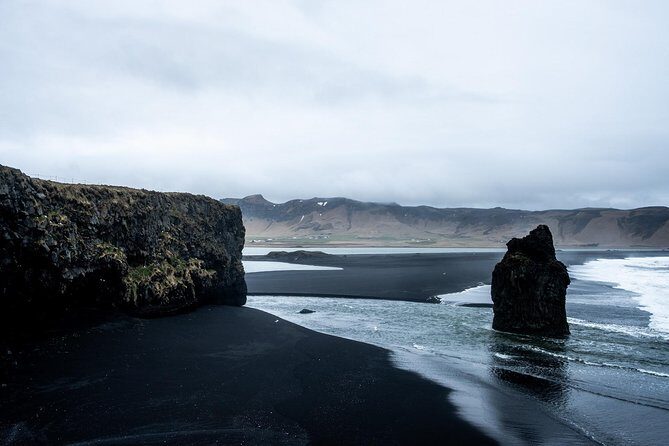
A few rides also include black-sand beach sections, which is the kind of scenery that feels very Iceland: stark, dramatic, and unlike anything most people are used to. If you get that kind of route, you’ll understand why people call this a highlight.
If you don’t get beach time on a given day, it usually isn’t because the tour is “less.” It’s because Iceland’s weather decides the logistics. The upside is that even inland stretches can still feel wild and expansive once you’re on horseback.
Small-Group Energy: Up to 12 Riders Changes the Whole Ride
The group limit is maximum 12. That doesn’t sound huge, but on horseback it makes a difference. With fewer riders, the guide can watch everyone more closely, and you’re less likely to feel like you’re part of a line that never stops moving.
This matters for beginners and it matters for comfort. You’re learning coordination, and you want the guide close enough to correct posture or pacing before mistakes build.
It also tends to make the ride feel more personal. Reviews praise guides for moving carefully with different skill levels and keeping a friendly vibe—laughing while staying safe is a real theme here.
Snacks and the Practical Side of Feeling Good
The tour includes snacks, which is a small thing that helps a lot. Iceland can be cold and windy, and a snack prevents the “hangry rider” problem, especially if your day is already packed.
You’ll still want warm clothes and proper footwear. The tour doesn’t include “good shoes,” and it doesn’t provide warm comfortable clothing. So if you want to focus on the ride instead of counting your toes to see if they’ll survive, plan your outfit like you’re going outside for a while in real North Atlantic weather.
Who This Tour Suits Best (And Who Might Want to Rethink It)
This is a great fit if you:
- want horseback riding in Iceland without a demanding skill test
- like the idea of riding Icelandic horses and experiencing the tölt gait
- prefer a small-group format instead of a big cattle-truck herd
- want a South Coast nature outing that’s short enough to fit into a Reykjavík itinerary
It may be less ideal if you:
- want a guaranteed, exact set of scenery stops (beach vs. pasture) regardless of weather
- expect a luxury feel or brand-new equipment vibe
- are extremely language-dependent and expect fluent English at every step
That last point isn’t a deal-breaker. It just means you’ll get more from this tour if you bring a “listen with your eyes” mindset.
Value Check: Is $207 Worth It?
At $207, the first question is whether you’re paying for the experience or just paying for access. Here, the value logic is fairly strong because this price comes with several things that cost extra on many tours: round-trip transfers from central Reykjavík hotels, helmets and riding equipment, and snacks.
You’re also getting a small group cap and guides who focus on safety and instruction rather than speed. For many people, that combination is exactly what makes the price feel justified.
The main “value risk” is expectation mismatch. If you book primarily for one type of view—like ocean beach time—and Iceland’s weather pushes your route elsewhere, you might feel the trip delivered less of what you pictured. That’s true of most outdoor Iceland activities, but it’s worth flagging because the price is not budget-level.
Getting the Most From Your Ride: What to Bring and How to Prepare
This tour is only as comfortable as your choices before you arrive.
Bring:
- warm layers you can move in
- gloves (hands matter more than you think)
- proper shoes—something with grip that keeps your feet supported
- a water-resistant outer layer if the forecast looks messy
Wear what you can ride in. The horses and tack are included, but your body is on your own.
One small tip: arrive ready to listen, watch, and follow the guide’s pace. Trying to “solve” the ride yourself is where beginners sometimes get tense. The guides are there to help you settle in.
After the Ride: The Human Side of the Farm
A recurring detail is how welcome the guides make people feel afterward. Some rides include a chance to slow down, warm up, and have coffee after the ride, sometimes hosted at the farm. Even if coffee isn’t your priority, this kind of post-ride hospitality can turn a tour into a memory that lasts longer than the riding time.
This is also where you’ll often get the best sense of how much the guides care about their horses. That genuine connection shows through in the way they handle riders, not just in what they say.
Should You Book Countryside of Iceland by Horseback Riding?
If you’re the type of traveler who wants a real Iceland experience—guided, grounded, and focused on nature on a horse—this is an easy recommendation. The tölt gait, the small-group pace, and the fact that guides like Maggi and Sigrún emphasize safety and teaching are the reasons people keep coming back.
I’d only hesitate if your top goal is a specific kind of scenery you assume you’ll get no matter what. With Iceland, weather controls the route. If you can roll with that and focus on the ride itself, you’re in for a memorable South Coast outing that’s both scenic and genuinely fun.
FAQ
Where does the horseback tour start and end?
The tour starts at AlhestarFaxabraut 6, 815 Þorlákshöfn, Iceland. It ends back at the meeting point.
Is pickup from Reykjavík included?
Yes. Round-trip transfers are included from central Reykjavík hotels.
How long is the tour?
The duration is approximately 3 hours.
How many people are in the group?
The group size has a maximum of 12 travelers.
Is the tour suitable for beginners?
Yes. It’s suitable for both beginners and experienced riders, and the guides adjust the pace based on the group.
What is the most unique experience on this tour?
You’ll ride Icelandic horses and experience the Icelandic horse’s unique tölt gait.
What should I wear or bring?
You should wear warm, comfortable clothes and good shoes. Helmets and riding equipment are provided, but good shoes and warm clothing are not included.
What’s included in the price?
All fees and taxes are included, along with helmets and riding equipment and snacks.
Is the tour affected by weather?
Yes. This experience requires good weather. If it’s canceled due to poor weather, you’ll be offered a different date or a full refund.