REVIEW · REYKJAVIK
6-day Ultimate Iceland Tour: Photography and Northern Lights
Book on Viator →Operated by Luke EM · Bookable on Viator
Iceland feels different at camera speed. This private 6-day run from Reykjavik strings together tectonic drama, geothermal color, glacier ice, and night-sky chances with photography help from Luke EM.
I especially like that it mixes the big-name stops with extra time to frame shots, not just rush through them.
What I love most is the small, up-to-8 group setup. I also like the blend of classic power sights (Þingvellir, Geysir, Gullfoss) with more out-in-the-wind places like Brimketill and Hafnaberg.
A possible drawback: it’s an active plan with lots of driving days, so if you want slow, sleepy mornings every day, you may feel it.
One more heads-up: this experience is weather-dependent. If conditions don’t cooperate, you’ll need to stay flexible, since the tour expects good-weather timing.
In This Review
- Key things to know before you go
- Reykjavik base and the value of a private photo-first tour
- Day 1: Reykjanes Peninsula textures—fault lines, lighthouses, and steam
- Day 2: Golden Circle power stops and soaking time
- Day 3: seals, black churches, basalt cliffs, and the Kirkjufell photo magnet
- Day 4: South Coast waterfall variety from behind-the-falls to Vik
- Day 5: Vatnajökull area—basalt walls, icebergs at Jökulsárlón, and Diamond Beach
- Day 6: Batman mountain, puffin stacks, lava history, and a plane wreck on black sand
- Photo help that actually changes your results
- Who this tour fits best
- Should you book Luke EM’s 6-day Iceland photography and northern lights tour?
- FAQ
- What is the group size for this private tour?
- How much does the tour cost, and what’s included?
- Do you provide pickup and what time does it start?
- Are meals and accommodation included?
- Are admission tickets included at some stops?
- What if weather is poor?
Key things to know before you go
- Private pace for photography: stop, shoot, and move without negotiating with a big bus crowd
- Luke EM’s photo support: included photography services and hands-on guidance at the best angles
- Geothermal color, from mud to steam: Gunnuhver and Krýsuvík are built for dramatic photos
- Waterfalls with real variety: Seljalandsfoss (walk behind), Skógafoss (giant drop), Svartifoss (basalt columns)
- Iceberg wow factor: Jökulsárlón and Diamond Beach put you close to glacial scale
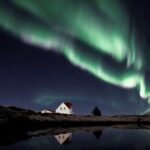
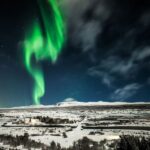
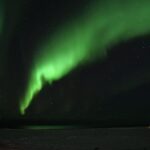
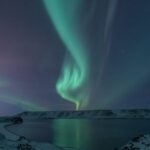
- Weather affects night-sky plans: bring layers and be ready to adapt if the aurora doesn’t show
Reykjavik base and the value of a private photo-first tour
Reykjavik is a smart launch point because it lets you get into Iceland’s “different planet” scenery fast, without extra setup time. This tour also leans hard into what you actually need on the ground: guidance, transportation, and real help with photos—so you’re not stuck figuring out where to stand while everyone else crowds the same view.
The big value is that your group is private (up to eight), and that matters on a place like Iceland. In a normal group tour, you’d lose minutes at each stop waiting for the slowest person, or you’d be too late for the best light. Here, the pacing is set for you, not for a schedule that’s designed around a bus full of strangers.
It’s also worth saying clearly: this is not a “sit and sip coffee all day” plan. You’ll be moving from one strong visual moment to the next, often with short on-site times. If you like variety and you can tolerate a full day, you’ll probably love it.
You can also read our reviews of more photography tours in Reykjavik
Day 1: Reykjanes Peninsula textures—fault lines, lighthouses, and steam
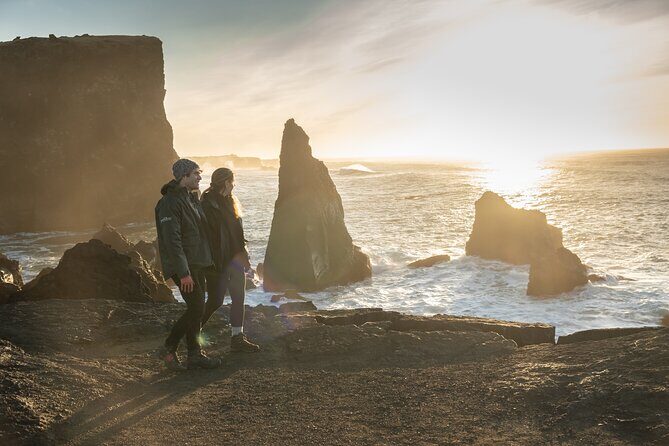
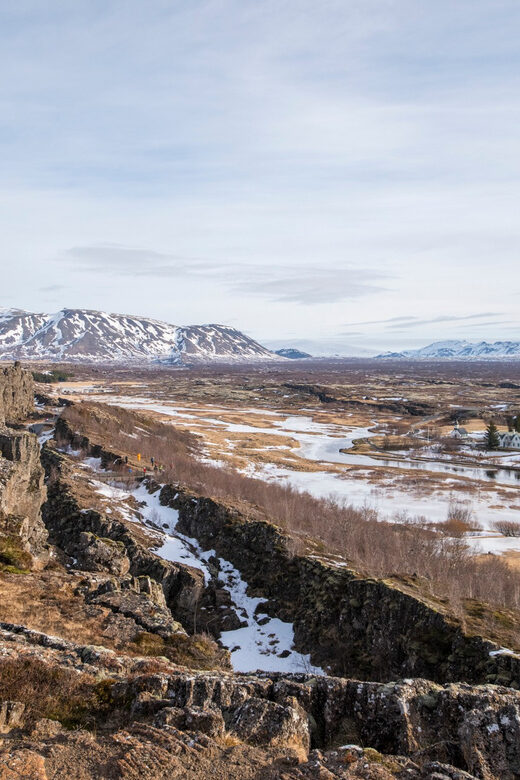
You start with a symbolic geology lesson that still photographs beautifully: the Bridge Between Continents footbridge. It’s a simple walk over a fissure, but it directly represents the separation of the North American and European tectonic plates—one of Iceland’s most mind-bending stories, made visible.
From there, you shift to coastal Iceland mood. At Reykjanes Lighthouse, you get that classic Iceland look: a hardy structure perched near massive cliffs with ocean wind doing the soundtrack. Valahnúkamöl cliffs add more of the “pounded by time” look, with craggy rock shaped by thousands of years of weather.
Then the tour goes full geothermal color. Gunnuhver Hot Springs is the kind of place where the earth looks alive: mud pools, fumaroles, and a scene that comes with Icelandic folklore tied to harsh living and spiritual beliefs. Krýsuvík continues the theme with steam columns and bubbling mud, plus that strong green-yellow-red palette that makes photos pop.
After the steam-and-smoke, the mood cools at Kleifarvatn Lake—a large lake on the Reykjanes Peninsula with serious depth. It’s great for contrast shots after the geothermal chaos, especially if you like wide angles and dramatic horizons.
Fagradalsfjall Volcano brings you back to the “recently reshaped” side of Iceland, with a fresh lava valley from the last eruption.
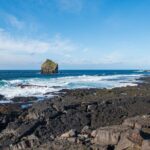
You end the day on the sea’s edge at Brimketill, a naturally carved pool by marine erosion near lava shores. A stop in Grindavík gives you a real human break—this is a fishing town feel, and the plan includes time to find something simple like a coffee. Finally, Hafnaberg closes the loop with sheer sea lava cliffs south of Hafnir: a long, rugged coastline view that rewards patients photographers.
Practical tip for this day: if your camera does well in low contrast situations, Reykjanes is a gift. The light can be flat in wind, but the colors and textures still photograph well.
Day 2: Golden Circle power stops and soaking time
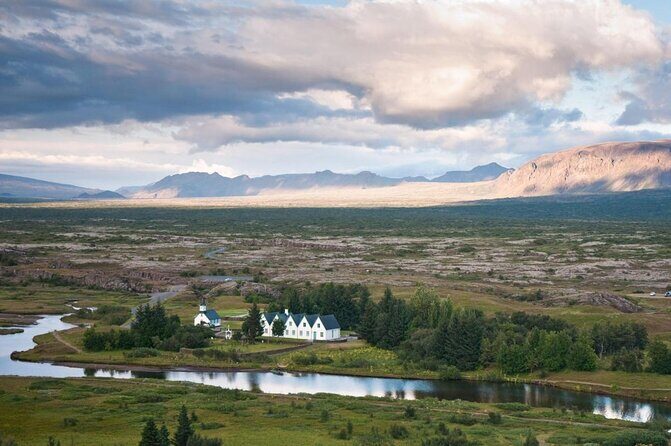
Day 2 is built around Iceland’s best-known “big hits,” and it’s also one of the best days for your photo results. Þingvellir National Park (UNESCO) is both scenery and story: the tectonic plates meet here, and the area also connects to Iceland’s parliament history. It’s also a film location, so you’ll see the “famous set” vibe in person.
Next comes the geothermal show. Geysir isn’t about constant erupting anymore—many vents are calm—but the field is full of steam vents and bubbling pits. The real highlight is Strokkur, which sends water up roughly every 5 to 10 minutes, often reaching about 20 meters. That regular cycle is perfect for photography because you can time bursts without panic.
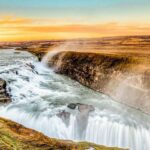
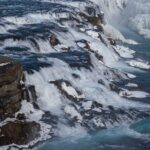
Then you go from steam to roaring water. Gullfoss is a waterfall that generates mist and rainbows when the sun cooperates. The drop and wide canyon spread are exactly why it’s on so many “must” lists—photos look powerful even without fancy gear.
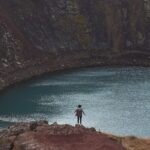
Kerið Crater is a different kind of punch: a crater lake with maroon mineral sediment, dark lava rocks, and bluish water. The colors are strong enough to work even when the sky turns gray.
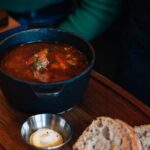
For a break that isn’t just lunch, the plan includes Friðheimar Tomato Soup with a buffet-style spread (sour cream, bread, cucumber salsa, butter, fresh herbs). It’s a great way to reset between driving and standing in cold wind.
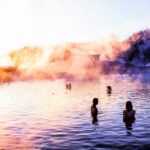
Finally, you end with a true Iceland classic: Secret Lagoon (Gamla Laugin). It’s the oldest swimming pool in Iceland, made in 1891 near a geothermal area. Even if you don’t swim, it’s still a scenic, steamy “you’re in the right country” moment.
Practical tip: bring footwear that can handle wet floors and uneven ground. You’ll be on paths near geothermal areas and waterfalls, where slick spots are common.
Day 3: seals, black churches, basalt cliffs, and the Kirkjufell photo magnet
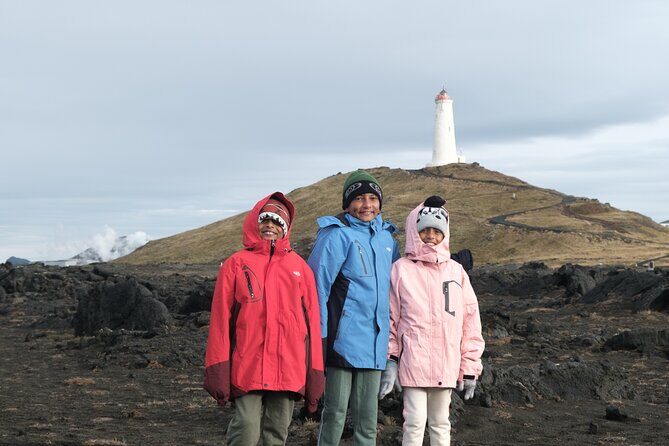
This day swings through West Iceland and into that iconic mix of ocean, history, and dramatic geology. You begin at Olkelda Mineral Spring, a natural spring with mineral-rich water that can be accessed via a public tap. It’s quick, but it’s one of those small Iceland rituals that feels local and weird in the best way.
Then you hit the coast at Ytri Tunga Beach, famous for a seal colony. You’ll want a patient stance here. Even a short time can be enough if you watch the water and scan for movements rather than trying to catch action on demand.
Búðakirkja (Budakirkja) comes next, the black-wood church rebuilt in 1987 on the original site. The building is eye-catching, but the draw is also the surrounding setting, so take a step back for composition rather than just shooting close.
You also get an interesting side stop at Sönghellir Cave, the “singing cave” known for acoustics. It’s also known for centuries-old graffiti. It’s not about physical scale; it’s about atmosphere and history you can photograph through light and shadows.
For pure rock drama, Londrangar Basalt Cliffs are built for it. The hill Svalthufa and these cliffs are part of a former crater system shaped by erosion. There’s also local elf lore—whether or not you believe it, the setting makes the story feel believable. Nearby Djupalonssandur Beach delivers black “lava pearls,” an arched-shaped bay with intense black sand and coast rocks.
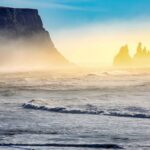
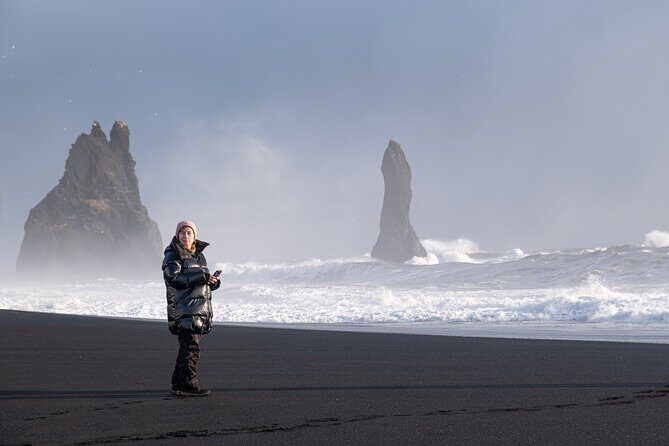
As the day continues, you reach Reynisfjara Beach again in the broader route mix. The black sand and Atlantic force are unforgettable in person, and you often see the sea stacks like Reynisdrangar in shots. It’s also known as a filming location, but the practical reason to go is simple: the waves and rock shapes make strong images with very little effort.
If you like quick viewpoints with big payoff, Saxholl Crater is a useful stop. There’s a staircase up the side, and it takes only about five minutes to reach the top—inside you get views over lava fields, mountains, and the sea.
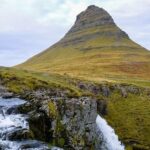
Then comes the day’s photo magnet: Kirkjufellsfoss with Mt. Kirkjufell in the background. It’s famous partly because it’s one of Iceland’s most photographed waterfalls, but the real reason you’ll understand quickly is the matching shape of the mountain and waterfall framing. Even if you don’t care about TV connections, you’ll care about the geometry.
Practical tip: this is one of those days where a tripod can help, especially near water. But if you’re only using a phone or handheld camera, focus on finding a stable stance and shooting in short bursts.
Day 4: South Coast waterfall variety from behind-the-falls to Vik
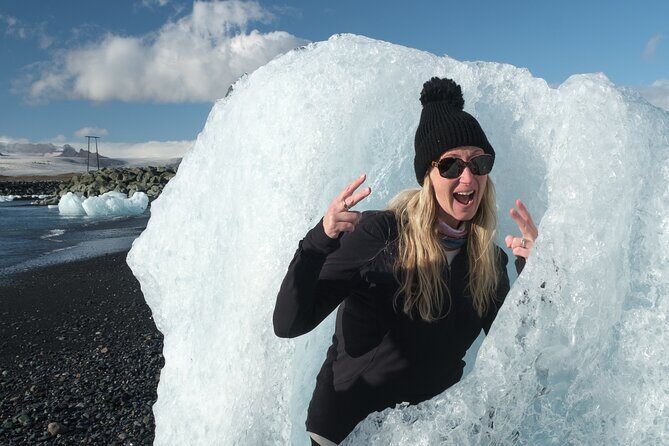
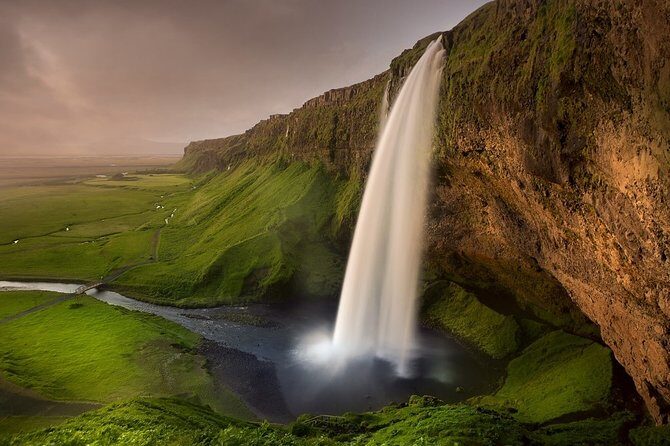
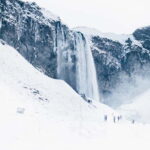
Day 4 is the South Coast in its full, dramatic form. You begin with Seljalandsfoss, a waterfall about 60 meters with the big feature: you can walk behind it. That changes your entire photo angle—you’re literally shooting through mist and curtain-like water. It’s breathtaking and slightly damp in the best way.
Just a bit off the famous route, Gljúfrabúi is a “hidden gem” style stop. It’s a waterfall running from the Gljúfurá River, tucked in so you feel like you found it by accident. Photos tend to look more intimate here, even in bad weather, because the framing is naturally tighter.
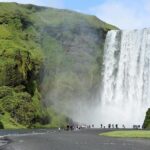
Next is Skógafoss, the waterfall that overwhelms you in scale: about a 60-meter drop and roughly 25 meters wide. It’s one of those places where you can walk right up, but be ready to get drenched if the wind pushes spray.
You continue to Gluggafoss/Merkjarfoss, described as having an unusual two-step drop and a trident-like look from multiple channels. That detail matters for photographers because it gives your eye multiple landing points instead of one plain waterfall silhouette.
You’ll also see Reynisfjara Beach again as part of the route mix. If this is your first black sand day, it’s dramatic. If you’ve already been earlier, use it as a re-shoot chance—light and wave behavior can look completely different day to day.
At Dyrholaey, the peninsula and its famous black arch (“door-hole” rock) bring birds into the story. The rocks attract migrating birds in big numbers for egg-laying in summer, so if timing aligns, you might notice more life here than at other stops.
Then the tour moves into a small town base: Vik. It’s the southernmost village of Iceland with a small population, but it’s essential because it’s a key settlement for the surrounding area. The plan includes overnight in Vik, so you get at least some real dinner-and-walk flexibility.
You finish Day 4 at Sólheimajökull Glacier, a glacier between Katla and Eyjafjallajökull, part of the Mýrdalsjökull system. It’s a stop that makes “ice” feel close, not abstract.
Practical tip for Vik: if you want a photo at dusk, ask your guide where they recommend you stand. Even with the same view, timing makes a huge difference.
A few more Reykjavik tours and experiences worth a look
Day 5: Vatnajökull area—basalt walls, icebergs at Jökulsárlón, and Diamond Beach
Day 5 starts by moving toward Skaftafell National Park through some serious black desert driving. At Kirkjubaejarklaustur, you’re positioned to see extensive lava fields that flowed in historical time. The drive across Skeiðarársandur (vast black sandy desert shaped by glacial rivers) is one of those “this is real geology, not a theme park” stretches.
In Skaftafell National Park, you get a visitor center stop and a walk in the area. This region sits under the Vatnajökull ice cap, with towering volcanic systems beneath. It’s the kind of place where you feel fire and ice in the same frame.
You then go for waterfall photography at Svartifoss, famous for basalt columns forming a dramatic backdrop around the falls. It’s one of those Iceland scenes where your composition improves automatically because the rock structure already acts like a natural frame.
Another hike option follows at Fjaðrárgljúfur. The plan emphasizes basalt-column surroundings again and includes time to walk. If you like short hikes where the scenery shifts quickly as you move, it’s a good fit.
Then comes a jaw-drop moment: Jökulsárlón. This glacial lagoon is filled with large icebergs broken off Breiðamerkurjökull, drifting and grinding in deep water. Seals are frequently seen, and there’s mention of kayaking or boat options as an activity you might consider depending on what’s available.
Next, you see the icebergs again where they wash ashore at Diamond Beach. The black sand plus iceberg fragments can look like a field of shining blocks when conditions cooperate.
Finally, the day includes an overnight in Höfn, known for good food and a working harbor feel. That matters because after long ice-and-wind days, a proper town dinner can genuinely reset you.
Day 6: Batman mountain, puffin stacks, lava history, and a plane wreck on black sand
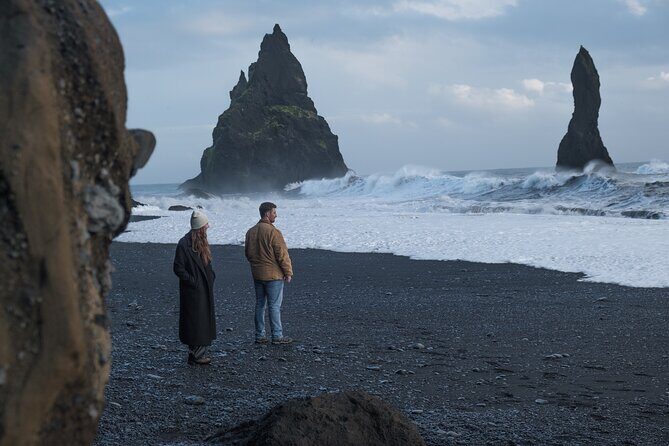
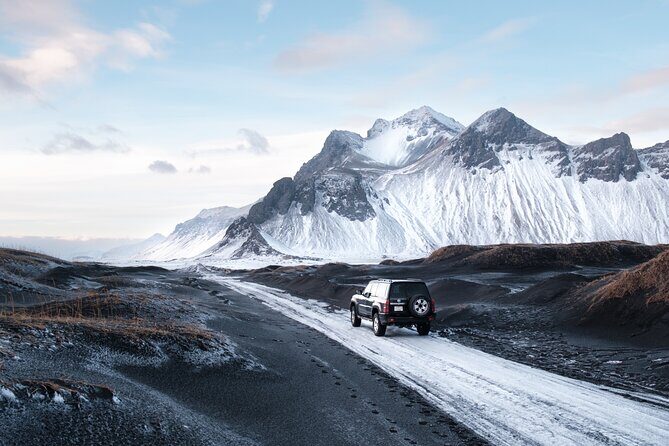
Day 6 starts with Vestrahorn, often nicknamed Batman mountain for its sharp profile. It’s one of those “don’t rush me” places—sea view, black beach, and towering rock shapes that make photography feel effortless if you take a few minutes to watch the light.
Next, you head to Heimaey for a viewpoint over an archipelago of 15 islands and 30 rock stacks off the South Coast. In summer, these islands hold the world’s largest population of nesting puffins, plus the area has its own fascinating history. Even if birds aren’t your main goal, this stop is strong for wide-angle shots.
You also get a tucked-away waterfall at Kvernufoss, about 30 meters high and half-hidden in a gorge close to the ring road. It’s a good change of pace from the bigger waterfalls: still impressive, but more “quiet power.”
Then the tour tackles lava history at Eldhraun Lava Field. It covers 565 square kilometers and flowed from the Laki fissure eruption of 1783. The scale is hard to grasp until you see how much ground a single eruption can change—and that’s exactly what makes the scene worth photographing.
For a glacier moment, there’s Svinafellsjökull Glacier, an outlet glacier of Vatnajökull. The plan says glacier hiking here is popular, with excellent views, but this stop’s admission is not included—so budget for it if you plan to go.
You finish at Sólheimasandur, the black-sand location where a U.S. Navy DC plane crash occurred in 1973 after running out of fuel. It’s eerie in a “history made by nature and man” way, and photos tend to look cinematic because the scene contrasts sharp metal against black sand.
Practical tip: Sólheimasandur can feel remote on foot. If you go, plan for time and wind, and keep an eye on traction on sand.
Photo help that actually changes your results
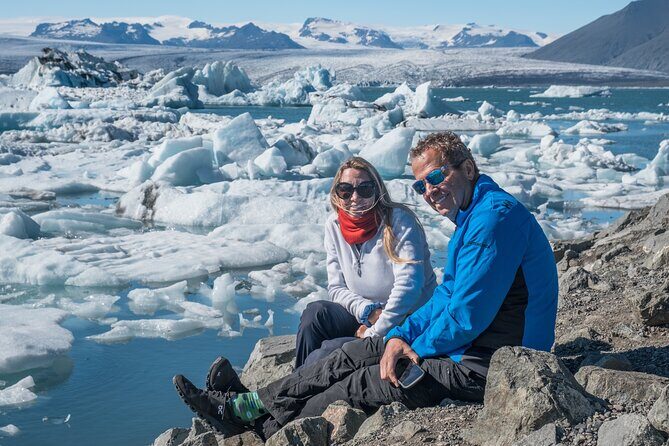
The standout here is that photography isn’t treated like an afterthought. Photography services are included, and you also get guidance from the start so you can get better framing without wasting time guessing.
What I’d focus on in your planning is the mix of subjects:
- Geothermal color (steam, mud, steam vents) where your photos need contrast
- Waterfalls where timing and angle matter more than zoom
- Glacial ice at Jökulsárlón and Diamond Beach where the best shots come from patience
- Night-sky potential tied to the tour theme, where good layers and weather readiness matter
If you’re traveling with a phone camera, you’ll still benefit because guidance helps you choose a viewpoint that looks intentional, not accidental. If you’re a hobbyist with a bigger camera, the private setup helps you repeat compositions instead of being rushed.
Who this tour fits best
This tour is a strong match if you:
- like Iceland’s “big nature” variety from geothermal to glacial ice
- want a private group and fewer crowd bottlenecks
- care about photos and want real help, not just a list of stops
- can handle daily driving and multiple short stops
It may feel like a lot if you want extremely slow days, but for many people it hits a sweet spot: enough time to shoot well, enough variety to stay excited, and enough structure to avoid chaos.
Should you book Luke EM’s 6-day Iceland photography and northern lights tour?
If you’re the type who wants to come home with a folder full of images you actually like, this is the booking. The combination of private transport, included photo services, and a guide-led pace is the difference between “we visited Iceland” and “we got great results.”
I’d book it if you’re happy to move through Iceland day by day and you’d rather have someone handle the timing and viewpoints. If you’re only after one or two regions and prefer a totally relaxed rhythm, you might want a slower, more focused plan instead.
FAQ
What is the group size for this private tour?
It’s a private tour, and the price is listed per group for up to 8 people.
How much does the tour cost, and what’s included?
The price is $9,299.00 per group. Included items are bottle water, photography services, guidance, Icelandic snacks, and private transportation. Accommodation and meals are not included.
Do you provide pickup and what time does it start?
The start time is 9:00 am, and pickup is offered.
Are meals and accommodation included?
No. Accommodation and meals are not included in the tour price.
Are admission tickets included at some stops?
Yes. Some stops list admission ticket included, including Þingvellir National Park, Kerid Crater, the Secret Lagoon (Gamla Laugin), and Skaftafell National Park.
What if weather is poor?
This experience requires good weather. If it’s canceled due to poor weather, you’ll be offered a different date or a full refund.