REVIEW · AKUREYRI
The Viking Horse Riding Experience in North Iceland
Book on Viator →Operated by Hestasport - Riding Tours · Bookable on Viator
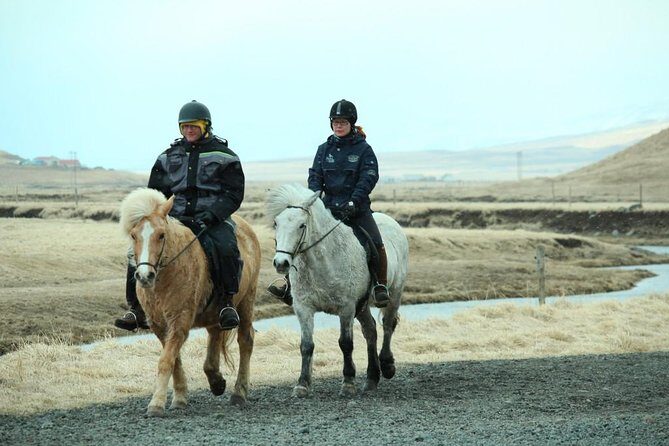
Snow, horses, and a waterfall in 90 minutes. I like that this ride keeps things intimate with a maximum group of 8, and that the guides focus on getting you comfortable enough to experience the Icelandic tölt gait. It’s a winter outing that feels like countryside wandering, not a rigid lesson.
One thing to consider: you’ll be outside in cold, windy North Iceland. They say the tour runs in all weather conditions, so you’ll want proper winter layers (and you’ll also want to follow the guide’s clothing advice on the day).
In This Review
- Key Things I’d Book This For
- Arriving at Hestasport and Getting Geared Up
- What you can expect right away
- The 1.5-Hour Winter Ride: Pace, Trail, and What You Actually Do
- Group size makes the difference
- Learning Icelandic Horses and the tölt Gait Without Panic
- A simple way to succeed
- Waterfall Views, River Crossings, and the Stuff You’ll Remember
- Photos matter here
- Horses, Safety, and Who This Tour Fits Best
- What I’d look for as a first-timer
- Price, Timing, and Weather Reality Near Akureyri
- Weather: what you should assume
- What to wear (learned the easy way)
- Should You Book Viking Horse Riding in North Iceland?
- FAQ
- Where does the Viking Horse Riding experience start and end?
- How long is the ride?
- What group size should I expect?
- Is the tour offered in English?
- Can beginners ride, or do I need experience?
- Will I get the chance to try the tölt gait?
- What should I wear for winter riding?
- Is there a weight limit?
- What if weather is bad?
- Is there free cancellation?
Key Things I’d Book This For
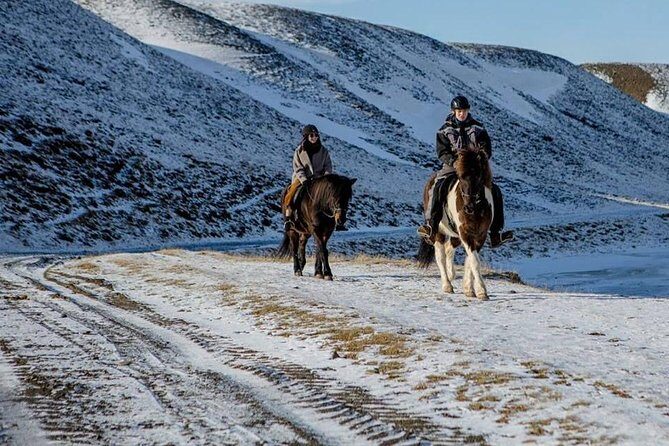
- Small-group cap (8 max) means more attention as you learn your seat and balance
- Tölt coaching so you’re not just sitting there watching other riders
- Sure-footed, well-behaved horses that help first-timers feel safe
- Waterfall return route with a walk-and-view moment that breaks up the ride
- Winter-ready setup like warm drinks and reports of overalls for wind
Arriving at Hestasport and Getting Geared Up
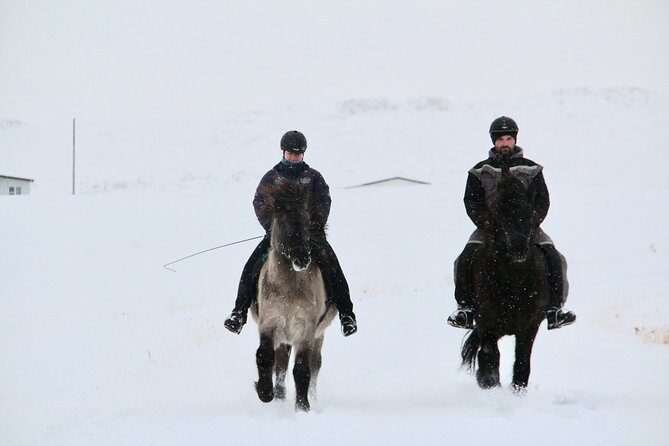
The action starts at Hestasport Reception at Vegamót, 560 Varmahlíð. Plan to check in about 20 minutes before departure, because that’s when they sort you out with the basics and match you with a horse.
This is one of those small operations where the first moments matter. In a few accounts, riders mentioned that there are multiple Hestasport locations (reception, stables, and cottages), and that it’s easy to drive to the wrong spot if you’re navigating from memory. If you’re staying nearby, I’d double-check the address on the day and aim to arrive early, so you’re not huddled in the cold trying to find the right building.
A few more Akureyri tours and experiences worth a look
What you can expect right away
You’ll usually get a short on-the-ground briefing: how to mount, where to hold on, and what to do once you’re moving. Then you’ll meet your guide for the winter ride, with the group kept intentionally small.
A plus for comfort: warm beverages pop up again and again in people’s feedback. It’s a small detail, but it helps you feel like the company has thought about the cold side of Iceland, not just the riding.
The 1.5-Hour Winter Ride: Pace, Trail, and What You Actually Do
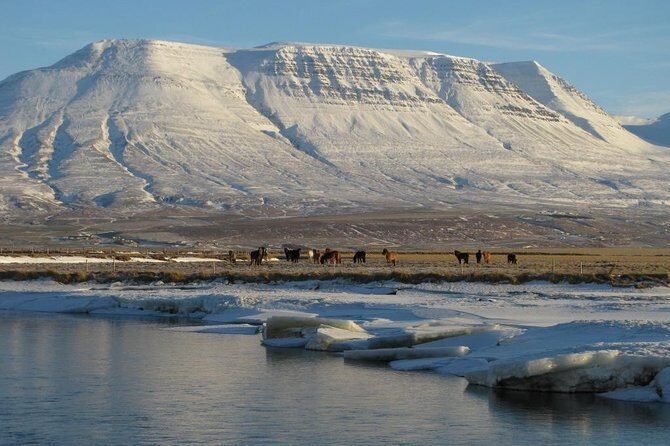
The total tour time is about 1 hour 30 minutes, built around a 1.5-hour riding tour. The route is run as a loop back to the starting point, so you don’t have that half-day mystery of where you’ll end up.
What makes this ride work for mixed skill levels is that it’s structured around calm instruction and steady movement. Even riders with no previous experience have been matched with gentle horses and given clear basics before they head out onto the trail.
And yes, it’s winter riding. That means snow-covered ground and colder air, so the pace tends to feel slower and more deliberate. The payoff is that you ride through a wintry scene near Akureyri, then you turn the corner toward a waterfall.
Group size makes the difference
With a cap of 8 travelers, you’re less likely to get left behind while the guide handles everyone’s questions. In small-group rides like this, you often get quicker feedback on posture and hand position, which is what helps you feel confident faster.
Learning Icelandic Horses and the tölt Gait Without Panic
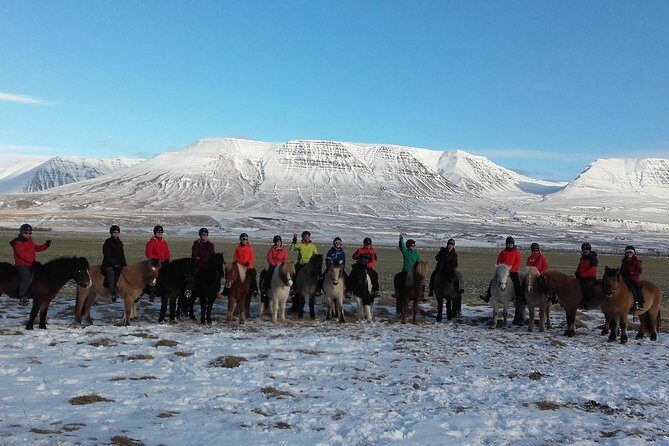
One of the biggest selling points here is that you’re not only riding an Icelandic horse—you’re being shown how to experience its signature tölt gait.
The tölt is a smooth, distinctive pace, and it can feel surprising if you’ve only ever ridden horses that walk, trot, and canter. The guide focus is practical: they help you settle your body and coordinate what you’re doing with the horse’s movement. People mention that they were actually taught how to do it, not just told it exists.
If you’re coming with riding experience, you can still use this as a skill upgrade. If you’re new, you’re more likely to get the kind of step-by-step help that makes a difference. Also, the booking asks you to specify your experience level (Beginner, Occasional Rider, Intermediate, Experienced), which tells me they take matching and coaching seriously.
A simple way to succeed
Your best move is to stay relaxed and follow the guide’s cues. In winter, your body is already fighting cold and balance on slick ground, so gripping harder than you need can make everything feel clunkier. Aim for calm, steady pressure in your hands and legs, and let the horse do the work.
Waterfall Views, River Crossings, and the Stuff You’ll Remember
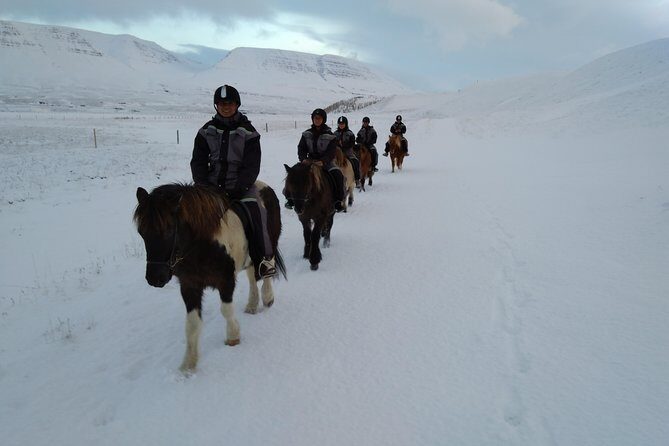
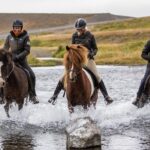
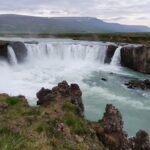
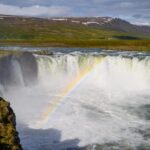
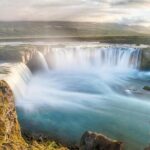
The ride is built around a visual payoff: you head out, then you work toward a waterfall. More than one account describes a walk toward the falls and a waterfall moment that becomes a turning point in the outing.
Some riders also mention extra route moments that add variety, like a river crossing and even watching another herd cross nearby. There are also references to interacting with trail elements such as switch gates, which is exactly the kind of small, real-world detail that makes an Iceland ride feel like you’re on an actual working route—not in a show ring.
Photos matter here
Iceland is cold, your fingers will get numb, and you’ll be concentrating on your balance. So the fact that guides help with photos becomes a real service. Several accounts mention that guides took photos, including pictures set up in front of the waterfall.
If you want good pictures, don’t overthink it. Just listen when the guide tells you when to pause and where to stand. That’s when you’ll get the stable footing and the best chance for a clear shot.
Horses, Safety, and Who This Tour Fits Best
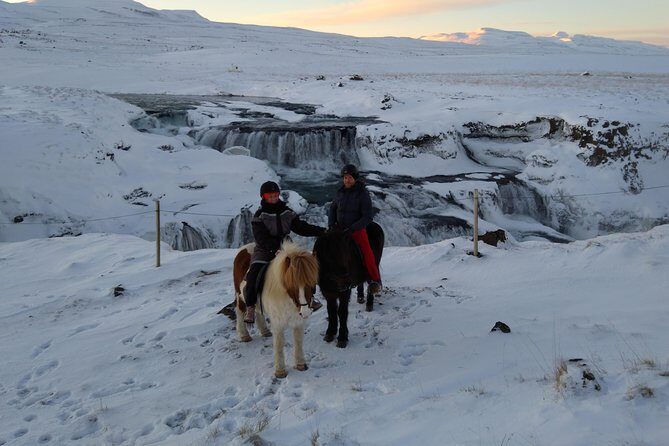
This is aimed at most travelers, and it’s specifically described as welcoming for all levels, including beginners. That’s not a throwaway claim. Riders repeatedly highlight that the horses were calm, gentle, and well-behaved, and that they felt safe during the ride.
There’s also a weight limit of 100kg / 220lbs. If you’re near that range, you’ll want to confirm at booking that your horse match and saddle setup will work comfortably.
What I’d look for as a first-timer
If you’re brand new to horseback riding, prioritize these factors:
- A guide who takes time with basics before you leave
- Horses that are steady on uneven ground
- Clear instructions when changing pace
In the feedback, you see that pattern again and again. Guides such as Maddie, Lara, Franca, Felecia, Eli, and Franka are named in positive notes for being patient, attentive, and helpful—especially for riders who had never mounted a horse before.
That matters because in Iceland winter conditions, confidence comes from repetition and calm guidance, not from rushing.
Price, Timing, and Weather Reality Near Akureyri
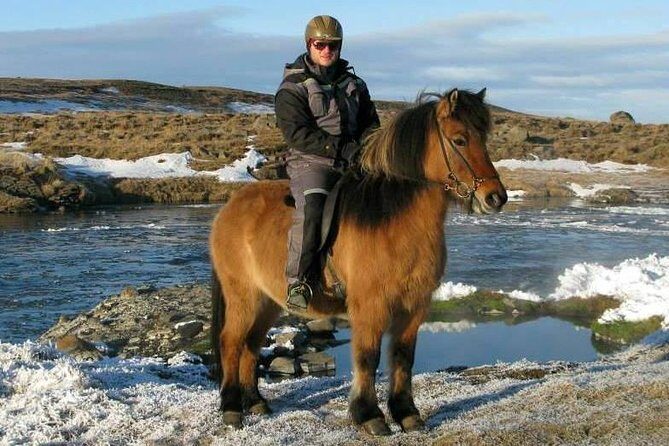
The price is $123.75 per person for roughly 90 minutes. For a small-group winter horseback ride with experienced handling and route highlights like a waterfall and river crossing, it’s a pretty reasonable setup. You’re paying for three things: the horse work, the guide time, and the infrastructure that keeps winter riding running safely.
Timing-wise, it’s often booked well ahead. On average, this is booked about 65 days in advance, which fits the pattern for popular North Iceland activities during the busier parts of the year. If your dates are firm, I’d book early so you’re not stuck with fewer time slots.
Weather: what you should assume
They mention operating in all weather conditions, and the cancellation terms also say the experience requires good weather. Practically, that means you should plan to dress for cold and wind, and be flexible if conditions turn. If poor weather forces a change, you’re offered a different date or a full refund.
In other words: expect to go outside. Your job is to dress right and show up on time; the company’s job is to manage the safety side.
What to wear (learned the easy way)
Riders recommend bringing winter gear like gloves, ear warmers, and gators. You may also be offered overalls to stay warmer from wind, which is a huge help when your regular layers aren’t built for snow riding.
You don’t need a fancy setup. You do need warmth, dryness, and boots that give you traction.
Should You Book Viking Horse Riding in North Iceland?
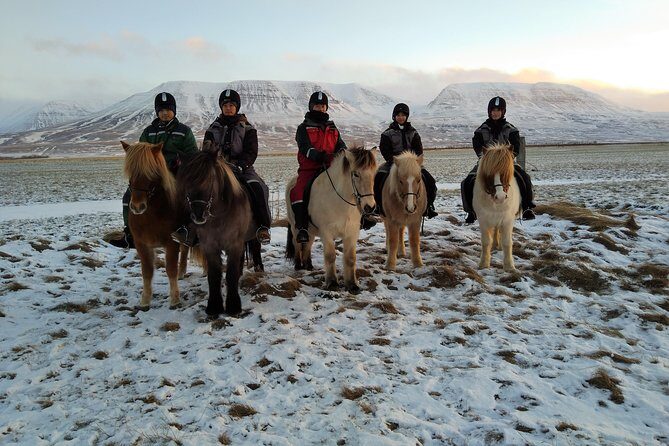
Book it if you want a short, high-reward Iceland experience: horses you can trust, tölt coaching, and a wintry route that ends at a memorable waterfall. This is also a strong pick for first-timers because the ride is designed to teach you while you move, rather than testing you.
Skip it (or at least think hard) if cold outdoor time is a deal-breaker for you, or if you know you struggle with being on uneven ground while exposed to wind. It’s not a cozy indoor activity. You’re out riding in winter, and your comfort depends on dressing properly.
If you’re planning a North Iceland base around Akureyri, this fits nicely as a way to experience the region beyond waterfalls and viewpoints. Ninety minutes is enough time to feel like you did something special, without eating your whole day.
FAQ
Where does the Viking Horse Riding experience start and end?
It starts at the Hestasport Reception for Cottages and Riding Tours at Vegamót, 560 Varmahlíð, Iceland, and it ends back at the same meeting point.
How long is the ride?
The riding tour is about 1.5 hours, with the overall activity listed at roughly 1 hour 30 minutes. Check-in is about 20 minutes before departure.
What group size should I expect?
The tour has a maximum of 8 travelers, so it stays small.
Is the tour offered in English?
Yes, it’s offered in English.
Can beginners ride, or do I need experience?
All levels are welcome, including beginners. You’re asked to specify your experience level in the special requirements field.
Will I get the chance to try the tölt gait?
Yes. The experience is specifically designed to let you experience the Icelandic horse’s unique tölt gait, and guides provide instruction.
What should I wear for winter riding?
Dress appropriately for winter and cold. Riders specifically suggest gloves, ear warmers, and gators, and some mention using warm overalls provided by the company.
Is there a weight limit?
Yes. The limit listed is 100 kg / 220 lbs.
What if weather is bad?
The experience requires good weather. If it’s canceled due to poor weather, you’ll be offered a different date or a full refund. The tour also notes it operates in all weather conditions, so expect the team to manage conditions day-by-day.
Is there free cancellation?
Free cancellation is available. You can cancel up to 24 hours in advance for a full refund, and changes made less than 24 hours before the start time aren’t accepted.