REVIEW · VIK
Skaftafell National Park: Falljokull Ice Climb and Hike
Book on GetYourGuide →Operated by Troll .is · Bookable on GetYourGuide
Ice climbing in Iceland feels illegal. But this Falljökull outing is grounded in real training, top-notch safety gear, and big, dramatic views that feel made for movie backdrops. I love the way you get hands-on guidance for crampons and ice movement, plus the payoff of glacier details like moulins and crevasses. One thing to consider: you need to dress for cold and possible wet weather, because the activity rides on real conditions, not a heated comfort zone.
In a small group limited to 6, you’ll move from a short safety setup through a glacier hike and then about three hours on the ice doing an actual climb sequence, with rope and anchor work. The tour is also flexible in how it approaches the glacier since the ice is unstable and constantly shifting, so your guide may adjust routes to stay safe and avoid busy spots. If you’re picky about meeting points and last-minute updates, double-check your instructions close to departure—one past booking noted a location change that nearly caused a miss.
In This Review
- Key things to know before you go
- Entering Vatnajökull’s world: what your day really feels like
- From coach ride to ice edge: the flow of your 4 hours
- Safety on shifting ice: gear, rope lines, and anchor work
- On-ice training: how crampons and ice walking actually work
- Crevasses and moulins: the science that makes the scenery make sense
- The ice climb sequence: from easy steps to a wall
- Skaftafell’s role: why you get more than just ice climbing
- Weather reality: what to wear so you stay comfortable
- Price and value: is $259 worth it?
- Guide quality makes the difference: Lily, Jan, Diego, Vincenzo, and more
- Who this tour suits best (and who should skip it)
- Should you book the Falljökull ice climb and hike?
- FAQ
- How long is the Skaftafell Falljökull ice climb and hike?
- What size is the group?
- What gear is included, and what should I bring?
- Is the tour suitable for children?
- What’s included in the price besides the guide?
- Is there a place to meet, and is the tour in English?
Key things to know before you go
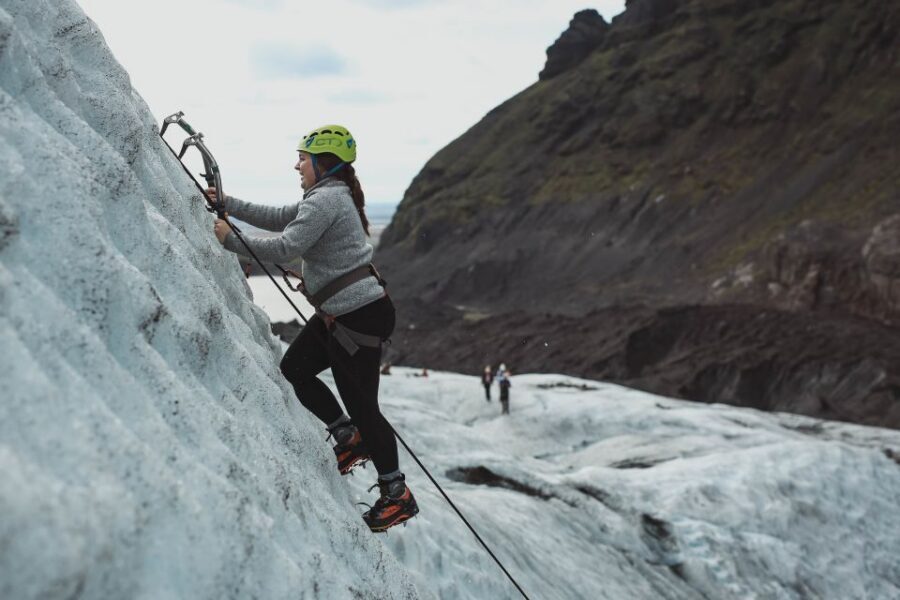
- Falljökull is an outlet glacier of Vatnajökull, so you’re walking and climbing on one of Europe’s largest ice systems.
- You get full safety gear (helmet, harness, crampons, ice axe, ropes) and training before you start climbing.
- You’ll spend about three hours on the glacier, including walking and an ice wall climb sequence.
- Guides scout constantly because crevasses and moulins can shift, and crowd avoidance matters on fragile ice.
- Skaftafell adds the scenery context, including an easy hike where the Game of Thrones vibe shows up.
- It’s not built for kids under 12, and you’ll be happier if you dress for cold and damp.
Entering Vatnajökull’s world: what your day really feels like
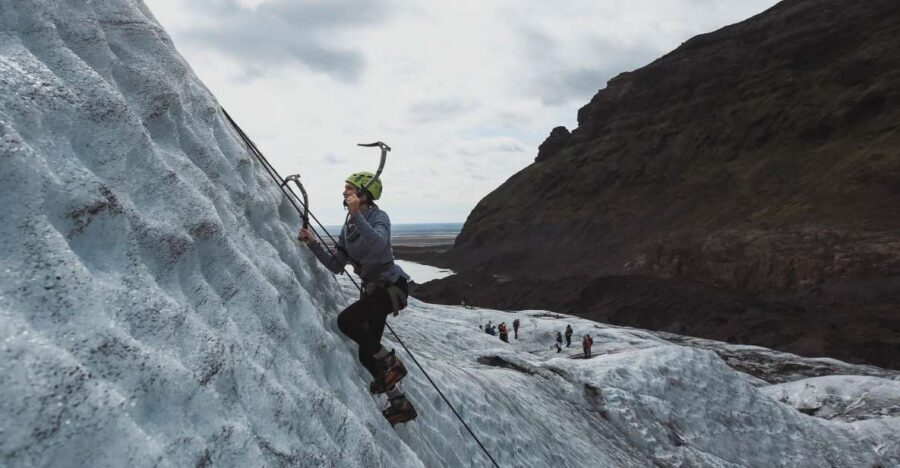
This tour is built around a simple idea: you’re not just looking at glaciers from a safe distance. You’ll learn how ice actually behaves under your boots, then you’ll use that knowledge to climb.
The day starts at Troll Expeditions Skaftafell in Hof, where you meet your guide and get organized for the transfer. Then you’ll head toward the glacier area by coach, followed by a short walk to the ice edge. Expect a calm lead-in: the goal is to get you comfortable with the pace and gear before you’re standing on uneven, living ice.
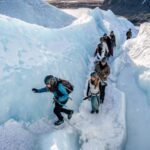
Once you’re at the glacier, the mood shifts from sightseeing to skill-building. You’ll walk first, then practice crampon basics, and only then move into rope work and climbing. That order matters because it turns fear into technique fast.
You can also read our reviews of more hiking tours in Vik
From coach ride to ice edge: the flow of your 4 hours
Timing can vary with weather and glacier conditions, but you can count on a structured arc.
First comes the setup: a safety briefing and some instruction so you understand how the guide will manage risk. One reason this tour is highly rated is that you’re not dropped into the deep end. Guides like Lily and Jan have been singled out for instruction quality and experience, and that shows in how the training is paced.
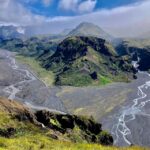
Next you’ll take part in a hiking segment around Skaftafell. This isn’t just a warm-up for your legs. It’s your chance to see how the glacier environment connects to the larger scenery overhead—ice-covered peaks rising more than 2,000 meters above you in the right conditions.
Then you’ll move toward the glacier itself: the walk from the parking area to the edge is short, but the gear and footing cues start immediately. After crampons are on, your guide demonstrates how to move. That’s the moment your brain shifts from walking to ice technique.
Finally, the climbing portion comes, and it’s longer than you’d guess. The tour typically spends about three hours on the glacier, including the hike/observations on the ice surface and the climb sequence.
Safety on shifting ice: gear, rope lines, and anchor work
This is where you should focus, even if you’re there for the thrill. The glacier is unstable and constantly changing, and your guide plans for that reality.
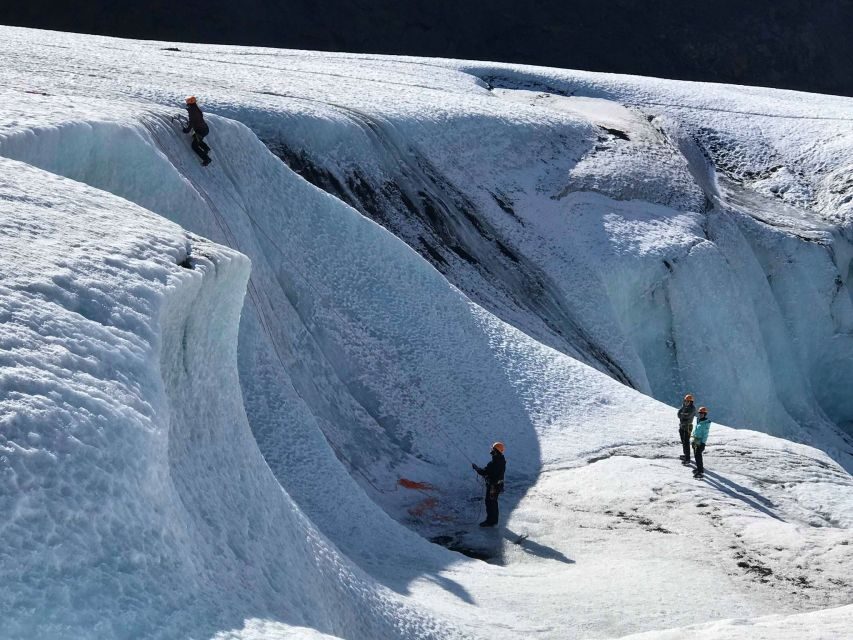
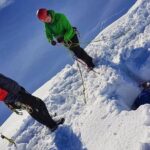
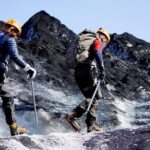
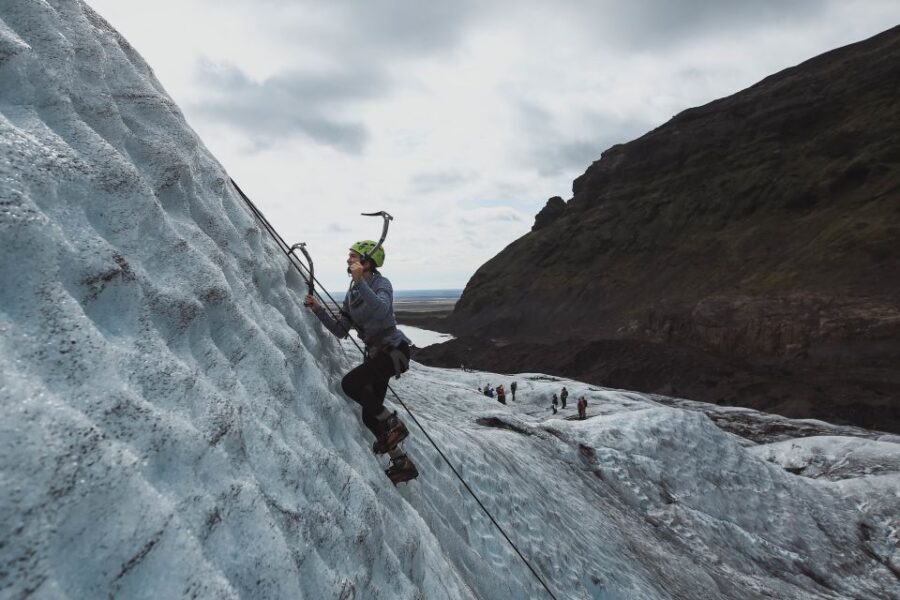
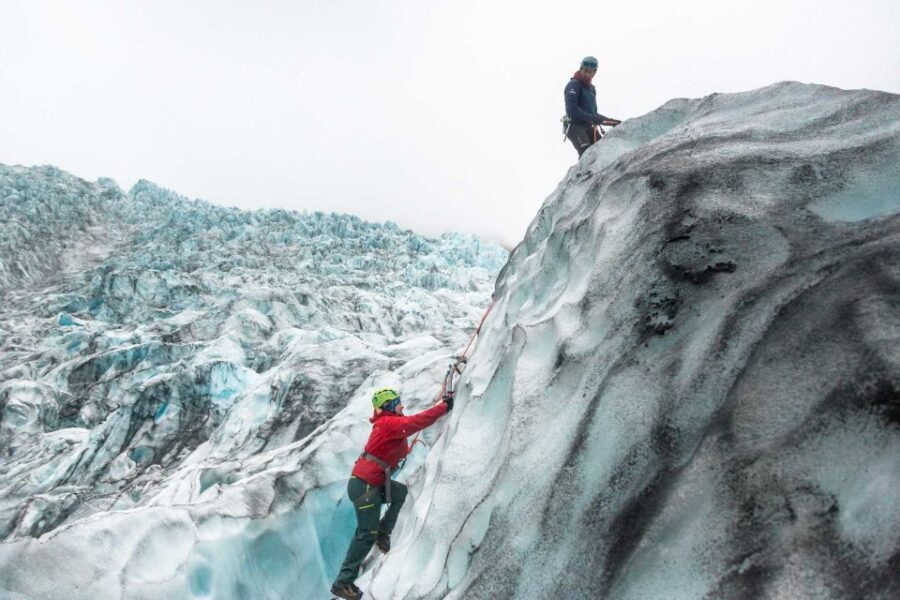
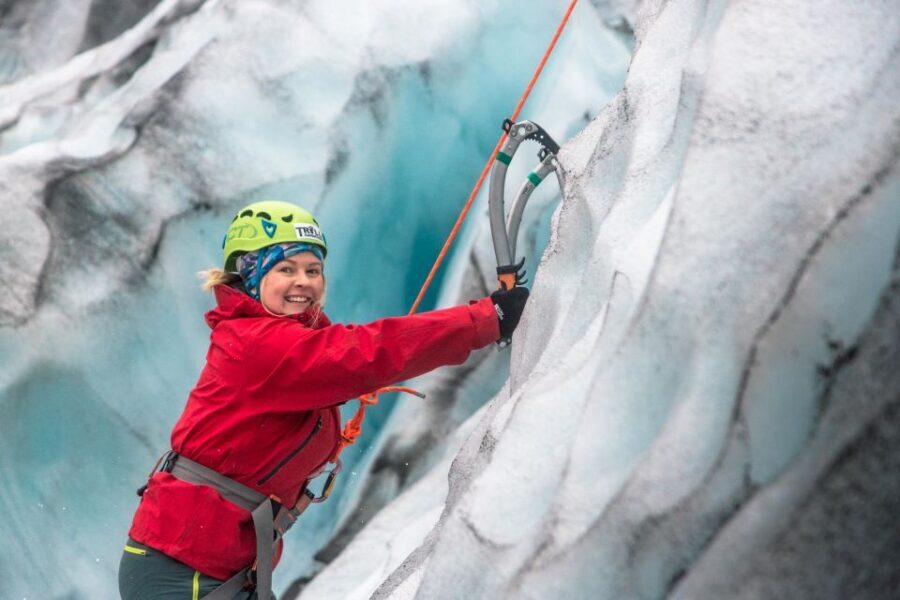
You’ll be equipped with everything you need to climb: boots, crampons, an ice axe, a harness, and a helmet. Ropes and anchors are part of the plan too. Before you ascend an ice wall or rappel into a crevasse and then ascend again, the guide sets safety equipment so you’re attached and protected during the technical sections.
One of the smartest things your guide does is actively choose where to climb. Since crevasses and moulins can develop or shift, your guide may scout for safer lines and adjust based on what the ice is doing that day. That’s also a crowd-control tactic, so you’re less likely to arrive at the same busy trick points.
If you’re new to all this, you’ll still be okay. Past bookings emphasized that the route is doable even without climbing experience, as long as you listen, stay close, and move at the guide’s pace. Guides also tend to bring humor into the mix—Jans and Vincenzo have both been praised for teaching with a steady, sometimes playful tone—which helps nerves without compromising rules.
On-ice training: how crampons and ice walking actually work
Crampons feel weird at first. They’re like small metal teeth for your feet, and they change how weight transfers with every step.
Your guide will show you how to put them on, then coach the movement pattern you need for glacier walking. Think controlled steps, careful balance, and deliberate foot placement. You’re not sprinting across ice. You’re learning how to stand on it.
You’ll also get real time to apply what you learn during the glacier hike portion. This is one of the best parts for first-timers because you get practice without the pressure of being on a vertical face.
The upside: if you’ve ever wanted to try something technical in a safe, structured way, this tour delivers that. The downside: if you show up underdressed or unprepared to follow instructions, your experience will feel harder than it needs to. Cold hands and a wrong jacket can turn a fun challenge into a miserable one.
Crevasses and moulins: the science that makes the scenery make sense
Glacier sightseeing is cool. Glacier mechanics are cooler.
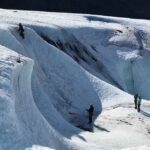
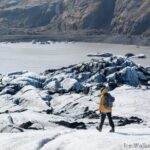
Your walk on the ice gives you time to spot features like crevasses, deep fissures, and moulins. Moulins are basically vertical shafts in the ice formed when meltwater seeps down through cracks and channels. Seeing these in person gives you a much clearer idea of how glaciers breathe and shift.
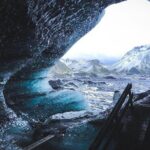
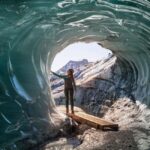
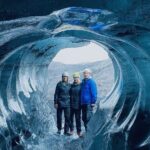
You may also notice the color differences that people come for. In winter, the ice can show striking blue tones—sometimes visible through tiny ice tunnels. Even when the blues are subtle, the texture is the point: rough surfaces, cracks, and the way light hits ice at different angles.
This is also where films stop being “cool trivia.” James Bond, Interstellar, and Game of Thrones have used glacier scenes and Iceland’s ice environments as backdrops. On this tour, the Game of Thrones nod is made in a fun way: you’ll be hiking in the footsteps vibe, including the Jon Snow reference.


The ice climb sequence: from easy steps to a wall
The climb is the headline moment, and it’s also the one you’ll remember later when normal hikes feel too simple.
The structure is typically progressive. After the guide checks safety setup, you move from controlled walking into steeper ice sections. Then comes the actual climb on the ice wall, or a rappel into a crevasse followed by climbing out again. Either way, you’re moving with rope support and guided technique.
Expect it to feel challenging. Even experienced climbers treat glacier ice like something alive. But the point of the tour is that you’re guided through the steps with proper equipment and a methodical rhythm.
In multiple high-rating accounts, people highlighted the safety standards and how quickly their confidence grew once they were securely attached and coached. That’s the sweet spot you want: a real challenge, without a scramble to figure things out on your own.
Skaftafell’s role: why you get more than just ice climbing
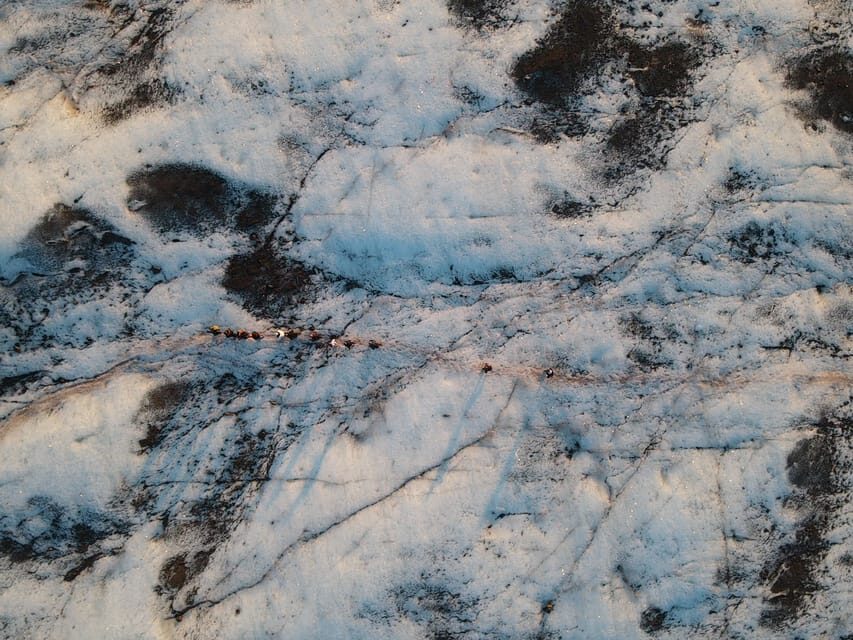
Skaftafell isn’t filler time. It’s part of the reason the day feels complete.
The tour includes hiking on Skaftafell and a second round of guided time where you’ll learn and practice safety concepts alongside the environment. That structure helps you understand what you’re looking at on the ice—features like crevasses and meltwater channels make more sense when you’ve already taken in the broader setting.
It also gives you a break from the most technical part of the day. You’ll walk, take in the view, then return to the glacier with less mental fatigue. If you’re the kind of traveler who likes to know what you’re seeing while you’re seeing it, Skaftafell makes that easier.
Weather reality: what to wear so you stay comfortable
You’re in Iceland’s high-latitude winter-or-shoulder-country zone of temperature and damp. Cold is one thing. Wet cold is another.
Bring warm layers, a hat, and rain gear. Gloves are also a must for comfort, and the important detail: rain gear and gloves are not included. The tour gives you climbing boots and glacier equipment, but it doesn’t cover everything you need for staying warm between ice steps.
If you’ve never ice-walked, here’s what matters most: your feet need to feel secure in the boots you’ll be given, and your hands need to be warm enough to handle gear and natural pauses. That’s where people either enjoy the day or start counting minutes.
One extra note: even if the weather looks fine at breakfast, conditions can change. Your guide will run the plan based on safety and conditions, so build in flexibility.
Price and value: is $259 worth it?
At $259 per person for a four-hour outing, this isn’t a cheap activity. But it’s also not overpriced for what you get.
You’re paying for:
- a certified glacier guide
- full climbing and safety gear (helmet, harness, crampons, ice axe, ropes)
- time on glacier doing real technical work, not just a photo walk
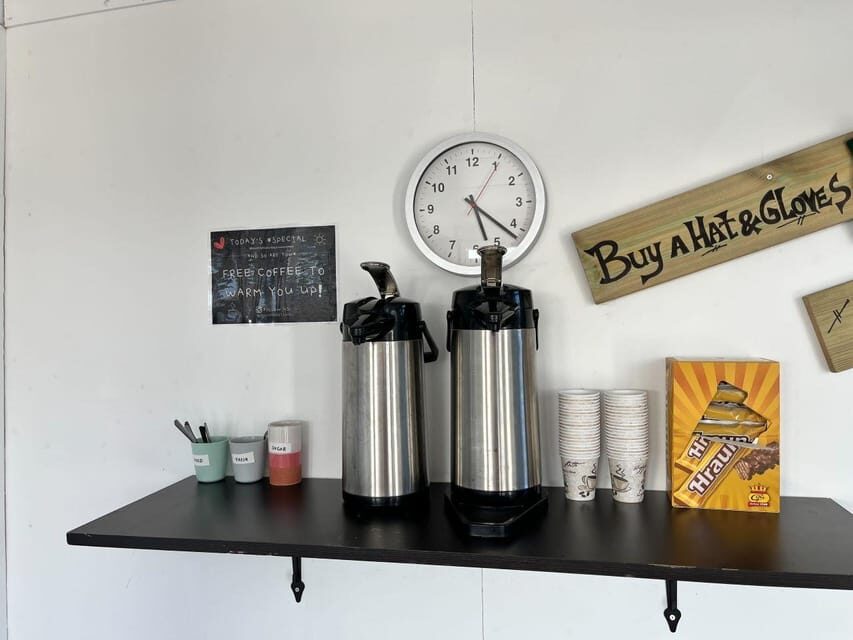
- coffee and chocolates, which sounds small until you’re standing on cold ice and suddenly you want something warm
The value is highest if you want a genuine skills-and-ice day. If you only want a glacier view from the edge, there are often cheaper options. But if you want to walk on Falljökull and climb an ice wall under professional safety setup, you’re basically buying access to expertise plus equipment plus a timed day on a working glacier.
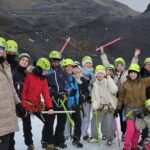
Also, the small group size limited to 6 improves the experience. More attention per person usually means better coaching and a calmer start. One booking specifically praised the small group feel, which matches what you’d expect from a tour designed for safety-critical instruction.
Guide quality makes the difference: Lily, Jan, Diego, Vincenzo, and more
A glacier tour lives or dies by its guide.
From past experiences, several guides stand out by name: Lily is praised for great guidance and a route that stays manageable even for first-timers. Jan gets credited for an experienced, friendly approach, including teaching with humor. Diego and Adam also appear repeatedly as high performers, with people calling them out for equipment quality, instruction, and a strong “you’re safe here” feeling.
Vincenzo is mentioned for being impressively skilled and informative, and for encouraging each person to climb while keeping safety first. That kind of approach matters because it blends technical discipline with group energy. If you’re nervous, you want a guide who can explain clearly and keep you calm without cutting corners.
Who this tour suits best (and who should skip it)
This is a great match if you:
- want a hands-on glacier experience (not just a viewpoint)
- are okay with cold and damp and dressing for it
- like structured instruction and don’t mind following a guide closely
- want a real challenge that still feels controlled and safe
It’s not for you if you need an easy stroll only, because you’ll be on a glacier for hours and doing an ice climbing sequence. It also isn’t suitable for children under 12.
If you’re traveling solo, you’ll still get a small-group feel. If you’re traveling as a couple or friends, you’ll likely appreciate that the group is capped at 6, which keeps attention tight and pacing sane.
Should you book the Falljökull ice climb and hike?
I’d book it if your Iceland trip needs one “I did something real” day. This tour stands out because it’s not only stunning—it’s functional. You learn how to walk on ice, you see key glacier features up close, and then you do the climbing with proper safety setup and time on the glacier.
I’d think twice if:
- you show up unprepared for cold, because gloves and rain gear aren’t included
- you hate following strict safety instructions
- you’re expecting a totally relaxed hike with no technical climbing element
My practical advice: dress for wet cold, arrive ready to listen, and take the guide’s coaching seriously. Do that, and you’ll come away with a glacier day that feels both thrilling and earned.
FAQ
How long is the Skaftafell Falljökull ice climb and hike?
The tour duration is 4 hours.
What size is the group?
The group is small, limited to 6 participants.
What gear is included, and what should I bring?
Included gear covers glacier climbing needs: helmet, harness, crampons, ice axe, and ropes, plus climbing boots. You should bring warm clothing, a hat, rain gear, and gloves.
Is the tour suitable for children?
No. It isn’t suitable for children under 12.
What’s included in the price besides the guide?
The price includes a certified glacier guide and also includes coffee and chocolates.
Is there a place to meet, and is the tour in English?
Yes. Meet at Troll Expeditions Skaftafell in Hof. The tour guide speaks English.