REVIEW · VIK
Snowmobiling on Eyjafjallajökull
Book on Viator →Operated by Southcoast Adventure · Bookable on Viator
Snowmobiling on a glacier sounds wild. This one from Vik pairs beginner-friendly riding with real Eyjafjallajökull geology lessons and big viewpoints over the coast.
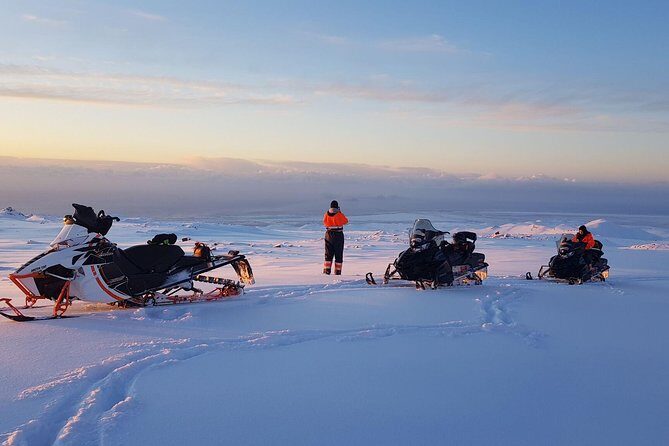
I like that you get the full cold-weather kit like an insulated cover-all, helmet, and a balaclava face mask. I also like that the tour is set up with multiple stops, including the highest point of the glacier at 1666m and history around the 2010 eruption.
One thing to keep in mind: you still need the right boots, and weather or snow conditions can change the plan even on a booked day.
In This Review
- Key things that make this tour click
- Eyjafjallajökull Snowmobiling From Vik: What You’re Really Buying
- Brú Base Camp and Getting Suited Up Near Seljalandsfoss
- What Happens Before You Ride: Beginner-Friendly, With Rules That Matter
- The Stops That Make It More Than Just a Thrill
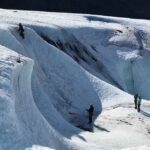
- Eyjafjallajökull Glacier: the big “you are on ice” moment
- Goðasteinn (1666m): the highest point focus
- Westman Islands viewpoint: coast awareness
- The effect of the 2010 eruption: why the glacier looks the way it does
- Weather, Snow, and the Plan B You’ll Want to Know
- Price and Gear Reality: What’s Included vs. What You Must Bring
- Who Should Book This (and Who Should Skip It)
- Should You Book Eyjafjallajökull Snowmobiling From Vik?
- FAQ
- Where does the tour start?
- How long is the snowmobiling tour?
- What times are the departures?
- How much does it cost?
- What’s included in the tour?
- What do I need to bring?
- Is it beginner-friendly?
- What happens if weather is bad?
Key things that make this tour click
- Two departure times (10am or 2pm) so you can match your day and light
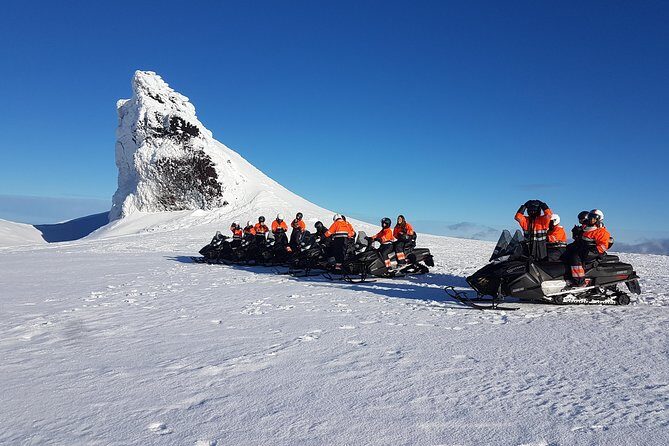
- Small group size with a maximum of 15 travelers, which helps with safety and attention
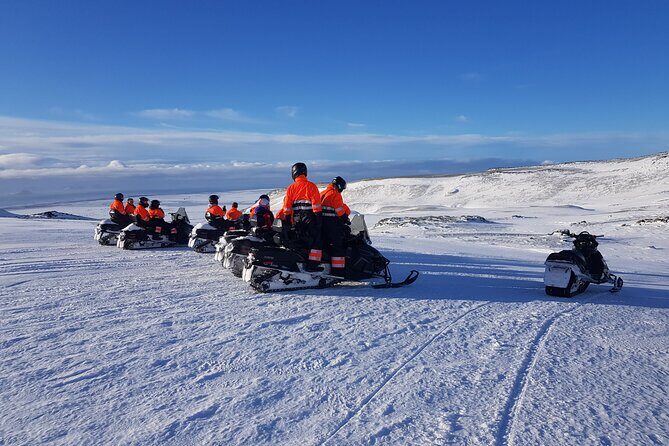
- Gear included beyond the helmet: insulated cover-all plus a face covering/balaclava
- Meaningful glacier stops tied to Eyjafjallajökull’s high point and the 2010 eruption effects
- View over Westman Islands for a wider sense of where you are on Iceland’s south coast
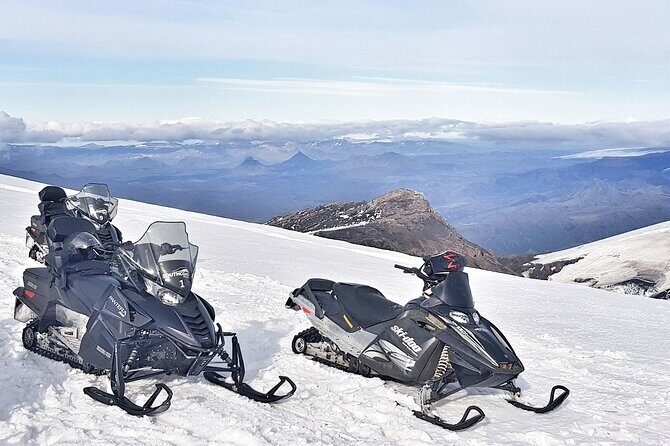
- Weather-dependent plan, sometimes swapping to a buggy option if snow or conditions aren’t right
Eyjafjallajökull Snowmobiling From Vik: What You’re Really Buying
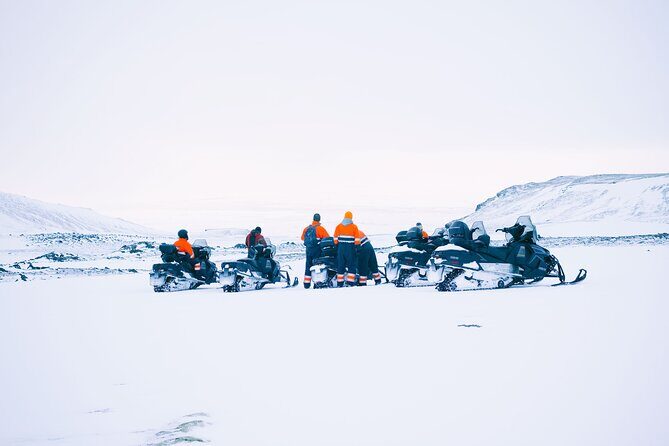
You’re paying for a short, high-adrenaline glacier experience in one of the most famous ice-and-volcano settings in Iceland. The value here isn’t just the ride. It is the way the guide connects what you see to what Eyjafjallajökull is doing beneath the surface.
At $318.37 per person for about 3 hours, it’s not a budget activity. But it does include the cold-weather essentials you usually end up renting elsewhere: insulated cover-alls, a helmet, and a snowmobile balaclava face mask. When you add up what those items usually cost you and the hassle of finding them, the price starts to make more sense.
If you’re the type who likes to understand where you are as well as ride through it, you’ll appreciate the planned stops that focus on Eyjafjallajökull’s highest point (Goðasteinn, 1666m) and the visible effects tied to the 2010 eruption. That’s the difference between a quick thrill and something you’ll remember as a story.
You can also read our reviews of more tours and experiences in Vik.
Brú Base Camp and Getting Suited Up Near Seljalandsfoss
The tour meets at Southcoast Adventure / Brú Base Camp on Road 249, about 3km from Seljalandsfoss Waterfall. It’s a practical location for people staying around Vik, but it’s still Iceland countryside, so don’t treat directions like they’re guaranteed.
You’ll want your confirmation handy (you get a mobile ticket), and you should plan to arrive a few minutes early. With a max of 15 people, the team needs time to fit gear and handle instructions without rushing.
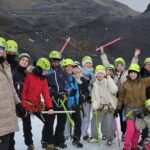
Before you head onto the snowmobile area, expect a full safety and clothing setup. The operator provides:
- Insulated cover-all
- Helmet
- Snowmobile balaclava face mask
Here’s the key practical point: your boots are on you. The tour notes that appropriate hiking boots/shoes are required but not included. That matters because glacier riding punishes poor footwear fast: wet snow, cold air, and slushy surfaces can ruin traction and comfort.
My advice is simple: wear boots that keep warmth in and don’t collapse when you’re standing still for brief photos or a quick walk.
What Happens Before You Ride: Beginner-Friendly, With Rules That Matter
This is listed as suitable for beginners, and that’s usually what you want on glacier snowmobiles. The team’s job is to get you comfortable fast: how to control speed, what to do at stops, and how to stay positioned on uneven ice.
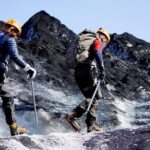
Even if you are an experienced driver, don’t assume it’s just like driving on a road. Snowmobiles on glacial terrain behave differently, and the weather can turn fast. The guides are there to manage spacing and keep everyone safe while still giving you real riding time.
In the best-case scenario, you’ll get a structured flow:
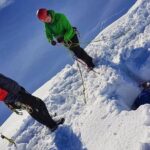
- Suit up and listen to the briefing
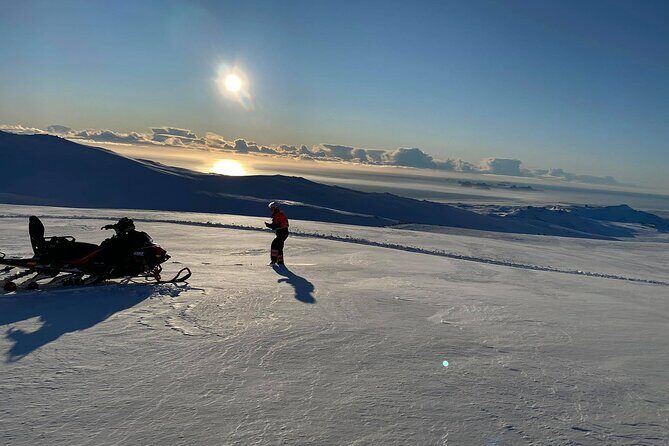
- Ride up toward the glacier area where snowmobiles are parked
- Follow the guide through photo and terrain stops
- Get some time for freer riding in the safer sections
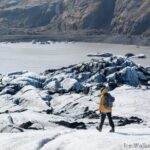
Some people also report that they had the chance for short walks in fresh powder and lots of picture breaks. Even when weather is gray, those pauses matter. That’s when you actually get to see the glacier up close, not just feel it under the machine.
The Stops That Make It More Than Just a Thrill
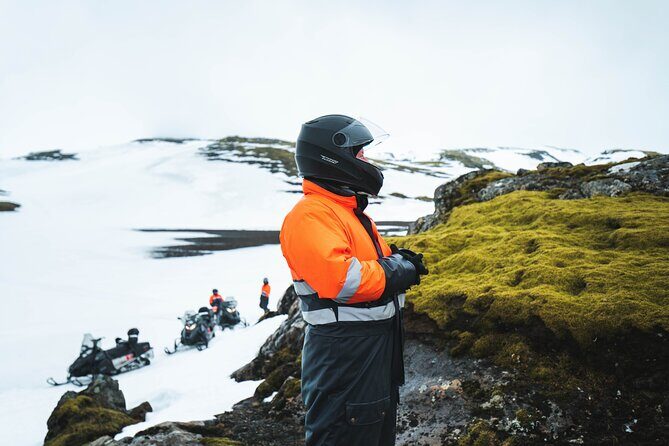
This tour has a planned lineup of what to see, and each stop adds something different.
Eyjafjallajökull Glacier: the big “you are on ice” moment
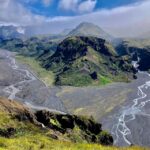
Yes, you’re on a glacier. But the real payoff is how the guide helps you read what you’re seeing. Eyjafjallajökull is a glacier sitting over volcanic activity, and that mix is the reason the views are so dramatic.
If you’ve been staring at Iceland’s volcano story from photos, you’ll feel it in person here.

Goðasteinn (1666m): the highest point focus
Goðasteinn is highlighted as the highest point of Eyjafjallajökull at 1666m. That detail is more than trivia. It sets a mental marker for the route: you’re not just randomly riding across ice; you’re moving through a landscape shaped by elevation, melt, and volcanic forces.
Expect your guide to point out how the elevation changes what you can see and how the glacier surface can look.
Westman Islands viewpoint: coast awareness
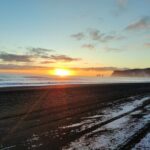
Another major highlight is a view over the Westman Islands. This is where the trip expands beyond the glacier. You get a sense of where the ice sits relative to Iceland’s south coast, plus a reminder that you’re not in a remote nowhere. It’s Iceland, fully connected by sea, cliffs, and weather.
If you’re timing this for afternoon light, the coast views can be especially good.
The effect of the 2010 eruption: why the glacier looks the way it does
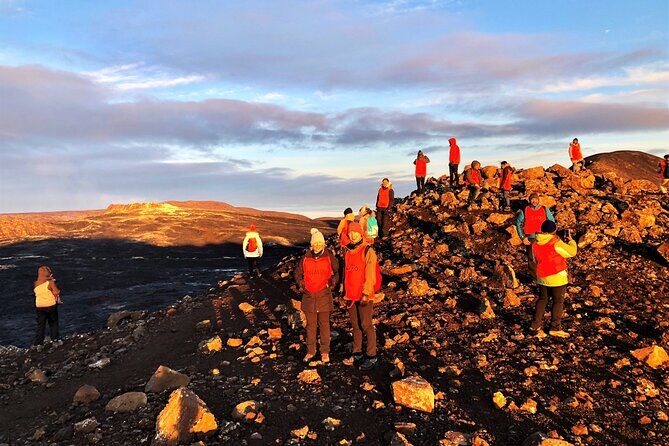
Eyjafjallajökull erupted in 2010, and the tour specifically calls out the effect of that eruption. Even without a long lecture, you’ll likely come away with a clearer picture of how volcanic activity under a glacier leaves fingerprints on the environment you’re crossing.
This is where the guide can turn the ride into understanding, not just movement.
Weather, Snow, and the Plan B You’ll Want to Know
Iceland weather isn’t a suggestion. It’s a boss.
This experience requires good weather, and the booking info says that if the trip is canceled due to poor weather, you’ll be offered a different date or a full refund. That’s the official piece.
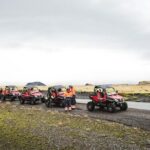
The real-world piece (from people who did this) is that when snow or conditions don’t cooperate, the operator may switch from snowmobiling to a buggy ride along the tundra by the glacier. That can still feel like a full adventure day, especially if you’re getting long viewing time and photography stops.
So what should you do with that knowledge?
- Bring clothing you can stay warm in if you’re waiting briefly for the next step.
- Dress for wind and wet, not just for “cold.”
- Keep flexibility in your mind, even if you chose 10am or 2pm carefully.
One nice part of the setup is the guide-led structure. People who ended up with the alternative option still describe feeling safe and well taken care of, which is exactly what you want if your day changes.
Price and Gear Reality: What’s Included vs. What You Must Bring
Let’s talk value in the way that actually helps you decide.
Included gear covers a lot:
- Local guide
- Insulated cover-all
- Helmet
- Snowmobile balaclava face mask
That is meaningful value because cold-weather outer layers and protective head/face gear are often the biggest expense or hassle for visitors.
What’s not included:
- Appropriate hiking boots/shoes
And the practical recommendations go further than that. The tour suggests bringing:
- Waterproof jacket and trousers
- Warm head wear (hat or balaclava; balaclavas may be provided if needed)
- Gloves (gloves can be provided if required)
- Snacks
That snack line sounds small, but it’s a good reminder. A glacier day can run long enough to make you hungry, and you’ll feel better with energy instead of cold impatience.
Now, a balanced warning from real experiences: a few people flagged frustrations around snowmobile assignment and comfort level compared to other operators. Some felt snowmobiles were shared, and others expected boots or more “ready-to-go” items like gloves and head-to-to gear. The tour data itself doesn’t promise shared vs. solo, and it does clearly require you to bring boots, so don’t assume everything is identical to what you’ve done with a different company.
My best practical fix: show up with the right footwear and a warm layer system, and you reduce most of the “I wasn’t prepared” risk.
Who Should Book This (and Who Should Skip It)
This is a great fit if:
- You want a guided, beginner-leaning snowmobile experience
- You like photo stops and don’t mind a structured route
- You want glacier scenery plus context about Eyjafjallajökull and the 2010 eruption
- You prefer a smaller group size (maximum 15) for safety and smoother pacing
Consider skipping or switching to another option if:
- You’re very sensitive to schedule changes caused by weather or snow availability
- You need guaranteed solo riding and maximum freedom (the tour can include shared logistics depending on group setup, and conditions can change plans)
- You don’t have good winter boots and don’t want to buy or bring them
If you’re the type who enjoys short adventures with big payoff, this tour hits a sweet spot. It’s not a full-day expedition. It’s a focused ride plus real viewpoints and explanations.
Should You Book Eyjafjallajökull Snowmobiling From Vik?
If your main goal is glacier thrills with a guide who connects what you’re seeing to the volcano story, I’d book it—especially since you can choose 10am or 2pm. I’d also book it if you’re prepared for cold and you can show up with proper boots, waterproof layers, and warm headwear.
What might make you hesitate is not the idea of snowmobiling. It’s the fact that weather can force a swap to a buggy option and that footwear is on you. If you’re not ready for those realities, you could feel cranky even if the guide is great.
My decision rule:
- Book if you can dress right and you’re okay with Iceland changing your plan.
- Don’t book if you’re chasing a specific guarantee like always snowmobiling in certain conditions.
If you do book, check your directions carefully for Southcoast Adventure / Brú Base Camp before you set out. Missing a meeting point on a driving day can turn a great excursion into a wasted day fast.
FAQ
Where does the tour start?
The tour starts at Southcoast Adventure / Brú Base Camp on Road 249 near Seljalandsfoss (about 3km away).
How long is the snowmobiling tour?
It’s approximately 3 hours.
What times are the departures?
You can choose a morning departure at 10am or an afternoon departure at 2pm.
How much does it cost?
The price is $318.37 per person.
What’s included in the tour?
Included items are a local guide, an insulated cover-all, a helmet, and a snowmobile balaclava face mask.
What do I need to bring?
Bring waterproof jacket and trousers, warm headwear, gloves (the company can provide gloves if needed), appropriate hiking boots/shoes, and snacks.
Is it beginner-friendly?
Yes. The tour is described as suitable for beginners, with a guided experience.
What happens if weather is bad?
This experience requires good weather. If it’s canceled due to poor weather, you’ll be offered a different date or a full refund, and the operator may also change the activity plan depending on conditions.