REVIEW · REYKJAVIK
Saga Museum – Entrance ticket
Book on Viator →Operated by Saga Museum · Bookable on Viator
One of Reykjavik’s best quick history stops sits in the old harbour. Saga Museum turns the Icelandic sagas into walk-through scenes, with lifelike Viking figures and an audio guide that covers famous names like Snorri Sturlusson and Leif the Lucky. The focus is plain and practical: you see the stories, you hear the context, and you can even try on Viking gear.
I especially like the way the museum uses audio in multiple languages to guide you scene by scene, so you’re not stuck guessing what you’re looking at. I also love that it’s family-friendly in a smart way, with dressing-up and hands-on Viking weapons and armour.
One thing to consider: this is a self-guided visit with an audio track, so if you’re hoping for a live storyteller or lots of touchable, original artifacts, your experience may feel more like an engaging museum walk than a traditional guided tour.
If you want your Iceland start with the sagas, this is a solid choice.
In This Review
- Key things to know before you go
- Saga Museum in Reykjavik: what this ticket actually gives you
- Old harbour location: easy to pair with a Reykjavik day
- Audio guide setup: choose your language and pace
- Inside the museum: Viking stories, Iceland’s names, and the Black Death
- The lifelike figures: why this museum feels so memorable
- Dressing up as Vikings: the fun part that still fits the theme
- How long should you plan? (And how to avoid rushing)
- Price and value: is $32 worth it?
- Who should book Saga Museum tickets?
- Quick practical tips before you go
- Should you book? My take
- FAQ
- What’s included with the Saga Museum ticket?
- How long does the visit take?
- Where is the museum located?
- What languages are available for the audio guide?
- Can I use something besides the audio device?
- Is there parking included?
- Is it free for young children?
Key things to know before you go

- Audio guide in many languages lets you choose the story pace you want, including English
- About 20 exhibits arranged as scenes from Icelandic saga life and legend
- Viking dress-up and weapon/armour try-ons add hands-on fun, especially for kids
- Old harbour location puts you close to the part of Reykjavik where you can build an easy walking day
- Free parking makes it simpler if you’re driving around the city
- Small max group size (50) keeps the space feeling manageable
Saga Museum in Reykjavik: what this ticket actually gives you
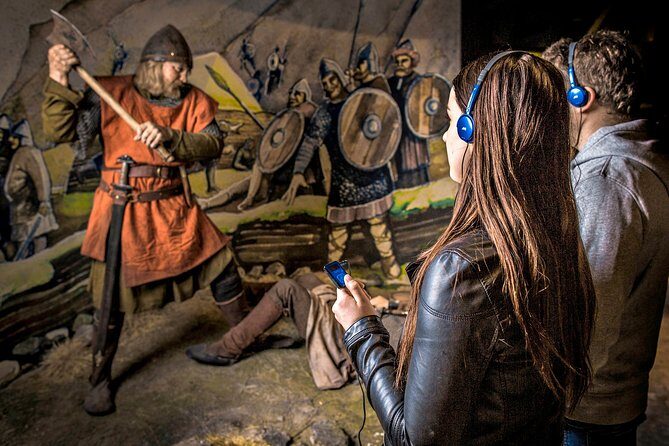
Saga Museum is built around the Icelandic sagas—story-cycles that shaped how people understood the past, including the Viking era. Your ticket is for entry to the museum with an audio guide, and the experience is designed so you can move at your own speed. The museum is in Reykjavik’s old harbour area, and it’s open daily from 10:00 to 17:00.
Practically, plan on about 1 to 2 hours. People seem to fit this visit into a shorter window if they want the highlights fast, but you can easily take your time with the dioramas and the dressing-up option. The ticket also includes free parking, which is not nothing in Reykjavik—this matters if you’re doing more than one stop in a day.
The big “why it’s worth it” is that the museum doesn’t just say Vikings were dramatic. It shows how that drama looks in story form—who mattered, what events were remembered, and why certain names still come up when Iceland’s past gets discussed.
A few more Reykjavik tours and experiences worth a look


Old harbour location: easy to pair with a Reykjavik day
Being in the old harbour area makes this museum easier to slot into a simple plan. You can treat it as an anchor stop for a morning or an afternoon walk, then keep exploring nearby streets without needing extra logistics. The museum is also near public transportation, so you can keep it low-stress if you’re not driving.
I like this kind of location because it helps you avoid the “where do I even fit this?” problem. If you’re already walking the harbour, you’re already in the mood for early history and seafaring tales—so the museum feels like a natural extension.
Audio guide setup: choose your language and pace
You’ll use an audio device inside the museum, and you can pick your language from several options: Icelandic, English, French, German, Russian, Spanish, and Swedish. That matters more than it sounds. When you’re looking at static scenes, you need the story behind the scene. Audio gives you that instantly, without forcing you to read long text blocks.
If you prefer paper, you can also buy an audio guide booklet at the front desk. That’s a nice backup if your phone audio settings aren’t cooperating or you’d rather skim as you walk.
What I like about this format is control. You can linger where you want—like a particular figure or moment—and skip ahead if something isn’t grabbing you. You’re not stuck in a rigid timeline, and you don’t have to listen to one voice for the entire visit.
Inside the museum: Viking stories, Iceland’s names, and the Black Death
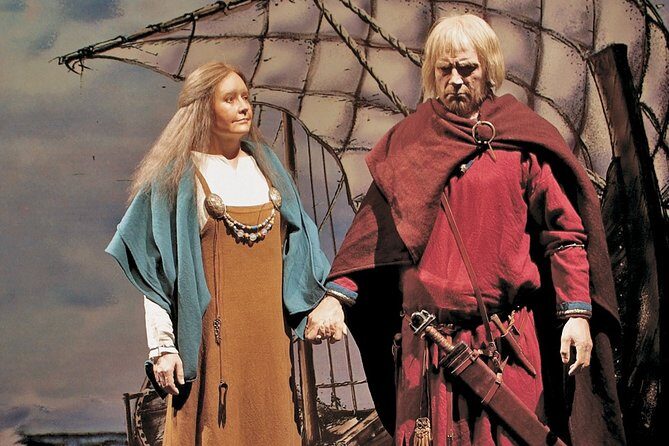
The museum experience is organized as a sequence of exhibits that mix legend, history, and the kind of dramatic storytelling the sagas are known for. The museum highlights historic figures such as Snorri Sturlusson, Ingolfur Arnarson, and Leif the Lucky—names that come up when Iceland’s saga world is discussed.
You’ll also learn about major events remembered in the narrative tradition. One of the notable themes is the disastrous Black Death, described as the most devastating pandemic in human history, with a death toll estimate often given in the range of 75 to 200 million. In a museum setting, this topic is a reminder that Iceland’s reputation and identity weren’t built only on Vikings and voyages—big world events shaped life here too.
How the exhibits feel in practice: many scenes are built with life-size dioramas and extremely realistic mannequins/figures. In other words, you’re not just viewing a poster about Viking life. You’re walking through staged moments that feel like chapters from a saga.
And there’s humor in the mix. A bonus exhibit adds a lighter touch, which helps if you’re visiting with kids or anyone who gets restless inside museums.
The lifelike figures: why this museum feels so memorable
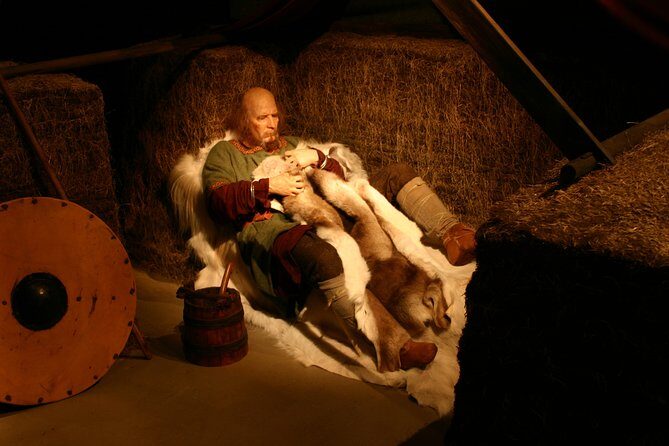
This is the part that gets the most positive attention, and it’s easy to see why once you’re inside. The scenes use figures with striking realism, including details like lifelike eyes and careful staging. The overall effect is like a cross between a storybook and a wax-figure theatre—educational, but also visual.
For many people, this is what stops the visit from feeling like “just reading signs.” You look, you hear the explanation, and the characters feel present. That’s also why it works for families: kids often react quickly to visual impact, and they don’t need a long attention span to enjoy the scenes.
There’s also something practical here: realistic figures help you understand scale and setting. You start to picture what the saga world would look like, which makes the names and events easier to keep in your head after you leave.
You can also read our reviews of more museum experiences in Reykjavik





Dressing up as Vikings: the fun part that still fits the theme
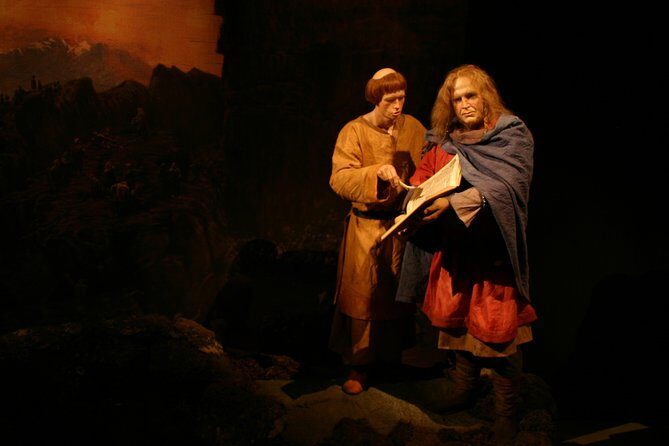
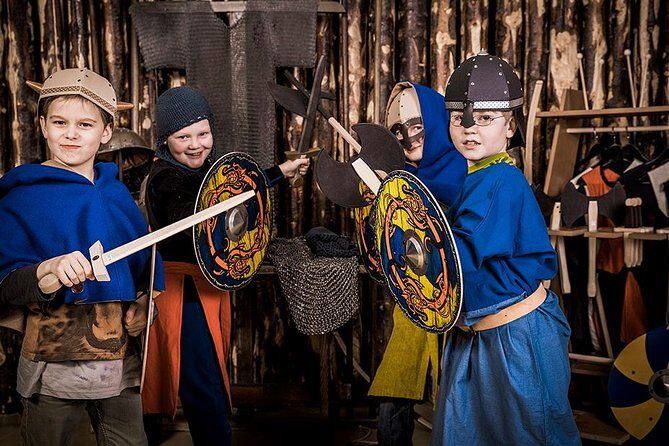
One of the most distinctive features is the chance to dress up like a Viking and try Viking weapons and armour. It’s not just a photo-op corner. The museum leans into it as part of how you engage with the saga world—by stepping into the look and feel of the era.
This is a big win if you’re visiting with children. It turns the museum from a passive activity into something physical and playful. It also works for adults because you get that little jolt of imagination: suddenly, the stories you’re hearing don’t feel distant.
Just plan for a short wait and some curiosity time. When dressing-up is available, people slow down to get the right outfit or props, and that’s normal. It won’t derail your visit, but it can affect how long you stay.
How long should you plan? (And how to avoid rushing)
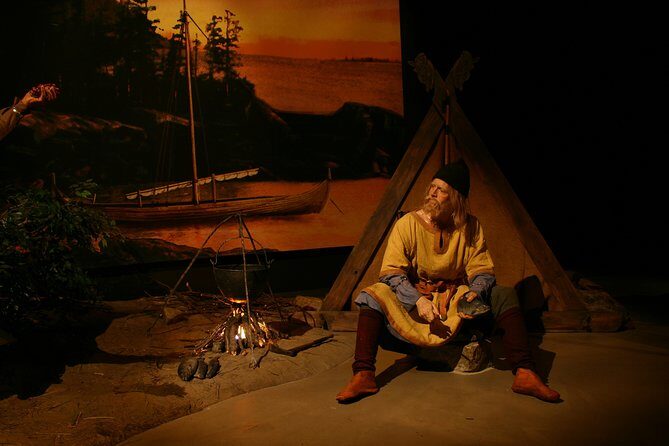
Most visits land around 45 minutes to an hour, but you can stretch closer to 1 to 2 hours if you linger with multiple exhibits and include the dress-up section.
Here’s a smart pacing approach I recommend:
- Start by selecting your audio language and walking until you hit your first “this is really cool” scene
- After that, decide if you’re in highlight mode or slow mode
- Leave enough time to try the Viking gear without feeling like you’re sprinting at the end
The museum has around 20 exhibits on display. If you try to see everything at breakneck speed, you’ll miss the storytelling connections between scenes. If you take a more relaxed route, the saga thread starts to make sense.
Price and value: is $32 worth it?
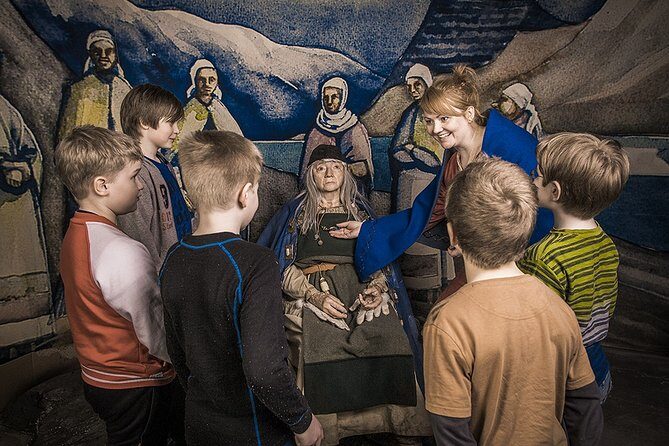
At $32.00 per person, Saga Museum sits in the range of an easy paid attraction in Reykjavik. The value comes from what’s included: admission plus an audio guide, plus the chance to dress up and try Viking weapons and armour. You’re not paying extra to access the main “how it works” component—the storytelling audio is part of the ticket.
Also, free parking is included. If you’re driving, that can noticeably change the math compared with attractions that add parking costs or require timed street parking.
So who gets the best value? You’ll feel it if you want:
- story-driven cultural content
- a visually engaging museum format
- a short, contained activity that fits into a harbour walk
If you’re the type who only enjoys museums with rare original artifacts behind glass, this might feel more staged than you expect. But if you like museums that translate history into scenes you can actually picture, the included audio and lifelike dioramas do the heavy lifting.
Who should book Saga Museum tickets?
This is a great fit for people who want an easy entry point into Icelandic saga culture without needing a long day. I’d book it if you fall into one (or more) of these groups:
- Families: the lifelike figures and dress-up make it easier to keep kids engaged
- History-curious visitors: you’ll leave with names and themes you can connect to the rest of Iceland
- First-time Reykjavik planners: it’s a contained stop with predictable hours and a simple time commitment
- People who like audio learning: choose your language and set your pace
If you’re only in Reykjavik for a tight schedule, you can treat it as a “brief but solid” start. If you’re staying longer and want one themed stop that isn’t just scenery, it can anchor a rainy-day plan too.
Quick practical tips before you go
- Pick your audio language right away so you start hearing the context as you look at each scene.
- Plan for around 1 hour if you want the core experience, and longer if you expect to dress up.
- Wear shoes you’re comfortable walking in. The museum is designed for moving through scenes.
- If you’re visiting as a family, build in a little patience for the Viking dressing-up moment—it’s part of the fun, not a detour.
Should you book? My take
Book Saga Museum tickets if you want a short, memorable way to connect Iceland to the sagas. The strongest part of the experience is the blend of audio storytelling and extremely realistic dioramas—plus that unusual extra: dressing up and trying Viking gear. It’s the kind of stop that makes history feel like a place, not a lecture.
Skip it (or rethink your expectations) if you specifically want live guides, heavily research-based displays with lots of original artifacts, or a long, multi-stop guided itinerary. This is a museum walk with audio, not a day-long immersion tour.
For most people coming through Reykjavik, though, it’s a smart use of time—and a surprisingly satisfying way to meet Iceland’s saga world face to face.
FAQ
What’s included with the Saga Museum ticket?
Your ticket includes admission to the Saga Museum and an audio guide. You also have access to the museum’s Viking dressing-up and weapon/armour try-on features.
How long does the visit take?
The experience typically lasts about 1 to 2 hours.
Where is the museum located?
The Saga Museum is located in Reykjavik’s old harbour area.
What languages are available for the audio guide?
The audio guide is available in Icelandic, English, French, German, Russian, Spanish, and Swedish.
Can I use something besides the audio device?
Yes. You can also buy an audio guide booklet at the front desk.
Is there parking included?
Yes. Free parking is included with admission.
Is it free for young children?
Children under 6 have free admission.