REVIEW · REYKJAVIK
Reykjavík: National Museum of Iceland Entry Ticket
Book on GetYourGuide →Operated by National Museum of Iceland · Bookable on GetYourGuide
A single ticket maps Iceland’s past in hours. Step into the National Museum of Iceland in Reykjavík and follow a guided-style story that links the Viking era to modern life, with standout objects and a layout designed around one big question: what makes a nation.
I really like how the museum spotlights Viking-era material you can actually see up close, including famous finds such as a Thor figure dated to around the year 1000. It’s the kind of detail that makes Iceland feel less like a faraway idea and more like a real, dated place with people and beliefs you can point to.
I also love the way the permanent exhibition turns time into a walking route, moving from the settlers’ ship crossing to the modern airport as a gateway to the world. With about 2,000 artifacts from the Settlement Age to today, plus photos from the 20th century, you get plenty to read and look at without needing to be an Iceland history major. One possible drawback: the exhibit flow isn’t always crystal-clear, and some visitors find it a bit hard to follow a strict, sequential path.
In This Review
- Key Things to Know Before You Go
- The National Museum of Iceland: A Straightforward Ticket With Big Historical Payoff
- What You’ll See: From Settlers’ Ship to the Airport Gateway
- Thor (Around 1000) and Other Objects You’ll Remember
- About 2,000 Artifacts: Why the Amount Matters (and When It Can Feel Like Too Much)
- Temporary Exhibitions: How to Use Them Without Losing Time
- Audio Guide in 10 Languages (Plus Wi‑Fi): A Smart Way to Read Faster
- How Long to Plan: About 90 Minutes Works, If You Choose Your Priorities
- Museum Shop Replicas: Practical Souvenirs That Don’t Feel Generic
- Pair It With Another Reykjavík Museum Stop (So the Story Feels Complete)
- Price and Value: Is $20 Worth It?
- Logistics That Matter: Skip the Ticket Line, Manage Your Bags
- Who This Ticket Fits Best
- Should You Book the National Museum of Iceland Ticket?
- FAQ
- What is included with the National Museum of Iceland entry ticket?
- How long should I plan to spend?
- Which languages are available for the audio guide?
- Can I bring luggage or large bags into the museum?
- Is the ticket valid only on the day I book it?
- Is the museum wheelchair accessible?
Key Things to Know Before You Go

- Viking-to-modern story arc: the museum’s permanent display runs from early settlement to today
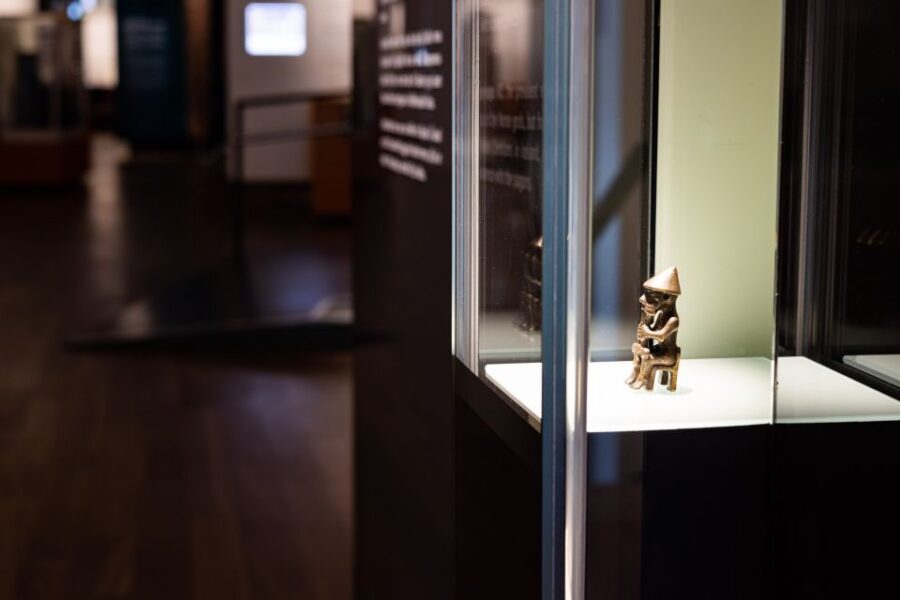
- Thor, circa 1000: a standout object anchored to a specific date
- About 2,000 artifacts: you’ll see material from the Settlement Age through the present
- Audio guide in 10 languages: with Wi‑Fi support inside the museum
- Temporary exhibitions change often: most focus on Icelandic culture
- Plan for your bag size: luggage or large bags aren’t allowed
The National Museum of Iceland: A Straightforward Ticket With Big Historical Payoff
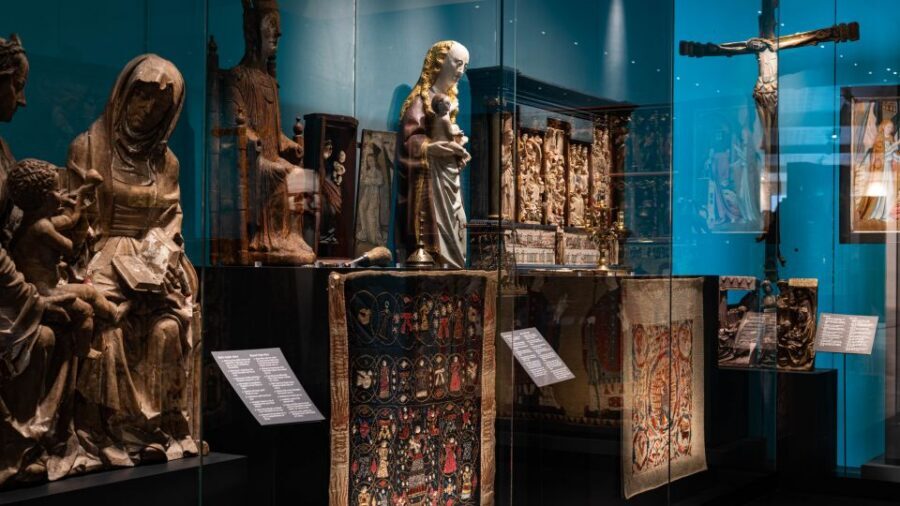
If you want one solid indoor stop in Reykjavík that actually helps you understand the country, this ticket does the job. The National Museum of Iceland is set up as a time-and-identity story, not a random grab bag of objects. You’re meant to walk through Iceland’s history as a sequence, starting with the settlers and ending with modern Iceland’s connection to the world.
At about $20 per person, it’s not the cheapest thing on your list, but it’s also not trying to be. You’re paying for access to a major permanent collection plus temporary exhibitions, and for an audio guide that’s included. If you’re the type who reads labels anyway, the value is easy to see.
The museum also runs well as a “rain plan.” Iceland weather can do what it wants, and this is the kind of stop that works whether you arrive fresh and energetic or a bit tired. You can move at your pace, pause when something clicks, and still feel like you covered something meaningful.
A few more Reykjavik tours and experiences worth a look



What You’ll See: From Settlers’ Ship to the Airport Gateway
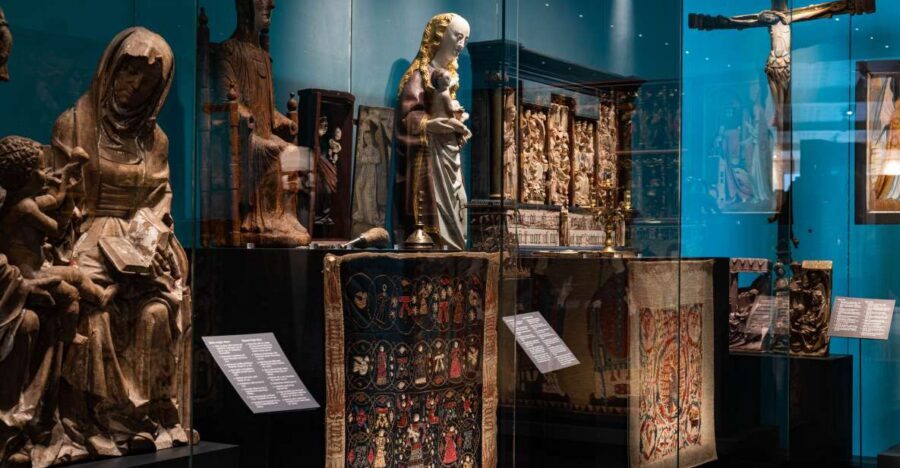
The permanent exhibition is built around a key question: what makes a nation? That framing changes how you read the displays. Instead of only asking when events happened, you’re also nudged to consider how a small island society formed its identity over centuries.
The story is arranged as a journey through time. It begins with the ship that medieval settlers used to cross the ocean to their new home. It ends at a modern airport—positioned as the gateway that connects Icelanders to the wider world. That end point matters because it stops the museum from feeling stuck in the past.
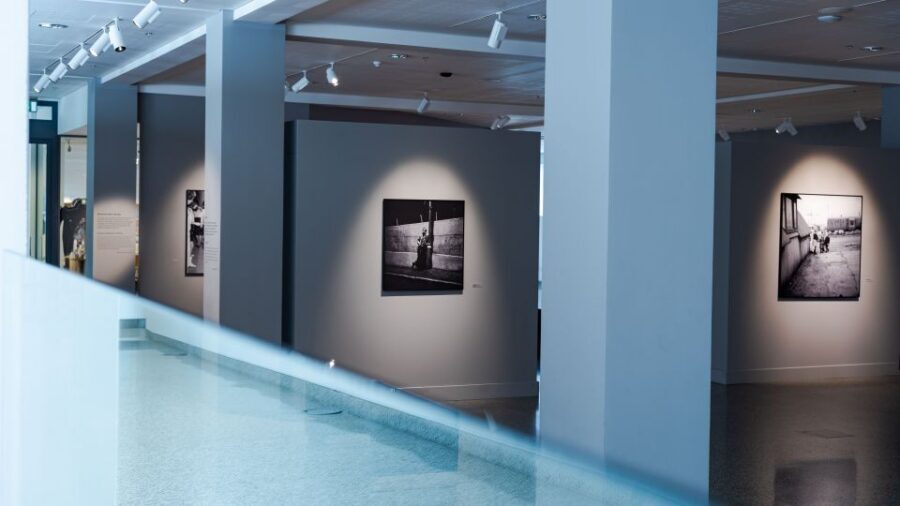
You’ll also see plenty of “everyday history” clues, not just heroic moments. The exhibition includes around 2,000 artifacts that span the Settlement Age through the present day, and it also includes photographs from the 20th century. That photo layer is important: it helps you connect the distant past to more recent life in Iceland, without forcing the museum to rely only on objects.
Thor (Around 1000) and Other Objects You’ll Remember
Some museums show you artifacts. This one pushes a few specific objects hard, and that’s a good strategy. When you leave a museum remembering a date or a name, the information sticks.
A major highlight is the figure of Thor, dated to around the year 1000. Having a Viking-age religious symbol tied to a specific time makes the display feel grounded. It’s not just “old stuff”—it’s a dated piece of a belief system that once mattered here.
Another standout you’ll likely hear about is the first Bible printed in Iceland in the 16th century. The museum describes it as one of the most beautiful printed works in Icelandic, and that reputation gives you a reason to slow down. Even if you’re not a book-lover, a printed artifact like this is a different kind of historical evidence than tools or weapons—it speaks to language, learning, and who had access to texts.
You’ll also encounter medieval church material. The museum includes beautiful artifacts from medieval churches, which helps show how religion, art, and daily life intersected over time. And if you like crossovers—history plus craftsmanship—this part tends to land well.
About 2,000 Artifacts: Why the Amount Matters (and When It Can Feel Like Too Much)
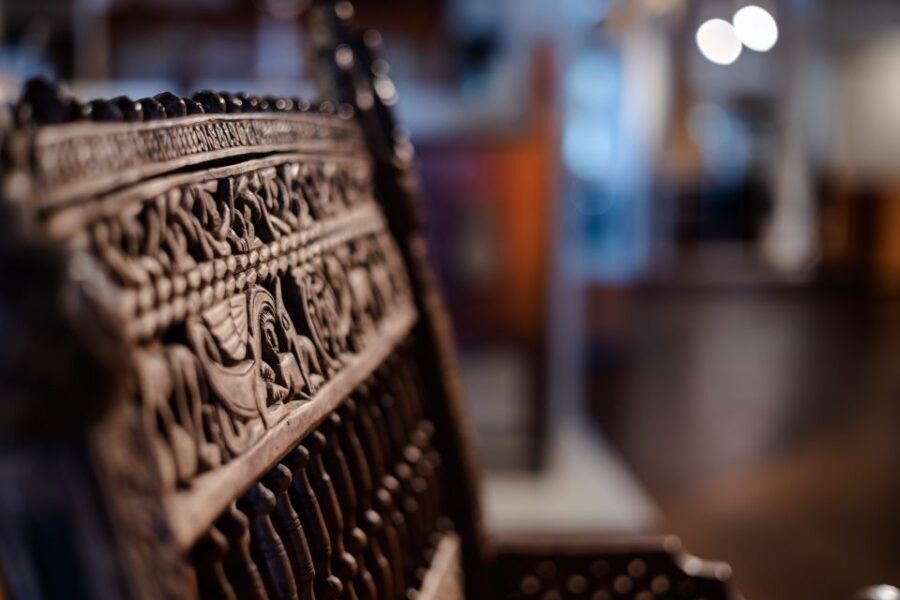
Let’s talk about the scale. The permanent exhibition includes about 2,000 artifacts, plus 20th-century photographs. That’s a lot of material, and it can be fantastic if you like variety. It also means you won’t see everything with perfect detail unless you’re ready to spend extra time reading every label.
This is where the museum’s design becomes your best friend. If you treat it like a choose-your-own-history walk—picking a few themes to focus on—you’ll get more out of it than if you try to absorb everything in one pass.
One consideration I’d flag: some visitors say the exhibits can feel spread out, and a strict sequential path isn’t always obvious. If you’re someone who likes a clear step-by-step order, go in with a simple plan: pick 2 or 3 anchor stops (like Thor, the Bible print, medieval church items), then let the surrounding rooms support those anchor points.
The good news is that the museum’s permanent collection is paired with temporary exhibitions, so even if one room feels like a lot, another may feel more specific or interactive depending on what’s on display during your visit.
Temporary Exhibitions: How to Use Them Without Losing Time
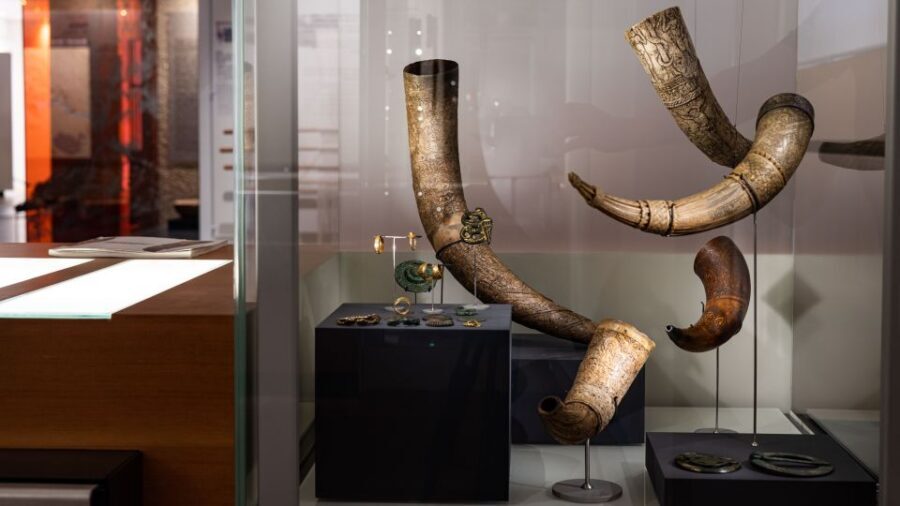
Your ticket grants access to both the permanent exhibition and temporary exhibitions. Since those change over time and often reflect Icelandic culture, they act like a rotating lens. They can shift the feel of your visit from purely “timeline” to “living culture,” depending on what’s running that day.
The practical move: give yourself enough time to at least skim the temporary sections. Don’t treat them as optional extras if you care about Iceland beyond the Vikings. Even short detours here can make your visit feel more current.
If you’re pressed for time, you can still use the temporary exhibition strategically. Look for what seems most Iceland-specific to you—craft, social life, cultural identity themes—and let that guide your attention in the permanent rooms.
You can also read our reviews of more museum experiences in Reykjavik






Audio Guide in 10 Languages (Plus Wi‑Fi): A Smart Way to Read Faster
This entry ticket includes an audio guide in 10 languages, and you also get Wi‑Fi inside the museum. For most people, that combination reduces friction: you can scan labels quickly, listen for the deeper context, then decide whether you want to spend more time on an object.
The audio guide languages listed include: English, Danish, French, Polish, Spanish, Dutch, Swedish, Icelandic, Italian, and Chinese. If you’re visiting as a family or a mixed-language group, this inclusion helps everyone stay engaged without splitting the day.
A small piece of advice that keeps the visit enjoyable: don’t force yourself to listen to everything from start to finish. Instead, treat the audio like a tool. Use it when you’re standing in front of something that catches your eye. Skip it when you just want to look up close and absorb the artifact visually.
Also, if you prefer face-to-face explanation, it’s worth noting that staff knowledge can make the museum more interesting. If you ask questions at the right moment, you can get the kind of context that audio guides sometimes can’t tailor to your curiosity.
How Long to Plan: About 90 Minutes Works, If You Choose Your Priorities
Many visitors settle into the museum for around an hour and a half. That’s a realistic planning number for adults who want the big highlights without turning the visit into an all-day reading marathon.
If you love museums and you want more depth, plan for longer. The collection is large, and the museum is designed to reward stopping and looking carefully—especially around items tied to specific years or eras.
If you’re visiting with kids, the museum can still work, but don’t assume it will automatically feel kid-friendly. One common consideration is that it may not be the best fit for very small children, mostly because the museum is information-heavy and isn’t positioned as a short, play-based experience.
Museum Shop Replicas: Practical Souvenirs That Don’t Feel Generic
After you’ve seen the artifacts, the museum shop is where you can bring a piece of Iceland home. The shop offers exclusive replicas of archaeological finds, which is a nice way to buy something tied to what you actually saw in the galleries.
I like the logic here: you’re not buying a generic magnet; you’re buying a replica that connects to a specific object or category of objects you encountered. It’s also a good option if you’re trying to keep souvenirs limited but meaningful.
If you’re shopping, don’t rush. Browse once at the end of your route when the objects are still fresh in your mind. You’ll make better choices that way.
Pair It With Another Reykjavík Museum Stop (So the Story Feels Complete)
This ticket gives you the big Iceland history story in one place, but you’ll enjoy Reykjavík more if you connect it with at least one related museum.
A helpful pairing mentioned for maximizing your time is to combine it with the Settlements focus and, for a more modern layer, a maritime-themed museum option—especially if you’re curious about later Icelandic history and topics like the Cod Wars. The National Museum gives you the long arc; pairing adds texture and specialization.
Even without pairing, the museum still does a strong job of connecting eras. But if you’re the type who loves theme-based days—Vikings one place, maritime history another—you’ll get more out of a two-museum plan.
Price and Value: Is $20 Worth It?
At $20 per person, this ticket sits in the “mid-price but meaningful” range. Here’s how I’d judge the value:
- You get entry to the permanent exhibition plus temporary exhibitions.
- You get an audio guide in 10 languages and Wi‑Fi.
- The museum’s collection size and the presence of dated highlights (like Thor around 1000 and the 16th-century Bible print) give you specific reasons to care.
If you’re coming to Reykjavík for a first-time visit and you only have one museum day, this is a strong candidate. If you’re museum-fatigued or only interested in one narrow topic, you might want to compare priorities with other museums—because the National Museum covers a lot of ground.
Logistics That Matter: Skip the Ticket Line, Manage Your Bags
This ticket includes skip the ticket line, and you show it at the reception desk at the National Museum of Iceland. That alone helps you keep momentum, especially if the day includes multiple indoor stops.
One item to plan around: luggage or large bags aren’t allowed. If you’re traveling with bulky luggage, think about how you’ll handle that before you head to the museum. A smaller daypack is the safer bet based on the rule provided.
Also, the ticket is listed as valid for 365 days, which is useful if your Reykjavík dates are flexible. You can book now and still adjust your schedule later when you have a clearer sense of weather and timing.
Who This Ticket Fits Best
This museum ticket is a great match if you want:
- A clear, time-ordered story of Iceland’s past and present
- Specific anchor objects like Thor and the early printed Bible
- An audio guide option in many languages
- A rainy-day plan that doesn’t feel like filler
You may want to rethink if:
- You dislike information-heavy museum visits
- You’re hoping for a very child-focused, hands-on experience
- You need a perfectly sequential “follow-the-arrows” route
Should You Book the National Museum of Iceland Ticket?
Yes—if you want one stop that teaches you how Iceland became Iceland. The museum’s biggest strength is its focus on identity over time, plus a collection with dated highlights that feel concrete, not vague.
I’d book this ticket if you’re visiting Reykjavík for the first time, if you’re curious about the Viking era but also want the later centuries, or if you like learning with a mix of objects, photos, and audio. It’s also a smart use of time when weather is unpredictable.
If you’re only interested in one short theme or you’re traveling with very small kids, you might choose a more targeted museum day instead. But for most adults—and for older kids who enjoy reading labels—this is a high-utility ticket that makes Reykjavík click.
FAQ
What is included with the National Museum of Iceland entry ticket?
The ticket includes entry to the National Museum of Iceland (including temporary exhibitions), an audio guide in 10 languages, and Wi‑Fi inside the museum.
How long should I plan to spend?
Many visitors spend about 1.5 hours in the museum, though you can go longer if you want to read more details and focus on specific artifacts.
Which languages are available for the audio guide?
The audio guide is available in English, Danish, French, Polish, Spanish, Dutch, Swedish, Icelandic, Italian, and Chinese.
Can I bring luggage or large bags into the museum?
No. Luggage or large bags are not allowed.
Is the ticket valid only on the day I book it?
No. The ticket is valid for 365 days, so you can check availability for starting times within that window.
Is the museum wheelchair accessible?
Yes. The experience is wheelchair accessible.