REVIEW · REYKJAVIK
Reykjavik Shore Excursion: Puffin Sightseeing Cruise
Book on Viator →Operated by Special Tours Iceland · Bookable on Viator
Puffins are hard to beat in Iceland. This short shore excursion takes you from Reykjavik to Akurey Island for close-to-the-shore birdwatching, with an expert guide narrating what to look for. I especially like the loaner binoculars, since puffins can look small from the water, and I love the relaxed pace: a round-trip that’s quick enough to fit any day plan.
Your main trade-off is that sightings are distance-based. Due to environmental limits, the boat can’t always get truly near, so you’ll rely on binoculars and camera framing more than you might expect.
In This Review
- Key things to know before you go
- Skarfabakki Harbour to Akurey Island: the simple, timed flow
- Where the cruise starts (and why that matters)
- How puffin watching really works here (and how to set expectations)
- What you’re likely to see
- The quiet photo stretch
- On-board commentary: the guide’s role (and how to get the most from it)
- What to listen for while you’re scanning
- Sound quality is worth considering
- The boat experience: comfort, photo angles, and group size
- Starboard vs. port: a practical photo tip
- Life on a short schedule
- Coffee on board and what to bring (since food isn’t included)
- Weather matters more than you think
- Timing and why multiple departures help
- Price and value: is $63.51 worth it?
- Who should book this puffin cruise (and who might skip it)
- You might want to choose something else if…
- Should you book Puffin Sightseeing Cruise with Special Tours Iceland?
- FAQ
- Where does the Puffin Sightseeing Cruise depart from?
- Is pickup included?
- How long is the cruise?
- Do I need to bring binoculars?
- What wildlife will we look for?
- Will there be a guide on board?
- Is coffee included?
- Are meals included?
- What happens if the weather is bad?
Key things to know before you go
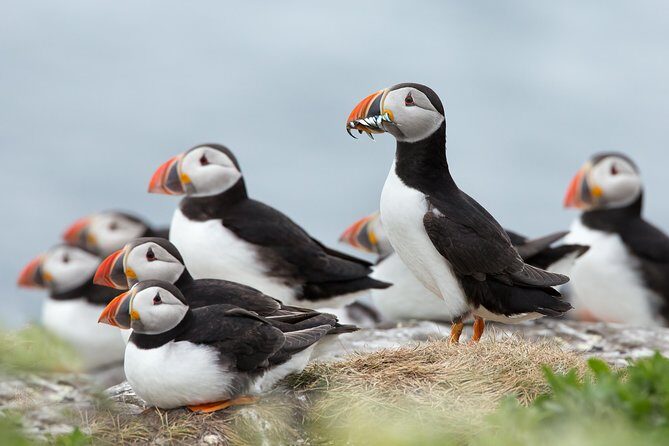
- Loaner binoculars on board: you don’t need to bring gear to enjoy the birds.
- Akurey Island circumnavigation: the route is designed for repeated looks at the island outcrop.
- Expert guide narration: commentary covers flora, fauna, and seabird behavior.
- Engine-silenced photo moment: you get a quiet stretch for pictures and calm scenery.
- Limited group size (max 33): it stays personal for a shore excursion.
- Coffee served during the cruise: a small comfort that helps on a cool Iceland outing.
Skarfabakki Harbour to Akurey Island: the simple, timed flow
Reykjavik makes this trip easy: you choose a start time, then head to Skarfabakki Harbour for your pickup and transfer. The meeting point is clearly tied to the Skarfabakki dock area, and the boat trip runs in the “shore excursion” sweet spot—about one hour total.
Once you’re aboard, you don’t just chug straight to puffins. There’s a roughly 15-minute cruise that gives you time to settle in, listen to the guide’s talk, and get your eyes tuned for what matters on the island. That early commentary is more useful than you’d think, because puffins aren’t always obvious until you know how to spot them moving against the rocky coastline.
The tour moves on quickly after that: you circle the Akurey outcrop, look for puffins and other seabirds, then head back to the port. It’s tight, but that’s the point. This is designed for cruise-day schedules and for anyone who doesn’t want a half-day transit plan.
You can also read our reviews of more boat tours in Reykjavik


Where the cruise starts (and why that matters)
If you’re staying near the harbor, you’ll likely enjoy how direct everything feels. The tour includes round-trip transfers from Skarfabakki Harbour, which helps a lot if you’re doing this on a short port day. There’s also an alternate dock, Miðbakki, where you’ll walk a short distance to the departure point.
If you’re traveling on cruise time, plan to arrive early. Several tours in Reykjavik are time-sensitive, and this one is explicitly built around returning to the port promptly.
How puffin watching really works here (and how to set expectations)
This excursion is built around a core reality of Iceland puffin tours: you usually don’t “zoom in” close enough to fill the frame with your phone camera. Instead, you watch puffins from the water and use binoculars to actually see details—especially when birds are perched on rocks or moving in and out of nesting areas.
That’s why the binoculars matter. The boat tour supplies binoculars for use on board, and that’s the difference between a blurry moment and a real bird-spotting experience. Puffins can appear small at a distance, and once you learn the rhythm of scanning—rock edges, flight paths, and the places birds repeatedly pop up—you’ll get much more out of the cruise.
What you’re likely to see
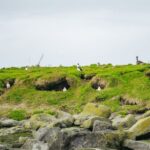
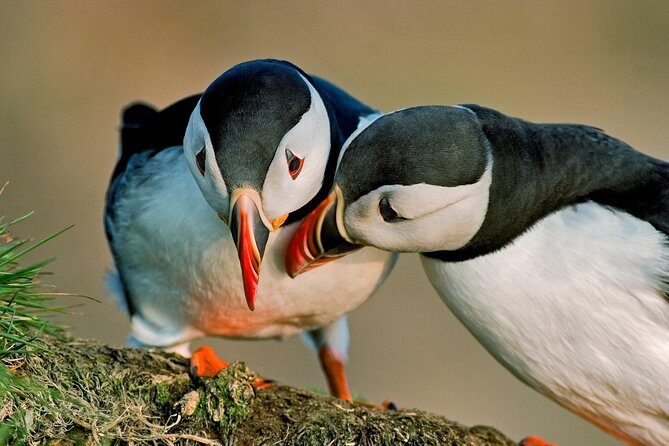
Your guide’s job is to point you toward active areas around Akurey. The cruise plan is to watch for puffins plus other native seabirds, including Arctic terns. As you circle the island outcrop, you’ll also get chances to see birds flying and hovering near the water surface, not just sitting still.
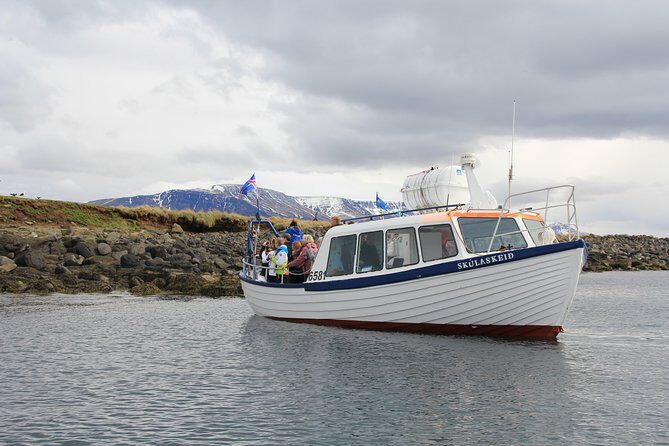
One more helpful detail: your boat is a modern sightseeing vessel designed to reach tricky areas, so you can get close to the shoreline. Still, environmental restrictions can limit how close you can get, which is why binoculars and timing on the scan matter.
The quiet photo stretch
After the island loop, there’s a brief period where the boat’s engine is silenced. This is a great idea for a few reasons. It helps keep the experience calm, it can improve the feel for the wildlife moment, and it gives you a window to take photos and listen for bird activity without noise competing with your attention.
A few more Reykjavik tours and experiences worth a look


On-board commentary: the guide’s role (and how to get the most from it)
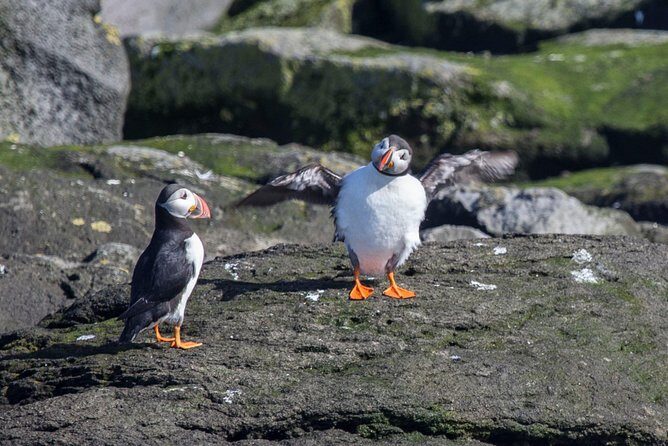
The best wildlife tours are not just about seeing—they’re about understanding what you’re seeing. This cruise includes an expert guide on every tour, and the commentary starts early with a talk about the area’s flora and fauna. That means you’re not only learning puffin facts; you’re also learning how the island environment supports the birds.
You may hear guide styles that are lively and entertaining, too. Names that have popped up with this operator include Rebekah, Joel, Patricia, and Oscar. You won’t know who you’ll get ahead of time, but it’s a sign that the narration can be strong and human, not just a script.
What to listen for while you’re scanning
To get value out of the guide’s talk, follow a simple pattern:
- When the guide mentions a spot, don’t just look once—scan slowly along the edges.
- If the guide talks about feeding or movement, watch for patterns: birds flying in, birds settling, birds leaving.
- When you hear the island getting circled for another pass, assume the captain will line up for a fresh angle.
If you sit down and let the guide do the work, you’ll still enjoy the cruise. But if you treat it like a guided hunt for visual cues, the tour becomes more than a puffin sighting. It becomes an understanding of why puffins choose these spots.
Sound quality is worth considering
One real-world caution from past experiences: sometimes the sound system can be uneven, depending on where you sit. If you want the full value of the commentary, choose a spot where you can hear clearly. If you end up toward the back, you might catch birds but miss some of the details.
The boat experience: comfort, photo angles, and group size
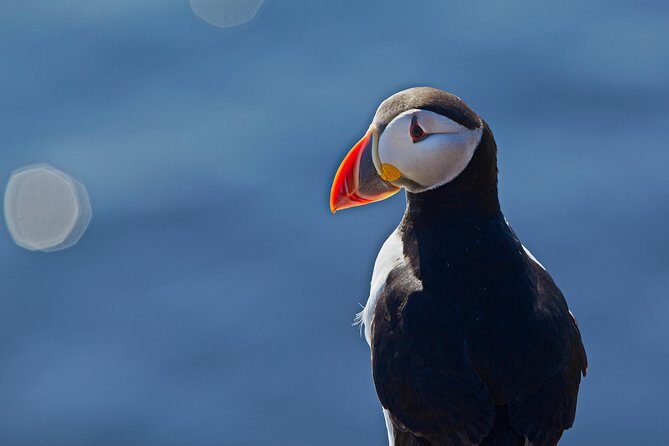
This is a small-group-style cruise with a maximum of 33 travelers. That’s a meaningful number on a wildlife boat. It usually means less crowding around windows and railings, and it’s easier to stay positioned for scanning.
The boat itself is designed for sightseeing and for getting close to rocky shoreline areas. That can translate into better viewing angles than you might expect from a “standard” harbor trip. It also helps that puffins are often most visible when the boat is positioned right for the island pass you’re on.
Starboard vs. port: a practical photo tip
One important photo note: the boat’s angle changes as it circles, and seating position can affect what you see clearly. Some passengers found that being on the right (starboard) side offered better access to the island views at key moments. If you’re serious about photos, try to choose seating that gives you a clear line of sight to the side of the boat facing the island during the main pass.
Also, keep your camera ready. The tour is short, so “getting setup” should happen quickly. Once puffins start popping up—on water and along the rocks—you’ll want to shoot rather than adjust settings mid-moment.
Life on a short schedule
Because the cruise is about one hour total, it moves efficiently: travel to the island, a loop around the outcrop, quiet engine moment, then back. That’s convenient, but it means you don’t get long “stare time” like you might on longer day trips. If you’re hoping for one perfect puffin encounter from very close range, you’ll need to accept what this tour is built to do: maximize sightings from a distance.
Coffee on board and what to bring (since food isn’t included)
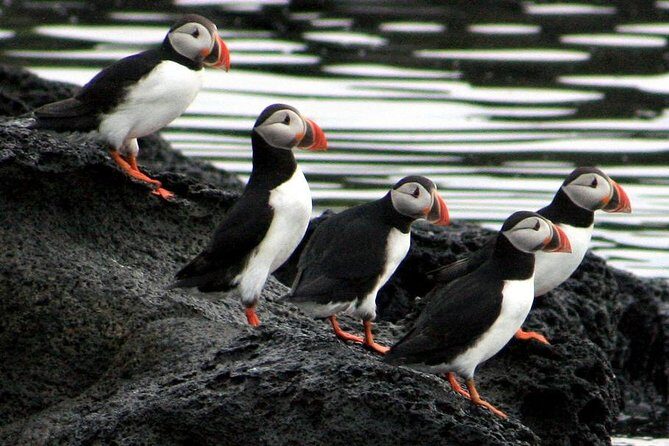
Coffee is served on board as you go. It’s a small comfort, and it can help you warm up if you’re doing this in cool wind. But food and drinks beyond the coffee are not included, so plan to handle your own snacks if you need them.
What you should bring is mostly about comfort and visibility:
- A warm layer (Iceland wind can cut through fast, even on bright days).
- A camera you can operate quickly while scanning.
- Binoculars are provided, but if you’re picky about clarity, bringing your own might still feel worthwhile.
And remember: this is a short cruise, so you don’t need a huge “day pack.” Just keep what you need within reach.
Weather matters more than you think
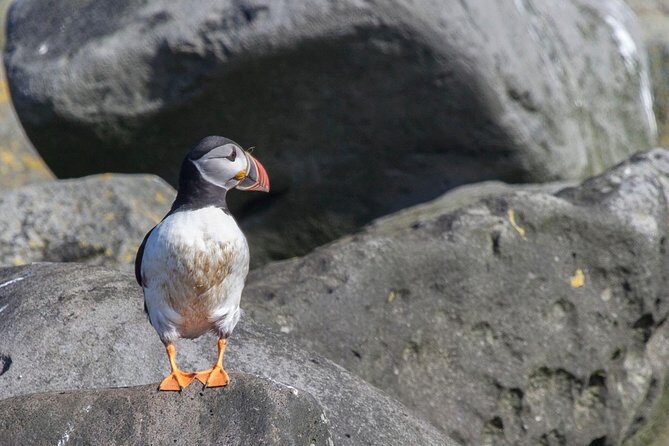
This experience requires good weather. If weather cancels the cruise, you’ll be offered another date or a full refund. That matters for planning your Reykjavik day, because Iceland weather can flip quickly.
If you have flexibility, it can help to schedule this earlier in your port day window rather than as your last activity. That way you’re not stuck if fog, wind, or rain reduces the ability to run safely.
Timing and why multiple departures help
The tour offers multiple departure times from Reykjavik. That’s useful because puffin viewing can depend on conditions, and also because you might be balancing other shore excursions or city time.
If you’re a bird-focused traveler, try picking a time when you’re least likely to be rushed. A calm start helps you scan better once you’re on the water.
Price and value: is $63.51 worth it?
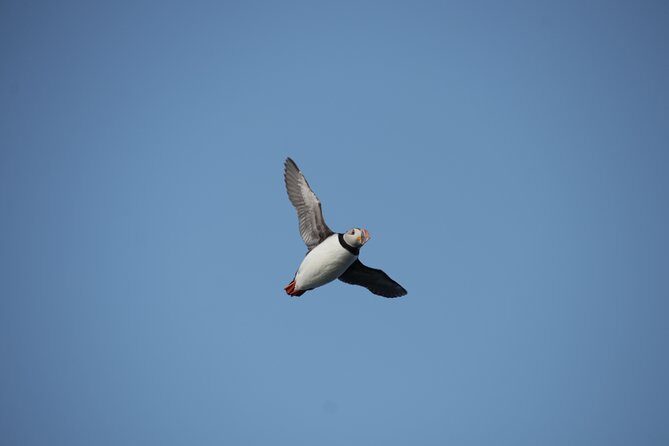
At $63.51 per person for about an hour, the cost isn’t “cheap,” but it’s not random either. You’re paying for a short transport-and-nature experience that includes several value drivers:
- Expert guide narration on the wildlife and the island environment
- Loaner binoculars, so you can participate without renting gear
- A modern sightseeing boat that’s built for the rocky-shore viewing style
- Coffee on board
- A worry-free structure built for shore schedules, including round-trip transfers from Skarfabakki Harbour
What you’re not paying for is onboard meals. Also, you’re paying with an expectation: you’ll likely see puffins best through binoculars rather than a close-up photo of a bird filling your screen.
If your top priority is a quick puffin hit that fits a busy itinerary, this can be good value. If your priority is guaranteed ultra-close bird photography, you may feel constrained by the distance reality built into the route.
Who should book this puffin cruise (and who might skip it)
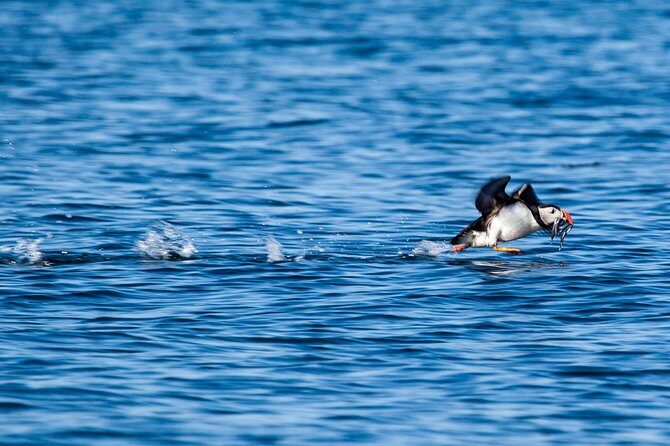
This tour fits best if you like:
- Birdwatching and learning what you’re seeing
- Short shore excursions with a guided nature focus
- A calm, focused outing without long transfers
It also works well for families, since it’s short and designed for viewing from a moving boat. The maximum group size and the guided scanning approach help make it easier to follow than a free-form harbor walk.
You might want to choose something else if…
You’re hoping for a long cruise with extended time at multiple birding stops. This one is intentionally short. You should also be prepared for the distance aspect—puffins can look tiny from far away, and the tour’s design relies on binoculars.
Should you book Puffin Sightseeing Cruise with Special Tours Iceland?
I’d book it if you want a straightforward Reykjavik puffin outing that’s time-friendly and guided in a way that actually helps you spot birds. The loaner binoculars, the engine-silenced photo moment, and the expert narration about Akurey’s flora and fauna are exactly the pieces that turn a “boat ride” into a satisfying wildlife experience.
I’d pause before booking if close-up photography is your only goal. The boat can get near the shoreline, but environmental restrictions and short duration mean you’ll still be working at distance. If that’s okay with you—and you’re happy to scan, learn, and photograph what you can—this is one of the most sensible puffin-focused choices for a port day.
FAQ
Where does the Puffin Sightseeing Cruise depart from?
The tour starts at Skarfabakki Harbour (meeting point listed at Skarfabakki Harbour, Reykjavík). There is also an alternative dock (Miðbakki) that involves a short walk to the departure point for this tour.
Is pickup included?
Pickup details are provided, and complimentary transfers are applicable for passengers from Skarfabakki Harbour. If you’re starting from Miðbakki, you’ll need to walk a short distance to the departure point.
How long is the cruise?
The duration is about 1 hour total.
Do I need to bring binoculars?
No. Binoculars are included for use on board.
What wildlife will we look for?
You’ll be on the lookout for puffins and other native seabirds such as Arctic terns around Akurey Island.
Will there be a guide on board?
Yes. The tour includes an expert guide on every tour, and commentary is offered in English.
Is coffee included?
Yes. Coffee is served on board as you go.
Are meals included?
No. Food and drinks are not included (other than the coffee mentioned above).
What happens if the weather is bad?
This experience requires good weather. If it’s canceled due to poor weather, you’ll be offered a different date or a full refund.