REVIEW · REYKJAVIK
Reykjavik: Midnight Sun Whale Watching Tour
Book on GetYourGuide →Operated by Elding Adventure at Sea · Bookable on GetYourGuide
One long summer night in Reykjavik can feel like a front-row seat to the ocean. This Midnight Sun whale watching tour takes you out over Faxafloi Bay for a mix of whales, dolphins, and sea birds, timed to the light that stays up late. It also has a real sustainability angle: a constant-speed approach designed to reduce stress on the animals.
Two things I like a lot. First, the viewing odds are strong for summer: whales (including minke and humpbacks) are seen on more than 95% of summer tours, and the crew and marine biologist guides work as a team to get you onto the right patch of water. Second, the tour feels built for comfort and learning, with warm overalls, WiFi onboard, and an English guide who helps you understand what you are actually seeing.
The main drawback is the one that comes with wildlife: sightings are not a button you press. Even with a whale guarantee and a high success rate, you may still have a trip where the whales stay just out of view longer than you want, especially if conditions change.
In This Review
- Key highlights that matter on this Elding midnight sun cruise
- Midnight Sun + Faxafloi Bay: why this Reykjavik whale trip feels different
- Meeting at Elding: start time prep and the Whale Watching Centre loop
- Getting warm in Iceland, even when it’s technically summer
- On the water: how the crew hunts whales without hammering the ocean
- Wildlife you can realistically expect: minke, humpbacks, dolphins, and puffins
- Minke whales: the ones that tease you
- Humpback whales: the ones that steal the show
- Dolphins and harbor porpoises: the playful bonus
- Birds: puffins and friends in the mix
- Live guiding and named humans: what “marine biologist help” feels like
- Onboard comfort: WiFi, warm overalls, and the troubadour factor
- Weather, seas, and what to bring for a 3-hour deck session
- Price and value: what $111 buys besides a boat ride
- Who should book this Elding Midnight Sun whale watching tour?
- Should you book: my take on the whale guarantee and realistic odds
- FAQ
- FAQ
- How long is the Reykjavik Midnight Sun Whale Watching Tour?
- Where do I meet for the tour?
- What animals might I see on this cruise?
- Are warm overalls provided?
- Is WiFi available onboard?
- Is food and drink included in the price?
- What language is the guide in?
- What should I bring for the trip?
- Is the tour wheelchair accessible?
Key highlights that matter on this Elding midnight sun cruise
- More than 95% summer success rate for whale sightings, plus a whale guarantee if you miss out
- Warm overalls + deck choice that help you stay outside and spotting for the long light
- Marine biologist-led spotting with guidance that tells you where to look and why
- Constant-speed approach to reduce disturbance and oil use while you cruise toward sightings
- Live troubadour performance and onboard atmosphere that keeps the mood up between sightings
- Whale Watching Centre access in Reykjavik before you go, so you start the night informed
Midnight Sun + Faxafloi Bay: why this Reykjavik whale trip feels different
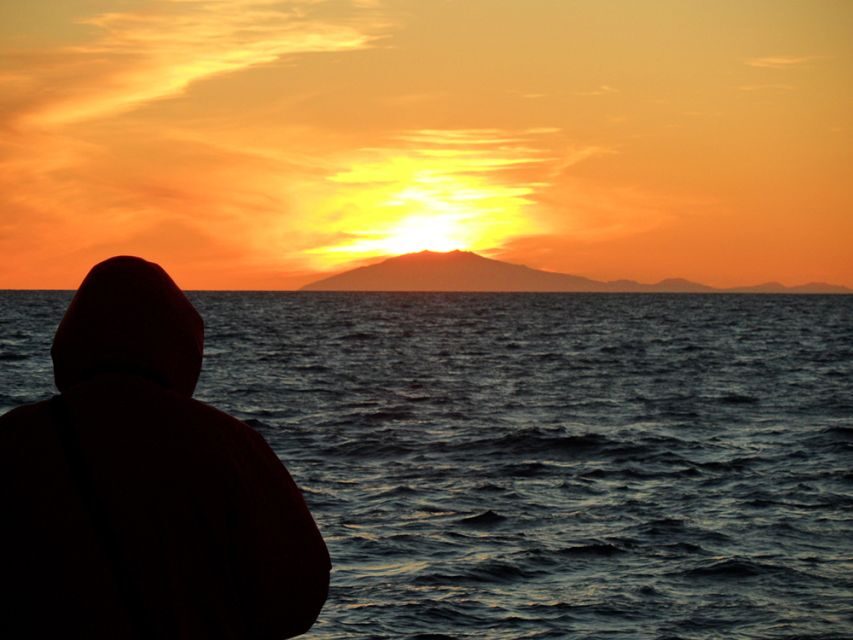
Faxafloi Bay sits right by Reykjavik, and that convenience changes the vibe. You are not guessing whether you’ll be stuck far out at sea. You cruise along the coast in the midnight sun and still get the classic moment when the sky shifts while the boat heads toward where the animals are active.
The other difference is how the tour is run around wildlife behavior, not spectacle. Boats do not charge around. They move at a constant speed toward the whales’ habitat, which is part of a sustainability policy meant to minimize oil use and pollution and to keep disturbance down. That approach also means the crew can focus on spotting and positioning rather than frantic chasing.
You can also read our reviews of more whale watching tours in Reykjavik

Meeting at Elding: start time prep and the Whale Watching Centre loop
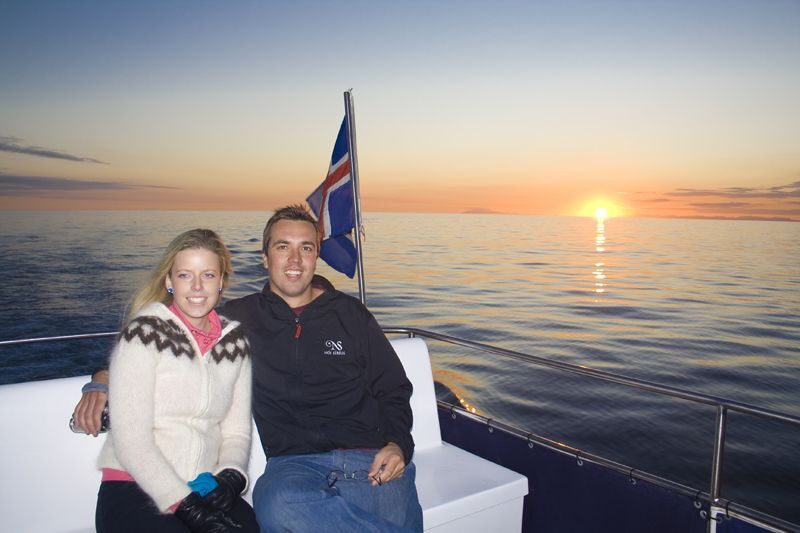
Your night begins at the Elding ticket office in the center of Reykjavik, at Ægisgarður 5, 101 Reykjavík. You exchange your ticket there, then you can settle in before you board.
One smart move: use the time in the Whale Watching Centre. You can watch videos, look at the skeletons, read the information boards, and browse gifts. Even if you only skim, it helps a lot when the marine biologist starts pointing out tells like blow patterns, surfacing rhythms, and how different species move through the bay.
If you want to hear the guide clearly once you’re on the boat, be ready to adjust your deck position. More than one rider points out that audio can be less clear from farther back or inside, so you’ll have an easier time if you pick a good spot early.
Getting warm in Iceland, even when it’s technically summer
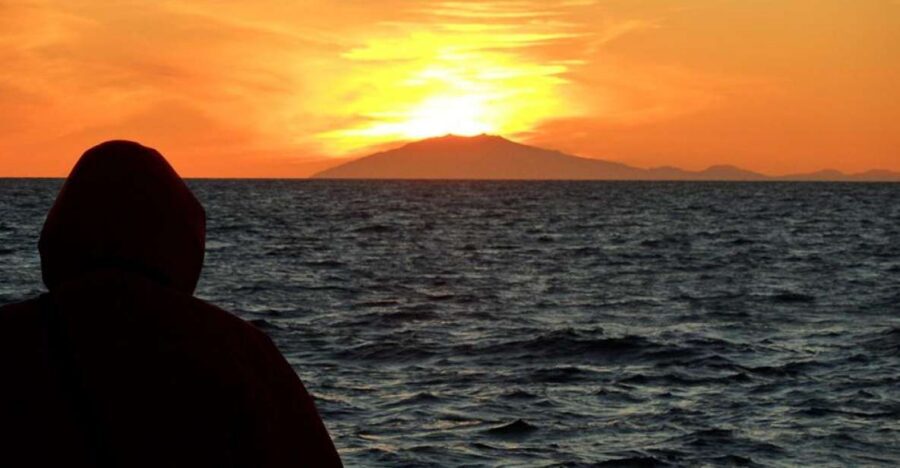
This tour provides warm overalls, and you should still bring what you need to stay comfortable in cold wind off the water. The tour advice is straightforward: bring warm clothing and hiking shoes. From the way people describe the ride, wind can matter as much as temperature.
I also recommend dressing in layers rather than in one big coat. One person noted that windburn can still happen, even in summer, and others mentioned that the trip can get cold quickly once you are out on deck. If you are the type who hates being uncomfortable, use the overalls and then add your own layers underneath so you’re not stuck either shivering or overheating.
On the water: how the crew hunts whales without hammering the ocean
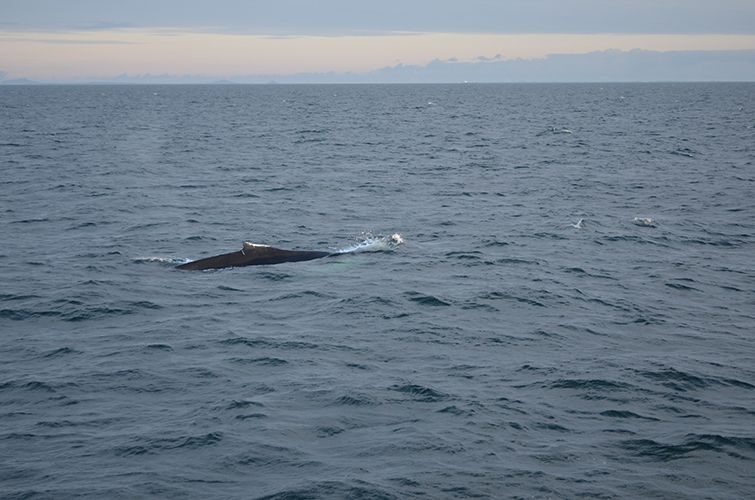
Once you board, you’ll head for the southern part of Faxafloi Bay. The tour runs about 3 hours (the experience is described as 3.5 hours as well), so plan your evening around a chunk of time where you’ll be mostly outside and then gradually back to port.
What stands out here is the teamwork. The crew work with passengers to spot, but the guide and marine biologist lead the focus with real context—what you’re likely to see and what signals to watch for. Riders consistently describe being kept in the game: you’re not just waiting; you’re actively learning how to look.
Speed and positioning are handled with care. The constant-speed approach means you’re not getting whiplash. It also means the boat spends time near habitat zones instead of ripping across the bay. That’s a big deal for whale behavior and, honestly, it makes the ride feel calmer.
And yes, conditions can still be rough. One rider described rough seas that made the scenery even more dramatic. If you’re prone to motion sickness, be ready. Not everyone needs prevention, but some people felt sick when the boat was rocking, so pack accordingly.
Wildlife you can realistically expect: minke, humpbacks, dolphins, and puffins
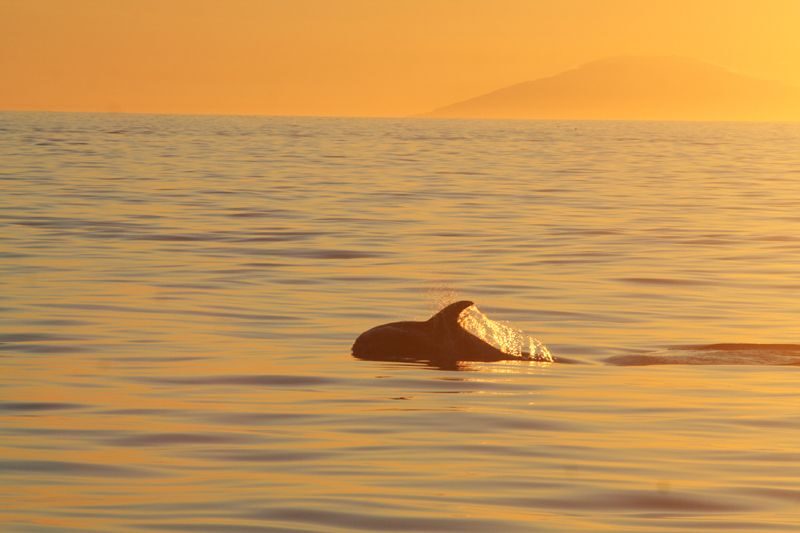
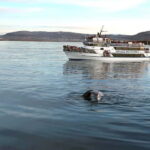
Whales are the headline, but the best trips often feel like a menu. You’re looking at a mix of minke whales, humpback whales, dolphins, and harbor porpoises, plus sea birds that can turn your attention skyward fast.





Minke whales: the ones that tease you
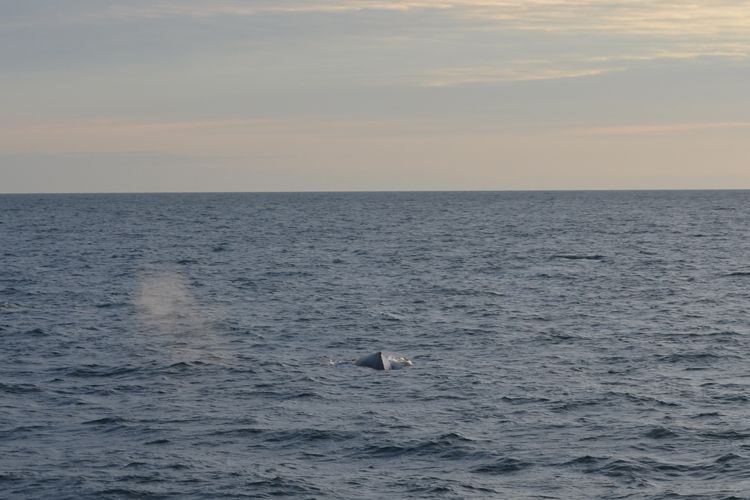
Minke sightings can be less obvious. One rider said minke whales were elusive, with only dorsal fins visible and no splash or jumps. That’s useful to know because it changes how you should watch: look for quick fin breaks and then scan the water again instead of expecting a full performance every time.
Humpback whales: the ones that steal the show
When humpbacks show up, they can be dramatic. Multiple riders describe close and active behavior, including a humpback that stayed around for an extended stretch and another that put on a show with breaching and slapping water. It’s the kind of moment that makes the whole night feel worth it, even if you spent the first hour not sure.
Dolphins and harbor porpoises: the playful bonus
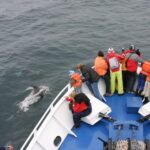
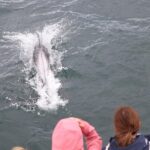
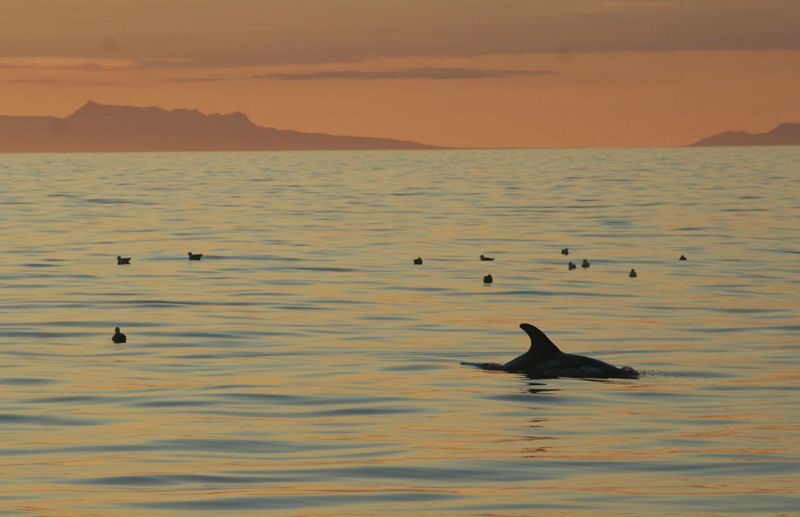
Dolphins are often an energizer. One rider reported a large group of white-beaked dolphins, plus dolphins swimming alongside the boat. Harbor porpoises also show up often enough that the trip doesn’t feel whale-only. Even when the whales are quiet, these smaller swimmers keep the bay lively.
Birds: puffins and friends in the mix
Sea birds are part of the package. Puffins come up in rider reports, along with other seabirds like puffins, gannets, and general bird activity. This matters because it gives you something to look at even during the in-between moments while you’re waiting for whale sightings.
Live guiding and named humans: what “marine biologist help” feels like
This tour uses experienced guides, including marine biologist guidance, and they follow training principles developed for whale watching. In plain terms: you get explanation, not just announcements.
A good example shows up in the reviews: one rider specifically mentioned the guide Nico for spotting and for making the experience feel personal and well guided. That lines up with the broader pattern you’ll notice on this tour—people describe being told where to look quickly and then receiving solid information about what they’re seeing in Iceland’s waters.
The big advantage of this kind of guiding is that you stop treating sightings like luck. You start understanding what you’re observing, even if the animals don’t do tricks on schedule.
Onboard comfort: WiFi, warm overalls, and the troubadour factor
The included perks are simple but useful. You’ll have access to WiFi onboard and you’ll get the warm overalls, so you’re not stuck with cold deck time while trying to film. There’s also a live troubadour performance, which gives the return cruise a fun, local feel.
Refreshments are not included, but there is an onboard option to buy drinks. One rider described warm drinks and another mentioned sipping a beer while sailing under the sun. That matters on a cold evening cruise because having something warm or something small to snack on can keep your energy up between sightings.
One more small detail that several people liked: a photographer can take pictures during the tour, and they share photos afterward. If you’re worried about dropping your phone, this is a comforting backup plan. Just don’t assume it replaces your own photos—think of it as a safety net.
Weather, seas, and what to bring for a 3-hour deck session
Iceland weather loves surprises, even in the midnight sun season. Bring warm clothing and hiking shoes, and then plan for wind. Overalls help a lot, but they do not make wind disappear.
If you run cold easily, treat the deck like a winter activity with summer dates on it. If you’re prone to motion sickness, consider prevention anyway. Some people reported not needing it, but others said rougher conditions made them feel sick.
Practical tip: pick your viewing spot early. You want a place where you can see all around and still hear the guide. One rider said getting on top of the deck early helped with audio quality.
Price and value: what $111 buys besides a boat ride
At $111 per person for about 3 hours, you are paying for more than transport. You’re paying for three things that matter in whale watching:
- Higher odds plus a whale guarantee. Whales are seen on more than 95% of summer tours, and there’s a whale guarantee with a chance to try again for free if you miss out. That reduces the risk, even though you still have to accept that wildlife moves on its own schedule.
- Better ethics and better guidance. Constant-speed cruising and a sustainability policy are not just feel-good words; they shape how the tour behaves around animals. Marine biologist guidance also improves your ability to spot what’s happening.
- Comfort and included extras. Warm overalls, Whale Watching Centre access, WiFi onboard, and a live troubadour performance all add value.
If you care about responsible whale watching and you want a strong chance at real sightings without a long drive, the cost starts to look reasonable. If you mainly want a casual sunset cruise and you do not care about wildlife, you might find the price harder to justify.
Who should book this Elding Midnight Sun whale watching tour?
This is a great fit if you:
- Want Reykjavik whale watching that doesn’t require a full day
- Like guided wildlife experiences where someone helps you interpret behavior
- Feel excited by whales but also want backup entertainment from dolphins, porpoises, and seabirds
- Prefer comfortable gear and an organized crew over a chaotic free-for-all
It’s also a good first Iceland wildlife activity. The Whale Watching Centre helps you get oriented fast, and the tour structure keeps you engaged even if the whales take a bit to show.
If you’re the type who hates cold wind or gets motion sick easily, you can still go—but dress for deck time and plan for movement.
Should you book: my take on the whale guarantee and realistic odds
I’d book this if you’re traveling in the Iceland summer season and you want a top-tier chance at seeing whales right from Reykjavik. The whale success rate is high, and the whale guarantee is a meaningful safety net. Just remember the core rule of whale watching: you’re watching animals, not a show.
If your schedule is tight, this tour is still a smart use of time because it’s only a few hours and it includes a good pre-brief at the Whale Watching Centre. If you want a calm, guided, ethically run cruise with both learning and excitement, this one delivers.
FAQ
FAQ
How long is the Reykjavik Midnight Sun Whale Watching Tour?
The tour duration is listed as 3 hours.
Where do I meet for the tour?
Meet at the Elding ticket office at Ægisgarður 5, 101 Reykjavík, and exchange your ticket there before heading to the boats.
What animals might I see on this cruise?
You may see whales such as minke and humpback, along with dolphins, harbor porpoises, and sea birds.
Are warm overalls provided?
Yes. Warm overalls are included.
Is WiFi available onboard?
Yes. WiFi is included onboard.
Is food and drink included in the price?
No. Refreshments are available to purchase on board, but they are not included.
What language is the guide in?
The live tour guide is in English.
What should I bring for the trip?
Bring warm clothing and hiking shoes.
Is the tour wheelchair accessible?
Yes, it is wheelchair accessible.
If you tell me your travel month and whether you get seasick easily, I can help you decide what time of day to prioritize and how to dress so the deck time feels manageable.