REVIEW · REYKJAVIK
Reykjavik Food Tour – Old Harbor Walking Tour
Book on Viator →Operated by BiteSized Iceland · Bookable on Viator
A walk that feeds your mind and stomach. In Reykjavik’s Old Harbor, this food tour pairs real Icelandic tastings with nearby landmarks tied to fishing culture and how the country eats today.
I especially like the small-group size (max 8), which keeps the vibe friendly and the pacing relaxed. I also like that the tour mixes food with short stops at places like the Saga Museum, the Northern Lights Center, and the Maritime Museum.
One thing to consider: this is built for walking in changing weather, and it runs only when conditions are solid since it requires good weather.
In This Review
- Key highlights at a glance
- Old Harbor, Old Food: why this walk makes sense
- Smart start and end: Seljavegur to Grandagarður
- The pacing: how 3 hours stays fun instead of rushed
- Stop 1: Saga Museum area tastings and storytelling
- Stop 2: Aurora Reykjavik (Northern Lights Center) and culture in plain language
- Stop 3: Reykjavik Maritime Museum and why fish shows up everywhere
- Stop 4: Iceland Ocean Cluster—sustainability talk that stays practical
- How much you eat (and why at least six stops is a big deal)
- Price and value: what $123 buys you in Reykjavik
- Who this tour fits best (and who might want something else)
- Practical tips to make the most of it
- Should you book this Reykjavik Old Harbor food tour?
- FAQ
- How long is the Reykjavik Old Harbor walking food tour?
- What is the meeting point and where does the tour end?
- How much does the tour cost?
- How many places will we eat at during the tour?
- Is it a small group tour?
- Are there different start times or tour options?
- What happens if the weather is poor or I need to cancel?
Key highlights at a glance

- Old Harbor focus: you’ll walk through the heart of Reykjavik’s fishing-era story while eating through it
- At least six food stops: enough variety to get a real feel for everyday Icelandic flavors and drinks
- Museum-style context without museum overload: short, purposeful visits that connect food to place
- Max 8 people: intimate pacing, more questions, and less time lost waiting around
- Free admission tickets noted for stops: museum time is part of the experience rather than an extra cost
- A practical endpoint: the tour finishes a short walk from the start area
Old Harbor, Old Food: why this walk makes sense
Reykjavik can feel like a city you dash through—until you land in the Old Harbor district. This area is where fishing shaped jobs, money, and even daily comfort foods. So instead of treating Icelandic food like a list of snacks, the tour treats it like a story you can taste.
What I like about this approach is that you’re not stuck in a single lane. You’re moving between food vendors and cultural touchpoints, so the tastes you try start to connect to what you see. You’ll also get a feel for Iceland as it is now, not just how it used to be.
Also, the pacing seems thoughtfully sized for most visitors. It’s about 3 hours, with short stop times built around the eating. That matters in Iceland, where weather and timing can turn a long day into a grumpy one.
You can also read our reviews of more walking tours in Reykjavik

Smart start and end: Seljavegur to Grandagarður
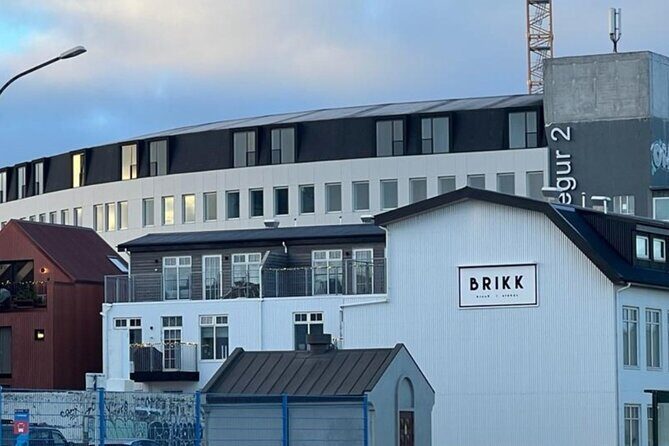
The tour starts at Seljavegur 2 in Reykjavik and ends at Grandagarður 21. Conveniently, it’s a short walk (around three minutes) away from where you began, so you’re not trekking across town after you’ve already eaten your way through the harbor.
It’s also described as being near public transportation, which is a quiet win if you’re using buses or plan to hop elsewhere after. And the ticket is mobile, which keeps your day simple—less paper, fewer steps, less fumbling.
There’s also a private, small-group element: it’s for your group only (max 8). That tends to change the whole feel. You’re more likely to get personal explanations and direct answers, instead of hearing the same script through a wall of chatter.
The pacing: how 3 hours stays fun instead of rushed
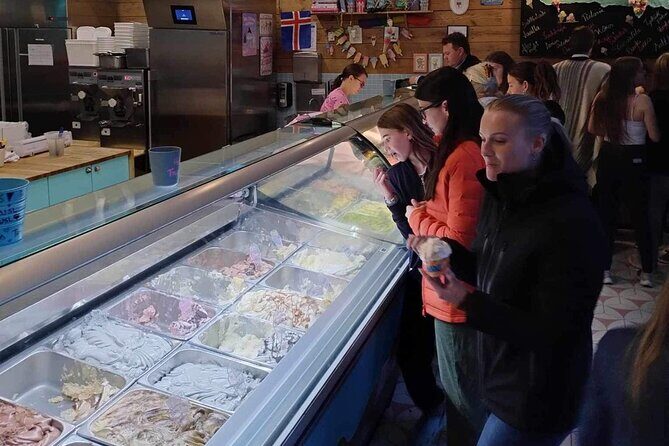
A common mistake on food tours is going too fast. That’s not the vibe here. The schedule gives you time blocks at each key location, then builds in multiple tastings between them.
Think of it like this: you get a short cultural anchor, then you move to eat, then you get another anchor. This structure works well if you like facts but don’t want a lecture. It also helps you remember what you tried, because each stop has a theme.
You’ll also appreciate the fact that the tour includes both food and drinks. Icelandic eating isn’t only about seafood and fermented history. It’s also about what people actually choose today—especially in a harbor district full of working life.
Stop 1: Saga Museum area tastings and storytelling
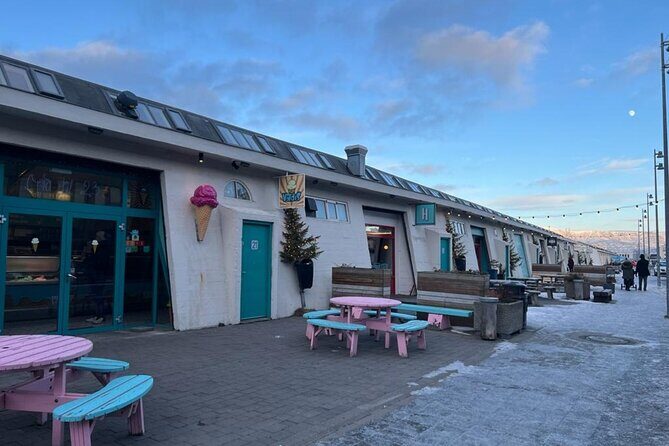
The first stop centers on the Saga Museum and the surrounding Grandi / Old Harbor neighborhood. Even when you’re not in a big exhibit hall for long, the point is clear: Iceland’s identity runs through story—especially stories tied to settlement, sea life, and survival.
During this section, you’ll have time for one to two local eateries in the area. That’s a useful setup because early on you start tasting right away. You’re not leaving hungry while everyone waits for the “real food part” later.
One practical consideration: museum-leaning tours can sometimes feel like you’re paying for history plus small bites. Here, the format is designed so history is there to explain the food choices you’re about to make sense of. If you like short, focused context, this works.
Stop 2: Aurora Reykjavik (Northern Lights Center) and culture in plain language
Next comes Aurora Reykjavik – The Northern Lights Center. The Northern Lights might sound like a tourist magnet, but on this route it’s really about daily Icelandic life and how the country frames itself to visitors and locals alike.
Between the route points, you’ll again hit one to two local eateries. This keeps the tour’s rhythm. You’ll likely feel the contrast between quick bites and short explanations, and that balance is part of why this tour gets strong marks for being more than just eating.
What I think is especially useful here: the Northern Lights Center stop is a way to talk about Iceland beyond food. It’s a reminder that the way people live in cold, remote conditions shapes what they cook, buy, and crave.
You can also read our reviews of more food & drink experiences in Reykjavik






Stop 3: Reykjavik Maritime Museum and why fish shows up everywhere

Then you reach the Reykjavik Maritime Museum, where the theme turns firmly to fish. Fish is a staple, and this stop is meant to connect that staple to Iceland’s economy and settlement past—where fishing isn’t a hobby, it’s a foundation.
You’ll spend about 30 minutes at this stop, with museum time and admission noted as free as part of the tour experience. After that, you’ll have additional food stops in the area, typically one to two eateries, so you can immediately tie what you learned to what you taste.
This is a strong stop if you like understanding the why behind the flavors. Even if you already know Iceland is a seafood country, this helps you see how fishing shaped more than diets. It shaped work, communities, and the rhythm of life around the harbor.
Stop 4: Iceland Ocean Cluster—sustainability talk that stays practical
Between tastings, the tour turns to modern questions through the Iceland Ocean Cluster. Fishing is still a pillar of the economy today, and this segment is designed to put current issues on the table—specifically things like sustainability, fish farms, and whaling.
This part matters because it stops the tour from being trapped in nostalgia. Icelandic cuisine isn’t frozen in time. It changes with technology, regulations, and what the world is demanding now.
If you’re worried that a food tour might get too political or too technical, this format is likely your best bet: it’s woven between eating rather than delivered as a separate lecture. You still get context, but it stays connected to the everyday topic at hand—fish.
How much you eat (and why at least six stops is a big deal)
The tour promises at least six different restaurants or street food vendors. That’s not just a number for bragging rights. It’s how you avoid the classic food-tour problem: one long meal plus a few token bites.
With multiple vendor stops, you get variety in textures and styles—hot and cold, savory and sweet, seafood-forward and more “everyday” choices. The tour also includes drinks, which helps Iceland’s flavor story feel complete. (In a country where weather and ingredients matter, drinks aren’t always an afterthought.)
Also, because the group is small (max 8), you’re less likely to be stuck waiting while someone orders slowly. It’s a practical detail that can make the difference between a fun stroll and a dragged-out lineup.
A note on expectations: if you’re hoping for a heavy emphasis on the most famous extreme Icelandic items from fermented-shark folklore, this tour seems aimed more at how Icelandic food has evolved into what people enjoy now. That’s actually a good fit for most visitors—especially if you want to taste broadly without turning your day into a challenge.
Price and value: what $123 buys you in Reykjavik
At $123 per person, this isn’t a cheap impulse buy. But the price feels more reasonable when you look at the structure:
- About 3 hours in a guided format
- Small-group experience (max 8) and private group setup
- Food and drinks at six-plus stops
- Short museum-area visits with admission noted as free for listed stops
In Reykjavik, you’ll quickly discover that tasting meals can add up fast. A tour like this can work out well if you’d otherwise pay for multiple small meals, plus tickets, plus the time cost of trying to plan your own route.
The biggest value play here is the combination: you’re paying for both access to places and the explanations that connect food to the harbor. If you’re the type who likes asking why something tastes the way it does, a guided route earns its keep.
Who this tour fits best (and who might want something else)
This is a great match if you want:
- A food-first day with context, not a museum marathon
- A guided walk through Old Harbor where you don’t have to guess what to order
- A small-group vibe where it’s easier to get answers and learn on the spot
It may be less ideal if you want a totally free-form tasting crawl where you pick every stop yourself. The tour has a set flow for a reason—so if you dislike schedules, this won’t feel spontaneous.
It also depends on your comfort with short walking segments in Icelandic conditions. The tour requires good weather, and that’s not just a policy line—it’s a reality check for what outdoor walking feels like.
Practical tips to make the most of it
I’d plan your day so you can actually taste. That means eating a light breakfast or snack (depending on which departure you choose) and not arriving overly stuffed.
Bring sensible shoes. Old Harbor streets can be slick, and you’ll do enough walking to appreciate traction. A light jacket helps too, even when Reykjavik looks calm.
Use the guide for what guides are good at: ordering help and interpretation. If something tastes smoky, briny, or unusual, ask what ingredient you should look for next time. This kind of tour is where those quick answers turn into better shopping later.
Finally, if you have strong dietary needs, it’s worth checking directly what can be accommodated. The tour promises multiple eateries, but the specific foods aren’t listed here, so don’t assume every stop will have a perfect match.
Should you book this Reykjavik Old Harbor food tour?
If you’re choosing between a generic “taste 6 things” tour and something with actual cultural anchors, I’d lean toward this one. The Old Harbor setting, the museum-area stops, and the talk about fishing’s past and present make the tastings feel grounded. And the max 8 format is a real quality-of-experience boost.
Book it if you want an efficient, guided way to understand Icelandic food culture while eating well in a compact timeframe. Skip it if you’re looking for long, free-form wandering or you hate any weather-based planning.
Bottom line: for the price, you’re buying variety, guidance, and context in a small group—and that combo is what turns a food walk into a story you’ll remember.
FAQ
How long is the Reykjavik Old Harbor walking food tour?
The tour is about 3 hours.
What is the meeting point and where does the tour end?
You meet at Seljavegur 2, 101 Reykjavík, Iceland, and the tour ends at Grandagarður 21, 101 Reykjavík, Iceland. The finish is about a 3-minute walk from where you started.
How much does the tour cost?
The price is $123.00 per person.
How many places will we eat at during the tour?
The tour includes stops at at least six different restaurants or street food vendors.
Is it a small group tour?
Yes. It’s an intimate small-group experience with a maximum of 8 people, and it’s private for your group.
Are there different start times or tour options?
Yes. You can choose either a morning or afternoon tour to fit your plans. One listed start time for this experience is 3:00 pm.
What happens if the weather is poor or I need to cancel?
The experience requires good weather. If it’s canceled due to poor weather, you’ll be offered a different date or a full refund. You can cancel for a full refund up to 24 hours before the experience starts.