REVIEW · VIK
Micro group – Ice climbing at Sólheimajökull
Book on Viator →Operated by Hyperborea Tours · Bookable on Viator
Ice climbing on Iceland’s glacier works your legs. This micro-group Sólheimajökull experience is built around a clear safety briefing, hands-on technique, and real time on the ice (including crossing crevasses and moulins). I like that you get help gear up right away and learn how to move again on glacier ice—plus you can try different difficulty spots. One thing to consider: clothing and boots aren’t included, and the day needs moderate physical fitness in good weather.
You meet at Sólheimajökull (871, Iceland) and you’re back there when it’s done, about 4 hours total. It’s offered in English, uses a mobile ticket, and runs with a maximum of 4 travelers—so you get more attention than big-group glacier tours. If weather turns, you’ll be offered a different date or a full refund, and free cancellation is available up to 24 hours before start.
In This Review
- Key Highlights You’ll Actually Feel on the Glacier
- Sólheimajökull Ice Climbing: A Glacier Day Built for Small Attention
- Getting to the Ice: What Happens Before You Climb
- Gear That’s Included (And What You Must Bring)
- Crossing Crevasses and Moulins: The Real Glacier Skills Moment
- Climbing Technique: From First Foot Placement to Actual Climbing
- The 4-Hour Timeline at a Glance (So You Plan Around It)
- Price and Value: Why $260 Can Make Sense Here
- What It’s Like With a Guide Who Keeps Things Fun
- Who Should Book This Ice Climb at Sólheimajökull
- Weather and Day-of Reality at Sólheimajökull
- Should You Book Hyperborea Tours for Ice Climbing?
- FAQ
- Where does the ice climbing tour start and end?
- How long is the ice climbing experience?
- What’s the maximum group size?
- What’s included in the tour price?
- What do I need to bring?
- What language is the tour offered in?
- What fitness level do I need?
- Does the tour run in all weather?
- When should I cancel to get a full refund?
Key Highlights You’ll Actually Feel on the Glacier
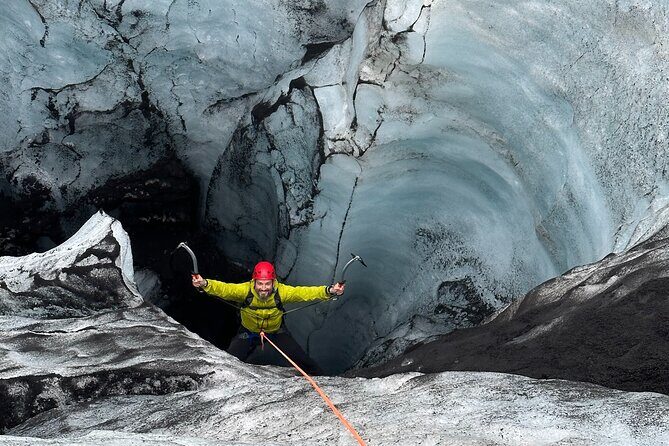
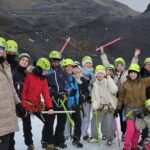
- Micro group (up to 4 travelers) means more individual guidance as you learn crampon and ice-axe basics
- A quick shift from parking lot to ice (about 15 minutes) leaves more time for climbing
- All the core safety gear is included: harness, climbing belt, ice axes, and crampons
- You’ll move across crevasses and moulins as part of the glacier route, not just stand on top of it
- Different climbing locations for different difficulty levels so you can test your comfort and skill
Sólheimajökull Ice Climbing: A Glacier Day Built for Small Attention
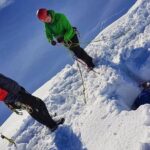
Ice climbing at Sólheimajökull is not a sit-and-look kind of tour. It’s active, physical, and technical in a friendly way: you learn how to place your feet, how to use your ice axe, and how to stay calm when the glacier terrain gets interesting. With a maximum of 4 people, you’re less of a number and more of a focus point—especially during the most important part, the first steps onto the ice.
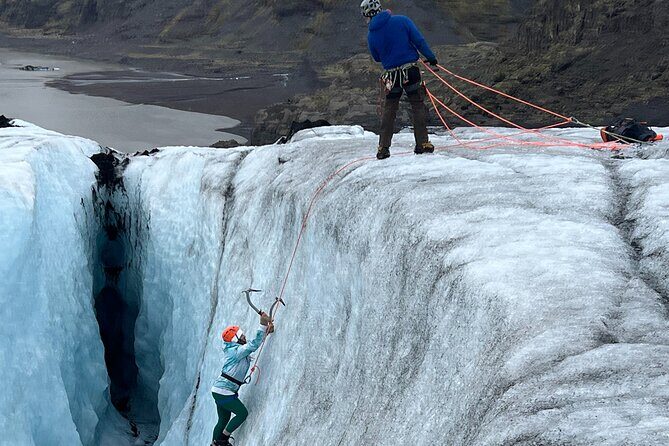
I also like how the day is structured around movement. After you’re geared up, you don’t just get a demo and a photo stop. You cross crevasses and moulins, then work your way to a spot where you start climbing from a crevase or moulin. That “learn by doing” style is usually where people get the most value from glacier time.
The vibe tends to be practical. You’ll hear instruction, get adjusted as needed, and then you try the technique on real ice. That helps if you’re not an adrenaline athlete, but you still want a glacier experience that feels genuine.
You can also read our reviews of more tours and experiences in Vik.
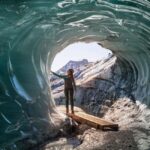
Getting to the Ice: What Happens Before You Climb
The day starts at the Sólheimajökull meeting point in Vik, where everyone gathers at the glacier parking lot. You’ll then take about 15 minutes to the glacier’s tongue. That’s a smart timing choice: it gets you onto the ice without turning the whole outing into a long hike.
Before you climb, there’s a safety briefing and help with gearing up. This matters because ice climbing is mostly about correct habits—foot placement, safe stance, and using your tools with confidence. If you show up expecting to figure it out on the fly, you’ll feel relief once the guide gets you set up.
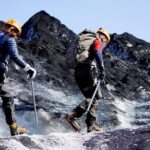
Once you’re on the glacier, you’ll be moving. The route includes crossing crevasses and moulins, so expect to keep your attention on where your crampons are landing and how you’re using the ice axe.
Gear That’s Included (And What You Must Bring)
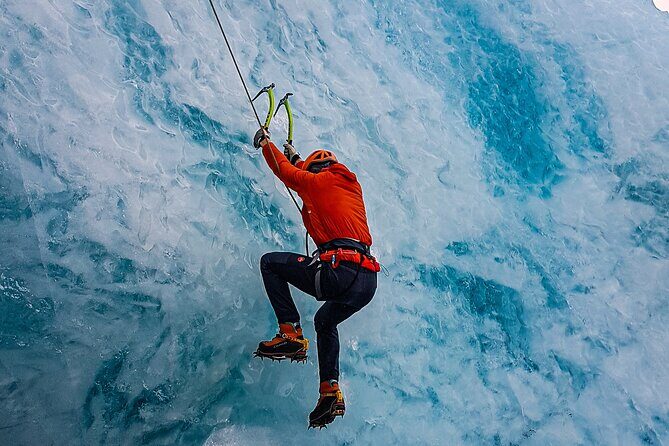
One of the best value parts of this tour is what’s already taken care of. Your climbing setup is included, including:
- Crampons
- Ice axes
- Harness
- Climbing belt
This reduces cost and stress right away. It also means the gear should be properly fitted for ice conditions, rather than you renting random equipment and hoping it works.
What’s not included is just as important. Clothing and boots are on you. Glacier ice climbing is cold and wet, and your footwear is critical because you’ll be on crampons for the duration of the experience. Bring warm layers you can move in, and wear boots that work for winter conditions and support stable footing.
If you’re planning to wear the wrong footwear, you’ll feel it quickly. It’s the kind of mismatch that can make the day harder than it needs to be, especially when you’re learning footwork. Spend time on this part before you arrive.
Crossing Crevasses and Moulins: The Real Glacier Skills Moment
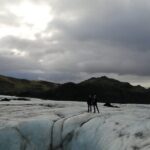
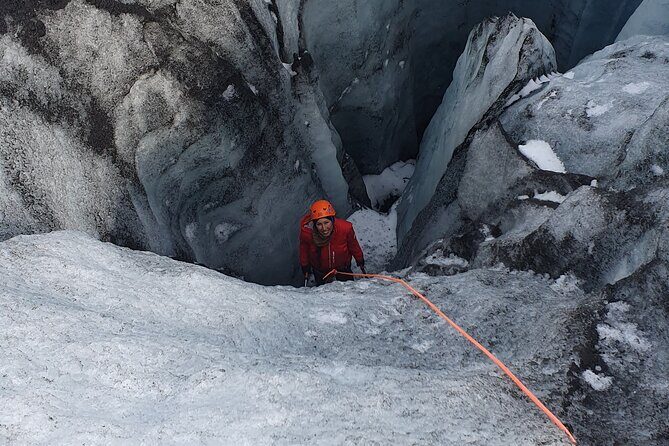
The itinerary includes crossing crevasses and moulins until you reach a suitable place to begin climbing. That’s not just a dramatic detail. It signals that you’ll get practical training in how to travel across glacial terrain safely.
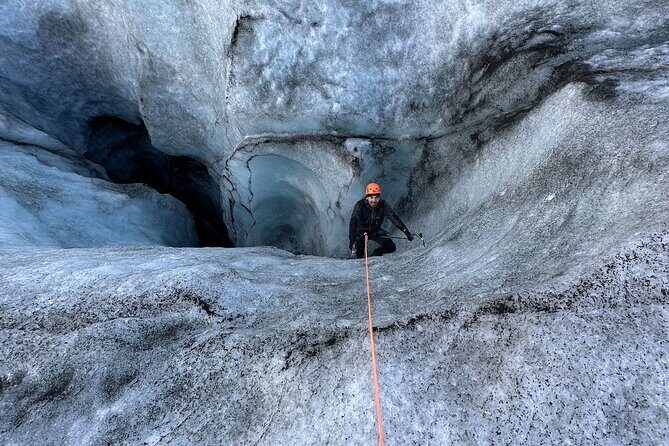
Crevasses and moulins are part of what makes Sólheimajökull such a compelling climb. They force you to think about where you place each step. You’ll be taught how to move on the ice again—meaning you’ll practice getting your weight positioned correctly and using your axe and crampons to stay secure.
A key payoff here is mindset. When you’re guided through the crossings, you learn that the “scary-looking” glacier features become manageable when you follow technique and keep your spacing and movements precise. This is where the small-group size really helps: with up to 4 travelers, the guide can give quicker feedback.
Climbing Technique: From First Foot Placement to Actual Climbing
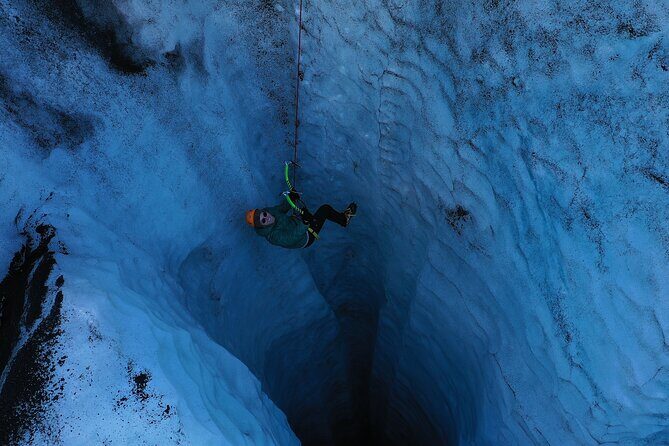
Once you arrive at a spot—a crevase or moulin area that fits the plan—you start the climbing portion. The day includes an explanation of climbing techniques and how you should move on the ice again.
In practical terms, you’re training the fundamentals:
- how to anchor with your ice axe
- how to stand and step with crampons
- how to use controlled movements instead of fighting the ice
This is exactly why the first safety briefing matters. If the briefing is handled well, the rest of the day feels like learning a skill, not just surviving cold ground.
Another detail I appreciate is the flexibility during the day. You can explore different locations, which gives you a chance to try different levels of difficulty. That helps if you’re new to ice climbing and you want an easier start, but it also gives you something to push toward if you’re doing fine and want more challenge.
And yes, it’s still cold. But when the day is well coached, you stay focused on the steps, the tools, and the route rather than on worry.

The 4-Hour Timeline at a Glance (So You Plan Around It)
You’re looking at about 4 hours total, with the activity ending back at the meeting point. The day is paced to keep you moving and keep the learning portion meaningful.
Here’s how it typically unfolds based on the tour flow:
- Gather at Sólheimajökull parking lot
- Walk to the glacier’s tongue (around 15 minutes)
- Safety briefing plus gearing up
- Cross crevasses and moulins en route to a climbing spot
- Learn technique and start climbing from a chosen area
- Try different spots/levels if conditions and time allow
- Return to the meeting point
This timing is perfect for a glacier day trip when you don’t want your entire schedule tied up. It also means you’re getting a focused experience rather than an all-day endurance event.
The main drawback of a shorter tour is that it can feel like you want more once you’re warmed up. But for most first-time climbers, 4 hours is a solid length that keeps you engaged without turning it into a long, tiring grind.
Price and Value: Why $260 Can Make Sense Here
At $260 per person, you’re paying for a guided, gear-included glacier experience that runs with a tiny group and includes core climbing equipment. The price adds up to what you’d likely spend on rentals plus a professional safety-led guide time—especially in a remote environment like Sólheimajökull.
What makes this feel like good value is the combination:
- gear included (axes, crampons, harness, belt)
- a small group (max 4)
- instruction on technique and movement
- time spent actually climbing, not just sightseeing
Yes, clothing and boots are extra on your end. But the tour still covers the most expensive and specialized part: the ice climbing system itself.
If you compare this type of experience to bigger-group glacier tours, the math often comes down to attention. On ice, attention is safety. On a small group, you spend more time adjusting and learning and less time waiting your turn.
What It’s Like With a Guide Who Keeps Things Fun
The best part of this style of glacier climbing is how the guide turns a technical activity into something you can enjoy. The overall tone you’ll get is supportive and practical—especially during the first moments, when it’s normal to feel slightly awkward in crampons and harness gear.
People also mention that the guides are very accommodating and bring strong expertise to the day. That combination matters because ice climbing isn’t hard only because of the cold. It’s hard because your body has to learn new movement patterns fast.
A great guide helps you find the right pace. You’ll get technique explanations, then you’ll try them on the ice. If something feels off, you’ll get adjustments. That’s how the experience stays fun instead of frustrating.
Who Should Book This Ice Climb at Sólheimajökull
This tour specifies a moderate physical fitness level. That usually points to people who can walk on uneven surfaces, handle cold weather movement, and stay focused through short stretches of effort.
It’s a good fit if you:
- want a hands-on glacier activity, not just photos
- like small groups and more individual coaching
- are comfortable learning a new technique
- plan to bring your own boots and clothing for cold, wet conditions
It might be less ideal if you:
- struggle with mobility or balance on uneven ground
- get uncomfortable with the idea of crossing crevasses and moulins
- are planning to wear inadequate footwear
If you fall somewhere in the middle, don’t assume it’s too hard or too easy. The best move is to be honest about your comfort level and be ready to listen carefully during the safety briefing.
Weather and Day-of Reality at Sólheimajökull
This experience requires good weather. When weather isn’t right, the plan changes, and you’ll be offered a different date or a full refund. That matters because glacier routes and visibility can affect what’s safe and what’s possible.
My advice: treat this as an experience that depends on Iceland being Iceland. If you’re in a tight schedule, try not to leave this as your very last activity. If you have flexible days, you can protect yourself from weather issues more easily.
Also remember: even when the weather is “good enough,” it’s still an active cold outing. Dress for real conditions, not for what the parking lot feels like.
Should You Book Hyperborea Tours for Ice Climbing?
If you want a glacier day that’s active, guided, and seriously hands-on, this is a smart choice. The included gear removes a big chunk of hassle, the small group size makes coaching practical, and the route includes real ice travel and climbing—not just a quick demo.
I’d book it if you’re comfortable bringing your own warm clothing and boots, you meet the moderate fitness requirement, and you’re okay with weather-dependent timing. For most people, that combination leads to a day that feels technical, empowering, and genuinely worth it.
If that sounds like your kind of Iceland, go for it. Ice climbing here isn’t about watching someone else do it—it’s about learning how to move safely and confidently on a glacier.
FAQ
Where does the ice climbing tour start and end?
It starts at Sólheimajökull, 871, Iceland and ends back at the same meeting point.
How long is the ice climbing experience?
The duration is approximately 4 hours.
What’s the maximum group size?
The experience has a maximum of 4 travelers.
What’s included in the tour price?
Included gear is a climbing belt, ice axes, harness, and crampons.
What do I need to bring?
You need to bring your own clothing and boots. Clothing and boots are not included.
What language is the tour offered in?
The tour is offered in English.
What fitness level do I need?
Travelers should have a moderate physical fitness level.
Does the tour run in all weather?
This experience requires good weather. If it’s canceled due to poor weather, you’ll be offered a different date or a full refund.
When should I cancel to get a full refund?
You can cancel up to 24 hours in advance for a full refund. If you cancel less than 24 hours before the start time, the amount paid is not refunded.