REVIEW · REYKJAVIK
Iceland Volcanic Eruption Area Helicopter Tour from Reykjavík
Book on Viator →Operated by GlacierHeli · Bookable on Viator
A volcano trip by helicopter is pure wow fuel. This Iceland Volcanic Eruption Area tour pairs Reykjanes Peninsula geology with aerial views over Reykjavík, so you get both raw Earth power and Arctic city contrast in one go.
I like how it keeps things small: with only about 5–6 seats and a max group size of 5, you’re not lost in a crowd. The best part is the pilot’s running commentary—talking eruption timing, what you’re looking at, and how the land got that way.
One consideration: Iceland weather can shut flights down, and the “hot lava action” you hope for isn’t guaranteed every day because eruptions can pause.
In This Review
- Key points before you book
- Reykjanes Peninsula by Helicopter: What You See in 35–45 Minutes
- Aerial Reykjavík and Faxaflói Bay: The City Meets the Ice
- What the Pilot’s Geology Talk Adds (and Why It Changes the Flight)
- Landing on Lava Fields: The Moment That Turns Photos Into Memory
- Weather Reality in Iceland: Why Short Flights Still Need Flexibility
- Price and Value: Is $592.82 Worth a 45-Minute Flight?
- Getting There: Glacier HeliACE FBO Meeting Point in Reykjavík
- Who Should Book This Volcano Flight (and Who Might Feel Frustrated)
- Final Call: Should You Book This Volcanic Eruption Area Helicopter Tour?
- FAQ
- How long is the Iceland Volcanic Eruption Area Helicopter Tour?
- Where does the tour start?
- Does the tour end at the same place it starts?
- What language is the tour offered in?
- How many people are on the helicopter?
- Is there a weight limit?
- What is included in the price?
- What is not included?
- What happens if the weather is bad?
- Is there free cancellation?
Key points before you book
- Small-group helicopter ride with only about 5–6 seats, which usually means easier viewing and more attention from the pilot
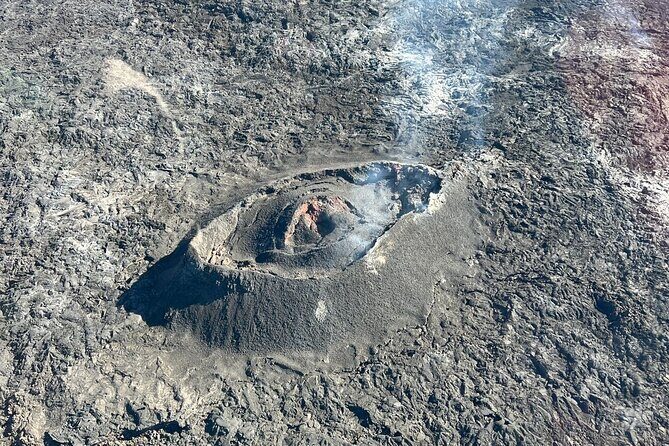
- Reykjanes Peninsula focus, close to Reykjavík, where eruptions since 2021 have reshaped the terrain
- City views in the same flight, seeing Reykjavík’s rooftops meet Faxaflói Bay from above
- Pilot-led geology explanations, including eruption types and time frames, plus updates when weather forces schedule changes
- Possibility of landing on a lava field (when conditions allow), making the experience feel much more than just sightseeing
- Weather-dependent operation, so expect some schedule reshuffling or cancellations if winds or conditions don’t cooperate
Reykjanes Peninsula by Helicopter: What You See in 35–45 Minutes
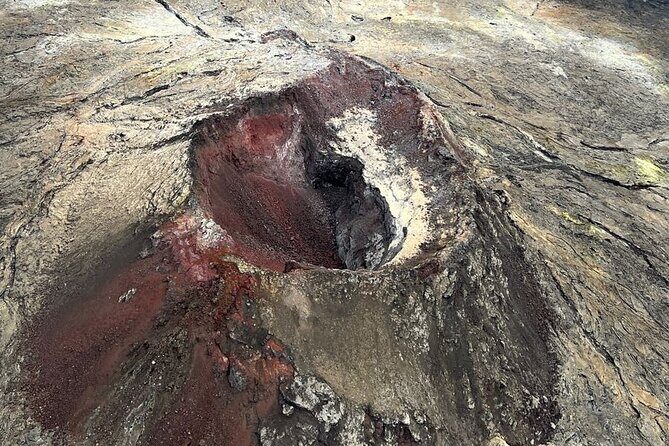
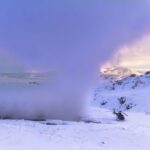
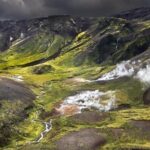
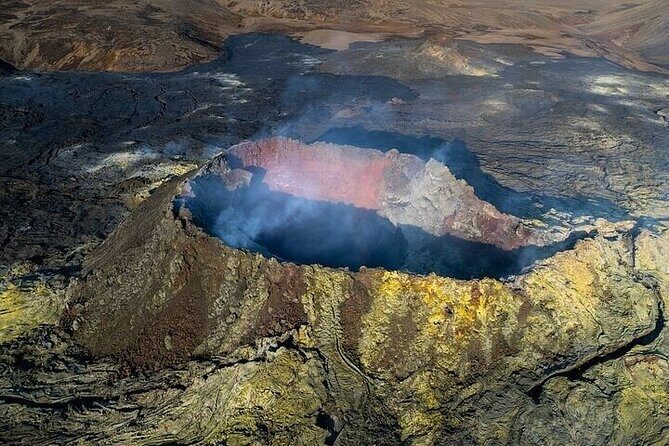
This tour is built around one of Iceland’s most geologically active zones: the Reykjanes Peninsula, about 30 km (19 miles) from Reykjavík. Since 2021, the area has seen eruptions and constant tectonic activity, so even if a volcano isn’t actively erupting in the moment, the ground tells the story in layers—new lava fields, fresh-looking damage, and older eruption scars.
From the air, you get the kind of perspective you can’t get from a viewpoint. Volcanic terrain makes more sense when you can see the whole pattern: fissure lines, dark lava flows spreading outward, and how the coast and terrain relate. The experience is short (about 35 to 45 minutes total), but the flight time is exactly why it works. You’re not spending your whole day rushing between stops. You’re getting a focused slice of Iceland’s “live Earth” in one clean loop.
Another detail I really like: this isn’t a huge helicopter tour. With around 5–6 seats, each person has a better chance to get good angles, and the pilot can fly in a way that keeps everyone oriented rather than just checking off the route.
And yes, the area is intense. The tour info highlights a seismic background of over 50,000 earthquakes in recent years. That doesn’t mean you’ll be hearing doom and gloom mid-flight—it means you’re flying over a place that’s actively reshaping itself. It’s geology that feels current.
A few more Reykjavik tours and experiences worth a look
Aerial Reykjavík and Faxaflói Bay: The City Meets the Ice
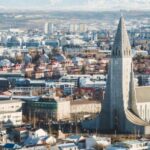
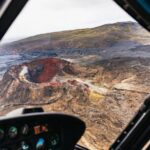
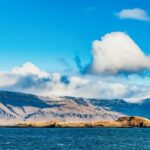
Most Iceland trips show you Reykjavík from the streets. This one flips the view. The flight also takes in Reykjavík from above, where you can see the city’s colored rooftops, the coastline, and the way the land meets the colder tones of Faxaflói Bay.
That city-to-nature contrast matters more than it sounds. Reykjavík is compact, so it can feel like a normal small capital—until you look down and realize how fast the urban grid gives way to raw Arctic geography. From the helicopter, you can visually connect where you are on the ground to where the volcanic zone begins. That helps you make sense of Iceland as a whole, not just one dramatic highlight.
If you’re the kind of person who enjoys photography, this part is a big deal. City lights and coastline shapes are easiest to capture when you can see the layout. Even if the weather is a little cloudy, aerial structure still shows up: straight coastline curves, water-color gradients, and the way lava-dark terrain contrasts with lighter ground.
What the Pilot’s Geology Talk Adds (and Why It Changes the Flight)
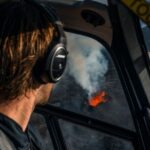
A helicopter is fast. Without context, it can turn into a quick photo sprint. What makes this tour hit for a lot of people is the pilot commentary—explaining what you’re seeing and why it looks the way it does.
The information you get includes how Icelandic geology works in simple terms, plus specifics like eruption types and time frames. In real-world feedback, pilots named Aleksander, Laura, Oliver, and Robert came up repeatedly, and the common thread was clear explanations and good flight handling. You should expect the pilot to point out features during the flight rather than just let you stare out the window quietly.
I also value the communication style. When weather forces a reschedule, pilots and the operator tend to keep people informed. Some passengers reported being contacted when the original day didn’t work, and then being updated with a new timeslot when possible. That matters because in Iceland you’re not just fighting “clouds.” You’re fighting wind and safety conditions.
The flight itself is usually described as smooth, but the bigger win is that you come back from the air understanding what you saw. You don’t just remember the feeling—you remember the reason.
Landing on Lava Fields: The Moment That Turns Photos Into Memory
Here’s where this tour can become something much more than a scenic flight: landing. Multiple accounts describe being able to land on a lava field and spend time close to volcanic features.
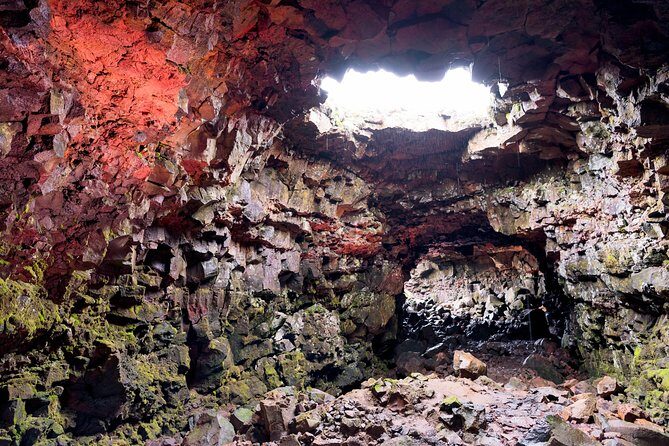
When a landing happens, it changes the experience from a distant viewpoint into something tactile and real. You’re no longer only interpreting lava from above—you can walk on it, look at textures up close, and get a stronger sense of scale. One report even mentioned solidified lava that was still warm, with sulfur-related venting still present. That’s the kind of detail you only get when you’re physically near the ground.
That said, landing depends on conditions. The volcano may also be less active than photos suggest on your date. One flight story noted the volcano had stopped a few days earlier, but passengers still got craters and ongoing signs of activity like smoking. In other words: the “lava movie” isn’t guaranteed, but the impact of recent eruptions often is.
So I’d set your expectation like this:
- You’re almost certainly flying over the volcanic zone and the city.
- You might land and walk on lava if conditions allow and operations are able to support it.
If you want that landing element, this tour is a strong bet. Just don’t gamble your whole trip happiness on a specific eruption moment happening on cue.
Weather Reality in Iceland: Why Short Flights Still Need Flexibility
In Iceland, helicopter tours live and die by weather windows. Winds, visibility, and safety conditions can decide everything. You should plan your vacation with flexibility, especially if you’re booking just a day or two after arrival.
A lot of people recommend booking earlier in your trip for this reason. Feedback repeatedly points out how weather can force cancellation or rescheduling. In some cases, people said they were called in the morning and the operator tried to find another slot. If no other option worked, refunds were issued. That’s exactly the kind of process you want: clear communication and a straight refund path when the skies won’t cooperate.
Also, note the timing pressure. The flight is short by design, so you get less “buffer time” if weather changes suddenly. That’s not a flaw—it’s how these tours stay feasible. It just means you should be ready for the day to shift.
If you’re arriving with a rigid schedule, this may feel stressful. But if you treat it like an experience you’re scheduling around Iceland’s weather (the normal approach here), you’ll handle the ups and downs better—and you’re more likely to land the flight you want.


Price and Value: Is $592.82 Worth a 45-Minute Flight?
At $592.82 per person, this isn’t a cheap afternoon. The value comes from three things you can’t easily replicate on the ground:
- Time efficiency: you get volcanic-zone views fast, without a full day on roads and trails.
- Altitude perspective: aerial views explain how eruption patterns spread and connect.
- Small-group experience: fewer seats, better viewing angles, and more opportunity for the pilot to guide you.
The price also includes the helicopter tour and a fuel surcharge. Food and drinks aren’t included, and there’s no hotel pick-up or drop-off, so you’ll want to factor that into your total spend.
Is it worth it? For people who care about geology, aerial photography, or the feeling of being right above a live Earth system, yes. Several people called it a top highlight or a bucket-list moment. The strongest “value” argument is the combination: you get the volcanic zone and the city in one flight, plus pilot explanations that help you understand it.
But if you measure value only by time on the ground, it can feel short. One critical comment basically boiled down to this: the ride felt brief compared with expectations set elsewhere. If you want long walks and long viewing windows guaranteed, you might find yourself craving more time after the helicopter lands.
My advice: consider the price as paying for a rare viewpoint plus the chance to be close to volcanic terrain—conditions permitting.
Getting There: Glacier HeliACE FBO Meeting Point in Reykjavík
This tour starts and ends at Glacier HeliACE FBO Reykjavik, Nauthólsvegur 101, 105 Reykjavík, Iceland. The activity finishes back at the same meeting point, so you’re not dealing with complicated drop-offs across town.
It’s also described as near public transportation, which helps if you’re not using a car. I’d still show up earlier than the minimum you think you need. With helicopter operations, things can move quickly once weather and flight checks are satisfied.
Since you’ll be using a mobile ticket, keep your phone charged. And if you’re photographing, bring the camera gear you can comfortably manage in wind and cool air around an airfield.
Who Should Book This Volcano Flight (and Who Might Feel Frustrated)
This is a great fit if you:
- Want photography-friendly angles of volcano terrain and Reykjavík from above
- Like geology explanations and enjoy learning what you’re seeing
- Want a short, high-impact activity early or mid-trip
- Prefer small-group experiences rather than cattle-car tourism
It’s less ideal if you:
- Need guaranteed active lava in motion on your date
- Hate uncertainty and don’t want any chance of rescheduling
- Believe value equals long ground time (because the core experience is brief by design)
One more practical point: there is a stated total passenger weight limit of 243 lbs. If you’re close to that number, double-check before booking so you don’t waste time with a tour that can’t take you.
If you’re nervous about helicopters, don’t ignore that feeling. But also don’t assume you won’t handle it. One first-time helicopter rider shared that they felt safe and ended up recommending the experience.
Final Call: Should You Book This Volcanic Eruption Area Helicopter Tour?
Book it if you can afford it and you can be flexible with Iceland weather. This tour delivers a rare mix: Reykjanes Peninsula volcanic views, Reykjavík from the air, and pilot guidance that turns the flight into something you actually understand. The chance of landing on a lava field is a big part of why people rate it so highly.
Skip or rethink it if you’re expecting a long, guaranteed “lava show” and you’re unwilling to deal with possible reschedules. Iceland doesn’t run on your timetable, and helicopter safety decisions come first.
If you’re choosing one helicopter experience in Reykjavík, this one makes sense for people who want to feel the drama of volcanic Iceland without spending the whole day traveling to viewpoints.
FAQ
How long is the Iceland Volcanic Eruption Area Helicopter Tour?
It’s approximately 35 to 45 minutes.
Where does the tour start?
The meeting point is Glacier HeliACE FBO Reykjavik, Nauthólsvegur 101, 105 Reykjavík, Iceland.
Does the tour end at the same place it starts?
Yes, the activity ends back at the meeting point.
What language is the tour offered in?
It’s offered in English.
How many people are on the helicopter?
The experience has a maximum of 5 travelers, and the helicopter is described as having about 5–6 seats.
Is there a weight limit?
Yes. Total weight per passenger is listed as 243 lbs.
What is included in the price?
The helicopter tour of the new volcanic area and a fuel surcharge are included.
What is not included?
Food and drinks are not included, and there is no hotel pick-up and drop-off.
What happens if the weather is bad?
This experience requires good weather. If it’s canceled due to poor weather, you’ll be offered a different date or a full refund.
Is there free cancellation?
Yes. You can cancel up to 24 hours in advance for a full refund. If you cancel less than 24 hours before the start time, it isn’t refunded.