REVIEW · REYKJAVIK
Funky History Walking Tour in Reykjavik – With local storyteller
Book on Viator →Operated by Funky Iceland · Bookable on Viator
A good history tour should feel like a good story. This one uses local storytelling to connect Reykjavik landmarks to Vikings, myths, faith, politics, and modern life in a way that’s easy to follow. I especially like the small-group size (up to 15) and the way the guide keeps the pacing friendly. One possible drawback: it’s still a lot of time outdoors, so plan for Reykjavik wind and cold.
You’re paying $72.59 for a 2.5-hour guided walk with English-speaking narration and a route that hits major sights without turning into a bus tour. Most stops are “look and learn” moments (and the included admission is free where listed), so you spend your time on the story, not ticket lines. If you’re hoping for a fully inside, museum-heavy day, you might want to pair this with a separate stop later.
In This Review
- Quick hits
- A Funny Storyteller Walk That Explains Iceland in Plain English
- Price and What You’re Really Paying For
- Meeting at Hallgrimskirkja: A Route That Stays Walkable
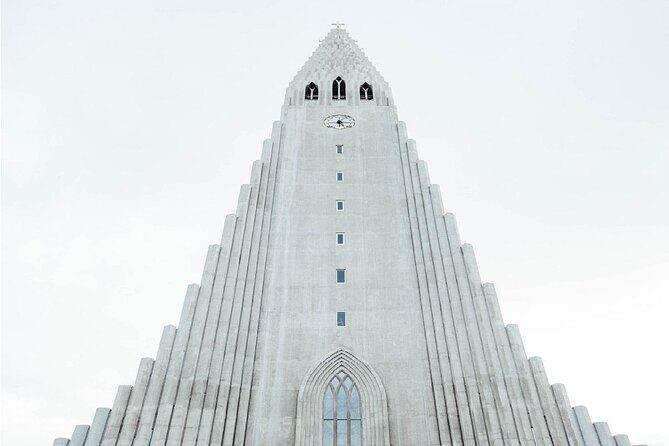
- Stop 1: Hallgrímskirkja—The City’s Landmark as Your History Anchor
- Stop 2: The Statue of Leif Eiriksson—Why Vikings Still Matter
- Stop 3: Einar Jónsson Sculpture Museum—Norse Myth in a Garden Setting
- Stop 4: Freyjugata—Christianity’s Arrival, Told Through Residential Streets
- Stop 5: Þingholtsstræti—From Hard Times to Growth
- Stop 6: Lake Tjornin—A Quick Break for the Eyes
- Stop 7: Parliament House (Althingishus)—Politics That You Can Point To
- Stop 8: Reykjavik City Hall—Finish With Civic Reality
- Pacing, Weather, and Tips for a Smooth 2.5-Hour Walk
- Should You Book the Funky History Walking Tour in Reykjavik?
- FAQ
- How long is the Funky History Walking Tour in Reykjavik?
- Where does the tour start and end?
- What language is the tour offered in?
- How big are the groups?
- Is hotel pickup or drop-off included?
- Is there a mobile ticket?
- What kind of guide do you get?
- Is the tour suitable for most travelers?
- Are service animals allowed?
- FAQ
- What if the weather is bad?
- When will I receive confirmation?
- Are admissions included for the listed stops?
Quick hits
- Local guide Lalli uses humor and quick segments to keep the history moving
- Small group (max 15) helps you actually hear the details and ask questions
- Hallgrímskirkja start gives you a clear, famous anchor for the walk
- Norse myths + city landmarks connect the sagas to real streets and buildings
- Political and civic stops at Alþingi and City Hall bring the story up to the present
A Funny Storyteller Walk That Explains Iceland in Plain English
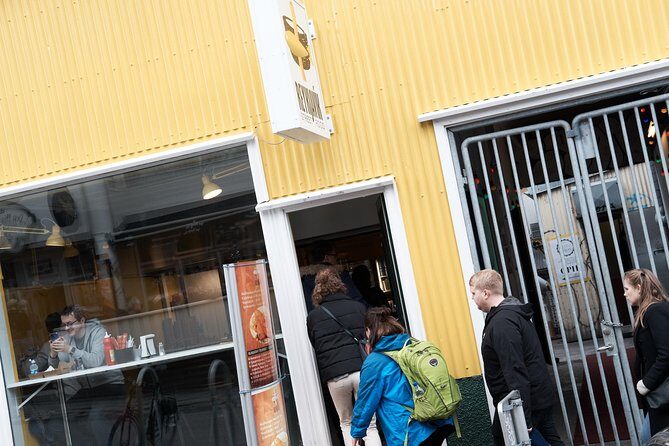
Reykjavik can feel like a small capital with a big backstory. This tour is built to fix that. You don’t just get facts—your guide frames them like a timeline you can feel while walking between places.
What makes it work is the storyteller style. Lalli’s approach blends Viking-era ideas, Norse mythology, and later changes like Christianity and modern economics, then ties it to what you’re looking at on the street. It’s the kind of narration that helps first-time visitors get their bearings fast, especially if you’ve never studied Icelandic history before.
I also like that the tour doesn’t try to cram everything into one nonstop speech. The information is broken into short, listenable chunks, with natural pauses built into the route.
You can also read our reviews of more walking tours in Reykjavik


Price and What You’re Really Paying For

At $72.59 per person for about 2 hours 30 minutes, you’re not just buying a route—you’re buying a local interpreter of the country’s evolution. That matters in Iceland, because so much of what you’ll read online only makes full sense once you hear how different eras influenced daily life and identity.
This is also where the small group size helps. With a maximum of 15 people, you’re less likely to be stuck far back in the crowd. You can ask questions when they come up, instead of waiting until the end.
And because the tour is offered in English with mobile tickets, it’s straightforward to plan. There are several start times too, which is a big deal in Reykjavik when your day can shift fast due to weather.
Meeting at Hallgrimskirkja: A Route That Stays Walkable
The tour starts at Hallgrimskirkja, specifically at Hallgrímstorg 1 in the 101 Reykjavík area. That’s a smart choice: it’s a major landmark, easy to find, and it gives you instant visual context for the walk.
The rest of the experience is designed like a “guided stroll with history stops.” You’ll spend time on photo-friendly streets and a few key institutions, rather than sprinting between far-apart locations. Several reviews also note that after starting at the church, the walk tends to work out fairly manageable—helpful if you’re not interested in a long, strenuous trek.
Bring warm layers. Reviews mention windy, cold conditions, but the guide’s storytelling kept people engaged even when the weather wasn’t cooperating.
Stop 1: Hallgrímskirkja—The City’s Landmark as Your History Anchor

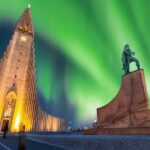
You’ll begin with Hallgrímskirkja, Reykjavik’s most famous landmark. Your guide uses it as a starting point to explain how the city grew and why certain symbols matter.
This first stop works for a practical reason: it gives everyone the same reference point. When you’re new to Reykjavik, that reduces confusion and helps the rest of the tour stick. Expect about 20 minutes here, with time to take in the building and get the “okay, now we’re going somewhere” feeling before you start moving.
A small heads-up: if you’re sensitive to cold, the first stop can be more comfortable with gloves and a hat ready. The plaza area can catch wind.
Stop 2: The Statue of Leif Eiriksson—Why Vikings Still Matter
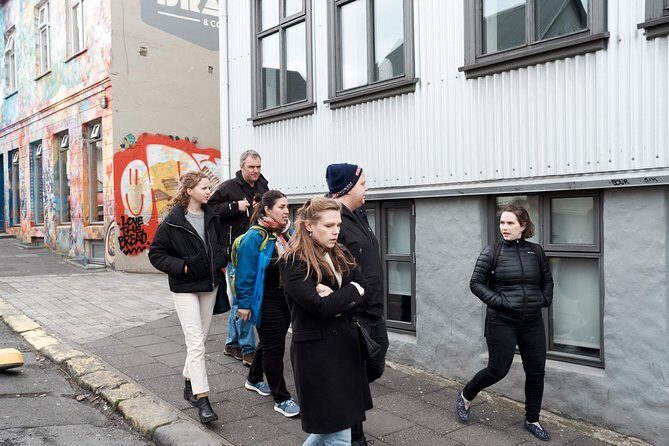
Next up is the Statue of Leif Eiriksson. This is a short stop (around 10 minutes), but it’s a powerful one because it shifts you from “pretty city views” into “Iceland’s myth-and-history identity.”
Leif Eiriksson and his family connect to the larger Viking story you’ll hear throughout the walk. Your guide uses this moment to frame how Icelanders look back at their origins—less like a museum lesson and more like a living thread.
If you like history with personality, this stop is where that tone shows up. It’s also a good reset between longer stretches of walking.





Stop 3: Einar Jónsson Sculpture Museum—Norse Myth in a Garden Setting
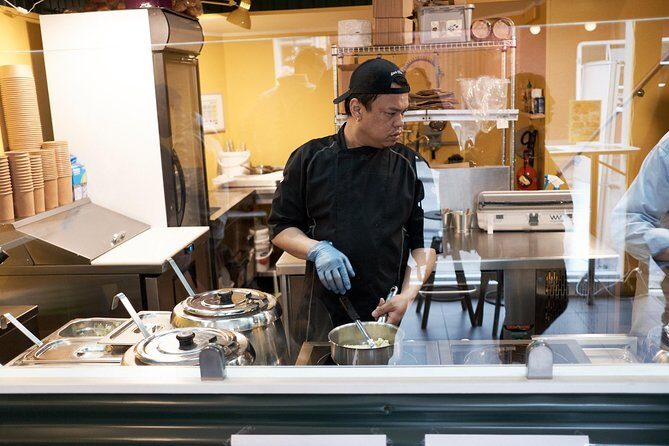
Then you’ll visit the Einar Jonsson Sculpture Museum (Listasafn Einars Jonssonar), focusing on the sculpture garden and the artwork that goes with it. Plan for roughly 20 minutes.
This is where the tour gets a little more artistic. Instead of only talking about Vikings as distant people in books, you’ll connect the sagas and Norse mythology to physical forms—sculptures you can actually stand near. It helps history feel less abstract.
A consideration: this stop may be weather-dependent in comfort level. It’s a garden area, so cold wind can make you wish you’d packed better layering. Still, it’s one of the more memorable segments because it changes pace from street corners to a space built for looking.
Stop 4: Freyjugata—Christianity’s Arrival, Told Through Residential Streets
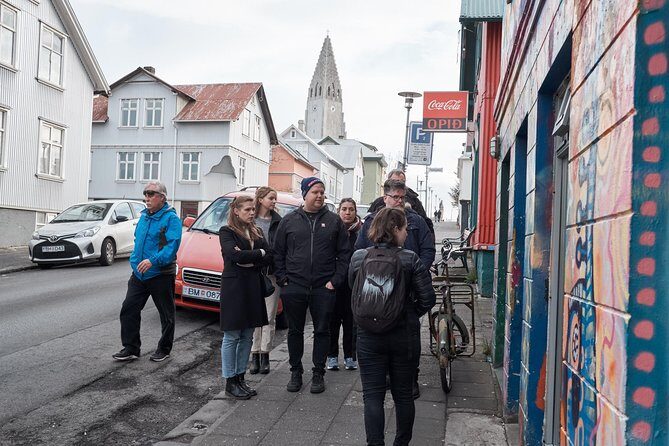
From the sculpture garden, you move into Freyjugata, a residential area where you’ll hear about how Icelanders converted to Christianity. Expect about 10 minutes here.
This is an example of why a guided walk matters. You could walk down residential streets in Reykjavik and miss the significance completely. With the guide’s narration, ordinary-looking places become stepping-stones in the country’s larger transformation.
It also adds variety to the tour’s story arc. Instead of only staying in the “Viking and saga” lane, you’ll see how faith and power shifted over time.
Stop 5: Þingholtsstræti—From Hard Times to Growth
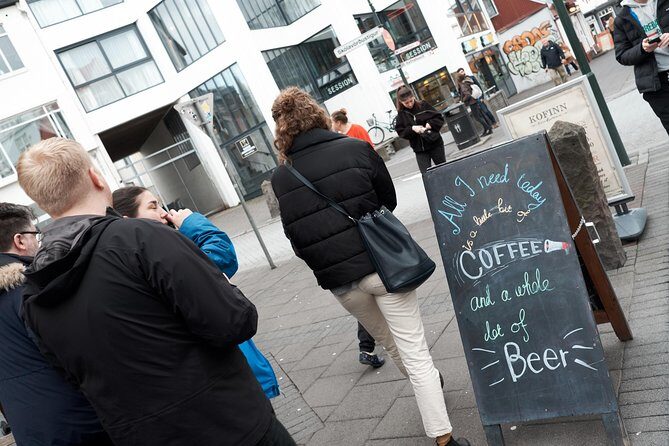
Next comes Þingholtsstræti, where the focus is on how Icelanders went from being the poorest nation in the world into economic growth. Plan for about 20 minutes.
This stop does something important for first-timers: it turns Iceland’s story away from romance and back toward real change. The guide uses the street setting to explain how economics shaped daily life and national identity—not just politics on paper.
One practical note: this segment is longer than the residential stop before it, so keep your energy up with a warm drink if you’re able before the tour begins.
Stop 6: Lake Tjornin—A Quick Break for the Eyes
You’ll stroll past Lake Tjornin (Tjörnin Pond) for about 5 minutes. It’s short, but it’s also useful.
Stops like this give your brain a breather. After earlier moments that focus on religion, sagas, and economics, the pond adds a calm, open-air pause. It also helps you appreciate how Reykjavik isn’t only monuments—it has pockets of nature right inside the city center.
If you’re taking photos, this is a decent time to grab a quick shot before continuing.
Stop 7: Parliament House (Althingishus)—Politics That You Can Point To
Now the tour moves into political history at Parliament House (Althingishus). Expect about 20 minutes.
This is where the tour becomes more than cultural storytelling. You’ll connect earlier shifts—origins, faith, national identity—to the reality of governance. Being in the area of the Alþingi lets the story feel concrete rather than abstract.
If you like questions like who had power and how laws evolved, this is the part that usually clicks for people. It’s also a solid place to ask the kind of detail questions that don’t fit at the sculpture garden.
Stop 8: Reykjavik City Hall—Finish With Civic Reality
Your final stop is Reykjavik City Hall, with about 20 minutes here, including time to look inside. This ending helps the tour land where it should: in the civic present.
You’ll leave with a clearer sense of how a small country builds institutions and keeps moving forward. And you’ll get one more reminder that Reykjavik’s buildings aren’t just pretty—they’re markers of change.
One extra thing to know: some reviews mention a classic Icelandic hot dog as part of the experience. One review also mentions the guide arranged a vegetarian alternative with the right condiments. If that’s important to you, ask at the start of the tour what options are available.
Pacing, Weather, and Tips for a Smooth 2.5-Hour Walk
This is a walking tour, so your comfort controls your enjoyment. Reykjavik weather can change how you feel, fast—wind is common, and cold can sneak up on you even when skies look okay.
Here’s what helps:
- Wear warm layers you can adjust. You’ll likely be outside through multiple stops.
- Bring gloves if you run cold easily.
- Plan for brief outdoor waits at landmarks. The tour builds in stops, but it’s still a walk-through city route.
Also, pick the right moment in your trip. Reviews specifically recommend doing this early, so you get the historical context that makes everything else you see feel easier to place.
Finally, go in with a question or two. The best part of this kind of guided storytelling is when you steer the discussion toward what you actually care about—Viking sagas, religion, politics, or why Reykjavik feels the way it does today.
Should You Book the Funky History Walking Tour in Reykjavik?
Book it if you want a first-time-friendly history lesson that doesn’t bury you in dates. I’d especially recommend it if you like your history told with humor and real city locations, and if you value a small group so you can ask questions.
Skip or supplement it if you want a mostly indoor, museum-only day. This tour is built around streets and landmarks, plus one sculpture-focused garden stop—great for getting oriented, but it won’t replace a deep museum session.
If your schedule has room, doing this early in Reykjavik is a smart move. You’ll walk away with a much better sense of Iceland’s story—and a clearer way to read the city as you explore on your own afterward.
FAQ
How long is the Funky History Walking Tour in Reykjavik?
The tour runs about 2 hours 30 minutes.
Where does the tour start and end?
The tour starts at Hallgrimskirkja, Hallgrímstorg 1, 101 Reykjavík, Iceland. It ends at Alþingishúsið, Kirkjutorg, 101 Reykjavík, Iceland.
What language is the tour offered in?
The tour is offered in English.
How big are the groups?
Each booking has a maximum of 15 people, with a minimum number of participants required (minimum is 6).
Is hotel pickup or drop-off included?
No. Hotel pickup and drop-off are not included.
Is there a mobile ticket?
Yes, the tour includes a mobile ticket.
What kind of guide do you get?
You get a local guide and an immersive history lesson style.
Is the tour suitable for most travelers?
Most travelers can participate.
Are service animals allowed?
Yes, service animals are allowed.
FAQ
What if the weather is bad?
The experience requires good weather. If it’s canceled due to poor weather, you’ll be offered a different date or a full refund.
When will I receive confirmation?
You’ll receive confirmation at the time of booking.
Are admissions included for the listed stops?
The itinerary lists admission as free for the stops included in the schedule.