REVIEW · REYKJAVIK
7-Day Small Group Journey Around Iceland
Book on Viator →Operated by Snaeland Travel · Bookable on Viator
Stop guessing and let the road do the work. This 7-day Ring Road tour is built for you if you want the big Iceland hits without renting a car, plus you’ll learn what you’re seeing from an English-speaking local guide.
I especially like that the itinerary handles the hard part for you: no-driving Iceland, with a comfortable vehicle and frequent stops so you’re not stuck grinding through hours in one go.
The other standout is the included amphibian boat ride at Jökulsárlón Glacier Lagoon. Seeing the ice in person is one thing. Riding right on top of the changing ice world is another.
In This Review
- Key things that make this tour worth your time
- Ring Road without the rental car: how this tour protects your energy
- Price and value: what $2,221.59 really covers
- Day 1 Reykjavík arrival: set your bearings before the long drive days
- Day 2 North Iceland farming country: Grábrók, Skagafjörður, and turf-house life
- Day 3 Mývatn and the waterfalls: steam, lava, caves, and Dettifoss power
- Day 4 Eastfjords to Höfn: foggy beauty and the wild-reindeer story
- Day 5 South coast icons: Jökulsárlón by amphibian boat and the Diamond Beach glow
- Day 6 Golden Circle: Gullfoss, Geysir, Þingvellir, then back to Reykjavík
- Day 7 Keflavík on your own: a calm exit day with a small planning choice
- Guide and driver quality: why this tour feels safer than DIY
- What to pack: Iceland weather gear beats fancy plans
- Optional extras: what to choose and what to skip
- Should you book this Iceland Ring Road small-group tour?
Key things that make this tour worth your time
- Small group size (max 25) for a more personal feel, with real chances to ask questions.
- No rental car needed, so you avoid parking stress and route decisions on unfamiliar roads.
- Included Jökulsárlón amphibian boat tour, a hands-on way to understand glacier calving and drift.
- Six nights with private-bath rooms and breakfast, so your mornings start easy.
- A guide who explains the why, not just the what, from geology to local farming culture.
- Lots of iconic stops across north, east, and south Iceland, with recovery breaks built in.
Ring Road without the rental car: how this tour protects your energy
Iceland road trips sound fun until you factor in weather, slippery parking lots, and the mental load of navigation. This tour removes that pressure. You show up, get on the bus, and let the route handle itself. That matters because Iceland is never truly “straightforward,” even when the map says it should be.
The small-group setup also helps. With a maximum of 25 people, you’re not wrestling for attention or waiting forever to board or disembark. In at least one real-world experience, the group size was around 17, which is a nice sweet spot: big enough for the social energy, small enough for your guide to notice what you care about.
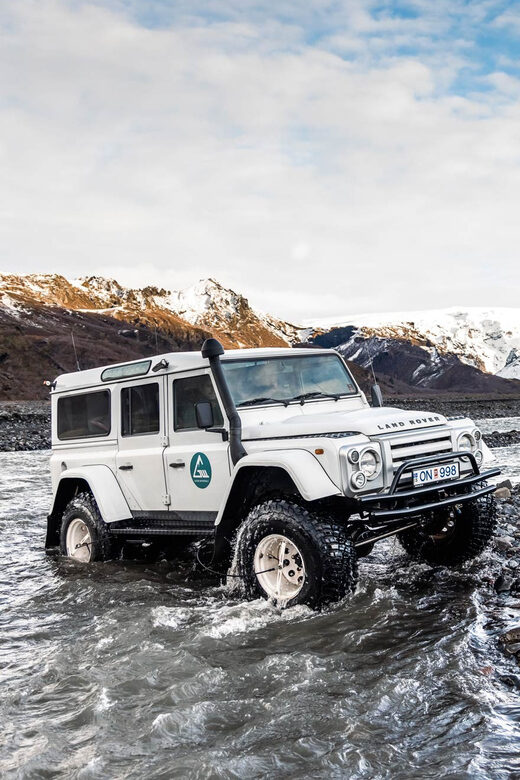
You also get free Wi‑Fi on board, and the vehicle is described as spacious with no luggage restrictions. Not glamorous, but it’s a real quality-of-life item when you’re doing a day of waterfalls and then trying to find dinner options in a small town.
A few more Reykjavik tours and experiences worth a look
Price and value: what $2,221.59 really covers
At $2,221.59 per person, this is not a budget-only trip. But when I look at what’s included, the price starts to make sense.
What you do get included:
- Six nights of accommodation with a private bathroom
- Breakfast each morning
- Hotel Wi‑Fi not mentioned, but free Wi‑Fi on board is included
- Glaumbær Folk Museum visit
- Amphibian boat tour at Jökulsárlón Glacier Lagoon
- A small group tour in a spacious vehicle with an English-speaking local guide
What you do not get included:
- Airport transfers
- Meals beyond breakfast (dinners, lunch stops, snacks)
So here’s the value logic I’d use: you’re paying for logistics. If you’d otherwise rent a car, drive the Ring Road, and still want guided context at the best stops, this can come out competitive—especially because the tour includes a key experience (the amphibian boat) that’s expensive and time-sensitive to book on your own.
There is one more “value” factor: weather flexibility. If conditions get tricky, having a driver and guide who deal with Iceland day after day can save you from making tough calls alone.
Day 1 Reykjavík arrival: set your bearings before the long drive days
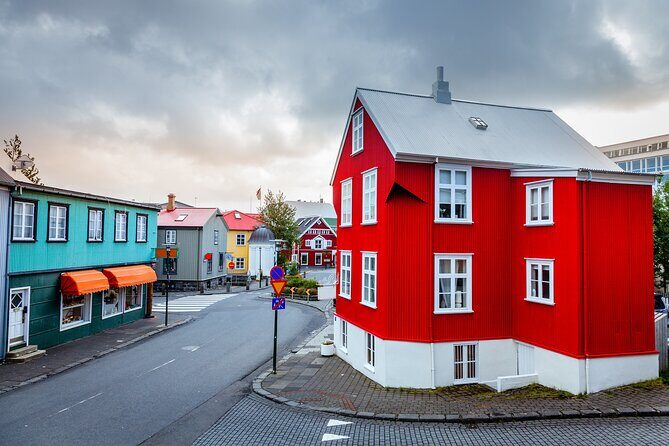
Your tour begins in Reykjavík, after you make your own way from Keflavík International Airport to your hotel. This is smart timing. You’re not thrown straight into multi-hour driving immediately after landing.
The first day is mostly about getting comfortable in Iceland’s capital: easy breathing room, time to settle in, and no rushing. I like that you’re also right at the start location: Reykjavík Natura – Berjaya Iceland Hotels on Nauthólsvegur 52, with a 9:00 am departure time the next day.
One practical note: the tour doesn’t really cover Reykjavík’s center in a meaningful way. If you want museums, shopping streets, or that classic city walk, you’ll enjoy planning at least part of a day before or after the tour.
Day 2 North Iceland farming country: Grábrók, Skagafjörður, and turf-house life
This is the day you start moving north, with a mix of geology, farming culture, and a museum that explains how people actually lived on a tough island.
You’ll drive through the Hvalfjörður tunnel toward Borgarnes, then stop at Grábrók, a volcanic fissure from roughly 3,000 years ago. Even if you’re not a geology nerd, these stops help you read Iceland correctly: the island isn’t just full of waterfalls. It’s also built by heat and rupture.
Next comes Skagafjörður, a deep fjord and fertile valley with dairy and sheep farming, plus a reputation for horse breeding. The detail that sticks is that horses outnumber people there—so if you like learning local culture from the land, this is a good day for that.
Then you hit Glaumbær Folk Museum, which is included. This is a turf farm with well-preserved turf houses dating to the 18th and 19th centuries. I like these places because they translate Iceland history into something physical. You can see how the materials and design worked with harsh winters instead of fighting them.
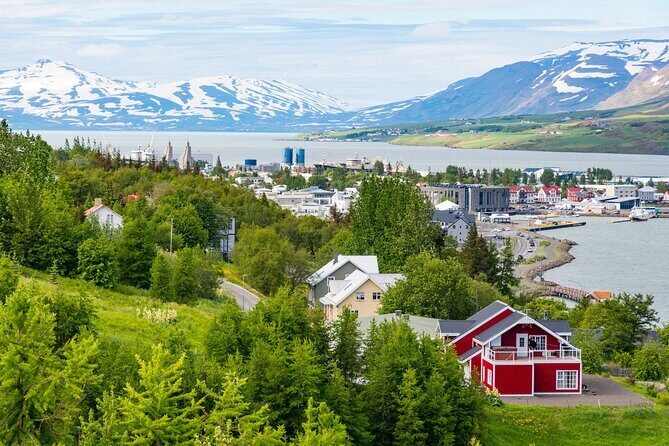
By evening, you continue to Akureyri, often called the capital of north Iceland, and sleep there. You’ll likely feel like you finally got past the “day-one flight” fog and into real trip mode.
Day 3 Mývatn and the waterfalls: steam, lava, caves, and Dettifoss power
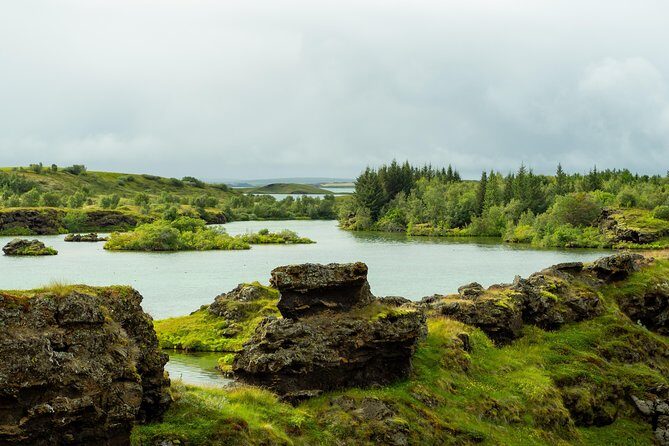
Day 3 is built around Lake Mývatn, one of Iceland’s most active geothermal zones. The tour spends time in the wider area, not just one quick photo stop. That pacing helps because geothermal landscapes can look similar at first glance. Slower travel lets you notice the differences: steam vents, sulfur smell areas, pseudocraters, and lava shapes.
You’ll stop at:
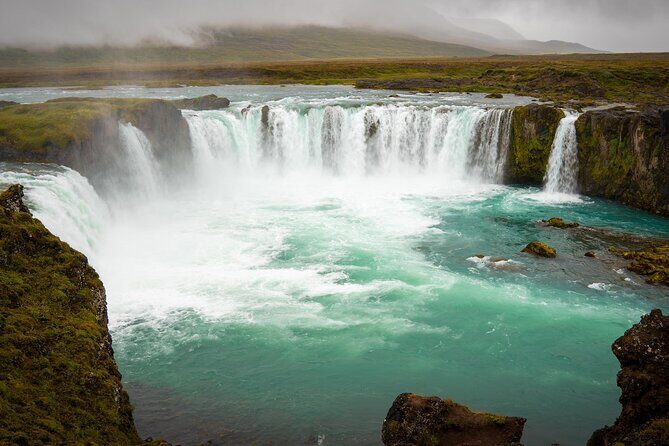
- Goðafoss, the Waterfall of the Gods, with historical significance
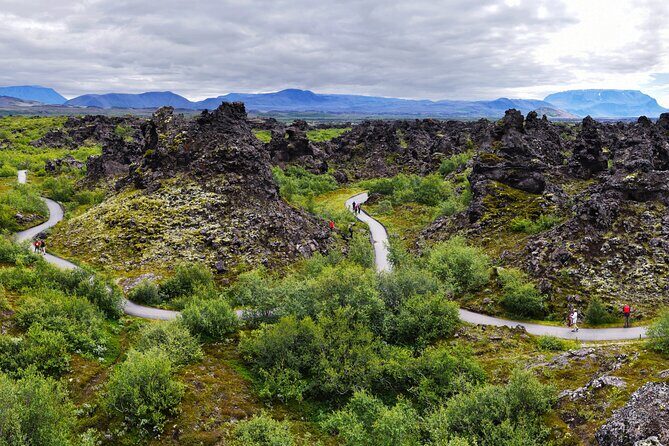
- Dimmuborgir (the Dark Castles), where lava created dramatic rock formations
- Skútustaðagígar, pseudocraters formed by steam explosions when hot lava met wetlands
- Grjótagjá, a lava cave with a thermal spring inside
Access can vary due to changing temperatures, so don’t assume it’s always walk-in perfect.
- Námaskarð, geothermal ground with bubbling mud pools and fumaroles
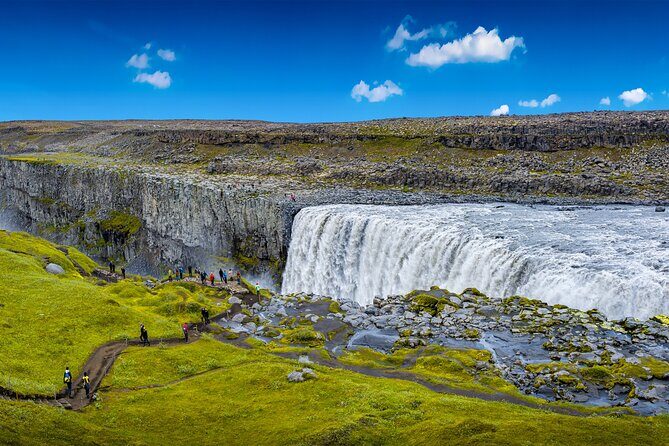
And then there’s Dettifoss, on the way to Egilsstaðir. The tour describes it as the second most powerful waterfall in Europe after the Rhine Falls. Whether the ranking convinces you or not, the point is this: Dettifoss is big water hitting big rock. It’s the kind of sight you don’t want to rush.
If you’re worried about driving distance, remember: you’re being transported all day. Your job is to show up, dress in layers, and keep moving when the group does.


Day 4 Eastfjords to Höfn: foggy beauty and the wild-reindeer story
From Egilsstaðir, the route turns east, crossing the Eastfjords to Höfn í Hornafirði. This region gets overlooked by many first-time visitors. That’s a shame, because narrow fjords, steep cliffs, and quiet fishing villages feel like Iceland without the crowds.
A useful detail for planning your mindset: this area is described as the sunniest in summer but can be hidden by dense fog in winter. So think of it like a place where weather changes the mood fast. Some days you’ll see sharp coastlines. Other days you’ll feel like you’re traveling inside a white wall.
Wildlife also matters here. This part of Iceland is noted as the only area with herds of wild reindeer. The tour explanation is clear: reindeer were originally brought for farming, it didn’t take off, and the experiment was abandoned—yet the animals stayed and roam freely.
Overnight in Höfn is a good mid-trip landing point. It helps you digest what you saw in the north and still have energy for the south-coast icons coming next.
Day 5 South coast icons: Jökulsárlón by amphibian boat and the Diamond Beach glow
If I had to pick one must-do day on this tour, it’s this one.
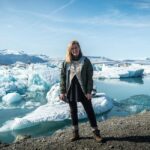
First stop is Jökulsárlón Glacier Lagoon, where you take the included amphibian boat tour. The lagoon exists because of ongoing glacier calving from Breiðamerkurjökull. You’ll see icebergs in two main shades: milky white and bright blue, shaped by light and ice crystals.
This matters because a glacier lagoon is not a single static view. Ice shifts, pieces drift, and the color changes with the day. Riding in an amphibian boat is a practical way to get close without needing specialized glacier gear.
Then you go to Diamond Beach. Ice washes up onto black sand, creating a scattered sparkle effect. It’s also a reminder that Iceland’s beauty often comes with rules: keep your footing and watch your surroundings.
After that, the day continues through Vatnajökull National Park, passing Hvannadalshnúkur (Iceland’s highest peak at 2,119m) and heading through lava fields and black glacial plains.
Next comes Reynisfjara Beach near Vík. This is famous for black sand, puffins, unusual geological formations, and tidal wave action. The tour advice is direct: be careful not to step too close, because the waves can be dangerous.
You then drive to Dyrhólaey for views from the promontory, and wrap the day with two major waterfalls:
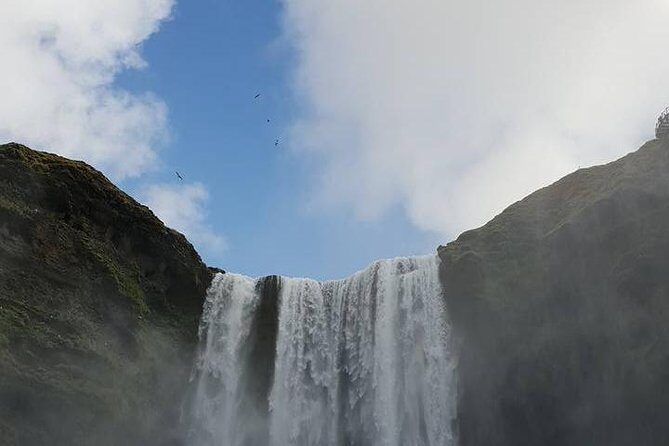
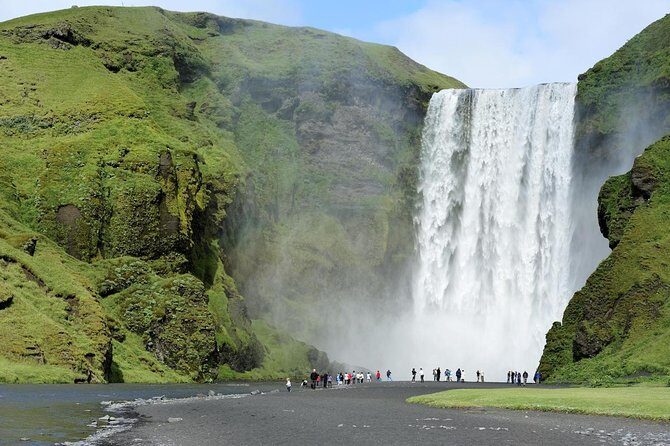
- Skógafoss with a 60-meter drop and constant mist that can produce rainbows
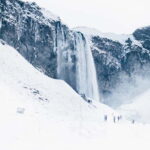
- Seljalandsfoss, where you can walk behind the waterfall (dress well; you’ll get misty)
This day is long on purpose. You’re moving across the south coast’s biggest visual hits, and the tradeoff is that you’ll want a good dinner later because your legs will be tired from stairs, uneven ground, and standing still for photos.
Day 6 Golden Circle: Gullfoss, Geysir, Þingvellir, then back to Reykjavík
Day 6 is the tour’s classic “big three” style day: Gullfoss, Geysir, and Þingvellir—plus the final return to Reykjavík.
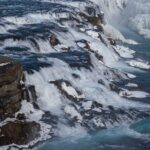
You start with Gullfoss, often called the Golden Falls, a two-tier waterfall in the Hvítá River canyon. If you like waterfalls, this is your power day. The canyon setting helps because you understand how the water cuts through rock, not just that it falls.
Then comes the Geysir hot spring area. The tour notes that Geysir itself is no longer active, but Strokkur erupts every few minutes. This is a good stop for people who want that “I’m watching Earth breathe” moment without needing to time anything perfectly.
Next is Þingvellir National Park, where tectonic plates drift apart and create a rift valley. You also learn the human side: the ancient Icelandic parliament, Alþingi, was established there in 930. It’s described as sacred for Icelanders, and it’s the kind of place that makes the ground feel important, not random.
You return to Reykjavík for the last night. There’s also an optional Blue Lagoon extension mentioned in the tour details. If you want it, book it as an add-on (and plan for time pressure), because otherwise you’ll be driven directly to your hotel.
Day 7 Keflavík on your own: a calm exit day with a small planning choice
Day 7 is built around your flight time. After breakfast, you get free time depending on when you fly, and then you arrange your own way from Reykjavík to Keflavík Airport.
I like “exit day” travel because you’re not stuck staring at your itinerary while packing in the dark. But because the transfer isn’t included, you should already know how you’ll get there. Keep a buffer if you’re traveling in bad weather or at odd hours.
Also: this is your last chance to enjoy Reykjavík. One reviewer tip that I agree with: if you’re staying at the Natura hotel area, you can do a quick walk to Perlan (the Pearl) and check out the exhibits and views. It’s the kind of low-effort, high-reward stop that fits an end-of-trip schedule.
Guide and driver quality: why this tour feels safer than DIY
The guide is the difference between seeing Iceland and understanding Iceland. On this kind of tour, your success often comes down to how well the guide connects geology, history, and daily life without turning it into a lecture.
From the people leading these trips—such as Arni, Ellert, Guðren, and Bettina—one theme comes through: they explain what matters and adjust when conditions get rough. Reviews also praise guides for staying professional when driving is tricky and for adding bonus walking stops, like a glacier walk or time with Icelandic horses up close.
I also liked the “clear instructions” approach. When someone tells you exactly what to do at each stop, when to be ready, and where the best viewpoints are, you spend less time confused and more time actually looking.
And yes, the driving part matters. Iceland weather can flip quickly. A driver who’s calm and prepared reduces your stress. In at least one experience shared, the driver described expected tough weather in June and helped the group prepare with the right gear mindset.
What to pack: Iceland weather gear beats fancy plans
This is practical: bring weather gear even if the forecast looks calm. One shared tip was to pack gloves and hats in your backpack so you can reach them quickly when conditions turn windy, sleety, or cold.
Also pack for misty waterfalls. Skógafoss and Seljalandsfoss can soak you even if you’re not standing under the spray. A light rain layer helps more than you think.
If you’re traveling in summer, plan for light at night. One reviewer recommended a quality sleep mask because the sun doesn’t fully shut off for a while during peak season. That’s not a luxury in Iceland. It’s sleep insurance.
Optional extras: what to choose and what to skip
This tour includes the big required experiences. Optional extras are where you should be choosy.
The tour mentions options like:
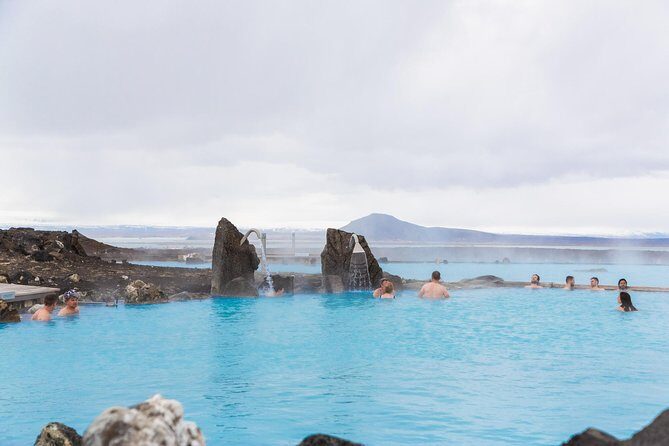
- Forest Spa / hot spring time (recommended by at least one reviewer as relaxing)
- Blue Lagoon visit (mentioned as optional on the final day logic)
- Whale watching (optional; one experience noted it felt long and full given the windy, cold conditions at the end of a busy trip)
My suggestion: if you’re chasing rest, pick the hot spring-style option. If you’re chasing a specific wildlife moment, whale watching can be worth it—but only if you don’t mind cold weather and you’re okay with it being a late-day add-on after a lot of driving.
And if you want the most complete Reykjavík experience, plan that separately. The tour doesn’t cover downtown city time in a detailed way.
Should you book this Iceland Ring Road small-group tour?
Book it if you want:
- A guided Ring Road with minimal driving stress
- Private-bath accommodation for six nights and breakfast included
- The included Jökulsárlón amphibian boat tour
- A pace that hits major stops across north, east, and south without you managing every turn
Skip it (or add days) if you:
- Want lots of downtown Reykjavík time inside the tour schedule
- Need multiple glacier activities, like a full glacier day, since this plan is mostly about waterfalls, geothermal areas, and coast highlights
- Prefer fully independent travel where you can chase your own timing every day
For most first-timers, this works because it gives you the core Iceland story in the order that makes sense. You’ll still need to respect the weather and dress for it—but you’ll avoid the bigger headache: figuring out how to do Iceland when the roads and daylight don’t care about your plans.