REVIEW · REYKJAVIK
7 Day Around Iceland Tour- PRIVATE TOUR
Book on Viator →Operated by Travelling Iceland · Bookable on Viator
One week, all of Iceland’s jaw-dropping variety. With a private guide and full private transportation, this tour strings together Iceland’s big hits (Golden Circle to Diamond Beach) with the kind of context that turns stops into stories. I especially love the built-in rhythm: geothermal surprises, waterfall walks, and glacier lagoons with no rental-car stress, plus a personal pace. The one drawback is that this is a packed week, so you should be fine with long drives and tight timing between sights.
I also like how the tour leans into Iceland’s real science and human side: Thingvellir’s early democracy, the raw power of Dettifoss, and the myth-steeped geology around lava tubes at Dimmuborgir. You’ll hear names like Dr. Helga Bára and guides such as Addy and Sigrún showing up in past experiences, and that matters—because in Iceland, the why behind a place makes the views land harder. If your main goal is slow travel and lots of free time, this route may feel intense rather than relaxed.
In This Review
- Key things that make this private around-Iceland tour worth it
- Entering Iceland’s main sights without the rental-car headache
- Golden Circle to geothermal lunches: Thingvellir, Geysir, Gullfoss, Friðheimar
- Waterfall walks and black beaches: Seljalandsfoss to Reynisfjara
- Skaftafell, canyon paths, and three lagoon viewpoints: Vatnajökull’s scale
- East Iceland waterfalls to Myvatn’s thermal and bird world: Hengifoss to Dettifoss
- North Iceland stars: Goðafoss, Akureyri, and Kirkjufell views
- Snæfellsnes Peninsula: Djúpalónssandur, Vatnshellir, and Arnarstapi legends
- Into the Glacier and West Iceland waterfalls: Langjökull tunnel to Hraunfossar
- Price and value: what you’re really paying for at $11,101.77 per person
- Logistics you’ll feel on the road: start time, tickets, and staying comfortable
- Who this private tour suits best
- Should you book this private 7-day around-Iceland tour?
- FAQ
- What does the price include?
- Is pickup in Reykjavik included?
- Are meals like dinner and lunch included?
- Are entrance tickets included for the stops?
- Are there seasonal activities on this itinerary?
- What if the weather is poor?
Key things that make this private around-Iceland tour worth it
- Private guiding: you get explanations for each major stop, not just a bus drop-off.
- No rental car: you focus on photos, weather changes, and short walks while someone handles driving.
- South Coast glacier highlights: Diamond Beach and multiple glacier-lagoon viewpoints.
- Thermal-country variety: Secret Lagoon, Námaskarð, and the Myvatn Nature Baths.
- Geology + Icelandic culture together: Thingvellir, Dimmuborgir’s myth connection, and village stops.
- Season-aware activities: ice cave exploration in winter and a glacier ice-tunnel option in summer.
Entering Iceland’s main sights without the rental-car headache
The biggest win here is simple: you’re doing a full island loop without spending your energy wrestling with unfamiliar roads, weather, and parking. Iceland is beautiful, but it can also be windy, slick, and unpredictable; having a driver and guide reduces your stress fast. If you’ve ever started a trip thinking you’ll be fine doing everything yourself, Iceland tends to correct that plan within the first big storm.
The second big reason I like this format is the pacing plus the explanation. You’re not just seeing the Golden Circle and then rushing to the next photo spot. Stops like Thingvellir come with the political meaning of the site (the Alþingi, established in 930), and that turns a walk near Öxarárfoss into something bigger than a waterfall stop.
The trade-off is that “private” doesn’t automatically mean “slow.” The itinerary is packed with major landmarks across the whole island, so you’ll want comfortable clothes, solid rain gear, and a flexible mindset about timing and crowds.
You can also read our reviews of more private tours in Reykjavik
Golden Circle to geothermal lunches: Thingvellir, Geysir, Gullfoss, Friðheimar
Day one starts in the Þingvellir area, where you’ll visit Thingvellir and then walk to Öxarárfoss. Thingvellir is a UNESCO World Heritage Site, and it’s famous for the Alþingi—the early Icelandic parliament and one of the first democratic assemblies in the world. Even if you’re not a history buff, this context helps you understand why people kept returning to this specific ground long before tourism existed.
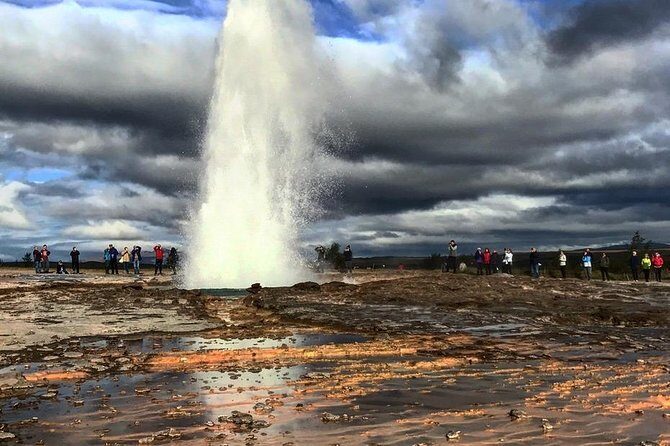
Next up is Geysir and the active neighbor Strokkur. Geysir itself erupts less often, but Strokkur is the star, popping boiling water up to around 70 meters on average every few minutes. This is one of those places where timing matters; the guide’s timing helps you catch eruptions without wasting your whole day staring at the same spot.
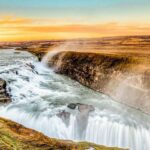
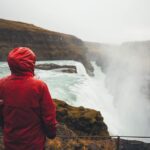
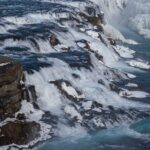
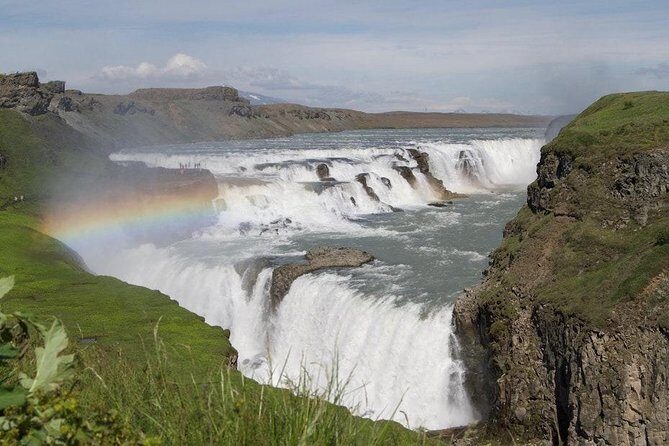
From there it’s Gullfoss, where you’ll view the falls from above and—if conditions allow—walk down the path for a closer look. The drama of Gullfoss is that it’s powerful even when you’re not right on top of it, and the walk helps you feel that power in stages rather than all at once.
Then comes a stop I genuinely think is smart for a road trip: Friðheimar (tomato greenhouse lunch). You’ll eat in a greenhouse powered by geothermal heat and geothermal-generated electricity, with tomato-forward dishes that actually use what’s grown in the field. It’s not just a quirky lunch; it’s a practical demonstration of how Iceland uses its geothermal energy for everyday life.
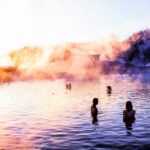
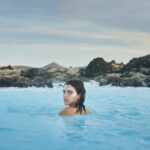
To finish the day, you’ll soak at the Secret Lagoon (Gamla Laugin) near Hvolsvöllur. This is a natural geothermal bath that’s all about end-of-day relaxation. It’s the kind of stop that helps the next day feel easier, especially because later parts of the trip involve a lot of wet walking and cold air.
Waterfall walks and black beaches: Seljalandsfoss to Reynisfjara
The next stretch is classic South Coast, but it’s also one of the best uses of a private route because you can adjust to weather while you’re already in the area. Seljalandsfoss is first, famous for being one of the few major waterfalls you can walk behind. That “walk behind it” element is where the experience shifts from sightseeing to sensory—mist in your face, slippery stones underfoot, and a view angle you can’t get from the main viewpoint.
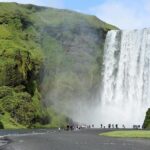
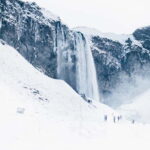
Then you move to Skógafoss, often considered Iceland’s most famous waterfall. It’s fed by glacier meltwater from Eyjafjallajökull and Mýrdalsjökull, so it’s not just scenery—it’s a living connection to the glaciers shaping the island. You’ll have time to appreciate it from the usual vantage points and likely find a route that brings you closer.
After waterfalls, you head toward ice and coastline. Sólheimajökull is an outlet glacier, with the volcano Katla working underneath the ice cap. Even if you only get a short glacier-focused stop, you’ll see how close Iceland’s ice and volcanic systems are—because this is an island where “natural” doesn’t mean “gentle.”
From there it’s Dyrhólaey, a rocky promontory with views over the south coast and black beaches. The sea has eroded this headland into something dramatic—ideal for photos when light is good and wind isn’t trying to steal your hat.
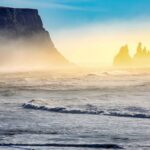
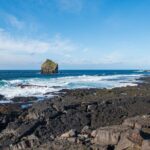
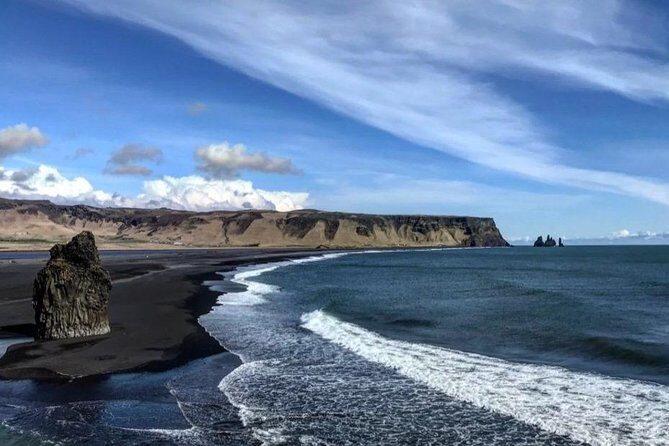
Next comes Reynisfjara (Black Beach), where the black sand and basalt columns show you Iceland’s volcanic backbone. You’ll also encounter Reynisdrangar, a sea stack shaped by wave erosion. If you’ve heard about this beach, it’s because it’s stunning—and it can be dangerous near certain surf conditions. Let your guide’s safety cues lead, and keep your distance from water’s edge when waves get active.
You’ll overnight near Vík, which is useful because it positions you well for the glacier-and-lagoon day ahead.
Skaftafell, canyon paths, and three lagoon viewpoints: Vatnajökull’s scale
The Vatnajökull area is where Iceland starts to feel bigger than postcards. Skaftafell sits within Vatnajökull National Park and is part of the larger wilderness system around Europe’s largest glacier. Expect wide terrain and a sense of scale; even simple walking here feels like you’re stepping into a real-world glacier ecosystem.
Then you’ll hit Fjaðrárgljúfur, a canyon carved by glacial river action during the end of the last ice age. It’s about 100 meters deep and roughly 2 kilometers long, so the stop works well if you enjoy viewpoints and short trails. You’ll also hear the pop-culture connection—this canyon appeared in Justin Bieber’s music video—which doesn’t change the geology, but it can make the place feel more immediate.
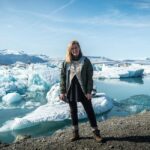
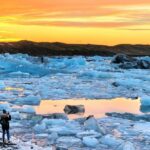
After that comes Jökulsárlón, plus Fjallsárlón and the related Fjaðrárgljúfur / ice-beach walk rhythm at the glacier lagoons. In practice, these stops blend into one big emotional effect: floating icebergs in dark water, calving energy behind the scenes, and a walk at the black beach sometimes nicknamed Diamond Beach. You’ll get time to see icebergs in multiple settings:
- In the lagoons, where ice floats and rotates slowly.
- On the black sand, where icebergs break down into pieces that look like gems against basalt.
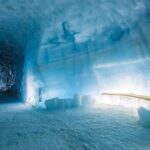
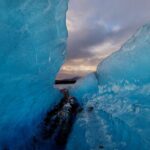
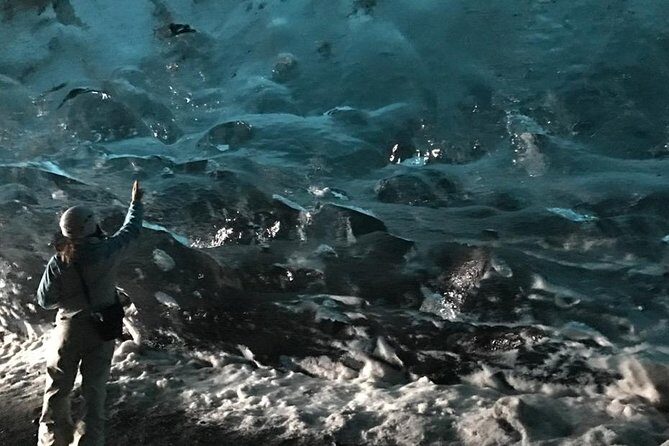
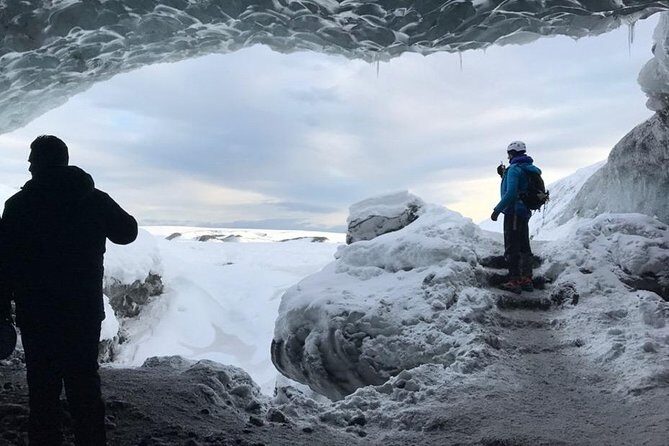
Next, there’s a winter-season option: ice cave exploration into natural ice caves at Into the Glacier (Iceland), listed for November–March with an overnight near Höfn. If your dates are in winter, this is the part you’ll be most grateful for—because it’s a rare chance to see ice from the inside rather than just around it.
You’ll then stop in Djupivogur, a picturesque fishing village known for art and views. This is a nice contrast after glacier intensity; it gives you a human-scale break without skipping the “Iceland is still Iceland” feeling.
East Iceland waterfalls to Myvatn’s thermal and bird world: Hengifoss to Dettifoss
East Iceland can be the quieter, more grounded half of the loop. The itinerary includes Hengifoss, one of the highest waterfalls in Iceland, and Litlanesfoss, which features a basalt-column setting. These stops matter because they’re less about big fame and more about geology you can actually see—layers, columns, and the way water cuts through rock.
On the route you’ll also visit Egilsstaðir, a village on the Lagarfljót River. It’s not a major landmark site in the same way as a waterfall or lagoon, but it helps break up a day of drives and gives you a real place to stop, eat, and reset.
Next up is Lake Mývatn, one of Iceland’s larger lakes and a hotspot for birds in summer. If you want wildlife, this is one of the more logical places to look—especially around the lake’s edges, where activity can be seasonal.
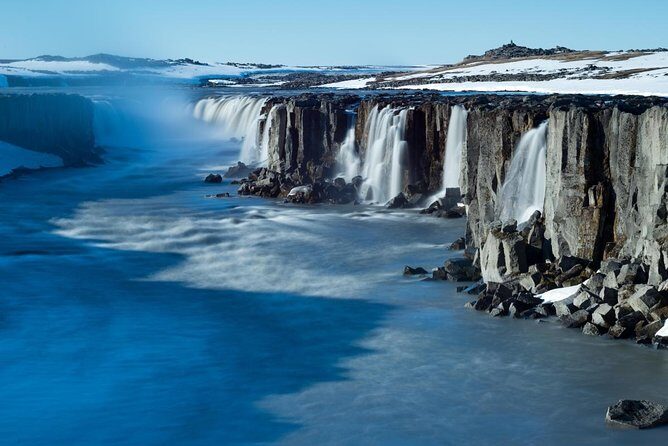
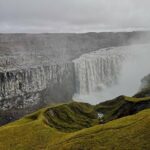
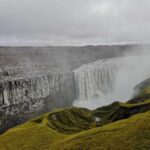
Then comes the big hammer: Dettifoss, described as the largest and most powerful waterfall in Iceland and Europe. It drops about 100 meters into Jökulsárgljúfur canyon. This is the kind of stop where you’ll feel tiny, because the water isn’t just falling—it’s forcing its will through the landscape.
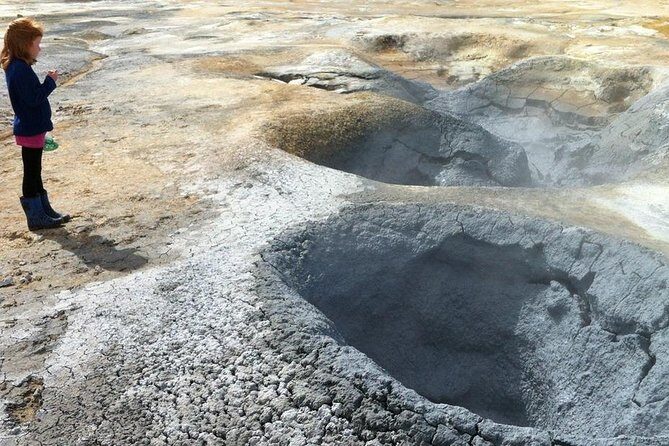
After Dettifoss, your next geothermal chapter starts at Námaskarð (Hverarönd), an active thermal area with mud pots and bubbling pools. You’ll see how sulfur and mineral deposits create striking color. This is where Iceland’s “science” becomes visible to your eyes: steam, bubbling ground, and the constant change of thermal activity.
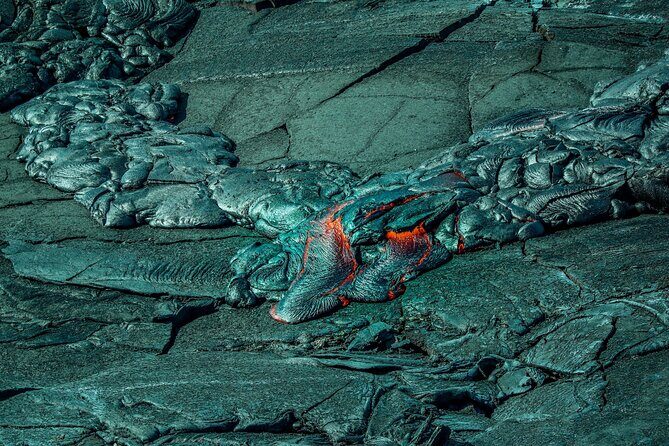
Nearby is Krafla Lava Fields, associated with the central volcano Krafla. Even if you only spend a short time here, the visual message is clear: the island still has active volcanic systems shaping what you see.
Then it’s Dimmuborgir, known for lava formations—large lava tubes and rock shapes created about 2,300 years ago. There’s also the Icelandic tale connection to the Icelandic jule lads (the jólasveinar), which adds a cultural layer to a place that otherwise might just feel like rocks and shadows.
Back around Lake Mývatn, you’ll also stop again at Skútustaðagígar, the pseudocraters on the southwestern corner. The names are fun, but what you really want to notice is how volcanic processes can create unusual-looking formations that don’t always look like classic volcano shapes.
Then you get to soak at Myvatn Nature Baths (Jarðböð). This is a naturally heated lagoon with mineral-rich waters described as health-giving. Even if you don’t chase wellness effects, it’s a great decompression stop after cold air and wet boots.
A few more Reykjavik tours and experiences worth a look
North Iceland stars: Goðafoss, Akureyri, and Kirkjufell views
As you head toward Akureyri, you’ll stop at Goðafoss (Waterfall of the Gods). It’s one of those falls with a strong name and a clean visual payoff. From there you arrive in Akureyri, where the itinerary includes a city tour and dinner on your own, plus an overnight.
Akureyri is helpful because it’s a real town base. After days of rural drives and nature stops, you get a place to eat at your own pace and reset. You’ll also be closer to the north-coast viewpoints included next.
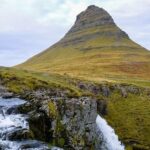
Then comes Kirkjufell, one of the most picturesque mountains in Iceland, plus the nearby Kirkjufellsfoss waterfall. The pairing is classic for photographers, but it also works even if you’re not photographing: the mountain’s shape and the water’s movement feel like a natural stage.
Snæfellsnes Peninsula: Djúpalónssandur, Vatnshellir, and Arnarstapi legends
From there the tour shifts into the west via Snæfellsnes Peninsula, which can feel like its own mini-world. You’ll visit Djúpalónssandur, a black pebble beach with smoothed stones and remnants of a shipwreck from 1948 scattered along the shoreline. That wreckage detail adds human history without needing a museum stop.
Next is Hellnar, a small ancient fishing village with striking rock formations near the beach. It’s a short stop, but it’s the kind that helps you feel the coast beyond the headline beaches.
Then you head underground at Vatnshellir, a lava tube cave formed in an eruption in a nearby crater about 8,000 years ago. Lava tubes can be hard to picture until you’re inside one, and this is the type of stop that breaks up the pattern of “outside, look, walk, repeat.”
You’ll also visit Arnarstapi, another fishing village known for sculpture and legend. The tour’s inclusion of the Bárðr story adds meaning to the rock and cliff scenery, so it feels like a place with memory instead of just a viewpoint.
Then the itinerary includes Lóndrangar Basalt Cliffs, volcanic plugs of basalt shaped by erosion. These give you that “volcanic architecture” feeling—columns, towers, and hard angles.
Into the Glacier and West Iceland waterfalls: Langjökull tunnel to Hraunfossar
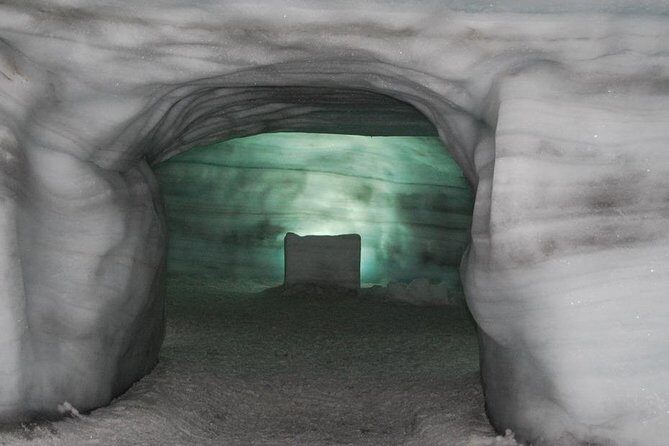
In summer months (April–October), the tour includes Into the Glacier, a man-made ice tunnel into Langjökull. You’ll be transported across the glacier in a monster truck from Húsafell, with a guide on the ice. If weather is good, the views from the glacier top can be spectacular, and the contrast is big: you go from volcanic coasts and lava fields to walking around inside ice.
Then the route moves to less crowded waterfalls in Borgarfjörður with Hraunfossar and Barnafoss. Hraunfossar is a long stretch of waterfalls streaming out of porous lava into the Hvítá River, over roughly 900 meters. It’s unusual compared to a single big drop—it feels like water leaking through a volcanic “sponge.”
Barnafoss follows with a story tied to the name children’s waterfall. Even if you only take it as legend, it’s a reminder that Iceland’s places are usually both physical and cultural at the same time.
Finally, you stop in Borgarnes before heading back toward Reykjavik.
Price and value: what you’re really paying for at $11,101.77 per person
At $11,101.77 per person, this is not a budget trip. But it’s also not paying for only seat time. Your price includes tour guide, 6 nights at hotels or guesthouses with daily breakfast, private transportation, entrance for all sights and activities (except extras), and all fees and taxes.
So the “value math” looks different than a DIY trip:
- You’re paying to remove car rental, fuel, parking logistics, and time loss from navigation.
- You’re paying for private guiding across a huge route, which is what turns the stops into an education.
- You’re paying for lodging, which is often the expensive part of Iceland once you stay in the right areas.
What’s not included is also clear. Dinner isn’t included, and lunch is only included on day one; you buy lunch on other days during the trip. That means you should budget for meals as you go, especially in smaller towns where choices can be limited.
If you’re traveling as a couple or small group, private tours can be easier to justify because the cost can spread and you don’t have to share a guide’s attention with strangers. If you’re the type who hates being rushed, you may end up wishing you had more free time; but if you want “see it all with context,” this fits.
Logistics you’ll feel on the road: start time, tickets, and staying comfortable
The tour starts at 9:00 am. Pickup is offered, and you’ll use a mobile ticket. That helps with day-one confidence; you’re not guessing where to meet or how to enter.
Because this is a private route across Iceland, what you’ll notice most is weather and clothing. Even though many stops list short durations (often around an hour or less per location), you’ll still spend time standing, walking on uneven ground, and dealing with rain or wind. I’d plan for layers and waterproof shoes, and expect you’ll put them to use more than once.
Also, keep your expectations aligned with how Iceland works. Some places are accessible only in certain weather, and a few activities have season rules (ice caves in November–March, glacier tunnel in April–October). This isn’t a flaw—it’s just Iceland keeping things real.
Who this private tour suits best
This tour fits best if you:
- Want a private guide and explanation at every major stop.
- Don’t want the stress of renting a car for a full-island loop.
- Are happy with a high-stop itinerary and long days of driving between sights.
- Enjoy geology, thermal areas, and understanding how Iceland is built.
It may be less ideal if you:
- Want lots of unscheduled downtime.
- Prefer a slower pace with fewer long drives.
- Are determined to avoid packed schedules no matter what.
Should you book this private 7-day around-Iceland tour?
If your goal is to see Iceland’s headline natural features—Thingvellir, Golden Circle waterfalls, Secret Lagoon, black beaches, Diamond Beach icebergs, Dettifoss, Myvatn baths, lava caves, and West Iceland waterfalls—while also learning the context from a private guide, I think this is a strong way to do it. The added value isn’t just the route; it’s the fact that someone handles driving and timing while you focus on the sights and the why behind them.
One more practical point: it requires good weather, and if the tour can’t run because of poor conditions, you’ll be offered a different date or a full refund. Also note it’s non-refundable and can’t be changed, so book with confidence and with some flexibility in mind.
If that sounds like your style, this is the kind of trip you’ll keep talking about long after the icebergs melt (at least in your photos).
FAQ
What does the price include?
The price includes a tour guide, hotels or guesthouses with daily breakfast, private transportation, entrance for all sights and activities (except extras), and all fees and taxes.
Is pickup in Reykjavik included?
Pickup is offered, and the tour starts at 9:00 am.
Are meals like dinner and lunch included?
Dinner is not included (you can buy it on the trip). Lunch is included on day one, and lunch for other days can be bought on the trip.
Are entrance tickets included for the stops?
Yes—entrance for all sights and activities is included, except for extras.
Are there seasonal activities on this itinerary?
Yes. Ice cave exploration is listed for November–March, and the Into the Glacier option is listed for April–October.
What if the weather is poor?
The tour requires good weather. If it’s canceled due to poor weather, you’ll be offered a different date or a full refund.