REVIEW · REYKJAVIK
13-Day Iceland Geology Adventure Guided Tour from Reykjavík
Book on Viator →Operated by Iceland Geology Tours- Adventure Geology Tours · Bookable on Viator
Iceland’s rocks tell stories you can hear. This 13-day geology-focused tour follows the island’s forces up close with Dr. Jovanelly and Joe Cook (Joey) as your field guides, using their expertise and a field guide they helped shape. You’ll get hands-on stops that connect plate tectonics to real scenery, not just slide-show facts.
What I like most is the way the learning stays practical: quick site context, then you’re standing in front of the evidence—fissures, lava fields, geothermal ground heat, and glacier-made terrain. Second, the itinerary is packed with active moments (including a guided glacier hike) plus included admissions and excursion fees, so you’re not constantly doing the add-on math.
One consideration: it starts early (7:00 am meeting time) and runs hard in good-weather conditions. If the day’s weather doesn’t cooperate, your plans may shift—worth knowing before you book at a premium price.
In This Review
- Key highlights worth your attention
- Dr. Jo and Joey: geology teaching that actually sticks
- Days 1–2 in Reykjavík and the Blue Lagoon: get your bearings fast
- Plate tectonics day: Thingvellir, Gullfoss, and the Bridge Between Continents
- Volcanoes and geothermal engineering: Hellisheidi to Hekla
- Glacier-top hiking, ice lagoons, and the basalt reveal at Dettifoss
- Northern Iceland craters and lava formations: Hverfjall to Dimmuborgir
- The free day in Akureyri: recover and choose your own pace
- Stykkishólmur and the Water Museum: glacier memory in art form
- Snæfellsnes and Vatnshellir: stratovolcano views and a lava tube finale
- Reykjavík again on Day 13: easy closure before departure
- Price and logistics: what $9,200 buys you (and what to watch)
- Who this tour fits best
- Should you book? My take
- FAQ
- How long is the Iceland Geology Adventure tour?
- What does the price include?
- Do I need a geology background to join?
- How big is the group?
- What time and where do we meet?
- What kinds of activities are included?
- Is a mobile ticket used?
- What happens if the tour is canceled?
Key highlights worth your attention
- Small group (max 16 travelers) means more time with Dr. Jo and Joey at the stops
- Academia-led field learning: Dr. Jovanelly applies her work from Iceland studies and her 2020 book
- Active geology, not desk geology: glacier-top hiking, lava cave exploring, and crater walking
- Excursion fees included: you pay once and get many admissions folded in
- Geothermal + volcano focus: from Hellisheidi power and carbon capture projects to recent eruptions
- Ice and basalt days: iceberg lagoons, columnar basalt waterfalls, and glacier-fed scenery
Dr. Jo and Joey: geology teaching that actually sticks
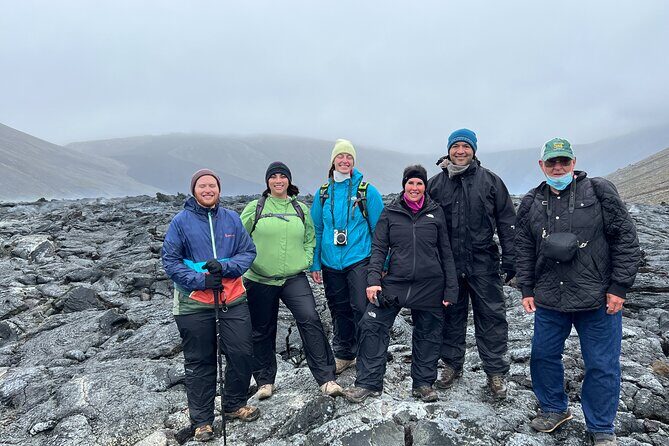
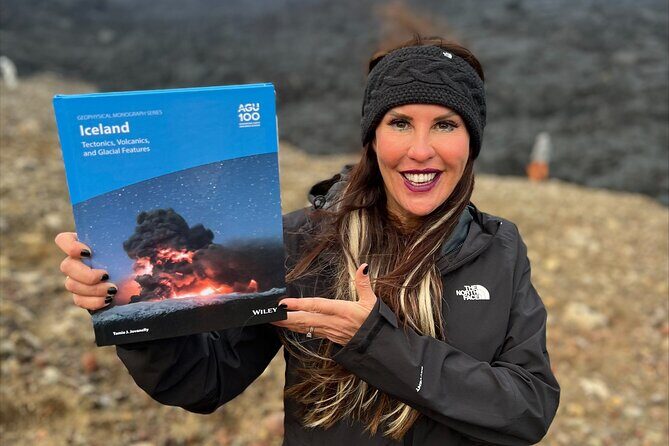
If you’ve ever tried to learn geology from a book, you know the problem: it’s hard to picture what words mean once you’re on the ground. What makes this tour feel different is the leadership. Dr. Jovanelly—an Iceland researcher since 2006 and author of Iceland: Tectonics, Volcanics, and Glacial Features—leads alongside her husband Joe Cook (Joey). They bring the same approach you’d want in a good field course: explain what you’re seeing, then help you read the clues.
You don’t need a geology background. The structure is built for mixed curiosity levels, from total beginners to people who already argue over mineral samples at parties. Expect short, clear explanations most mornings, then you’re out walking through the evidence. That rhythm matters because Iceland’s geology is visible at arm’s length—your brain doesn’t have to translate a diagram while wind tries to relocate your hat.
The small group size also changes how the tour feels. With fewer people, questions don’t get stuck in the parking lot. You can pause at a feature like a scoria crater field or a geothermal site and get a real explanation, not a rushed one.
You can also read our reviews of more guided tours in Reykjavik
Days 1–2 in Reykjavík and the Blue Lagoon: get your bearings fast
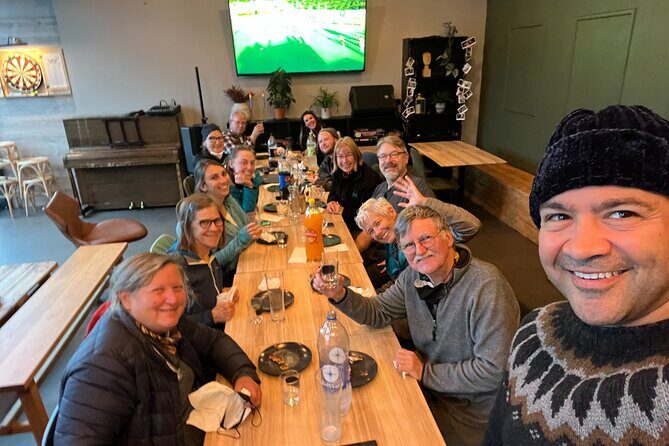
You start in Reykjavík at Gistiheimilið Sunna, Þórsgata 26, meeting at 7:00 am. Day 1 is a “get oriented” setup: a city explore time before a group meet-and-greet, then dinner together. That matters because Iceland travel can be a lot—time zones, jet lag, weather changes—and a group connection helps you settle before the geology ramps up.
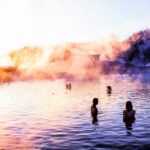
On Day 2, you ease in with the Blue Lagoon. You get an afternoon block to relax and adjust (listed as 3 hours). This is a practical choice in a tour like this: your body needs the soft landing after travel, and the lagoon also fits Iceland’s geothermal theme without turning into a lecture hall.
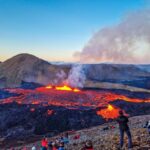
Then you pivot to recent volcanic activity at Fagradalsfjall Volcano, with about 1 hour on the ground for that “you are here” feeling. Standing near a newer eruption zone reframes everything you might have learned about volcanoes as something that keeps happening, not something locked in a textbook.
Plate tectonics day: Thingvellir, Gullfoss, and the Bridge Between Continents
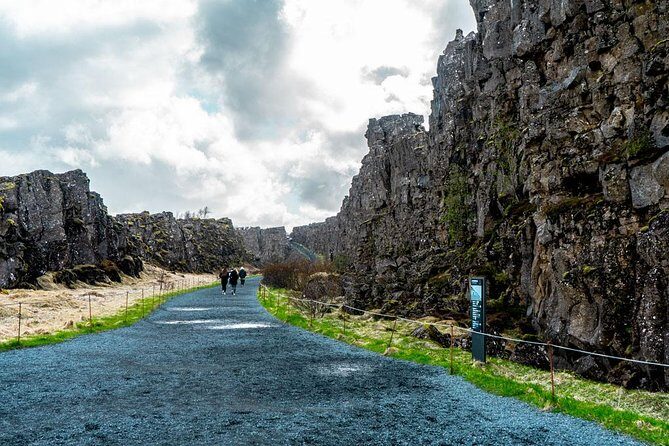
The tour’s geology story comes into focus when you hit tectonic settings. Day 4 is a highlight for anyone who loves the idea that Iceland is actively being built. At Thingvellir National Park, you focus on how plates are spreading apart—and how that movement influenced Viking-era settlement patterns. You get the kind of context that makes a national park feel like more than scenery.
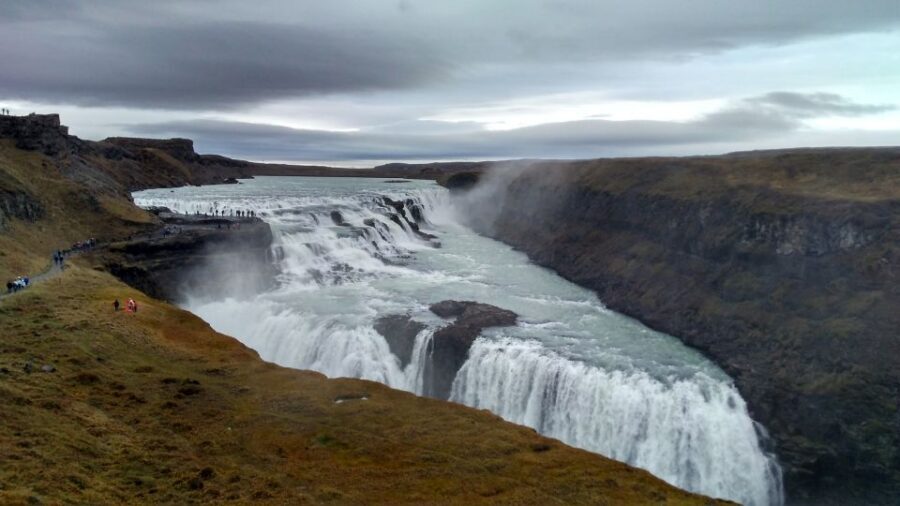
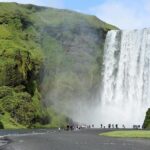
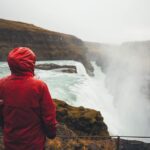
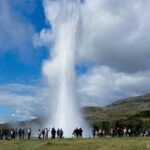
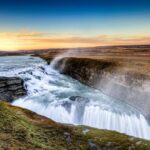
You also get variety on the same day. Gullfoss Falls is a major waterfall stop, and even if you’re there for geology, water is part of Iceland’s system: it cuts, erodes, and exposes what’s underneath. Then you finish with Geysir, where geothermal heat powers the boiling ground that creates geyser activity. It’s a great pairing: plate motion helps explain why the island has heat, and geysers show that heat in motion.
Day 3 includes a related tectonics thread as well. You visit the Bridge Between Continents, described as a visual separation between the North American and Eurasian plates. You’ll also spend time around fissure-connected features—there’s a mention of one of Iceland’s largest and deepest lakes that sits along a fissure line. Even without a name, the point is clear: Iceland’s tectonic split isn’t abstract; it’s etched into the landform pattern.
Volcanoes and geothermal engineering: Hellisheidi to Hekla
If Iceland had a theme song, it would be geothermal. Day 3’s Hellisheidi Power Plant stop adds a modern layer to the tour. You learn about geothermal energy and carbon capture projects there (about 2 hours). This is valuable because it shows you the science isn’t just for curiosity. It’s also for infrastructure and climate-focused experimentation—same planet, different application.
Later, you see volcanic terrain in the field through features like Stampar, described as a scoria crater field. It’s a shorter stop (around 30 minutes), but scoria fields are the kind of place where you start seeing how an eruption leaves a pattern you can read: fragments, crater structures, and the general “how it formed” logic.
Day 5 shifts further into volcano territory. You visit the Lava Centre to learn about volcanology through an interactive museum experience. Then comes Volcano Hekla, visited as a shadow-and-history lesson of sorts: you sit in its presence and learn about the volcano’s recent activity. Even if you don’t memorize dates, this combination helps you connect Iceland’s older volcanic behavior with what’s still active today.
One practical note: volcano and geothermal days can feel long because conditions change quickly. Dress for wind and wet, and don’t assume weather will stay consistent between stops.
Glacier-top hiking, ice lagoons, and the basalt reveal at Dettifoss
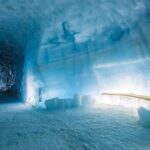
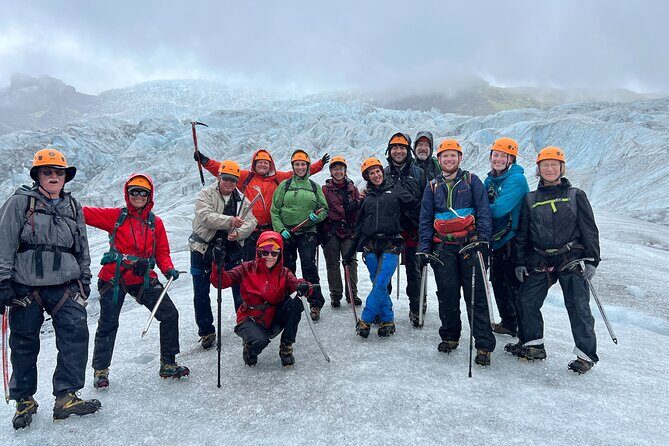
This is where the tour turns from geology lesson to full-on “field adventure.” Day 6 includes a guided hike on top of a glacier in a 3-hour guided segment, with an overall block listed as 4 hours. After the hike, you get a wine and cheese reception while you’re still buzzing from the effort (listed as 1 hour). That combination is more than cute: it’s a reward that also keeps the group energy positive after a physically demanding day.
Day 7 continues the ice theme through three different water-and-ice perspectives:
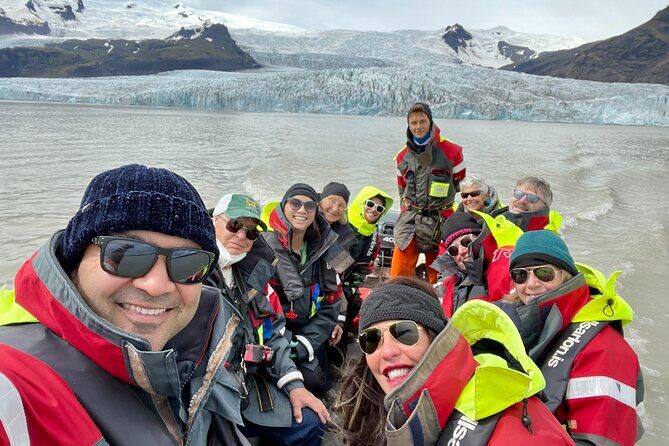
- Fjallsárlón Iceberg Lagoon: about 2 hours, with ice and glacier views from the water side
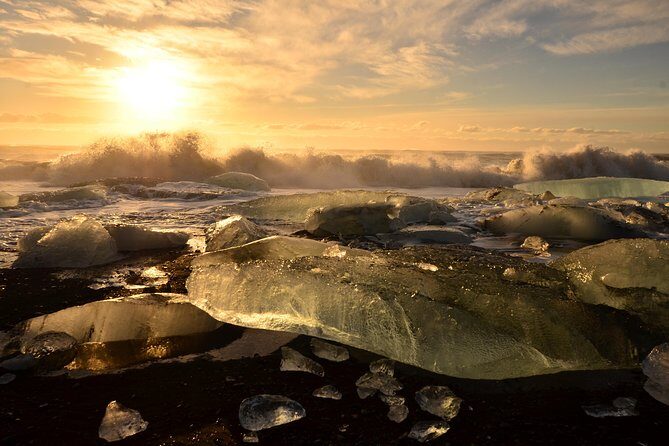
- Diamond Beach: about 2 hours, seeing icebergs where they wash ashore
- Jökulsárlón: about 2 hours, with iceberg scenery, seal viewing opportunities, and food vendors (hot dog mentioned)
The value here is variation. Iceland’s ice looks different when you’re watching it float, then when it’s ground into shore-level drama. You also get the chance to slow down and look longer, which helps you notice how the ice shapes relate to the movement and melting process.
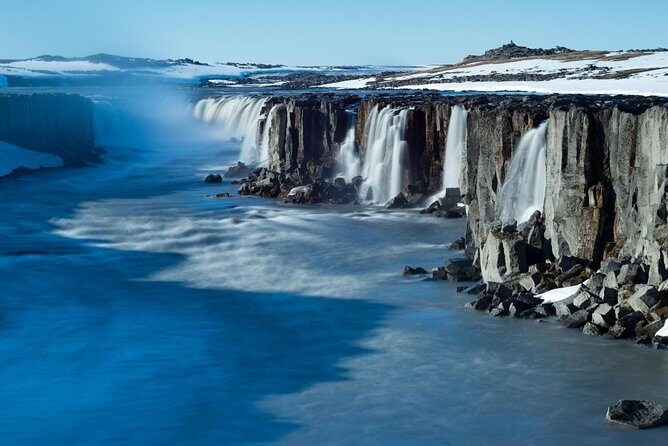
Then Day 8 hits Dettifoss, described as a massive waterfall exposing columnar basalt. This is one of those stops where you understand geology not as a concept, but as architecture. Columnar basalt forms distinct, readable columns, and a powerful waterfall can cut straight through it to reveal how the rock structured itself.


Northern Iceland craters and lava formations: Hverfjall to Dimmuborgir
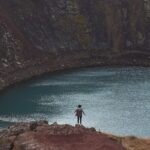
Day 9 is about explosion craters, pseudo craters, and lava systems that don’t always behave the way you expect. You start with Hverfjall, an impressive explosion crater (about 1 hour). Then you go to Skútustaðagígar, where you learn about pseudo craters and how they impacted Viking life. The tour framing matters here: you’re not only learning how a crater forms, you’re connecting it to what people built and survived around.
After that, you explore Dimmuborgir Lava Formations with a guided tour for about 2 hours. This area has a debated origin, and the tour keeps that uncertainty in the conversation instead of pretending there’s one tidy answer. That’s exactly what good science communication looks like: you learn the possibilities and what evidence suggests.
The free day in Akureyri: recover and choose your own pace
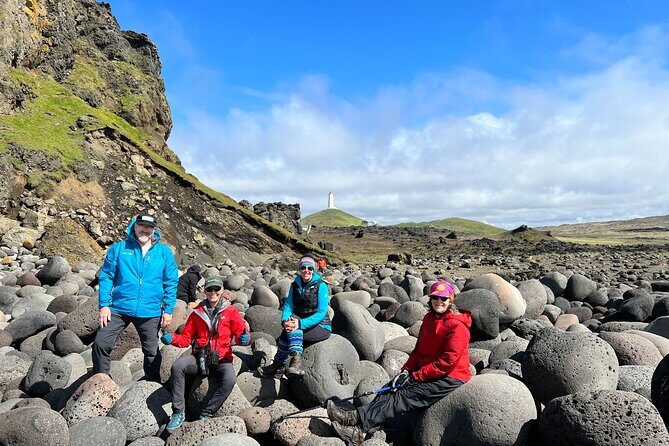
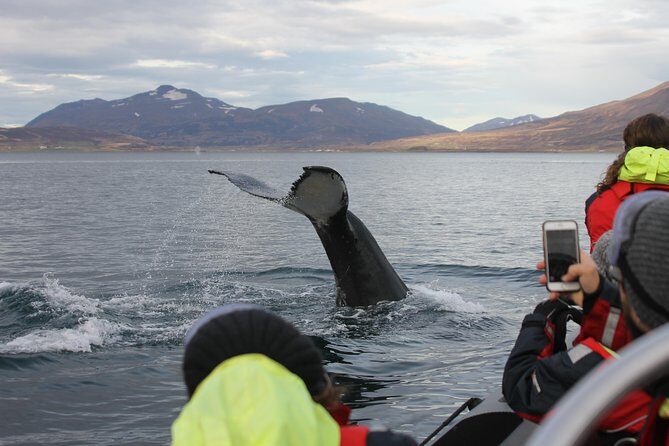
On Day 10, you get a free day in Akureyri. The schedule lists 1 hour, but the spirit of the day is clear: you can rest, shop, go whale watching, do birding, or just take the day slowly. This is a smart pressure-release valve in a 13-day trip that otherwise has you stepping out the door every morning.
Even if you don’t plan a full excursion, you’ll appreciate having a day where you can eat at your own tempo and revisit a view without worrying about the next geology stop.
Stykkishólmur and the Water Museum: glacier memory in art form
Day 11 heads to Stykkishólmur and includes an art installation at the Water Museum that pays respect to glaciers past and present (about 1 hour). This is one of those moments that broadens the tour’s meaning. You’ve been looking at physical evidence; now you see how humans interpret and respond to change. It’s a good pairing with the rest of the trip’s ice-focused content—especially after days around ice lagoons and glacier formations.
Snæfellsnes and Vatnshellir: stratovolcano views and a lava tube finale
Day 12 is your grand finale of sorts, mixing iconic volcanic scenery with underground geology. First is Snæfellsnes, where clear skies can bring views of the stratovolcano (about 2 hours). You’re trying to catch the mountain in a clean-weather window, which is why flexibility matters on the last stretch.
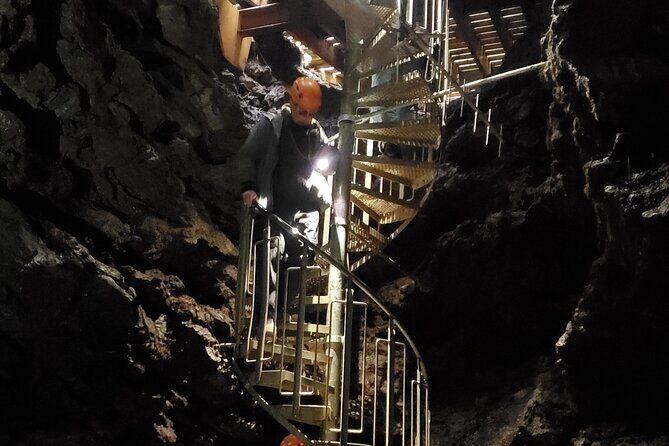
Then you explore Vatnshellir Lava Cave (about 2 hours). A lava tube experience changes how you understand volcanic systems. Instead of only seeing what erupts and spreads out, you also see what happens when lava empties and leaves a hollow structure behind.
Finally, you visit Snæfellsjökull National Park and the glacier for about 2 hours. The point isn’t just the final photo—it’s the full circle of volcanic origins, ice coverage, and the way Iceland’s surface patterns keep evolving as conditions change.
Reykjavík again on Day 13: easy closure before departure
Day 13 brings you back to Reykjavík for about 1 hour to explore before your departure. It’s a quiet wrap-up day, which makes sense after long days of walking, wind, and shifting weather. You finish where you started, but now you’ll see more than you did on Day 1. Even a simple street view becomes a reminder that the ground under you is actively shaped.
Price and logistics: what $9,200 buys you (and what to watch)
At $9,200 per person for a 13-day tour, this isn’t a budget trip. The value comes from two big things the schedule emphasizes: included excursion fees and a highly specialized guide team.
For many travelers, the included parts are the practical win. When admissions and excursion fees are built in, you avoid the endless day-by-day friction of paying separately for museums, geothermal sites, and guided activities. That matters even more when your days are tightly planned.
The other value piece is the guide approach. Dr. Jovanelly doesn’t just “explain geology”; she uses the kind of field-guide framing that helps you learn how to interpret evidence. You also get pair guidance from Dr. Jo and Joey, which tends to improve the pace of explanations and question handling.
The main logistical watch-out is the tour’s structure around good weather. It explicitly requires good weather, and if it’s canceled because of poor conditions, you’re offered a different date or a full refund. Also, it’s early-start heavy (7:00 am meeting time), and the active components (like glacier-top hiking) mean you’ll want to pack smart and plan for some physical days.
Who this tour fits best
This works especially well if you:
- want an Iceland trip with a strong geology focus but don’t want to feel left behind
- like guided, small-group learning more than self-driving and random reading
- enjoy active travel: short hikes, caves, craters, and iceberg scenery that rewards you for paying attention
If you prefer a mostly relaxed sightseeing pace, you might find the nonstop geology stops a bit much. This is built for people who like learning while moving.
Should you book? My take
I’d book this if your idea of a great Iceland trip includes understanding the “why” behind the “wow.” The combination of Dr. Jovanelly’s field-guide approach and the hands-on stops—volcanoes, tectonic splits, geothermal systems, glaciers, caves—makes the learning feel earned, not tacked on.
I wouldn’t book if you want a slow, low-effort vacation or if you’re not comfortable with weather-driven changes and active days. But if you’re game for brisk mornings, real walking time, and a tour that treats geology like a live story, this one looks like a top-tier match.
FAQ
How long is the Iceland Geology Adventure tour?
It runs for 13 days (approx.).
What does the price include?
The tour states that many excursion fees are included in the price, and multiple stops list admissions as included.
Do I need a geology background to join?
No. The tour specifically notes that a geology background is not necessary.
How big is the group?
The tour lists a maximum of 16 travelers.
What time and where do we meet?
Start time is 7:00 am, and the meeting point is Gistiheimilið SunnaÞórsgata 26, 101 Reykjavík, Iceland.
What kinds of activities are included?
You’ll see geothermal sites and power projects, visit an interactive volcanology museum, hike on top of a glacier (guided), explore an Iceland lava cave, and spend time around iceberg lagoons and major waterfalls.
Is a mobile ticket used?
Yes, the tour includes a mobile ticket.
What happens if the tour is canceled?
It’s non-refundable and can’t be changed. If it’s canceled due to poor weather, you’ll be offered a different date or a full refund. If it’s canceled because the minimum number of travelers isn’t met, you’ll be offered a different experience/date or a full refund.