One peninsula. One nonstop day.
I love how this tour stacks big scenery into a single, efficient loop, mixing wild seals with some of Iceland’s most iconic rocks. You also get a guide who turns geology and folklore into something you can actually picture, not just facts in the air.
My favorite part is the sequence of coasts: black sand, basalt towers, and cliffside villages all in a row. It’s also a small-group format, and the bus time feels less like waiting and more like the warm-up act for what you’ll see outside.
The main drawback is simple: it’s a long day. You’ll be in a vehicle for a lot of hours, so if you hate car time or struggle with cold/wet weather, plan to dress aggressively and keep expectations realistic.
In This Review
- Key highlights worth getting excited about
- The vibe: a full Snæfellsnes day that feels like “Iceland, condensed”
- Borgarnes drive: fjord scenery and a quick Viking-time break
- Ytri Tunga seals: the easiest “wow” of the day
- Búðir and Búðakirkja: a lava-field village with a tiny church
- The coastline stretch: Hellnar Arch, cliffs, and Bárður stories near Arnarstapi
- Djúpalónssandur black sand: shipwreck mood and a slower kind of awe
- Lóndrangar: 75-meter basalt towers and seabirds overhead
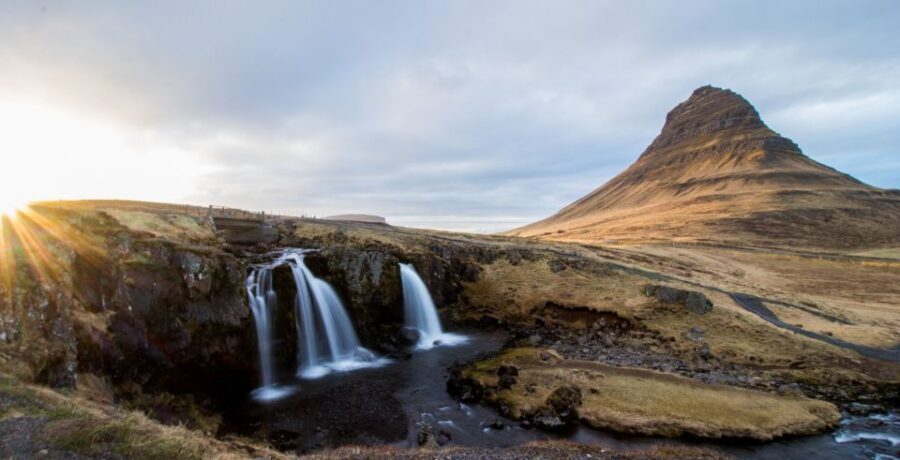
- Kirkjufell: the famous mountain, plus a mirror-lake photo moment
- Price and value: is $159 a fair deal for a 12-hour circuit?
- What to bring (and what to do with your time)
- Who this tour suits best (and who should think twice)
- Should you book Snæfellsnes Small-Group Hidden Treasures?
- FAQ
- What time should I be ready for pickup?
- How long is the Snæfellsnes tour?
- Is the guide English-speaking?
- What major stops are included?
- What should I bring?
- Is Wi-Fi and music included on the bus?
- What if I need to cancel?
Key highlights worth getting excited about
- Ytri-Tunga seal colony where you can spot curious seals lounging on rocks near the shoreline
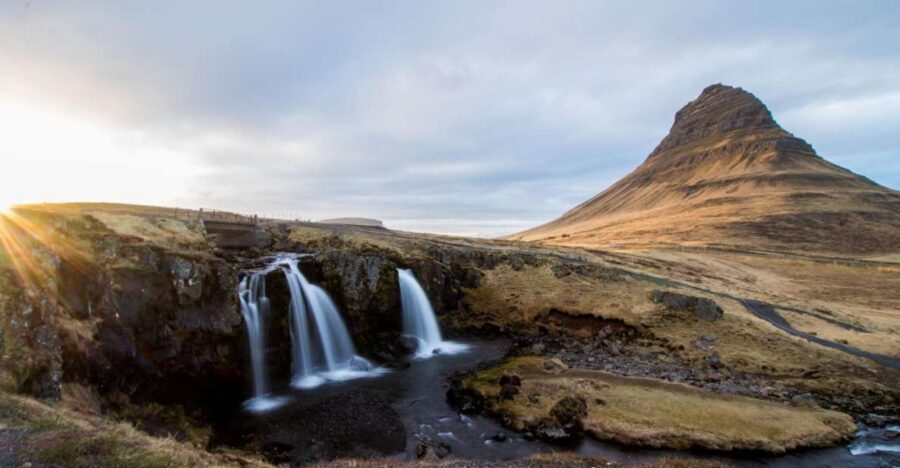
- Kirkjufell + the mirror lake photo payoff built right into the stop
- Lóndrangar basalt pinnacles (75-meter towers) with seabirds in the mix
- Arnarstapi fishing village coastline featuring stone arches, cliffs, and a marine geyser
- Búðir’s Black Church of Búðir at the edge of lava fields, with a quick but memorable stop
- Djúpalónssandur black-sand beach plus nearby birdwatching views at Dritvík Cove
The vibe: a full Snæfellsnes day that feels like “Iceland, condensed”
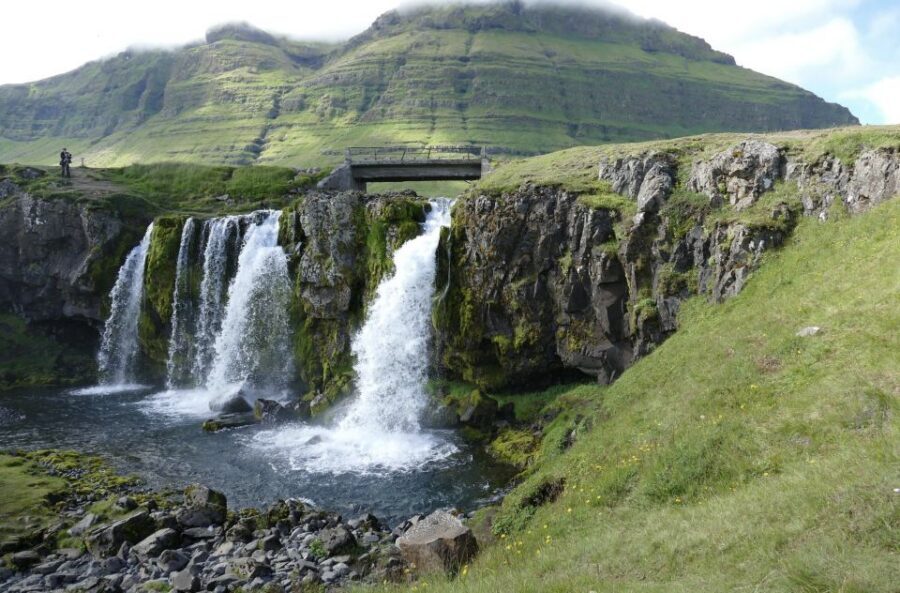
This is the kind of day trip I like: you don’t just see one famous place. You hit a chain of dramatic sites on Snæfellsnes, from lava fields to black beaches to Kirkjufell’s classic silhouette.
What makes it work is the pacing. Stops are spaced so you’re not stuck at one location for hours, and you still get enough time to walk, take photos, and soak in the sounds—waves, wind, and the occasional bird call.
Also, guides bring the day to life. People mention storytellers like Tania, Elias, David, Korinna, Gill, Jacob, and Ronan. The common thread: they keep the mood fun and the explanations practical, with enough folklore and history to make the scenery feel connected.
You can also read our reviews of more tours and experiences in Reykjavik.
Borgarnes drive: fjord scenery and a quick Viking-time break
You start in central Reykjavik and roll west early. The drive is a big chunk of the day, but it’s not wasted time. You’ll pass through the Borgarnes area, including fjord scenery and mountain viewpoints along the way.
Borgarnes itself is a useful break stop. It’s a chance to stretch, grab coffee or a snack, and reset before you head deeper into Snæfellsnes. The area matters culturally too: it was among the early Viking settlement points when Norse settlers arrived in Iceland.
Practical tip: since you’ll get only a short break here, I’d use it to take care of the basics—water, warm layers, and a quick bathroom stop—so you can enjoy the longer walks later.
Ytri Tunga seals: the easiest “wow” of the day
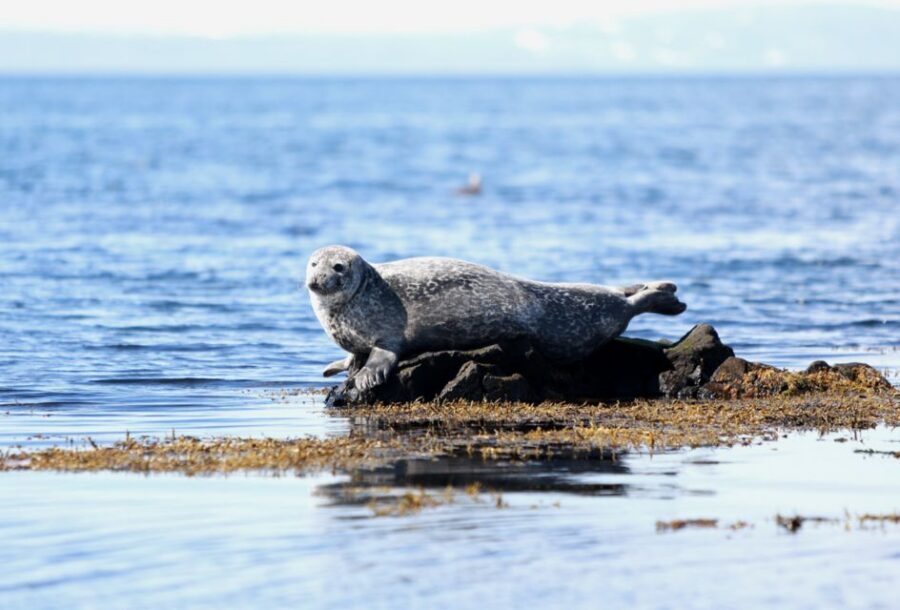
Ytri-Tunga is where the tour earns its bragging rights fast. This sandy beach hides a seal colony. The seals hang out on the rocks near the shore, often looking calm and curious.
From your viewing spot, you’re likely to see seals hauled out above the waterline, sometimes watching you as you watch them. They can look bold at a distance, but the key is that you stay respectful and don’t try to crowd the edge.
It helps that the cultural attitude here has shifted over time. In the past, seals were killed for food or even fashion-related uses. Today, Icelanders generally see seals as part of the natural and cultural landscape, and visitors are encouraged to observe.
What you should do: wear warm layers and keep your camera ready. Seal sightings are not guaranteed in the sense of a zoo, but the odds are good enough that this stop is usually one of the most memorable.
Búðir and Búðakirkja: a lava-field village with a tiny church
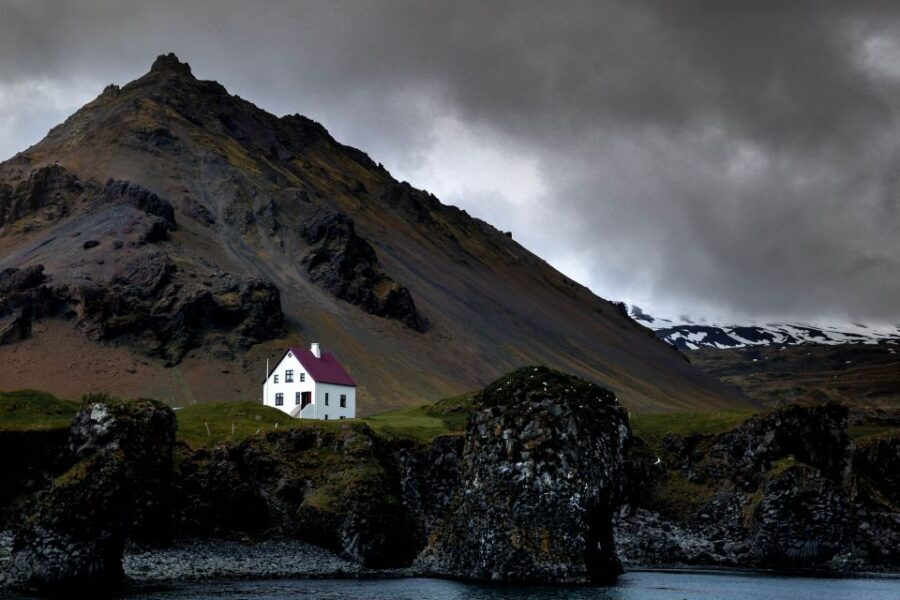
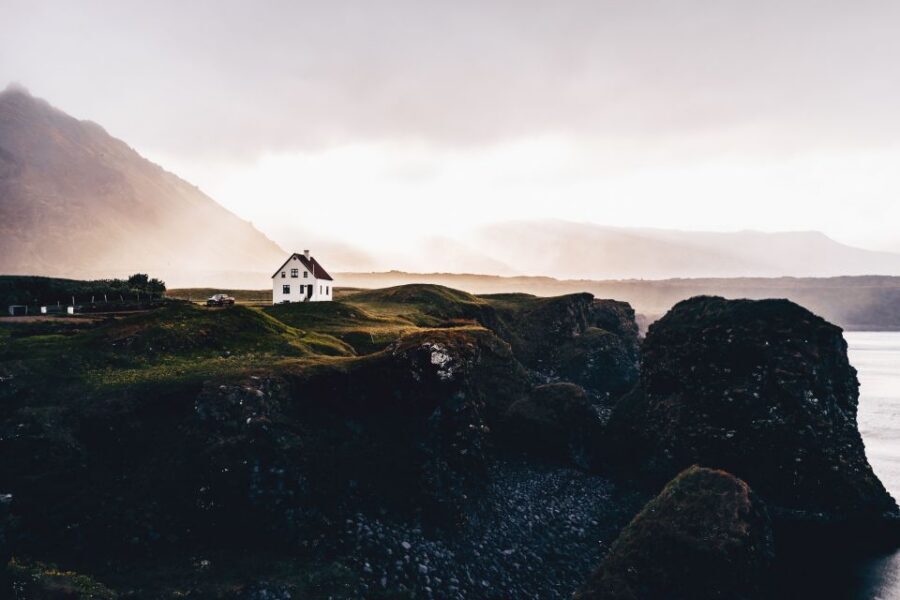
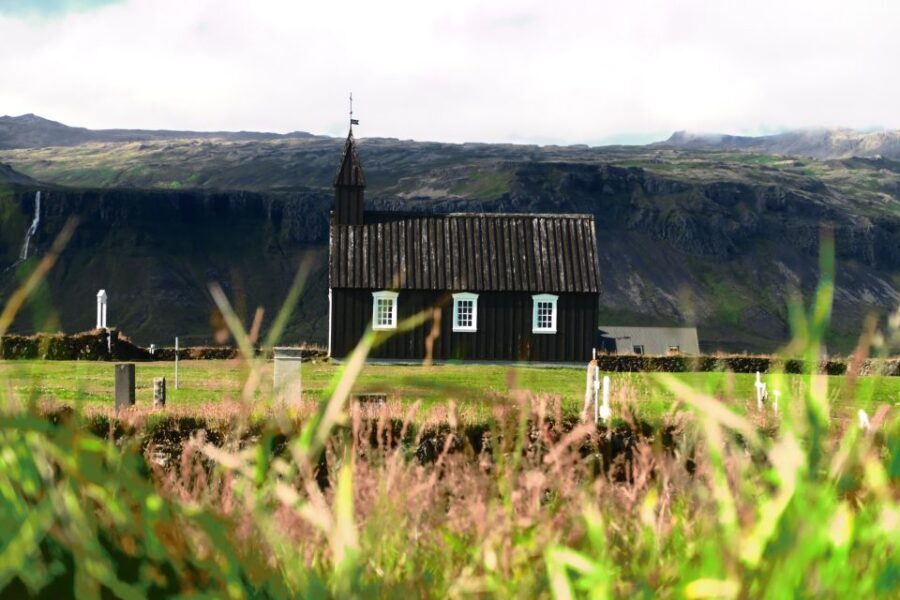
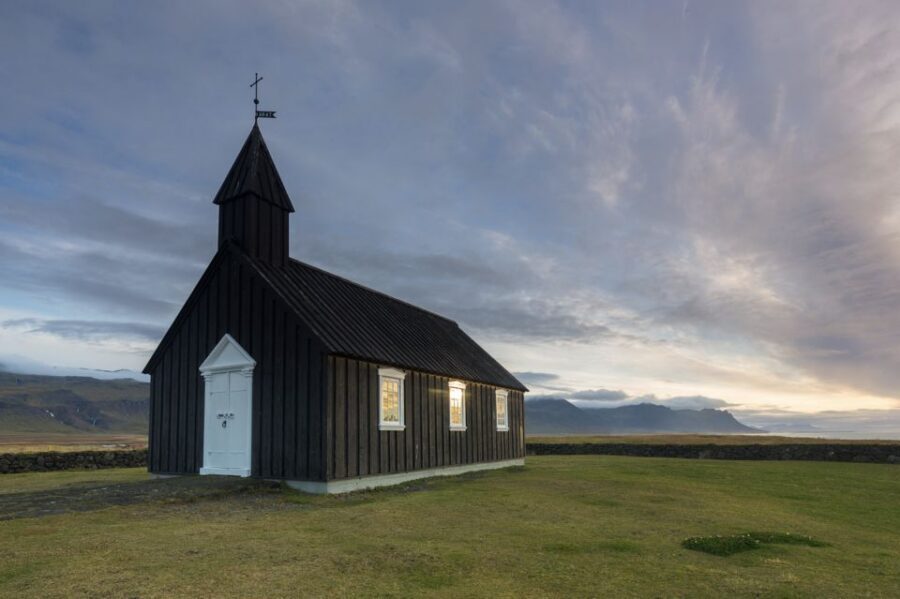
Next comes Búðir, a village historically connected to lava terrain—its old name points to a harbor of lava. Today, the feel is quieter and more focused: there’s a small wooden black church called Búðakirkja, often called the Black Church of Búðir.
This is a short stop, but it works. You’re moving through lunar-looking lava fields, and then suddenly there’s this modest church building that gives you a human scale moment. Even if you’re rushing for photos, you’ll want a minute to stand back and take in how the structures and terrain relate.
There’s also a modern Hotel Búðir nearby, so you’re not in total isolation. The point of the stop is the atmosphere—lava country, sea air, and a church that looks like it belongs there.
Practical tip: even on a bright day, Búðir can feel exposed. Pack a beanie and waterproof outer layer, because wind here has a talent for finding gaps.
The coastline stretch: Hellnar Arch, cliffs, and Bárður stories near Arnarstapi
After the lava-town pause, the tour pivots into coastal walking country.
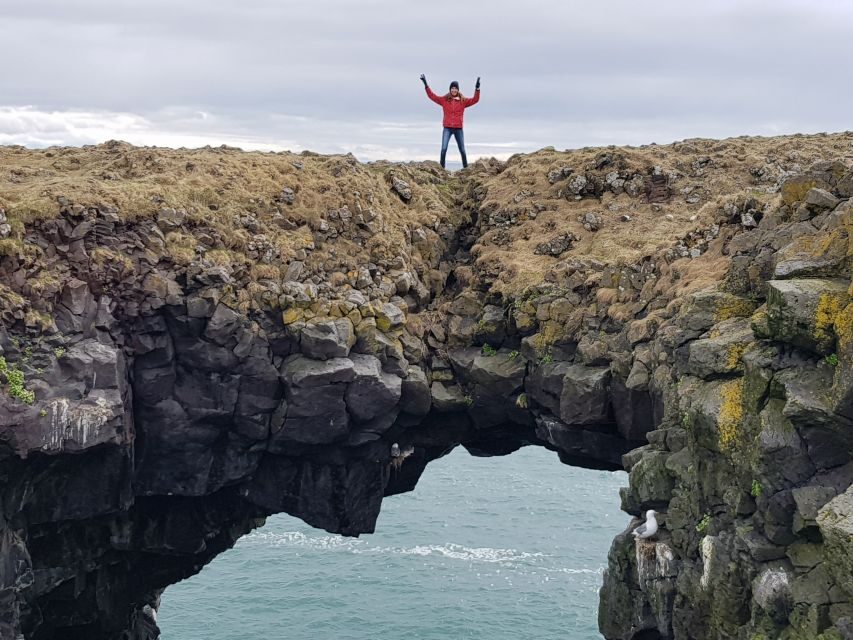
You’ll visit a naturally formed stone arch called Gatklettur, also known as Hellnar Arch. It’s one of those Iceland features that looks engineered even though it’s pure erosion. It’s especially rewarding for photography, because you can frame the arch against the sea and sky in a way that’s hard to fake.
Then you reach Arnarstapi, a fishing village tucked along dramatic coastal cliffs. This part of Snæfellsnes feels like a movie set made of basalt and Atlantic waves. You can see stone arches carved over time, and there’s also a marine geyser in the rock formations area—when waves hit at the right angle, water shoots up with surprising force.
A bonus is the storytelling. You’ll hear the local character Bárður, the half-man half-troll, and the kind of folklore that gives names and meaning to coastal shapes.
What to expect on foot: uneven ground and wind. This is not a flat promenade stop. If you have hiking shoes, use them. If your footwear is more “city sneakers,” plan to move slowly and stick to safer footing near viewpoints.
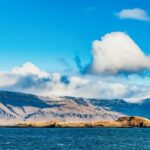

Djúpalónssandur black sand: shipwreck mood and a slower kind of awe
Djúpalónssandur is a black sand beach that looks both stark and dramatic. The shore is lined with volcanic pebbles, and the beach has a mysterious feel, boosted by shipwreck remains and the landscape’s long memory.
Nearby is Dritvík Cove, which is known for big scenery and birdwatching opportunities. Even if you’re not a hardcore birder, it’s the kind of stop where you’ll feel like the coast is doing its own thing while you watch.
This is also a good moment to slow down. The tour has a rhythm—walk, photo, move on—but at Djúpalónssandur you’ll likely want to take a bit more time with the textures: black pebbles underfoot, wave lines, and the way the light shifts on the rocks.
Practical tip: black-sand beaches can be colder than they look. Your feet will feel the temperature through your shoes, so warm socks matter more than you’d think.
Lóndrangar: 75-meter basalt towers and seabirds overhead
Lóndrangar are the star rock formations for a reason. These are two massive basalt pinnacles, about 75 meters high, left behind from ancient volcanic activity. They rise so tall that they feel like landmarks from almost anywhere on the southern coastline.
At the stop, you’ll have time for photos and a walk around the area. On a good day, you can see seabirds circling or perched. The area is known for seabird variety, including northern fulmars and puffins.
Caution that’s practical, not dramatic: puffins are not guaranteed on any single visit. Weather and timing matter. But the formations themselves are still the whole point, and they don’t disappoint even in grey skies.
If you want the best photos: look for angles that show scale—get something in the frame that helps you understand how big these towers are compared to people and the coastline.
Kirkjufell: the famous mountain, plus a mirror-lake photo moment
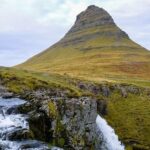
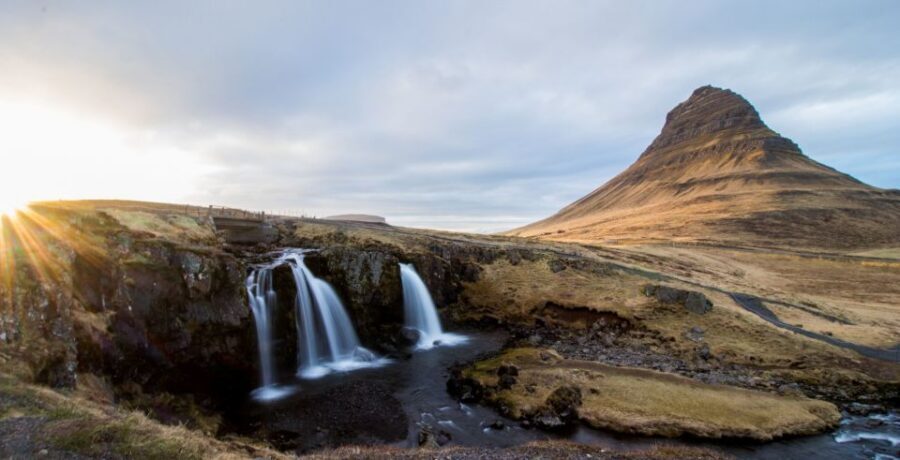
If Snæfellsnes has one “everyone recognizes this” icon, it’s Kirkjufell. The mountain is often featured in pop culture, but in person it hits differently because of its simple, sculptural shape.
The stop includes time to walk, look around, and take photos. A big payoff here is the lake at the bottom area, which can reflect Kirkjufell like a mirror—one of those classic Iceland scenes that looks almost unreal until you’re standing there.
This stop is also where wind can be intense. When you’re doing photos, watch your footing on damp ground, and keep an eye on where you step rather than where your camera points.
My advice: plan to take multiple shots. The reflection can change quickly with light and water movement, and sometimes the best one is not the first one you try.
Price and value: is $159 a fair deal for a 12-hour circuit?
At $159 per person for a 12-hour day, the value comes from how much you get done without having to plan roads, timings, and stop logistics yourself. You’re paying for transport, an English-speaking guide, and a day that hits multiple distinct coastal environments.
The included items are small but helpful: Wi‑Fi and Icelandic music on the bus keep the vibe going between stops. More important is what the guide brings—context for what you’re seeing. When someone explains how these formations formed, or why certain folklore belongs to a coastline, the scenery becomes easier to remember.
Also, the group format matters. In a larger setup, you’d spend more time waiting at buses and less time walking and photographing. Here, the stops are set up so you can actually use the time.
So yes: I think it’s good value if you want a “big day” in Iceland’s west without the stress of renting a car.
What to bring (and what to do with your time)
This tour asks for basic outdoor readiness. Bring warm clothing, hiking shoes, and rain gear. Even if the forecast looks decent, Iceland weather can change mid-drive.
During each stop, I’d do a simple routine:
1) take one wide shot early (get the composition),
2) then walk slowly for angles,
3) then return for close-ups once you see where the light is best.
That way you won’t feel rushed, even when weather pushes you to move.
And if you like comfort: the bus is generally described as comfortable. One downside isn’t the company’s fault—it can happen that a guest’s behavior affects everyone’s comfort. Still, you can control your own experience with layers, patience, and good footwear.
Who this tour suits best (and who should think twice)
This Snæfellsnes day is ideal for you if you want:
- a single-day hit list of Iceland highlights
- coastal walking with short, manageable stops
- stories tied to geology and folklore
- a guide who keeps the day entertaining, like people describe from Tania and Elias
It’s less ideal if you:
- hate long days in a vehicle
- can’t handle uneven ground or cold wind
- need lots of downtime between stops
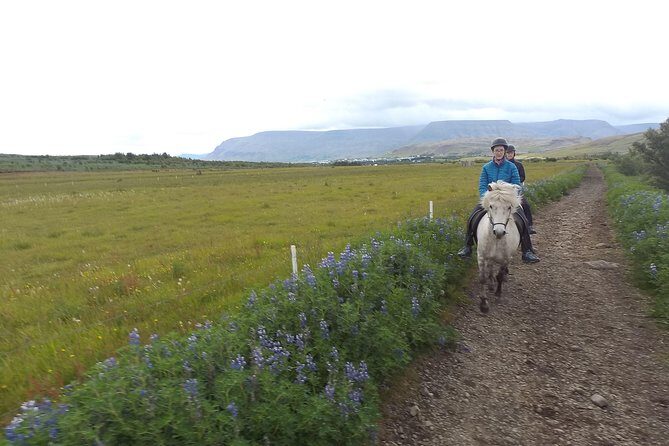
One more note from real-world experience: if weather turns rough, the schedule can still work—on at least one occasion, the day included extra time for an additional stop to meet Icelandic ponies when conditions were snowy. That’s not something to count on, but it hints at the guide’s flexibility when the road gets tricky.
Should you book Snæfellsnes Small-Group Hidden Treasures?
If you’re visiting Iceland and you want a west-coast day that covers real variety—seals, lava, arches, black sand, giant basalt towers, and Kirkjufell—this is a strong choice. The $159 price feels reasonable because the tour delivers a full loop with guide storytelling and well-timed photo/walk breaks.
Book it if you’ll wear the right layers and you’re okay with a long day. Skip it if you’re hoping for a relaxed, slow-paced nature stroll with lots of free time and minimal driving.
For most people doing a first Iceland visit, this is the kind of day that makes you feel like you “earned” the scenery—one stop at a time.
FAQ
What time should I be ready for pickup?
You should be ready at 8:00 AM at your designated pick-up location. The pickup process usually takes 30 minutes.
How long is the Snæfellsnes tour?
The tour duration is 12 hours.
Is the guide English-speaking?
Yes. The tour includes an English-speaking guide.
What major stops are included?
The day includes stops around Snæfellsnes such as Borgarnes, Kirkjufell, Djúpalónssandur, Lóndrangar, Arnarstapi, Búðir (including the black church area), and Ytri Tunga for the seal colony.
What should I bring?
Bring warm clothing, hiking shoes, and rain gear.
Is Wi-Fi and music included on the bus?
Yes. Wi‑Fi & Icelandic music are included.
What if I need to cancel?
You can cancel up to 24 hours in advance for a full refund.