REVIEW · REYKJAVIK
Small Group Golden Circle Tour w/ Kerid & Tomato Farm Visit
Book on GetYourGuide →Operated by David The Guide Iceland · Bookable on GetYourGuide
Golden Circle tours are everywhere, but this one adds two big reasons to care. You get the classic sweep through Þingvellir, the geysers, and Gullfoss, then you tack on Kerid’s crater lake and a stop at the Fridheimar Tomato Farm. Two things I really like: the small-group pace that keeps you moving without feeling rushed, and the mix of geology plus real-world food growing in Iceland. One drawback to consider is that the day still has moderate walking, and weather can change fast—so you’ll want proper layers and shoes.
I also like how the plan is built around moments you can actually see. Strokkur erupts every few minutes, and Kerid gives you both rim views and a closer look down at the crater colors. If you’re hoping for a relaxed day with zero walking and no cold-weather discomfort, this isn’t that kind of tour.
Finally, you’re not getting lunch included, so your energy has to come from you (or a snack you bring). And while most stops are steady, one specific farm stop can occasionally disappoint if arrangements change—so keep expectations flexible about the tomato part of the day.
In This Review
- What to know before you go on this Golden Circle plus Kerid + tomato day
- How the day flows: Þingvellir, geysers, waterfall, tomatoes, Kerid
- Þingvellir National Park: walking between tectonic plates and politics
- Geysir geothermal area and Strokkur eruptions: how to time your photos
- Gullfoss waterfall: feeling Hvítá plunge into the canyon
- Fridheimar Tomato Farm: greenhouse farming as a survival skill
- Kerid Crater: rim panoramas and the colored slopes up close
- Small-group pacing from Reykjavik: comfort, pickup points, and timing
- Price and value: what $115 gets you for an 8-hour day
- Who this tour is best for (and who should skip it)
- Quick packing checklist that actually helps
- Should you book this Golden Circle + Kerid + tomato farm tour?
- FAQ
- How long is the tour?
- What locations are included in the Golden Circle portion?
- Is the Fridheimar Tomato Farm included, and is it a meal stop?
- What is Kerid Crater like on the tour?
- Does the tour include hotel pickup and drop-off?
- Is lunch included in the price?
- What should I bring with me?
- Is the tour wheelchair accessible?
- What time do Strokkur eruptions happen?
- What language is the guide?
What to know before you go on this Golden Circle plus Kerid + tomato day
- Small-group minivan comfort: an air-conditioned vehicle designed for a more personal feel than huge buses
- Strokkur timing: eruptions happen every few minutes, and you’ll be at the Geysir geothermal area to catch it
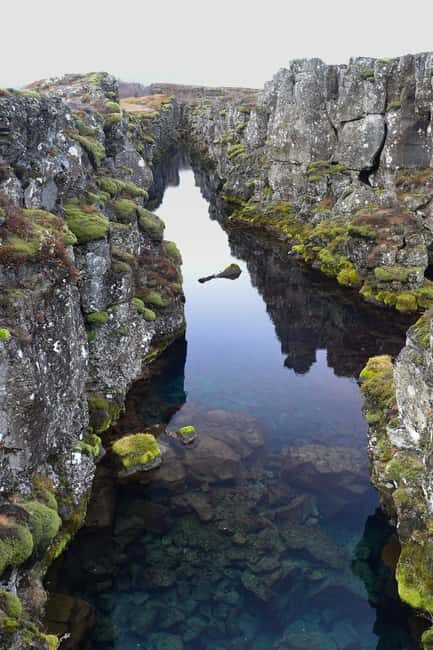
- Þingvellir on the plates: walk between North America and Eurasia while learning about the Alþingi parliament site
- Fridheimar is a greenhouse visit only: you’ll tour how tomatoes are grown with sustainable practices, not dine there
- Kerid crater walk: both the rim for panoramic views and a descent for the crater colors and rock formations
- No lunch included: you’ll want a snack plan so the long day doesn’t wear you down
How the day flows: Þingvellir, geysers, waterfall, tomatoes, Kerid
This is an 8-hour full-day loop from Reykjavik, designed to hit the Golden Circle highlights in a logical order. Expect hotel pickup and drop-off, travel in a small-group minivan, and a professional English-speaking guide. The pacing is built around three big natural attractions (Þingvellir, Strokkur/Geysir area, and Gullfoss), then two “add-on” stops that give the day extra texture: Fridheimar Tomato Farm and Kerid Crater.
The first half of the day leans heavily into geology and Iceland’s big forces—plates shifting and volcanic heat doing its work. The second half shifts to a quieter kind of fascination: how farming works in Iceland’s harsh conditions inside a greenhouse, and how a volcanic crater lake can look almost painted.
If you’re the type who likes to compare viewpoints—one stop from multiple angles—this itinerary sets you up well. You walk at Þingvellir and along paths at Gullfoss and Kerid, then you get a change of pace with an indoor/outdoor farm visit.
A few more Reykjavik tours and experiences worth a look
Þingvellir National Park: walking between tectonic plates and politics
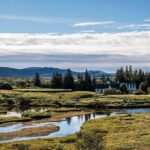
Þingvellir National Park is UNESCO-listed, and it’s one of those rare places where the scenery and the human story are tied together. You’ll start by walking between the tectonic plates of North America and Eurasia, which means you’re not just looking at Iceland—you’re standing where the ground is actively separating.
This is also where the Alþingi came into the picture. Iceland’s early parliament is part of the park’s history, so your guide has a chance to connect the physical geography to the way people organized society there long ago. It adds meaning to the walk: you’re moving through a place that shaped decision-making, not just a scenic viewpoint.
What to watch for: the ground can be uneven, and the weather can shift quickly even if Reykjavik looks calm. Bring comfortable shoes with real traction. Also, plan to dress for wind and cold; layering is your friend.
Possible drawback: if you’re expecting a short photo stop with minimal walking, Þingvellir will feel like work. But if you like being out of the van and actually moving through the site, this is one of the strongest parts of the day.
Geysir geothermal area and Strokkur eruptions: how to time your photos
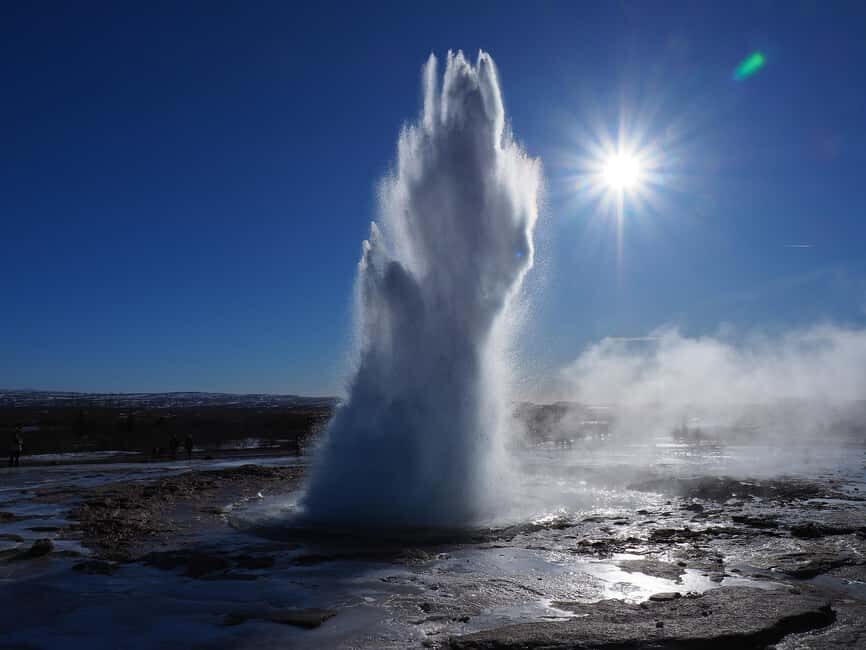
After Þingvellir, you’ll head to the Geysir geothermal area. This is where the earth’s heat shows off, and where Iceland’s geothermal drama is easiest to witness. The star is Strokkur. According to the tour details, Strokkur erupts every few minutes, shooting boiling water up to around 30 meters.
In practice, that eruption rhythm changes how the stop feels. You’re not waiting helplessly for one event and hoping you’re lucky. You can watch, pause for photos, then reposition slightly and catch another eruption. Your guide can also explain what you’re seeing, which helps the geyser feel less like a random trick and more like a system.
One thing to prepare for: steam and mist. It doesn’t just make the air feel warmer and wetter—it can also affect your camera lens and your comfort. A hat or hood can help keep spray off your face, and a microfiber cloth for glasses is never a bad idea.
This is also a great place for a quick mental reset. Þingvellir is about the plates and history; the geysers are about physics in real time. Together, they make the morning feel like a full story instead of separate stops.
Gullfoss waterfall: feeling Hvítá plunge into the canyon
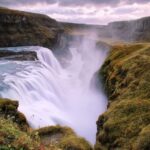
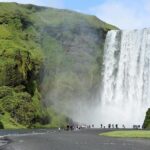
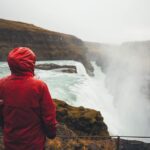
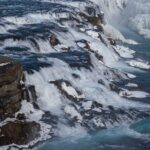
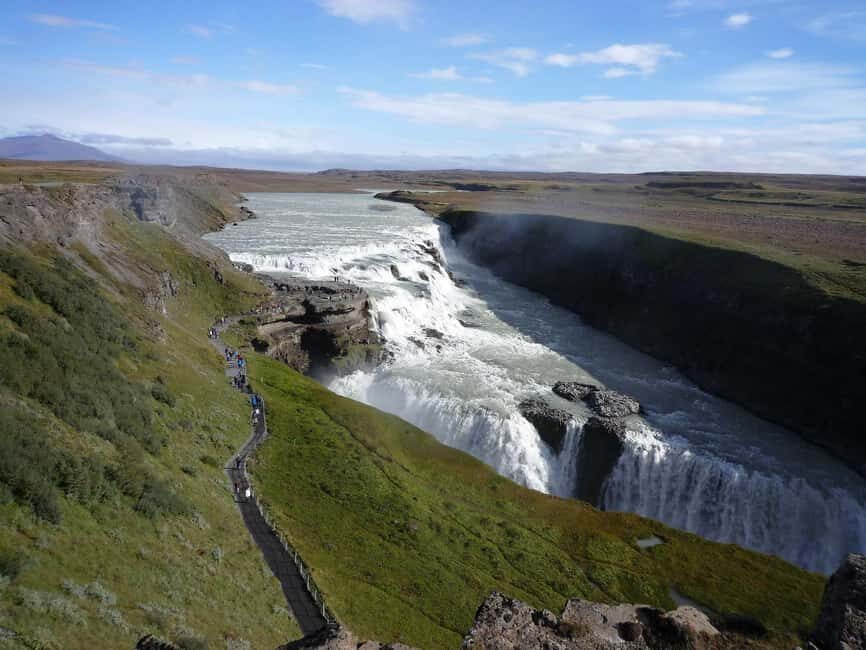
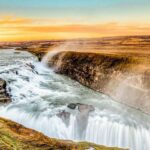
Gullfoss is the Iceland icon that earns its reputation. You’ll visit where the Hvítá river plunges into a deep canyon, and you’ll walk viewing paths to experience it from different angles. The tour highlights mention feeling the mist as the water falls, which is the part people often underestimate.
Bring layers you can handle when you get damp. Even if the temperature is fine at the start of the walk, the spray can chill you later. Also, expect wind. Gullfoss is a power station for weather as much as for water, so being prepared matters more here than at a calm city stop.
The viewing paths are your best friend. If you only look from one spot, you miss the full effect of the canyon drop and the changing water texture. Since this tour builds in time to explore the paths, you’ll get that sense of scale without needing to sprint to the next viewpoint.
Possible drawback: this stop is popular, and you can feel the crowd energy around the viewpoints. The small-group format helps a bit, but you should still plan to share the space and keep your footing.
Fridheimar Tomato Farm: greenhouse farming as a survival skill
Then you pivot to something totally different: the Fridheimar Tomato Farm. This is a visit only, not a tour with meals or a long sit-down experience. Your focus is on how tomatoes are grown in Iceland and why sustainable practices are crucial there.
The tour description is clear that you’ll visit the greenhouse. That matters because it’s the real work of growing food in a place where cold weather and limited growing seasons are the norm. Tomatoes don’t just happen. They need control—light, temperature, and the whole system around water and nutrients. Seeing the setup helps you understand how Iceland turns geothermal heat and careful management into food production.
What I like about this stop is that it adds a human-scale answer to the Iceland you’re seeing elsewhere. Þingvellir and geothermal areas show you Iceland’s forces. Fridheimar shows you how people adapt to them.
One consideration: if your mental picture of the farm is a long, immersive experience with lots of time at multiple stations, the tour details say it’s a visit only. You’ll likely come away informed, but it won’t replace a full farm tour.
Also, there’s a real-world note to keep in mind. One booking experience tied to this stop didn’t match expectations. I can’t promise every day will be identical, so if the tomato farm is your top priority, stay flexible and be ready to enjoy what’s offered even if it’s shorter or adjusted.

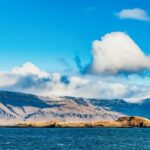

Kerid Crater: rim panoramas and the colored slopes up close
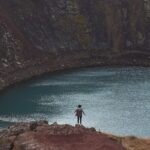
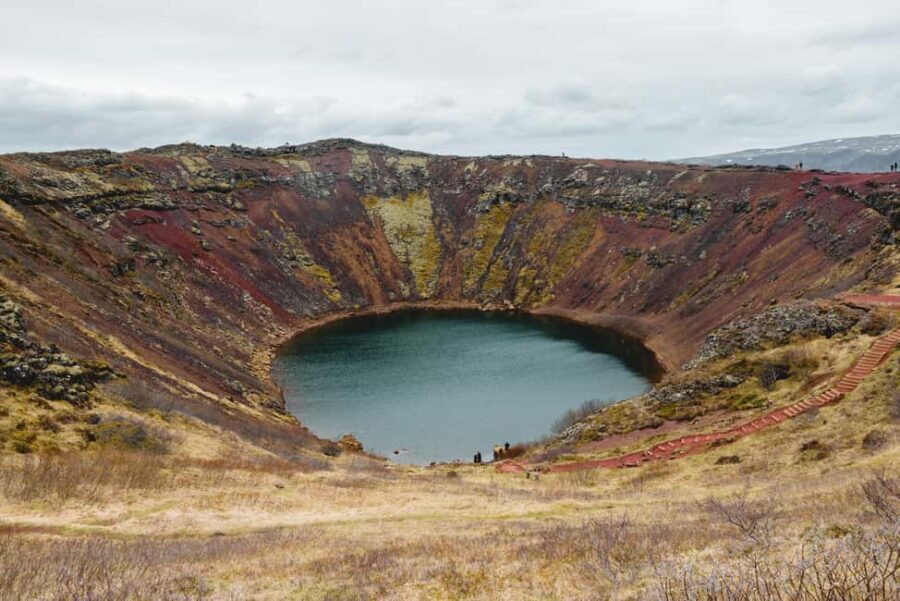
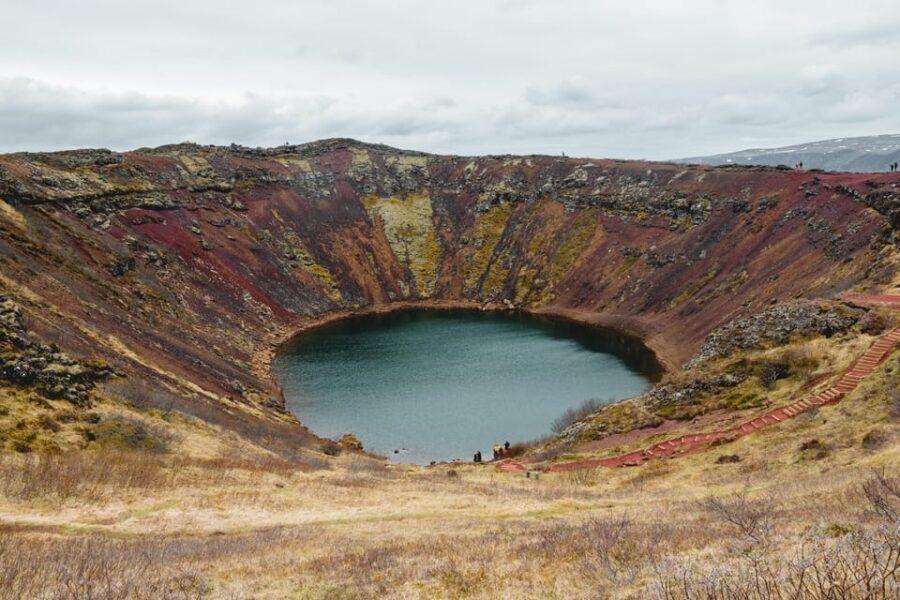
Kerid Crater is a volcanic crater lake with vividly colored slopes and a serene lake at the bottom. You’ll walk along the crater rim first for panoramic views of the surrounding area. This is where the geometry really hits: you’re looking at a bowl-shaped volcanic feature that’s both dramatic and calm.
Then you’ll descend to the bottom for a closer look at the unique colors and rock formations. That part is important because it turns Kerid from a viewpoint into a physical experience. You can see how volcanic rock changes over time, and you get a different sense of scale once you’re lower in the crater.
What makes Kerid worth your time: it’s not competing with other landmarks for attention. After Gullfoss and geothermal steam, Kerid gives you a different kind of Iceland. It’s quieter, more still, and more about textures and tones—rock, water, and sky in a tight composition.
The big practical note here is walking again. You’ll need shoes that handle uneven ground, and you’ll want to move steadily. If the weather is slippery, take your time on the descent.
Small-group pacing from Reykjavik: comfort, pickup points, and timing
Your day starts with hotel pickup in Reykjavik and ends with drop-off back in town. You’ll travel in an air-conditioned minivan made for small groups, which usually means less waiting time and more direct access to the sites.
That said, one practical detail matters: where exactly you meet can vary. One experience noted an easy option to load onto a bus near Bus #9 if you weren’t at a hotel pickup point. Since the tour offers hotel pickup, you should still plan to confirm your exact meeting spot the day before. In a place where weather and roads can shift, the simplest plan is the best plan.
The best part of the small-group format is the flexibility. It gives the guide room to manage timing—arranging stops so you get enough time to explore without feeling trapped in a schedule. In prior experiences with guides such as Anya and Svarvar, the common thread was clear explanations and an easy tone that kept the day enjoyable. Some guides even add quick impromptu stops when time allows, like an ice cream stop in one case—so if your guide offers a short detour, it’s often about giving you something light to balance the day.
Practical packing tip: bring a camera, warm clothing, and comfortable walking shoes. The tour info is direct on that, and it’s exactly what you need when you’re balancing waterfalls, steam, and cold rim walks.
Price and value: what $115 gets you for an 8-hour day
At $115 per person for an 8-hour tour, you’re not just paying for transportation. This price includes hotel pickup and drop-off, transport in an air-conditioned minivan, a professional English guide, and entrance fees. It also includes the Fridheimar Tomato Farm stop.
The big “value” angle is that you’re stacking multiple major sites in one day. Þingvellir, the Geysir geothermal area (with Strokkur eruptions), and Gullfoss are the core Golden Circle trio. Kerid adds a distinct volcanic stop that most standard Golden Circle days don’t include. Then the tomato farm makes the day more varied than a pure nature loop.
What’s not included is lunch, which is the one clear gap in the deal. If you’re the kind of traveler who hates dealing with food while on the move, plan ahead. You might eat before pickup and bring a snack for the long stretch between stops.
Also, small-group touring isn’t always cheaper. But it often saves you the hassle of managing crowds and long waits. If you care about that comfort and you want the day to feel paced rather than rushed, the price starts to make sense quickly.
Who this tour is best for (and who should skip it)
This Golden Circle day works well if you want a classic Iceland sampler plus a couple of meaningful twists. I’d point it toward you if:
- you want Þingvellir, Strokkur, and Gullfoss without cobbling together separate day trips
- you like guides who connect geology to Iceland’s human story
- you’d enjoy seeing how tomatoes can be grown using sustainable greenhouse practices
- you’re okay with moderate walking and cold-weather layers
I’d think twice if:
- you want a zero-walking day
- you can’t handle mist, wind, and quick weather changes
- you’re very sensitive to meeting-point mixups (rare, but one past experience had a pickup issue)
- you’re only booking for one stop and can’t tolerate possible changes to how that stop plays out
Quick packing checklist that actually helps
You already know Iceland needs layers, but this day specifically asks for walking and wet weather tolerance. Bring:
- Comfortable shoes with grip
- Warm clothing in layers
- A camera
- A small snack plan since lunch isn’t included
Also, keep an eye on your jacket choice. You’ll likely go from dry cold air to steam mist and waterfall spray in the same day.
Should you book this Golden Circle + Kerid + tomato farm tour?
If you want a full Golden Circle day that includes both the famous geology and a non-touristy look at food growing in Iceland, this is an easy yes. The small-group minivan format helps, and the itinerary covers the main hits: Þingvellir tectonic plates, Strokkur eruptions, Gullfoss viewing paths, Kerid crater walks, plus the Fridheimar greenhouse visit.
Book it if you can handle moderate walking, pack layers, and accept that lunch isn’t provided. If the tomato farm is a make-or-break item for you, consider it a strong bonus rather than your only reason for coming—because even the best plans can shift.
FAQ
How long is the tour?
The tour lasts about 8 hours.
What locations are included in the Golden Circle portion?
You’ll visit Þingvellir National Park, the Geysir geothermal area (with Strokkur), and Gullfoss waterfall.
Is the Fridheimar Tomato Farm included, and is it a meal stop?
Yes, you’ll visit Fridheimar Tomato Farm. It is listed as a visit only, and lunch is not included.
What is Kerid Crater like on the tour?
You’ll walk along the rim for panoramic views and then descend to the bottom for a closer look at the crater’s colors and rock formations.
Does the tour include hotel pickup and drop-off?
Yes. The tour includes hotel pickup and drop-off, plus transport by air-conditioned minivan.
Is lunch included in the price?
No, lunch is not included.
What should I bring with me?
Bring comfortable shoes, warm clothing, and a camera for photos.
Is the tour wheelchair accessible?
Yes, the tour is wheelchair accessible.
What time do Strokkur eruptions happen?
Strokkur erupts every few minutes, and it can send water up to about 30 meters into the air.
What language is the guide?
The tour guide speaks English.
If you want, tell me your travel month and whether you prefer early or relaxed mornings. I can help you decide if an 8-hour loop feels right for your pace.