REVIEW · REYKJAVIK
Reykjavik the Northernmost capital in the world
Book on Viator →Operated by Puffin Travel · Bookable on Viator
Reykjavik’s story starts in plain sight. This private run by Puffin Travel is a smart way to get your bearings fast, with hotel pickup plus an English-speaking guide who makes the city feel small and friendly. I especially love the onboard Wi‑Fi, which keeps you connected for maps and photo posts while you move between sights, and I love the way the pace leaves room to look closely (and take pictures) instead of rushing past. One thing to consider: at $650 per group (up to 4), it can feel steep if you’re solo or traveling as just two.
You’ll cover the essentials of Iceland’s northern capital and a couple of nearby powerhouses that give Reykjavik context: politics at Alþingi, old wooden quarters, major architecture like Harpa, and then quick jumps to Perlan and Bessastaðir (with tickets handled). It’s a practical 3 to 4 hours that fits well even on a busy arrival day.
In This Review
- Key Things That Make This Reykjavik Tour Worth Your Time
- Reykjavik’s Northern-Capital Feel, Without the Confusion
- Getting Picked Up and Staying Connected on the Move
- Alþingi and Austurvöllur Square: Iceland’s Political Core
- Grjótagata and Grjótaþorp: Turf Houses, Narrow Streets, and Old Wood
- Reykjavik in Context: From Settlement to Danish Rule to Capital
- Harpa Concert Hall: Modern Iceland at Human Scale
- Reykjavik City Hall and the Pond: Where Water and Birds Enter the Plan
- Perlan: The Pearl Glass Dome and the Hot Water Tanks
- Hafnarfjörður: Harbor Town Life and the Hidden People Feel
- Bessastaðir: The President’s Home and the Icelandic Middle Ages Timeline
- Price and Value: Is $650 for Up to Four Fair?
- Who This Tour Fits Best
- Quick Practical Tips Before You Go
- Should You Book This Reykjavik Private Tour?
- FAQ
- How long is the Reykjavik northern highlights private tour?
- How many people are in the group?
- Do you offer hotel pickup?
- What language is the tour in?
- Are meals included?
- Which stops include admission tickets?
- Is there Wi‑Fi and air-conditioning on board?
- What if the weather is poor or I need to cancel?
Key Things That Make This Reykjavik Tour Worth Your Time
- Private group up to four means your questions don’t get lost in a crowd.
- Hotel pickup from the greater capital area keeps your first hours stress-free.
- Onboard Wi‑Fi helps you navigate, translate, and share as you go.
- Included tickets at Perlan and Bessastaðir save time and money.
- A stop mix from politics to architecture to presidential grounds gives you a real sense of how Reykjavik works.
Reykjavik’s Northern-Capital Feel, Without the Confusion
Reykjavik is the northernmost capital in the world, and it shows. The streets feel walkable, but the distances and weather can still throw you off, especially if you’re landing and trying to plan meals, museums, and which neighborhoods are worth your limited time. That’s where this private format really helps: the guide’s job is to stitch together the city’s big ideas and practical details into a route you can actually follow.
The best part is how quickly you understand what Reykjavik is built on. You’re not just sightseeing; you’re getting the logic behind the places. You start at Alþingi on Austurvöllur square, move through older quarters like Grjótaþorp, and then hit modern landmarks such as Harpa and Perlan. You end with a wider view by going to Hafnarfjörður and Bessastaðir, which turns your “Reykjavik day” into a “Reykjavik and its surroundings” day.
If you like learning through real locations rather than museum exhibits, you’ll enjoy how the guide connects the dots. And if you hate slow, aimless wandering, you’ll like the structure and timing.
You can also read our reviews of more tours and experiences in Reykjavik.



Getting Picked Up and Staying Connected on the Move
The tour includes air-conditioned transport and pickup from your hotel within the greater capital area, which matters more than it sounds. Reykjavik can be windy and chilly, and that first getting-there scramble is exactly what turns a good day into a tiring one. Being met at your hotel means you start the experience fresh, not already regretting what time you chose to leave.
Another comfort win: Wi‑Fi on board. Iceland is famous for dramatic scenery, but you still need practical stuff—map checks, messaging friends, booking a dinner later, and figuring out your next stop. On this kind of tight 3 to 4 hour window, that small convenience is a big deal.
It’s also worth noting that it’s a private tour, meaning only your group is in the vehicle. No herd energy. No waiting for strangers to find shoes, chargers, or the will to be outside.
Alþingi and Austurvöllur Square: Iceland’s Political Core
Your first stop is Parliament House, Alþingi (Althingishus), standing on Austurvöllur square. Built in 1880–81, it’s the kind of place that makes Iceland feel rooted and serious at the same time. There’s a main building plus two later annexes: Kringlan (the Rotunda) added in 1908, and Skálinn added in 2002.
One detail I like here: the garden. Parliament House’s garden is Iceland’s oldest public garden, dating from 1893–95, largely credited to parliamentarian and bank director Tryggvi Gunnarsson. That combination—politics and a preserved public garden—gives you a calmer view of how public life works in Reykjavik.
Why this stop matters for value: it frames the entire day. Once you understand Alþingi is not a random landmark but a central piece of national identity, the rest of Reykjavik’s architecture and neighborhoods start to make sense.
Admission here is free, and the visit is short enough that you don’t feel dragged away from the rest of the route.
Grjótagata and Grjótaþorp: Turf Houses, Narrow Streets, and Old Wood
Next you head into Grjótagata and the surrounding area tied to Grjótaþorp. This was once Grjóti Village, named after one of eight smallholdings on Reykjavik’s 18th-century estate. The story is wonderfully specific: farmsteads sat on Grjótabrekka at the top of Grjótagata, and when wooden buildings started appearing on Aðalstræti, turf houses clustered on the Grjóti property.
Then came the 20th-century problem: dilapidation, partly tied to plans for a major road. That plan was abandoned, and today you’ll see the old wooden houses renovated, plus rebuilt wooden buildings from other districts that help preserve the street plan.
For you, the payoff is simple. This is where Reykjavik’s “small city” character becomes visible: narrow streets, detached wooden houses, and small well-tended gardens. It’s the kind of place where you can slow down for photos without needing a long hike. Admission is free, which also helps if you’re trying to keep costs controlled.
Reykjavik in Context: From Settlement to Danish Rule to Capital
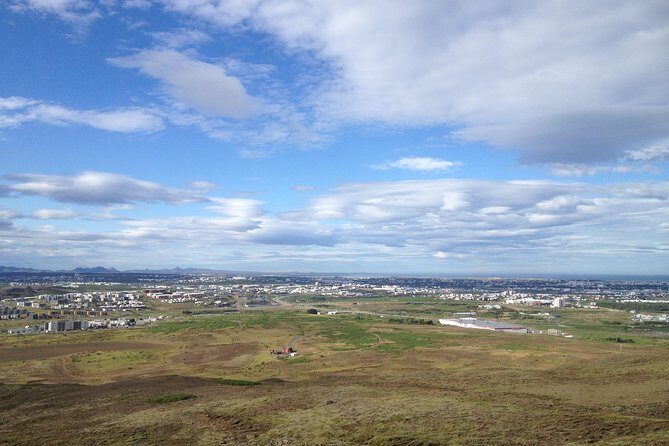
There’s a stop that zooms out and tells you the city’s backbone. Reykjavik was founded in 874 by the Norseman Ingólfur Arnarsson. For a long time it stayed a small fishing village and trading post, but then it shifted into administration.
On August 8, 1786, Reykjavik became the administrative center of Danish ruled Iceland. Later, in 1843, it became the capital. That timeline is the key to understanding why some parts of Reykjavik feel older than you’d expect, while other parts feel built for modern functions.
This kind of “big picture” orientation is one of the most underrated parts of any city tour. It means when you walk later on your own, you’re not collecting random sights—you’re placing them on a mental map. You’ll also pick up better questions for restaurants and museums, because you’ll know what you’re actually looking for.
Admission is free for this city overview segment, and the time stays short so you don’t lose momentum.



Harpa Concert Hall: Modern Iceland at Human Scale
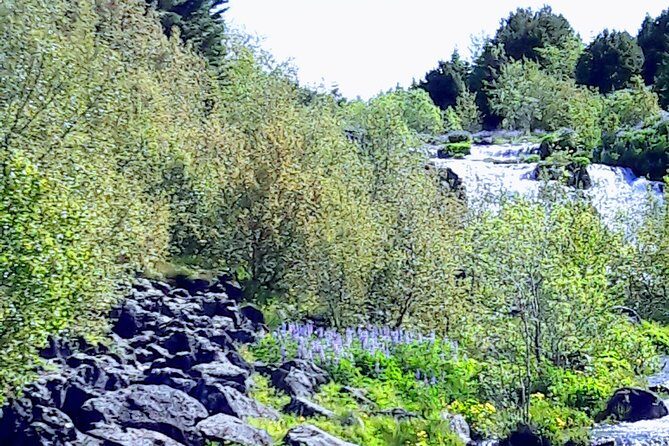
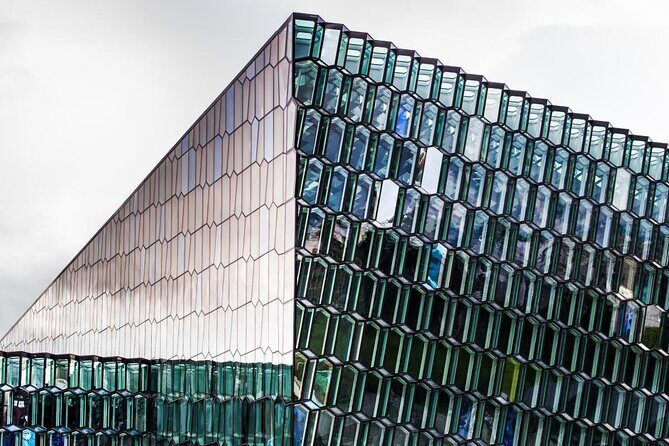
Harpa Concert Hall and Conference Centre is next, and it hits you fast. This is award-winning architecture and it opened May 4, 2011. The scale is big, but it’s still approachable in a quick visit: glass, geometry, and light that changes as the day shifts.
A fun detail to keep in mind while you’re there: Harpa has attracted 4 million guests since opening. Even if you don’t catch a show, that’s a sign the building isn’t just pretty—it’s a living part of the city’s calendar.
This stop is free for admission and designed for a short, efficient look. If you’re hoping to understand Reykjavik’s modern identity, Harpa is a must.
Reykjavik City Hall and the Pond: Where Water and Birds Enter the Plan
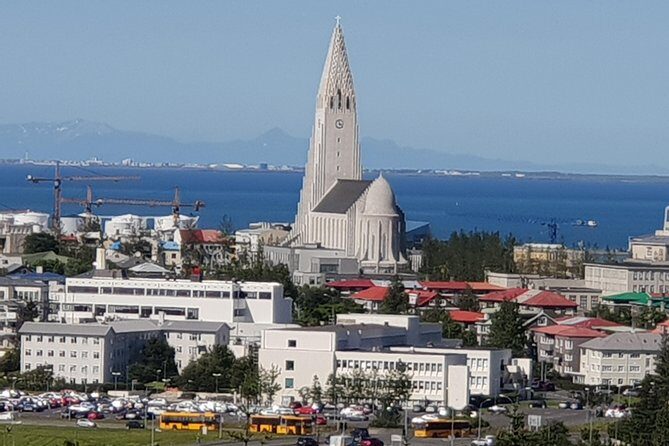
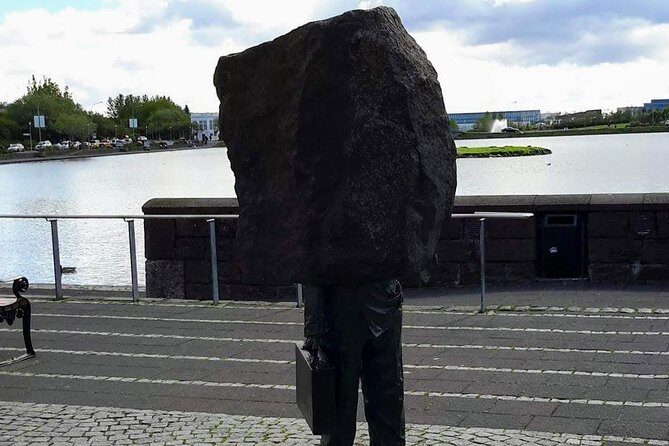
Reykjavik City Hall is on the northern shore of the pond in the city center. It’s not a monument you stare at from across town. Instead, it connects nature and water, and the design is meant to attract birdlife right in the middle of the city.
Why I like including this: it shows a Reykjavik theme you’ll notice repeatedly—public life and nature aren’t treated like separate worlds. In a place where weather can change fast, you want design that accepts the outdoors instead of fighting it.
Admission is free, and the timing keeps it from feeling like a quick drive-by. You get a chance to notice the relationship between buildings, water, and the surrounding space.
Perlan: The Pearl Glass Dome and the Hot Water Tanks
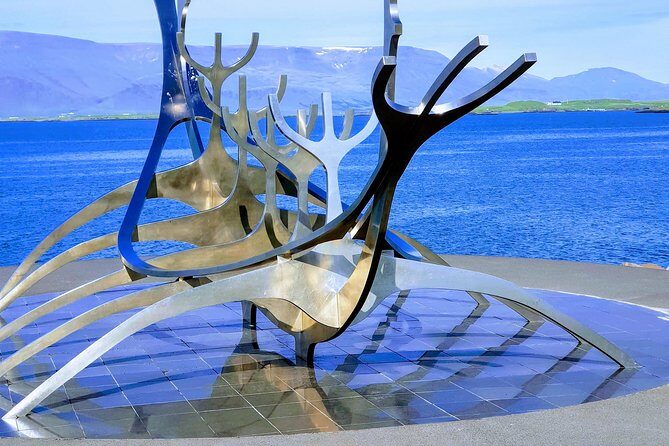
Perlan is one of the most visited attractions in Iceland, and you head there after cruising through central Reykjavik. The setting is Öskjuhlíð Hill, rising 61 meters above sea level. On top sits Perlan, a landmark building made with an immense glass dome that sits on six hot water tanks.
That detail is more than technical trivia. It’s part of what makes Perlan feel distinctly Icelandic. You’re looking at a modern visitor center, but it’s literally built on geothermal infrastructure. So even if you don’t study every panel, you can still understand the concept: geothermal energy isn’t a distant science project; it’s part of daily life and the city’s built environment.
Tickets for Perlan are included, and you’ll get around 30 minutes here. That time is ideal for an initial look and photos, without turning your day into a full theme-park visit.
If you’re traveling in colder months, this is also a good “break from the wind” stop. Even if you still bundle up, being indoors around glass and space can feel like a reset.
Hafnarfjörður: Harbor Town Life and the Hidden People Feel
After Reykjavik, you make a short hop to Hafnarfjörður. This is a harbor village in the greater capital area and the third most populous city in Iceland. You’ll also hear it described as the town of the hidden people and Vikings, which signals the local blend of folklore and identity.
This stop is free, and the point isn’t to overload you with facts. It’s to give you contrast. Hafnarfjörður feels more like a working port town than a purely capital-city experience, and that makes Reykjavik’s role feel clearer.
In practice, this is a good stop if you want variety in a compact time. You get folklore-adjacent atmosphere and a different vibe than the city center, without sacrificing the tour’s overall flow.
Bessastaðir: The President’s Home and the Icelandic Middle Ages Timeline
The last major stop is Bessastaðir, the official home of the President of Iceland. It’s a place with deep roots in the timeline of settlement. Bessastaðir was first settled in the year 1000, later becoming one of Snorri Sturluson’s farms in the 13th century.
Then the story turns sharper. After Snorri was murdered, Bessastaðir was claimed by the king of Norway. It’s one of those stops where you’re looking at a modern institutional site, but the guide’s narration makes it feel anchored in centuries of power shifts and land ownership.
Tickets here are included, and you’ll spend about 30 minutes. That’s enough time to understand what the site represents without it becoming an overly long historical lesson.
For value: having admission included for both Perlan and Bessastaðir means you’re paying for a planned experience, not piecing together tickets on the fly during Iceland weather.
Price and Value: Is $650 for Up to Four Fair?
This is $650 per group for up to four people. On paper, it’s not cheap. In practice, it can be good value because you’re buying three things most people end up paying for separately:
- Transport plus pickup: the tour brings you in from the greater capital area in an air-conditioned vehicle.
- On-tour time with an English-speaking guide: you’re paying for interpretation and direction, not just movement between stops.
- Included tickets at two major attractions: Perlan and Bessastaðir are handled for you.
If you’re traveling as a couple and splitting the cost, this often lands in a reasonable range compared with paying for multiple paid entries plus a private guide service. If you’re solo, it’s the one part that can sting—though you still get the benefits of a private vehicle and no waiting around.
The other practical value is time efficiency. Three to four hours is long enough to learn and see, but short enough to keep your day flexible for your own plans like dinner picks. And since the guide shares tips on where to eat, drink, and explore, that helps you spend your remaining hours better too.
Who This Tour Fits Best
This tour is especially good for you if:
- you want a private, personalized city route rather than a crowded bus
- you’re visiting for a short stay and want fast orientation
- you care about understanding Reykjavik’s mix of old and modern
- you appreciate comfort on the move, including Wi‑Fi and hotel pickup
It may be less ideal if:
- you’re on an ultra-tight budget and prefer only free stops
- you dislike guided narration and would rather wander with zero structure
The good news is that the pace is designed for photos and for actually looking at what you’re passing.
Quick Practical Tips Before You Go
Even without overplanning, do these basics:
- Dress in layers. Iceland weather changes quickly, and a mix of indoor and outdoor stops means you’ll want flexibility.
- Bring a charged phone and a small power source since you’ll likely use the onboard Wi‑Fi for navigation and photo-sharing.
- If you want the best photos, plan to keep your outerwear easy to access; some stops are short and you’ll want to be ready.
Should You Book This Reykjavik Private Tour?
I’d book it if you want a smart, guided introduction to Reykjavik and nearby highlights without turning your trip into ticket math. The private setup makes it feel personal, and the guide’s style helps you understand the city fast, from Alþingi to Harpa to Perlan and Bessastaðir.
But if you’re traveling solo or already have a tight plan where you’ll handle everything by yourself, you might not feel the same value from the included admission and private transport.
If you can split the group cost and you want comfort plus real context, this one is a strong choice.
FAQ
How long is the Reykjavik northern highlights private tour?
It runs about 3 to 4 hours.
How many people are in the group?
It’s a private tour. Up to 4 people per group.
Do you offer hotel pickup?
Yes. Pickup is offered from the greater capital area.
What language is the tour in?
The tour is offered in English.
Are meals included?
No. Meals are not included.
Which stops include admission tickets?
Perlan and Bessastaðir include admission tickets. The other listed stops are free.
Is there Wi‑Fi and air-conditioning on board?
Yes. The vehicle includes onboard Wi‑Fi and air-conditioning.
What if the weather is poor or I need to cancel?
The experience requires good weather. If it’s canceled due to poor weather, you’ll be offered a different date or a full refund. You can cancel for a full refund up to 24 hours in advance.