REVIEW · REYKJAVIK
Reykjavik: Silver Circle Tour, Canyon Ride, & Thermal Baths
Book on GetYourGuide →Operated by Nicetravel · Bookable on GetYourGuide
Iceland is best when it slows down. This Silver Circle day trip turns the usual Golden Circle feel into a West Iceland detour, with famous waterfalls, horse encounters, and the standout Canyon Baths in a remote canyon. You also get the kind of saga-meets-sandals journey that makes Viking history feel real, not museum-y. Two highlights I love/like: the secluded soak at Husafell and the mix of big-name falls (plus quieter ones like Langifoss) with smaller, more personal stops.
One possible drawback to plan for: getting to and from the Canyon Baths involves a steep descent with steps and a slope. If someone in your group has mobility challenges, it’s worth thinking ahead before you commit to the soak.
In This Review
- Key points worth getting excited about
- From Reykjavik to West Iceland: the day’s rhythm and comfort
- Deildartunguhver and Borgarnes gateway: heat power you can smell
- Hraunfossar and Barnafoss: lava waterfalls that feel strange in a good way
- Sturlureykir horse farm and the homemade rye bread moment
- Husafell: turf houses, elf huts, and the Lifting Stone
- Langifoss via 4×4 into the Deildargil Canyon
- Husafell Canyon Baths: 3 warm pools, cold plunge, and real quiet
- Reykholt and Snorri’s Pool: finishing with saga history
- Food and timing: how to make the day feel easy
- Price and what you actually get for $246
- Who this Silver Circle with Canyon Baths suits best
- Should you book this tour?
- FAQ
- What is the duration and pickup time?
- Is the tour guided in English?
- Are meals included?
- What should I bring for the Canyon Baths?
- Are soaps allowed at the baths?
- Does the tour run in winter weather and all conditions?
Key points worth getting excited about
Husafell Canyon Baths limit to 20 people at a time for a calmer, more private feel than bigger lagoons.
Deildartunguhver is Europe’s most powerful hot spring and you can see how that heat powers local life.
Hraunfossar spreads nearly a kilometer over lava fields and is viewed from several platforms.
Barnafoss sits nearby and has a tragic tale tied to local children.
Husafell includes turf houses, elf huts, and the Lifting Stone—a history stop that works for kids too.
4×4 ride adds a rugged canyon feel as you head toward Langifoss off the main track.
From Reykjavik to West Iceland: the day’s rhythm and comfort
This tour starts with pickup in Reykjavik between 8:30 and 9:00 AM, so you’ll be out early enough to beat some of the crush that builds later in the day. The ride out is long, but it’s not a slog in the dark—most of your travel time is broken up by stops where the West Iceland stories actually happen.
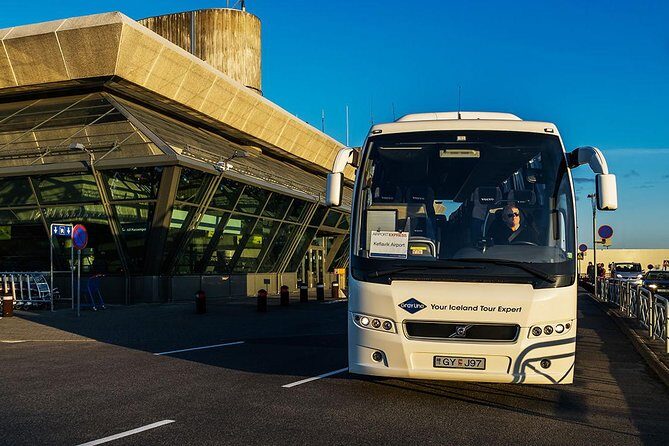
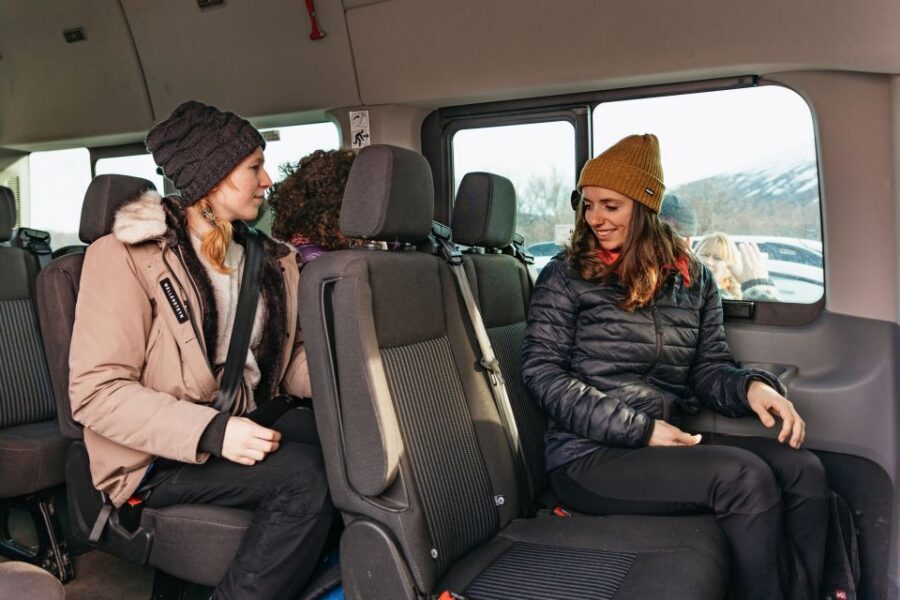
The transport is a professional English-guided minibus, and you’re given practical perks like free Wi-Fi and USB chargers at each seat. On a cold day, those details matter more than you think. One word of caution from real-world experience: a few people noted the van seats can feel tight as the day goes on, especially if you’re on the taller side.
Your guide is part storyteller, part driver, and the best days feel like you’re tagging along with someone who’s genuinely excited about what you’re seeing. People have highlighted guide energy and knowledge, including names like Dominika and Pavel, which suggests you’re likely to get strong narration, not just place names.
You can also read our reviews of more tours and experiences in Reykjavik.
Deildartunguhver and Borgarnes gateway: heat power you can smell
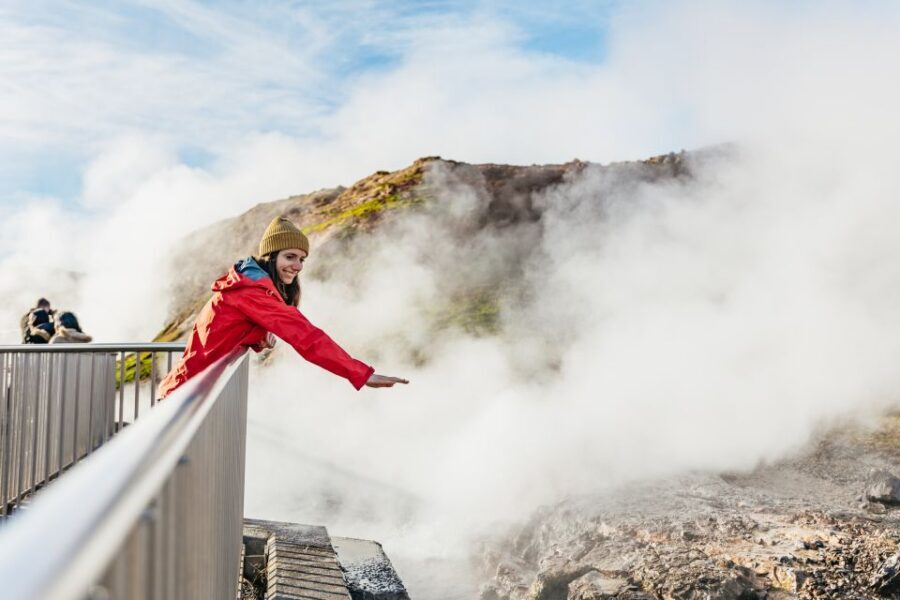
You’ll head west toward Borgarnes, the gateway to West Iceland, and the first big mind-blower is Deildartunguhver, described as the most powerful hot spring in Europe. The tour doesn’t treat it like a quick photo stop. It frames why it matters: the hot water output is strong enough to provide heat and power for locals miles around.
What I like about this kind of start is how it sets the tone for the whole day. Iceland’s geothermal power isn’t a background fact here. It shows up in your sights, in your shower rules later, and yes, in the way your body reacts when you finally get into the baths.
Dress this part like you’re walking outside for hours. Warm layers are non-negotiable in winter, and even in shoulder season, West Iceland can feel damp and sharp.
Hraunfossar and Barnafoss: lava waterfalls that feel strange in a good way
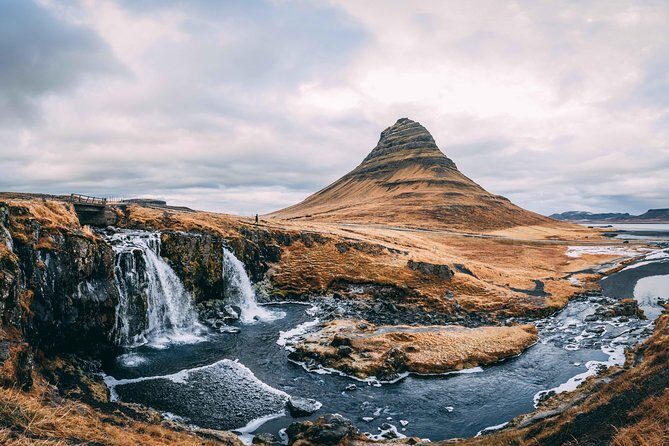
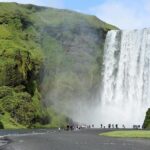
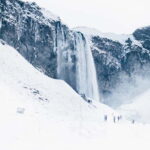
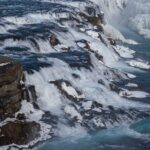
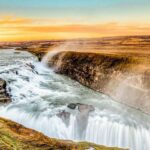
Next comes Hraunfossar, also called the Lava Waterfalls. The best part isn’t just that they look dramatic; it’s that you can understand what’s happening. Meltwater from the Langjökull glacier feeds the Hvítá River, and the water flows across ancient lava fields in a way that stretches for nearly a kilometer.
You’ll get views from multiple viewing platforms, which makes a big difference. From one angle it can look like sheet water. From another, you start to see the spill pattern and scale. That’s the sort of detail that turns a waterfall from pretty to memorable.
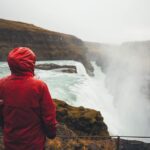
Just nearby is Barnafoss, known as the waterfall of the children. The name comes from a tragic local story tied to two children. It’s one of those stops where you’ll likely pause longer than you planned, because the scenery plus the human story is a stronger combo than either alone.
Sturlureykir horse farm and the homemade rye bread moment
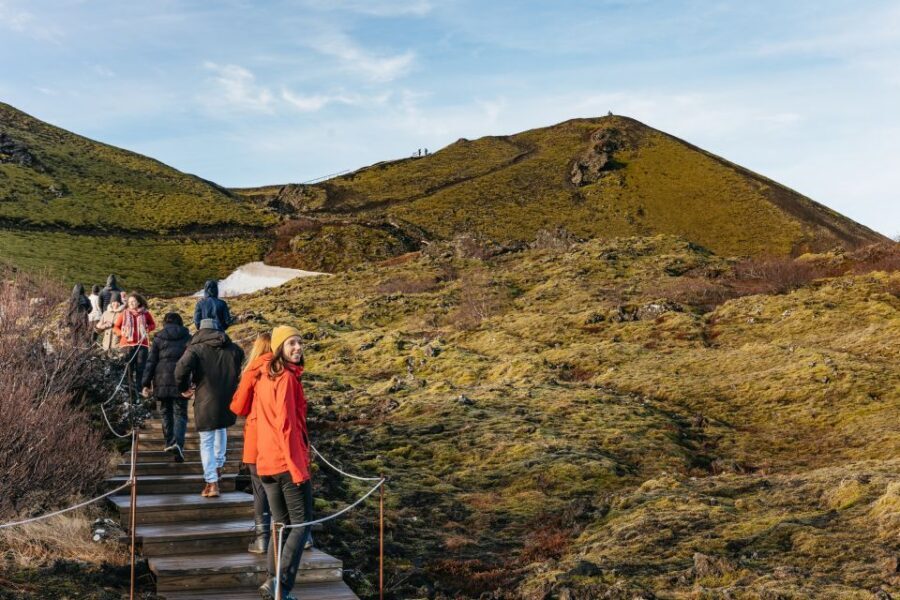
Before you get into the deeper canyon stops, you’ll visit Sturlureykir Icelandic Horse Farm. This is one of the more wholesome stretches of the day. You get close to Icelandic horses—these are not frantic, zoo-style animals. The whole point is to meet them calmly, then spend a moment learning how Icelandic horses fit into everyday life and heritage.
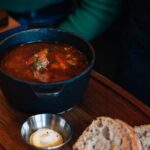
A small but very Iceland detail is homemade rugbrauð, hot spring bread, served with coffee or ice-cold water. It’s not a five-star meal, but it’s the kind of food stop that feels connected to the land instead of like a random detour. I’d treat it as a warm reset before you head into colder, outdoor parts again.
If you’re traveling with kids, this stop often lands well because it’s interactive without being complicated.
Husafell: turf houses, elf huts, and the Lifting Stone
Husafell is where the tour turns more playful and more historical at the same time. You’re taken to a woodland oasis and historical site that includes traditional turf houses. There are even elf huts, which is exactly the kind of detail that makes the saga vibe feel fun instead of stiff.
You’ll also see the Lifting Stone of Husafell, a famous feature people associate with Icelandic folklore. The tour atmosphere here tends to slow down just enough for you to look around and realize you’re not just passing through. This is a place where the story is part of the architecture.
One practical note: Husafell is also where you’ll find facilities that can help you manage the day’s temperature swings. That matters because Canyon Baths have stricter rules about what you can use in showers (more on that soon).

Langifoss via 4×4 into the Deildargil Canyon
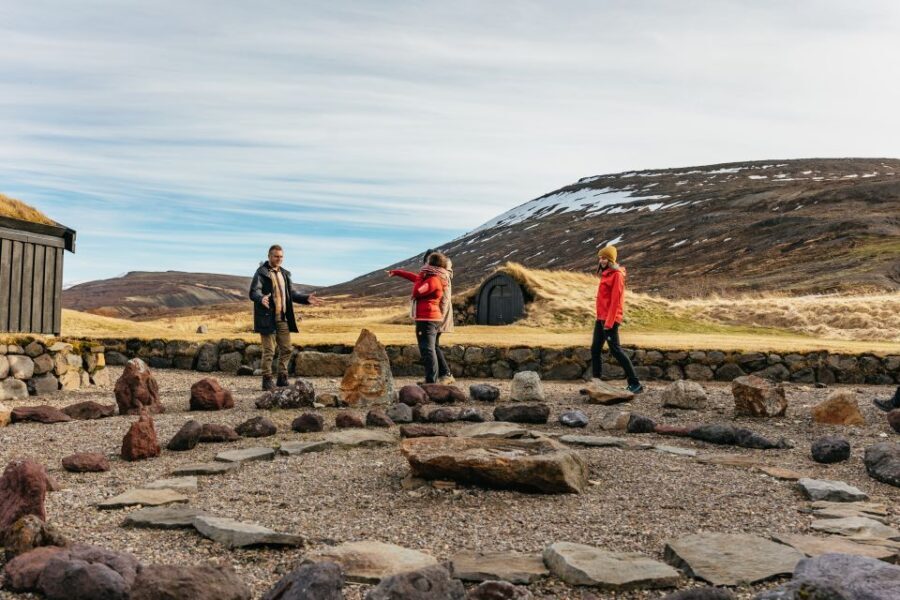
From Husafell, you’ll move further inland and ride in 4×4 cars toward the canyon area for Langifoss. This is the kind of stop Iceland does well: waterfalls that feel powerful but don’t demand a crowd to prove their worth.
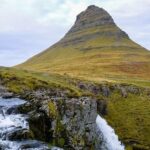
Langifoss is a two-tiered waterfall and it’s described as off the beaten path, with fewer people there than the big-name hot spots. The reward is perspective. You see how West Iceland can be both rugged and surprisingly intimate.
A quick reality check: the tour includes a 4×4 ride to the canyons, but a small number of people have said their specific day didn’t match their expectation for the canyon portion. If that detail is a big deal to you, I’d ask your operator what the 4×4 portion looks like on your travel date and under what conditions it’s used.
Husafell Canyon Baths: 3 warm pools, cold plunge, and real quiet
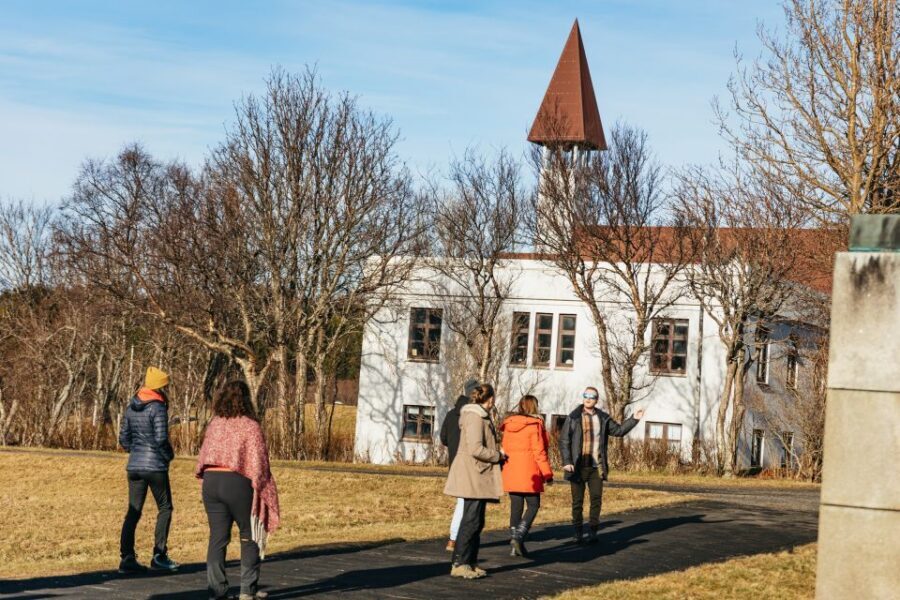
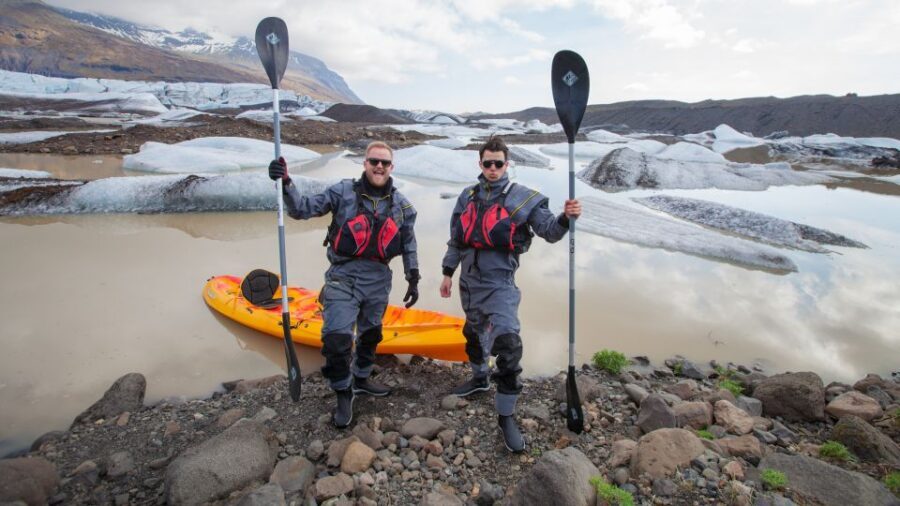
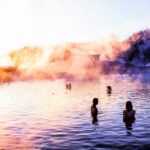
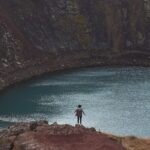
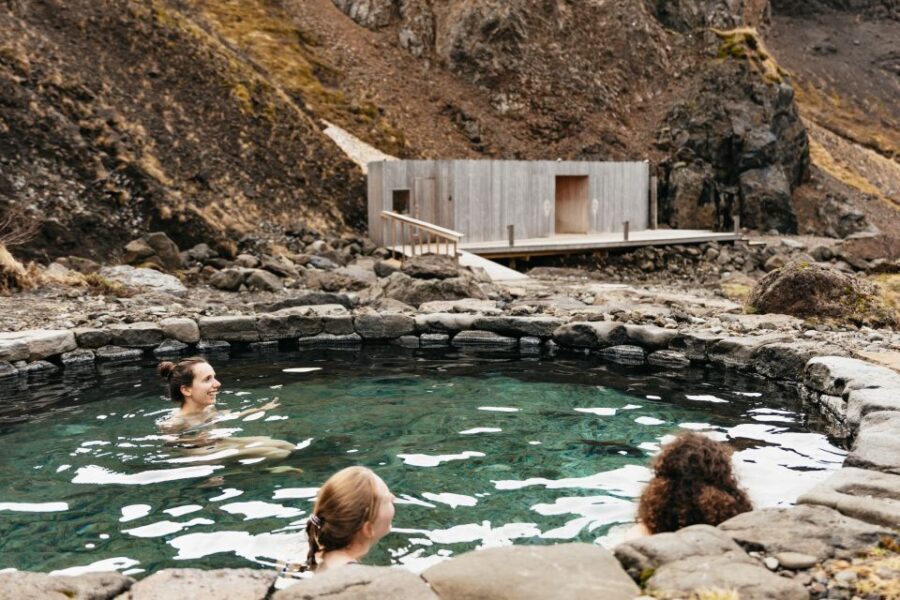
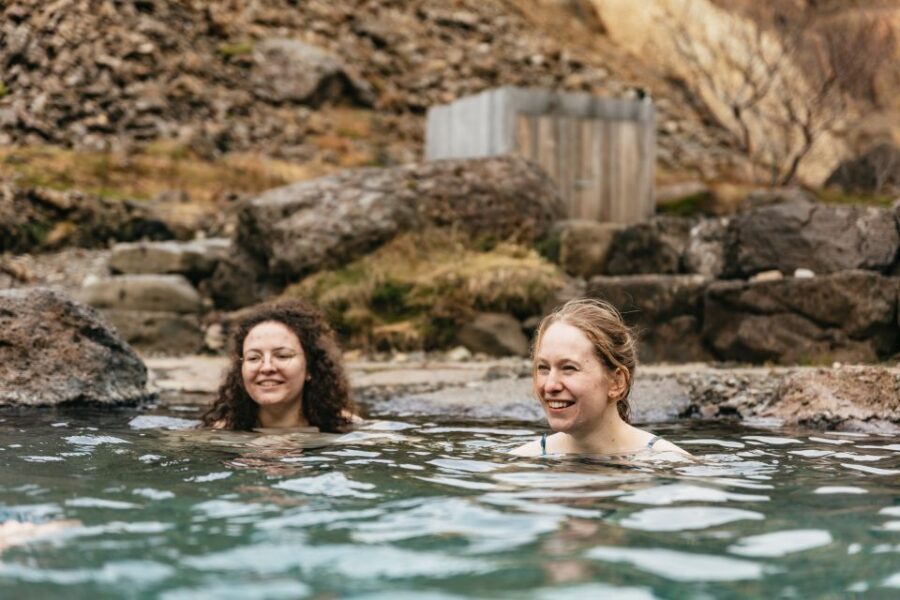
This is the star of the day. The Husafell Canyon Baths are in the Hringsgil canyon, described as remote and set up for a traditional hot spring experience. The most important detail for me is the limited capacity of 20 visitors at a time. That’s why the baths often feel peaceful rather than like a theme park.
Inside, you’ll bathe in three geothermally heated stone pools, roughly 30–41°C (86–105°F), plus a cold-water pool and a cooling waterfall. The layout encourages a rhythm: warm soak, cool down, reset. If you like feeling your body change temperature in a controlled way, you’ll love this.
What you need to know before you go in:
- Bring swimwear and assume you’ll need to change quickly and efficiently.
- Plan for warm clothing on standby because you’ll be moving between bath area and changing points.
- Wear water shoes if you have them. The baths are in a natural environment, so grip matters.
- You’ll want a towel. Even if the facilities are well set up, you’ll feel better prepared.
The baths also have environmental rules. In the showers, no soaps can be used. You can use facilities at Husafell for free, which helps if you need a more convenient base for your routine.
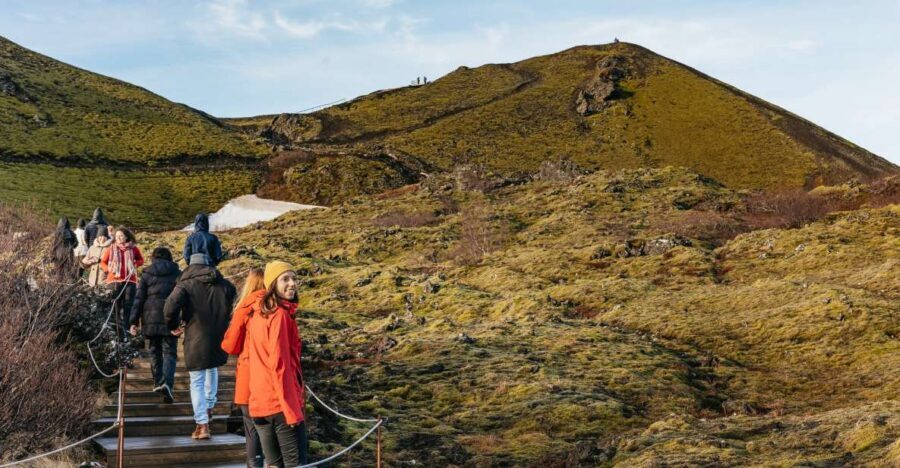
The biggest downside is physical, not scenic. One group flagged the Canyon Baths access as involving 67 steps and a steep slope down to the bathing area. If mobility is a concern, this is the moment to think carefully. You might still enjoy the overall day, but the baths could be hard or impossible for some people.
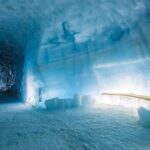
And yes, it’s cold. People talk about the bravery moment when you switch into swimwear in winter temperatures like -5°C. I get it. But once you’re in those warm pools, it makes sense why this stop gets called a must. It’s not just hot water. It’s the setting: steam, ice, rock, and silence.
Reykholt and Snorri’s Pool: finishing with saga history
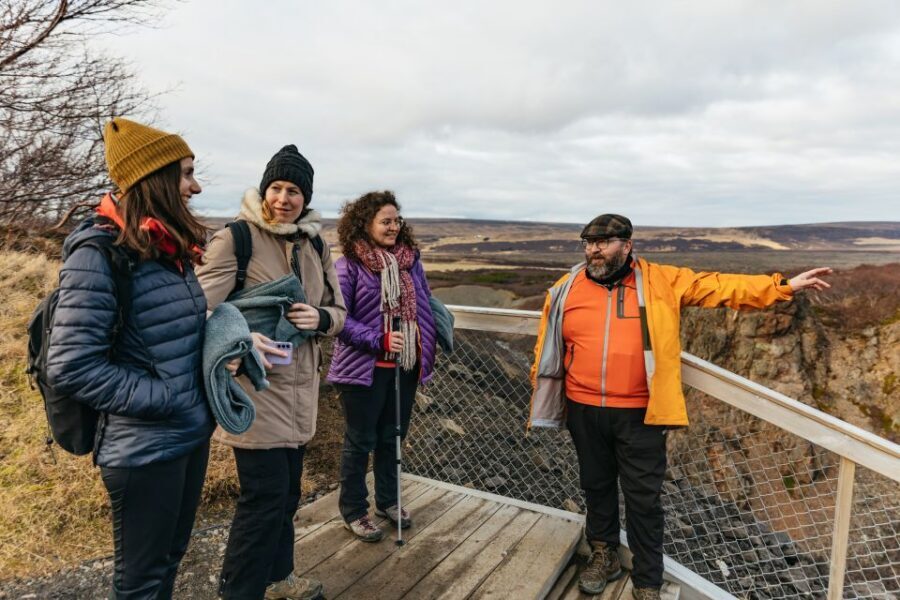
After the canyon soak, the day closes with Reykholt, tied to medieval Icelandic power and storytelling. This was the home of Snorri Sturluson, an Icelandic historian and chieftain. Even if you’re not a saga superfan, visiting the place where these stories came from adds weight to everything you’ve seen.
You’ll stop at Snorralaug (Snorri’s Pool), another traditional natural hot spring. The tour frames it as a bathing place used by locals since the 12th century, which gives the whole geothermal theme a longer timeline than just today’s photos.
This is a good final stop because it brings the day full circle: heat, history, and culture, all without needing another long outdoor climb.
Food and timing: how to make the day feel easy
Food isn’t included. You’ll have scheduled stops where you can buy food and drink. In practice, that means you should treat lunch as flexible and plan snacks if you have dietary needs.
One person mentioned limited gluten-free choice at a lunch stop. You don’t know what options will be available on your specific day, so if you’re sensitive, pack a backup snack. It’s a small move that saves big frustration.
Timing is also something you’ll feel. The day is 10 hours, and there’s a lot to fit in: waterfalls, horse farm, Husafell, 4×4 canyon travel, baths, and Reykholt. Plan to move at Iceland speed: pause, take photos, then actually look at what the guide is pointing out.
Price and what you actually get for $246
At $246 per person for a 10-hour guided day, this tour isn’t the cheapest way to see Iceland. The value comes from stacking paid experiences together in one run:
- Canyon Baths entry (the main attraction)
- Horse farm admission
- 4×4 ride to the canyon area
- Guided transport with Reykjavik pickup and drop-off
- Comfort perks like Wi-Fi and USB chargers
In other words, you’re paying for more than driving and viewpoints. You’re paying for access, time, and a route that focuses on quieter West Iceland highlights instead of only the big circus stops.
The best value fit is when Canyon Baths is truly on your list and you’d rather skip the bigger, busier hot-spring vibe. If you only care about seeing a couple waterfalls and you’d rather do everything DIY, then the price can feel steep. But if you want a full day built around geothermal soaking and lesser-known West Iceland, this is a fair bet.
Who this Silver Circle with Canyon Baths suits best
This tour fits best if you want:
- A quieter hot spring experience with a small bathing capacity
- Waterfalls plus history, not just one theme
- A guided day that handles the logistics while you focus on sights and soaking
It’s also a great choice if you’re the type who likes the Iceland that feels lived-in: hot springs powering towns, horses on farms, medieval ties at Reykholt, and turf houses that make you picture daily life.
If you hate long car days, this one might test you. You’re out most of the day in a minibus, and the baths access includes steps and a steep slope. If your mobility needs are limited, you should think hard before betting on the Canyon Baths portion.
Should you book this tour?
Book it if your priority is the Husafell Canyon Baths experience in a remote, calm setting, and you’d enjoy combining it with West Iceland waterfall stops and real Icelandic cultural anchors like Husafell and Reykholt. The 20-person bath capacity is the kind of detail that changes the whole feel of the day.
Skip or rethink it if:
- Canyon Baths access (steps and steep slope) could be a dealbreaker for someone in your group
- You want only easy, flat walking
- You prefer fully DIY pacing and don’t want a structured 10-hour route
FAQ
What is the duration and pickup time?
The tour lasts about 10 hours, and pickup in Reykjavik is typically between 8:30 and 9:00 AM.
Is the tour guided in English?
Yes. You’ll have a professional English-speaking tour guide in a minibus.
Are meals included?
No. Food and drink are not included, though you can purchase them at scheduled stops.
What should I bring for the Canyon Baths?
Bring warm clothing, swimwear, a towel, hiking shoes, and water shoes.
Are soaps allowed at the baths?
No soaps can be used in the showers at Canyon Baths, but you can use Husafell facilities for free.
Does the tour run in winter weather and all conditions?
Yes. The tour operates in all weathers.