REVIEW · REYKJAVIK
Private Super Jeep Northern lights hunt from Reykjavik
Book on Viator →Operated by Activity Iceland · Bookable on Viator
The best part is that the hunt feels personal, not crowded. This private Super Jeep Northern lights tour puts you in a modified vehicle with onboard Wi‑Fi, takes you beyond light pollution, and lets your English-speaking driver focus on finding conditions that look promising. I especially like the off-the-beaten-path access and the way your guide explains the science and folklore behind the aurora while keeping things fun. One drawback to know up front: you are outside for hours, and Iceland nights can turn brutal fast, so you’ll need to dress for real cold.
What makes this outing work in practice is the mix of comfort and flexibility. You’ll have wool blankets, chairs, and hot chocolate (plus snacks and even alcoholic beverages), so you can wait without feeling like a frozen statue. Still, your view of the lights isn’t guaranteed. Even with great driving and careful spot choices, clouds and fog can win some nights.
If you’re going after the Northern Lights near Reykjavík, this is one of the smarter ways to do it. You’re not just hoping for a clear sky from the roadside—you’re chasing it with vehicle reach, timing, and guidance.
In This Review
- Key things to know before you go
- How a modified Super Jeep helps you beat Reykjavík light pollution
- What to expect at the 8:00 pm pickup and drive out of Reykjavik
- First aurora hunt: off-road spotting with your guide in charge
- Hot chocolate, blankets, and the patience game (without losing the night)
- Getting your aurora photo, plus why your guide’s timing matters
- What to pack for Iceland cold, plus simple camera tips
- Private value versus bus tours: comfort, access, and fewer compromises
- Who should book this Northern Lights hunt?
- Should you book a private Super Jeep Northern lights hunt from Reykjavik?
- FAQ
- How long is the Northern Lights hunt?
- What time does the tour start, and is pickup offered in Reykjavik?
- What’s included during the tour?
- Is this a private tour?
- Does it run in all weather conditions?
- What happens if the tour is canceled due to poor weather?
Key things to know before you go
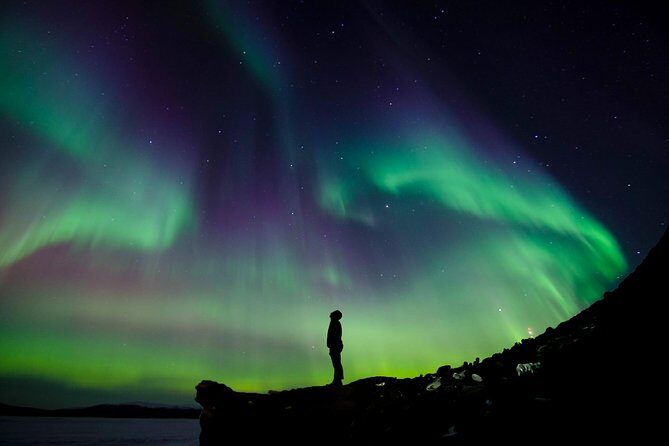
- A modified Super Jeep gets you to places bigger tour vehicles can’t reach, which helps you get away from stray lights.
- Onboard Wi‑Fi keeps you connected, even while you’re riding out to remote viewing areas.
- Your guide calls the shots using aurora knowledge plus practical weather sense, not just a generic route.
- Hot chocolate, wool blankets, and chairs make long waiting stretches easier to handle.
- Photo help is included, with a guide taking shots of you under the lights and sharing them online the next day.
- Private group means it’s only you, so the pace and stop plans can feel more responsive.
How a modified Super Jeep helps you beat Reykjavík light pollution
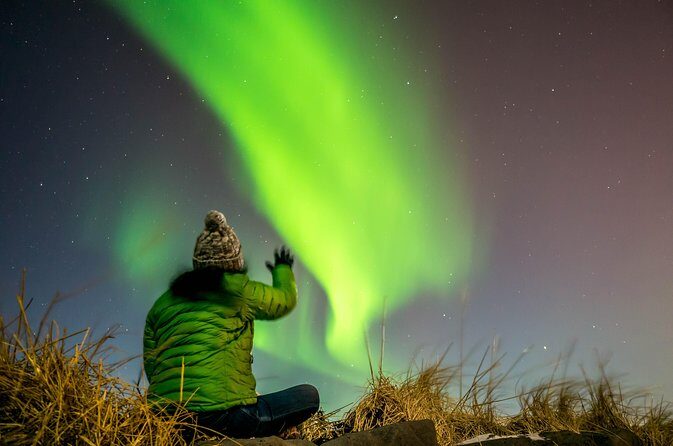
The aurora is not picky about your travel plans, but it is picky about light. The more stray light you have near you, the harder it is to see faint curtains and shimmering detail. That’s where the Super Jeep matters.
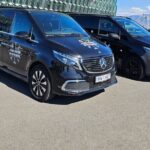
This tour uses a modified “monster” style vehicle designed for rougher access than standard buses or smaller minivans. In plain terms: you’re more likely to reach the darker, clearer areas where the sky actually looks like the sky. One reviewer even described how they passed buses and vans on the way to their spot—then drove further into public lands only reachable with the right vehicle and setup. That’s exactly the kind of difference you’re paying for: not a bigger group, but better reach.
The vehicle also gives you a base of comfort while you’re searching. You’re not just standing in the cold for the entire hunt with nothing to do. You get chairs and woolen blankets, plus the option to warm up with hot chocolate when the night needs it. Onboard Wi‑Fi is a small thing, but I like it because it helps you keep your bearings and stay connected while you wait for the right moment to step out.
Finally, you get the human side of spotting. Your driver isn’t only driving. They’re watching conditions, steering you toward likely viewing spots, and keeping the group engaged. Several guides named in past experiences (Simon, Aron, Aaron, Agust, Thor, and Gisli) stood out for calm focus and service-minded guidance—especially when clouds delayed the show and they had to keep searching.
You can also read our reviews of more private tours in Reykjavik
What to expect at the 8:00 pm pickup and drive out of Reykjavik
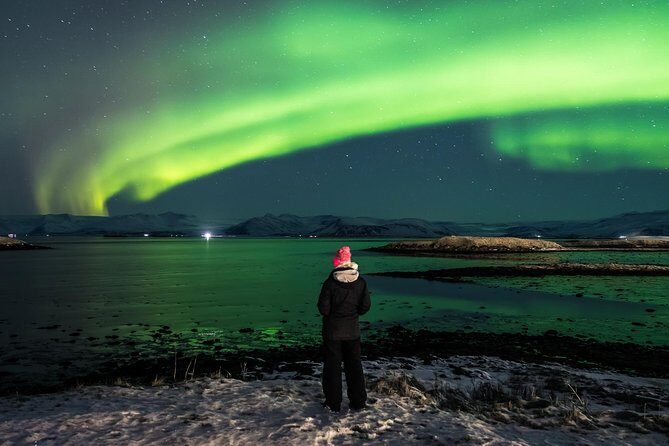
This starts in the evening, with a typical departure around 8:00 pm. Pickup is offered in Reykjavík, and they ask you to be ready at least 30 minutes before departure at your assigned pickup location. That buffer matters. In aurora season, timing is everything, and you don’t want to waste the best hours sitting around.
Once you’re loaded, your ride out becomes part of the experience. You’ll be in the modified Super Jeep with onboard Wi‑Fi, and your guide will use that time to set expectations. They explain why the lights happen and what to look for, plus they share Iceland-focused stories and aurora-related folklore. I like this because it turns the waiting into something active. Instead of staring at the sky in silence, you learn what likely conditions look like and why the guide keeps moving.
Expect the drive to take you away from the brightest parts of Reykjavík. Based on past experiences, it can be roughly 30 minutes out to reduce light pollution before the hunt really starts. After that, the “moving hunting” phase begins—driving to off-road or more difficult access points where larger vehicles can’t go.
That’s also why this tour is a good fit if you want a real aurora attempt without feeling like you’re just parked somewhere and told to wait. The guide’s job is to find better angles and clearer sky. If conditions change, you’re in a position to respond.
First aurora hunt: off-road spotting with your guide in charge
The first viewing phase is about maximizing your odds quickly. Your guide will take you to locations that are off the beaten path—places tour buses and minivans typically cannot reach. The idea is simple: more darkness, better sky access, and fewer light distractions.
When you arrive, you’re usually not left alone with a vague plan. Your guide will help you orient—pointing north and guiding your group on where to look. They’ll also keep an eye on the sky and talk through what you might see as conditions shift. One recurring theme from named guides like Simon, Aron, and Gisli: the best results often come after patience, not right at the first stop.
That’s a key mindset for aurora nights. Sometimes the lights appear fast. Other times you wait, then you reposition, then you wait again. Past experiences include nights where the first visible aurora took time—then the show arrived later and lasted long enough to feel truly rewarding. In one account, the guide recognized clear opportunities while others were stuck with limited visibility, and the group ended up seeing the lights after multiple attempts from different spots.
You also get a practical comfort boost during the wait. Hot chocolate is served during the cold stretches, and you can settle into chairs with wool blankets. This matters more than it sounds. Northern Lights hunting often requires long, steady attention. The more comfortable you are while waiting, the more likely you’ll notice subtle changes in the sky.
Hot chocolate, blankets, and the patience game (without losing the night)
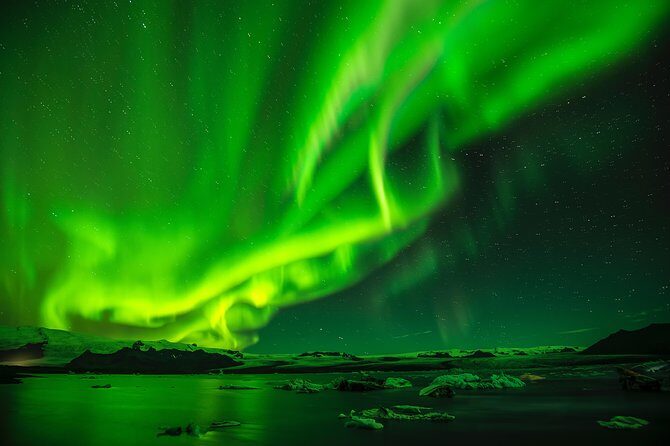
This is an outdoor adventure. That means you should plan for real cold, wind, and slow moments. One past guest noted it was around -13°C during their night out. That’s the kind of temperature where “a few layers” isn’t enough—you need proper cold-weather gear.
The good news: this tour is designed to help you handle that. You’re provided chairs and woolen blankets, plus hot chocolate to warm you up. Snacks are also included, and alcoholic beverages are offered as well. You’ll feel better about waiting when you’re not just enduring cold—you’re supported.
Here’s how I think about it: the tour isn’t just about chasing a photo-op. It’s about giving you enough comfort to stay focused long enough for the aurora to show up. Northern Lights can be unpredictable. The best guide behavior is calm and patient, and several experiences highlighted that quality. One review described a guide who stayed determined during cloudy conditions and continued searching until the sky opened.
If you get an aurora early, great—you’ll still need to wait for it to intensify or shift. If you don’t, you’ll need staying power. The comfort features here make that staying power realistic.
Also, since this is a private experience, your group can often manage their own pace. One review mentioned booking a private option specifically to feel more comfortable and have the option to return earlier if needed. You’re still following the guide’s plan, but private format typically reduces the pressure that comes with fixed bus schedules.
Getting your aurora photo, plus why your guide’s timing matters
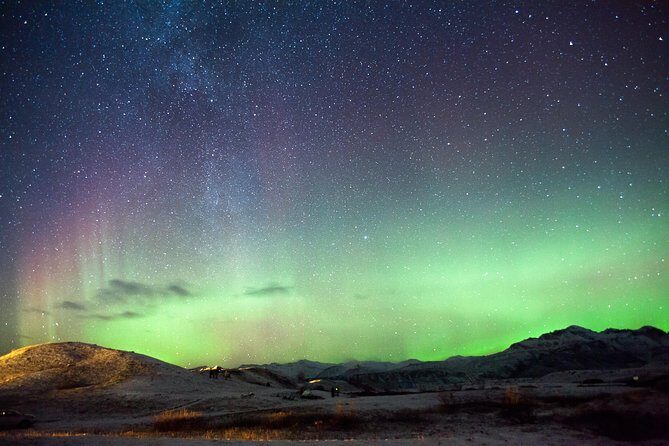
One of the most useful touches is that your guide takes a photo of you under the Northern Lights and shares it with you online the next day. That’s a big deal if you’re not traveling with serious camera gear or a tripod. You can enjoy the moment without turning the whole night into a technical workshop.
Timing matters because auroras are not a single still scene. They shift, ripple, and change brightness. A guide who knows when to move you slightly—toward a clearer patch of sky or a spot with better darkness—can improve your odds. That’s why you’ll notice guides in past experiences praised the ability to identify correct conditions and locations, not just the vehicle.
About taking your own photos: one account included practical advice. If you want real shots rather than blurry streaks, you’d need a camera with ISO and shutter speed control, and a tripod helps. Even if you don’t use your own setup, the included guide photography means you still get a keeper.
Also pay attention to the viewing points and how the night flows. You’ll typically move between areas during the hunt, which gives you different chances for clear sky. Another reviewer described how their guide found an ideal location with clear skies without distracting lights, and that made the aurora look better than photos from the area might suggest.
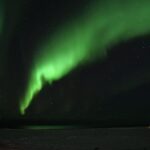
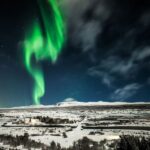
If you’re wondering whether the aurora will last long enough: it often does once it starts. Some experiences reported shows lasting over an hour. But because weather can change, it’s smart to treat the night like a waiting-and-searching mission. When it happens, it can feel like the sky turned on a light show just for your group.

What to pack for Iceland cold, plus simple camera tips
Your biggest preparation job is clothing. The tour operates in all weather conditions, and they explicitly tell you to dress weather smart. That’s not a generic line—cold can hit hard once you’re outside for hours.
I recommend dressing like you’re staying outside longer than you think you will. That usually means:
- A warm base layer you can keep on the whole time
- Insulation you can layer (fleece or thick sweater type)
- A windproof outer layer
- Gloves that stay warm when wet or windy
- A hat that covers ears
- Warm socks and footwear suited for cold ground
Even with wool blankets available, you’ll still want proper outer protection. Cold tends to sneak in through wrists, ankles, and the top of boots.
On top of that, you might consider how you’ll handle photos. If you bring a camera, knowing ISO and shutter speed control helps. And a tripod can make a real difference, especially when you want stable long exposures. If you don’t bring photo gear, you’re still covered with the guide photo service, so you can keep your hands free for the hot chocolate and steering the moment in your head.
Private value versus bus tours: comfort, access, and fewer compromises
A lot of Northern Lights tours follow the same script: ride out, park near a viewing spot, wait, and hope. This one changes two things that matter: vehicle access and the private format.
First, the Super Jeep gives you the chance to reach darker areas and travel routes that larger tour vehicles may skip. Off-road access is not a marketing buzzword here. It directly affects the visibility of faint aurora and the chance that you get a clear view even when the best spots are farther out.
Second, being private means you’re not sharing attention with a full bus. It also means you can experience the night with more flexibility. In past experiences, guides like Simon and Aron were praised for being service-minded and making the group feel cared for. People also liked how the guide took time for the group, answered questions, and offered warmth and snacks instead of rushing everyone.
When you compare value, look beyond the “tour type” label. This experience includes Wi‑Fi on board, hot chocolate, snacks, chairs, woolen blankets, and alcoholic beverages, plus your English-speaking guide and the Super Jeep drive itself. There’s no separate admission ticket listed, and the structure is designed to keep you comfortable while you wait for aurora conditions to line up.
Now, the fair caveat: no guide can control the sky. If weather is poor, the tour could be canceled or changed. But based on prior experiences, the guides appear to use weather analysis and route changes to keep trying. One account even described being swapped from a snowmobile-based Northern Lights attempt to this Super Jeep option when conditions were unsafe for that activity. That tells you the operator is willing to adjust when safety and weather shift.
Who should book this Northern Lights hunt?
I think this tour fits best if you want:
- A real aurora search with vehicle access beyond standard roads
- A calmer, more personal feel (private means only your group)
- Comfort support for long waiting time (blankets, chairs, hot chocolate)
- A guide who explains what you’re seeing, not just where you should stand
It also works well for mixed-age groups and people who want less chaos than bus tours. In past experiences, a group with a teenager, a couple in their 40s, and an older traveler all described the tour as memorable and worth it, with guides praised for service and entertainment.
If you’re on a tight schedule in Reykjavík, starting in the evening and finishing with a return drop-off makes sense. You get the aurora hunt without turning the night into a DIY project.
Should you book a private Super Jeep Northern lights hunt from Reykjavik?
If you’re choosing between this and a more basic tour, I’d lean toward booking if your goal is clear viewing odds and a guided experience that keeps you warm and moving. The Super Jeep access helps you escape light pollution, and the included comfort makes it easier to wait without rushing or giving up early. Add the guide’s aurora knowledge, plus the photo you get afterward, and the whole thing feels built for the actual reality of Northern Lights nights.
Book it if you’re willing to dress for cold, show up ready to wait, and treat the sky like a moving target. Skip it only if you strongly dislike outdoor cold or you’re expecting guaranteed lights no matter what weather does. Even with the best planning, aurora viewing depends on conditions. The best “win” here is that you’re searching intelligently, not just hoping.
FAQ
How long is the Northern Lights hunt?
It runs about 4 hours (approx.).
What time does the tour start, and is pickup offered in Reykjavik?
The tour typically starts at 8:00 pm, with pickup offered from Reykjavík. You should be ready about 30 minutes before departure at your pickup location.
What’s included during the tour?
You’ll get hot chocolate, snacks, Wi‑Fi on board, chairs and woolen blankets, an English-speaking driver guide, and alcoholic beverages. A Super Jeep experience is included as well.
Is this a private tour?
Yes. It’s a private tour/activity, so only your group participates.
Does it run in all weather conditions?
Yes, it operates in all weather conditions. The guide notes that you should dress weather smart, since it can be very cold.
What happens if the tour is canceled due to poor weather?
This experience requires good weather. If it’s canceled due to poor weather, you’ll be offered a different date or a full refund. Free cancellation is available up to 24 hours in advance for a full refund.