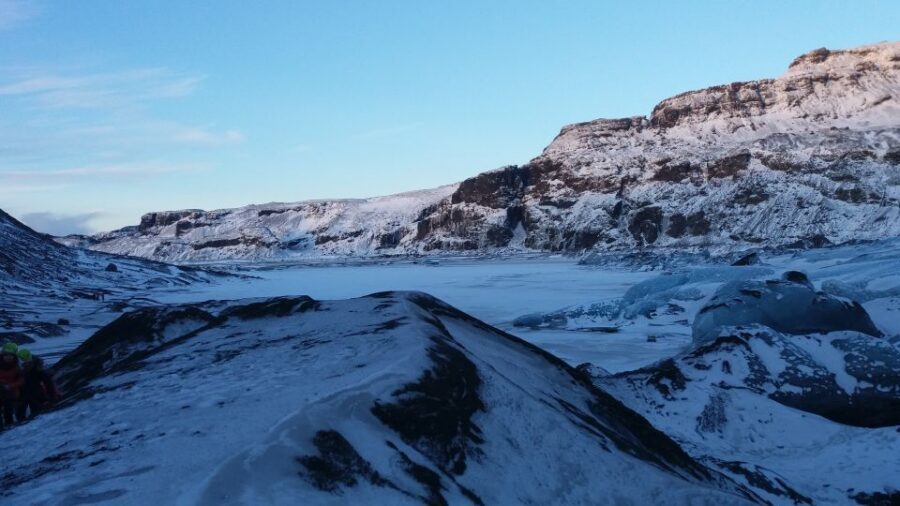
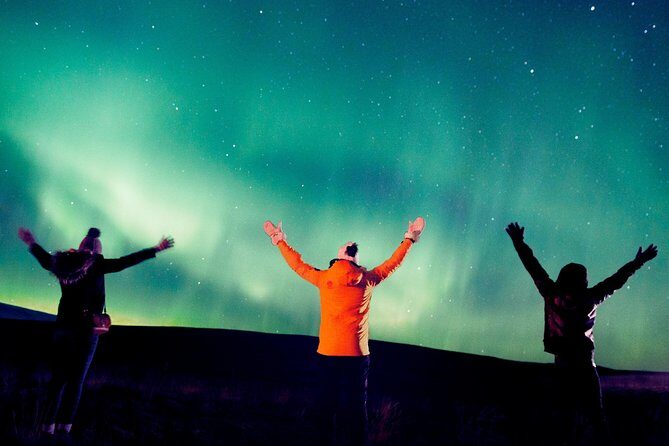
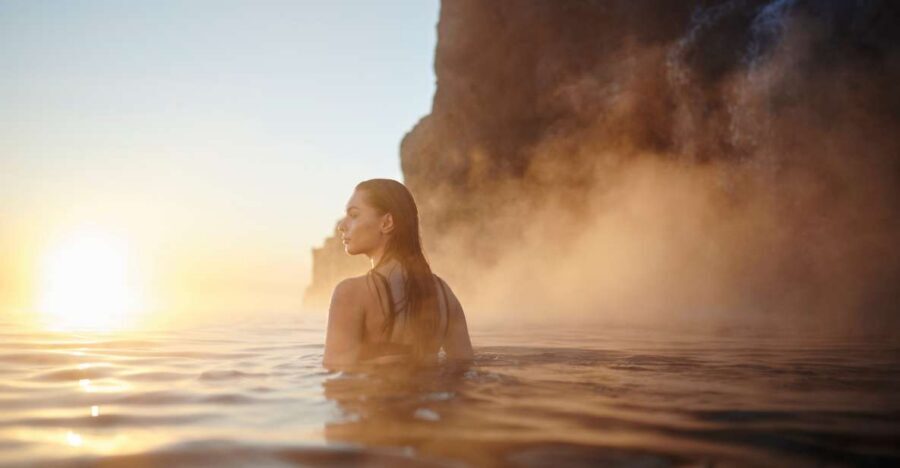
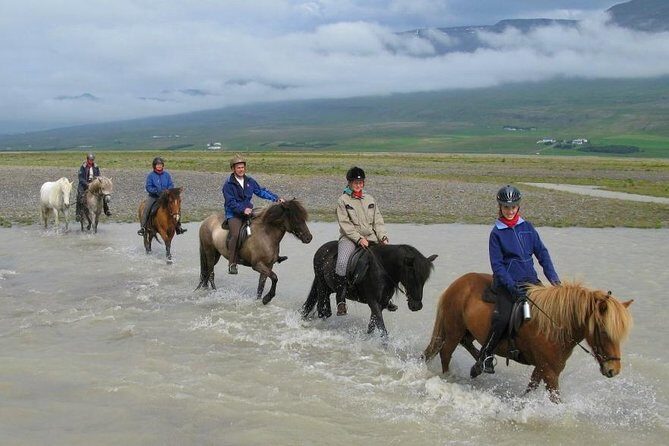
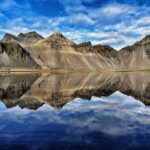
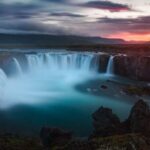
Lava, steam, and continents in one clean loop. This private Reykjanes Peninsula tour is a smart way to hit Iceland’s dramatic geothermal zone quickly, starting right at Keflavik International Airport. You get a guided route built around iconic science-and-scenery stops, with time kept realistic for jet lag and changing weather.
I like two things in particular. First, the meet-and-greet airport pickup and drop-off make the day feel effortless, especially if you’re landing early or doing a layover. Second, the pacing and guidance are clearly designed to fit small groups; names like Agnes and Mr. S show up in the operator’s recent praise, and that matters because you’ll move through active, sometimes sensory-heavy areas where good timing makes the difference.
One possible drawback: you’re looking at about 4 to 5 hours with short time windows at each stop. That’s perfect for a first taste of Reykjanes, but if you want long walks, long meals, or slow photography sessions, you may feel a bit rushed when the weather turns or daylight gets tight. A rain layer helps—real Iceland weather can show up fast.
In This Review
- Key highlights you’ll feel fast
- Why Reykjanes from Keflavik is such a practical intro
- Private pickup and drop-off: the day feels smoother than you expect
- Bridge Between Continents at Sandvík: stand on a tectonic argument
- Reykjanes Lighthouse: a lesson in survival at sea
- Gunnuhver Hot Springs: where steam, mud, and gases turn science into texture
- Krysuvík (Seltún) boardwalk: geothermal color that’s easier to walk
- Kleifarvatn Lake: Iceland’s deep-water quiet with folklore
- Price and value: why this group-based private tour can make sense
- What to expect on the ground: timing, weather, and comfort
- Should you book the Private Reykjanes Peninsula Tour?
- FAQ
- How long is the Reykjanes Peninsula private tour?
- How many people are in a private group?
- Is pickup included, and where does it start?
- What happens after the tour—do you get dropped off somewhere?
- Is the tour offered in English?
- Are admission tickets included for the stops?
- Are food and drinks included?
- What should I bring because of the weather?
- What is the cancellation policy?
Key highlights you’ll feel fast
- Airport-to-Reykjanes convenience with drop-off back to Keflavik or your accommodation
- Small-group privacy for up to 7 people, so the guide can adjust pacing
- Continental drift in your footsteps at the Bridge Between Continents area
- Steam, mud, and geothermal textures at Gunnuhver, including Iceland’s largest mud pool
- Geothermal color at Krysuvík/Seltún with boardwalk walking for easier access
- Photo-friendly Kleifarvatn Lake with Iceland folklore and volcanic surroundings
Why Reykjanes from Keflavik is such a practical intro
If you’re thinking Reykjanes is just a long drive away from Reykjavik, this tour helps you flip that idea. The Reykjanes Peninsula sits close to Keflavik airport, so you don’t have to build a whole day around logistics. You start the clock as soon as you land, then get a route that hits several of the peninsula’s most explainable wonders: plate boundaries, lighthouses, and geothermal systems.
What I really like is the balance between “wow” and “learn.” This isn’t only about seeing steam. It also frames what you’re seeing in terms of tectonics and geothermal activity. The result is that you leave with a mental map of why this place looks the way it does. That matters on a first trip because it turns scattered photos into a coherent story.
It also fits layovers and early arrivals surprisingly well. A private tour isn’t just a luxury here—it’s a time-management tool. The guide can keep the day efficient while still giving you breathing room at each stop, instead of shoving you through hurried parking-lot transfers.
You can also read our reviews of more private tours in Reykjanes

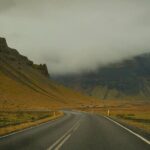

Private pickup and drop-off: the day feels smoother than you expect
This is a private activity, capped at up to 7 people. That group size keeps things flexible: you’re less likely to feel like you’re on a schedule designed for a bus full of strangers.
Pickup works like this: after you arrive at Keflavik International Airport, you’ll get a warm welcome from your dedicated driver. You’ll look out for a sign with your name, which is small but important. In Iceland’s airports, that detail saves you stress—especially when you’re carrying bags or have a tight landing-to-tour gap.
The day structure is also forgiving. It’s designed for about 4 to 5 hours, with multiple stops ranging from roughly 15 to 30 minutes. That timing is good for first-time visitors because you get variety without burning the entire day driving. It also keeps you away from the common problem of geothermal tours where you spend half your time stuck in transit and then rush the sights.
You’ll also be able to choose where the guide leaves you: back to the airport, or dropped at your accommodation. That single decision can save you from a second round of transfers later.
Bridge Between Continents at Sandvík: stand on a tectonic argument
This stop is the reason I think Reykjanes works so well for a first visit. You’re not just looking at landforms—you’re witnessing a boundary where continents are moving apart.
At Sandvík, you’ll find a small footbridge over a major fissure, built as a symbol for the connection between Europe and North America. It’s a simple structure, but the idea behind it is big: this is part of the Mid-Atlantic Ridge, where the Eurasian and North American plates drift away from each other. When that tension builds, linear fractures and fissures form. On this peninsula, you can actually see the outcome of that process.
The area adds a fun option: you can cross the continental divide on Leif the Lucky’s Bridge and then grab a personalized certificate at the Reykjanes information center and the Reykjanes Geopark visitor center in the Duus Cultural House area. That’s not just a souvenir play. It’s a neat way to make the science feel personal, especially if you’re traveling with kids or teens.
Practical note: the time here is about 20 minutes, so treat it like a quick “get oriented, get the photos, and understand the point” moment. If weather is clear, you’ll feel the scale more. If it’s foggy or windy, you’ll still get the meaning—just expect fewer sweeping views.
Reykjanes Lighthouse: a lesson in survival at sea
The Reykjanes Lighthouse story is one of those Iceland details that makes you look up from your phone. The first lighthouse in Iceland was built on Valahnúkur in Reykjanes in 1878. But by 1905, earthquakes and surf had damaged it enough that there was real danger of it falling into the sea.
So a new lighthouse was built in 1907–1908 on Bæjarfell hill. The old one was demolished with an explosion on April 16, 1908. That’s dramatic history in a way that actually explains why the structures in Iceland matter: the ground and the weather don’t negotiate.
You’ll also get technical facts that make the place feel real, not just postcard-like. The light signal is 69 meters above sea level, while the lighthouse itself is 26 meters tall. It also has a radio beacon with a correction signal, and its operation is supervised by the Icelandic Maritime Administration.
At about 20 minutes, this stop is short, but it’s rich. I recommend using the time to look at the lighthouse architecture and then scan the surrounding rock and coast. Iceland’s “hard surfaces” tell you the story even when the sea is loud and the sky won’t sit still.
Gunnuhver Hot Springs: where steam, mud, and gases turn science into texture
If you want one place that feels like being next to a living engine, Gunnuhver is it. It’s close to the Reykjanes lighthouse and is collectively named Gunnuhver after a female ghost said to have been laid there.
What you’re seeing is geothermal action made visible. Mud pools form where steam from boiling geothermal water rises, then condenses and mixes with surface water. Because gases such as carbon dioxide and hydrogen sulfide are involved, the water becomes acidic. Over time, that alters fresh lava rock into clay. If you’ve ever wondered why geothermal areas look brown, pale, or strangely layered, this is the kind of explanation that makes the colors make sense.
One detail I love here is scale. Gunnuhver is home to Iceland’s largest mud pool at present, and it’s prominent because it’s the biggest boiling area in that group. The mud pool is about 20 meters wide, with a rim and vigorous bubbling.
This is also in the heart of the Reykjanes UNESCO Global Geopark where the North Atlantic ridge rises from the ocean—so you’re not only looking at a single hot spring. You’re looking at a system shaped by diverging plates and active geothermal forces.
Time is again about 20 minutes, and admission is free. The main thing is to treat it as a sensory stop: expect steam, expect smells, and keep a little distance where people move on the available areas. If you’re sensitive to strong odors, plan for that and keep your visits short but intentional.



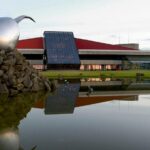

Krysuvík (Seltún) boardwalk: geothermal color that’s easier to walk
Krysuvík is one of those regions that rewards slow attention, but this tour keeps things manageable with short stop time. You’ll spend about 30 minutes here, and you’ll walk a boardwalk through the geothermal zone. That’s a big deal in places like this, because geothermal ground can shift and it’s not the kind of environment you want to improvise in.
Within Krysuvík/Seltún, you’ll see features that come in many forms: mudpots, fumaroles, and mineral deposits. As geothermal solutions move through rock and then reach the surface, they leave behind colorful sediments. That’s why the area can look like someone painted it with layers of mineral dust.
There’s also a practical setup for visiting: there are walking paths around the area and parking, and you can follow the boardwalk to get close without going into unsafe zones.
The location is listed near Kleifarvatn, on Road 42 with parking. If you’re thinking about weather, this stop can still be worthwhile even when visibility drops, because the ground textures and steam patterns keep offering visual interest when distant views fade.
Kleifarvatn Lake: Iceland’s deep-water quiet with folklore
Kleifarvatn is the peninsula’s largest lake (about 10 km²) and one of southern Iceland’s deepest. It sits between Sveifluháls and Vatnshlíð, and it’s about 97 meters deep. The fact that it’s deep matters, because the story isn’t only scenic—it’s dynamic.
The lake has diminished since 2000, likely because major earthquakes opened fissures at its bottom. That means the water situation can change over time, which is pretty typical for a tectonically active region. In the southernmost part, hot water from some hot springs runs into the lake, but elsewhere it stays very cold—so the lake’s temperature isn’t uniform.
You’ll have about 15 minutes here, which is enough for photos and a quick look without turning it into a long hike. There’s also a small fishing lodge by the lake.
And yes, there’s folklore. People tell a story about a worm-shaped monster the size of a medium-sized whale living in the lake. You don’t need to believe it for the atmosphere to work. In a place this volcanic, odd stories feel natural.
This is a stop I’d prioritize for photography, especially if skies are clearing. The volcanic surroundings give you contrast, and the lake’s dark tones can look dramatic next to pale rock and steam.
Price and value: why this group-based private tour can make sense
The price is $1,275 per group, up to 7 people. On paper, that might sound steep if you’re thinking per-person like a standard bus tour. But this isn’t a bus tour, and the value is in the service you get with minimal friction.
Here’s what you’re paying for:
- Private transportation with airport meet-and-greet (the biggest convenience factor)
- Sightseeing and guidance throughout the route
- Drop-off either at your accommodation or back at the airport
- Free admission at the listed stops (Bridge between continents, Reykjanes Lighthouse, Gunnuhver, and Krysuvík, plus the other included sights)
- Mobile ticket support for the day
Also, the timing is efficient. When you’re on a layover or you’re fresh off a flight, shaving off even one extra transfer leg can be worth real money in comfort and stress reduction.
What’s not included: food and drinks unless specified. So factor that into your plan. On a short tour day, I’d treat this as a “sights first” experience. If you want a meal, plan it before or after, since the stops are short.
To decide if it’s worth it for you, do a quick math check:
- If you can fill a small group (up to 7), the per-person cost drops fast.
- If you need airport pickup and drop-off flexibility, the private format becomes more cost-effective than piecing together separate taxi rides plus self-guided driving.
What to expect on the ground: timing, weather, and comfort
Even with a smooth plan, Reykjanes can feel wild. Wind and mist are part of the deal on this peninsula. That’s why I’d treat clothing as part of the budget, even if the tour itself is well organized.
The operator explicitly notes to bring a rain coat in case of rain. I’d also suggest warm layers under it. You’ll be outside at multiple stops—especially at areas like Gunnuhver where steam and moisture are obvious.
Shoes matter too. Some areas are on footpaths or boardwalks, and you don’t want to be slipping while trying to enjoy photos. The good news: the boardwalk at Seltún helps reduce the “where do I walk?” problem.
Finally, set expectations for time at each location. You’re spending roughly 15 to 30 minutes at most stops, so the tour is built for fast understanding and quick photo moments—not for long hikes. That’s why it works so well for first-time visitors and layovers: you don’t lose the whole day to logistics.
Should you book the Private Reykjanes Peninsula Tour?
Book it if you fit one of these situations:
- You land at Keflavik with limited time and want a focused Reykjanes introduction.
- You prefer a private guide who can pace the day for your group instead of following a larger tour schedule.
- You want both science context (continental drift, geothermal explanations) and real-world sights like Reykjanes Lighthouse and Gunnuhver mud pools.
Skip or adjust your expectations if you:
- Want long stays, long hikes, or lots of time for meals during the tour window.
- Know you’re highly sensitive to strong geothermal smells and steam (you’ll still likely enjoy the views, but you may want to plan shorter lingering).
If you’re trying to turn a partial travel day into something memorable, this is a strong pick. It’s efficient, guided, and packed with recognizable, explainable Reykjanes highlights—without making you fight the logistics yourself.
FAQ
How long is the Reykjanes Peninsula private tour?
The tour lasts about 4 to 5 hours.
How many people are in a private group?
It’s a private tour/activity, and the group size is up to 7 people.
Is pickup included, and where does it start?
Yes. You get meet-and-greet airport pickup from Keflavik International Airport (Keflavikurflugvollur).
What happens after the tour—do you get dropped off somewhere?
Yes. You’ll be dropped off either back to the airport or at your hotel/accommodation.
Is the tour offered in English?
Yes, it’s offered in English.
Are admission tickets included for the stops?
Admission tickets are listed as free for the stops on this route.
Are food and drinks included?
No. Food and drinks are not included unless specified.
What should I bring because of the weather?
Bring a rain coat, since rain can happen.
What is the cancellation policy?
You can cancel up to 24 hours in advance for a full refund.