REVIEW · REYKJAVIK
Lava Caving Experience
Book on Viator →Operated by Arctic Adventures · Bookable on Viator
A lava tunnel tour beats museum boredom. In Reykjavik, you step into Raufarhólshellir, one of Iceland’s famous lava tubes, with the right safety gear and a guide who explains what you’re seeing as you walk.
I like two things right away: the small-group size (advertised up to 15) and the fact that basic caving kit is handled for you, including a helmet and head torch, plus crampons in winter. I also love how the route turns geology into something you can understand on the move, not just read in a book.
One consideration: the tour is short—about an hour—so it won’t satisfy people who want a long, deep expedition. And even with a small-group promise, I’ve seen at least one report of a much bigger group than expected, so it’s smart to double-check what your specific departure looks like.
In This Review
- Key highlights you’ll care about
- Reykjavik’s lava tube in one practical hour
- What happens inside: the Raufarhólshellir route, step by step
- Safety gear and clothing: what to wear so the hour feels easy
- The guide’s role: more than directions
- How much is $66.01 worth for a one-hour lava cave?
- Small group promise vs real-world group size
- Getting there from Reykjavik without turning it into a project
- Who this lava caving tour is for
- FAQ
- FAQ
- How long is the lava caving experience?
- Where does the tour start and end?
- Is transport from Reykjavik included?
- What’s included in the price?
- Do I need to bring my own caving equipment?
- What group size should I expect?
- Is the tour in English?
- What happens if the weather is bad?
- Should you book this Reykjavik lava tunnel caving?
Key highlights you’ll care about
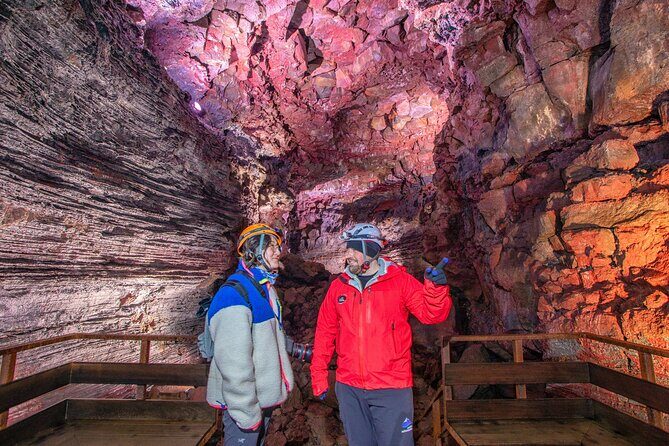
- You’ll see real lava-tube features like colored rock walls, skylight-like openings, and ice formations when water freezes inside
- Helmet + head torch are included, so you’re not scrambling for gear at the last minute
- Crampons in winter help with traction, especially around slick ice
- Certified caving guidance keeps the pace friendly for first-timers and makes the walk feel manageable
- Expect geology and volcanology stories that connect Iceland’s volcanoes to what’s under your feet
- Short and focused: it’s mostly one main lava tube experience with a side stop if conditions allow
Reykjavik’s lava tube in one practical hour
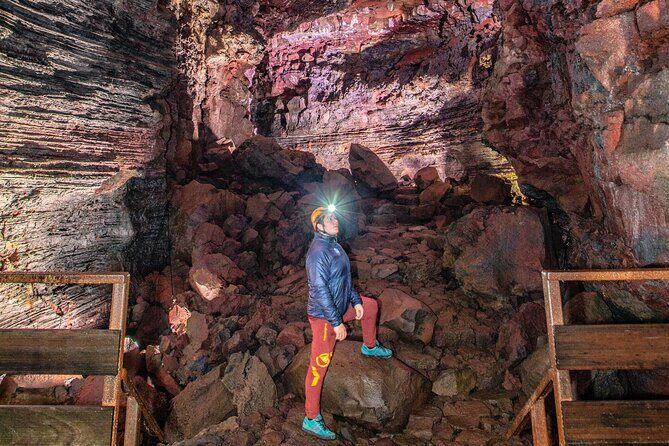
If you’re visiting Iceland for a week, you’ll see plenty of waterfalls, glaciers, and dramatic road stops. This is different. This tour puts the spotlight on what’s happening underground—lava that once flowed like liquid rock, then cooled and left behind a tube you can walk through.
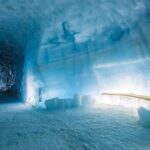
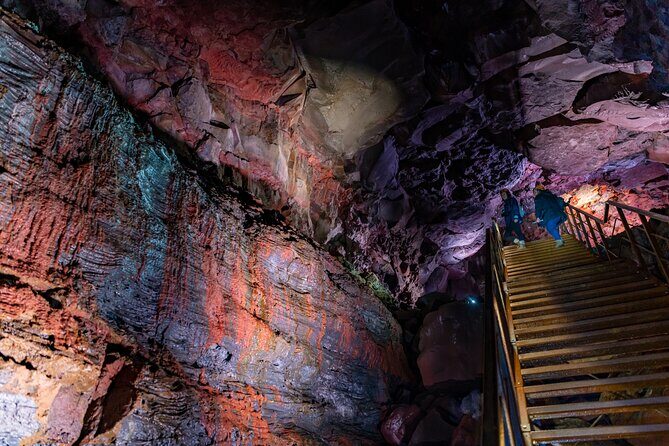
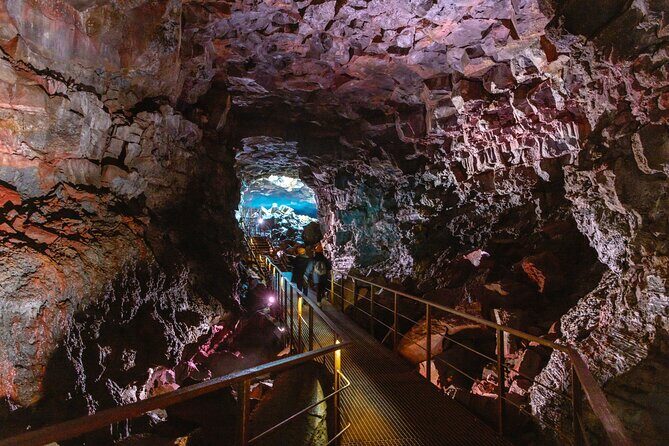
Raufarhólshellir is the kind of place that makes you stop thinking in straight lines. Up above, Iceland looks open and windy. Down below, the surfaces are sculpted, patterned, and strangely decorative—like nature grabbed a brush and refused to stop halfway. People also come for the ice scenes. When water drips and freezes, it can form stalagmites and clusters that look almost candle-like when light catches them.
The duration is part of the appeal. At about one hour, you get a real caving experience without burning half your day. It’s also a good way to test whether you enjoy this style of adventure before committing to longer cave tours.
One more reason it works well in Reykjavik: it’s easy to fit into a busy schedule. Transport is not included, but the activity meets at the lava-tunnel location and finishes right back there, so you’re not adding complicated transfers.
You can also read our reviews of more tours and experiences in Reykjavik.

What happens inside: the Raufarhólshellir route, step by step
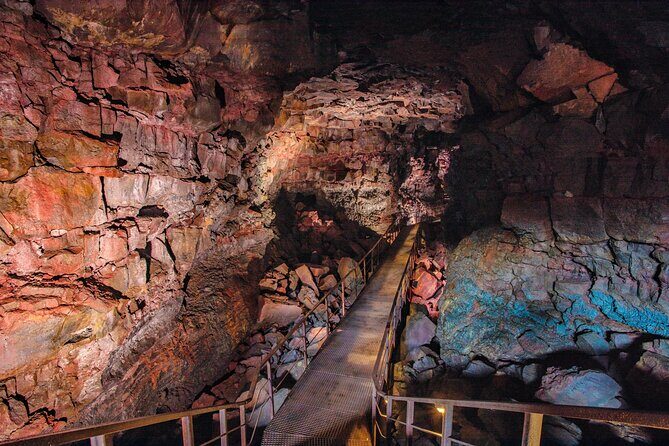
This experience is straightforward: you meet at the Raufarhólshellir site (start and end at the same meeting point), then spend your time exploring the lava tube with your guide.
Here’s the flow you can expect:
First, you meet your caving guide at the Lava Tunnel office area. Then you get the basics sorted fast—helmet and head torch. That matters more than it sounds. Head lighting keeps your hands free for balance. It also helps you actually see textures instead of just stumbling forward like you’re in a dark hallway.
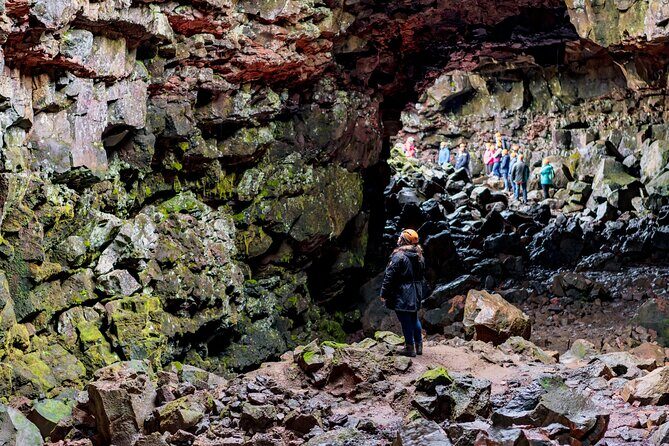
Next comes the walk itself. You’ll be moving through the lava tube environment while your guide points out how the tunnel formed and what the features mean. This is where the tour earns its high marks. The best moments aren’t just visual; they’re the explanations that make the shapes click. If you have questions, this is the moment to ask. The guides are described as friendly, funny, and enthusiastic, and that tone makes the science feel normal instead of intimidating.
Now for the wow factor. Inside, you’re likely to notice:
- Colored surfaces and textures on the walls and floor
- Openings that act like skylights, bringing in light from above
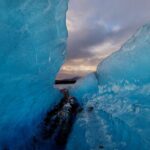
- Ice formations that appear where water drops freeze on the way down
One of the most memorable details people share is how ice can gather in piles, then look like a set of tiny candles when light shines through them. It’s a small thing—just frozen water—but it changes the entire mood of the cave. The tunnel can look like a dark stone room, then suddenly feel like a lit stage.
There can also be a side stop into a smaller cave area. When conditions are right, people report seeing iridescent bacteria there. That’s one of those weird-but-true Iceland moments: even underground, life finds a way, and it can look almost unreal under the lighting.
The tour ends back at the meeting point, keeping your day simple.
Safety gear and clothing: what to wear so the hour feels easy
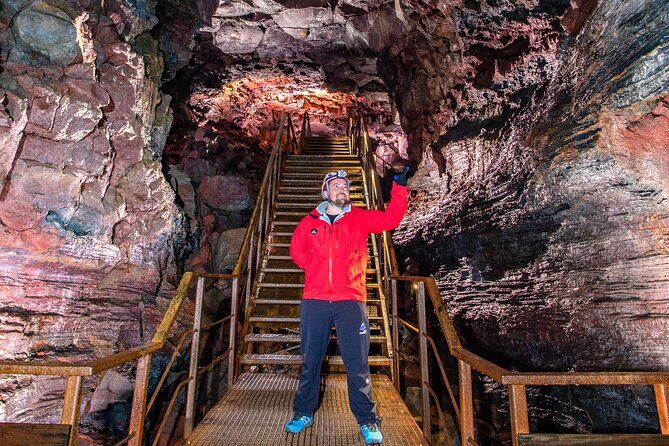
This is a caving trip, but it’s designed for first-timers. That doesn’t mean it’s a stroll in the park. Lava tubes can be uneven. Some areas can be slick, especially in cold months.
Here’s what you get, based on the tour details:
- Helmet & head torch
- All necessary safety equipment
- Crampons in winter
In addition, people mention being provided a walking stick for better balance. That’s exactly the kind of comfort tool that helps you focus on the scenery instead of your footing.
What you should bring is the part you control:
- Wear a jacket
- Wear hiking boots
That advice shows up again and again because it’s practical. A jacket keeps you comfortable when you go from outdoor air into a cooler cave. Hiking boots help with traction on rock and any icy spots.
A small but smart tip: listen to your guide about how to walk. In a cave, small missteps can feel big. When you move the way they show you, the whole hour feels smoother—and you’ll enjoy the visuals more because you’re not constantly thinking about balance.
Also, plan your day around weather. This experience requires good weather, and that’s not just small talk. Iceland weather can change quickly, and caves are not the place you want to test your luck on a slippery day.
The guide’s role: more than directions
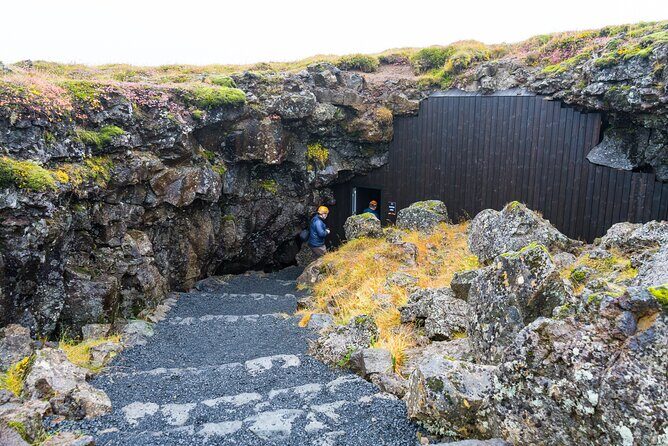
In cave tours, the guide is the difference between seeing a tunnel and understanding a world.
This one is run by a certified caving guide, and the energy is consistently described as friendly, humorous, and genuinely invested in the topic. That matters because lava caves aren’t just pretty rocks. They’re records of volcanic activity, and the guide turns those records into a story you can follow while walking.
One guide name comes through in the feedback: Dimitri. People describe him as charming and funny while sharing how the cave formed and what it means for Iceland’s geology. Even if you don’t get Dimitri, the style seems consistent—clear explanations, a light sense of humor, and a strong focus on safety.
I especially like tours where you can ask questions without feeling like you’re slowing things down. This tour’s setup encourages that. If you’re the type who likes to know why something is shaped a certain way, you’ll get answers in plain language.
You’ll also learn how Iceland’s volcanoes shaped not just the rocks, but the way people live with the country’s forces. It’s a fast lesson, but it connects the dots between Reykjavik on the surface and what you’re walking through below.
How much is $66.01 worth for a one-hour lava cave?
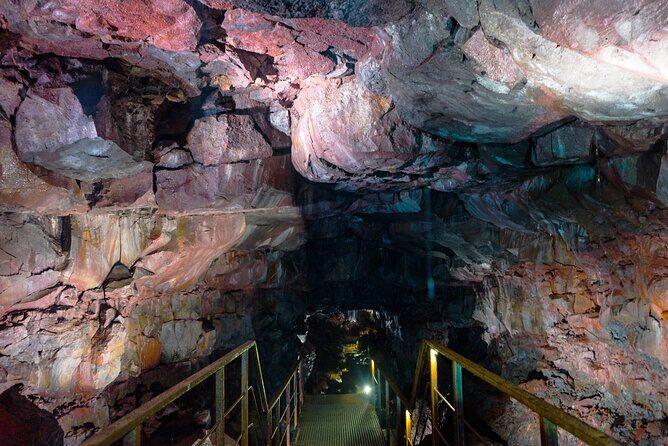
Let’s talk value, not just price.
At $66.01 per person, you’re paying for a short, guided caving experience that includes an admission ticket and safety equipment. You’re also getting a real specialist guide (certified caving guide) and key gear like helmet and head torch. That’s not a trivial add-on in Iceland, where outdoor gear and guided activities can add up quickly.
What you don’t get is also clear:
- Meals are not included
- Transport to and from Reykjavik is not included
So you’ll want to plan your timing and meals around the tour. The upside is that because the activity ends back at the meeting point, your logistics don’t get messy. You’re not trying to coordinate another leg right after you come out of a cave.
Another value angle: booking behavior. This is commonly reserved well ahead—about 54 days in advance on average. That’s usually a sign that people find it worth fitting into their plans early. If you wait too long, your preferred time slots may be gone.
Is the hour enough? For most first-timers, yes. For cave enthusiasts who want longer routes, it could feel brief. Still, it’s a strong entry point because you get the big visual moments—ice features, light through openings, and lava texture—without overcommitting.



Small group promise vs real-world group size
Here’s the honest part.
The tour is described as a small-group experience with a maximum of 15 guests. That’s what you should expect. A smaller group usually means more personal attention and fewer bottlenecks while walking through narrow sections.
However, I’ve also seen at least one report where the group felt much larger than expected. That doesn’t mean it’s always like that. It does mean you should treat small-group size as dependent on the day’s operation.
What you can do: when you book, look at your confirmation details and arrival instructions. If group size matters to you, choose a departure time that fits your schedule so you can avoid being combined with other runs if that happens in your specific slot.
Even with larger groups, a good guide can still keep things organized—but if you’re paying for intimacy, it’s worth paying attention to what you’re actually getting.
Getting there from Reykjavik without turning it into a project
Your meeting point is the Raufarhólshellir area (listed as 816, Iceland), and the activity starts and finishes at the same place. That’s helpful. After the cave hour, you’re not trying to navigate a new pickup point in winter darkness.
Transport is not included, so you’ll need to arrange it yourself. That might mean a rental car, a taxi, or another local transport option that gets you to the lava tunnel area on time. The tour duration is short, so you’ll want to arrive a few minutes early to avoid stress.
A practical note: it’s a mobile ticket experience. That usually makes check-in easy, but still: make sure your phone battery is healthy so you’re not hunting for signal in a parking lot.
Also, the tour needs good weather. If conditions look rough, keep some flexibility in your day. Iceland can be efficient—until the sky decides otherwise.
Who this lava caving tour is for
This experience fits a pretty specific sweet spot.
Book it if:
- You want a first cave experience with safety gear provided
- You like science explanations but don’t want a lecture—just clear talk while you walk
- You want something active that still stays manageable for about an hour
- You’d enjoy the contrast of lava rock plus ice formations
It’s also a strong choice for people traveling with mixed ages. One report even mentions a teen having fun, which tells me this isn’t only for hardcore outdoors folks. The storytelling and visuals do a lot of the work.
Be cautious if:
- You’re looking for a longer multi-hour caving adventure
- You have trouble with walking on uneven surfaces
- You’re traveling when weather conditions are questionable and you don’t have the flexibility to reschedule
And if you’re nervous about caving? Good. Ask questions before you start, and follow your guide’s instructions. The whole setup is built to help first-timers feel comfortable.
FAQ
FAQ
How long is the lava caving experience?
It runs for about 1 hour.
Where does the tour start and end?
You meet at the Raufarhólshellir location (listed as 816, Iceland). The tour ends back at the same meeting point.
Is transport from Reykjavik included?
No. Transport to and from Reykjavik is not included.
What’s included in the price?
The tour includes a guided tour with a certified caving guide, admission ticket for the cave visit, and all necessary safety equipment. You also get a helmet and head torch, and crampons in winter.
Do I need to bring my own caving equipment?
No. The tour provides the key safety items. You should bring appropriate clothing like a jacket and hiking boots.
What group size should I expect?
The experience is offered with a maximum of 15 travelers.
Is the tour in English?
Yes, it’s offered in English.
What happens if the weather is bad?
The experience requires good weather. If it’s canceled due to poor weather, you’ll be offered a different date or a full refund.
Should you book this Reykjavik lava tunnel caving?
Yes, if you want a high-impact Iceland activity that stays easy to schedule. For most people, the hour format is the right size: enough time to see the lava tube, spot ice features when conditions allow, and learn what you’re looking at—without turning your day into a half-day project.
The strongest reason to book is the combination of gear provided and guide-led geology. You’re not stuck figuring out how to walk, where to look, or what the cave features mean. Add in the included admission ticket, and the value starts to make sense fast.
The main “skip it” scenario is if you’re chasing a longer, more extreme caving route. This is a focused, first-timer-friendly introduction. If you want that kind of quick, practical adventure, this one is a smart move.