REVIEW · REYKJAVIK
Glacier Adventure at Sólheimajökull Private Tour
Book on Viator →Operated by Iceland Adventures · Bookable on Viator
Ice climbing starts with your boots.
On this Glacier Adventure at Sólheimajökull Private Tour, you’re guided start-to-finish through a hands-on setup: your guide checks your footwear against safety needs, then teaches you how to walk with crampons and hold ice axes. What I like most is the clear, practical coaching built around comfort and safety, plus the chance to spend real time on the glacier rather than just snapping photos.
Two other big pluses: you get round-trip transit from Reykjavik, so the day feels simple, and you’re matched to a climbing spot based on the group’s fitness and experience. The main thing to plan for is the footwear rule—if your boots don’t meet the ice-climbing standard, you’ll need to rent climbing boots nearby before you can climb.
In This Review
- Key Highlights You’ll Feel on the Day
- Sólheimajökull Ice Climbing: What Makes This Tour Work
- From Reykjavik to the Glacier Without the Headache
- The Boot Check: A Small Step That Changes Everything
- Gear-Up Stage: Helmets, Harnesses, Crampons, and Ice Axes
- The Walk to the Glacier Front: Getting Your Bearings
- Glacier Time on the Plateau: Terminal Area to Climb Spots
- Why the Private Format Can Mean Better Climbing
- Who This Tour Fits Best (and Who Should Rethink It)
- Price and Value: Is $392.21 Worth It?
- Parking Fee and Small Logistics That Matter
- What “Safe and Comfortable” Looks Like in Practice
- Duration, Group Size, and Booking Timing
- Should You Book This Glacier Adventure?
- FAQ
- What is included in the tour gear?
- Do I need to bring my own climbing boots?
- How long is the glacier adventure?
- Where does the tour start and end?
- Is this tour private?
- What happens if weather is bad or I cancel?
Key Highlights You’ll Feel on the Day
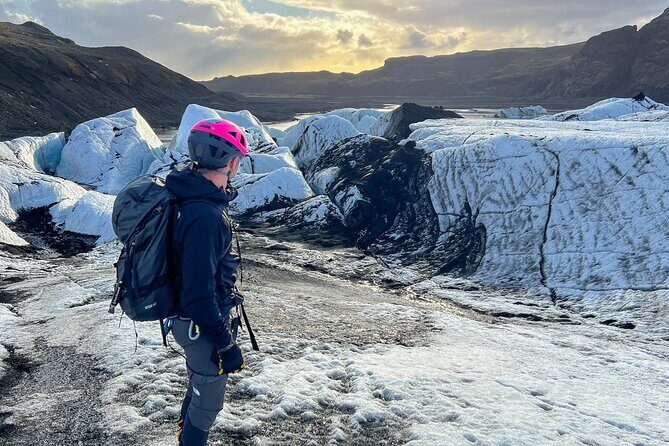
- Boot check first: your guide inspects your boots before you gear up, so you know safety standards are real.
- All the core gear included: helmets, harnesses, crampons, and ice axes are provided.
- Coached movement on ice: you practice wearing crampons and walking safely before you go deeper.
- A longer time on the glacier: much of the experience happens on the plateau where your guide finds the best climbing spot.
- Climb types that make it memorable: you may climb on a moulin or the wall of a crevasse, depending on conditions and the group.
- Private group pacing: the tour is private, so the guide can adapt to your abilities without racing others.
Sólheimajökull Ice Climbing: What Makes This Tour Work
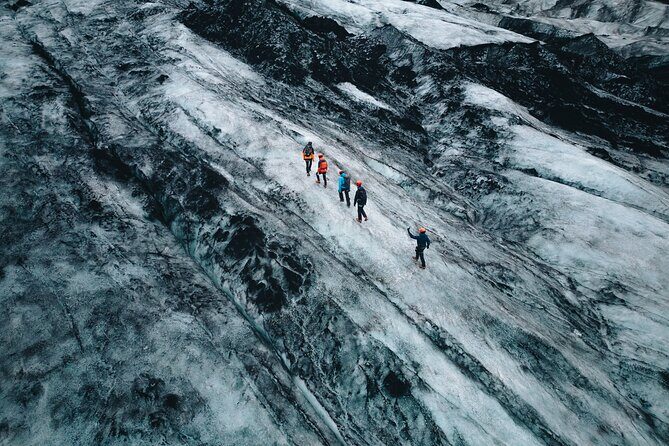
Sólheimajökull is the kind of glacier that rewards good guidance. The terrain is dramatic, but it’s not a free-for-all. You get structured time learning how to move, then you get actual climbing on the glacier itself.
What makes this tour especially appealing is that it treats safety as part of the experience, not a boring preface. You start with a boot inspection, then you get fitted with helmets, a harness, and crampons, and you’re taught how to walk while holding ice axes. That approach helps most people feel steadier fast.
The private format also matters. With only your group out there, you don’t lose time waiting your turn, and your guide can adjust the route and climbing spot to what your group can handle.
You can also read our reviews of more private tours in Reykjavik
From Reykjavik to the Glacier Without the Headache
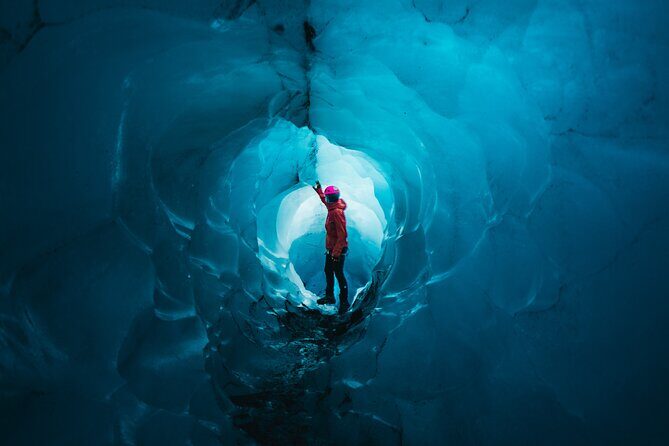
One of the practical reasons I’d book this is the round-trip transit from Reykjavik. Glacier tours can turn into a logistics puzzle—rental cars, parking, timing, and road conditions. Here, your day is built around being picked up and delivered back to where you started.
The meet point is the Sólheimajökull glacier parking lot (221, 871, Iceland), and the tour ends back at the meeting point. That simple loop makes it easier to plan the rest of your day in Reykjavik, whether you want a late dinner or time to explore the city again.
Once you arrive at the parking lot, you’re not immediately on the ice. You walk about 20 minutes to the front of the glacier. It’s a short trek, but it’s also a moment to transition from road life to glacier rules—cold air, wind, and the feeling of being on a real natural surface.
The Boot Check: A Small Step That Changes Everything
The first “hands-on” moment happens right when you meet your guide. They introduce the activity and then inspect your boots to see whether they meet the safety standard for ice climbing.
If your boots don’t qualify, you’ll be asked to rent climbing boots at a nearby company. This is not a vague suggestion. The tour info is direct: without proper boots, you won’t be able to climb. That’s a good thing, even if it sounds strict, because it prevents the most common problem—people trying to cram into the wrong footwear and then feeling unstable on crampons.
So before you go, check what kind of boots you’re bringing. If you’re coming from Iceland in sneakers or regular hiking footwear, you may need to rent. Plan a little extra buffer time in your head for that possibility.
Gear-Up Stage: Helmets, Harnesses, Crampons, and Ice Axes
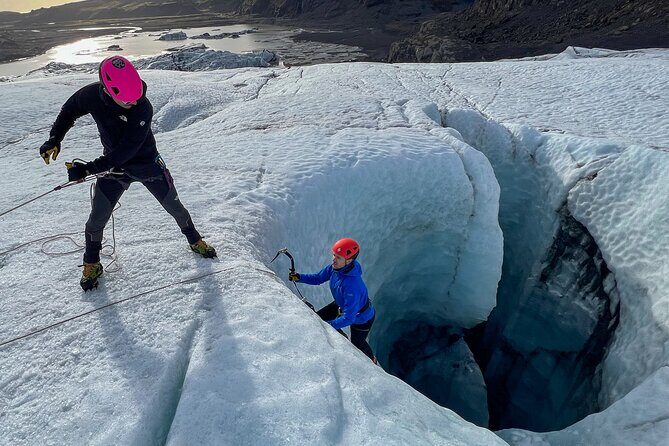
Gear is included, which is a major value point for a half-day glacier activity. You’ll receive helmets, crampons, harnesses, and ice axes. This matters because it removes the guesswork: you’re not trying to source safety gear on your own, and you’re not stuck with mismatched equipment.
Then comes the part that makes or breaks your comfort level: you’ll be shown how to wear the harness and helmet, and how to walk safely while holding ice axes and using crampons. The goal isn’t just “look cool.” It’s learning the body mechanics that keep you balanced when the surface is uneven or slick.
You also get introduced to crampons early, before you reach the main climbing area. That makes the glacier time less intimidating. You’ve already handled the gear, so your brain can focus on where you’re stepping instead of how to move your feet.
The Walk to the Glacier Front: Getting Your Bearings
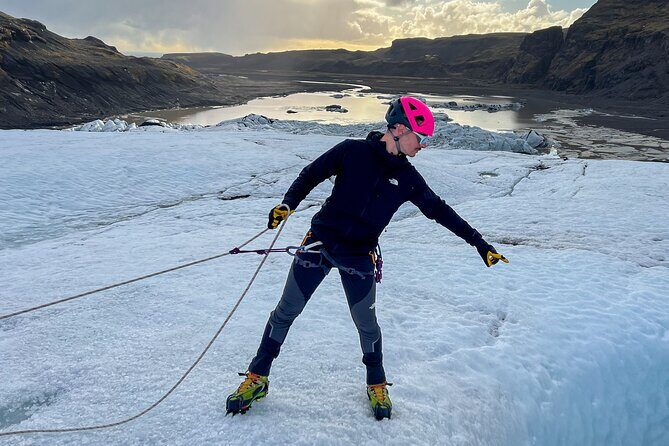
From the parking lot, the roughly 20-minute walk to the glacier front is your first real chance to feel the scale. You go from parked cars to glacier terrain, and it helps your guide set expectations before you start climbing.
At this point, you’ll be introduced to the crampons and shown how to wear and use them. This is important because crampons aren’t just “added spikes.” They change how you place your weight, how you step, and how confident you feel on a sloped or textured surface.
If you’re the nervous type, this part helps. You’re still close to the start, but you’re already practicing. By the time you reach the climbing zone, the gear feels less foreign.



Glacier Time on the Plateau: Terminal Area to Climb Spots
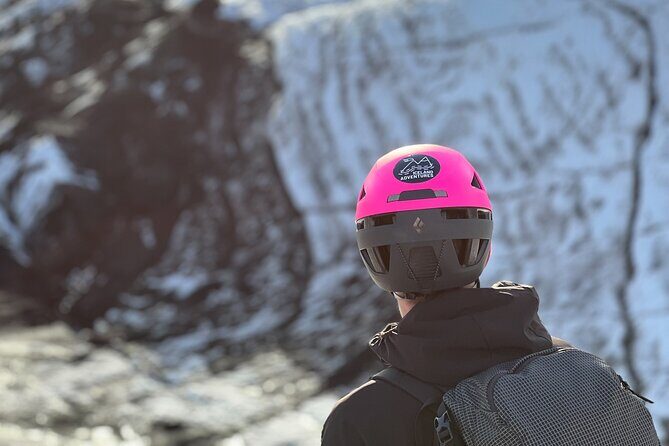
Here’s where the day turns into the real adventure. From the glacier front, you follow your guide in a single line, moving through the terminal area. That matters because it keeps travel organized and reduces the risk of people spreading out on fragile terrain.
You then reach the plateau, where your guide looks for the best climbing spot based on group fitness and experience. That choice is a big deal. Many tours feel like a one-size-fits-all experience. This one leans into adaptability: if your group is newer or more cautious, your guide can choose a spot that fits.
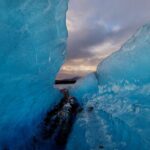
During the main climb, you’ll spend most of your time either climbing on a moulin or on the wall of a crevasse. Both sound intense—because they are. The difference is what you’re climbing on and how the route feels underfoot. Either way, you’re not just watching from the sidelines; you’re learning by doing under supervision.
The best part of this segment is that the guide is scanning the group. Once you’ve had enough time—based on satisfaction and comfort—they lead you back toward the starting point and collect gear for a tidy ending.
Why the Private Format Can Mean Better Climbing
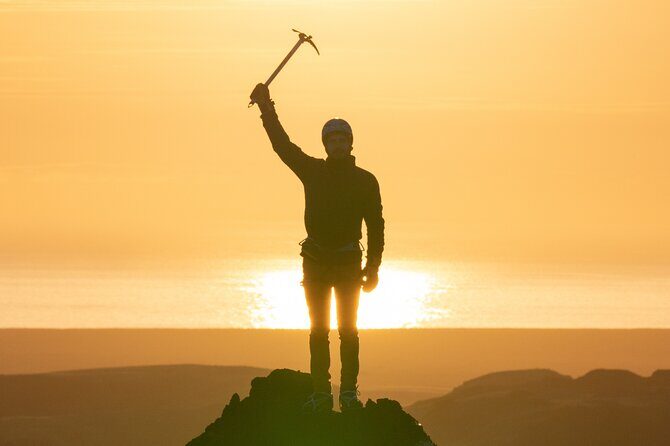
This is a private tour, meaning only your group participates. That’s not just a “preference” thing—it affects how the experience feels.
With fewer people, your guide can slow down when you need it. If you struggle with crampons or feel unsure about axe handling, you don’t have to worry about holding up a larger group. Your route decisions can stay more flexible too, because the guide isn’t forced into a fixed schedule for multiple parties.
One piece of feedback I really liked from the experience description is how guides can help you explore areas on the glacier away from the busiest spots. That kind of change in scenery makes the day feel less like a checklist and more like an actual glacier outing.
Also, private guiding often changes the learning style. You’re not just following directions. You’re getting guidance that’s tuned to your comfort level, which is exactly what you want when you’re trying something physically and mentally new.
Who This Tour Fits Best (and Who Should Rethink It)
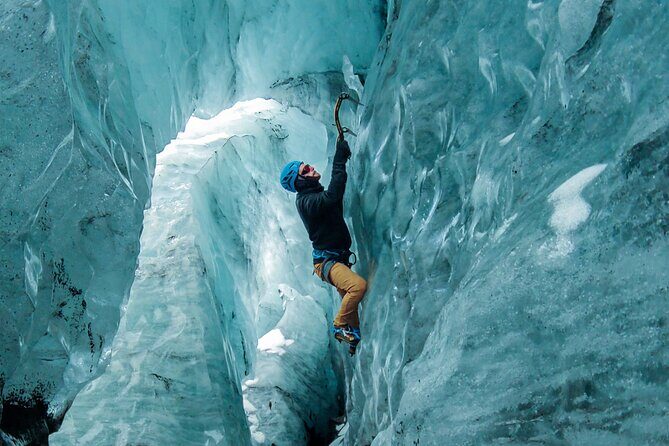
The tour is designed for people with moderate physical fitness. It’s not a couch-to-glacier stunt, but it also isn’t described as requiring extreme athletic ability. You do walk to the glacier front and spend time on ice in a gear-up setup.
If you enjoy outdoors, don’t mind cold and wind, and like hands-on activities, you’ll likely have a great time. This is a strong match for thrillseekers and outdoorsy travelers who want an active experience with coaching.
If you’re someone who dislikes anything even slightly technical—proper foot placement, learning how to move safely, following a guide’s single-line route—then glacier climbing might feel like too much. The tour can still be fun, but your comfort with structure matters.
Price and Value: Is $392.21 Worth It?
At $392.21 per person for about 4 hours 30 minutes, this isn’t a budget activity. But glacier climbing is expensive for good reasons: safety gear, trained guides, and the real logistics of getting people to and onto a glacier.
Here’s where the value becomes easier to understand. You’re getting included ice gear (helmets, crampons, harnesses, ice axes). You’re also getting round-trip transit from Reykjavik, which can be a major hidden cost on DIY plans. And most importantly, you’re not just being “taken somewhere”—you’re coached. Learning how to walk with crampons and handle ice axes is part of the product.
It also helps that feedback shows extremely high satisfaction: a 5-star rating with a strong recommendation rate. That suggests people aren’t paying for scenery only. They’re paying for an experience that actually teaches them how to do it safely and confidently.
If you’re trying to choose between a simple viewpoint and a hands-on glacier tour, this one is the active option. If you want a photo-heavy day, it may feel like more work than you want. If you want skill-building and real movement, it’s easier to justify.
Parking Fee and Small Logistics That Matter
The tour covers transit, but you should know about parking costs. Once at the parking lot, you can pay for your vehicle online via parka.is, with a fee in the range of 750 ISK to 1,000 ISK.
You don’t have to worry about this if you’re relying on the provided round-trip transit, but it’s still useful to understand if you’re driving or renting a car for your own plans.
Also, it’s a good-weather-dependent activity. If conditions aren’t suitable due to weather, you’ll be offered a different date or receive a full refund.
What “Safe and Comfortable” Looks Like in Practice
High ratings usually come from a few repeatable things: people feeling confident, guides staying calm, and clear instructions.
In the feedback I read, Valerio stood out as a guide who made participants feel comfortable and safe. The best part wasn’t just confidence—it was the training. The guidance helped people feel like ice climbing was actually within reach, not something that only experts can do.
That matches the structure of the day: boot inspection, proper gear fitting, practice walking with crampons, then route guidance as you move across the glacier. It’s a real progression, not a sudden jump into climbing without preparation.
So if you’re wondering what the experience feels like: expect coaching, focused attention, and time to get better at moving safely before you commit to climbing.
Duration, Group Size, and Booking Timing
The tour runs about 4 hours 30 minutes. That’s a good length for glacier climbing because it gives time for setup, learning, and the main climbing window without turning the day into an all-day ordeal.
It’s also commonly booked in advance (about 49 days on average). That’s a hint to plan early if your dates are fixed. Private tours often have fewer seats than group tours, and availability can tighten.
The tour is offered in English, and you’ll get confirmation at booking with a mobile ticket.
Should You Book This Glacier Adventure?
Book it if you want a coached, hands-on ice climbing day at Sólheimajökull—with all the key safety gear included and a private guide who can adapt to your pace. The boot check and practice steps are exactly what you want if you’re new to crampons and ice axes but still eager to try.
Skip it or rethink it if you’re expecting a casual walk-and-stare tour. This is active and technical enough that moderate fitness and willingness to learn matter. Also remember: if your boots don’t pass the safety standard, you’ll need to rent proper climbing boots before you can climb.
If your goal is a real glacier experience—not just views—this tour is a strong choice.
FAQ
What is included in the tour gear?
Helmets, crampons, harnesses, and ice axes are included.
Do I need to bring my own climbing boots?
You should bring boots that meet the ice-climbing safety standard. If they don’t, you’ll be asked to rent climbing boots nearby before you can climb.
How long is the glacier adventure?
It’s about 4 hours 30 minutes (approx.).
Where does the tour start and end?
It starts and ends back at the Sólheimajökull glacier parking lot (221, 871, Iceland).
Is this tour private?
Yes. It’s private, and only your group will participate.
What happens if weather is bad or I cancel?
The experience requires good weather. If it’s canceled due to poor weather, you’ll be offered a different date or a full refund. You can cancel for a full refund up to 24 hours before the experience’s start time.