REVIEW · REYKJAVIK
From Reykjavík: Viking Horseback Tour in Hafnarfjörður
Book on GetYourGuide →Operated by Íshestar Riding Tours · Bookable on GetYourGuide
Iceland on horseback beats postcards. This Viking-style ride puts you in the saddle near Reykjavík, where you can work through the Icelandic horse gaits in the Reykjanes preservation area.
I love the barn time and close horse handling before you mount, and I love the horse matching that helps keep the ride smooth and safe for your level. Guides such as Miriam and Andrea are mentioned for helping riders get settled—whether that’s choosing the right partner horse or simply making mounting feel manageable.
One possible drawback: this is a strong intermediate ride. If you can’t stay in control at all paces, the longer canter/tölt stretches (and uneven ground) will feel like hard work, not easy sightseeing.
In This Review
- Key highlights worth knowing
- Why Hafnarfjörður is a smart starting point for serious riding
- Getting from pickup to the saddle: what your half-day really looks like
- Horse matching and barn atmosphere: the part that sets the tone
- The Icelandic gaits you’ll work on (and why tölting matters)
- Reykjanes preservation area: what scenery you’ll see from the saddle
- Gear, safety rules, and the stuff you’re not allowed to bring
- Price and value: is $246 worth it?
- Who this tour fits best, and who should choose another ride
- Should you book the Viking Horseback Tour in Hafnarfjörður?
- FAQ
- FAQ
- How long is the Viking Horseback Tour in Hafnarfjörður?
- What riding experience do I need?
- What are the age and weight limits?
- Where do I meet the tour, if I’m not using pickup?
- Does the tour offer pickup from Reykjavík?
- What gear is included, and what should I bring?
- Are cameras and bags allowed on the ride?
- What’s the cancellation policy?
- What languages is the guide available in?
Key highlights worth knowing
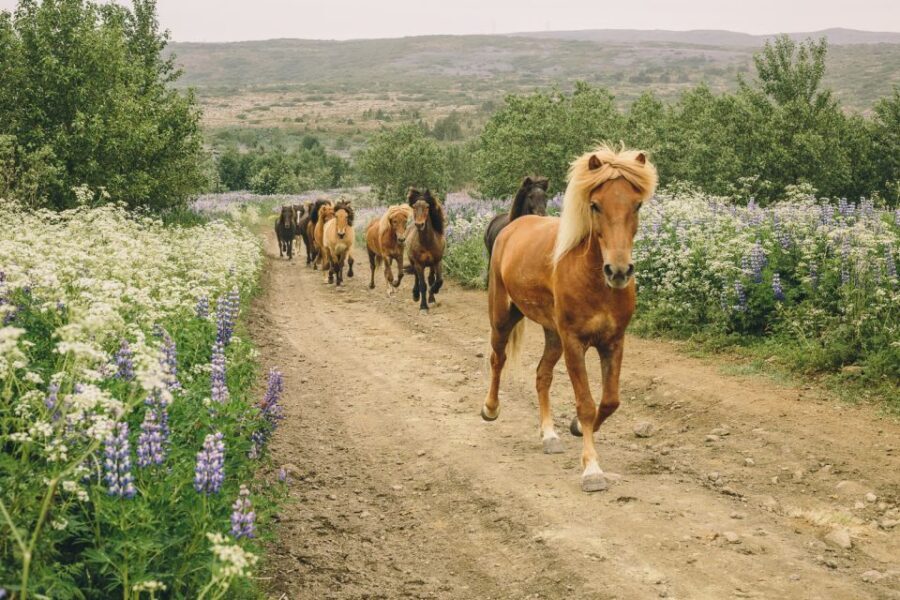
- You ride to practice real gaits, not just a slow walk through town-adjacent scenery
- Small groups (max 12) mean more attention and a more personal feel
- Gear is handled for you with helmets, rubber boots, warm overalls, and raingear
- You’ll go beyond Reykjavík into Reykjanes terrain with lava fields and mountain views
- You must meet the rider rules (age, weight, sobriety, and pregnancy restrictions)
- You can’t bring big bags or large cameras, but there are safety boxes for valuables
Why Hafnarfjörður is a smart starting point for serious riding
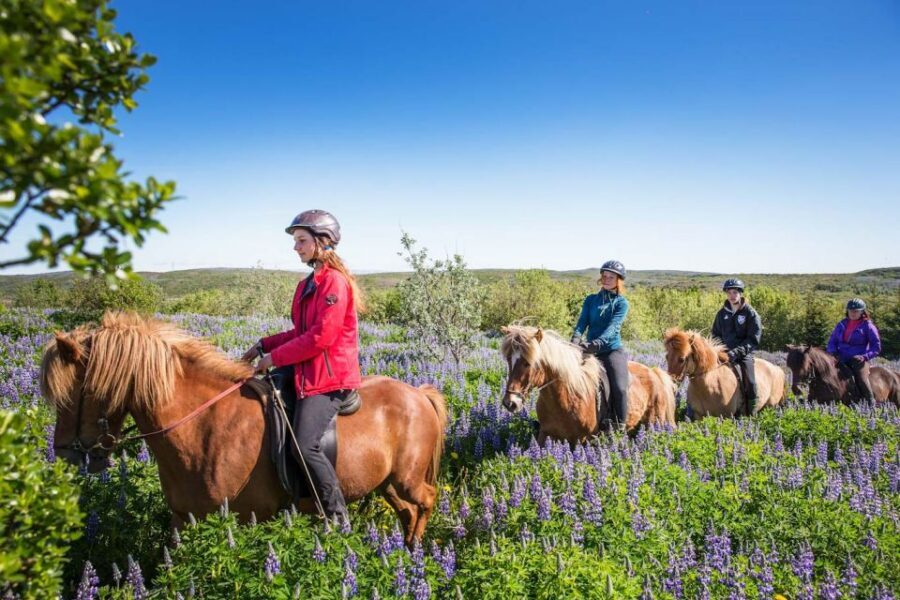
Hafnarfjörður is close enough to Reykjavík that you don’t waste the day on logistics. It’s roughly a 10-minute drive from the city, which matters if you’re trying to fit Iceland into a tight itinerary. You’re also still getting out into real outdoor country quickly, instead of spending your best daylight stuck on roads.
What I like most is that this tour doesn’t treat you like a passive visitor. Even though you’re near town, the focus is on the Icelandic horse’s movement—especially tölt, and then the other gaits you can handle comfortably. That’s why it works best for riders who want the horse to be the main event, not just the background.
The setting itself is built for riding: Íshestar Stables sits in the countryside just outside Hafnarfjörður. If you’ve ever ridden where the views are right there but the logistics still feel easy, you’ll get the same vibe here. In the colder months, having the right rain-and-warm gear ready is a big deal, too.
One more thing: the ride is offered on a clear schedule—Mondays and Fridays in winter (with times listed), and daily in summer. That gives you options if you’re building an itinerary around weather windows.
A few more Reykjavik tours and experiences worth a look
Getting from pickup to the saddle: what your half-day really looks like
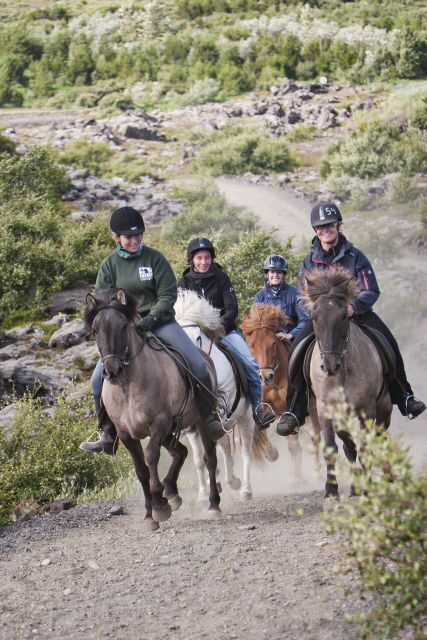
Plan on about a 3-hour window overall. The itinerary lists a 3-hour duration, while the actual time in the saddle is described as roughly 2.5–3 hours including stops. In other words, most of your time is riding, and the stops are there to keep things safe and controlled—especially for a stronger rider group.
If you choose pickup from Reykjavík, you’ll be picked up from designated hotel areas and bus stops. The tour notes specific pickup waiting windows for Monday and Friday departures (for example, on Mondays you may be told to wait around 8:00 for a 9:00 tour, and on Fridays around 11:30 for a 13:00 tour). If you’re staying in a private apartment, the closest pickup point is communicated by email.
If you’re not taking pickup, the meeting point is Sörlaskeið 26, 220 Hafnarfjörður. Arrive 30 minutes early so you can check in, get fitted, and start calmly rather than rushing your first contact with the horse.
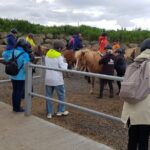
Once you’re at Íshestar, you’re not thrown into the deep end. The flow is typically: gear and helmet fit, a safety briefing, then time to meet the horses before you mount. That early “settling in” is a big reason this tour feels less chaotic and more like a real ride.
After the ride, you’ll be dropped off at one of several locations in Reykjavík—parking lots, bus stops, and hotels. That means you don’t have to solve transportation after your body is already doing the post-ride stiff-leg routine. Still, it’s worth planning that the last drop can depend on how many stops are on your route.
Horse matching and barn atmosphere: the part that sets the tone
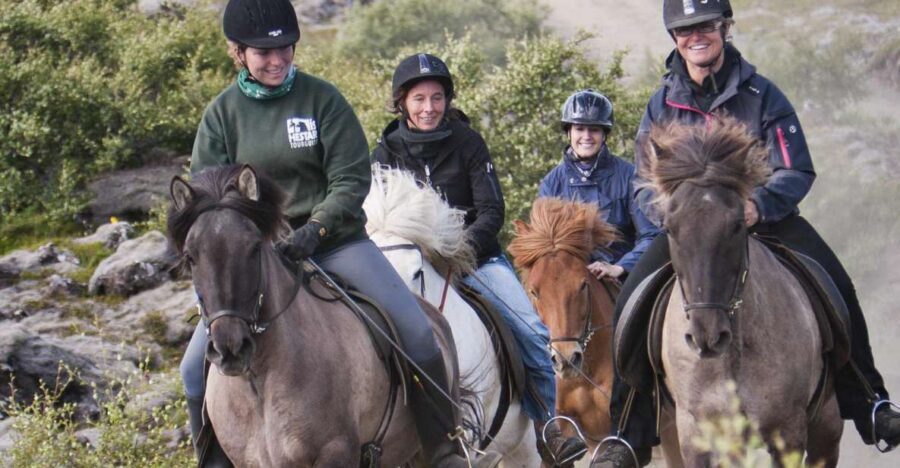
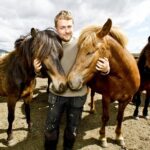
This is one of those tours where the quality shows up before you move an inch. You’re invited into the barn area and you get time to interact with the horses—petting, chatting, and getting a feel for temperament. That sounds simple, but it changes everything. When you already understand your horse’s personality, you ride with less guessing.
The staff also take pride in finding horses that suit individual needs. For experienced and strong intermediate riders, that’s not “nice to have”—it’s the difference between a fun test ride and a frustrating mismatch. The goal is to keep you working on gaits without making the horse (or you) carry stress.
In the field reports you can use as guidance, riders talk about the horses being happy, friendly, and well cared for. One detail I’d take seriously: even in windy conditions, the staff still selected horses that handled group riding well. Icelandic weather can be unpredictable, and a good outfit prepares for that instead of pretending the wind won’t matter.
You should also know the tour’s mindset around safety. Helmets are provided, and overalls/rain gear are included so you aren’t riding in your own soaked clothes. The horses and tack are set up for the people on that day, and the guides work to keep rider groups manageable.
If you’ve got a recent injury or mobility limitations, pay attention to the tour’s rider requirements and be honest in your pre-ride check-in. There are examples of staff helping with mounting and dismounting, but this is still a ride that expects control at all paces.
The Icelandic gaits you’ll work on (and why tölting matters)
The selling point here is not just riding “through Iceland.” It’s riding the Icelandic horse’s movement. Icelandic horses have distinct gaits, and this tour is structured for riders who want to feel them with their own body, not just watch from the ground.
Expect lots of tölt, and then transitions into other gaits depending on what you can handle. The tour guidance is clear: this is for strong intermediate riders who are comfortable and in control at all paces. If you’ve ridden around 30 times in your life (or more), and can manage walk, trot, and canter without panic, you’re in the target zone.
A good detail from real rider accounts: the tölt pace feels smooth, which is exactly why people chase this kind of ride in the first place. You’re not getting bounced into submission. You can focus on balance and rhythm while the horse does what Icelandic horses do best.
You may also experience stretches that include cantering and even faster efforts for riders who are ready. That’s exciting, but it’s also why control matters. If you tend to grip too hard or lose posture when the pace rises, this tour may be more challenging than you expect.
The guides’ job is matching and coaching. They pair you with a horse that fits your level and then guide the group through the ride at a pace that doesn’t turn into chaos. In small groups, that coaching can feel immediate—less time waiting for instruction, more time practicing.
One more practical note: you can’t treat this as a leisurely stroll. Even though the ride includes stops, the movement is part of the experience. You’ll come away feeling like you actually rode Icelandic horses the way they’re meant to be ridden.
Reykjanes preservation area: what scenery you’ll see from the saddle
You’re riding in the Reykjanes preservation area, and you get that “out of town fast” feeling. This is where the proximity to Reykjavík becomes a hidden advantage: you can ride lava country without sacrificing a whole day to travel.
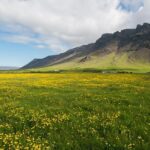
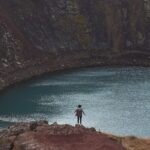
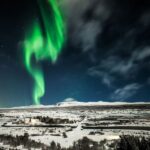
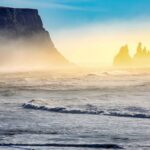
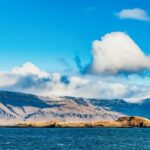
From what’s been described in riding experiences, the scenery can include lava fields, patches of forest, passes by a lake, and mountain views with volcanoes in the background. Even if you’ve seen Iceland photos before, this is one of those situations where your brain absorbs the scale differently from a moving horse.
You’re also outdoors in real weather. Wind can be a factor, and in open terrain it can make both horses and riders pay extra attention. The good news is that the staff appears to prepare for that by selecting well-behaved horses for group riding.
What I’d tell you to do before you go: treat the ride as a balance between scenery and riding technique. If you spend the whole time staring at volcano silhouettes, you might miss the body cues the guide is giving you. But if you let yourself look up when prompted—when the horse is settled—you’ll get the best of both worlds: movement mastery and big Iceland views.
Terrain can also mean uneven footing. That’s another reason this tour is aimed at experienced riders. It’s not a flat arena ride. You’re out where nature is nature.

Gear, safety rules, and the stuff you’re not allowed to bring
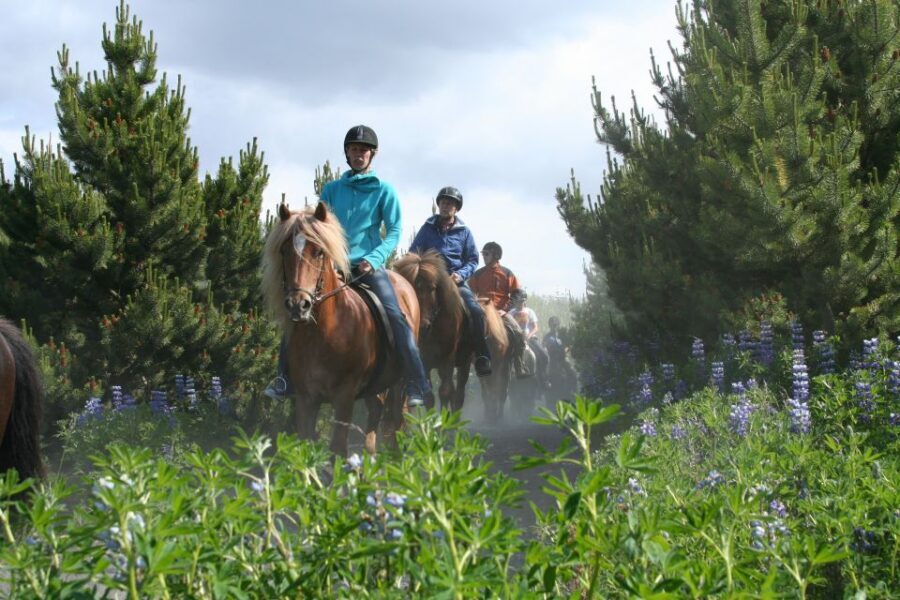
This tour includes serious rider basics. You’ll be provided with warm overalls, raingear as needed, riding boots, and a helmet in an appropriate size. That’s valuable because Iceland weather can flip from okay to wet in minutes, and you don’t want your first Iceland ride to be a cold, miserable fight.
They also manage valuables with safety boxes at the riding centre. The trade-off is you can’t take backpacks, bags, or large cameras on the ride. You’ll want to travel light. If you’re the type who brings three lenses and a tote bag, make a different plan for this day.
Safety rules are strict in a way that actually makes the experience better for everyone. Anyone under the influence of alcohol or drugs won’t be permitted. Pregnant women are not allowed because of possible risk in an accident. And rider weight is capped at 110 kilograms (250 pounds).
One more practical detail that often catches people: you’re expected to bring weather-appropriate clothing, plus sunglasses, a hat, and gloves. Even with provided gear, gloves matter—hands get cold fast when you’re riding in wind.
If you’re planning to bring your own riding gear to Iceland, there’s a special note: riding gear needs to be washed at 40°C, dry cleaned, or disinfected before being brought into Iceland, and used leather gear may not be brought in at all. That’s a weird-sounding rule until you realize it’s about protecting the country. If your own boots or leather tack are part of your usual riding kit, plan ahead.
Price and value: is $246 worth it?
At $246 per person for a 3-hour experience, the price feels steep until you see what’s included and who it’s designed for.
First, you’re not just paying for time outdoors. You’re paying for: horse handling and barn setup, helmets and riding boots, rain/warm overalls, English (and Icelandic/German) guidance, and a small group capped at 12. That matters because gait work and fast decision-making need attention.
Second, this ride is aimed at strong intermediate riders. For that audience, value is measured differently. If you want the Icelandic horse’s tölt and other gaits with real coaching—and you don’t want to waste money on a beginner walk-only outing—this kind of structure is exactly what you’re paying for.
Third, pickup and transfers are included if you select that option. That reduces hassle and time loss, which is real value in Reykjavík, where you can easily burn hours moving between sights.
My advice on value: if you’re a casual rider who only wants a gentle experience, you may not get your money’s worth because this isn’t built for that level. But if you can manage the paces and you want to ride Icelandic horses as actual athletes, this price starts to look fair.
Also, keep an eye on group size. A max of 12 is the cap, but ride sizes can run smaller, and that usually means more time with the guide and a more relaxed feel.
Who this tour fits best, and who should choose another ride
This is a great match if you’re:
- A strong intermediate rider who can stay in control through walk, trot, and canter
- Looking specifically for Icelandic gait experience—especially tölt—plus faster stretches if you’re ready
- Comfortable riding uneven outdoor terrain and making posture adjustments on the fly
- Travelling as a family? The tour minimum age is 12, so teens and older kids can work, but this is still not a toddler-friendly “pony stroll.”
It’s not a match if you:
- Are under 12
- Are over 110 kg / 250 lb
- Don’t feel confident at all paces
- Are pregnant
- Need alcohol/drug accommodations (that’s not part of the setup)
If you’re recovering from an injury, you should be cautious and communicate your limits before the ride. There are examples of riders receiving practical help with mounting and dismounting, but your comfort at canter is still part of the requirement.
And if you’re arriving with your own riding gear, make sure you follow the Iceland requirement on washing/disinfecting and the note about used leather.
Should you book the Viking Horseback Tour in Hafnarfjörður?
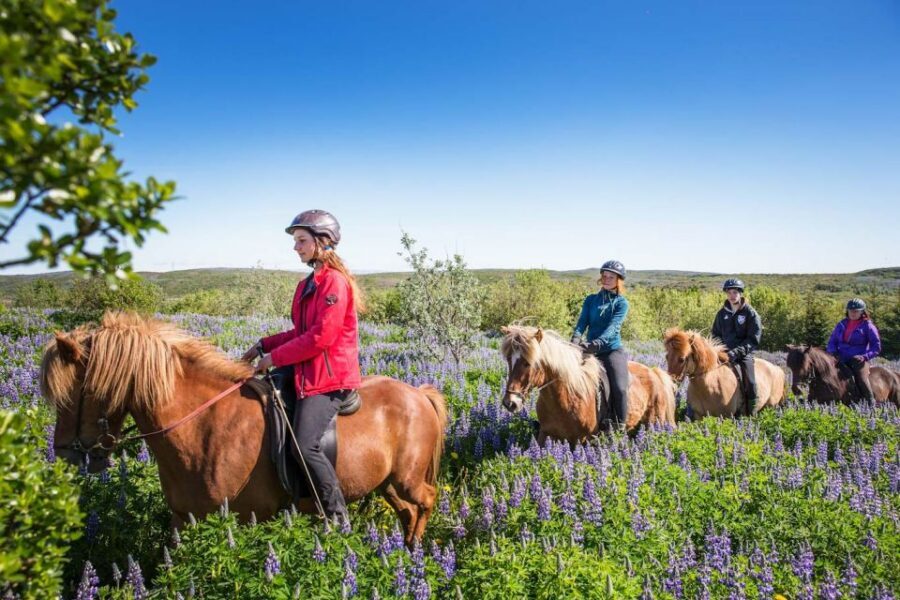
Book it if you’re the kind of rider who wants the Icelandic horse to be the main event. The mix of barn time, horse matching, small-group guidance, and a real chance to work on tölt and canter makes this a strong choice for competent riders who want more than a scenic walk.
Skip it if you’re expecting a casual intro ride, if your riding experience is limited, or if you don’t have control at all paces. The tour is designed around competence, and trying to force it can turn a great day into an exhausting one.
FAQ
FAQ
How long is the Viking Horseback Tour in Hafnarfjörður?
The tour duration is listed as 3 hours. The amount of actual riding time is described as around 2.5–3 hours, including stops.
What riding experience do I need?
This ride is for strong intermediate riders who are comfortable and in control at all paces. The guidance also notes riders should have ridden about 30 times or more in their lifetime.
What are the age and weight limits?
The minimum age is 12 years. The weight limit is 110 kilograms, or 250 pounds.
Where do I meet the tour, if I’m not using pickup?
The meeting point is Sörlaskeið 26, 220 Hafnarfjörður. You should arrive 30 minutes before departure.
Does the tour offer pickup from Reykjavík?
Pickup is optional and available from hotels or designated bus stops only. If you’re staying in a private apartment, the closest pickup point is sent to you by email.
What gear is included, and what should I bring?
You’ll be provided with warm overalls, rainwear, riding boots, and a helmet. You should bring sunglasses, a hat, gloves, and weather-appropriate clothing.
Are cameras and bags allowed on the ride?
Backpacks, bags, and large cameras cannot be taken on the ride. There are safety boxes at the riding centre for valuables.
What’s the cancellation policy?
You can cancel up to 24 hours in advance for a full refund.
What languages is the guide available in?
The live guide is listed as English, Icelandic, and German.